
From Japan to the Philippines: UPCIS Reimagines Filipino History Through Noh Theater
By bringing Filipino revolutionary figures onto the Noh stage, UPCIS’s FilipiNoh turns a centuries old Japanese tradition into something distinctly Filipino.
Words Elle Andrea
Art by Kirk Bertrand
September 21, 2026
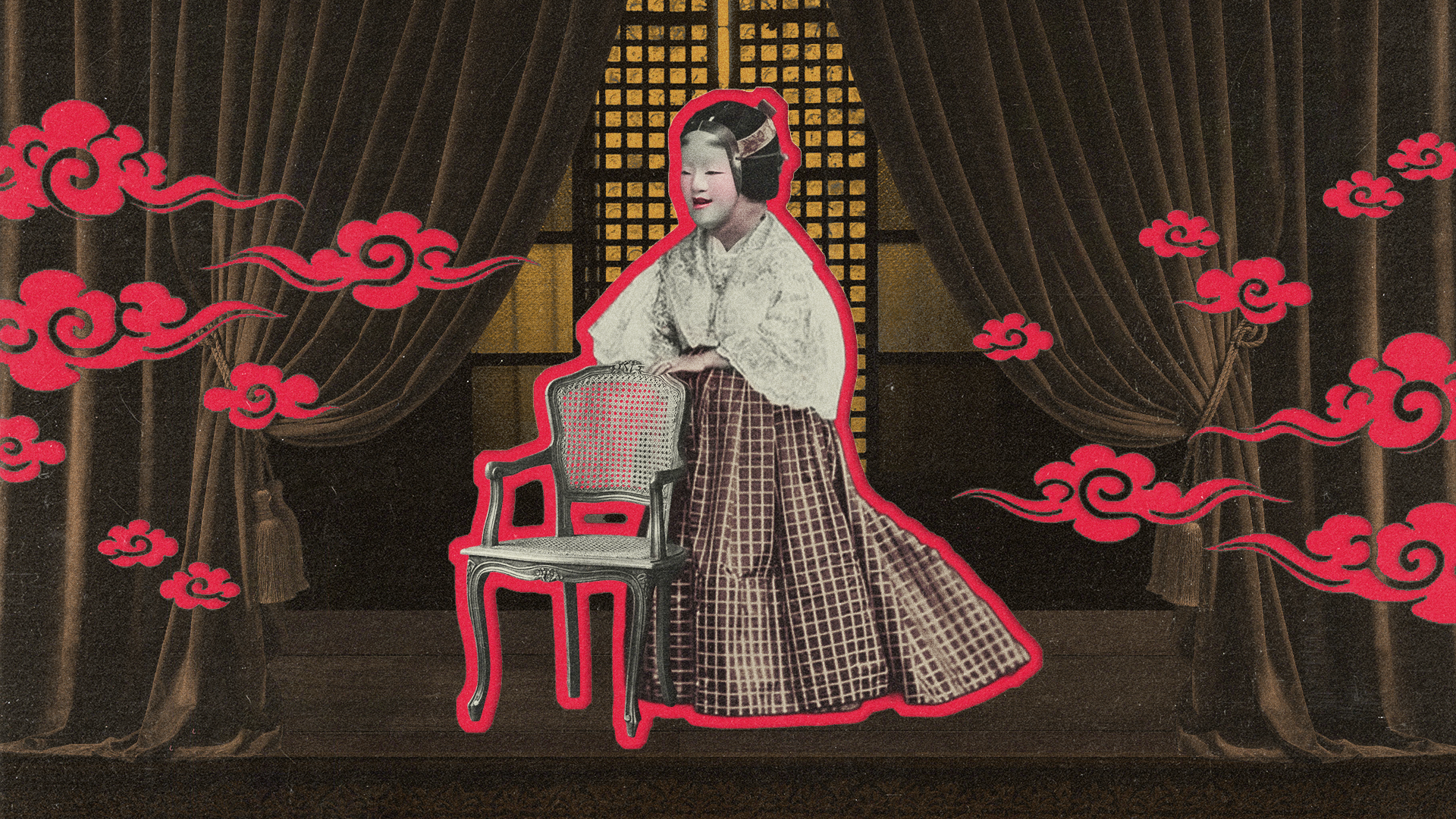
Art by Kirk Bertrand
The University of the Philippines Center for International Studies (UPCIS) Noh Ensemble is bringing Japan’s centuries old theatrical tradition Noh and merging it with the Philippine’s long history of revolution.
Noh is one of Japan’s oldest theatrical traditions. It is performed in classical Japanese commonly known as utai for stylized choreographies, masks, and costumes. For audiences unfamiliar with the form, it can initially feel distant. But FilipiNoh bridges that gap by relating its stories in figures that Filipinos already know.
This play aims to portray the alternate reality of Sisa, and what happens if she refuses to stay dead?
In Jose Rizal’s Noli Me Tangere, Sisa’s story ends tragically, but in FilipiNoh, she gets the chance to speak and confront the patriarchy that led to that fate.
This coming December, the University of the Philippines Center for International Studies (UPCIS) marks 70 years of both Philippines and Japan’s diplomatic relations through Noh Performances.
This year’s feature is the original FilipiNoh production of Ranshō: Paglusong sa Sigwa (Soaring Through the Storm) alongside the classical Noh piece Shakkyo (The Stone Bridge).
“The intention was to use strong women characters of the Philippine Revolution,” said UPCIS Professor Adelina Umali III, who was heavily involved in the production of the play along with Noh Grand Masters Yasunori Umewaka, also known as Umewaka Chozaemon, and Shigeji Ōmura.
Umali said that incorporating Filipino characters into Noh was never just about translating one’s culture into another.
This sentiment was quite evident throughout the performance especially during Sisa’s return. Rather than just remaining a symbol of maternal sacrifice, she’s given the opportunity to confront the forces that shaped her tragedy.
What surprised most of the audience was that the play was purely in Tagalog, since Noh is one of Japan’s oldest theatrical traditions and performed in classical Japanese commonly known as utai for stylized choreographies, masks, and costumes.
For audiences unfamiliar with the form, it can initially feel distant. But FilipiNoh bridges that gap by relating its stories in figures that Filipinos already know.
Apart from bringing back the women of the Philippine Revolution, the play’s storyline aims to confront the current problems that the country faces. It even draws inspiration from Voltes V, a surprisingly familiar reference point for many of their Filipino audiences.
This same strategy mirrors Noh’s own tradition of drawing inspiration and stories that the audience already recognizes.
Since its founding in 2005, that exchange goes both ways. The UPCIS Noh Ensemble has trained Filipino students in Noh dance, chant, flute, and drums. Nine Japanese Noh masters will join Filipino students and professional artists for this year’s performances.
The production will follow five warriors pushing through storms and earthquakes, only for one of the characters to realize that nature is not the real enemy.
“In the end, she realized that really the enemy is not nature, but it’s us. It’s the greed among our people,” Umali said.
One of the sensei also observed something distinctive about Filipino students: their passion for learning.
Nonetheless, FilipiNoh is less about perfectly reproducing Japanese Noh and more about discovering what happens when the traditional Noh meets Filipino stories, and that means giving old characters new possibilities.
Sisa can return. Tandang Sora can speak. Revolutionary women as heroes, and a Japanese theatrical tradition can tell a story that feels unmistakably Filipino.
Ranshō: Paglusong sa Sigwa and Shakkyo will be performed on December 6 and 7 at the UP Theatre in Diliman, with another performance on December 9 at Carlos P. Romulo Hall, RCBC Plaza in Makati. Admission is free.