Life, From Above
With a bird’s-eye view and an architect’s eye for composition, Jerika See turns everyday life into intricate visual stories.
Words Mara Fabella
Photos courtesy of Santi Albalate
October 5, 2026
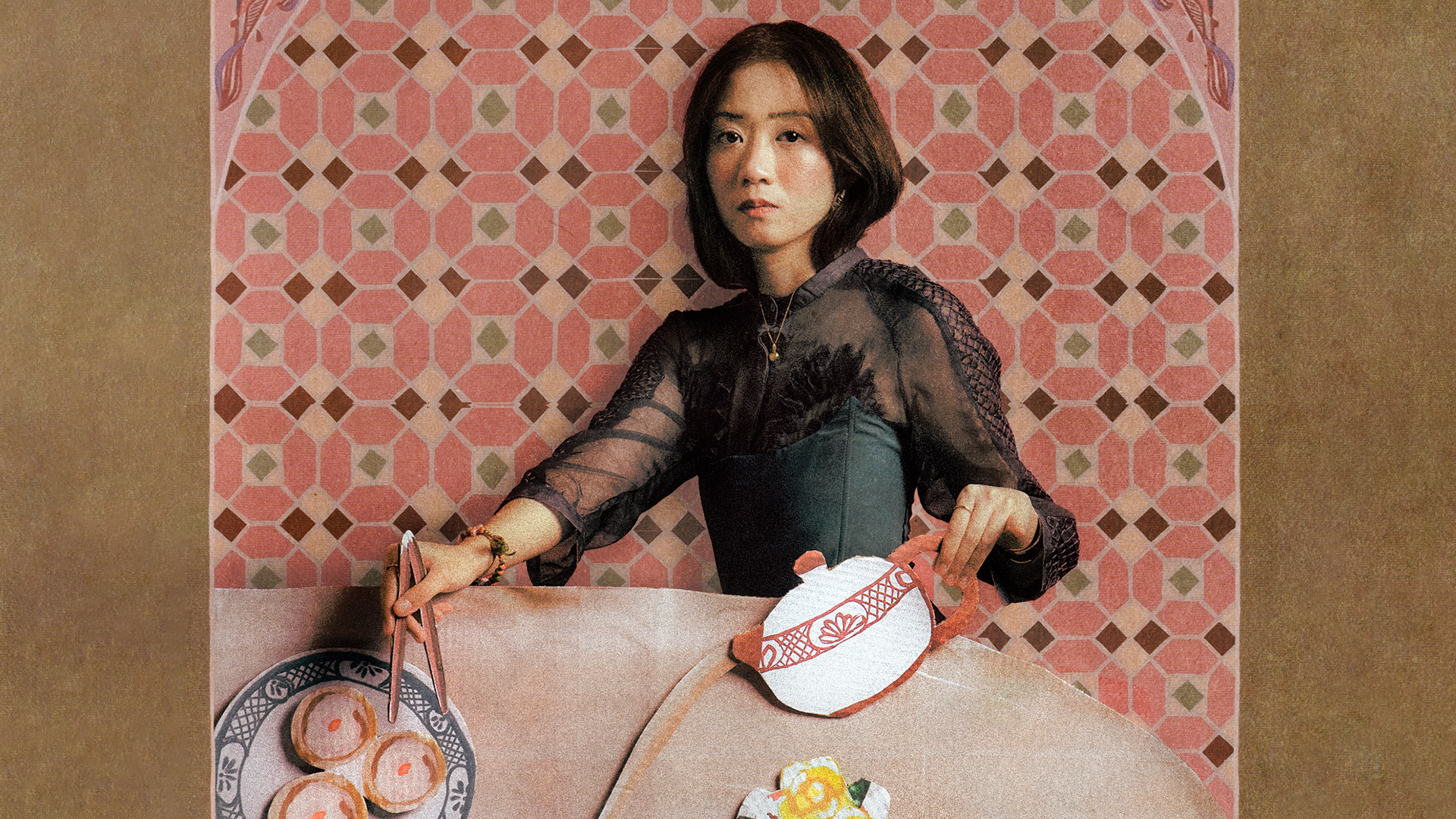
Artist Jerika See | Photo by Santi Albalate
One can hardly scroll through your social media feed without seeing it. A bright, colorful image teeming with vibrant shapes, all viewed from the top. It’s eye-catching and in a sense, satisfying: separate forms gathered together and viewed through such a unique perspective. The flatlay is practically everywhere—ads, curated feeds, marketing collaterals. Flatlays are photographic compositions where objects are arranged together and photographed from the top. Even in real life, one can observe people taking flatlays before eating an aesthetically pleasing meal. Or perhaps, we take flatlays by instinct when documenting different objects, like in a shopping haul. With how commonplace the flatlay is, one may wonder, what makes us so entranced by it? Is it merely for the visuals? The ease of composition? Or is there perhaps a deeper narrative connection in the flatlay between the subjects below and their observer—us, the silent watcher from above?
These are some of the reflections sparked by the quiet, yet intricate art of Jerika See. A painter, architect, and storyteller of silent, intimate moments, she is an artist young in her career, yet already with notable solo shows under her belt. More notably, See has a distinct style and iconography that, just like the flatlay, absorbs one’s attention, while evoking simple, genuine connections. More than just visuals, See uses the flatlay as a visual tool to tell stories—ones we may have seen ourselves firsthand or even been a part of.
See is a Filipino-Chinese painter who grew up in Metro Manila. Like many talented artists of her repertoire, she was already painting from a young age. While in high school, she would devote her weekends to painting classes. “I actually thought about majoring in painting when I was applying for college, but I didn’t consider it because it wasn’t the usual path people took,” the artist recalls. Her path instead took her to architecture, which she studied at the University of Santo Tomas. This “usual path” would end up becoming a major influence on her current art style.
“I don’t think my paintings would look like this if I didn’t study architecture,” See says. In her studies, she learned the basics of visual design, drawing, and symmetry. She learned about drafting floor plans, and notably, how to create spaces from a top-down perspective. “I also paint everything from the top. I think it’s the best view for showing how people interact with each other and their surroundings in the painting.” For See, the top-down perspective is more than an aesthetic, it’s a crucial tool to narrate the stories of spaces and the people that move about them. The artist learned how to use architecture as a way to shape the narratives of everyday life, from a quiet family meal to a rowdy scene of play among friends. “... You create stories within a space before it even exists.” See’s paintings unravel these stories.
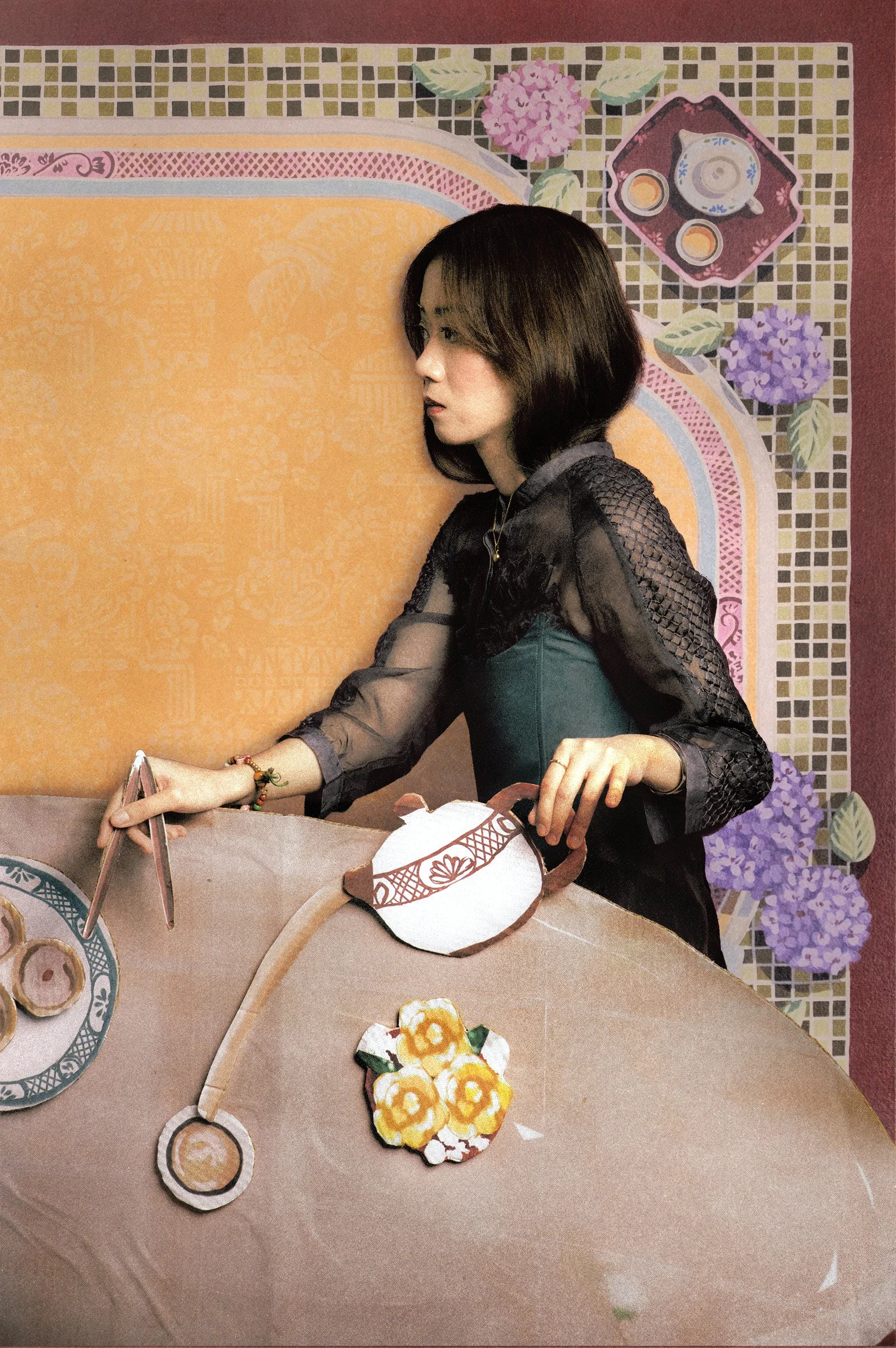
Artist Jerika See | Photo by Santi Albalate
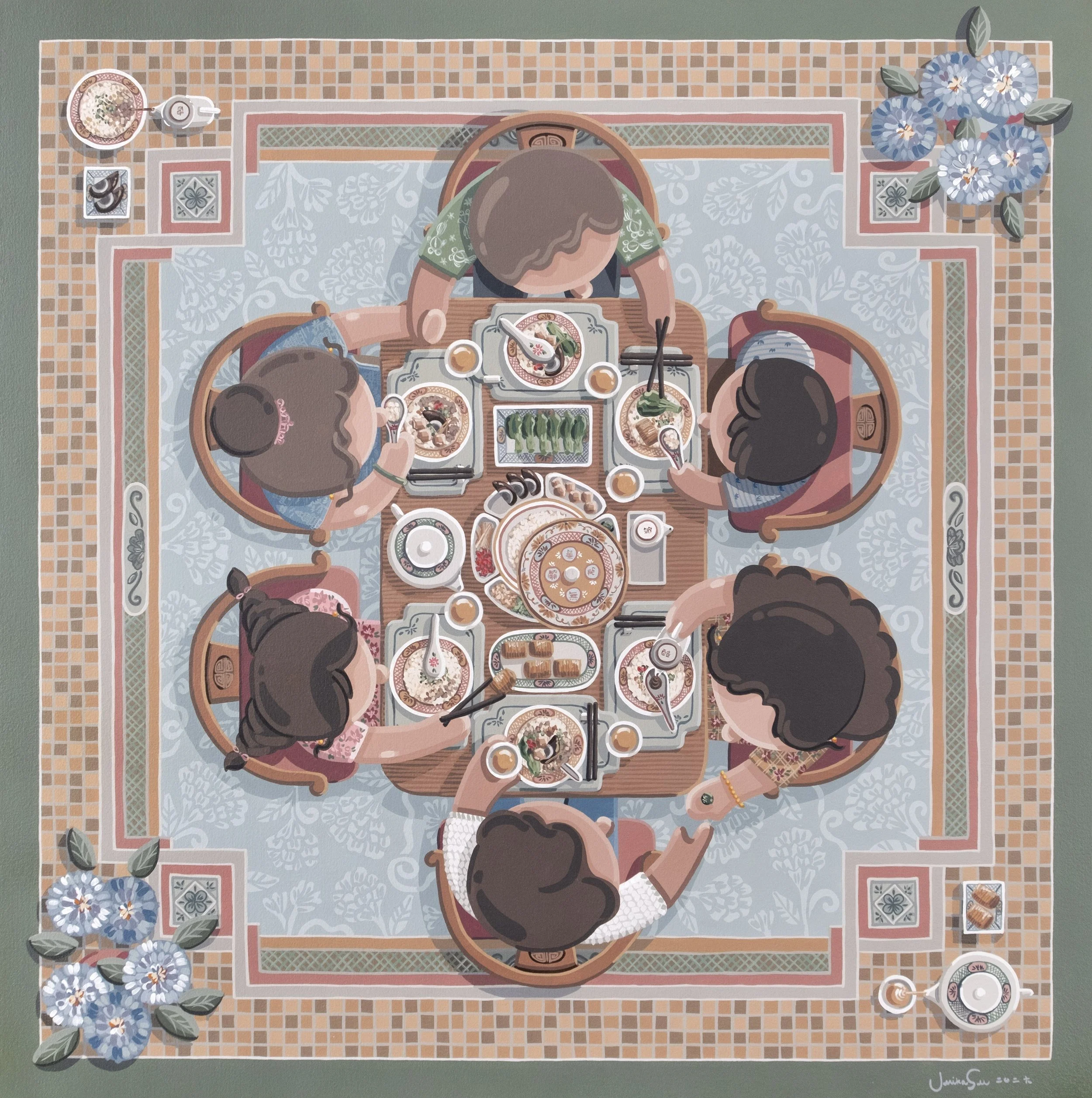
Breakfast Together, 2026, 36 × 36 inches, acrylic on canvas by Jerika See
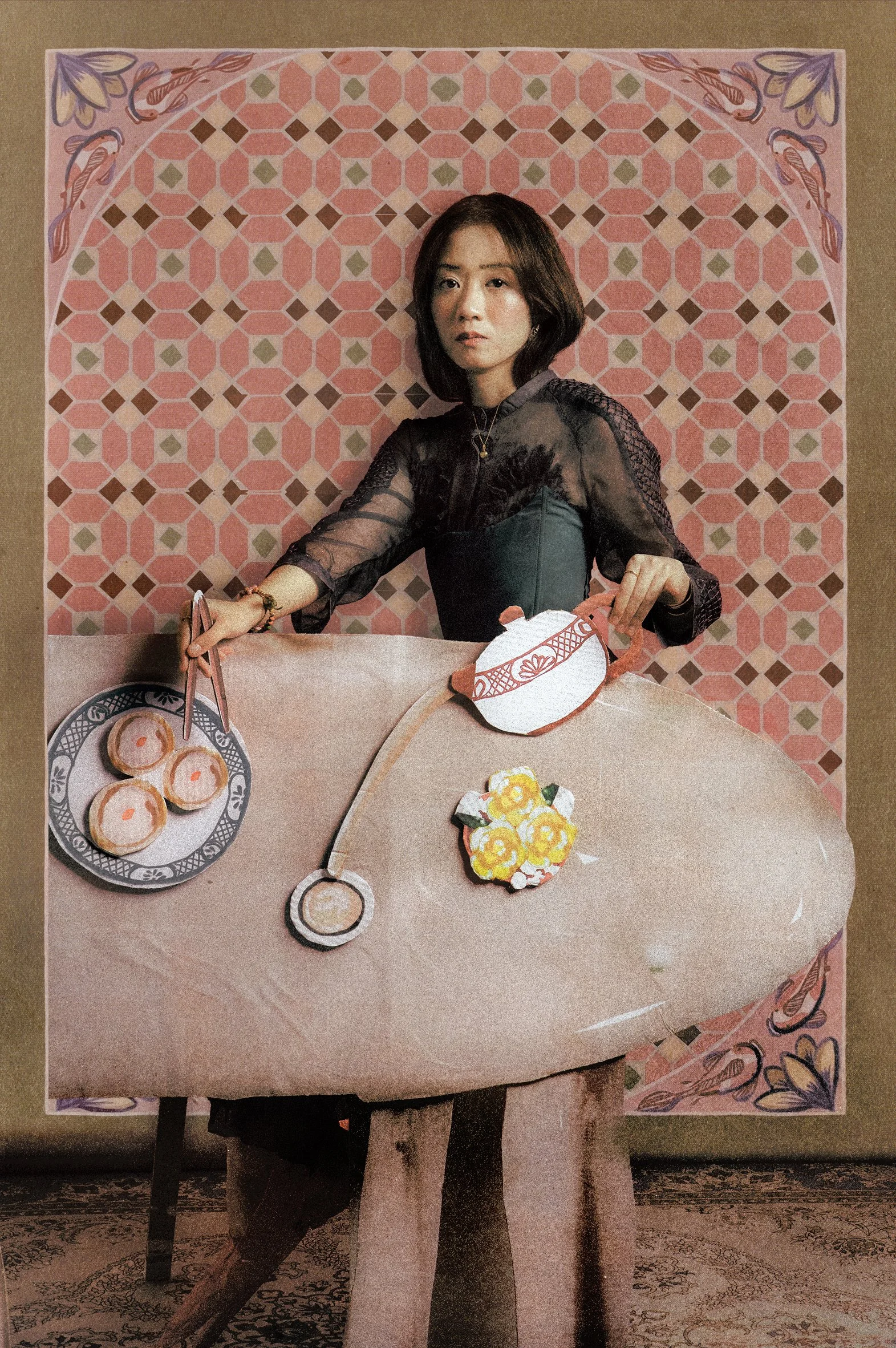
Artist Jerika See | Photo by Santi Albalate