
When the Act Falls Apart
The Sandbox Collectives’ “People, Places, & Things” examines addiction, trauma, and the difficult performance of finding one’s way back to healing.
Words Mian Centeno
Photos courtesy of Loreta Arroyo
September 12, 2026
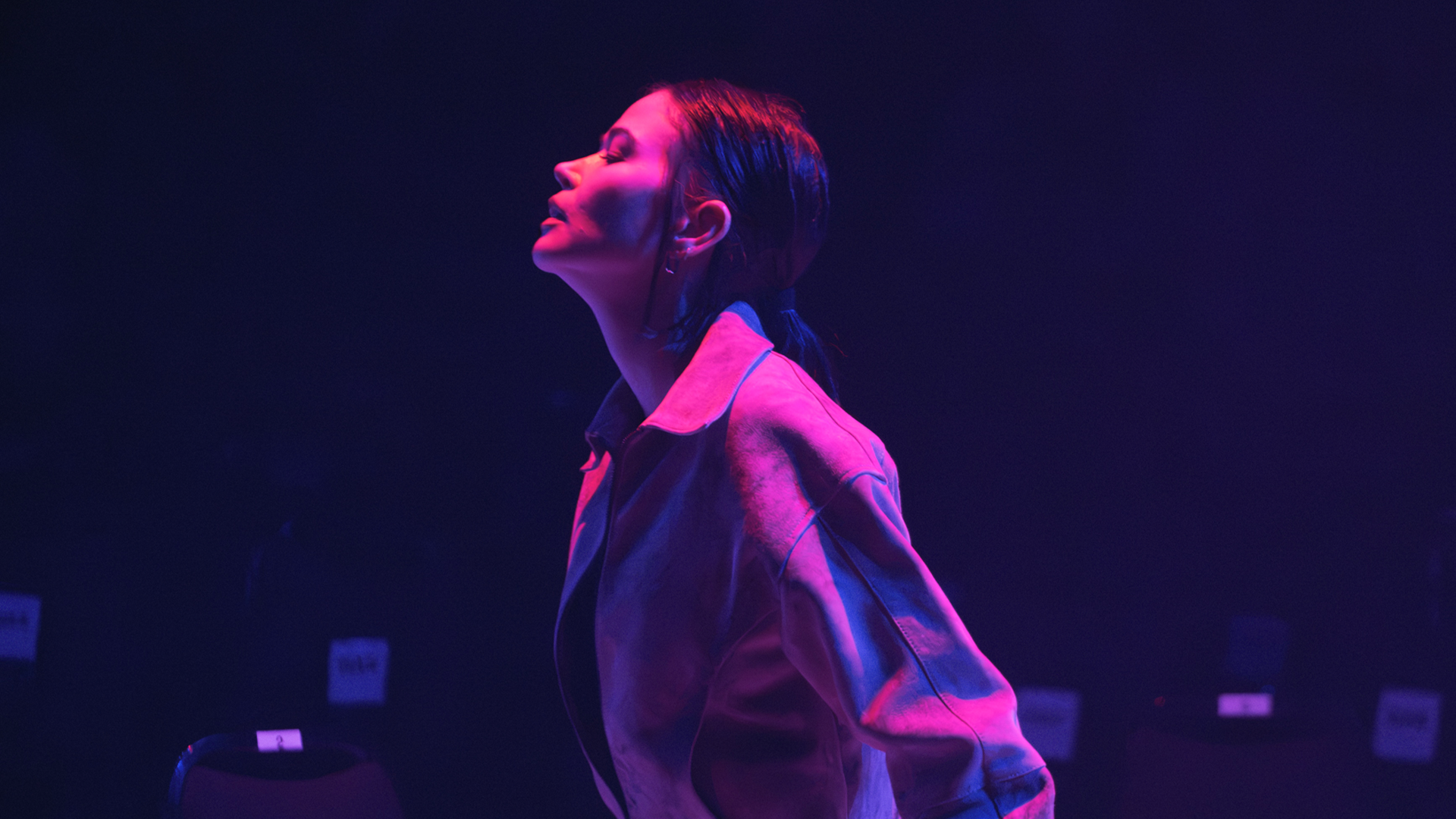
Actress Bela Padilla as Emma in The Sandbox Collectives’ People, Places, & Things | Photo by Loreta Arroyo
What doesn’t kill you makes you stronger.
Until it does. Almost.
In The Sandbox Collectives’ presentation of Duncan Macmillan’s “People, Places, & Things,” Emma, portrayed alternately by Bela Padilla and Gabby Padilla, confronts the painful reality of healing from the trauma that shaped the demons she continues to fight.
When the foundations of recovery begin to crumble, the play asks what happens when the person trying to heal is forced to face everything she spent years running from.
A Reluctant Performance
From the beginning of Emma’s journey through its succession of plot twists, the story rarely allows its audience to settle.
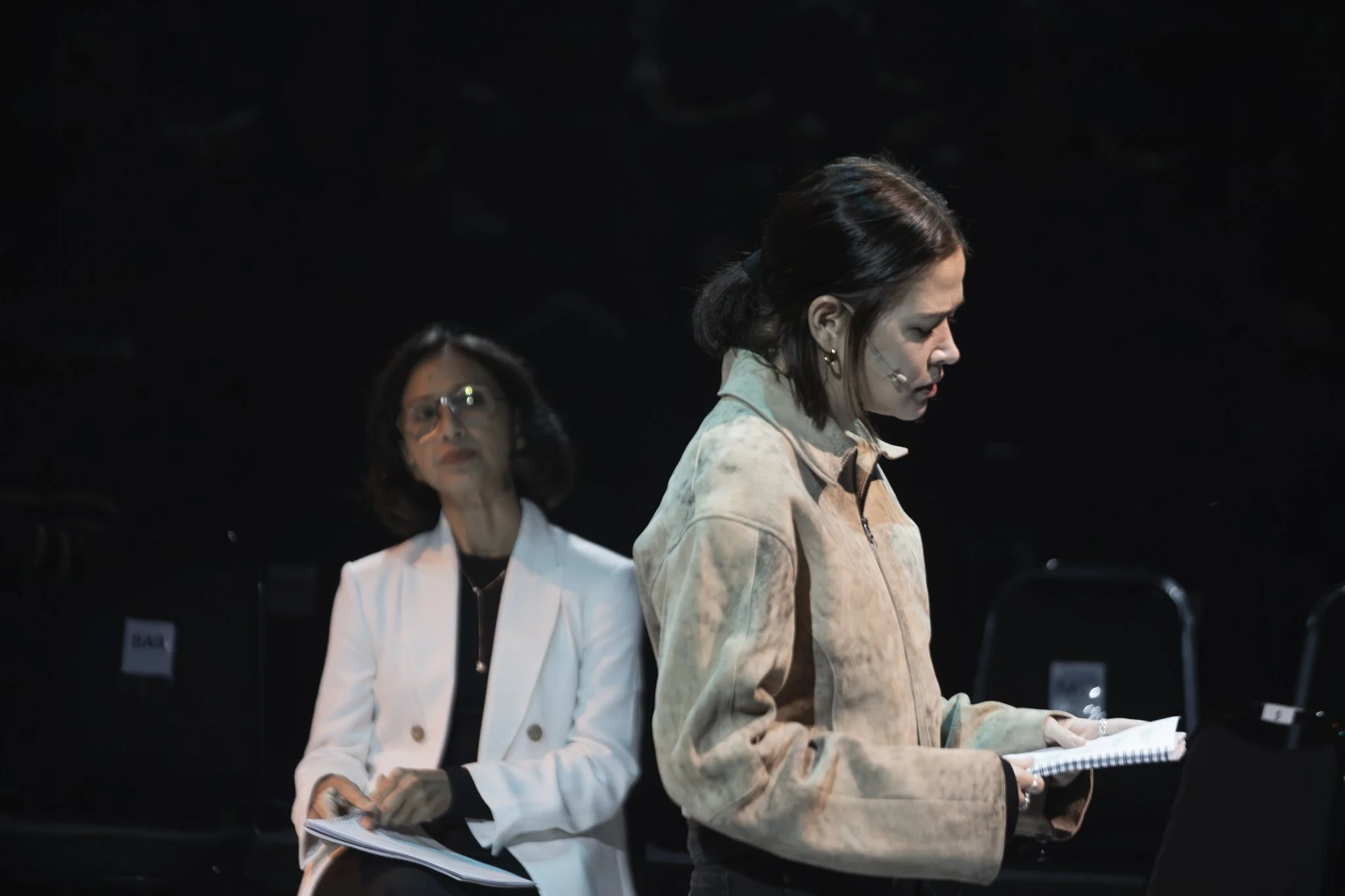
Actors Menchu Yuchengco Yulo and Bela Padilla | Photo by Loreta Arroyo
Under Sab Jose’s direction, the special staged reading offers a grounded portrayal of addiction without stripping its characters of their vulnerability and struggles.
Emma is a mediocre theater actor undergoing rehabilitation for substance abuse and addiction. Initially cynical about entering the facility, she cooperates only to complete the treatment and return to her normal routine.
It is almost as if rehabilitation is simply another acting job—one she has no intention of taking seriously.
At the facility, she meets Mark, played by Jake Cuenca, alongside others navigating their own struggles with addiction—becoming the first audience to Emma’s reluctant performance of recovery.
What follows is a painful reminder of how stories of grief and trauma can shape the ways people seek solace. Some of the play’s most affecting moments come from these stories, revealing how deeply our lives are connected to the people around us.
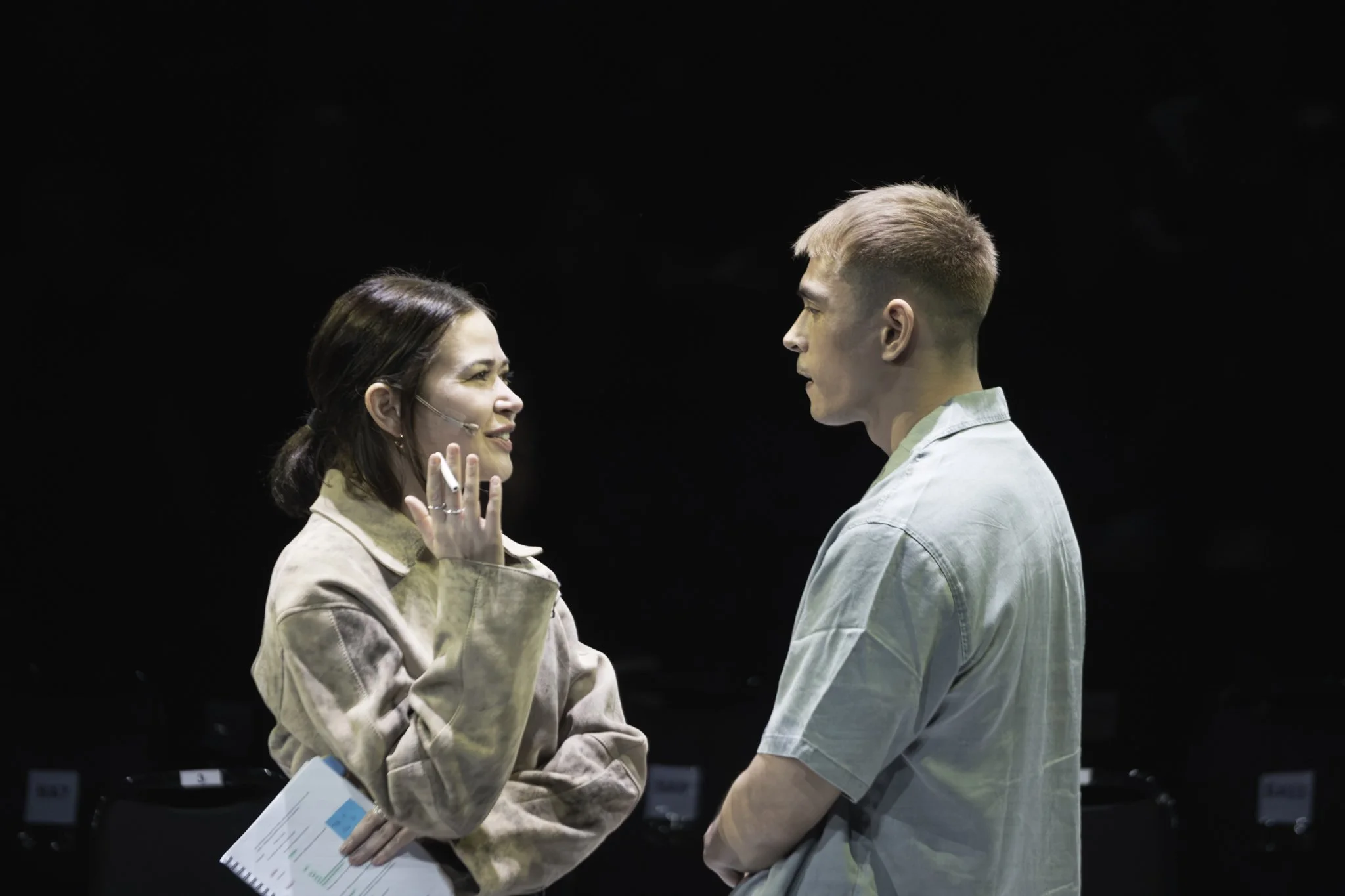
Actors Bela Padilla and Jake Cuenca | Photo by Loreta Arroyo
After all, no man is an island.
When the Facade Cracks
Emma’s web of lies eventually unravels, creating a rift between her and the people at the facility.
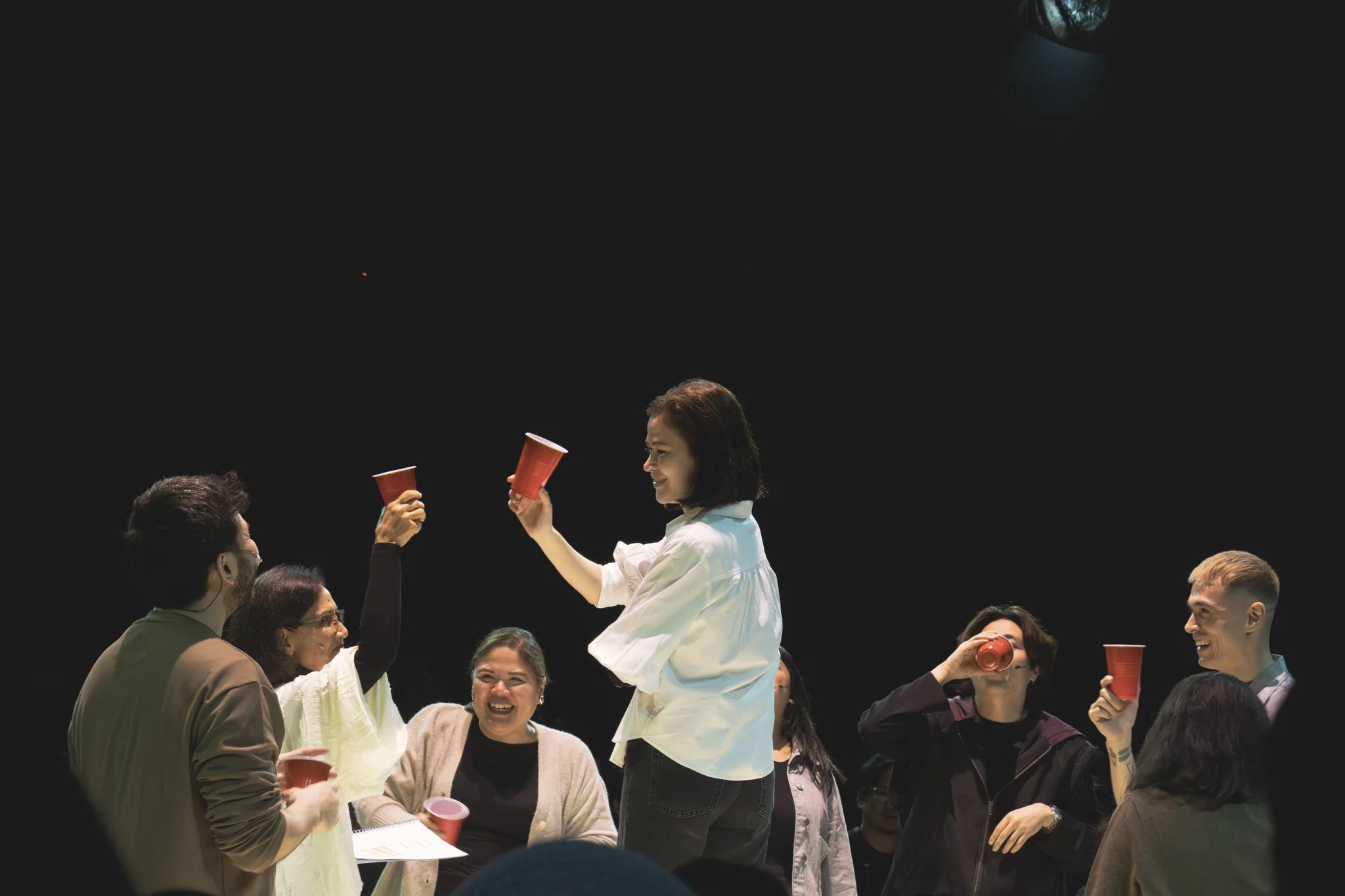
The cast of Sandbox Collectives’ People, Places, & Things | Photo by Loreta Arroyo
She completes treatment and receives the certification needed to move forward. But just as she begins returning to her old life, a devastating meltdown nearly costs her everything.
Here, Padilla embraces the fractured personality at the heart of Emma. Her performance recalls Erving Goffman’s ideas on identity and performance: how people construct versions of themselves for different situations until the facade becomes difficult to separate from reality.
Emma’s unwillingness to confront her recovery the first time eventually catches up with her. The lines between acting and living blur, sending her back to the facility—this time with a genuine desire to heal.
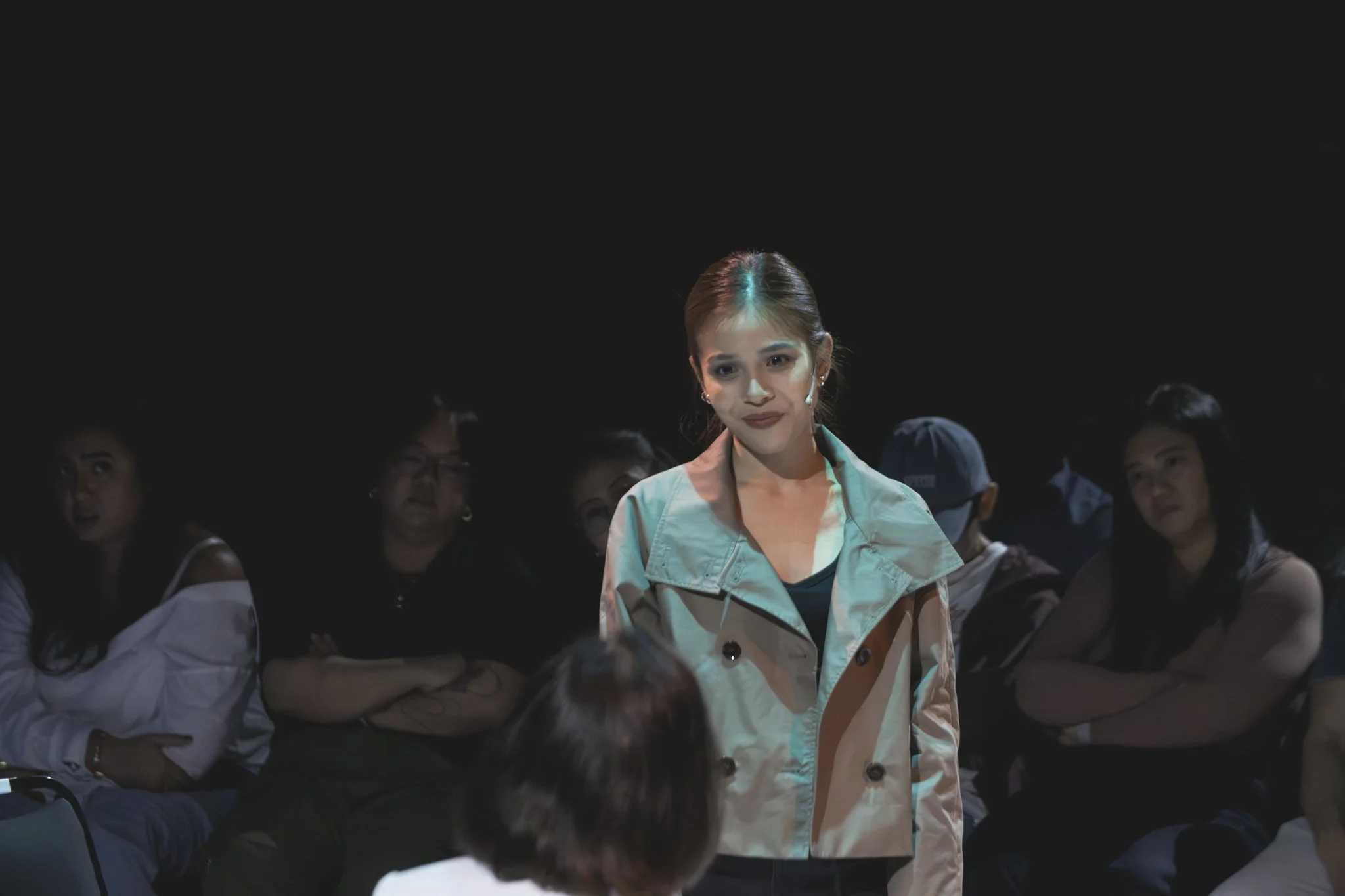
Actress Gabby Padilla as Emma in The Sandbox Collectives’ People, Places, & Things | Photo by Loreta Arroyo
Because whatever we try to leave behind has a way of finding its way back to us.
People, Places, & Things
The play eventually reveals the significance of its title. In recovery, triggers can come in three forms: people, places, and things. Identifying them allows those in treatment to prepare for the moments when old wounds resurface.
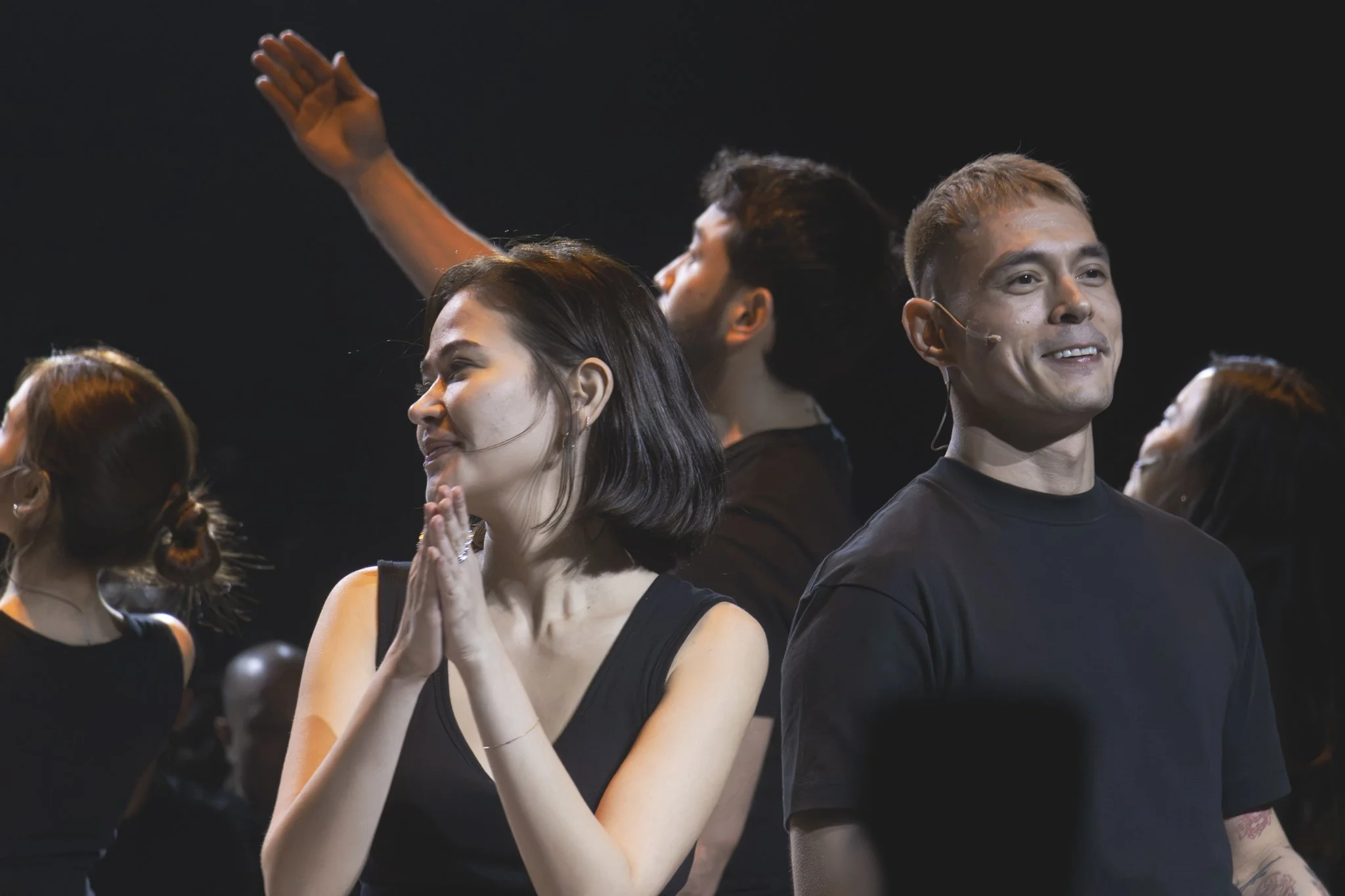
The cast of Sandbox Collectives’ People, Places, & Things | Photo by Loreta Arroyo
For Emma, it has always been the people in her life. The death of her brother, her father’s absence, and the trauma inflicted by her mother become pieces of the emotional landscape she must confront.
Just when the story seems to be moving toward resolution, another twist unfolds.
Menchu Yuchengco Yulo, portraying Emma’s mother, delivers a striking performance that adds another layer of emotion to an already chilling confrontation.
By its end, “People, Places, & Things” becomes more than a story about addiction. It examines the uneasy relationship between trauma and identity, and the weight placed on someone already at their breaking point.
Sometimes, healing means confronting not only what hurt us, but the versions of ourselves we built to survive it.