
What Makes a Good Beef Bowl
Gyudonya puts the focus on Japanese beef bowls—from classic gyudon to wagyu, and even steak and hayashi.
Words Coleen Wong
Photos courtesy of Renzo Navarro
August 25, 2026
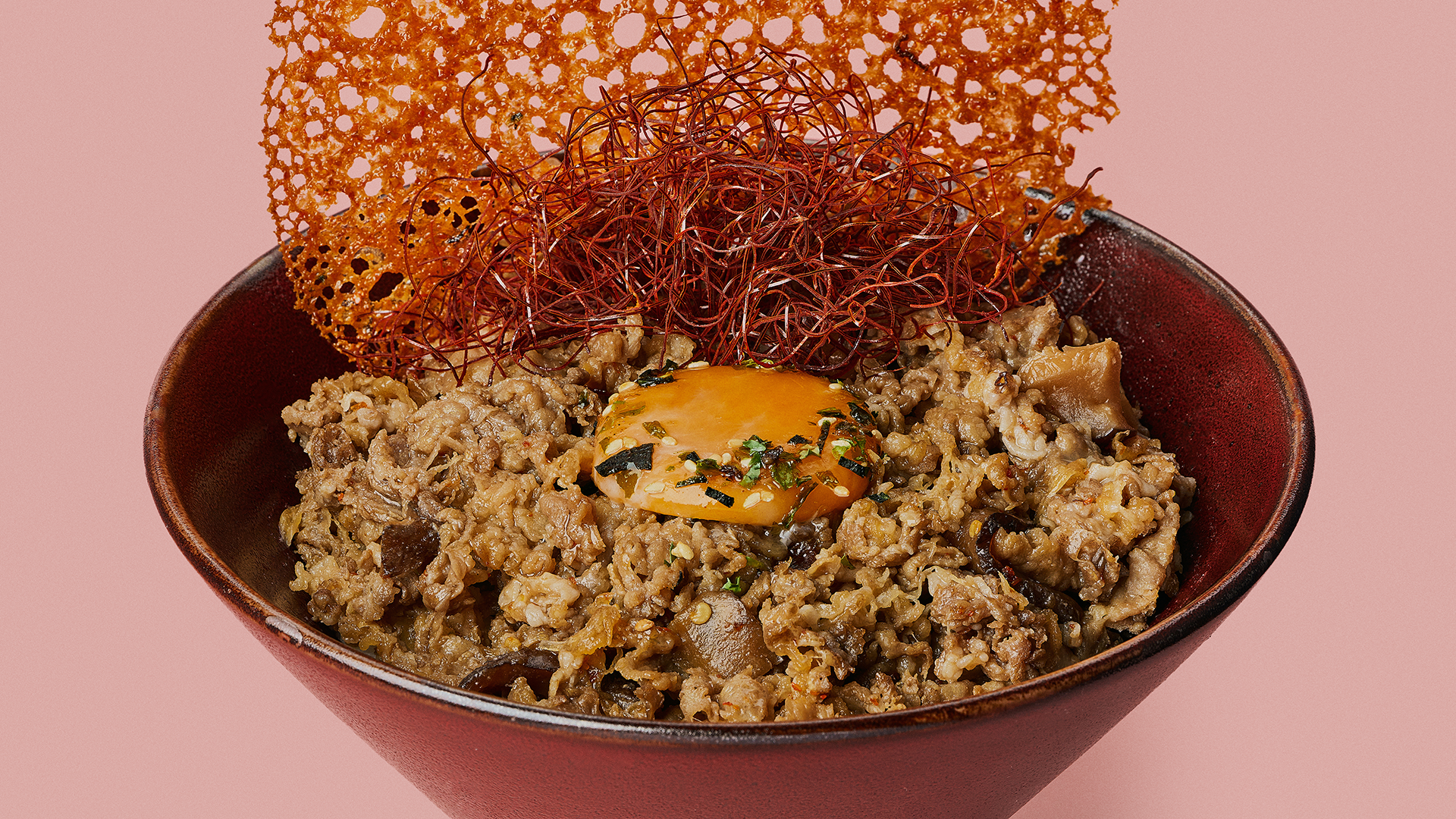
Spicy Gyudon in Red Bowl
There is something reassuring about a restaurant that knows exactly what it wants to achieve.
At Gyudonya, that focus is clear from the name alone. The new concept from Senshin Hospitality Group, now open at Mitsukoshi BGC, is built entirely around Japanese beef bowls, not a broad menu of familiar staples, but different ways of understanding beef over rice.
For first-time diners, founder and CEO Richard Sanz recommends beginning with the simplest option.
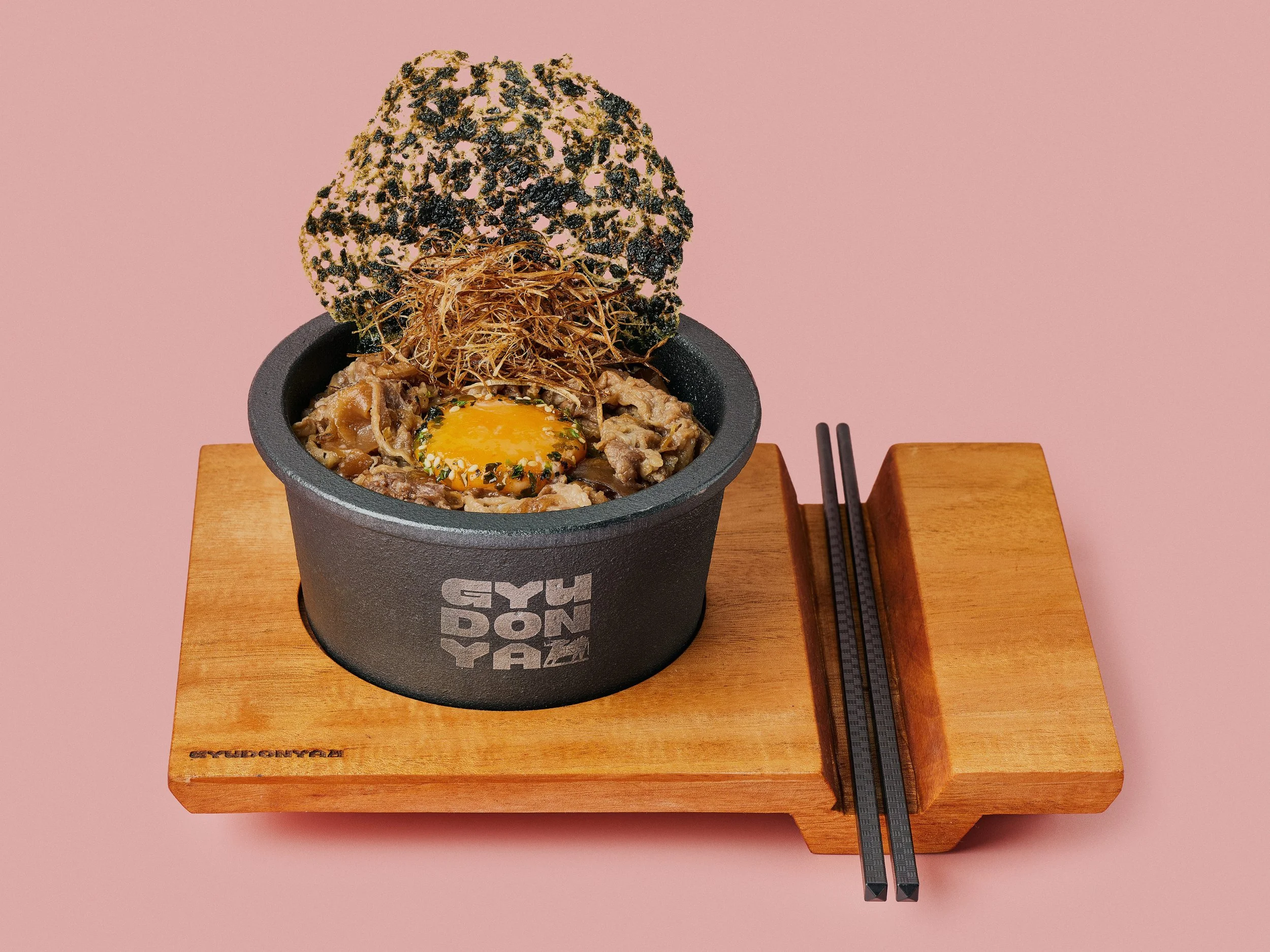
Classic Gyudon in Steel Bowl
“First, the OG,” he says. “That is my baseline. From there, you can try the different flavors.”
It actually makes sense. Before the black truffle, wagyu, ikura, and richer variations, the original gyudon reveals whether the restaurant understands the dish at its most basic: beef, rice, and sauce. There is little room to hide when the components are this straightforward.
Sanz is especially particular about the rice. He recalls how even ordinary fast-food restaurants in Tokyo serve rice of noticeably good quality.
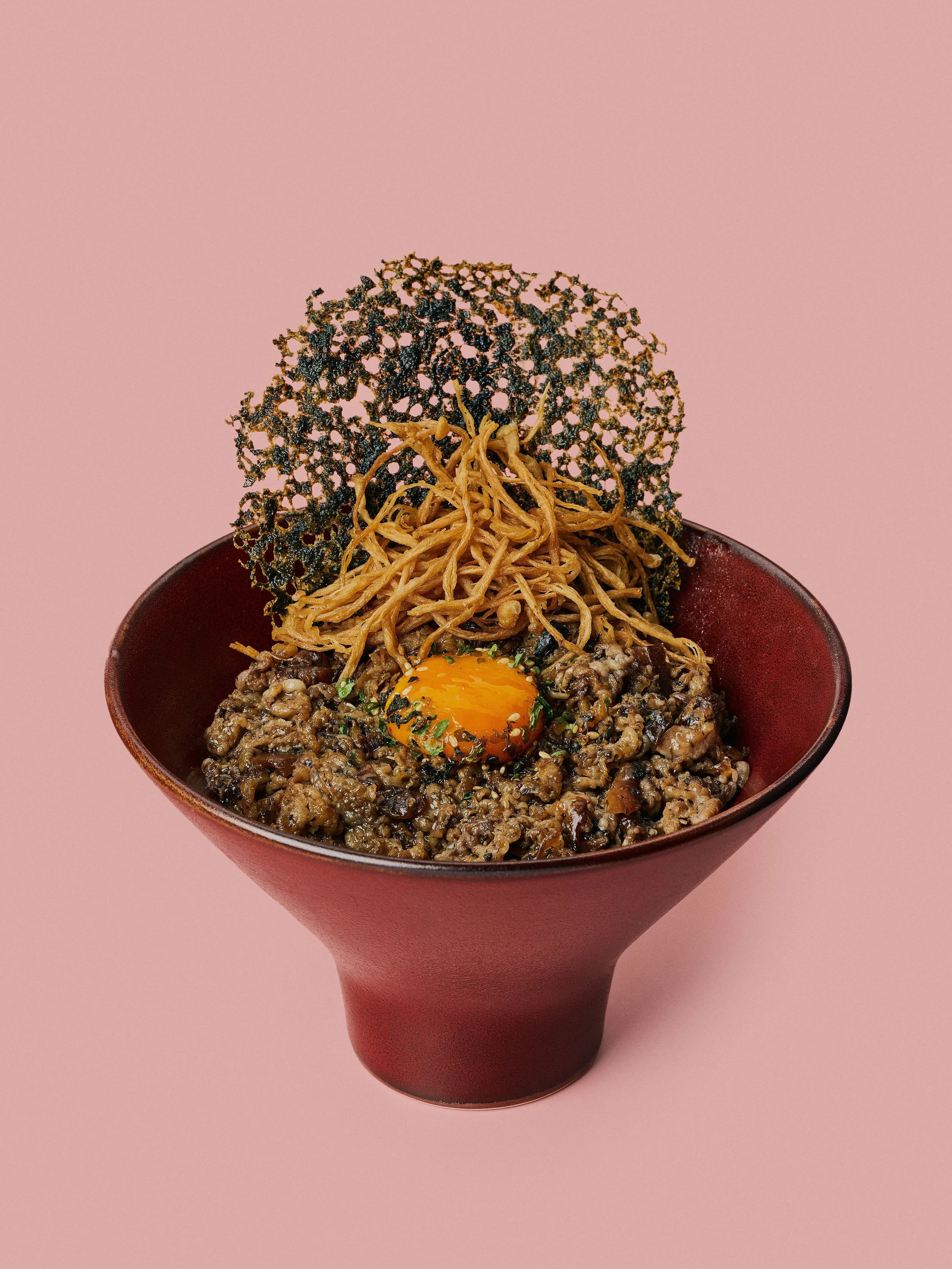
Black Truffle Gyudon In Red Bowl
At Gyudonya, Japanese rice is paired with carefully selected beef and sauce, creating what he describes simply as “a perfect dish.”
The menu moves through several expressions of the same ingredient. There are four gyudon variations: the original, spicy, buttered garlic, and black truffle.
The restaurant also serves steak bowls, sizzling stonepots, and a Wagyu Beef Hayashi that is slow-cooked for 12 hours.
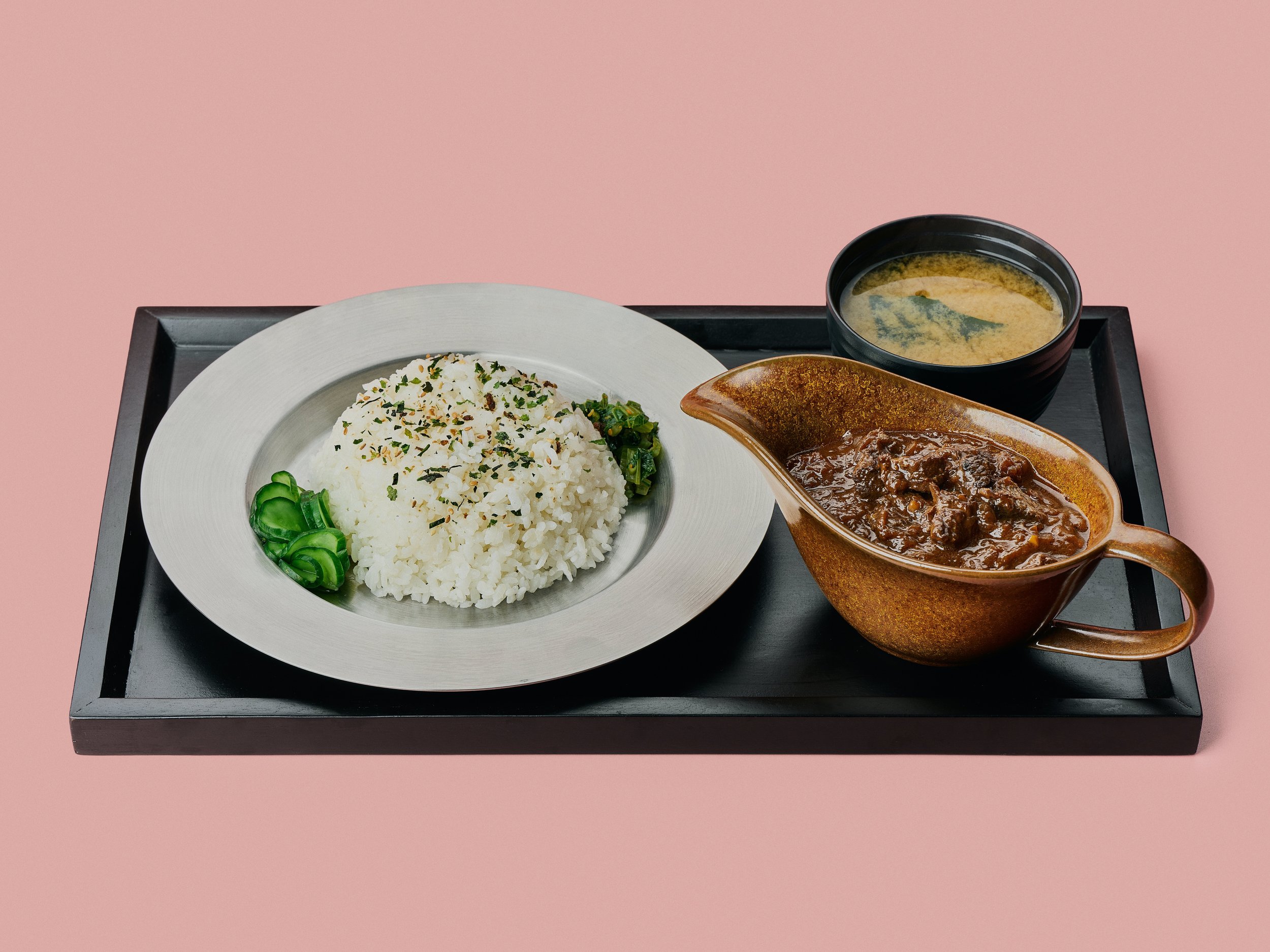
12-hour Wagyu Beef Hayashi Rice
Each bowl feels familiar in structure, but the technique changes how the beef is experienced. Some preparations lean into softness and comfort, while others focus on searing and developing a proper crust.
The steak bowls come with different rice pairings, including sweet soy miso rice with furikake and an umami version served with wasabi rice.
Gyudonya may use premium ingredients, but it still keeps the experience approachable. Rather than turning the beef bowl into fine dining, the idea is to make it feel a little more special while still being something you can come back to any day.
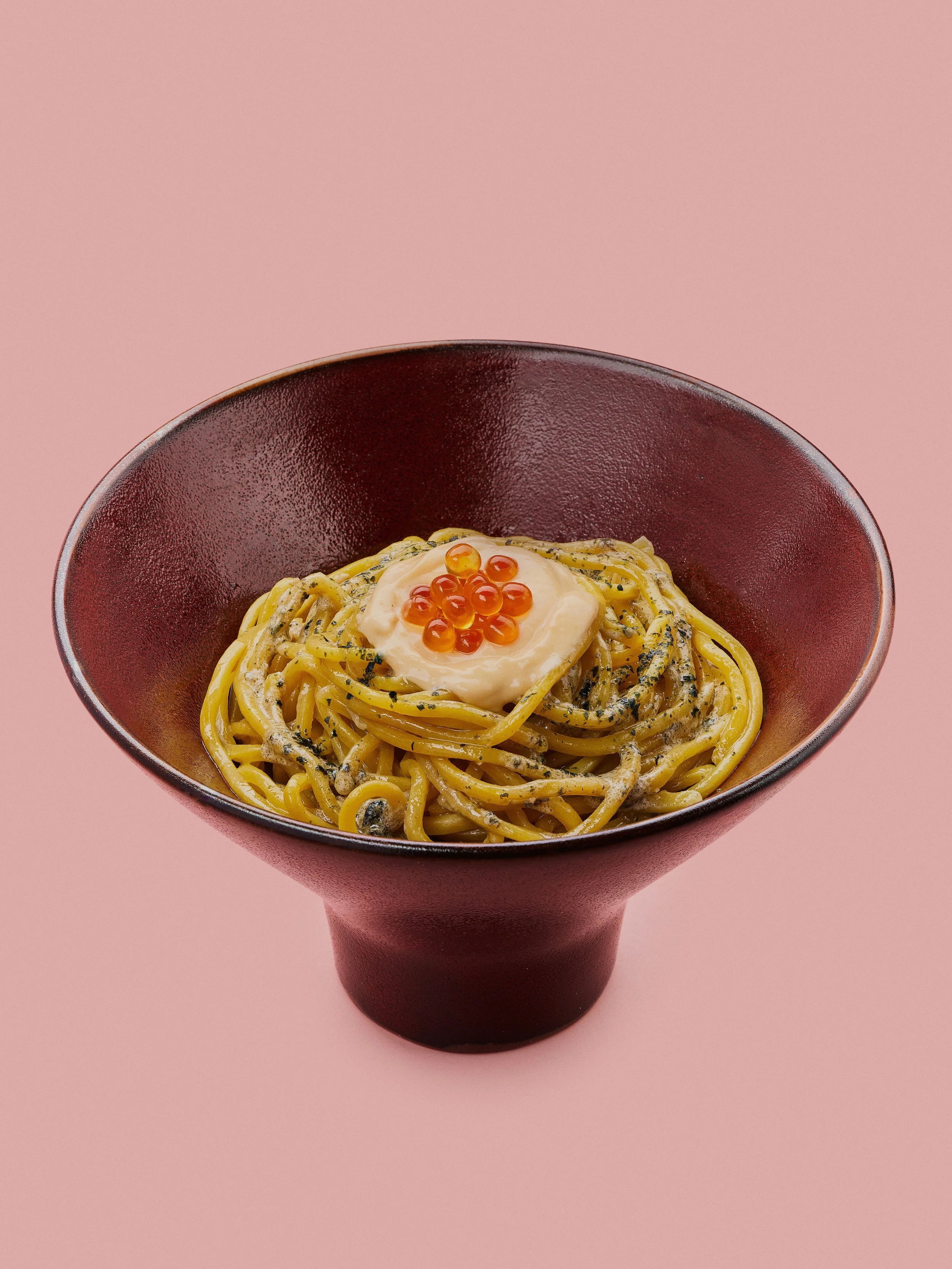
Nori Pasta
That balance comes from Sanz’s long experience in the restaurant industry and his understanding of the Filipino palate. He spent more than two decades learning what people order, what they return to, and what they leave behind. He describes those years less as a collection of mistakes and more as lessons that gradually become part of their creative process.
The dishes are not copied rigidly from Japan. Certain details are adjusted for local tastes, such as making some sauces slightly sweeter or serving steak with dipping sauces.
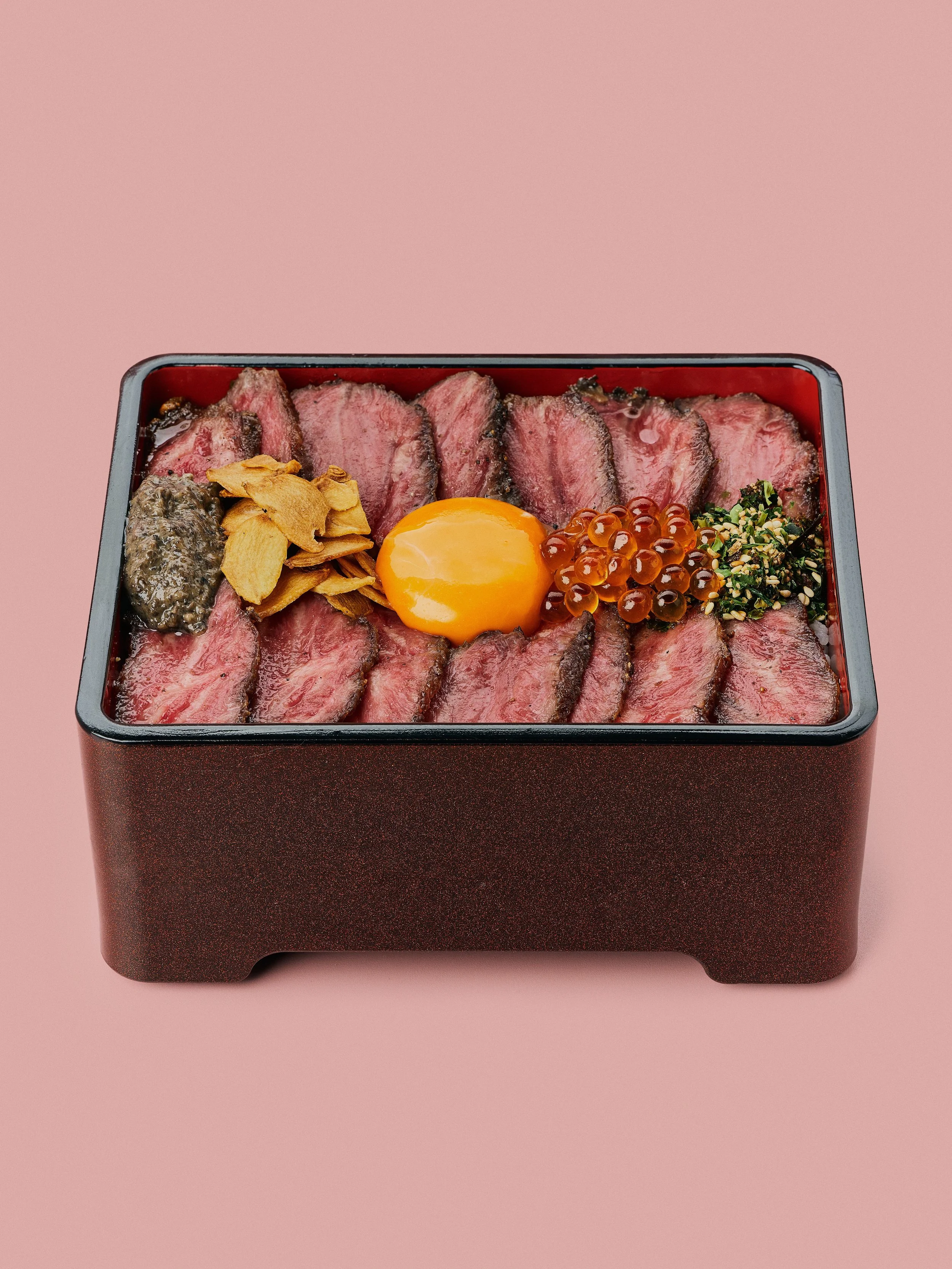
Steak Box
These are small changes, but they show how Japanese technique and Filipino instinct can meet without losing the identity of the original dish.
The Wagyu Beef Hayashi is perhaps the clearest example.
Hayashi rice isn’t widely known in the Philippines as gyudon or Japanese curry, but its rich, comforting sauce feels surprisingly familiar. Sanz compares it to mechado, not because the two dishes are the same, but because both carry that slow-cooked warmth we tend to associate with home.
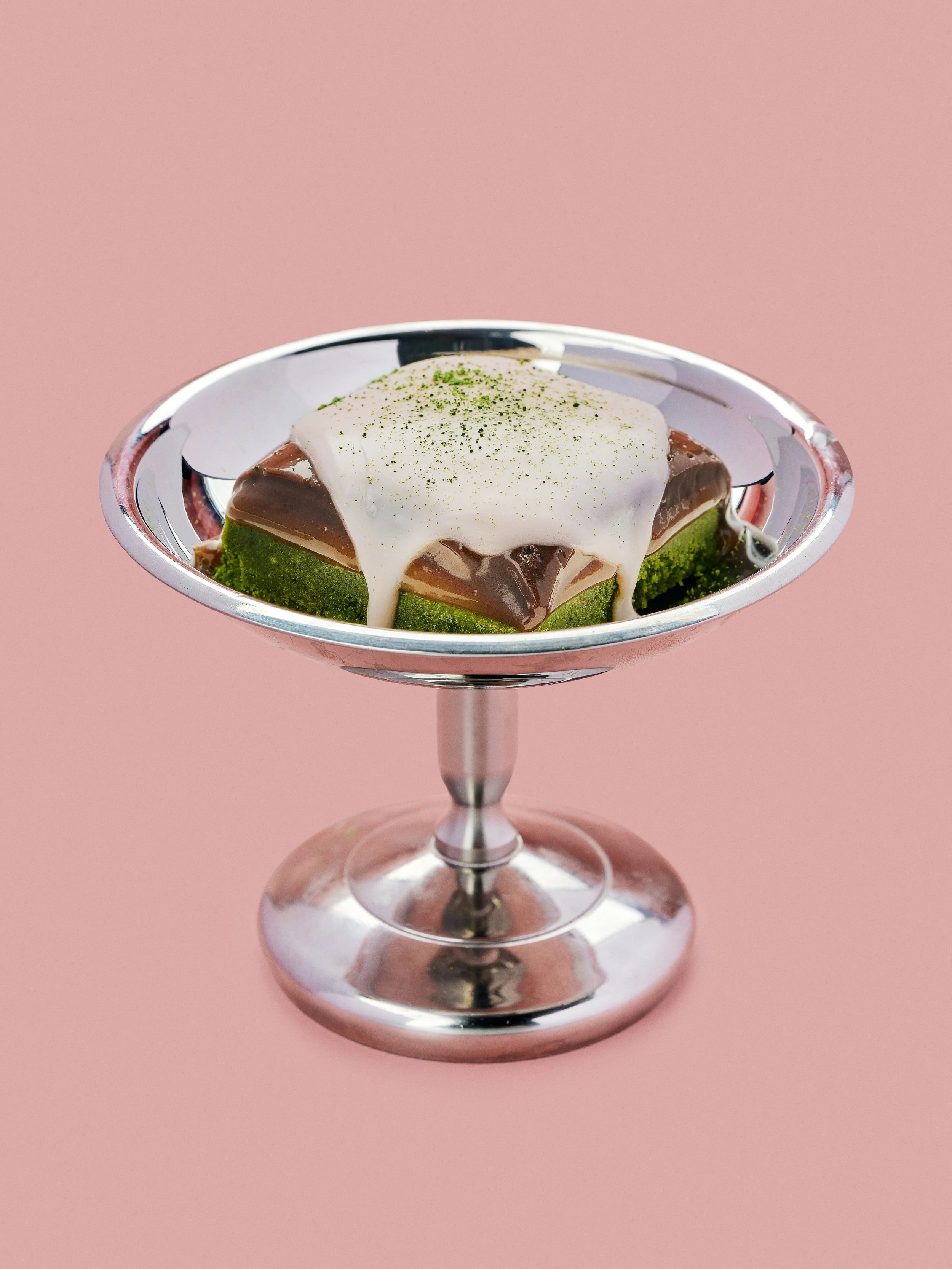
Twix
Sanz traces this focus back to what he observed in Japan, where restaurants often build their identity around one dish and spend years refining it.
“When you sell everything, there’s no mastery. There’s no focus,” he says. It is a philosophy he has also applied to his other brands, each built around a specific category rather than an expansive menu.
For him, that restraint gives the restaurant a clearer identity and allows the kitchen to develop a deeper understanding of what it serves.
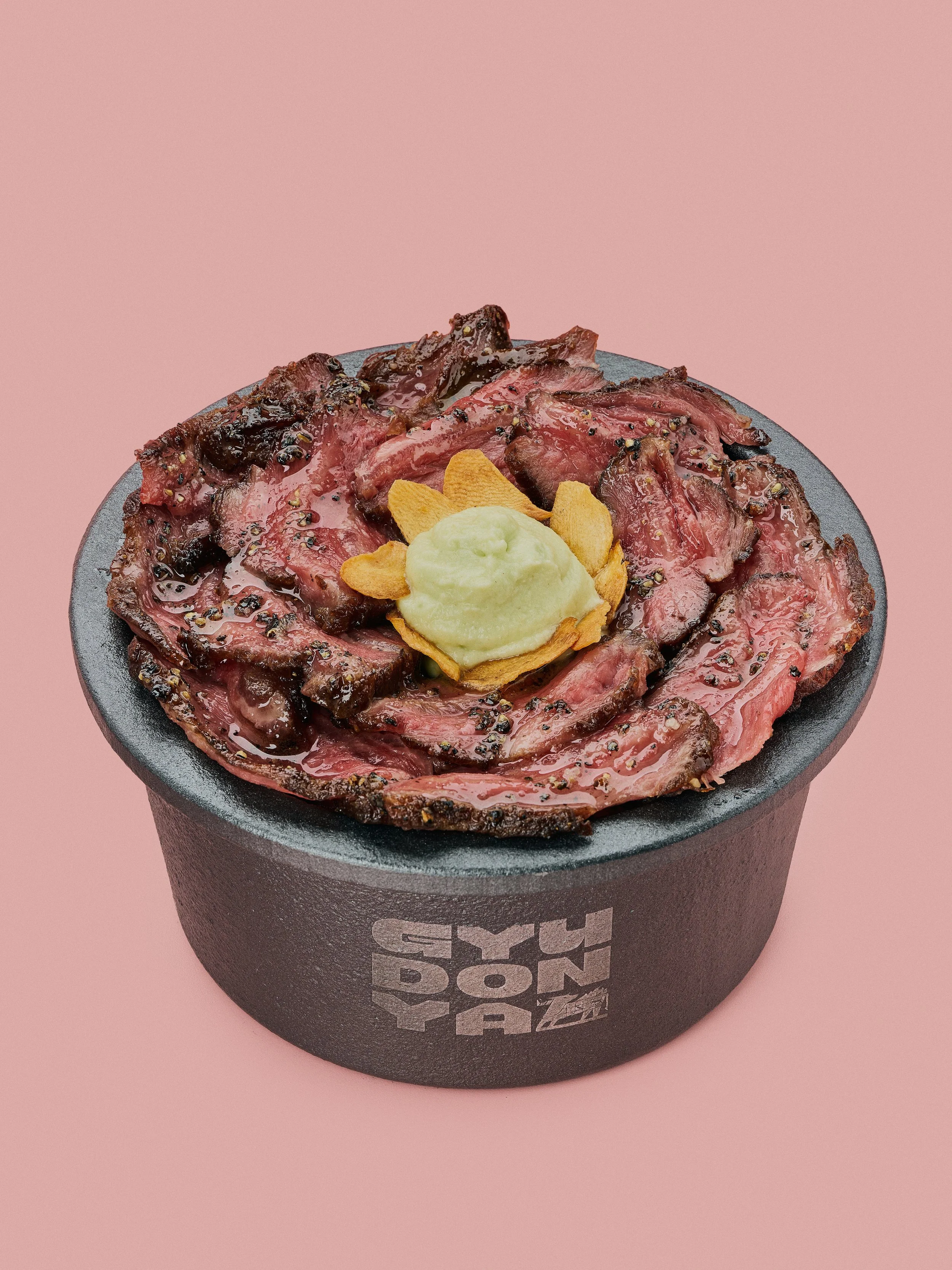
Wagyu Meat Steak Bowl
It also reflects how Sanz develops his restaurant brands. Although he trained as an engineer, he speaks about concept-building as a creative process, one that begins with an idea, but is ultimately tested by how well it works in practice and whether it gives diners a reason to return.
With Gyudonya, the idea takes shape through beef. By narrowing its attention to one ingredient and exploring it through different cuts and cooking techniques, the restaurant gives a familiar bowl more range without losing the simplicity that makes it comforting in the first place.