
Waves of Expression: Mapping the Currents of Visayan Arts
The Lopez Museum and Library’s Cultural Intersections - Series 3: Visayas continues its exploration of Philippine history, culture, and heritage with a closer look at the region’s evolving visual arts landscape.
Words Nanzi Sofia Sernadilla
Photos courtesy of The Lopez Museum and Library
August 31, 2026
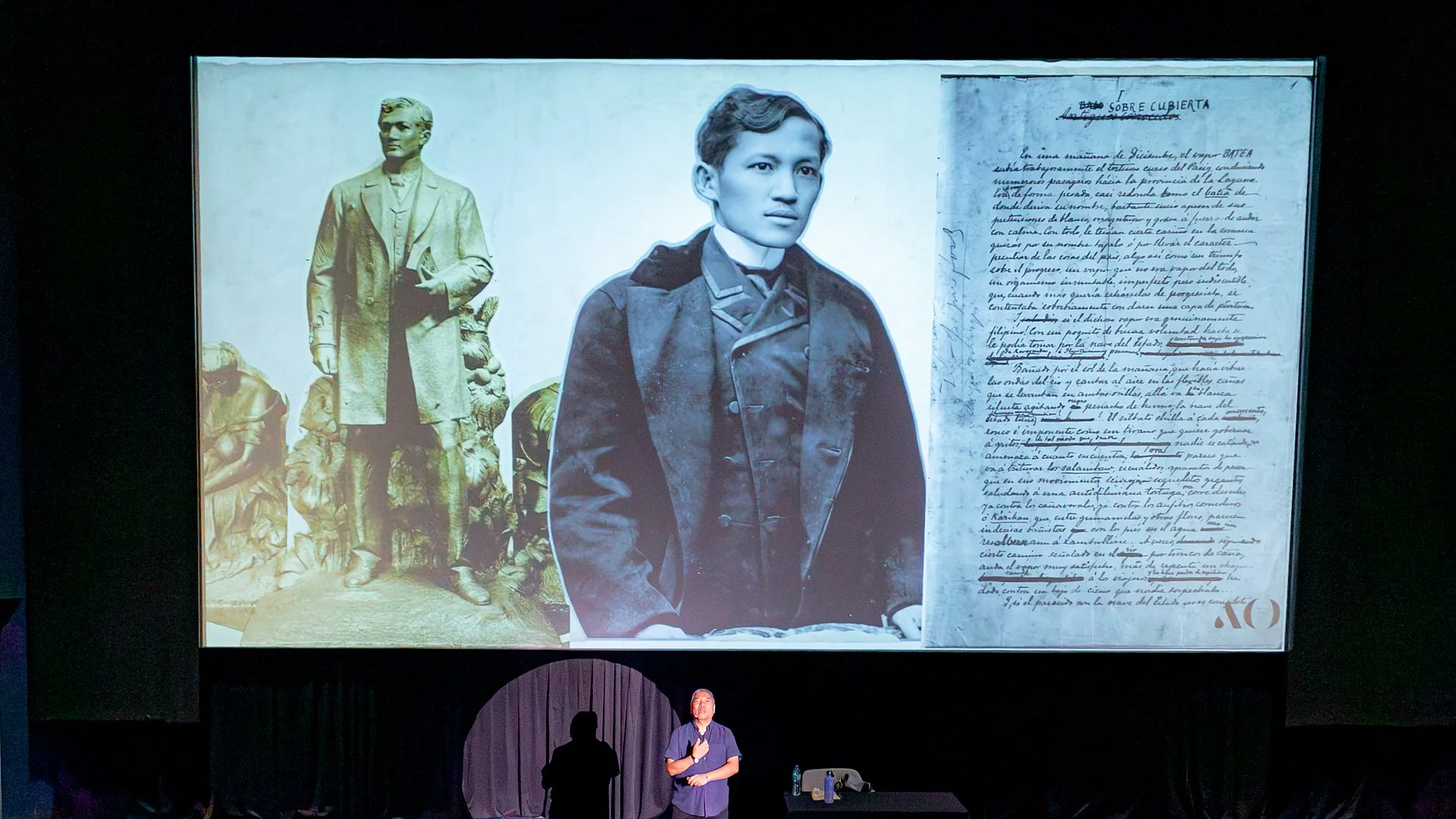
In the second lecture of the López Museum and Library's Cultural Intersections – Series 3: Visayas, Prof. Ambeth Ocampo presented Rizal's Remnants, highlighting the Museum and Library's Rizaliana Collection while commemorating the 70th anniversary of the Rizal Law. Through the lecture, Ocampo offered a more personal and relatable portrait of José Rizal, encouraging audiences, especially the younger generation, to see the National Hero beyond the monument and connect with him as a person. The lecture was held on June 20, 2026, at Cinema 8, Power Plant Mall, Makati City.
The Visayas is a region shaped by movement–of people, ideas, traditions, and creative practices.
The Lopez Museum and Library (LML) turns its attention to the region’s visual arts ecosystem through Cultural Intersections – Series 3: Visayas, bringing scholarship, heritage, and contemporary artistic practice together in a continuing program of lectures and cultural encounters.
Now on its third iteration, Cultural Intersections was reintroduced as an in-person program in 2023 as part of LML’s mission to support scholarly and artistic production and deepen appreciation for Philippine history, culture, and heritage.
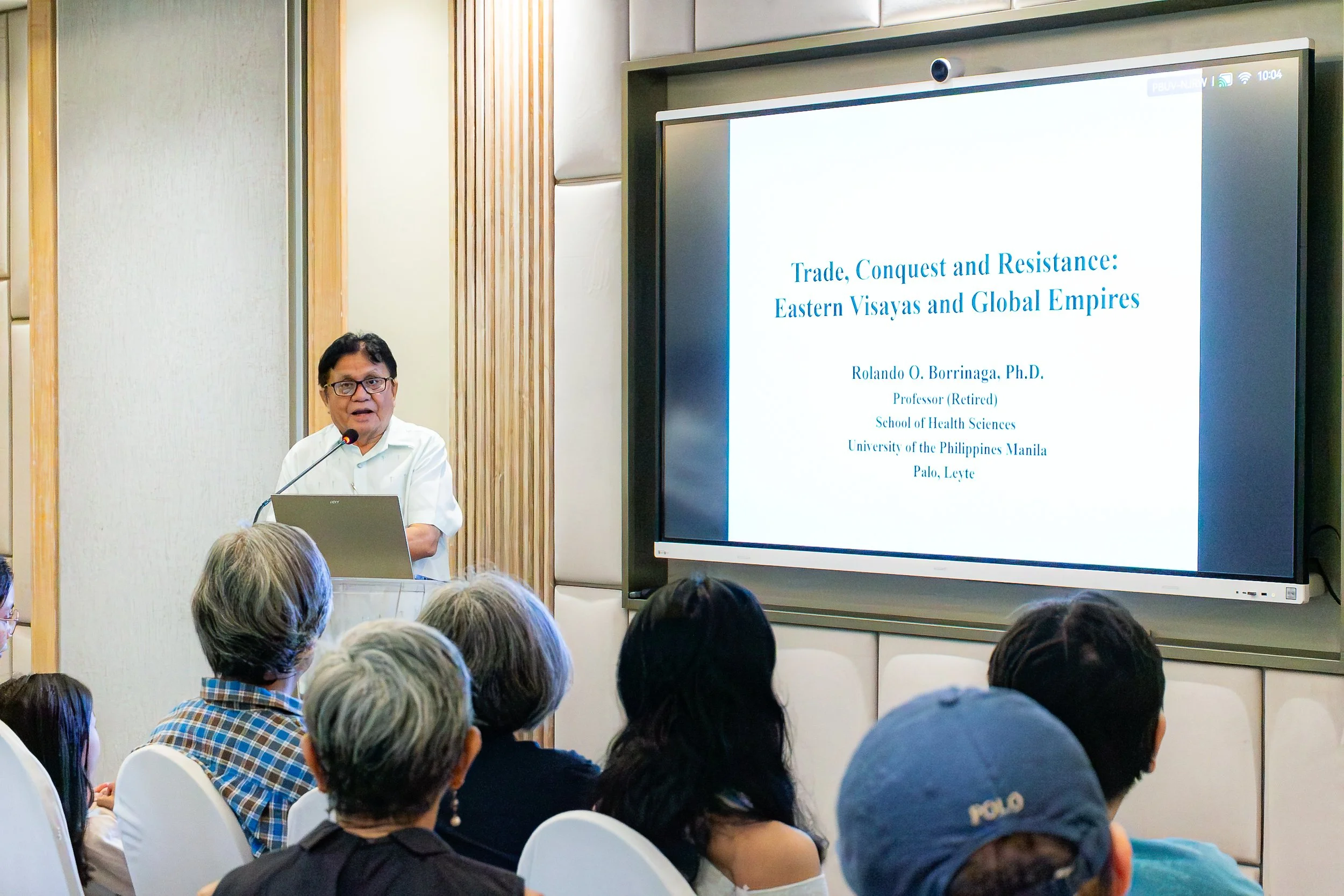
Dr. Rolando Borrinaga opens the López Museum and Library's Cultural Intersections – Series 3: Visayas with his lecture, Trade, Conquest, and Resistance: Eastern Visayas and Global Empires, which traces three pivotal moments in the history of Eastern Visayas during the Spanish colonial period. The lecture was held on June 6, 2026, at the Rockwell Club in Makati City.
The series creates spaces outside formal learning institutions where audiences can engage with the country’s diverse cultural expressions through interdisciplinary conversations with scholars, professionals, and practitioners.
For its Visayas-focused series, LML began by looking at the history and heritage of Eastern Visayas.
Local historian and retired professor Dr. Rolando Borrinaga opened the aries with Trade, Conquest, and Resistance: Easter Visayas and Global Empires, tracing three pivotal moments in the region's history during the Spanish colonial period.
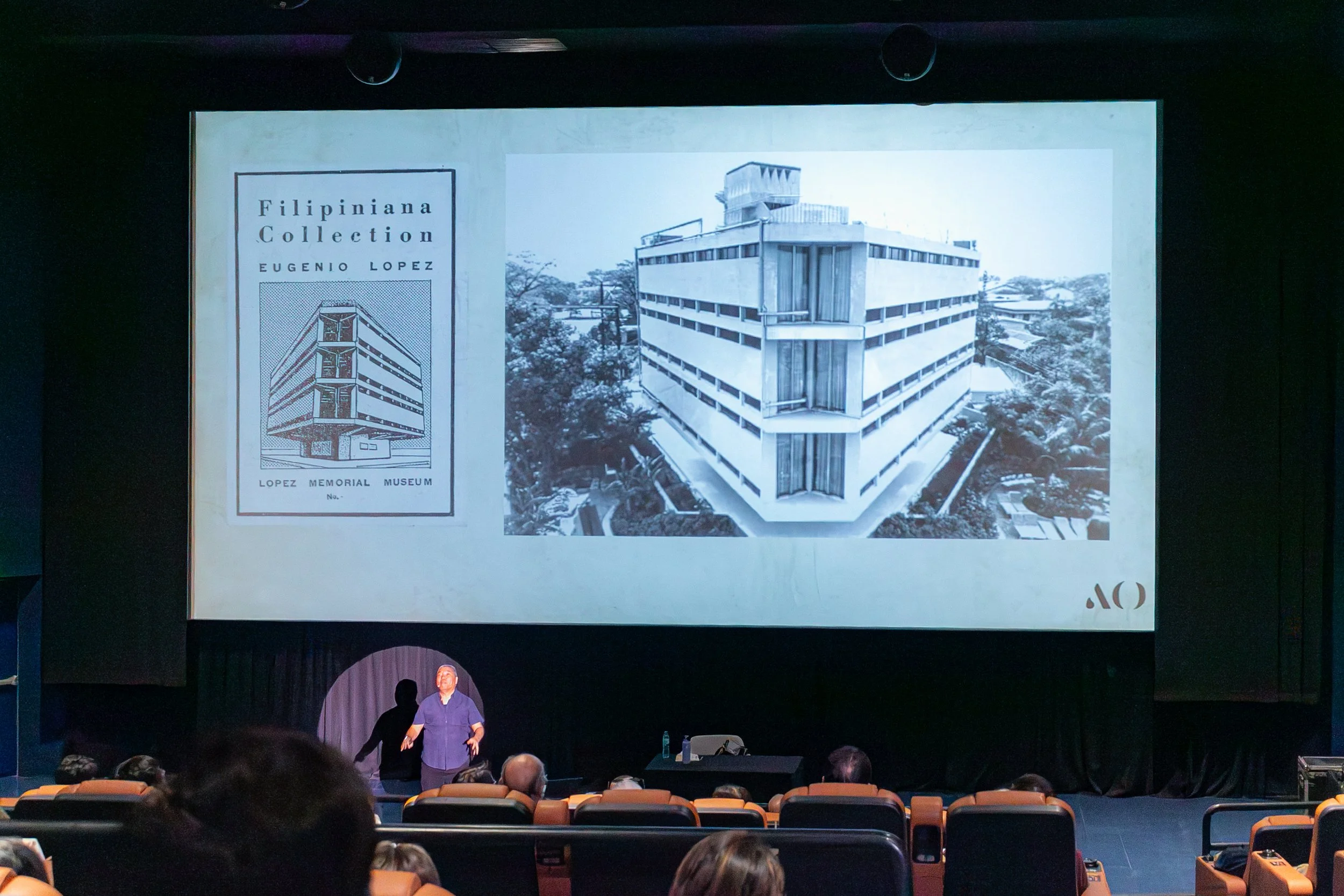
In the second lecture of the López Museum and Library's Cultural Intersections – Series 3: Visayas, Prof. Ambeth Ocampo presented Rizal's Remnants, highlighting the Museum and Library's Rizaliana Collection while commemorating the 70th anniversary of the Rizal Law. Through the lecture, Ocampo offered a more personal and relatable portrait of José Rizal, encouraging audiences, especially the younger generation, to see the National Hero beyond the monument and connect with him as a person. The lecture was held on June 20, 2026, at Cinema 8, Power Plant Mall, Makati City.
The series then moved from history into memory and identity. On June 20, historian and writer Prof. Ambeth Ocampo presented Rizal’s Remnants, highlighting LML’s Rizaliana Collection while commemorating the 70th anniversary of the Rizal Law.
Rather than presenting Jose Rizal solely as a monumental national figure, Ocampo offered a more personal portrait of the National Hero, inviting audiences–particularly younger generations–to encounter Rizal as a person.
The cultural landscape of Western Visayas came further into focus through Prof. Mitzi Reyes’ lecture, Identity, Community, and Continuity: Weaving Women’s Colorful Lives in the Iloilo Patadyong.

Prof. Mitzi Reyes showcased her collection of patadyong, gathered over years of research on Western Visayan textiles, during her lecture, ‘Identity, Community, and Continuity: Weaving Women's Colorful Lives in the Iloilo Patadyong’. She explored how the weaving tradition shaped the region's history, culture, and economy while highlighting the artistry and craftsmanship of the patadyong. Through the textiles, Reyes illustrated how this enduring tradition reflects the lives, labor, and creativity of Ilongga women from the past to the present. The lecture was held on July 18, 2026, at the Rockwell Club in Makati City.
Drawing from years of research and her collection of patadyong, Reyes explored how the textile tradition has shaped the region’s history, culture, and economy. The lecture highlighted the artistry and craftsmanship of patadyong, revealing how the enduring practice carries the labor, creativity, and lived experiences of Ilongga women across generations.
Continuing this exploration of Visayan creativity, visual artist, curator, scholar, and UP Visayas Associate Professor Martin Genodepa leads Waves of Expression: Mapping the Currents of Visayan Arts.
The lecture turns toward the region’s visual arts ecosystem, building on Genodepa’s work in sculpture, installation art, museum development, and cultural heritage.
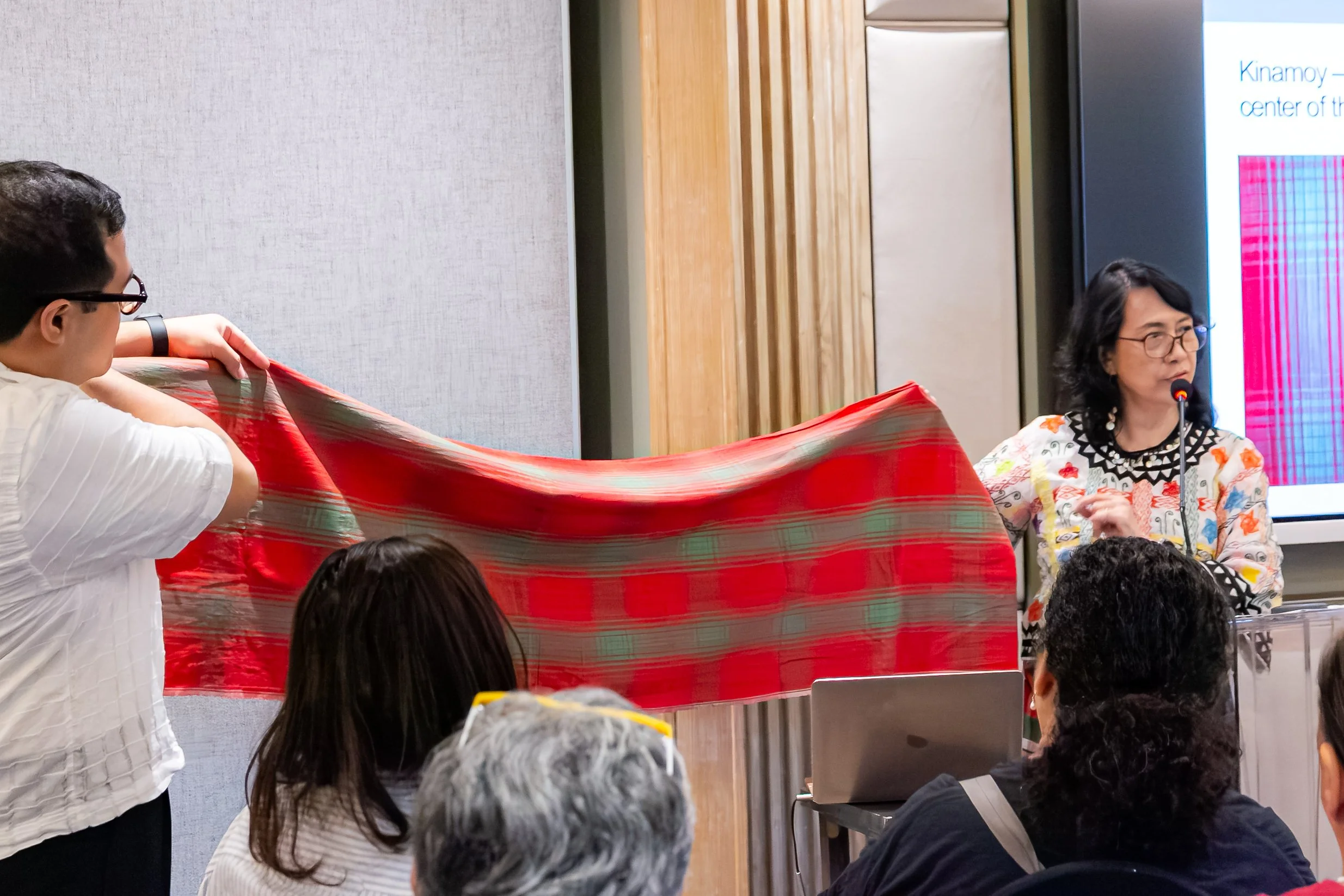
Prof. Mitzi Reyes showcased her collection of patadyong, gathered over years of research on Western Visayan textiles, during her lecture, ‘Identity, Community, and Continuity: Weaving Women's Colorful Lives in the Iloilo Patadyong’. She explored how the weaving tradition shaped the region's history, culture, and economy while highlighting the artistry and craftsmanship of the patadyong. Through the textiles, Reyes illustrated how this enduring tradition reflects the lives, labor, and creativity of Ilongga women from the past to the present. The lecture was held on July 18, 2026, at the Rockwell Club in Makati City.
Genodepa currently serves as Director of the UP Visayas Office of Initiatives in Culture and the Arts and was instrumental in establishing the UP Visayas Museum of Arts and Cultural Heritage. His practice and research focus on Philippine visual arts, cultural history, and indigenous knowledge systems, particularly those rooted in Western Visayas.
Through Cultural Intersections, LML continues to connect the past with the present, scholarship with practice, and heritage with contemporary life.
By bringing different disciplines and perspectives into conversation, the series offers audiences an opportunity to see Philippine culture not as something fixed in history, but as a living field shaped by memory, creativity, community, and continuing cultural exchange.