
The Things Left Unsaid in Tayo Lang Ang Nakakaalam
Tayo Lang Ang Nakakaalam explores the quiet complexities of queer love, family, illness, and grief, revealing how secrets can become acts of love, protection, and trust—and how some truths remain with those left behind.
Words Betty Uy Regala
Photos courtesy of David R. Corpuz
August 21, 2026
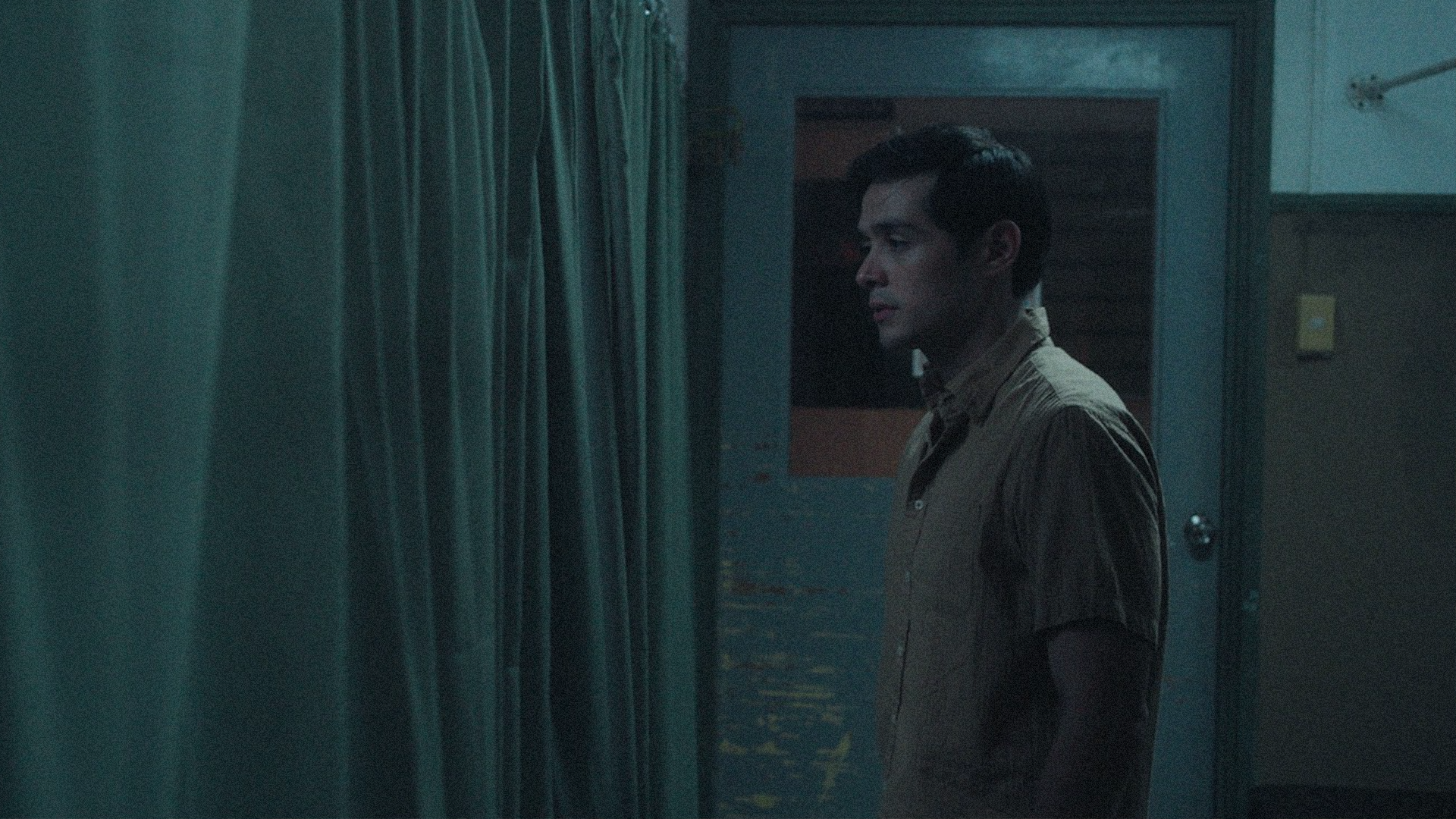
Actor Martin del Rosario as Neil for Tayo Lang Ang Nakakaalam
In the last scene of this Cinemalaya competition film for 2026, director David R. Corpuz was among the crowd walking toward the camera while the film’s protagonist, with his back to the camera, was walking away. I am glad to have caught this easter egg where the filmmaker and his cinematic counterpart Neil (portrayed by Martin del Rosario) meet—the former revisiting his past and the latter moving forward.
Those familiar with Corpuz’s story know that the film is loosely based on his life with his partner, which took place a decade ago. This period distilled the film into its bare essence, and screenplay co-writer Iar Arondaing provided another perspective to the narrative, which may not have been apparent to Corpuz given his close proximity to the subject.
The director balanced Tayo Lang Ang Nakakaalam (Only Known To Us) with restraint on one hand, and the weight of the story on the other hand. And it worked. The film bagged four Balanghai awards, two of which were for the actors’ performances; was a consistent top grosser in four cinemas; and for the most part, had a net positive feedback from viewers and film reviewers. The collective acting was restrained, but its effect on audiences was profound.
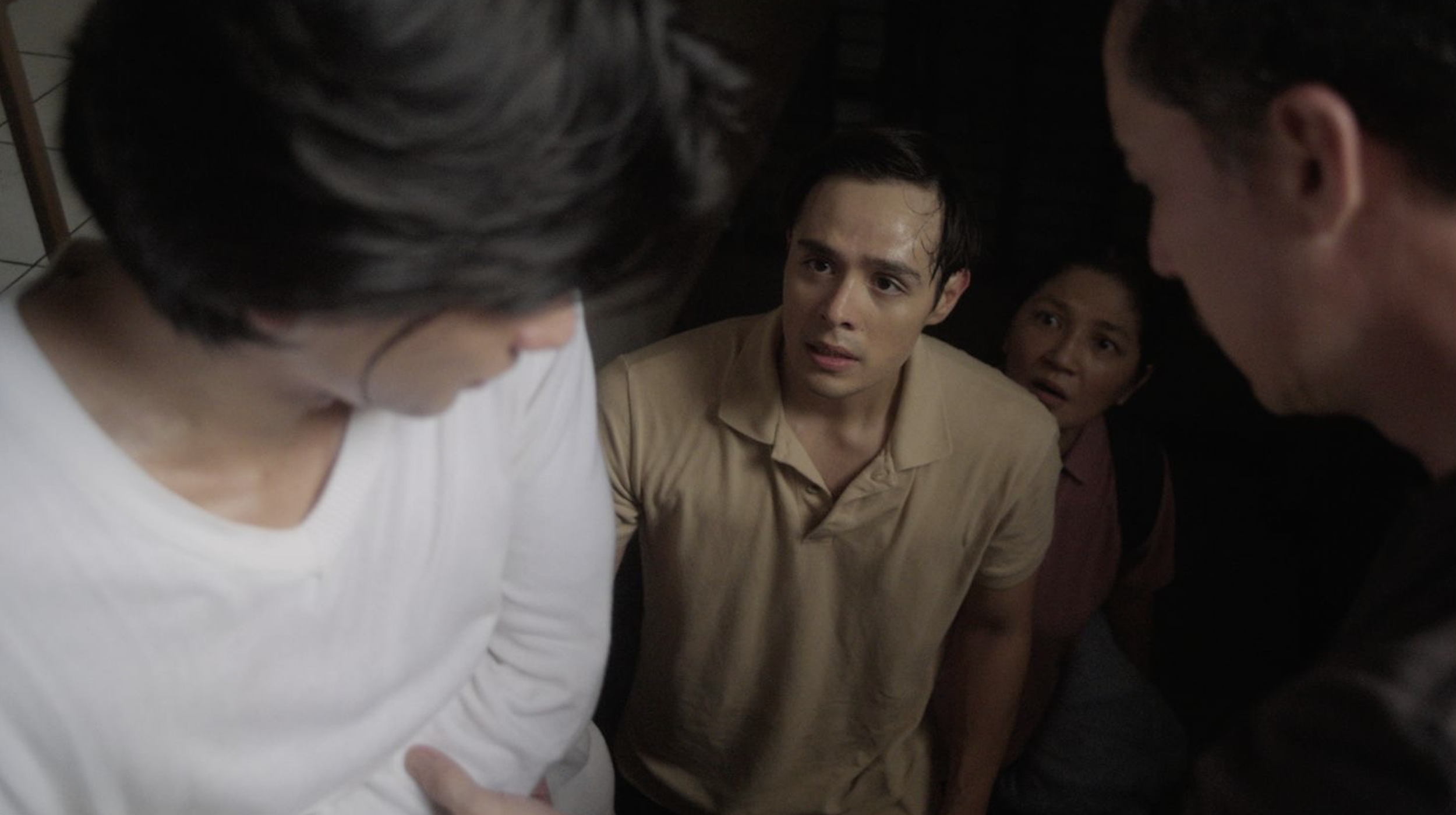
Still from Tayo Lang Ang Nakakaalam
Del Rosario garnered the award for Best Performance by an Actor in a Leading Role. Del Rosario, Miguel Odron (Bong), Yayo Aguila (Gloria, Bong’s mother), and Epy Quizon (Benjie, Bong’s father) received the Best Ensemble Performance award. Elian Idioma won for Best Sound Design, and Adam Dumaguin was cited for Best Cinematography.
The full-length feature film, with a running time of 110 minutes, was a consistent top grosser in four cinemas during the festival’s run:
Top 3 in Gateway Cineplex 18;
Top 3 in Ayala Malls Manila Bay Cinema 5;
Top 4 in Red Carpet Cinemas, Shangri-La Plaza;
Top 4 in Glorietta Cinema 6.
There are layers to what were only known to the characters in the film. Neil and Bong are closeted gays. Their relationship is only known to their immediate families—Bong’s parents (Aguila and Quizon), and Neil’s mom (Madeleine Nicolas). The real illness of Bong is concealed and replaced by the less stigmatizing and more acceptable colon cancer, stage 4, which is relayed to families, friends, and even the usisera in the hospital ward.
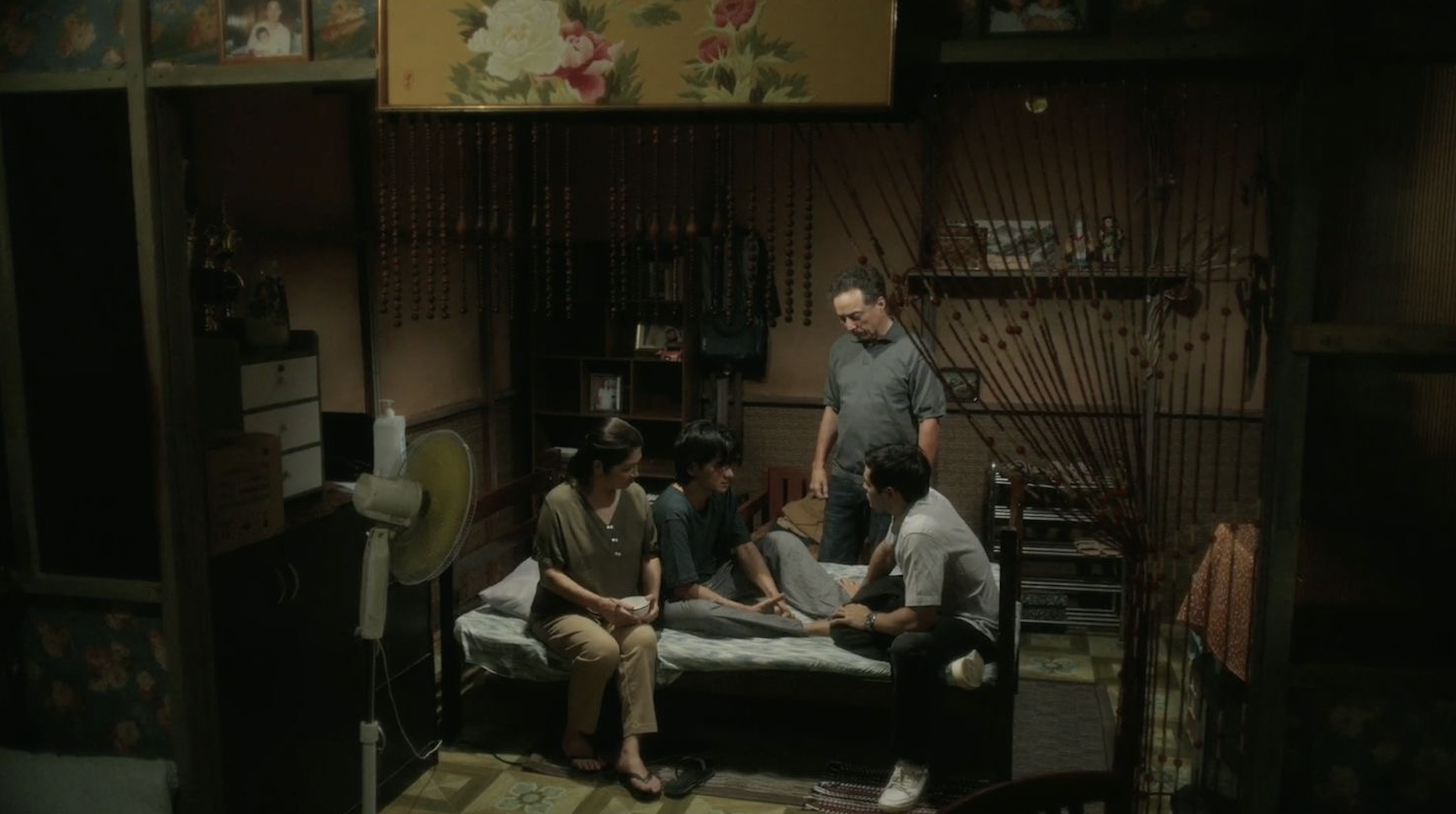
Still from Tayo Lang Ang Nakakaalam
And perhaps the most important thing that is only known to them is the grief that one goes through in the process of losing someone they love and in dealing with death itself.
Bong’s character was limited to his struggles with his sickness, videos on Neil’s phone, and Neil’s memory of him when they first met at work. Only one line provided a hint as to how he may have contracted the disease: ako lang yung malandi.
His life before the sickness would have added another dimension to the character by showing a possible cause and not telling, much like how a snippet of Andrew Beckett’s life in the 1993 film Philadelphia, where he engaged with a stranger in a movie house provided audiences a clue.
I don’t recall that HIV (Human Immunodeficiency Virus) or AIDS (Acquired Immunodeficiency Syndrome) was ever explicitly mentioned in the film. This probably mirrors the stigma that Philippine society has toward those who are infected until now, in 2026, in the year of our contemporary and AI (Artificial Intelligence) world.
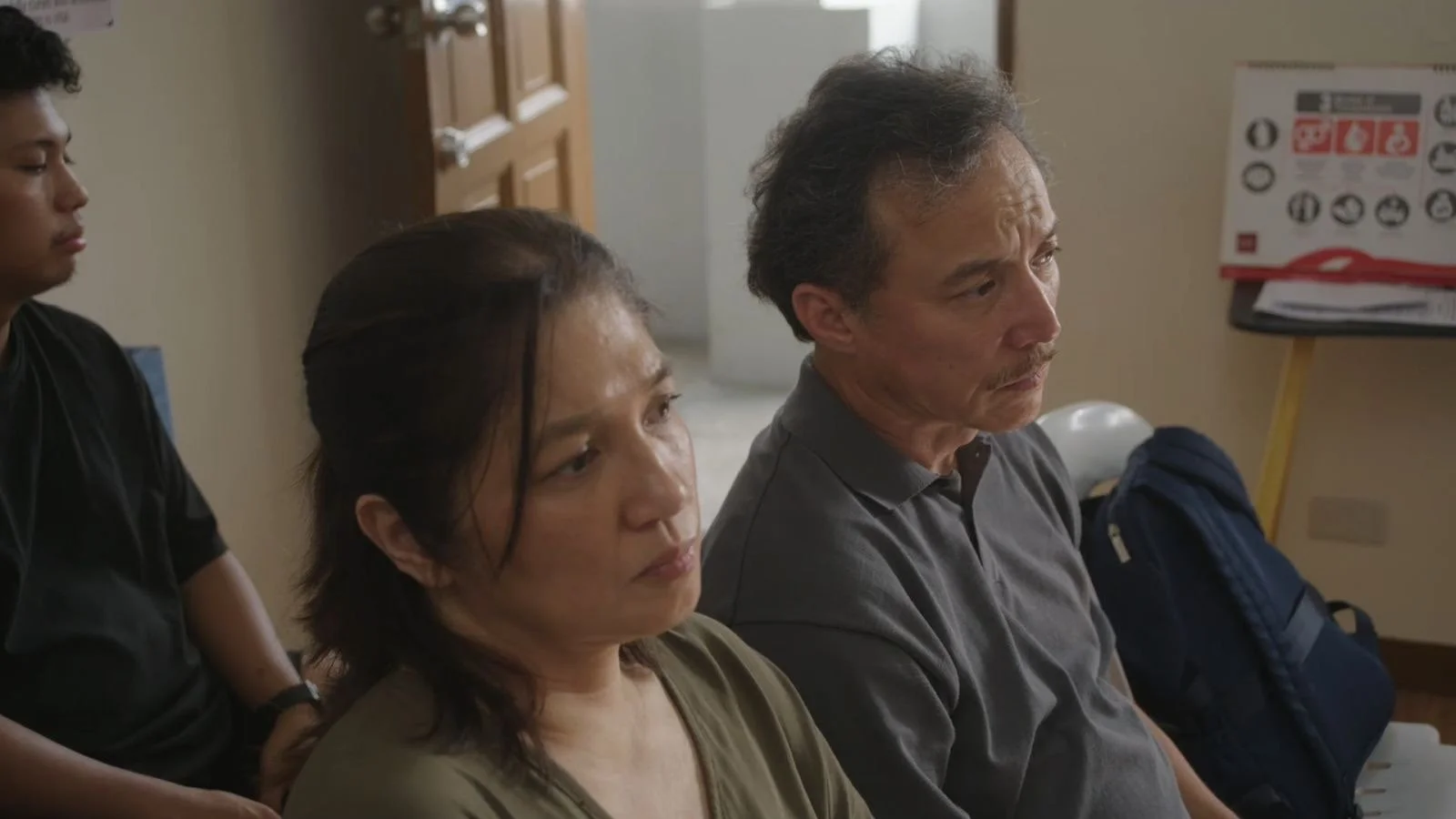
Actors Yayo Aguila and Epy Quizon for Tayo Lang Ang Nakakaalam
Because a diagnosis invites soft assumptions and hard judgments on sexual behavior and overall morality, and on how someone contracted the virus, which becomes an added layer of burden for those who died from it or are living with it.
Another detail worth noting is that Benjie, Bong’s tatay, worked on international ships since Bong was a young kid. He did not renew his contract to care for his sick son. Stories of male seafarers who seek sexual gratification and intimacy with their fellow male seafarers are prevalent, but they don’t consider themselves gay. This makes sense toward the end of the film when Neil and Benjie line up to be tested for HIV.
The secrecy can be seen in the dark and gritty shots during Bong’s battle with the disease. The secrecy was created by the confluence of trust, privacy, protection, fear, and the consideration of not burdening loved ones. Memory and confronting a difficult period in one’s past also paint that unclear quality in the moving pictures. The scenes eased into somewhat brighter lighting and clearer shots as the film progressed and neared its end, which suggest hope.
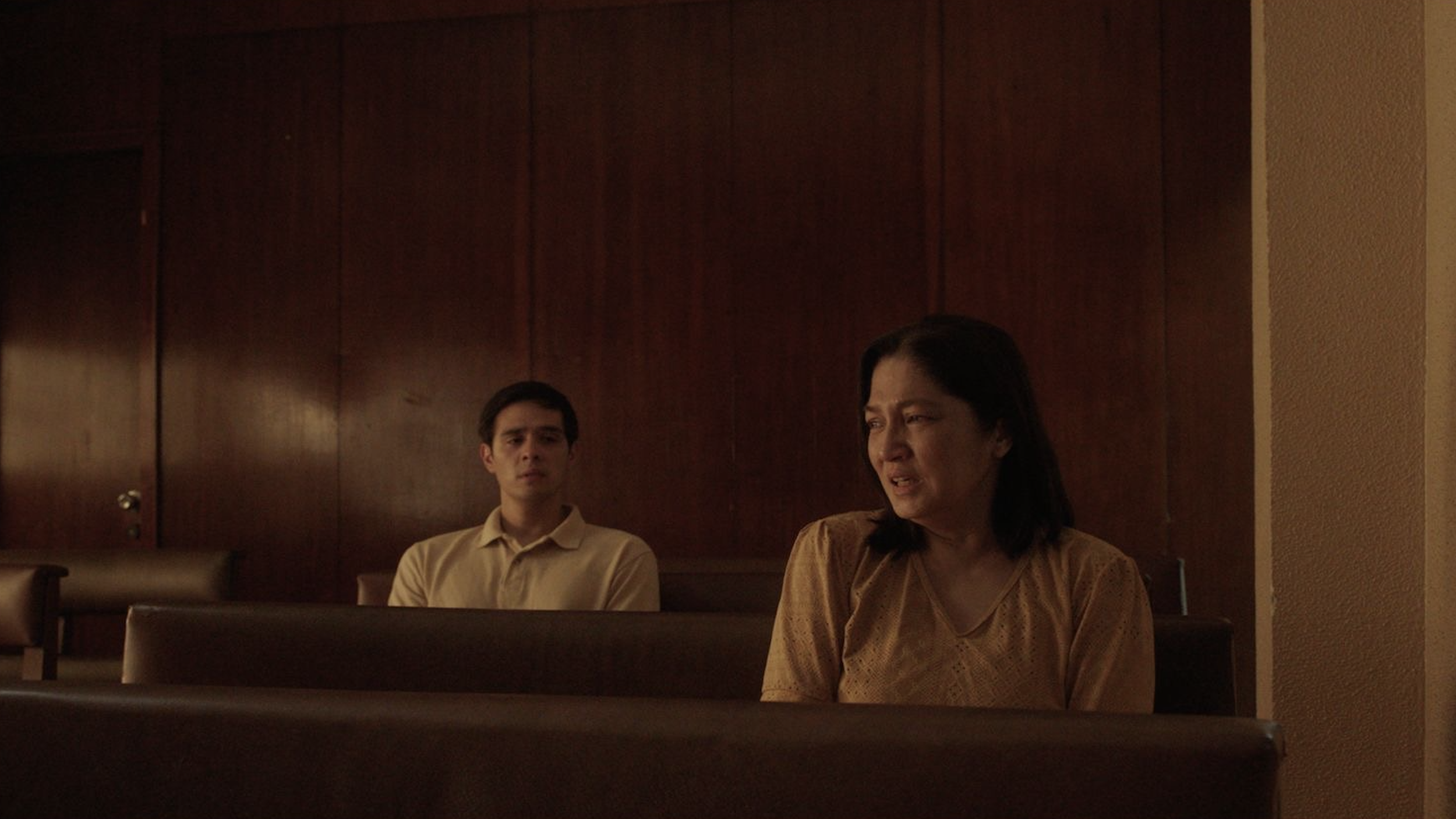
Actors Martin del Rosario and Yayo Aguila for Tayo Lang Ang Nakakaalam
Though both Bong and Neil are young and educated, they still feared the disease, which includes the simple act of being tested for it. Actual HIV tests are free, by the way, care of LoveYourself hubs across the country, and so are the antiretroviral medicines courtesy of the Department of Health (DOH).
Three years earlier, Bong somehow confirmed that he had it, but he asked Neil to keep it a secret even from his nanay Gloria who knew and accepted that he’s gay and in a relationship with Neil.
This became a refrain for Gloria, who repeatedly told Neil that they should have told her. During the wake, she repeated the reproach one last time, but this time, it was said with a sense of resignation. She delivered the title drop—that Bong need not know that Neil told her; that it would have been their own secret. Neil responded that it was Bong’s secret to tell, not his.
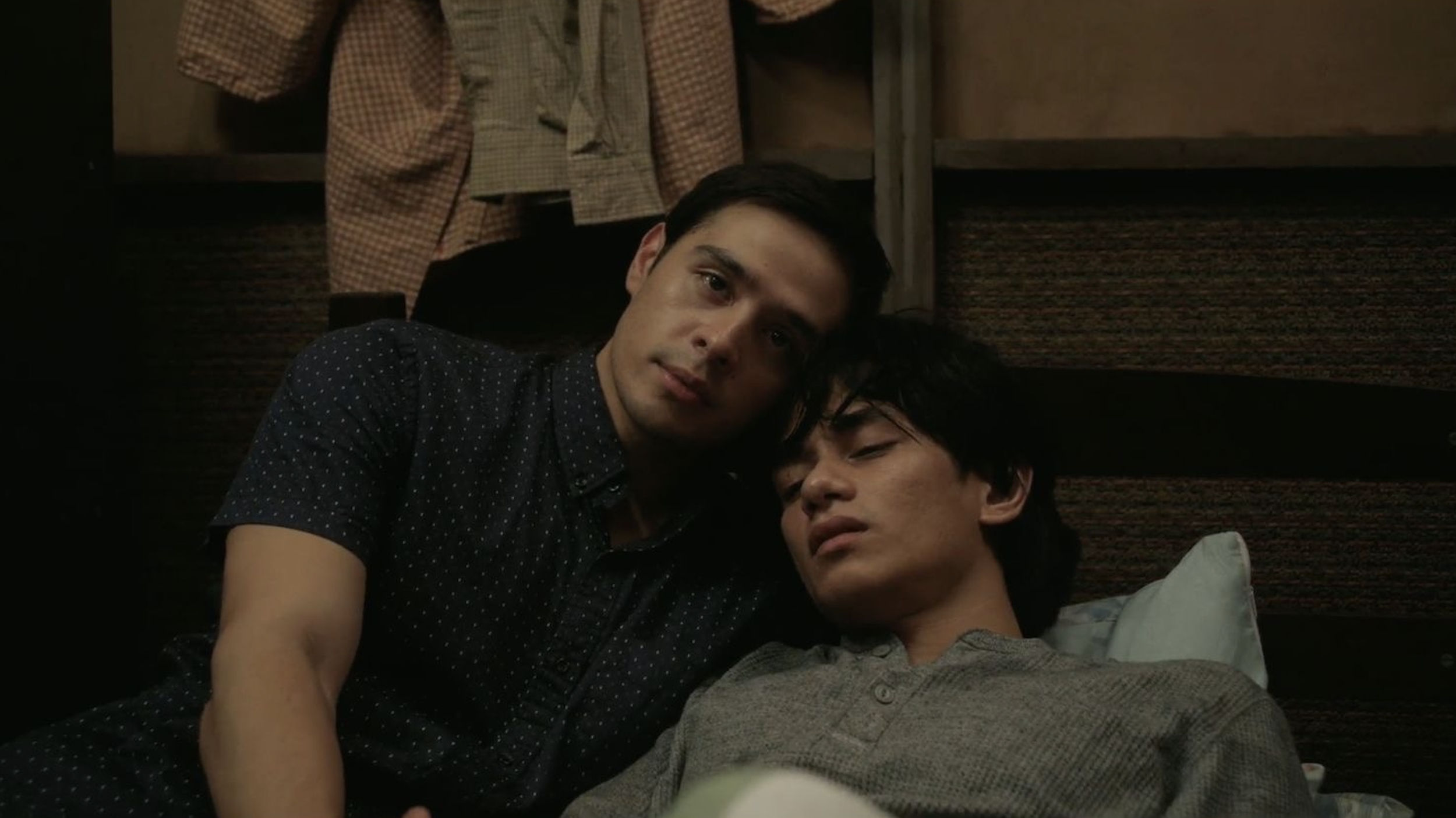
Actors Martin del Rosario and Miguel Odron for Tayo Lang Ang Nakakaalam
As a remembrance of a painful period in his life, filmmaker Corpuz chose to present the film through the lenses of “love, care, trust, and what we choose to protect.” He said that: “The film follows people brought together by a crisis, each trying to care for someone they love while carrying their own fears and unspoken truths. At its heart is a question: what does it mean to honor another person’s trust, especially when doing so comes at a personal cost?”
“I am drawn to quiet moments—the gestures, silences, and everyday acts of care that reveal more than words. I hope to create a space where audiences can reflect on the complexities of love, family, and grief,” he continued. He further stated that Tayo Lang Ang Nakakaalam explores queer intimacy, chosen family, and the invisible bonds that connect people.
The film is Corpuz’s attempt to create a space for this type of story that is often kept hidden and are known only to a few by confronting a painful past head-on and transforming it into film, while his cinematic counterpart Neil continues walking in the here and now, toward the future.