Po Po’s Language of Resistance
For Myanmar artist Po Po, experimentation can’t be separated from the conditions around him.
Words Mian Centeno
Photos courtesy of Ames Yavuz and Po Po
September 16, 2026
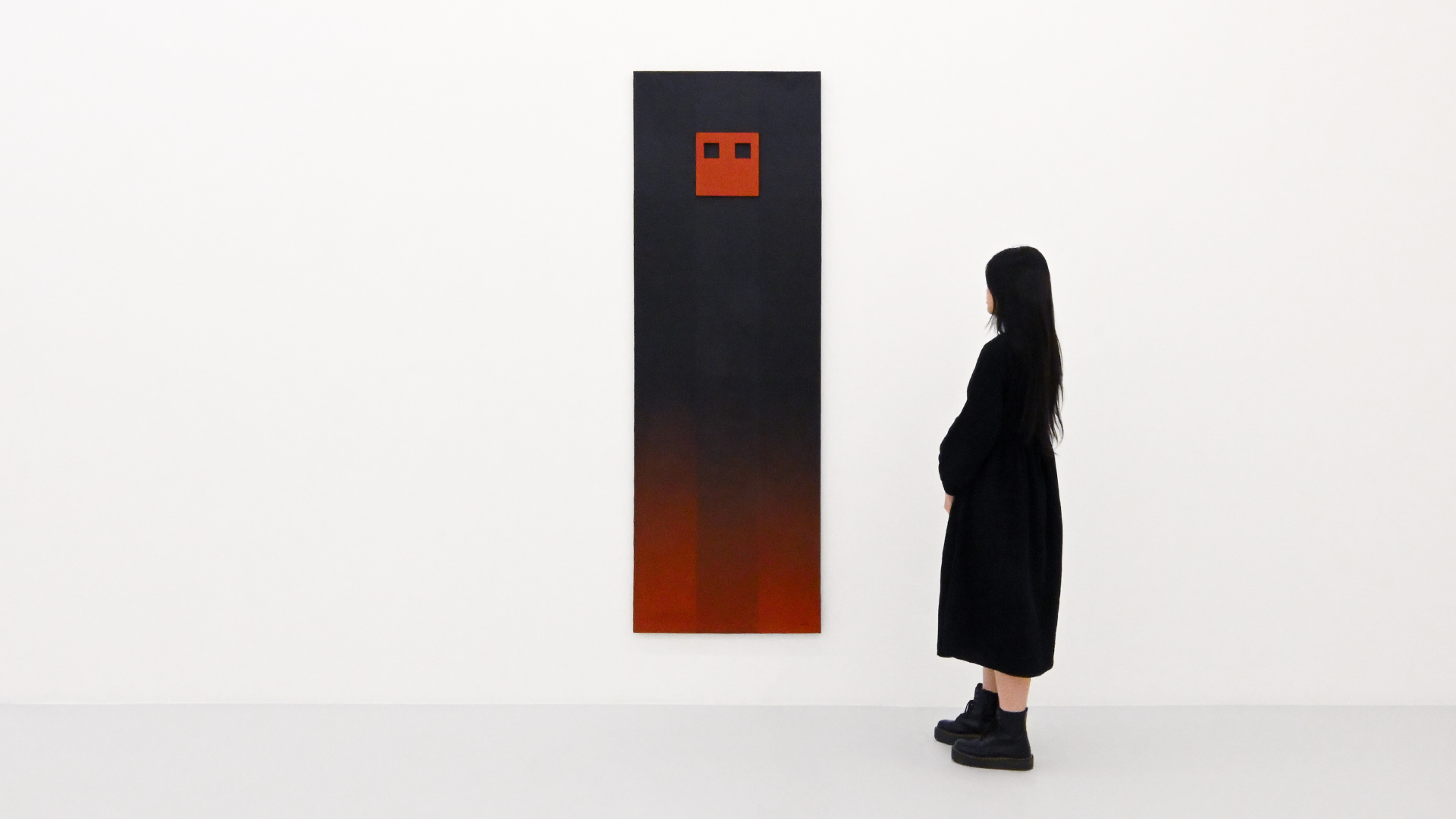
Artwork by Po Po, Encounter of Death, 1986, Oil on canvas and mounted wood, 213.3 x 71 x 5.2 cm | Photo by the artist and Ames Yavuz.
His early works emerged during a period of political repression, limited resources, and artistic isolation—circumstances that pushed him to question what art could represent and what it could do.
That history came into focus at Frieze Seoul, where Ames Yavuz presented a solo booth dedication to Po Po in the fair’s Spotlight sector.
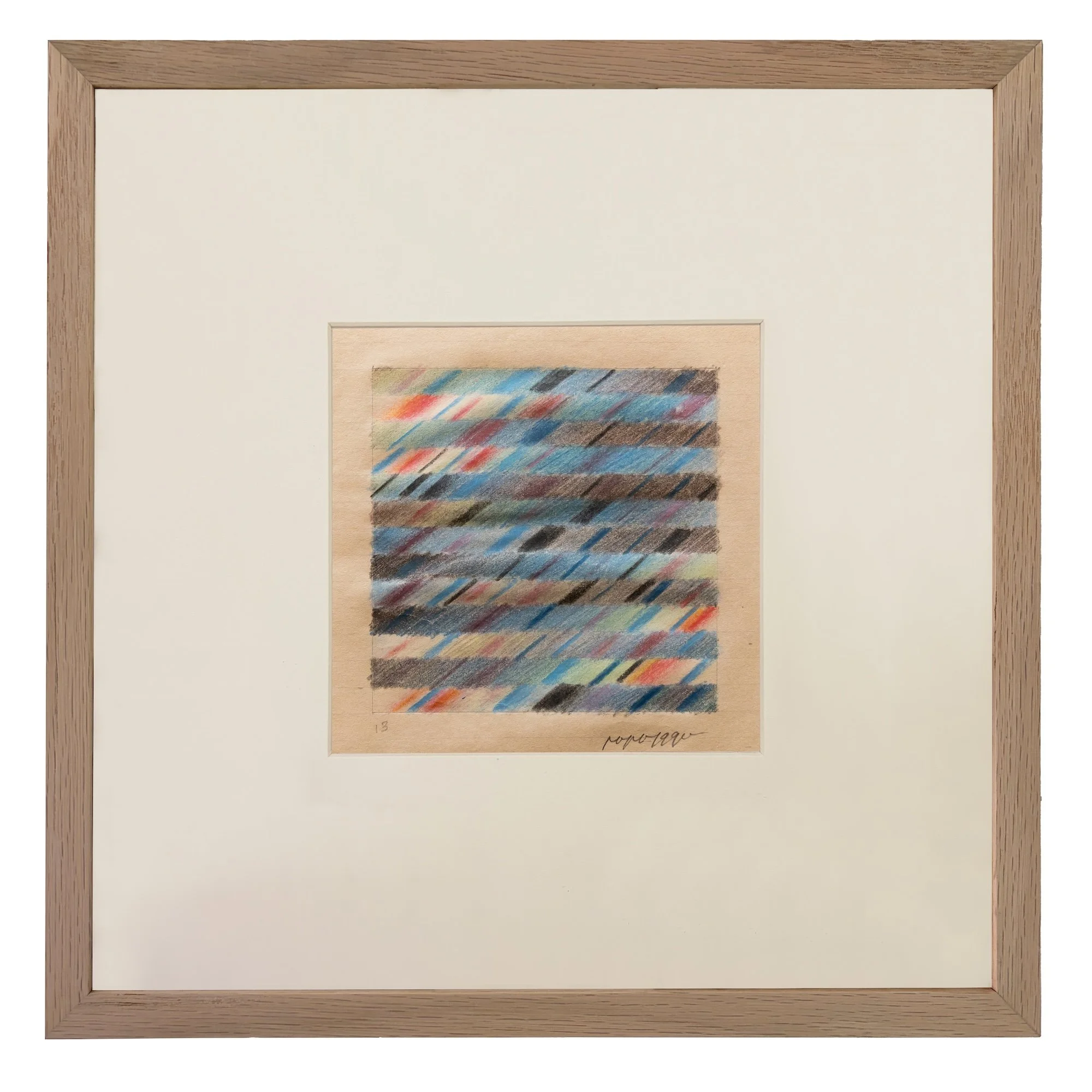
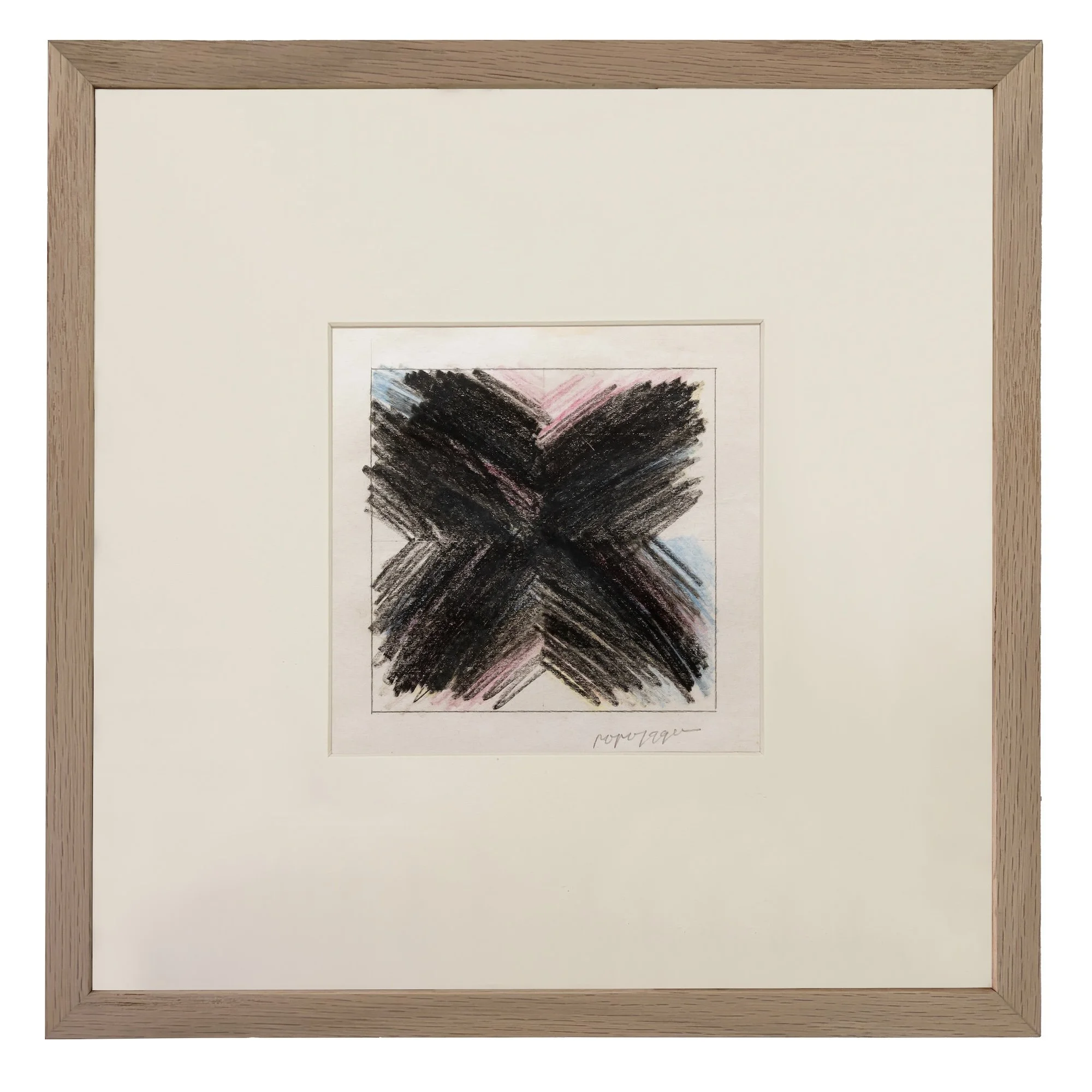
Bringing together works created between 1986 and 1990, the presentation traced the artist’s early engagement with painting, semiotics, tactility, and coded forms of expression.

Among the works was Painting for the Blind (1986, reconstructed 2015), where blank canvases are transformed by dents and raised marks created with nails, evoking braille.
By removing conventional imagery, Po Po challenged the expected relationship between painting and vision, turning the canvas itself into an object of physical and conceptual inquiry.
Anchoring the presentation was Encounter of Death (1986), a stark red-and-black work featuring a skull-like form and cross-like geometry. Its visual language reflects Po Po’s early interest in semiotics while carrying the weight of Myanmar’s political change in the 1980s.

Artwork by Po Po, Encounter of Death, 1986, Oil on canvas and mounted wood, 213.3 x 71 x 5.2 cm | Photo by the artist and Ames Yavuz.
The artist’s relationship with painting would soon become even more complicated.
Following the 8888 Uprising and its violent suppression, Po Po famously declared painting “dead,” believing the traditional canvas was too passive to meaningfully engage with reality.
He subsequently withdrew from painting and exhibiting for a decade, continuing his conceptual explorations through drawings and his “miniature paintings.”
Seen together in Seoul, these works offered more than a historical account of Myanmar’s conceptual art.
They showed how, when direct expression is constrained, artists can develop new visual languages to make sense of a world that refuses to speak plainly.