Gen G: GG na ‘to’: What Happens When Young People Take Charge?
PETA and Move to Change Foundation’s “Gen G: GG na’to!” transforms civic education into an interactive theater experience, placing young audiences at the center of an interactive story about choice, participation, and building communities together.
Words Nanzi Sofia Sernadilla
Photos courtesy of PETA Theater and Move to Change Foundation Inc.
September 15, 2026
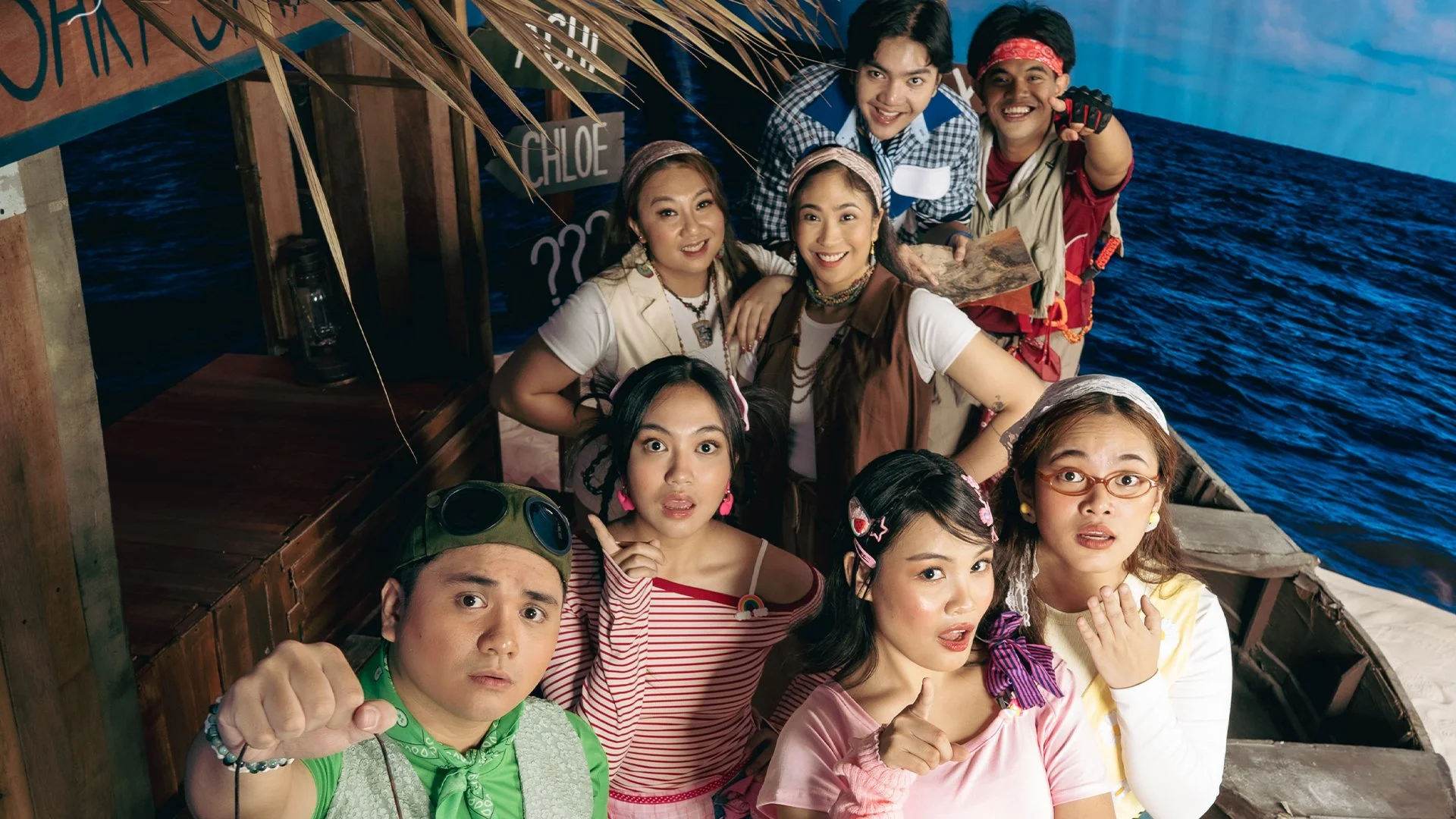
What if young people could decide what happens next–not just onstage, but in communities they are part of?
The Philippine Educational Theater Association (PETA) and Move to Change Foundation, Inc. (M2C) explore that question in “Gen G: GG na ‘to!,” an interactive theater production that places audiences at the center of choices involving survival, community, and good governance.
The production is part of Project GG: Game Changers for Good Governance, a youth-centered campaign that turns civic education into experiences of participation and collective decision-making.
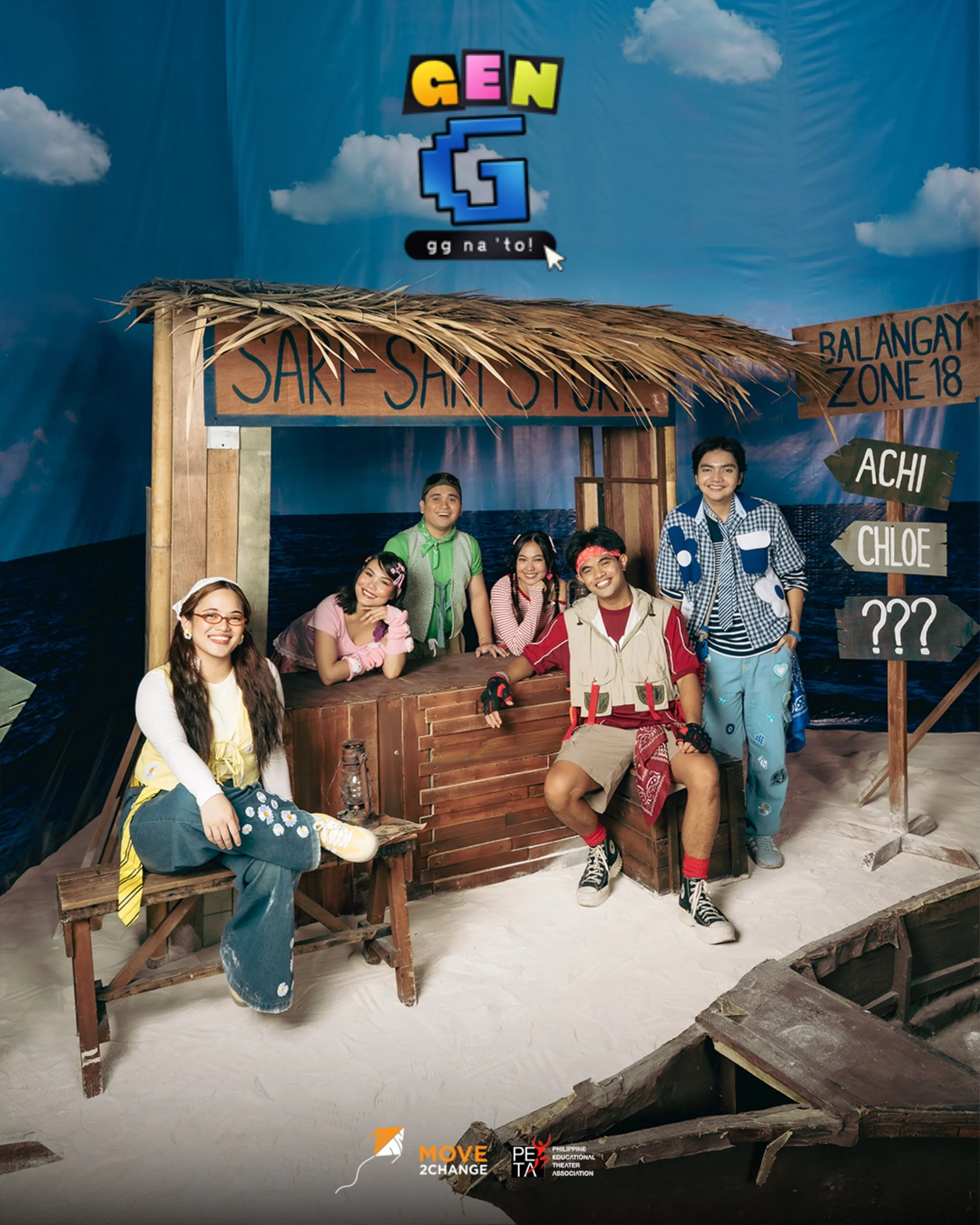
Set in an alternate Philippines in 2028, the story unfolds in a country submerged in flood waters. Young people are placed in “Balangay Gen Zones,” temporary communities meant to keep them safe while adults search for solutions elsewhere. But when the promised return date comes and the adults are nowhere to be found, the young people must take charge of their own community.
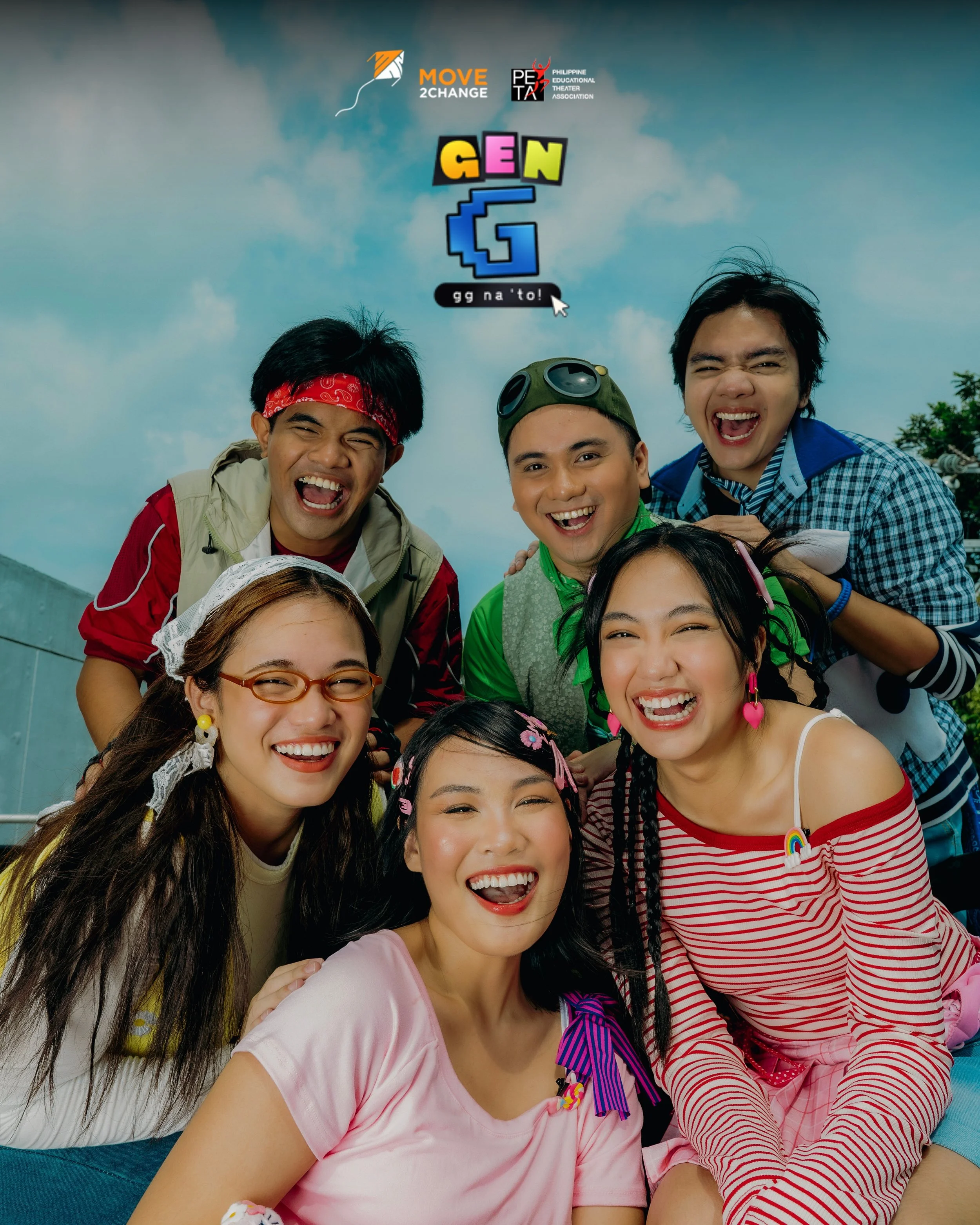
The audience becomes part of that process. Through votes, negotiations, and decision, spectators influence the direction of the story and experience the consequences of their choices.
For co-playwright and PETA Artistic Director J-mee Katanyag, the production grew from the seemingly simple expression “G?” – a familiar invitation that can mean audiences to consider what those choices reveal about their values, their communities, and the kind of future they help create.
“Gen G” also challenges the idea that young people are merely future ready leaders. Its creators emphasize that youth are already navigating systems, influencing others, participating in communities, and living with the consequences of the decisions made by previous generations.
Director Ian Segarra describes the play as a space where audiences can examine not only whether a choice is right or wrong, but also how circumstances, relationships, fear, scarcity, privilege, peer pressure, and misinformation shape the way people decide.
At the center of the story is the Balangay, a vessel traditionally associated with carrying people together. In “Gen G,” it becomes a metaphor for community and the systems people inherit and build together.
The play ultimately asks: What kind of Balangay are we building, who gets to decide where it goes, and who gets left behind?
Rather than simply teaching audiences about participation, PETA hopes to let them practice it. Through theater, workshops, and community conversations, Project GG encourages young people to question, listen, collaborate, and imagine alternatives together.
Gen G: GG na ‘to! opens at the PETA Theater Center on September 17 and will tour 12 schools through December 2026.