
Logging Off, Speaking Up
Moving beyond internet wars, the revival of YSpeak 2.0 provides the youth with a radically safe space to rediscover healthy discourse and active listening.
Words Rebelyn Beyong
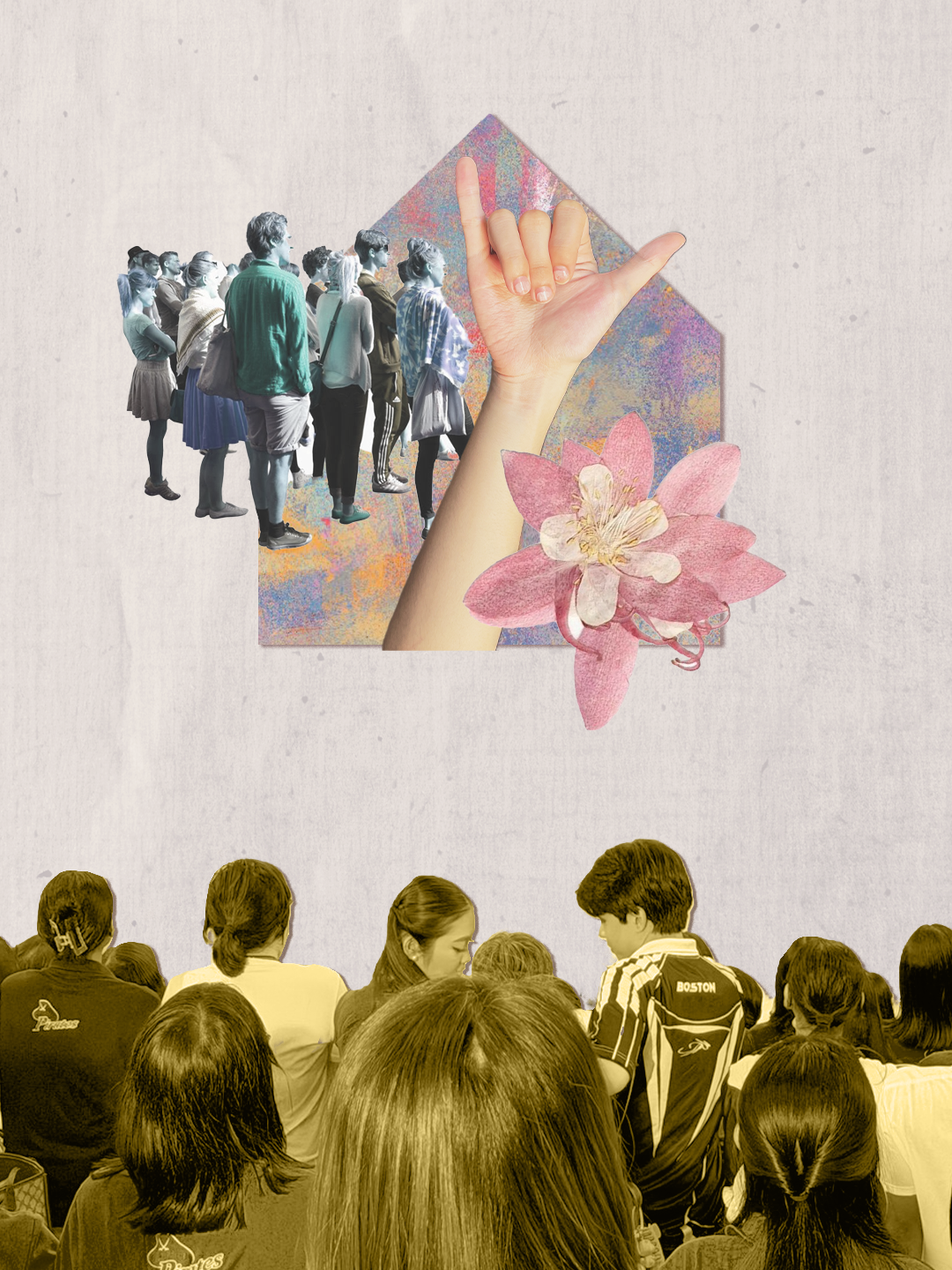
Art by Frances Angeles
May 25, 2026

We live in an era of block buttons and muted words. When a differing opinion flashes across our screens, the instinct is no longer to engage, but to eradicate. We retreat into algorithmic echo chambers, swaddling ourselves in the comfort of constant agreement.
Discourse has devolved into trolling, and keyboard warriorship is mistaken for civic duty. We have traded genuine curiosity for performative outrage, prioritizing the dopamine hit of a viral clapback over the hard work of understanding.
But what happens when you strip away the anonymity of a screen and force people to look each other in the eye?
Last May 9, the highly anticipated pilot episode of YSpeak 2.0 answered that question. It’snot just a nostalgic revival of the iconic early 2000s staple; it was a profound cultural intervention. In a time when young people are desperately searching for a safe space, YSpeak 2.0 proves that true safety isn't found in avoiding conflict—it is found in learning how to navigate it bravely.
The revival of talastasan
At the heart of YSpeak 2.0 is the resurrection of talastasan—true, unfiltered debate. This is most palpable in the show’s "Y or Y Not" segment, where students and hosts physically divide into Team Y and Team Y Not to dissect pressing societal issues.

Photo from YSpeak 2.0 Instagram Account (@yspeak2.0)
It is jarring, in the best way possible, to watch young people passionately defend their stances without resorting to ad hominem attacks. The show strips away the safety net of a carefully drafted, easily deletable text. Instead, it demands physical and mental presence.
It requires participants to stand by their words in real time, reading body language and hearing the vocal inflections of their peers. It proves that constructive criticism and opposing ideas do not have to culminate in bad blood, broken relationships, or digital smear campaigns.
Breaking the echo chamber
The pilot episode did not play it safe. By diving headfirst into heavy political discussions—pitting the grounded perspectives of journalists against the modern digital belief of influencers—the show immediately established its stakes.
This momentum carried over into the second episode, which doubled down on encouraging the youth to be unapologetically vocal about complex social issues.
In today’s hyper-polarized climate, cancel culture dictates that one misstep makes you the permanent enemy.
YSpeak 2.0 actively dismantles this trap. It positions the studio not as a battlefield, but as a classroom for empathy. When the political rhetoric heated up during the premiere, the tension was thick, but it remained incredibly productive.
It reminded audiences of a forgotten truth: it is entirely possible to disagree fundamentally with someone’s worldview while still acknowledging their humanity.
You can challenge a thought without destroying the thinker.
Passing the microphone
Guiding this ambitious ship is a fresh roster of voices: Elijah Canlas, Aya Fernandez, River Joseph, Robbie Jaworski, KD Estrada, and Ralph De Leon.
They are not just passive mediators; they are persona for a generation exhausted by digital wars.
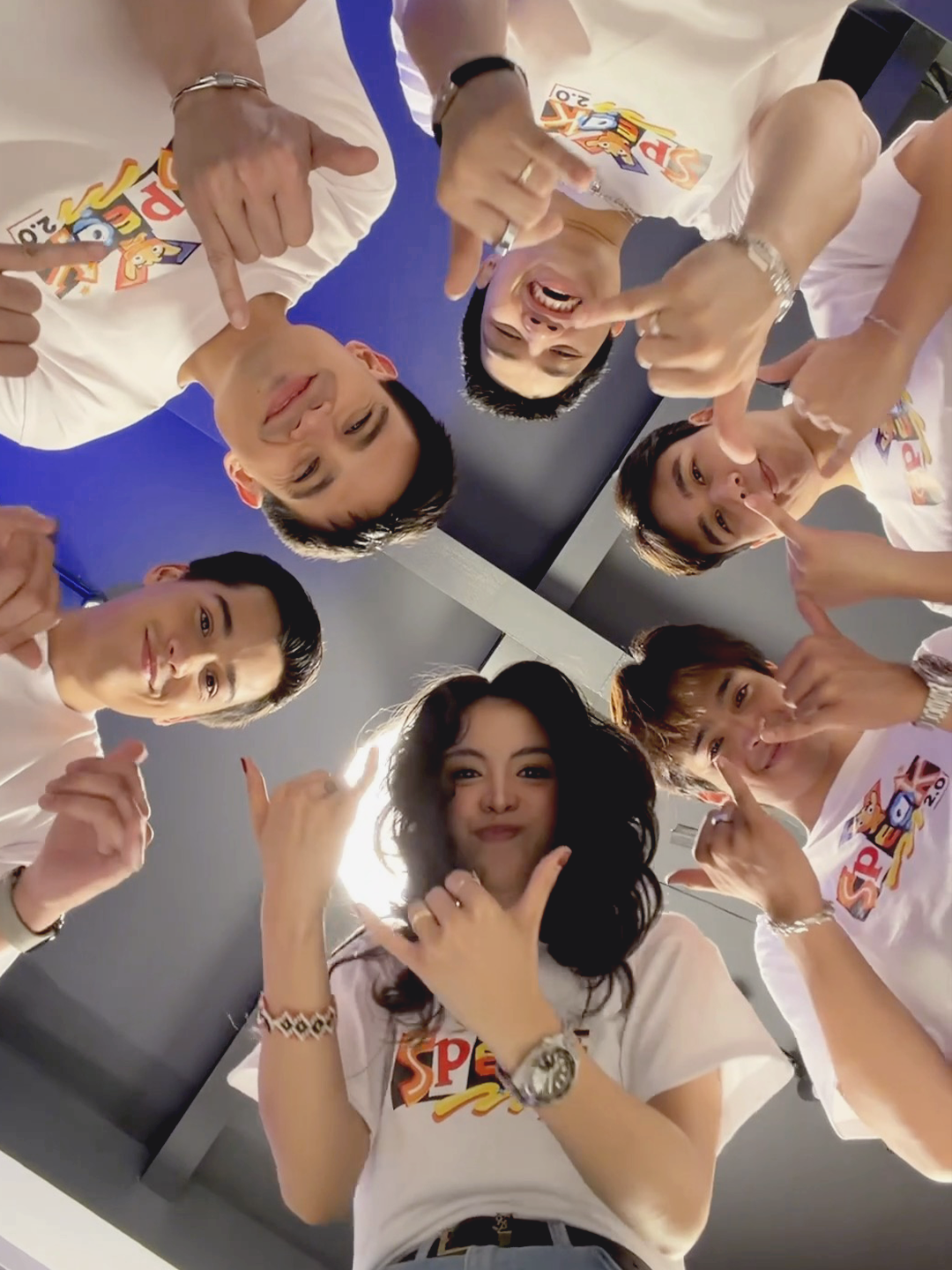
Photo from YSpeak 2.0 Instagram Account (@yspeak2.0)
Their role is pivotal because they are teaching their peers a vital, often overlooked lesson: having a microphone is no longer a privilege, but knowing how to listen is a lost art.
In a society obsessed with having the last word, these hosts demonstrate something radically different.
They show that sitting in silence, absorbing an opposing argument, and responding with grace is the ultimate power move. They shift the youth from passive, angry scrollers to active, on-the-ground civic participants who value nuance over noise.
YSpeak 2.0 is not just a television show. It is a necessary disruption. It proves that Gen Z are not fragile minds terrified of confrontation, but rather, they are starved for genuine, respectful dialogue. As their tagline resonates: learn, discern and act.
We have spent the last years building formidable walls online to protect our peace, only to realize we have locked ourselves inside solitary confinement. To survive the modern world, we must learn how to disagree face-to-face again.
YSpeak 2.0 is cracking the door open, offering a blueprint for a healthier society. It is up to us to walk through, pull up a chair, and finally start talking.