
A recent listening party offered an intimate first listen to Gabriela: The Musical, Barefoot Theatre Collaborative’s new reimagining of Gabriela Silang—one that looks beyond the monument, the widow, and the familiar history to ask who gets to belong.
Words Randolf Maala-Resueño
Photos courtesy of Barefoot Theatre Collaborative
October 16, 2026
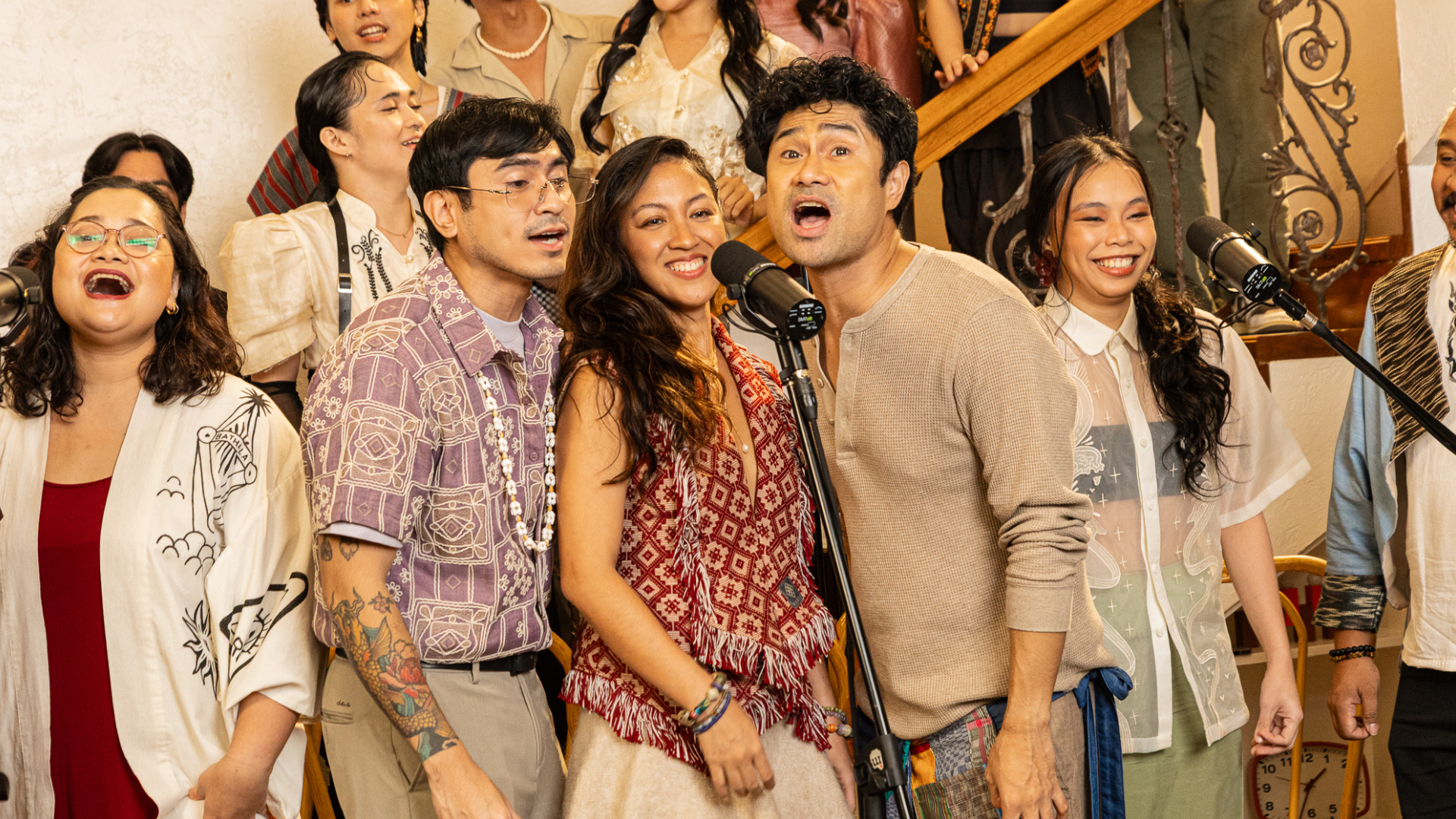
Photo by CJ Ochoa
History has a way of turning people into monuments. Gabriela Silang, in particular, has often been remembered in the outline of a statue: the woman on horseback, the widow of Diego, the Filipina revolutionary whose name has endured even as the fuller contours of her life have remained obscured.
GABRIELA: The Musical wants to complicate that image—and at the recent “Huni ni Gabriela” listening party, its songs offered the first glimpse of how.
Held on October 4 at A.bode Space in San Juan City, the intimate preview brought together members of the creative team and audience for a sampling of original songs from Barefoot Theatre Collaborative’s upcoming production.
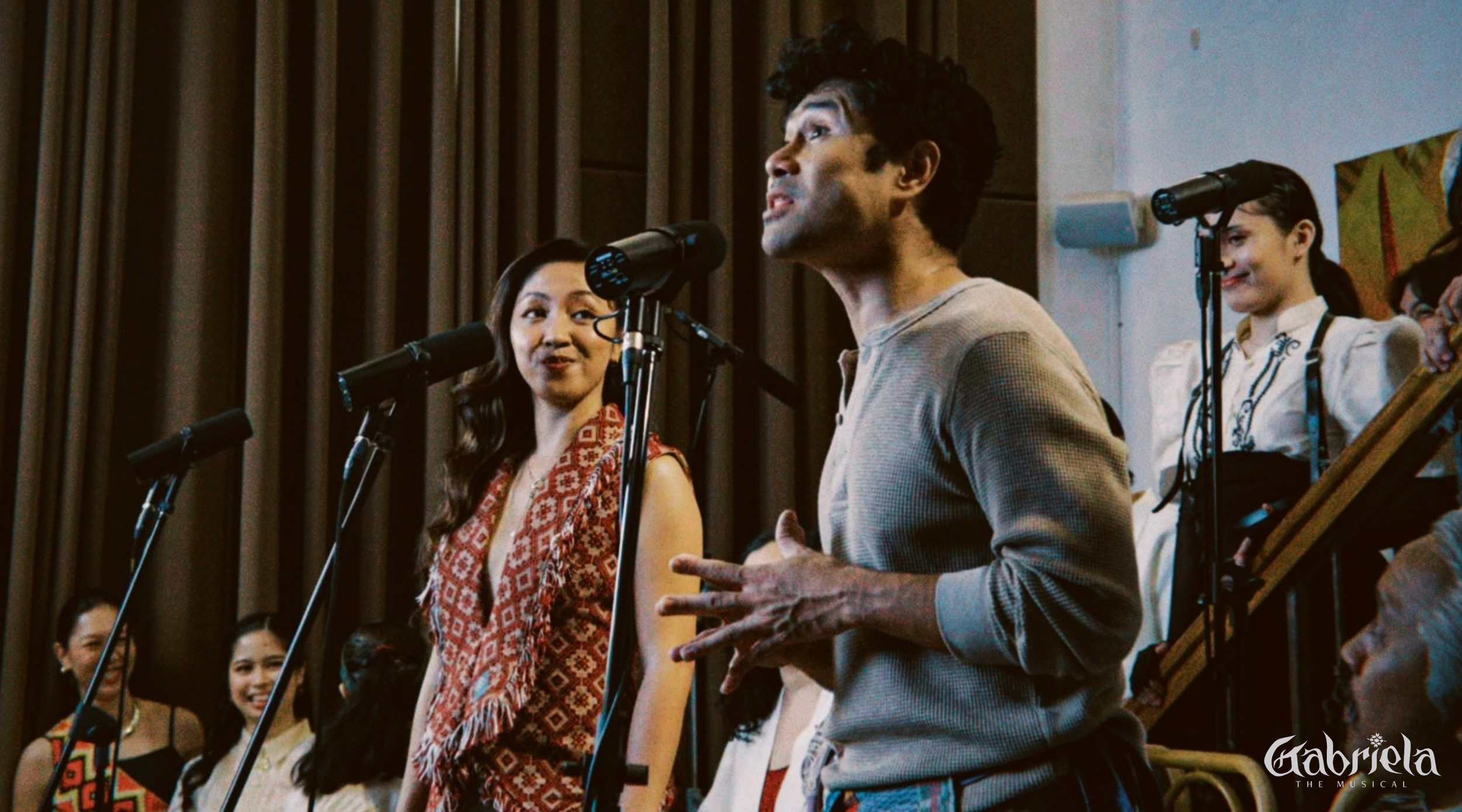
Photo by Ynez Ventura
Five numbers—“AY-DIWA-KO x BUWIS BUHAY,” “AMIANAN,” “KUNG PAANO MANAGINIP,” “DOON, DITO, SA’YO,” and “TALA”—sketched a musical world where revolution is not simply history retold, but something emotional, communal, and deeply personal.
Written by Pat Valera, with music by Myke Salomon and direction by Mikko Angeles, the musical revisits the Ilocos revolt of 1762–1763 through a story that refuses to leave Gabriela in the shadow of her husband. The musical’s ‘Gabriela’ is also an Itneg woman, placing her at the intersection of Indigenous identity, colonial violence, faith, love, and resistance.
During the exclusive interview with the Art Plus Magazine, Valera shared that duality is precisely what makes the story urgent.
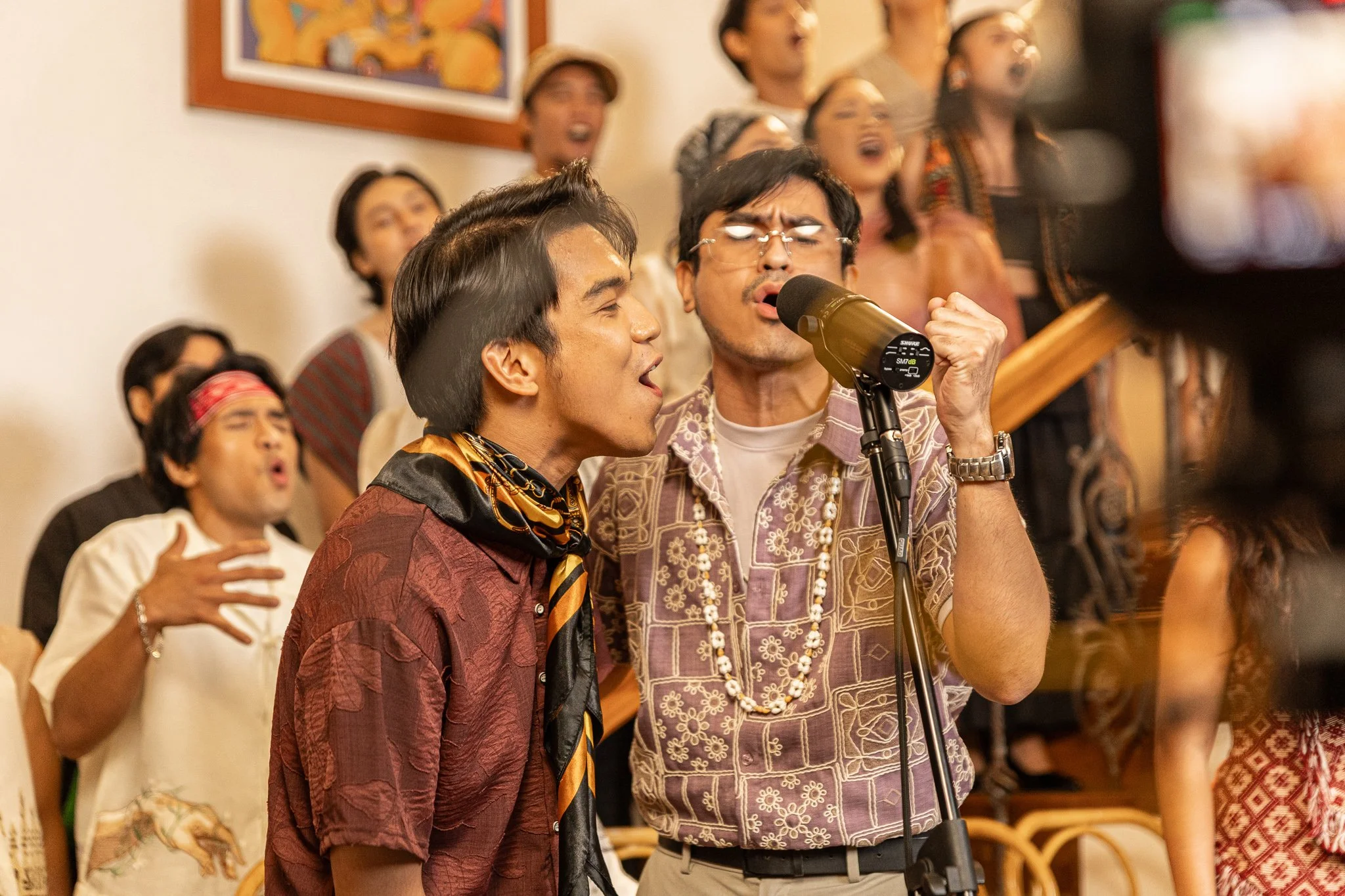
Photo by CJ Ochoa
“What I think in telling the story of Gabriela, we discover that it's not just the usual historical retelling,” he says. “It actually looks at what hasn't been told, in particular, for me, would be her duality of lineage.”
That lineage expands the story beyond the familiar revolutionary canon. Valera points to the Itneg contribution to the resistance and to the brief period when Ilocos experienced a measure of independence—not simply because of Diego, but because Gabriela was part of that struggle.
“We tell this now because we are confronted still with challenges on who gets to belong to this country,” Valera says. “We look down upon our Indigenous brothers and sisters up until today.”
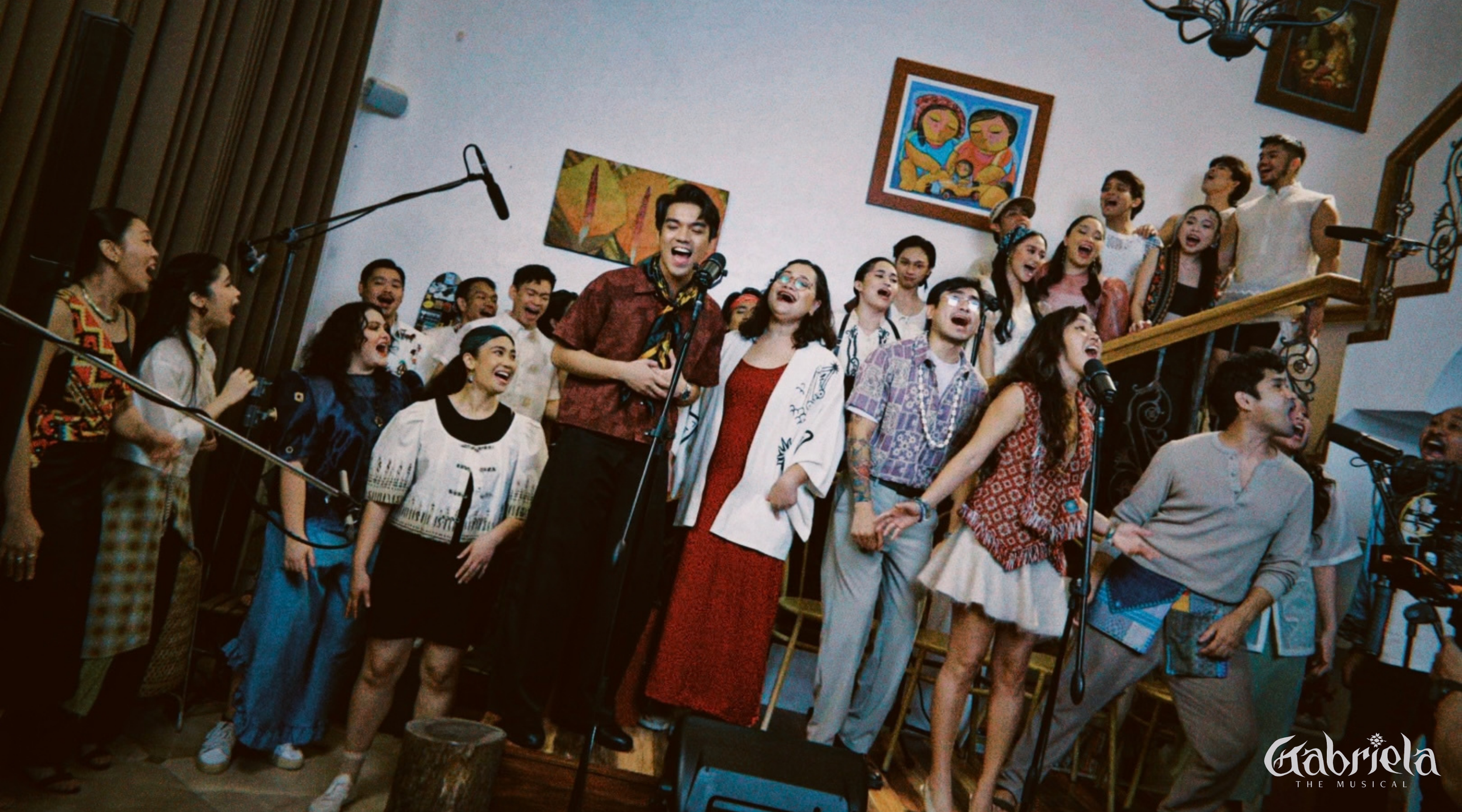
Photo by Ynez Ventura
Dramaturg Katte Sabate approaches the same gaps in history from another direction: what happens when the historical record itself is incomplete?
“First, walang historical Gabriela,” Sabate says during the exclusive interview with the Art Plus Magazine. “It’s all fragments. Tagpi siya.”
The fragments matter. Sabate points out that Gabriela was frequently recorded in relation to Diego, including in historical records where her name appears as “Gabriela Viuda de…” rather than simply Gabriela. Even the most recognizable versions of her image can therefore feel strangely incomplete.
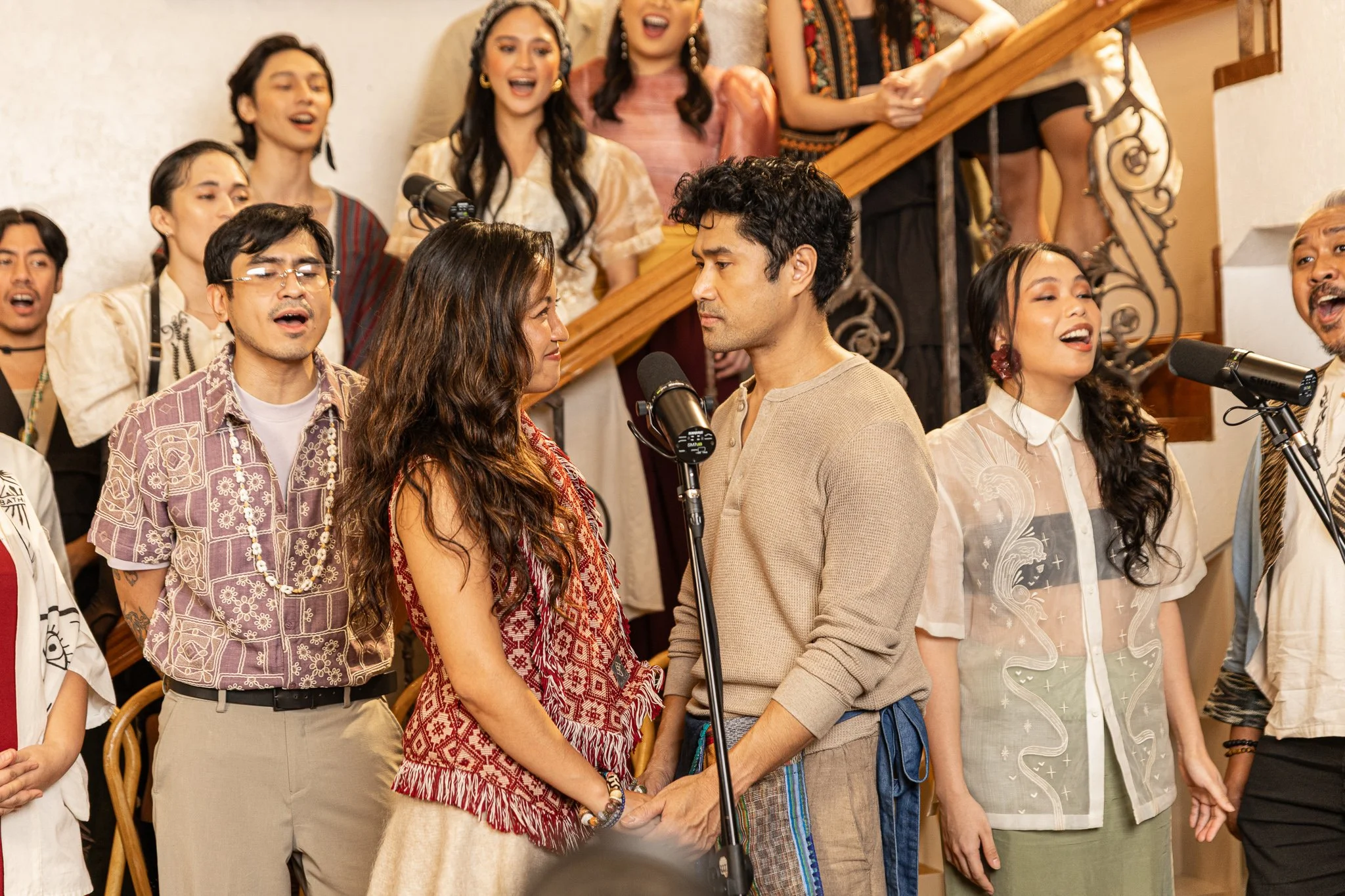
Photo by CJ Ochoa
“Who is Gabriela kung hindi siya yung monumento sa Ayala na nakasakay sa kabayo?” Sabate asks. “She was written as just, quote-unquote, Diego’s wife.”
The musical responds by giving those fragments room to breathe. Its five-song preview moves through revolution, intimacy, dreaming, place, and collective struggle, suggesting a Gabriela who is not frozen in heroic certainty but allowed the contradictions of being human.
“We refuse—ako yung taga-call out sa kanila,” Sabate says of the creative process. “Ultimately, kailangan niyang maging tao.”
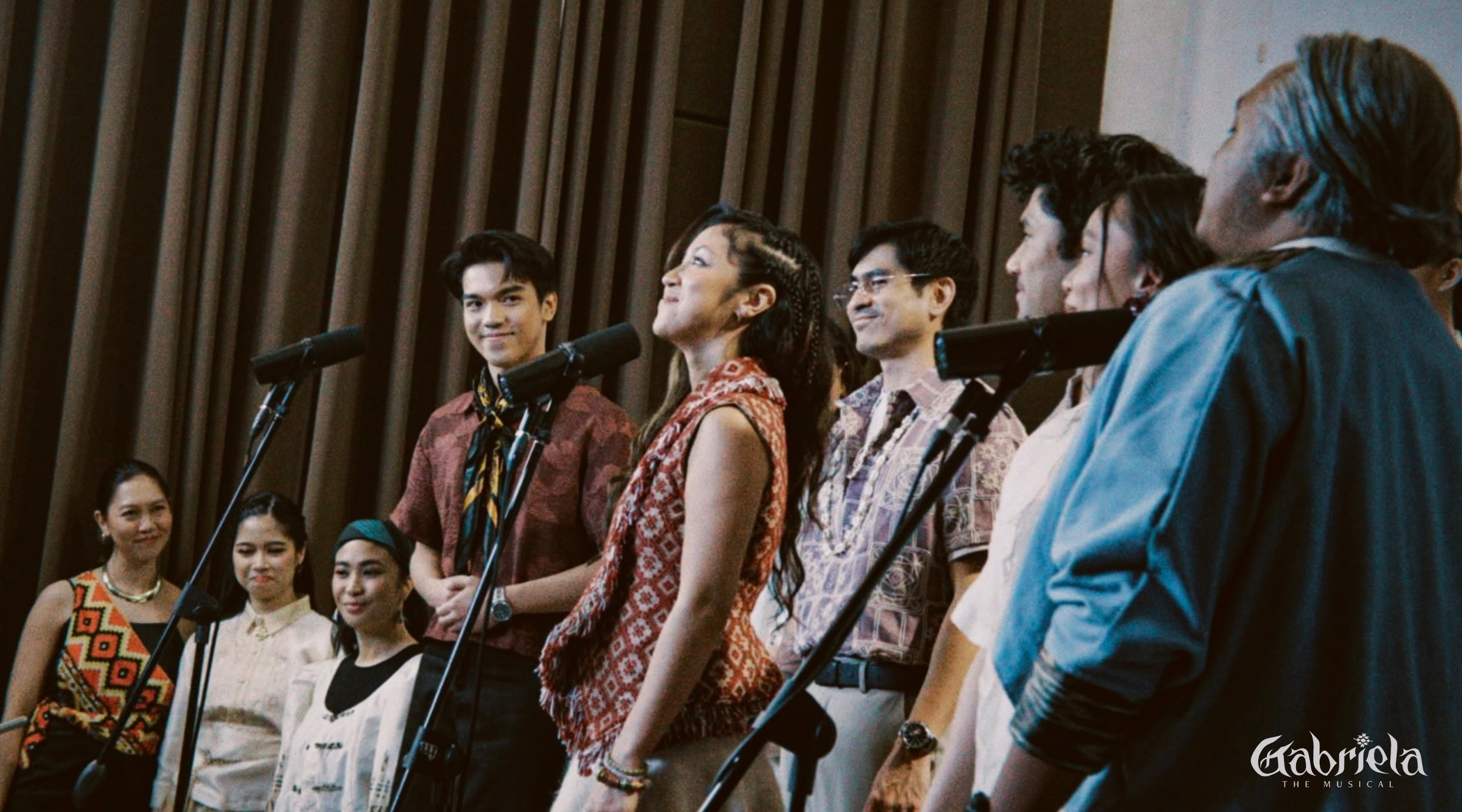
Photo by Ynez Ventura
That humanity is central to how the team hopes contemporary audiences will encounter her. The production does not position itself as a substitute for history books; instead, Valera hopes it will generate curiosity.
“We do not proclaim that we will be your history knowledge,” he says. “But you will get your curiosity to further know about the woman that is Gabriela.”
With its most intriguing promise of making the historical figure more monumental, more human—the listening party suggested a musical that understands revolution as more than a battlefield. It questions belonging, a conversation between cultures, a love story, and a collective act of remembering.
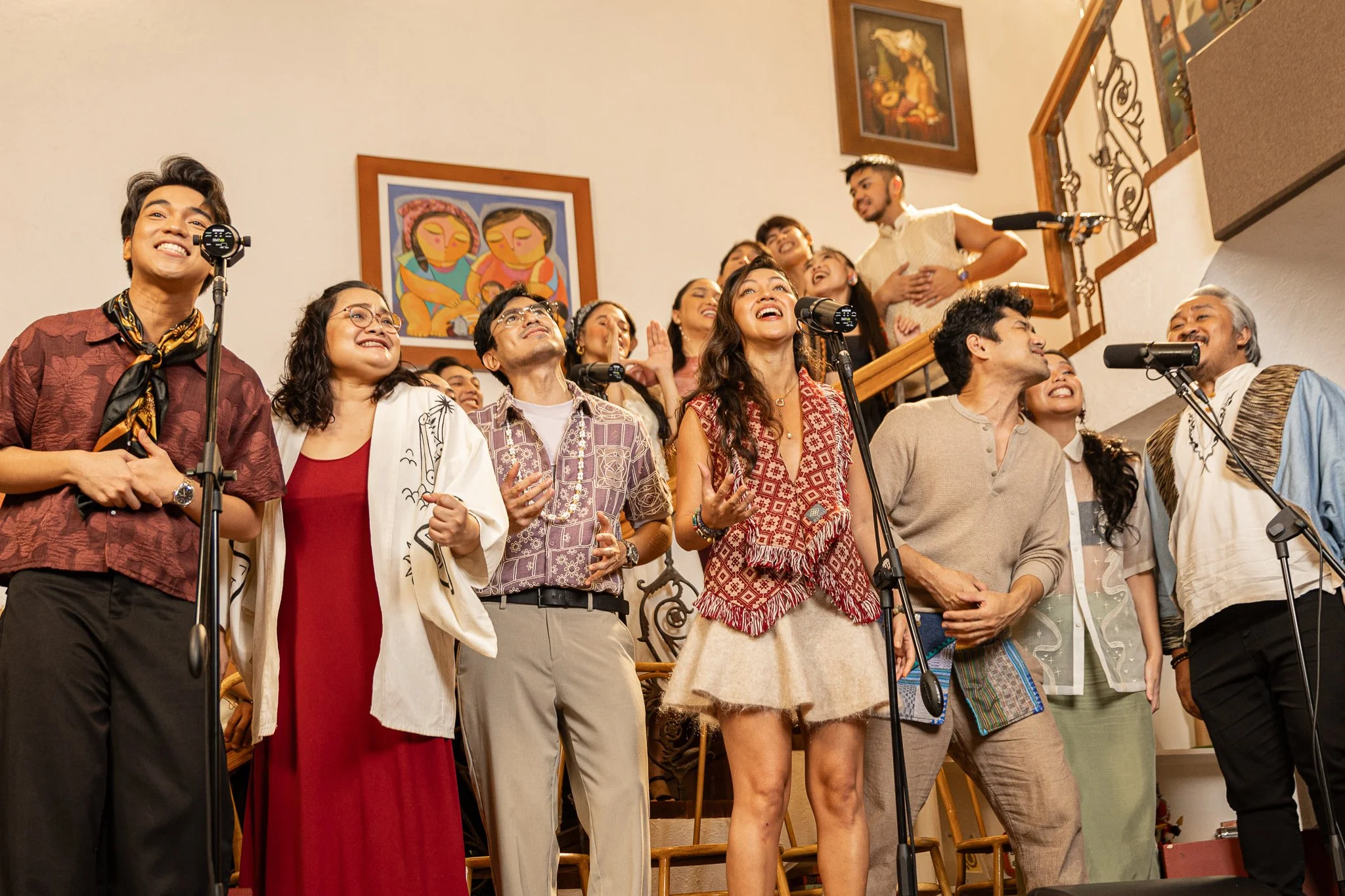
Photo by CJ Ochoa
“Enter with curiosity,” Valera says of watching the show. “And most importantly, take a breather, put down your phones, and journey.”
From November 13 to December 6, that journey moves to Hyundai Hall at Areté, where Gab Pangilinan leads a cast that includes Myke Salomon as Diego Silang and CJ Navato as Miguel Vicos, alongside Kerr Allen, Mikaela Regis, Jasper Jimenez, Delphine Buencamino, Carlon Matobato, Jon Abella, Jules Dela Paz, and the ensemble.
The revolution, this time, has a new soundtrack. More importantly, Gabriela gets to sing.
For ticket details, explore here or follow Barefoot Theatre Collaborative on Instagram.