Click, Don’t Touch
In the age of selfies and short-form videos, are museums losing their sanctity or rediscovering their pulse?
Words Randolf Maala-Resueño
Art by Martina Reyes
November 17, 2025
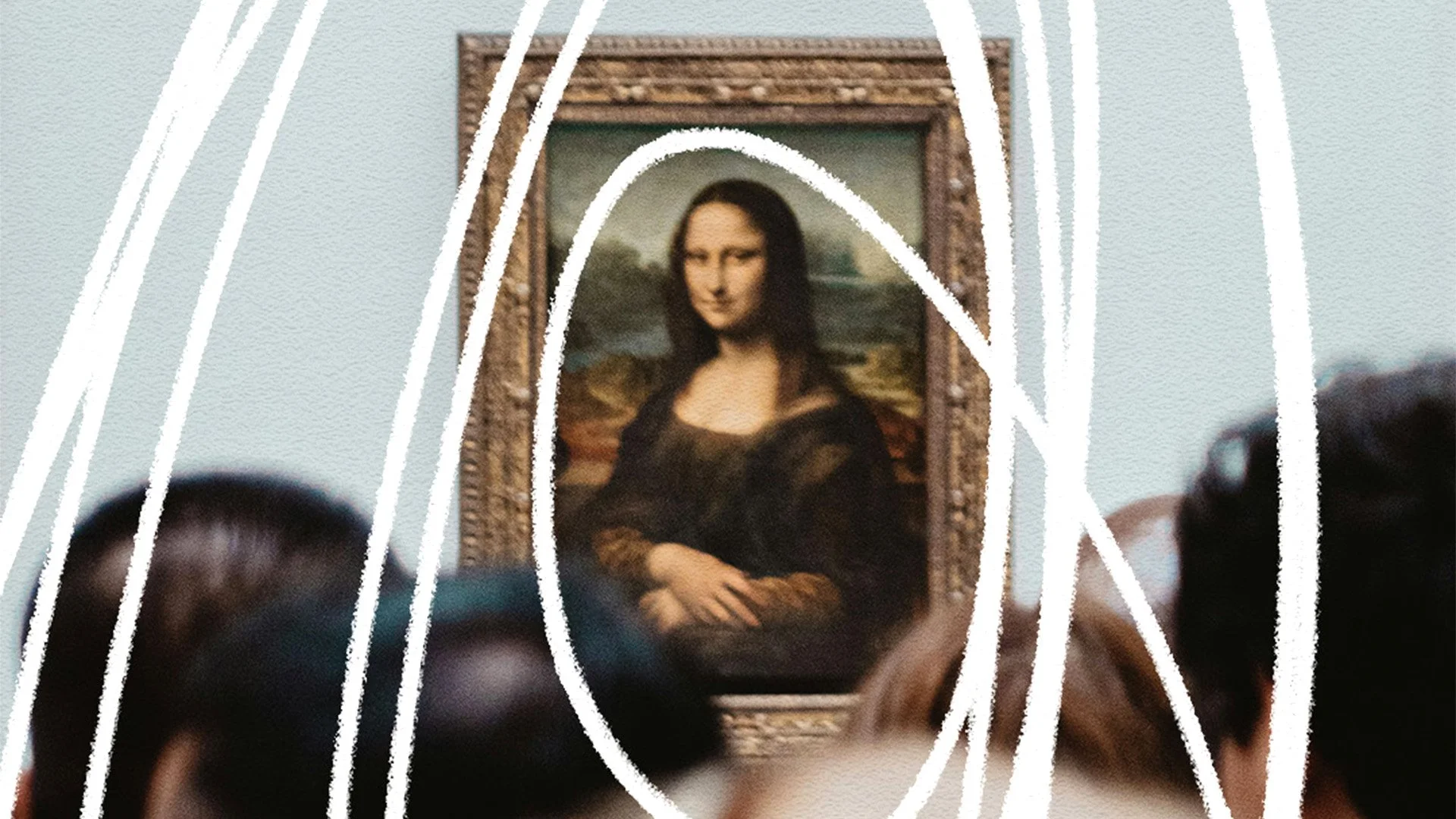
A museum visit once meant silence. The slow shuffle of feet, the occasional whisper, the kind of reverence reserved for the sacred.
Today, that silence hums with the faint soundtrack of TikTok audios and the click of phone cameras. Visitors move not just through space, but through frames—posing, posting, performing.
In this age of algorithmic attention, the act of looking has evolved into the act of sharing. The museum, long regarded as a sanctuary of stillness, is now a stage.
For some, this transformation feels like blasphemy; for others, it’s the most honest expression of art’s vitality. Art, after all, has always mirrored its times—and this is a time of feeds and filters.
In reflection of the National Museum and Galleries Month, as former Museo Pambata Executive Director and now Iloilo Museum of Contemporary Art (ILOMOCA) Museum Director Maricel Montero observes, “The important thing is we got them in the museum.”
Her voice carries neither resignation nor irony; only acceptance, perhaps even quiet hope. For her, every phone held up to a painting is a small victory. “When I see teenagers posing in front of artworks for the ‘Gram,’ I think—wow, that’s one foot in the door.”
The Museum “High”
Montero believes that a visit to a museum should be an experience that lingers. “They should come out of the museum feeling a certain kind of ‘high,’” she says. “Like they’ve been nourished.” She recalls a visitor who once told her, “Thank you so much for feeding my mind. Seeing all this art makes me feel full.”
That fullness—of thought, emotion, and imagination—is the essence of museum-going. Whether in the interactive chaos of Museo Pambata or the contemplative halls of ILOMOCA, Montero has sought to create spaces that awaken curiosity. “We want the museum to be alive,” she says. “There can be performances, workshops, rituals, but inside the galleries, I want visitors to linger quietly, to really see.”
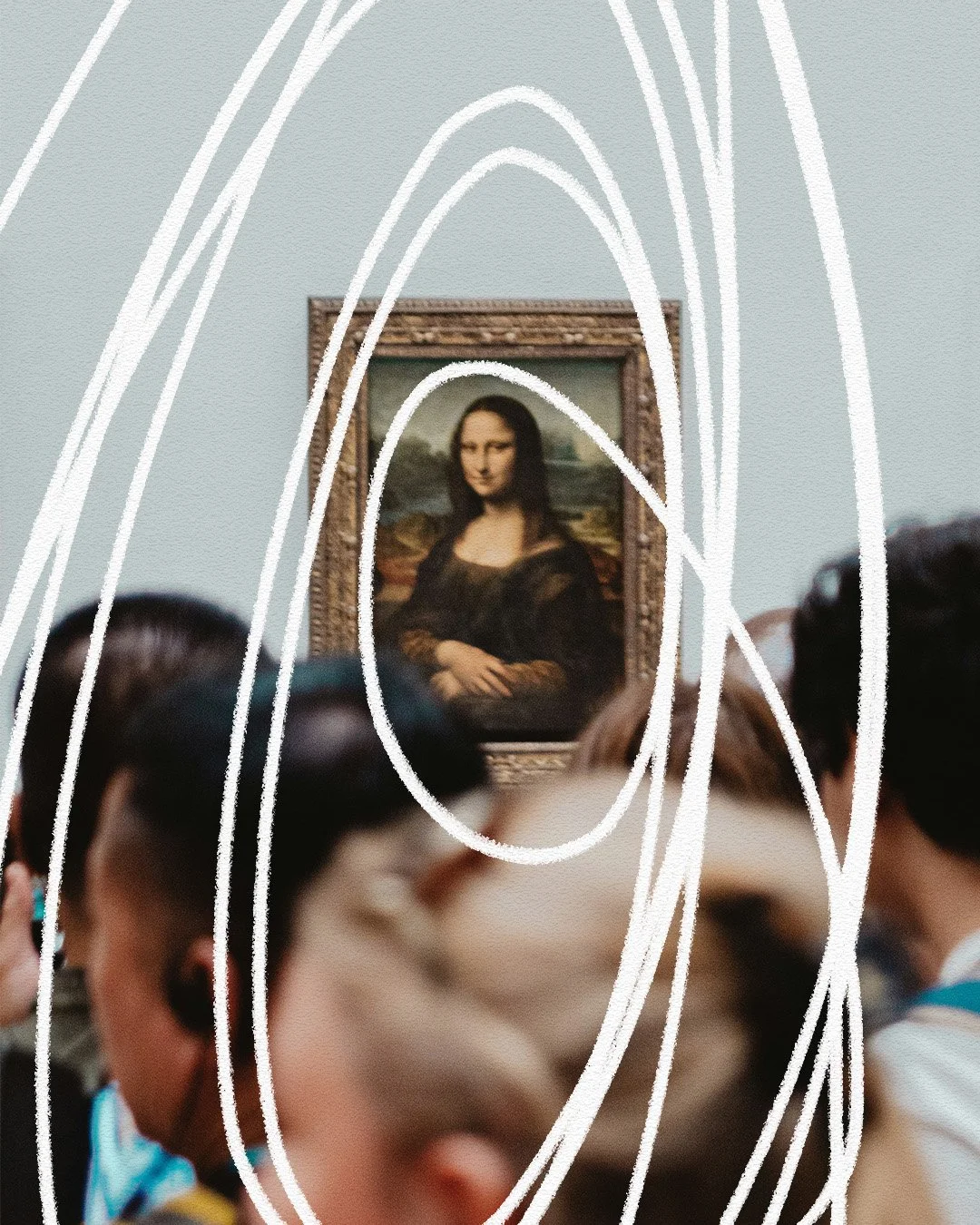
In her view, engagement doesn’t always mean noise or spectacle. Sometimes it’s the subtle act of noticing. The way light hits a sculpture, the hidden detail in a painting, the question that lingers after leaving. “Prompts are very important,” she notes. “They make people look closer.”
Between Selfie and Sanctity
The tension between contemplation and content is one that every modern museum now faces. “Selfie sticks are banned,” Montero says with a laugh. “They’re a hazard.”
Yet she’s quick to clarify that photos and videos themselves aren’t the problem. It’s how they’re done. “Visitors can take selfies and short videos as long as they don’t distract others. It’s a matter of respect.”
The word “respect” feels central to this new etiquette. The museum is no longer a place where silence equals reverence; it’s where mindfulness does. Visitors can perform, record, and share, but they must also understand that the art deserves its own breathing space.
At ILOMOCA, this balance is actively cultivated. “We want to make the museum tangible without violating the ‘don’t touch’ rule,” Montero says.
For a textile exhibition, she adds swatches visitors can feel. For others, she installs interactive walls where people can draw or write reflections about their experience. These analog gestures invite participation while keeping the artworks themselves intact.
And when she speaks of engagement, she means it in both senses: emotional and digital. “At Museo Pambata, engagement was physical, tactile. At ILOMOCA, it’s more subtle but just as meaningful,” she says. “We also go with the flow. We’re active on Facebook, Instagram, TikTok. Each platform connects to a different audience.”
Art in the Age of the Algorithm
The social media lens, Montero admits, has changed everything, from how exhibitions are designed to how museums market themselves. During the pandemic, it was the only way to stay visible. Now, digital storytelling coexists with real-life encounters.
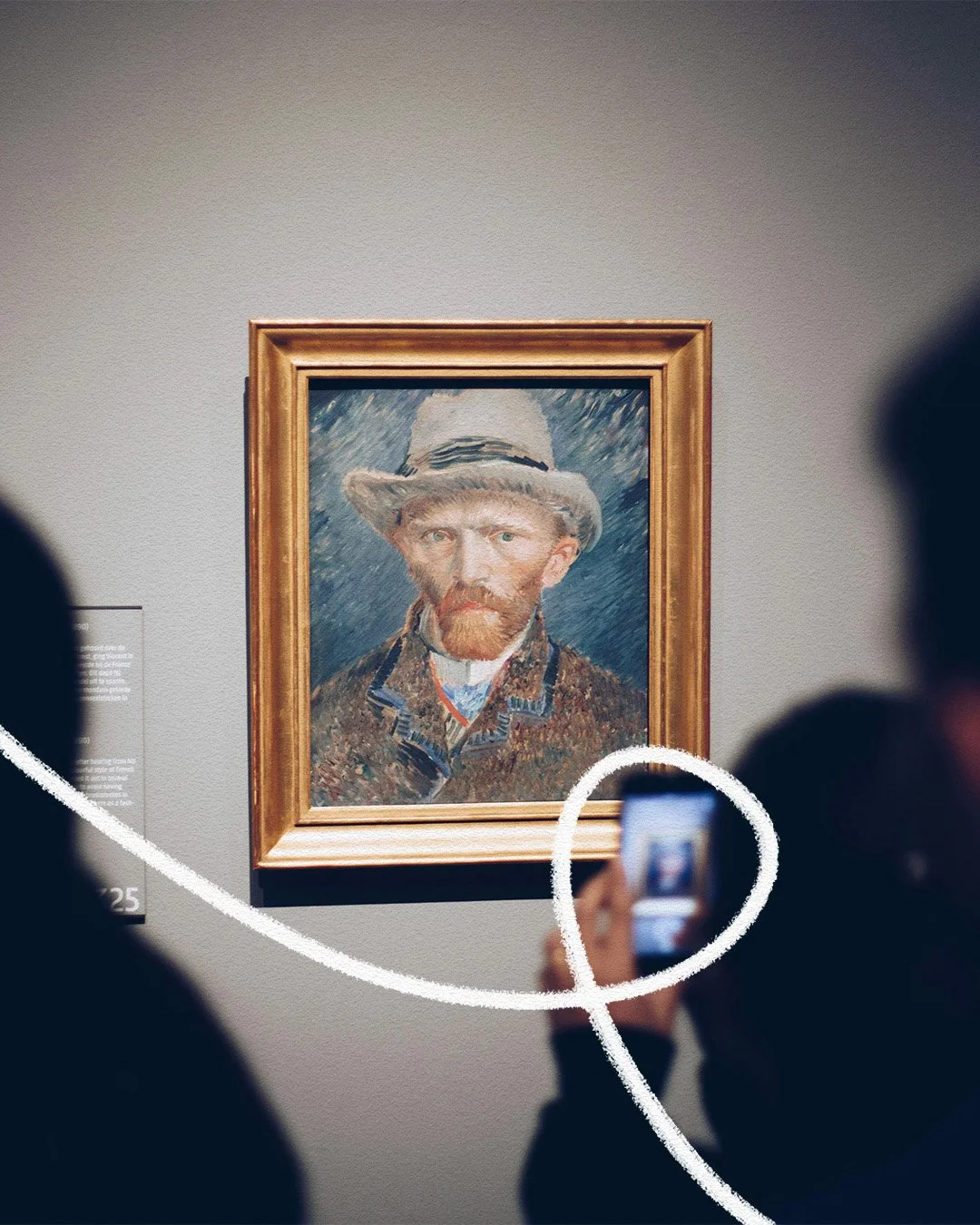
“We treat our online content as a teaser,” she explains. “It shouldn’t replace the real thing. Seeing art in person, its colors, textures, scale, still offers something that a screen can’t.”
But social media, she concedes, also democratizes the museum. What was once intimidating is now accessible. The “noisy” visitor recording a vlog might also be the one inspiring someone else to visit. “Some might find it shallow, but who are we to argue? The important thing is they came.”
And when they come, something shifts. A teenager might enter for a selfie, but leave curious about why a painting is titled Territorial Disputes. A couple might stumble on Kamanava by Michael Cacnio and realize the “cute dollhouse” sculpture actually tells a story about poverty and resilience. “That’s what I love about art,” Montero says. “It makes people pause, reflect, and maybe see things differently.”
Proof of Life
What emerges from Montero’s reflections is less a lament for lost etiquette and more a celebration of evolving engagement—that the museum is not dead but alive in new ways.
It breathes through hashtags and captions, through the eyes of visitors who choose to spend an afternoon surrounded by art instead of algorithms.
Perhaps the etiquette of today’s museum isn’t about keeping still, but about keeping aware. To click is not to desecrate, but to participate and bear witness to the fact that art still moves us enough to share it.
So yes, the rules have changed. But the impulse remains the same: to connect, to remember, to be moved. Whether through touch or through a screen, the encounter endures.
Because in the end, art only lives when someone is looking.