
One Dip At A Time
More than condiments, Filipino sauces are vessels of memory and heritage, crafted at every table and evolving with every generation.
Words Piolo Cudal
Photos courtesy of Panlasang Pinoy and Asian Inspirations
November 17, 2025
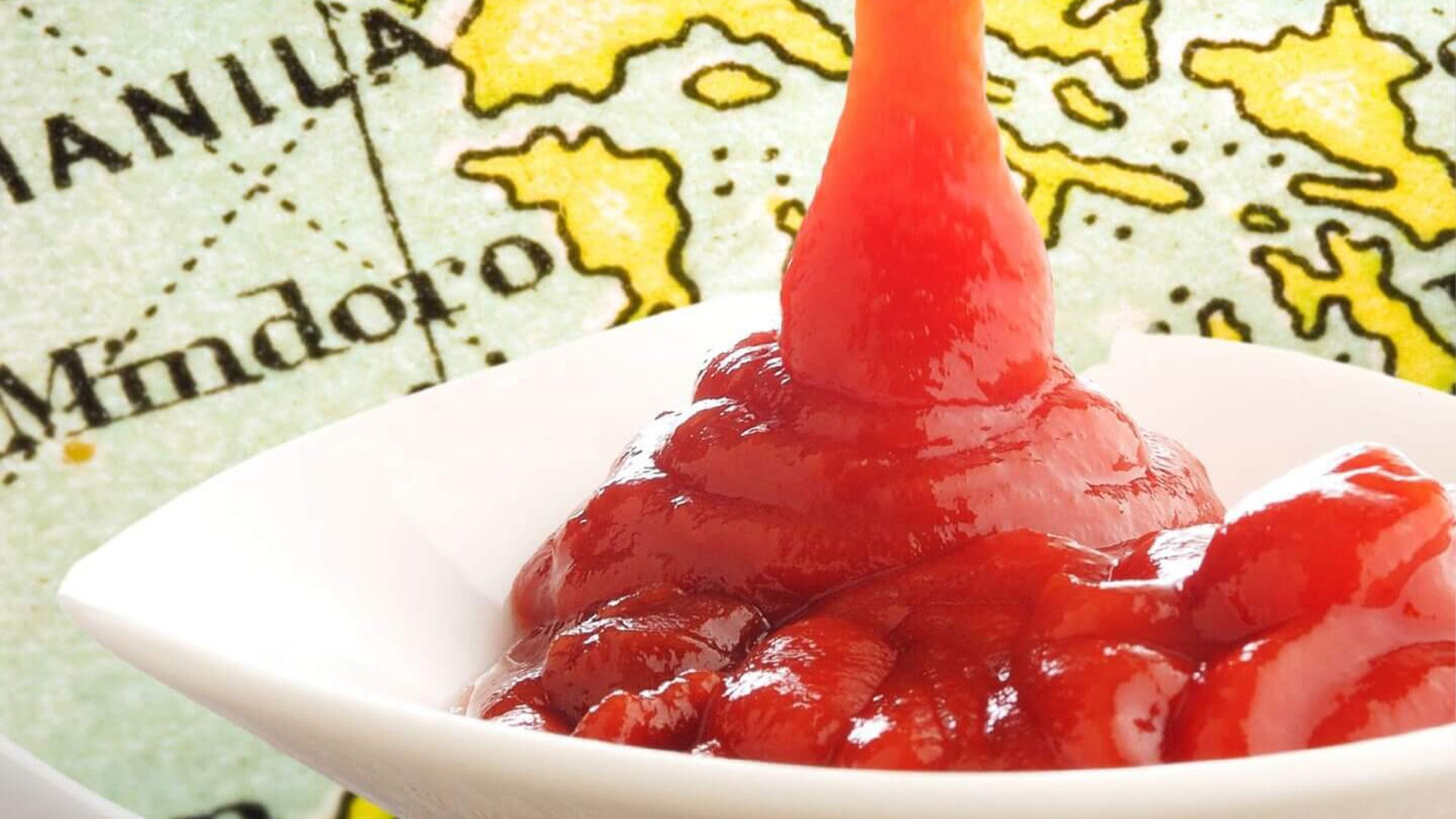
Long before a spoon hits the rice, the sauces are already speaking. From a splash of soy sauce on a fried fish, to a homemade vinegar blend beside grilled meats, “sawsawan” or dipping sauces are an essential presence at the table.
More than condiments, they reflect regional histories, family habits, and the Filipino instinct to personalize every bite. And to understand Filipino cuisine is to understand its sauces–not just how they taste, but how they have evolved and remained central to the way we eat.
Beyond the living archives of influence from colonizers, we will be exploring how sauces are not just traditions, but the lifeblood of our food identity.
Patis (Fish Sauce)
Photos courtesy of Panlasang Pinoy
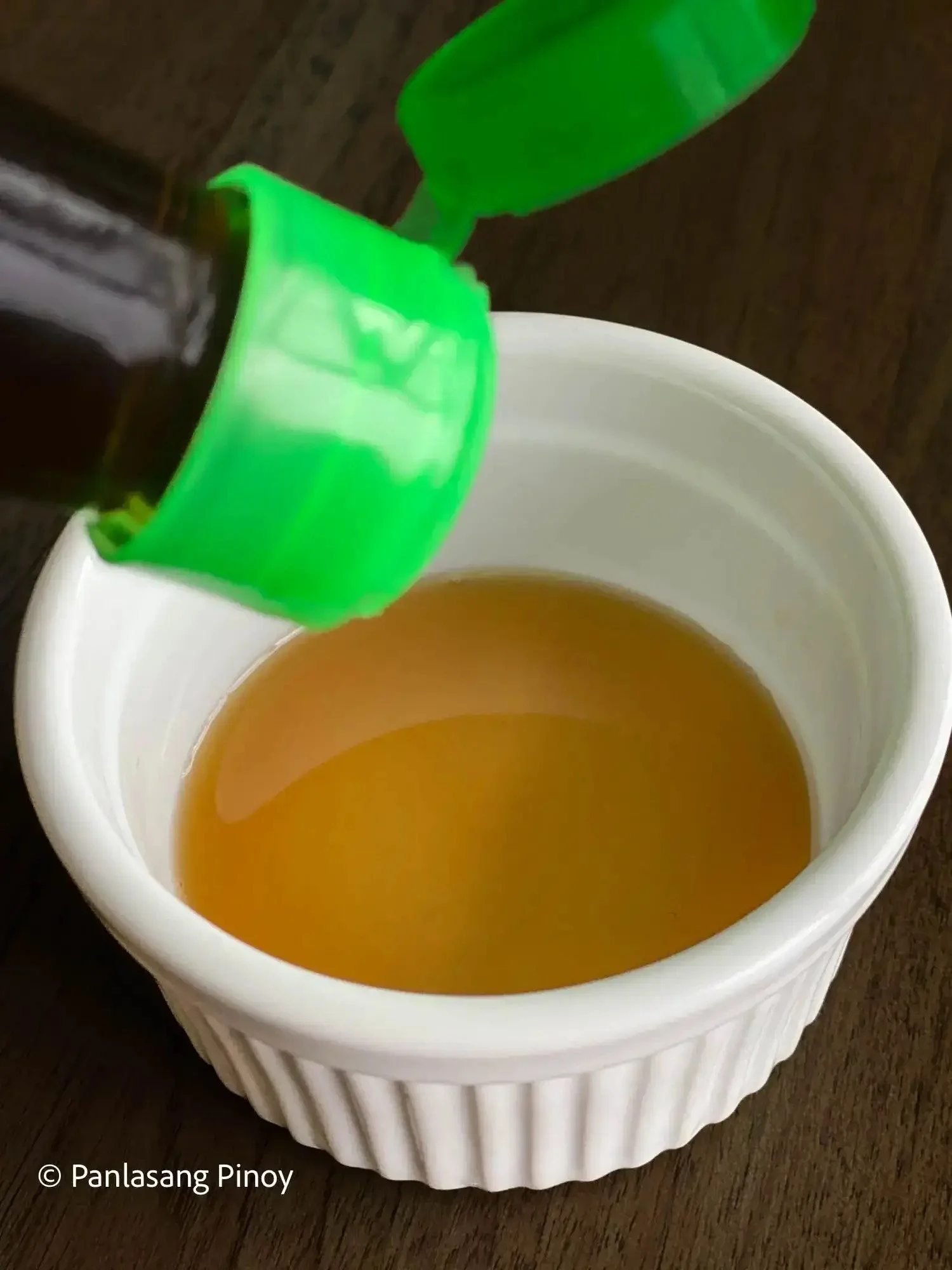
Long before refrigeration, Filipinos preserved fish by layering it with salt and allowing it to ferment under the sun. From this process came patis, a thin, amber liquid with a punch of umami.
To add patis in your kitchen pantry, patience is a must as it takes 9 to 12 months to achieve its best flavor. Today, it is mass-produced, standardized in taste. However, artisanal batches still exist in fishing towns, passed down as family craft.
In many households, it still bubbles in the pot before garlic and onions, a mark that someone is cooking something soulful.
Toyo (Soy Sauce)
Photos courtesy of Panlasang Pinoy
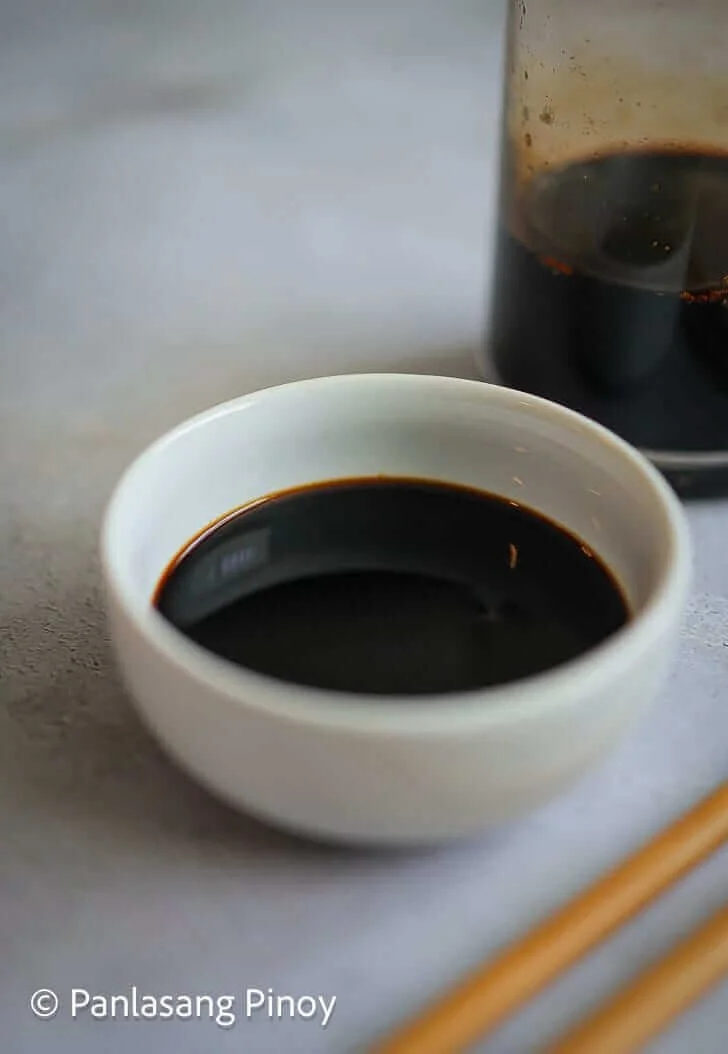
Toyo is a perfect example of how we take something foreign and make it our own. It came to the Philippines through trade, but our version is saltier, darker and often mixed with calamansi or vinegar.
Like patis, the key to making it is patience as the fermentation could take about six months. Becoming a pantry staple, it is in our most iconic dishes like adobo, and even the sawsawan that gives life to fried fish.
Today, local brands dominate grocery shelves, and Filipino style is distinct enough to stand apart from Chinese or Japanese varieties. For family recipes, it has become a building block, with each adobo tastes a little different depending on the brand or blend used.
Suka (Vinegar)
Photos courtesy of Panlasang Pinoy
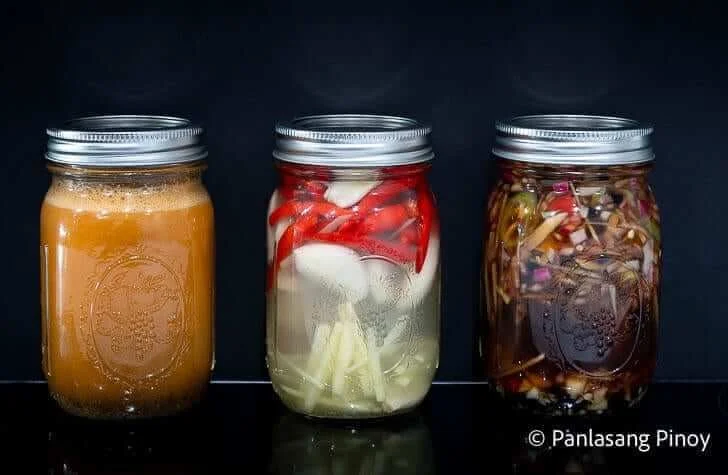
Whether it is cane vinegar from Negros or the earthy sukang Iloko of the north, vingegar holds our flavors together. It is the soul of paksiw, the backbone of kinilaw, the surprise twist in adobo that elevates soy and spice into something soulful.
In sawsawan, it is often paired with crushed garlic, chili, or even a touch of toyo, transforming a single dip into an experience.
In a country of lush humidity and long coastlines like the Philippines, vinegar tells the story of how we have endured. In every sour taste, there is a lesson in how Filipinos have preserved flavor–and culture–for centuries.
Bagoong (Fermented shrimp or fish paste)
Photos courtesy of Panlasang Pinoy
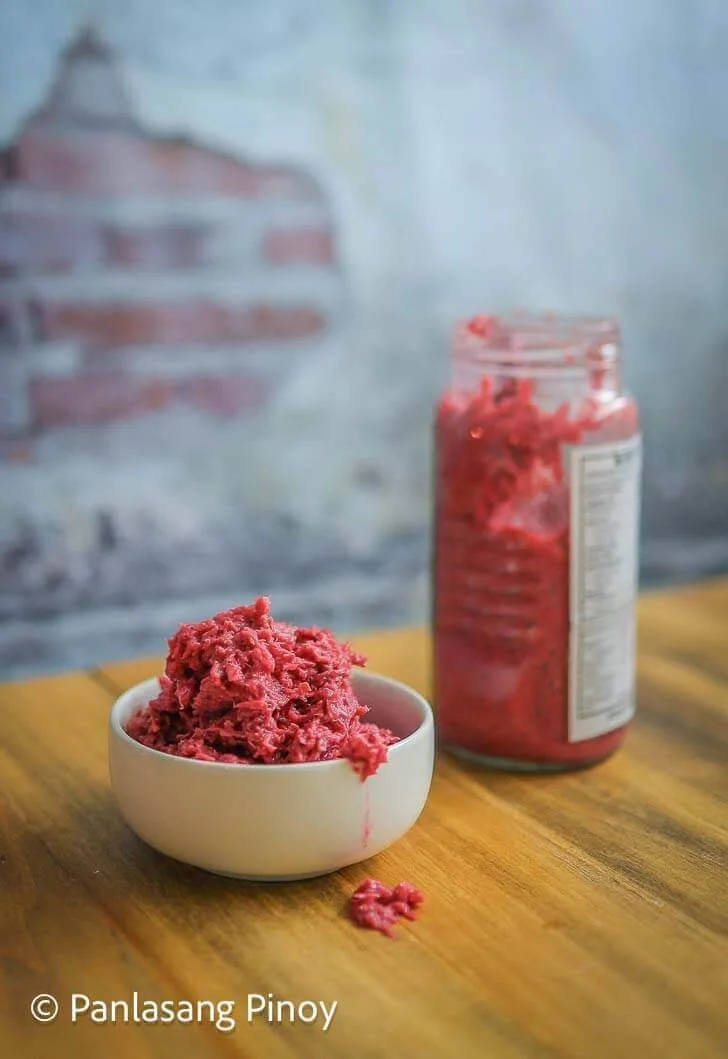
Thick, pungent, deeply umami, this fermented paste is a cornerstone of dishes like kare-kare or pinakbet. Its origin can be traced back to the eighth century, with Thailand being the pioneers for this practice. Since then, it has expanded to the rest of Southeast Asia.
In the country, there are dozens of regional varieties. Some of the well-known bagoong options are in Lingayen Pangasinan. From pinkish bagoong alamang to the darker, saltier bagoong isda, wherever you will get it from, each will tell a story of its own community.
It may have started as a survival food, but its humble fermentation proves that the most powerful tastes come from patience, tradition, and the sea.
Banana Ketchup
Photos courtesy of Panlasang Pinoy
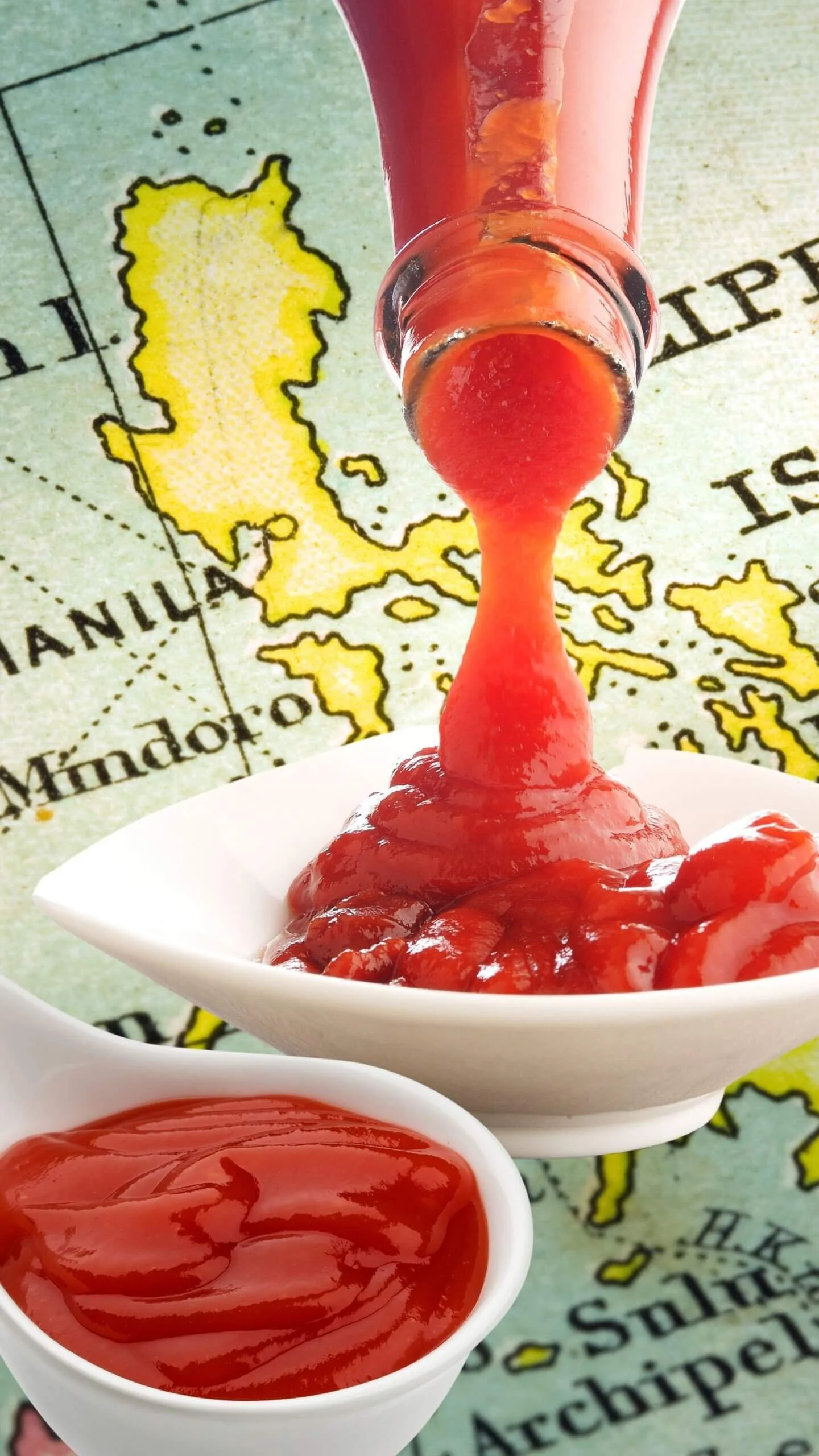
Born during World War II when tomatoes were scarce, banana ketchup is a wartime innovation turned national treasure invented by Maria Orosa, a pioneering Filipino chemist.
Over the decades, banana ketchup attached itself to Filipino-style spaghetti, hotdogs and fried chicken. These are foods tied to memory and comfort for children, reflecting a Filipino innovation when creativity turns limits into legacy.
Lechon Sauce (Liver-based Gravy)
Photos courtesy of Panlasang Pinoy
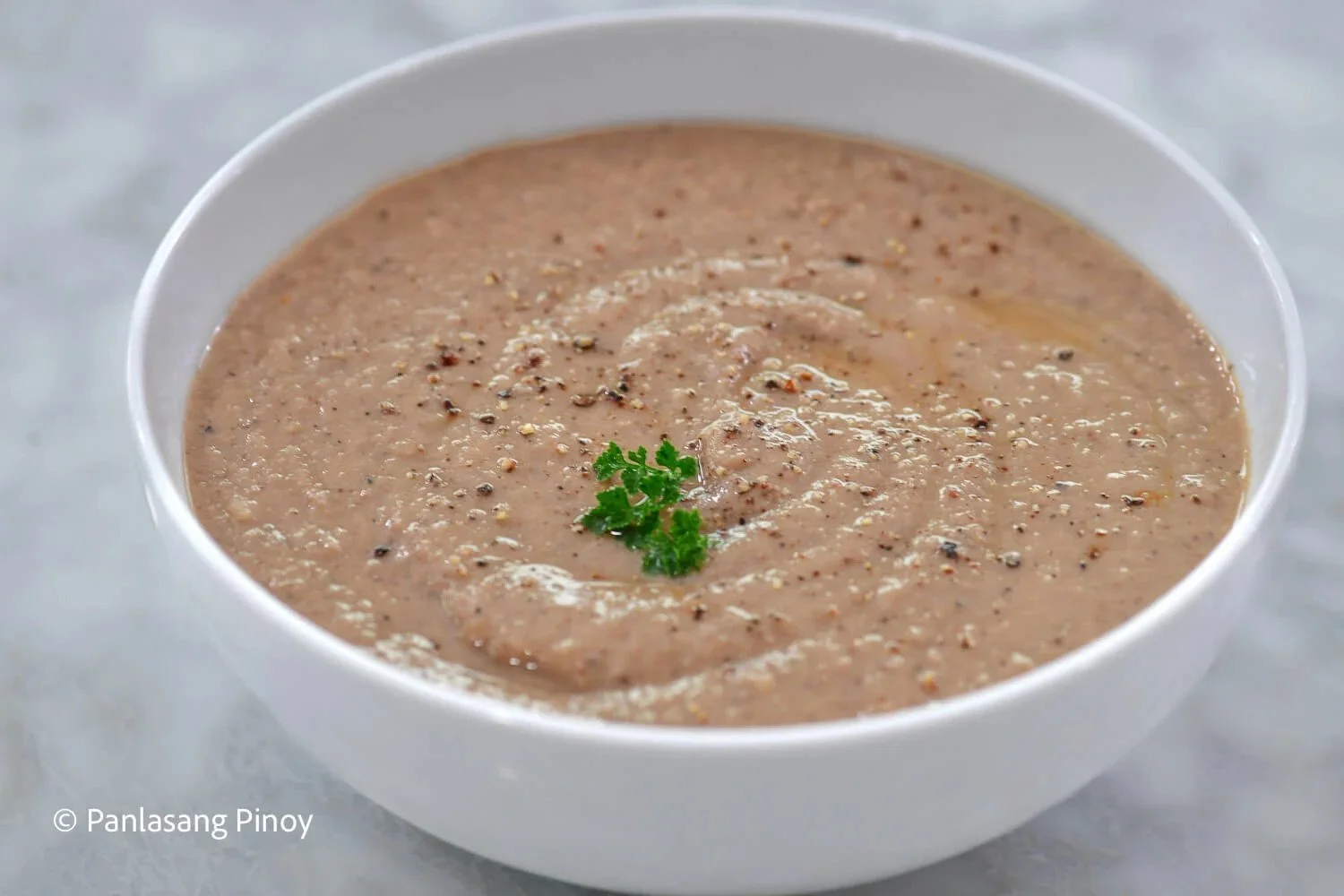
What is lechon without its sauce? The rich, slightly sweet, liver-based sauce that often comes from a secret family recipe is a cultural companion in every grand celebration.
Whether homemade or store-bought, lechon sauce is a reminder of how Filipinos love complexity: a blend of savory, sweet, tangy and nostalgic all in one spoonful.
Today, many rely on bottled versions like Mang Tomas, so much so that it has become a brand synonymous with the sauce itself. But there’s also a quiet revival as home cooks return to liver-based, scratch-made recipes that connect them to how their lolas used to cook during town fiestas.
Story in every spoonful

Photo courtesy of Asian Inspirations
In Filipino dining experience, there’s an unspoken invitation: make it yours. Sawsawan is as much about autonomy as it is about appetite, making Filipinos become their own flavor architects.
But you don’t need a full pantry to bring flavor home. Just carry the basics: toyo, vinegar and a good patis that smells of the sea. These three are your holy trinity, the foundation of sawsawan and countless dishes. It is noteworthy to mention that Filipino sauce pantry is not about quantity. It’s about knowing how to mix memory and instinct.
So whether you are stirring bagoong into pinakbet or simply reaching toyomansi, know this: you are participating in a culture that spans centuries, borders, and generations. With a mix of instinct and memory, Filipino sauces transform every meal into a story only you can season.