Zee Venti and the Digital Rebirth of Filipino Art
As the fifth edition of MoCAF opens today, the platform continues to champion emerging artists while expanding beyond traditional art. Issue 103 features Zee Venti’s creative journey in the world of digital art.
Words Gerie Marie Consolacion
Photos courtesy of Zee Venti
July 03, 2026
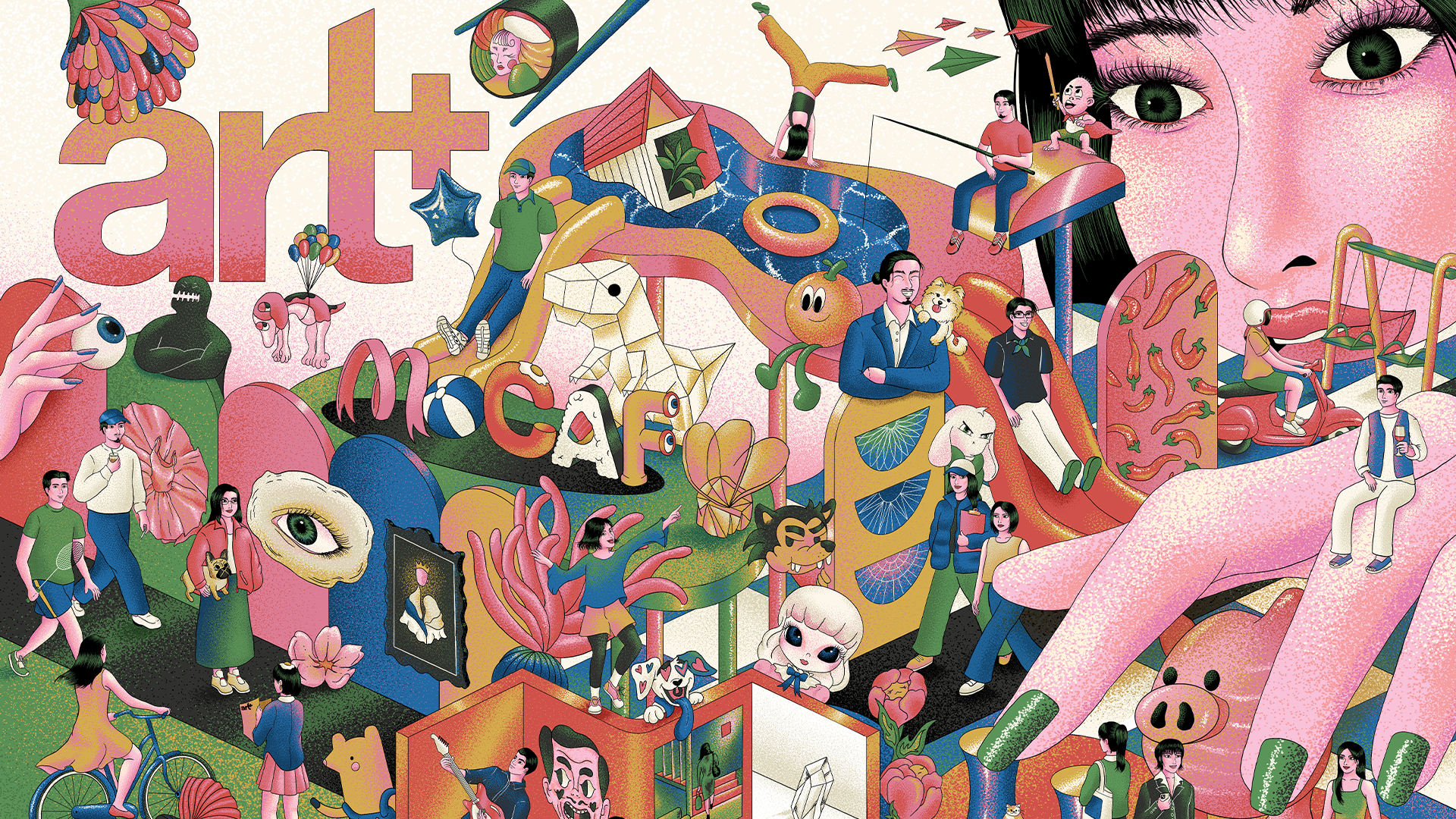
Art+ Magazine’s Issue 103 Cover by Zee Venti
In a culture that often expects women to be strong, composed, and accommodating, multimedia artist Marga Zablan-Ventinilla—known as Zee Venti—is carving out a different kind of space.
Scrolling through her Instagram feels like stepping into a calm landscape. Her work carries a softness that doesn’t just catch the eye, but gives you room to breathe.
Through a palette grounded in gentleness and honesty, Marga has become a distinct voice in the Philippine art scene, with her recent selection as cover artist for MoCAF 2026 marking a milestone she describes as a quiet affirmation of her journey.
Reframing Womanhood: The Power of Gentleness
For Zee, being a woman artist in the Philippines is closely tied to how she moves through her inner world.
She leans into themes often pushed aside in a fast-paced society: rest, vulnerability, and reflection. Her art becomes a space where gentleness and uncertainty are not concealed, but held with care.
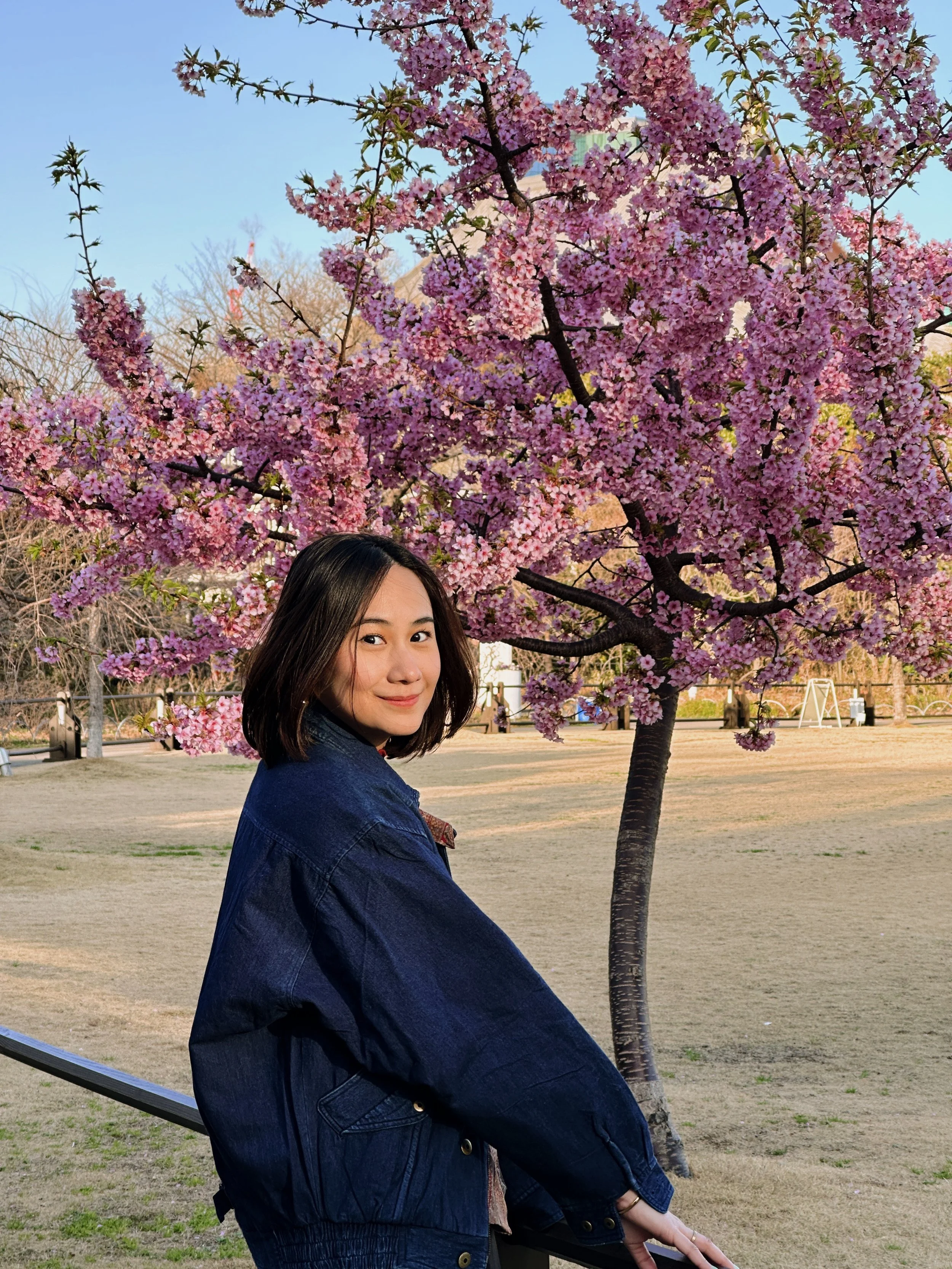
Artist Marga Zablan-Ventinilla or Zee Venti
“I find myself drawn to themes and visuals that hold space for gentleness... without needing to immediately resolve or hide them,” she shares in an exclusive interview with Art+ Magazine, adding that her identity as a Filipina grounds her work in faith, family, and endurance.
From the “Dark Days” to Digital Discovery
Zee’s path to becoming a recognized digital illustrator wasn’t straightforward.
A graduate of DLS-CSB, she spent years in the demanding worlds of advertising and events. By the time the pandemic hit, she was already struggling with burnout and a mindset that every piece had to outdo the last. In what she now calls her “dark days,” she stopped making personal work altogether.
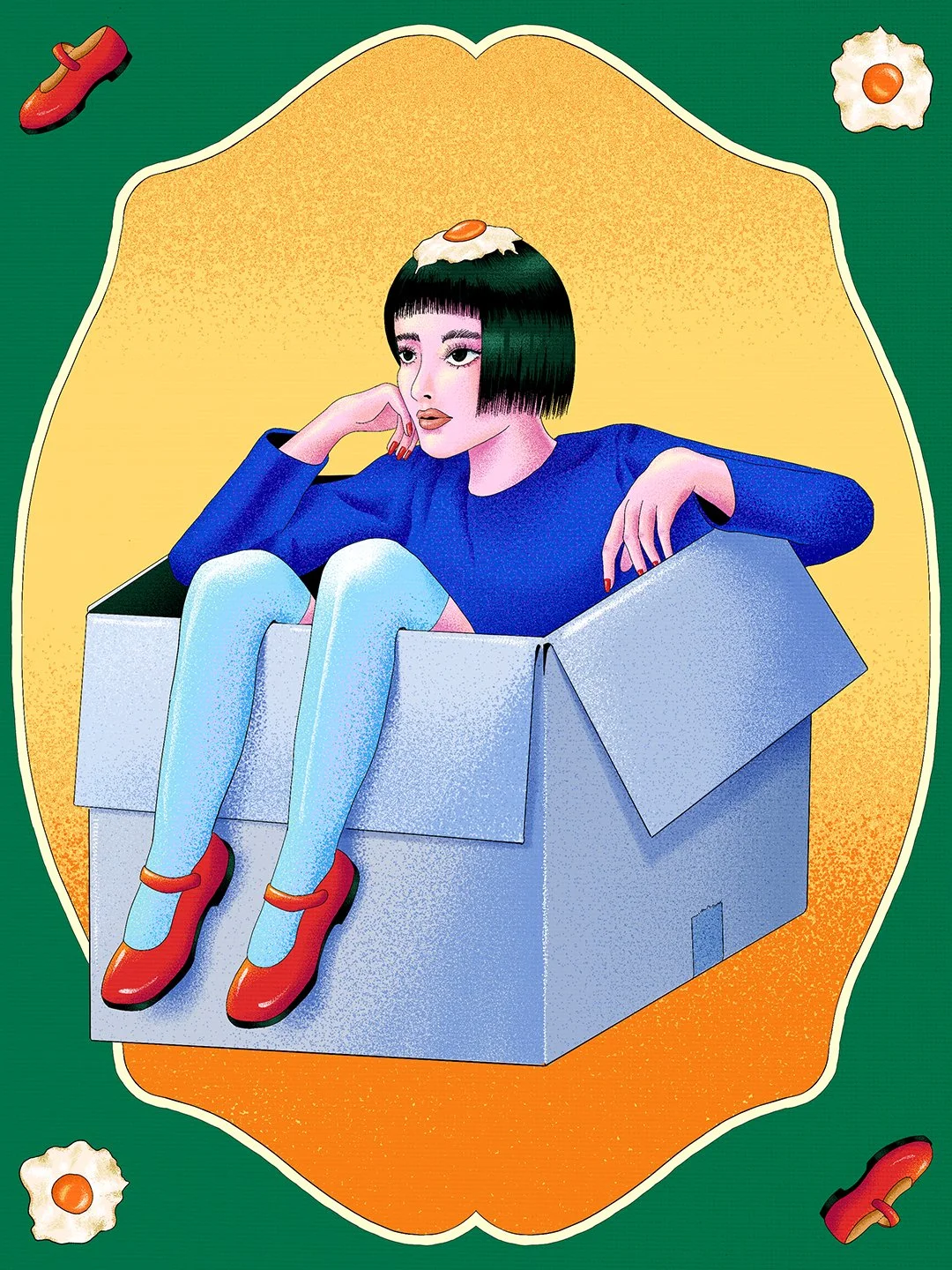
Discomfort
Her shift to digital illustration during the pandemic was more than a change in medium—it became a kind of reset. Through prayer and a desire to reconnect with the simple joy of creating, she began to develop a style centered on emotional honesty rather than perfection.
Today, she creates from what she calls a “place of fullness,” intentionally replenishing herself before translating emotion into her digital work.
Navigating the Philippine Digital Landscape
When Zee entered the industry in 2014, the local digital art scene was still considered niche and uncertain.
Many graduates were pushed toward more “practical” paths like corporate graphic design, as a clear market for digital illustration had yet to fully emerge. Since then, she’s witnessed a major shift.
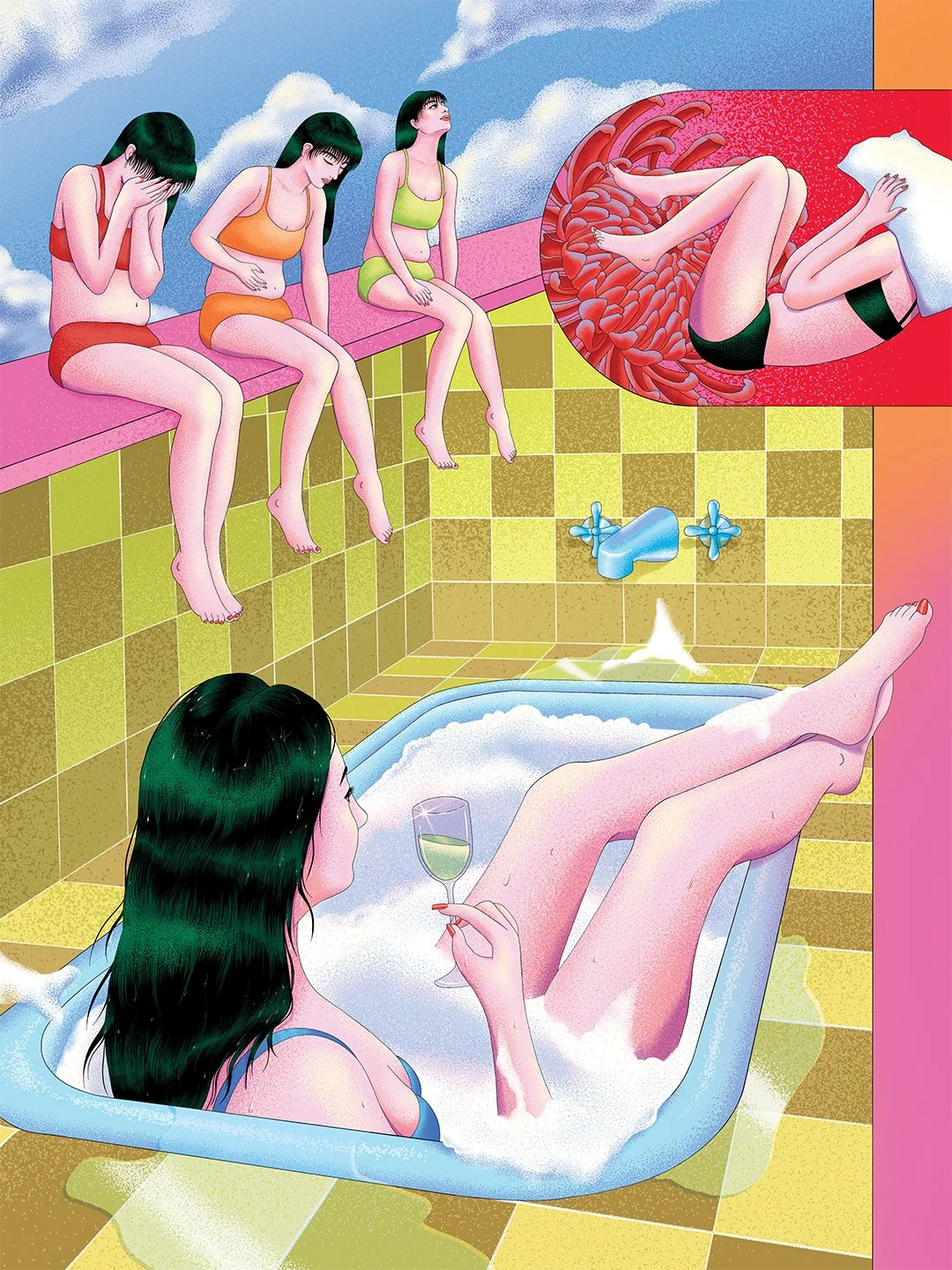
That time of the month
“After the pandemic... more art markets and creative spaces started opening up for digital artists,” she said. While traditional art continues to carry prestige and legacy, Zee sees digital illustration as a bridge toward accessibility.
By turning her work into prints, notebooks, and stickers, she brings art out of galleries and into everyday life—making it something students and young professionals can actually live with.
The Role of the Digital Illustrator Today
Zee challenges the idea that digital art is easier than traditional practice. From her experience working in both, she points out that the physical strain, discipline, and vision required remain just as demanding.
For her, digital illustrators are helping expand the Philippine art landscape by making creative expression more approachable and inclusive.

Zee Venti’s art was included in the Graphika Manila Art Book.
Her process stays intuitive—often beginning with a single image, like an egg, a figure, or an animal, before building an emotional narrative around it. Influenced by city pop, magical girls, and surrealism, her work transforms heaviness into something beautiful and hopeful.
An Answered Prayer
As she prepares for MoCAF 2026, Zee reflects on a moment earlier this year when she had nearly accepted that illustration might remain just a hobby. Being chosen as a cover artist felt, to her, like a divine nudge to keep going.
“It felt like a reminder that maybe God wasn’t done with my illustrator story yet,” she says.
Zee Venti’s journey reflects the evolving role of artists in the Philippines—where digital tools open new doors to expression, and where softness is not a weakness, but a steady resilience.