
When Public Figures Lose Sight of the Public
From disaster and dysfunctional transport to charity turned spectacle, the gap between privilege and the everyday Filipino reality evidently became wider.
Words Gerie Marie Consolacion
Art by Tristan Talon
September 2, 2026
Art by Tristan Talon
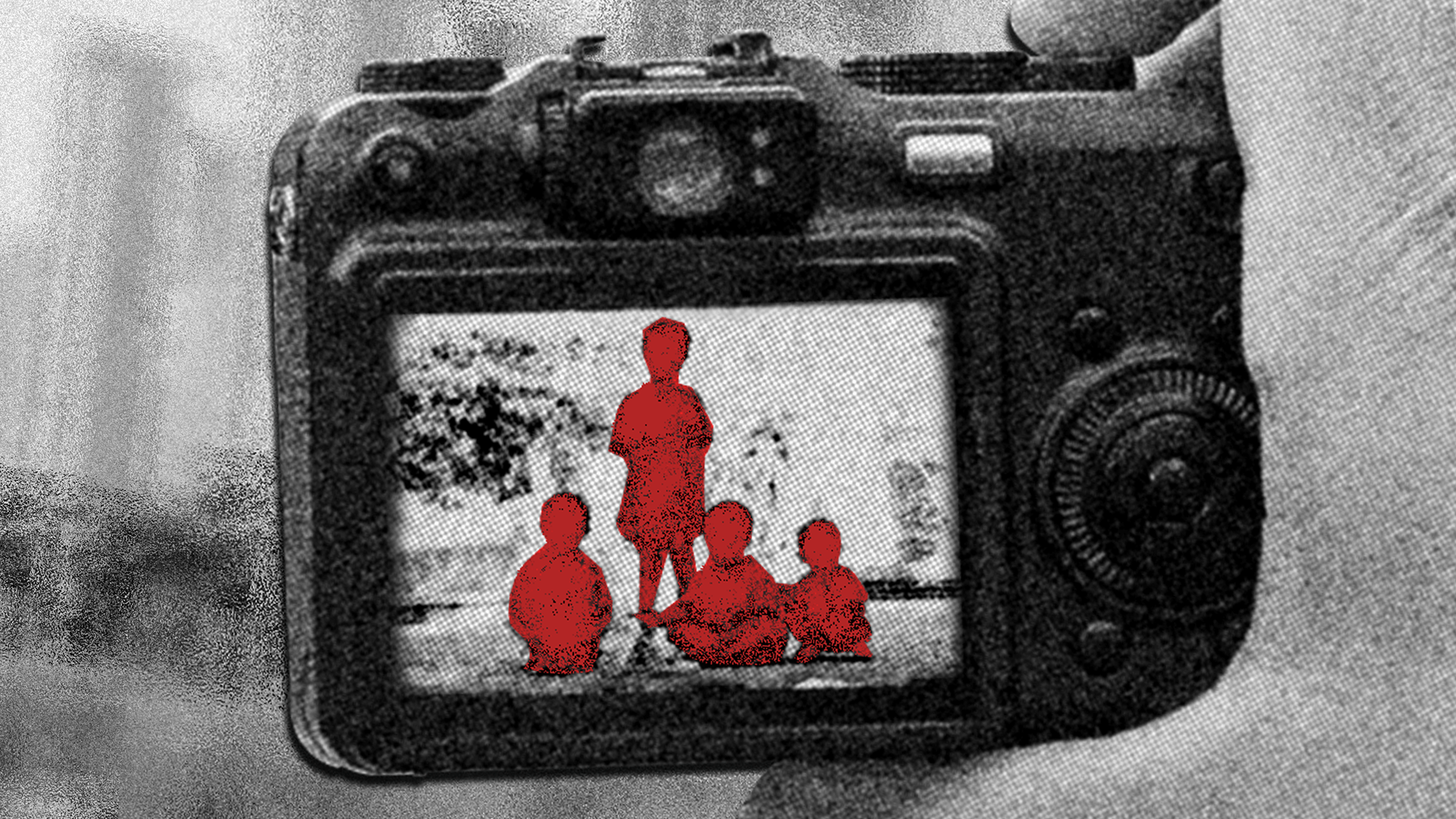
There is a recurring debate on the internet whenever our favorite “relatable” content creator becomes seemingly unrelatable after moving from a simple neighborhood in Parañaque to a high-rise building in Salcedo.
Netizens would often say, “Hindi na siya relatable.” But is it really their fault for achieving their goals and aspirations in life? Should people be expected to remain in the same circumstances simply to preserve the image that made them relatable in the first place?
Perhaps that is where we find ourselves. We dream of a life where we no longer have to juggle multiple jobs, where we can finally rest when a storm hits the country, where we can travel without worrying about whether we will arrive late because we are at the mercy of an unreliable transportation system.
Maybe, just maybe, that is what success is supposed to look like.
Where do we draw the line?
But there are also public figures who were born into wealth and privilege and initially gained Filipinos’ trust because, despite their advantages, they appeared to look back toward the masses.
Yet time and time again, when our houses are submerged in floodwater, when we are trapped in traffic, or when we can barely squeeze ourselves into an overcrowded train, we find these same public figures attempting to experience the day-to-day realities of ordinary Filipinos.
And perhaps that is where the line between relatable and out of touch becomes clearer.
You know someone is out of touch when the realities that millions of Filipinos live with every day become things they can casually comment on, perform for, or turn into content.
While ordinary Filipinos worry about making ends meet, keeping their families safe, and surviving from one day to the next, privilege creates a different reality—one where problems can be viewed from a distance and suffering can become a backdrop.
The issue is not simply what public figures say or do. It is the deeper disconnect between how the privileged perceive Filipino life and how Filipinos actually experience it.
Flood Control, Failed Promises, Forgotten Filipinos
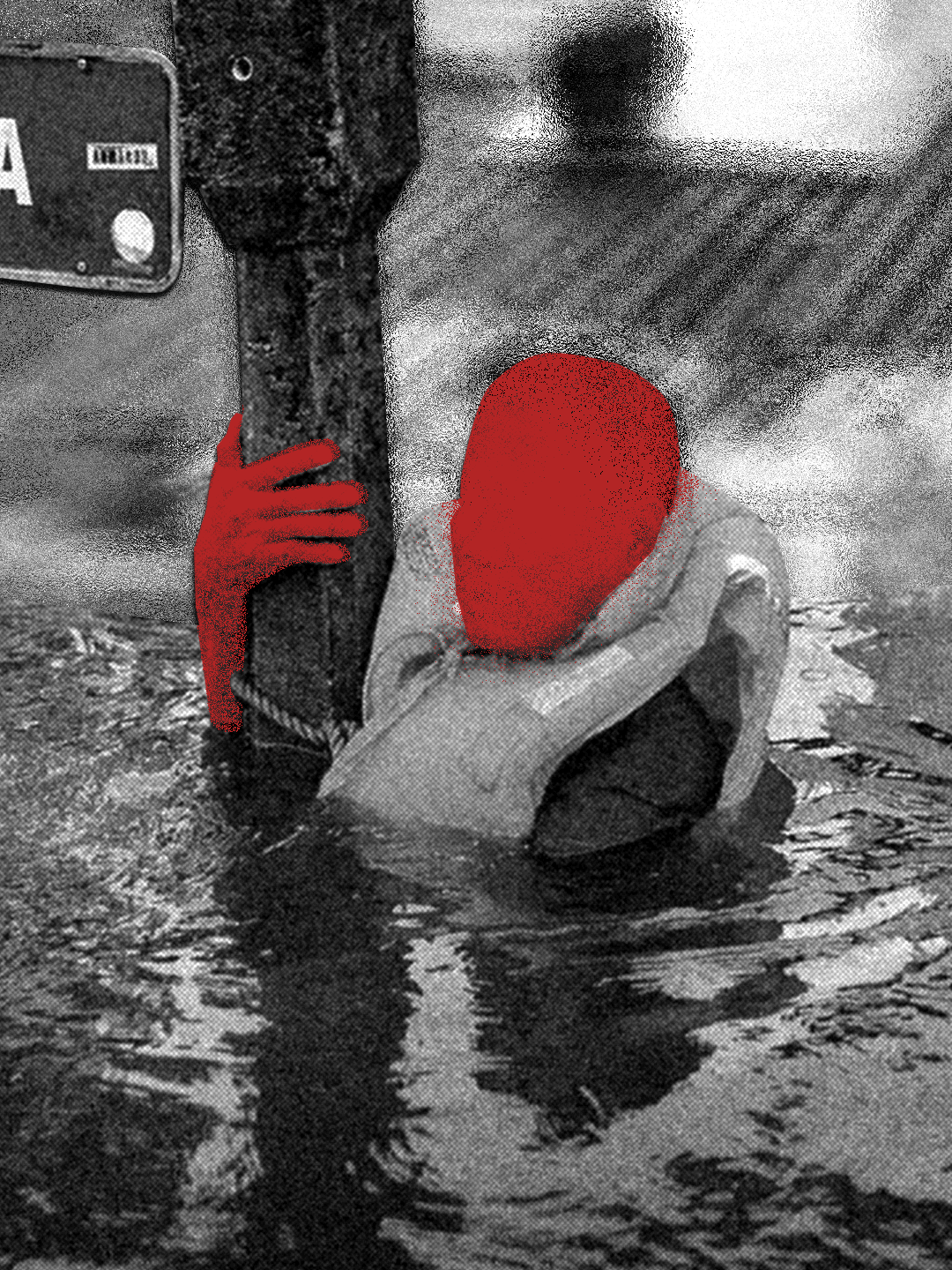
The Philippines is a disaster-prone country. Surrounded by water and situated along major typhoon paths, we know that storms, floods, and other natural disasters will continue to threaten our communities. We cannot stop disasters from happening. Preventing unnecessary casualties, however, is our responsibility.
Yet every year, the same storyline unfolds.
We reach a point where we memorize emergency contact numbers not because we want to, but because we have to. Every year, social media fills with posts saying, “Pray for this city,” “Pray for this province,” or “Stay safe,” only for the conversation to eventually disappear once the waters recede.
Despite our supposed good intentions, resilience can become a dog whistle we repeat without questioning what it asks of us. We blame politicians for failed flood-control projects. We criticize political dynasties and nepo babies. We shame one another for holding different political beliefs.
Art by Tristan Talon
But why do we applaud government projects simply because something was built, even when that project does not necessarily represent meaningful progress, and may instead expose communities to greater risk?
We blame everyone. We resurface an issue when it becomes timely, then bury it again once the floods have dried.
And in the middle of all this, we praise ourselves for being resilient. We celebrate the Filipino smile in the face of uncertainty, as if enduring hardship is something we should be proud of simply because we have become accustomed to it.
But why do we have to be resilient instead of being protected?
Punctuality Is a Privilege
When we have the money and privilege to access private vehicles, expressways, skyways, and other conveniences that make arriving on time more predictable, it is easy to believe that punctuality is simply a matter of discipline.
That is why statements such as “late is late” can feel so disconnected from the realities of millions of Filipino workers and students.
We often say that everyone has 24 hours in a day. But not everyone gets to spend those 24 hours the same way.
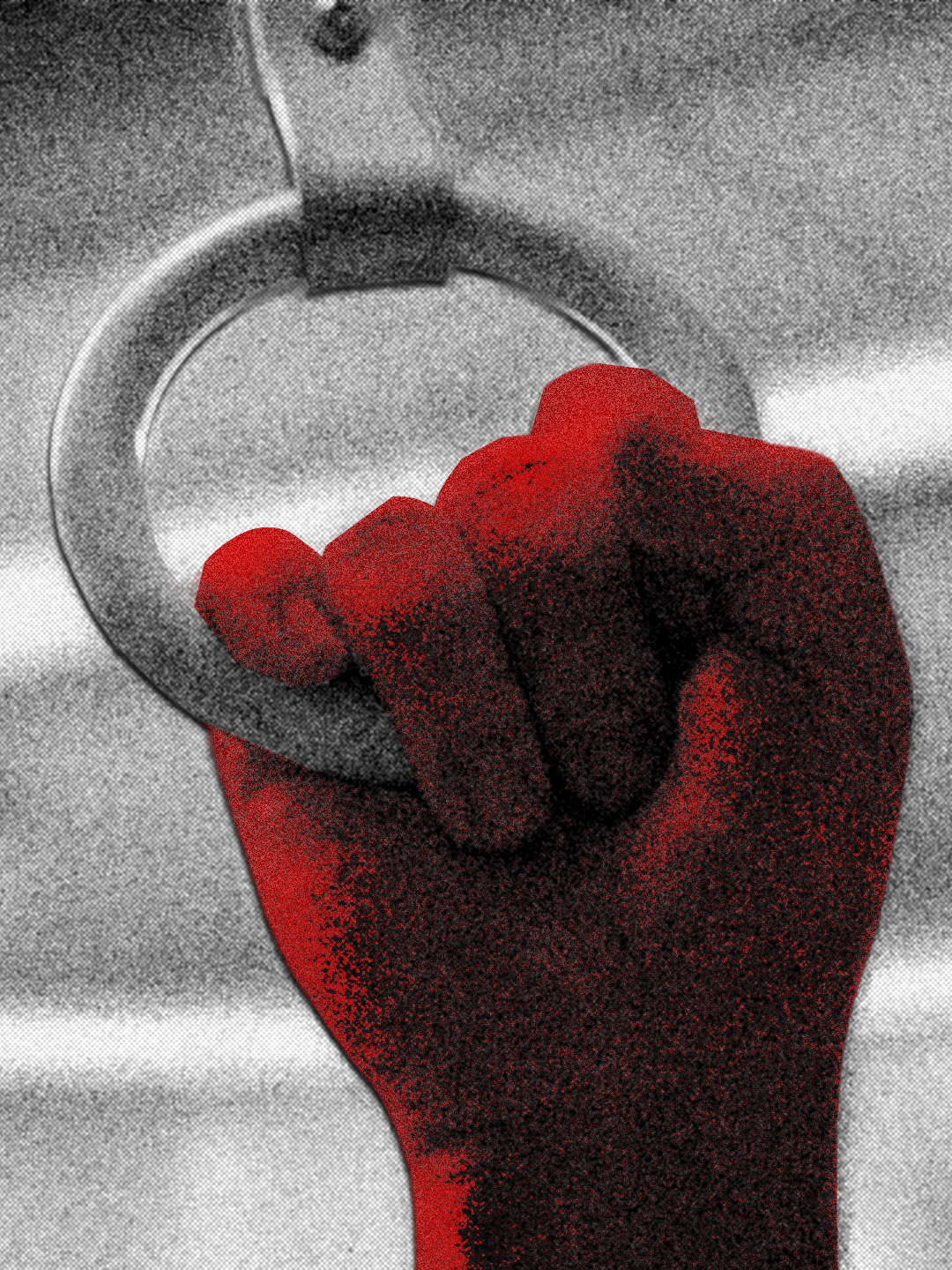
Imagine waking up at 5 a.m. for a 9 a.m. shift. You leave early because you know the commute will be long. You line up for a jeepney, bus, UV, or train alongside hundreds of other people doing exactly the same thing. You encounter traffic, long queues, overcrowding, delays, or unexpected disruptions. You arrive after 9 a.m. not because you were careless or unwilling to work, but because some parts of your journey were never within your control.
Then you clock out at 6 p.m. You spend another two or three hours commuting home. You eat dinner, perhaps find an hour or less to spend with your family or yourself, and go to sleep with fewer than eight hours before the cycle begins again.
This is not an occasional inconvenience. For many Filipino commuters, it is a routine.
We spend a significant portion of our lives inside public transportation, not because we want to, but because the system leaves us with little choice.
This is where punctuality becomes more complicated. Being on time is not equally accessible when the time it takes to get somewhere is determined by a transportation system you cannot control.
Art by Tristan Talon
“Late is late” may sound like a straightforward lesson in accountability: be on time, no excuses. But for millions of Filipino commuters, lateness is not always a matter of irresponsibility. It can be the consequence of a system that consumes hours of their day before they even reach work or school.
Long queues, overcrowded vehicles, traffic congestion, delayed public transportation, and limited alternatives are not inconveniences that can simply be solved by leaving a few minutes earlier. They are part of a daily reality that people with greater access, comfort, and privilege may never have to experience.
The problem, then, is not simply about being late. It is about how easily we judge people for failing to keep time in a system that has never learned to value theirs.
Let Help Be Help
There is a difference between helping people and turning their hardship into a spectacle.
When cameras, stylists, and carefully produced images accompany acts of charity, the focus can quietly shift from the people who need help to the person providing it.
This is where the criticism of poverty porn becomes uncomfortable: when someone else’s struggle is presented as content, branding, or evidence of one’s generosity.
For Filipinos who experience poverty not as a temporary scene but as an everyday reality, having their hardship displayed for public consumption can feel less like compassion and more like exploitation.
The poor do not need to be made visible for someone else to be seen as generous.
A recent relief-giving effort by a public figure drew criticism not because providing food and assistance is inherently wrong, but because of how heavily the act appeared to be documented and presented for public consumption.
The presence of cameras and the polished presentation of the relief effort created an uncomfortable contrast: people were facing the immediate realities of poverty and disaster while the person delivering aid appeared surrounded by the machinery of celebrity.
This is where the criticism of virtue signaling enters, not necessarily as a claim that the assistance was insincere, but as a question of whether the visibility of the giver overshadowed the dignity of those receiving it.
Art by Tristan Talon
In a journalism lens, when an act of helping becomes highly produced, the people being helped can easily become the backdrop while the helper becomes the story.
Because ultimately, being in touch with the Filipino reality is not about occasionally stepping into the lives of ordinary Filipinos for a day, posting about their struggles, or speaking on their behalf.
It is about understanding that for millions of Filipinos, these are not experiences they can step away from.
They are the reality they wake up to every day.
Money, Power, and the Perspective We’re Losing
Perhaps the question was never whether public figures are still “relatable” after achieving the life they dreamed of. People are allowed to succeed, to become wealthy, and to live comfortably.
What we should question is what happens when that comfort creates a distance so wide that the realities of ordinary Filipinos become unfamiliar, or worse, become something to perform, comment on, or consume.
Being out of touch is not about living in a high-rise, owning a private vehicle, or having a life of privilege. It is about losing sight of the people who do not have those choices.
Because when public figures lose sight of the public, they do not simply become unrelatable. They become out of touch with the very reality that their platforms are built upon.