When Creativity Awakens
See how these Filipino-Chinese contemporary artists confront—or diverge from—the ghostly taboo.
Words Randolf Maala-Resueño
Photos Dexter Sy, Tracie Anglo-Dizon, Melissa Yeung Yap, Charlie Co
September 09, 2025
Institute for Classical Asian Medicine
In the contemporary art scene, a creative pause can take many forms. It might involve reflective meditation, reconnecting with nature, or simply stepping away from the easel—a silence that brings regenerative conduit from the artist to their art.
As culture evolves and new superstitions emerge, the Ghost Month, a traditionally inauspicious period in the Chinese lunar calendar, carries with it a foreboding presence. Yet what sets the inauspicious nature of this traditional Chinese lunar month apart is how artists cater to its spiritual and, frankly, economic significance.
Just what is “Ghost Month”?
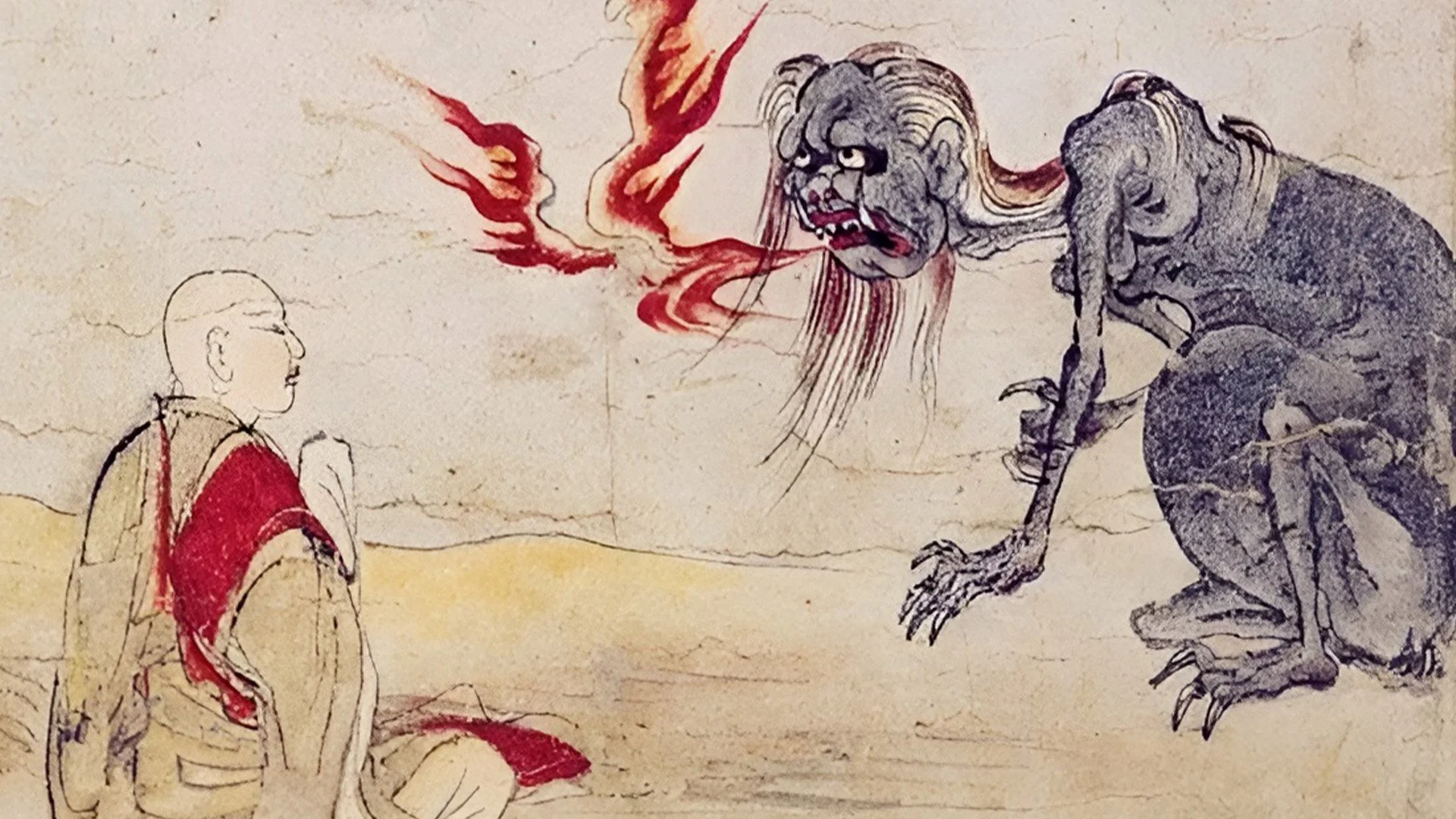
Rooted in Buddhist and Taoist traditions, the Ghost Month is the 7th month of the traditional Chinese lunisolar calendar. At its center is the “Hungry Ghost Festival,” known as Zhongyuan or Yulanpen, depending on the religious practice, which falls on the 15th day of the month.
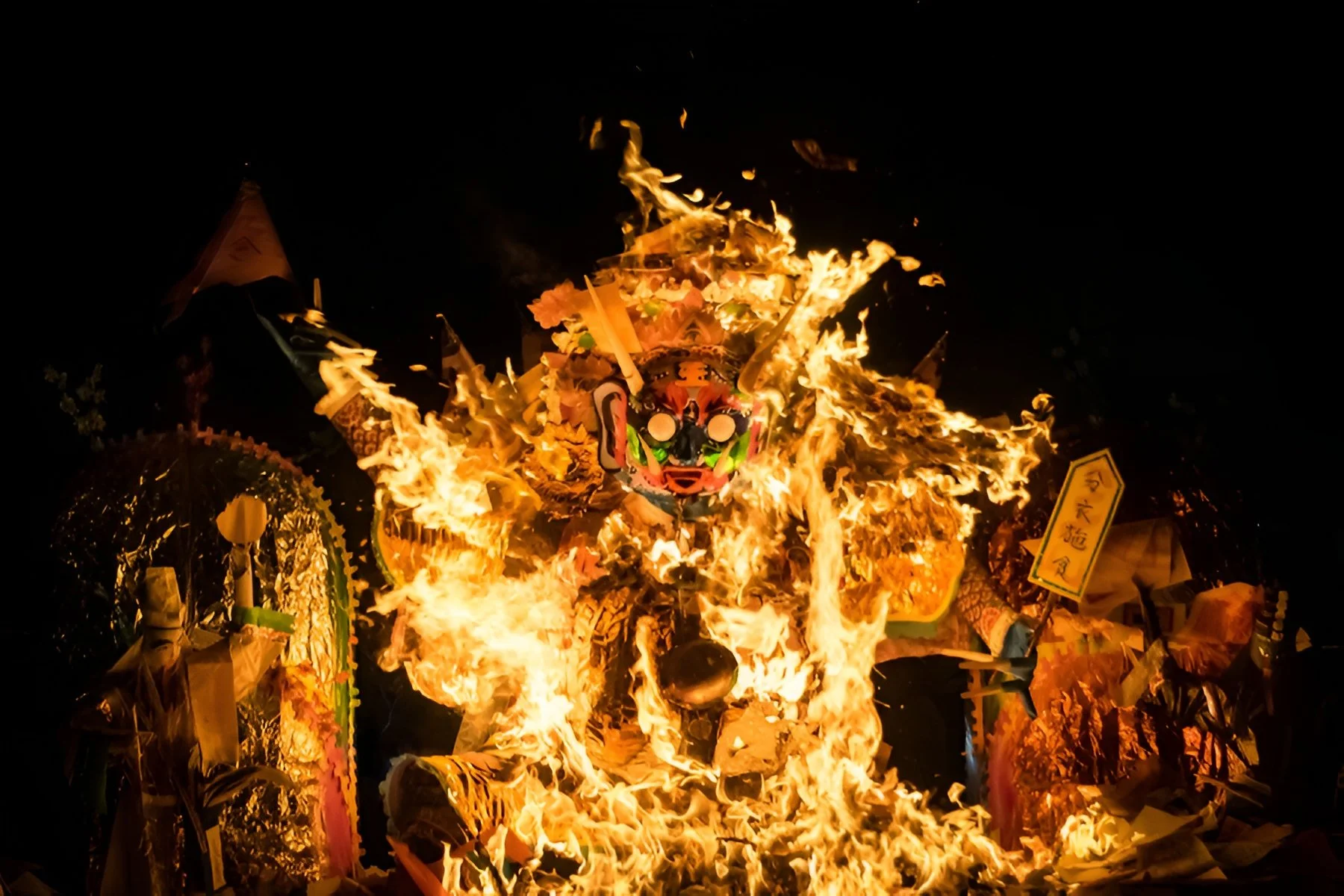
It is believed that during this time, the gates of the spirit realm open, allowing ancestral spirits and wandering ghosts to return. The living offer food, incense, and prayers to appease and honor them.
In Chinese folk culture, Ghost Month is associated with inauspicious energy—when yin (subtle, passive) forces are believed to be at their strongest, calling for heightened caution and acts of appeasement.
VinWonders
Feng Shui, though it can vary among masters and regional lore, often recommends postponing “big starts” to avoid clashing with unsettled energies, paying respect by altar offerings and burning incense, and adverse taboos like swimming in open water, whistling at night, or doing attention-grabbing renovations, among many others.
In 2025, Ghost Month started on August 23 and will last through September 21, based on moon cycle predictions. September 6 falls on the 15th day and will hold the Hungry Ghost festivities.
In the greater Filipino-Chinese communities, the Ghost Month also trickles down to the art world, placing gallerists, curators, and artists in a period of cautious artistic intent. We ask contemporary artists how the ‘ghostly’ month influences their craft, albeit purposefully or inadvertently.
Art, tradition, and recuperation
For creative director-turned-painter Tracie Anglo-Dizon, the Ghost Month is a recharge period. Growing up with a Chinese grandfather, Anglo-Dizon mulls between the subliminal woes of August and its universal calling–a time of silence and reflection.
“It's actually good to pause, be silent, and reflect on our own practices as artists. Sometimes having shows hinders growth in the sense that we are under pressure to produce artworks and the artworks aren't really well thought out,” Anglo-Dizon lamented.
Ironically, in a period supposedly filled with unlucky jujus, her Ghost Month begins with promising news–her son set off to college and she got accepted to Central Saint Martins in London, a rather blooming creative opportunity.
When asked about balancing tradition with the demands of the art scene, she quoted fellow artist and good friend Gerry Tan: “It's good to take the time to reflect and work on your art practice without the pressures of a show.”
On the other hand, for artist Melissa Yeung Yap, a creative pause during Ghost Month is unrelated. Though non-resistant to the belief, Yap believes in its meditative nature, embracing the period as a permission to recuperate and recognizing that artistic weariness could arise even outside Ghost Month.
“Art for me is like stamping my soul onto the canvas. I usually feel exhausted after working on solo or major exhibitions. It literally feels like I’ve just donated blood. And with the same process, creative pauses give me time to recenter, relax, and refuel,” Yap commented.
As for Charlie Co, the pursuit of art is all year round. The Bacolod-based artist sets aside the superstition and pummels through the month without worry of the lunar month, even coalescing his leisure time with work.
“When I feel that I need to get out and go on a short vacation, I travel with my wife, even if it's just in Manila or here in Negros Island. Even then, I bring with me my sketchbook wherever I go,” Co said, pointing out that in this stage of his life, a creative pause is not as important.
With the “time is gold” rhetoric, Co also sets aside the superstitious nature of the month by purely focusing on his “gut feeling and instinct as creative tools.”
He, however, posed a worry on the other end of the stick: curators and art collectors cautiously purchasing pieces in light of the Ghost Month, with some completely avoiding buying at all.
The Ghost Month can also be a catalyst for creatives to pull inspiration from. As for mixed-media artist Dexter Sy, the significant Chinese folk month parallels the native Catholic symbolism of the Filipinos in their reverence for those who pass and a culture rife with superstitions.
Sy also calls for artists to delve into how the Ghost Month and its traditions influence the contemporary art scene. “This tradition can serve as a wellspring of concepts, whether cultural or spiritual. Its legends and mythologies may be studied, reinterpreted, and translated into art,” he said in Tagalog.
Ghost Month is a creative metaphor
In a matter of days, the Ghost Month comes to its year-end. For most, this period reflects centuries-old invocation of appeasement and yearning. And talking to these artists shows that art–in its rawest shape–is truly guided by self-reflection.
Maybe Ghost Month is a metaphor–how tranquil and self-preservation itself can become an artistic theme. Followed or not, it creates a space for artists and art appreciators to consider what a creative pause means to them in such a fast-paced industry. In hindsight, the folkloric month ultimately calls the artists back to themselves.