
When Breadwinners Never Win
We call them heroes, but in reality, we are just normalizing the theft of their youth, mental health, and personal dreams.
Words Rebelyn Beyong
Art by Dwight Fiestada
May 20, 2026
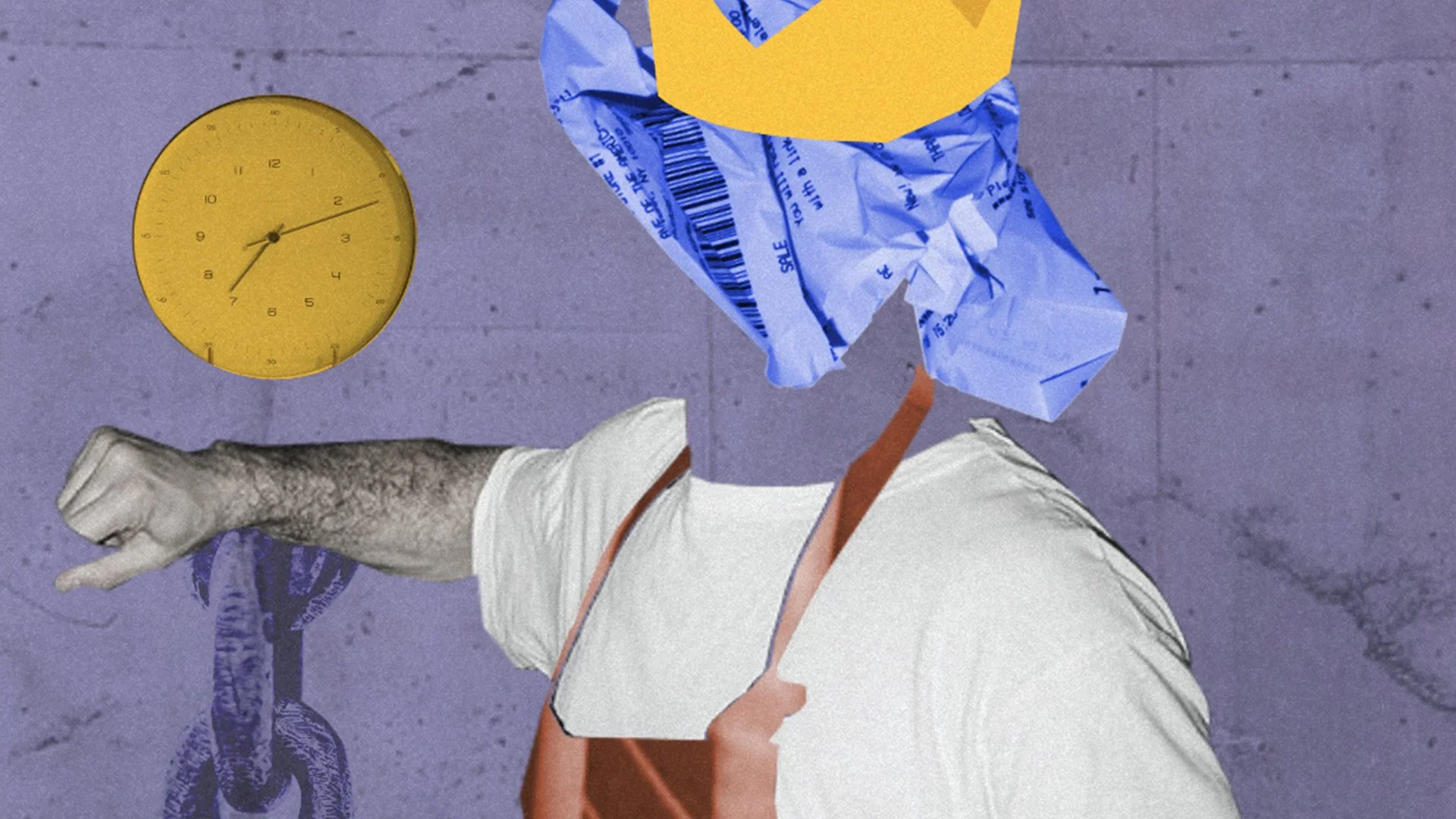
The Philippine societal landscape prides itself on deep familial ties, but beneath the surface of these close-knit households lies a crushing, unspoken dynamic: "panganay culture."
Across the country, we have developed a dangerous habit of romanticizing resilience. We look at young, overworked providers and call them "inspiring," "selfless," or "heroes."
Yet, in handing out these invisible medals, we normalize a toxic expectation that a child must willingly sacrifice their youth, mental health, and future upward mobility to financially carry their parents and siblings. It is a cycle of systemic poverty disguised as filial duty. This dynamic, however, does not exist in a vacuum.
It thrives in a country where minimum wage cannot meet the skyrocketing cost of living and where a reliable, universal retirement system is practically non-existent. When the state fails to provide a safety net for its aging citizens, the responsibility is unfairly passed onto the shoulders of the youth.
The cry for help
A former reality show contestant turned influencer recently shattered this romanticized facade. In a deeply emotional social media post, she aired the heavy, often isolating frustrations of being her family's main provider.

"Breadwinner daw, pero kailan ba naging winner ang breadwinner? Parang lagi na lang talunan," she wrote, expressing her exhaustion over helping family members who fail to appreciate her sacrifices.
Her candid admission about wanting to rise in life but feeling like she is fighting a losing battle alone went viral because it struck a collective nerve. This post laid bare the harsh reality that providing for a family is rarely the joyful duty society pretends it is.
More often than not, it is a lonely, exhausting grind that breeds silent resentment and stifles personal growth, trapping young adults before their lives have even truly begun.
When gratitude morphs into a trap
This exhaustion is not just a fleeting social media sentiment; it is a systemic crisis backed by data. Grounded research confirms the psychological toll this dynamic takes on the youth.
According to a comprehensive 2025 phenomenological study on the lived experiences of Gen Z breadwinners, the traditional concept of utang na loob (debt of gratitude) has devolved from a beautiful cultural virtue into a suffocating moral weapon. The research reveals that young breadwinners constantly grapple with guilt, perpetual responsibility, and severe emotional fatigue as they are forced to suppress their own goals.
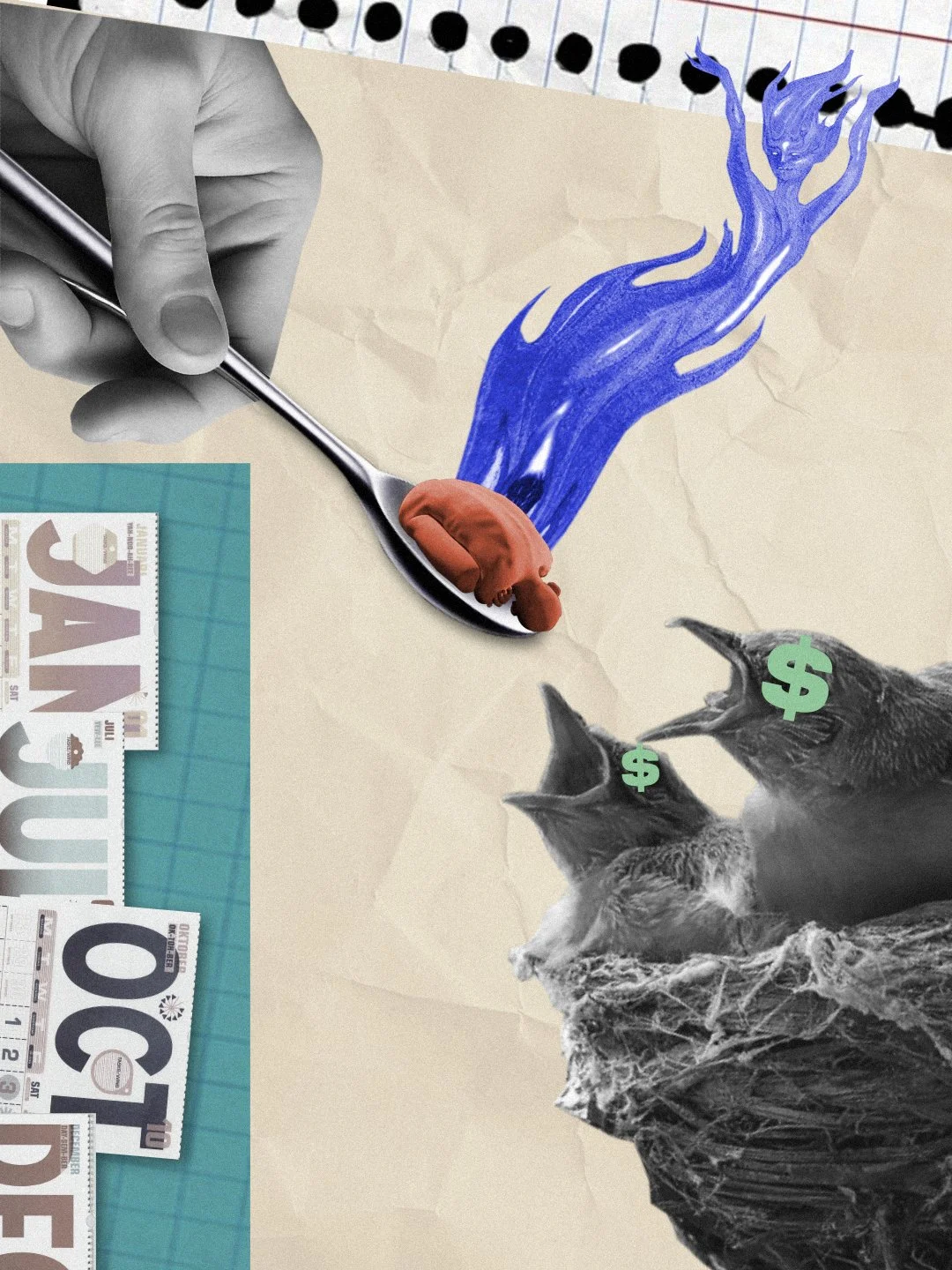
This burden is often fiercely protected by sumbat—the painful, relentless guilt-tripping that occurs the moment a provider attempts to set a financial boundary.
Any plea for personal savings or a brief respite is quickly met with accusations of selfishness and loud reminders of how much was spent to raise them.
By labeling their forced sacrifices as "resilience," society effectively gaslights these young adults into accepting financial dependency from able-bodied family members as a standard act of love. The weight of this gratitude leaves them running on empty.
Shattering the graveyard of dreams
To truly understand this burden, look no further than the youth bearing the brunt of this expectation daily. Bettina (not her real name), a third-year college student at a state university in Manila, has been her family’s sole breadwinner since she was 18 years old.
Balancing a demanding academic load with multiple freelance writing and virtual assistant gigs, her reality is a far cry from the carefree college life of her peers. She logs into her classes with half-open eyes, her mind perpetually preoccupied with looming utility bills.
"People tell me I’m so strong for working while studying," Bettina shares to Art+ Magazine. "But I don't want to be strong. I just want to be a normal 20-something. You stop dreaming for yourself because your vision is completely clouded by next month's rent, internet bills, and groceries. They call you resilient, but honestly, I'm just trapped in a cycle I didn't ask for."

Her exhaustion mirrors the cinematic frustrations that brought audiences to tears in the blockbuster 2024 MMFF entry, And The Breadwinner Is...
In the film, Vice Ganda’s character, Bambi, confronts her dependent family with a gut-wrenching truth: "Ginawa niyo 'tong sementeryo ng mga pangarap ko."
She then delivers the piercing line that became the battle cry for every tired provider in the cinema: "Lagi na lang lumalaban ang mga breadwinner, kailan kayo babawi?"
Today's generation of providers is slowly waking up. Millennials and Gen Z are making the agonizing choice to absorb this financial trauma now, vowing to break the cycle so they never pass the same burden onto their own future children. But they cannot fight this battle alone.
It is time to stop romanticizing the systemic burdens placed on the Filipino youth. We must normalize setting healthy financial boundaries and stop expecting children to serve as retirement plans.
True family love shouldn't cost a child their future. It is time we finally let the breadwinners win.