Watch Manila Get Schooled Like Never Before in 'Master Class' this May
For its 25th year, the Philippine Opera Company mounts Master Class, where Maria Callas’ genius burns at the cost it demanded.
Words Bernadette Soriano
Photos Courtesy of Jose Tolentino and Paw Castillo
May 04, 2026
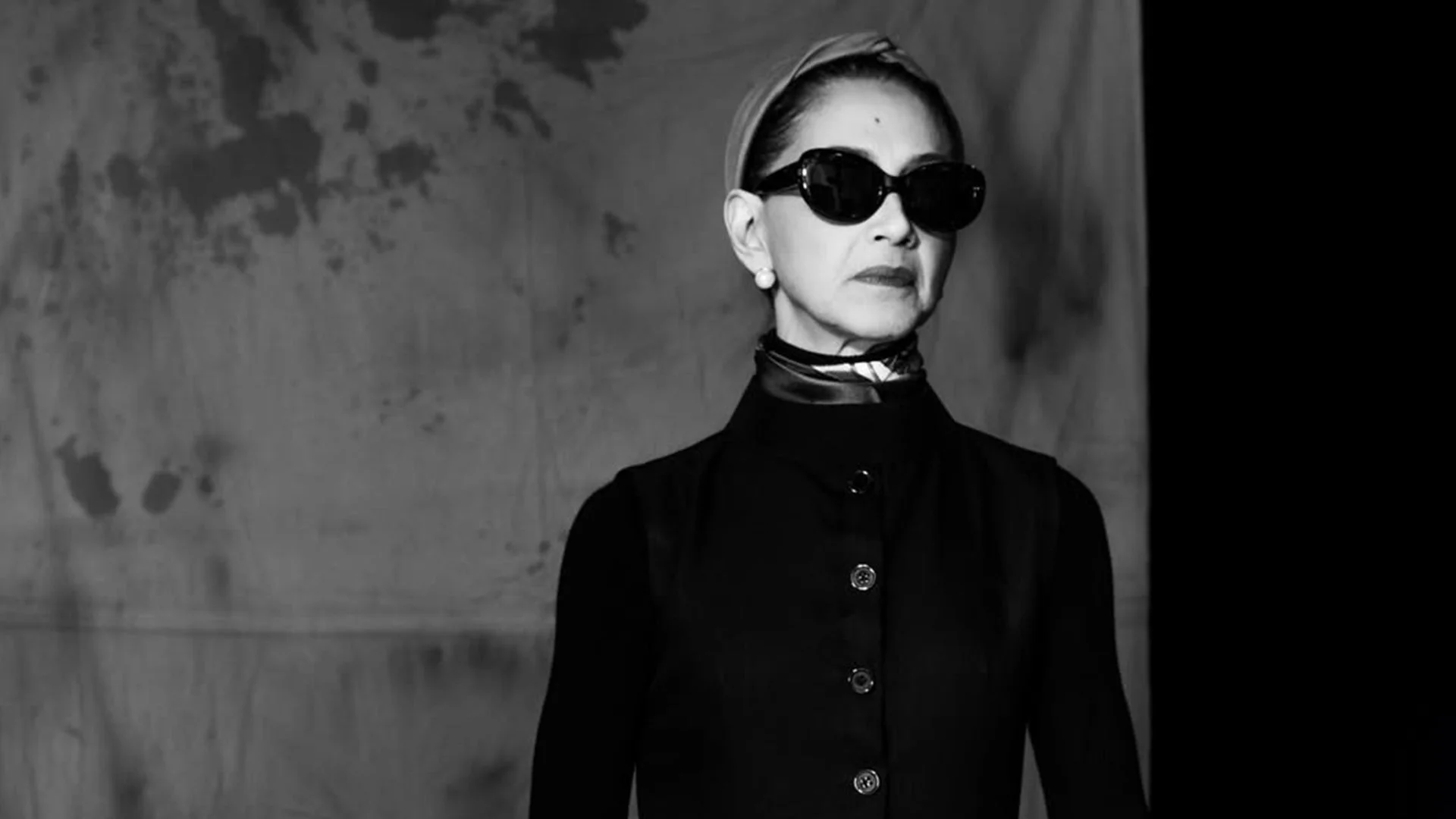
The Philippine Opera Company prepares a finale that lands with the force of a closing chord struck at full tilt—resonant, unapologetic, and impossible to ignore.
This season, set in motion in November 2025, finds its culminating gesture this May in Master Class, the Tony-acclaimed work of Terrence McNally that has long held a firm place in the modern theatrical canon.
As the company marks its 25th year, the choice feels less like a curtain call and more like a declaration of intent—a reminder that opera still knows how to command a room.
The Shape of a Legend
Into this rarefied air steps theater diva Menchu Lauchengco-Yulo, inhabiting the formidable presence of Maria Callas—“La Divina,” a moniker that carries the weight of both reverence and rumor. Callas’ voice once surged with elemental power, capable of shifting from velvet to steel within a single phrase, while her private life unfolded under a relentless public gaze that turned intimacy into spectacle.
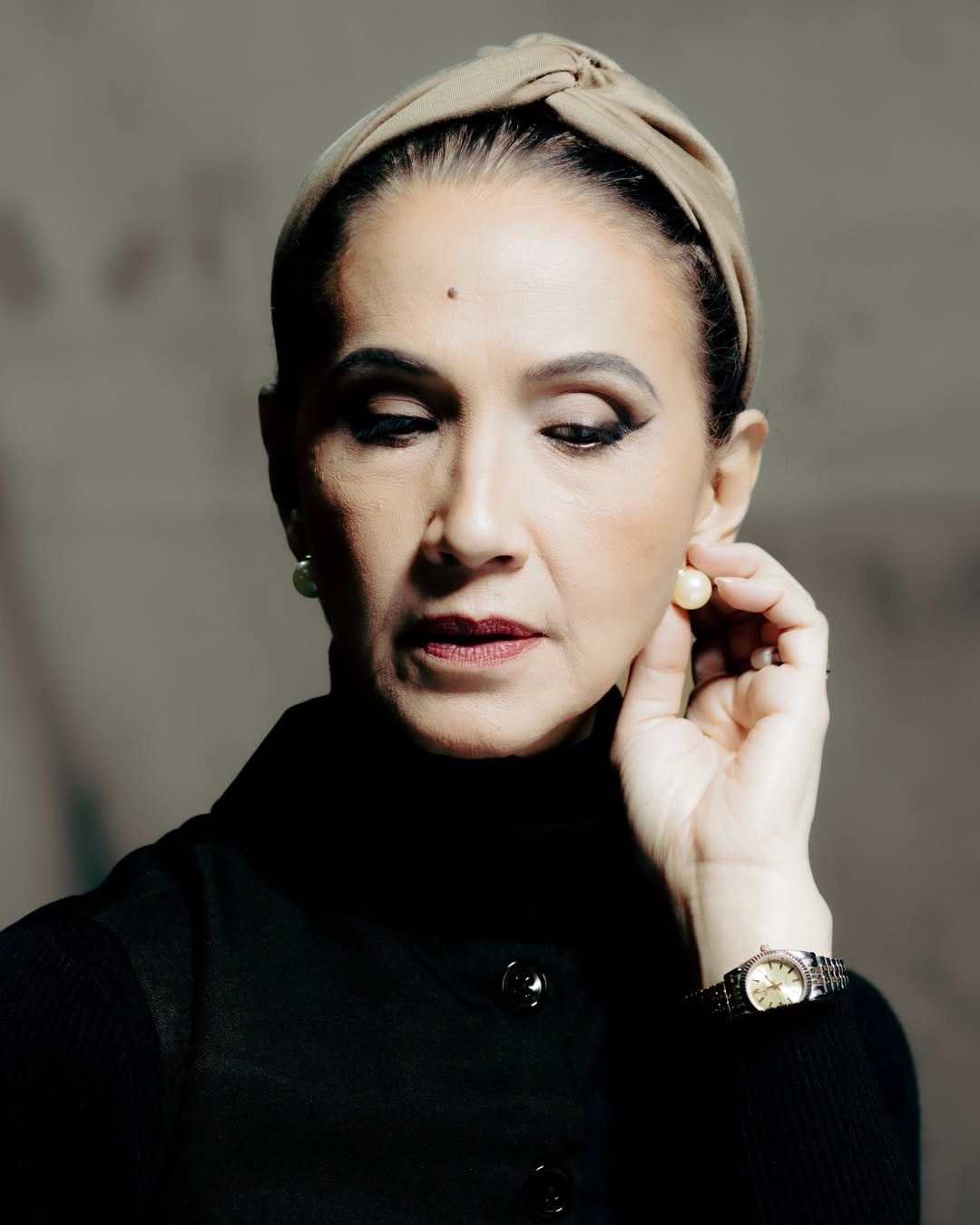
Photo by Paw Castillo
Callas is not just remembered for her voice, but for the way she redefined operatic expression itself. In discussions surrounding the production, opera is even divided—half-jokingly but tellingly—into “BC and AC,” or before and after Callas: a shift from purely sung emotion to fully embodied performance, where feeling is no longer contained in sound but also visible in gesture, strain, and presence.
Within that same charged atmosphere comes the ensemble facing Callas’ cutthroat appraisal of Sophie de Palma played by Alexandra Bernas, Arman Ferrer as the swaggering tenor Tony Candolino, and Angeli Benipayo as Sharon Graham, whose defiance cleaves through the rehearsal room.
Louie Angelo Ocaas anchors the score as accompanist Manny Weinstock, while Nelsito Gomez moves in the periphery as the stagehand shaping the unseen mechanics of the platform.
Callas, as staged, is sharp, forceful, self-assured—often leaning toward arrogance, but unapologetically so. After all, as Lauchengco-Yulo recalls a famous line attributed to her: how can there be a rival when no one can do what she does?
The role demands more than vocal authority; it calls for a kind of emotional archaeology, the careful excavation of a woman whose myth often threatens to eclipse the person beneath.
Guided by the assured hand of Jaime del Mundo, the staging leans into that tension, shaping an atmosphere where artistry feels perilously alive as there is a sense of walking a tightrope with every calibrated moment pulling the audience into the making of the work itself.
Fiction, Faithfulness, and the Anatomy of Craft
Terrence McNally, often described as the late “Bard of American Theater,” built Master Class out of proximity to truth in lieu of strict documentation. Drawing from the 23 actual Juilliard sessions of Maria Callas, he reframes lived material into a heightened theatrical language—one that sharpens her “tigress” persona into a structural engine to explore artistic obsession beyond mere biography.
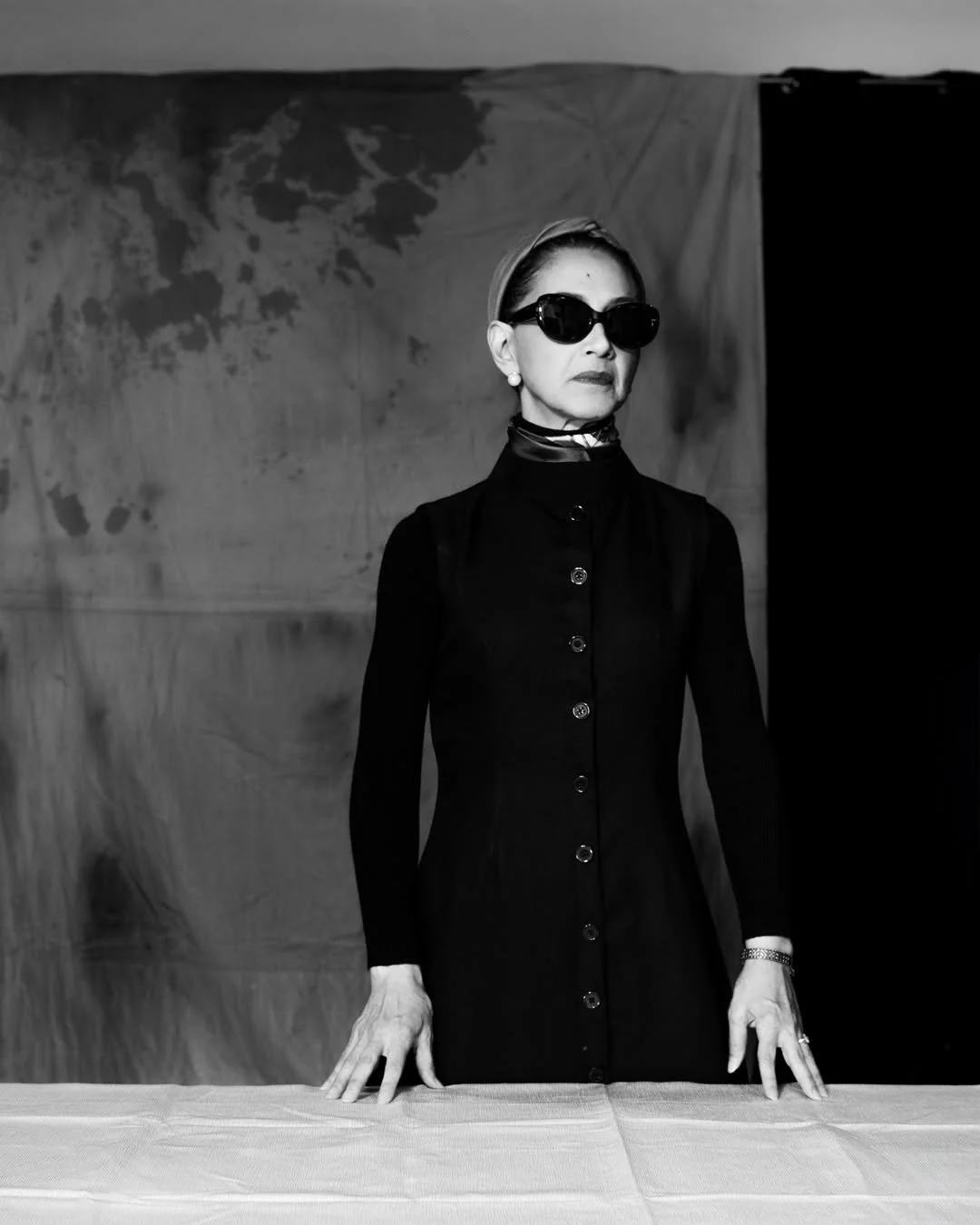
Photo by Paw Castillo
As Del Mundo explains during the press conference at Opera Haus last April 21, the production resists being mistaken for documentary realism: “Don’t get the impression that it’s a documentary. It’s not.”
From there, he locates the piece at its emotional center as a continuous dialogue between generations, shaped by discipline and an enduring commitment to craft. In his framing, it becomes “about love… about passion,” as well as “the desire to communicate to the younger generation of singers from the experience of the older generation,” before distilling it further into a conviction that “art is beautiful, art is necessary.”
A Masterclass Even Behind The Stage
Set in a Juilliard classroom in the early 1970s, the play materializes as gentle instruction gives way to a demanding, unsparing exchange. Callas presides with authority shaped by triumph and loss, turning her students into conduits where their arias become mirrors through which she revisits her ascent and later on, her unraveling.
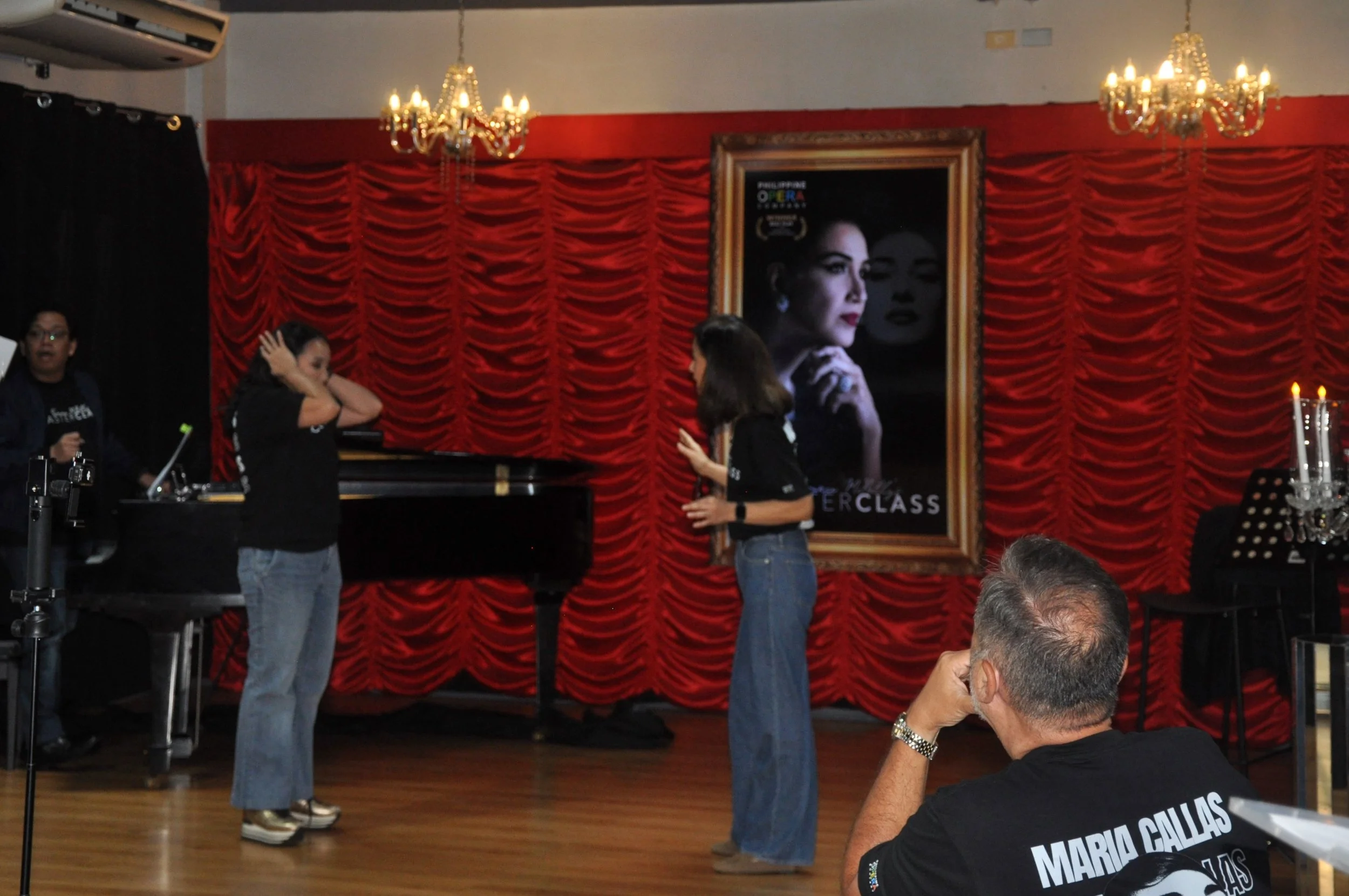
Photo by Jose Tolentino
The past presses in through La Scala, the storied 18th-century Milan opera house long regarded as a crucible for the world’s great operatic voices, and through the lingering imprint of business magnate Aristotle Onassis, whose presence in Callas’ life wrote a chapter of very public heartbreak.
Yet alongside this full display of ruin runs its quieter counterpart offstage that rarely earns its applause—a discipline of repetition, restraint, and endurance that draws back from the glare of the set.
As Lauchengco-Yulo said, “You don’t know what went through the heartache, the crying, the frustration… because you don't see the process.”
That same ethos extends beyond the rehearsal room and into the act of performance itself, where discipline meets responsibility to the audience.
“We're not perfect… but everybody works hard. Whether it's a person or a thousand, that one person made an effort to come and watch, you give that one person what they deserve. Don't compromise,” she added.
Recasting Callas on Stage
Both director and lead actress are quick to dismiss the idea of imitation. For Del Mundo, what unfolds onstage is not Maria Callas reproduced in any strict sense, but McNally’s rendering of her—filtered through memory, myth, and the theatre’s own instinct to reshape lived figures into something more elastic, more interpretive than archival.
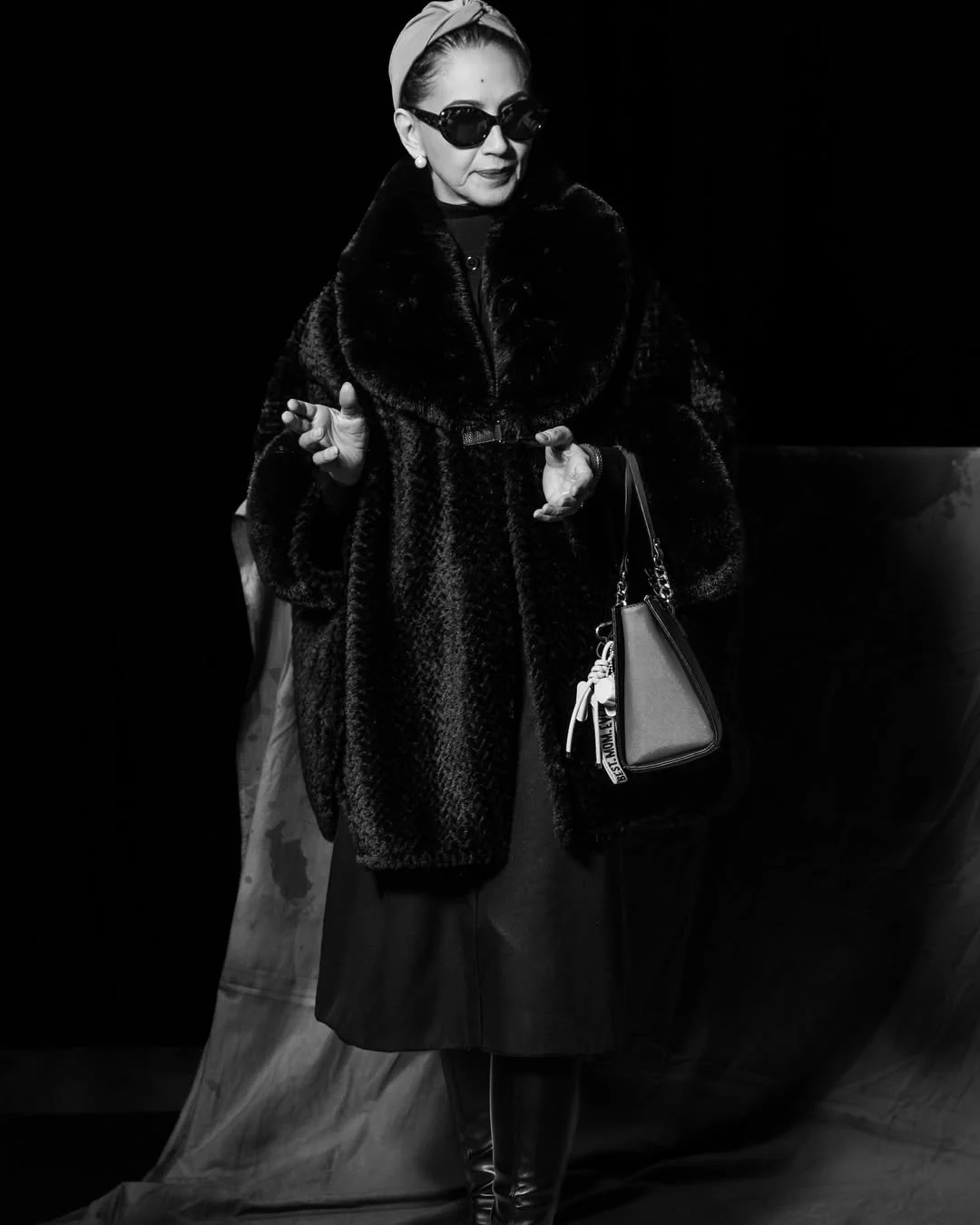
Photo by Paw Castillo
Lauchengco-Yulo approaches the role with the same restraint. She studies Callas through recordings—the phrasing, the control, the unmistakable command of sound—but avoids turning it into mimicry. The work, for her, is less about reproducing a voice than carrying its weight: its authority, its precision, its emotional charge, translated into something lived rather than copied.
McNally’s writing allows for brief slips into interiority, where Callas seems to turn inward and fracture at the edges—thoughts, memory, and recorded voice brushing against one another in the same breath. These moments complicate the stage picture, suggesting that performance here is never fully surface; it is always partly ruptured.
The role travelled through different hands over time, including Cherie Gil and Patti LuPone, each leaving behind a distinct imprint. That shifting quality is almost built into the part itself—Callas resists being pinned down, even in fiction.
As Del Mundo puts it: “It would be useless to try and emulate everyone trying to emulate Callas because what you are looking for is individuality of performance.”
A Company of Mission and Reach
The Philippine Opera Company operates with a clear cultural mandate: to keep opera active, visible, and connected to contemporary Filipino audiences. Founded in 1999 by acclaimed soprano Karla Patricia Gutierrez, the Company frames classical performance as a living practice sustained through participation and access, rather than as a form confined to the “perception of opera as elitist”.
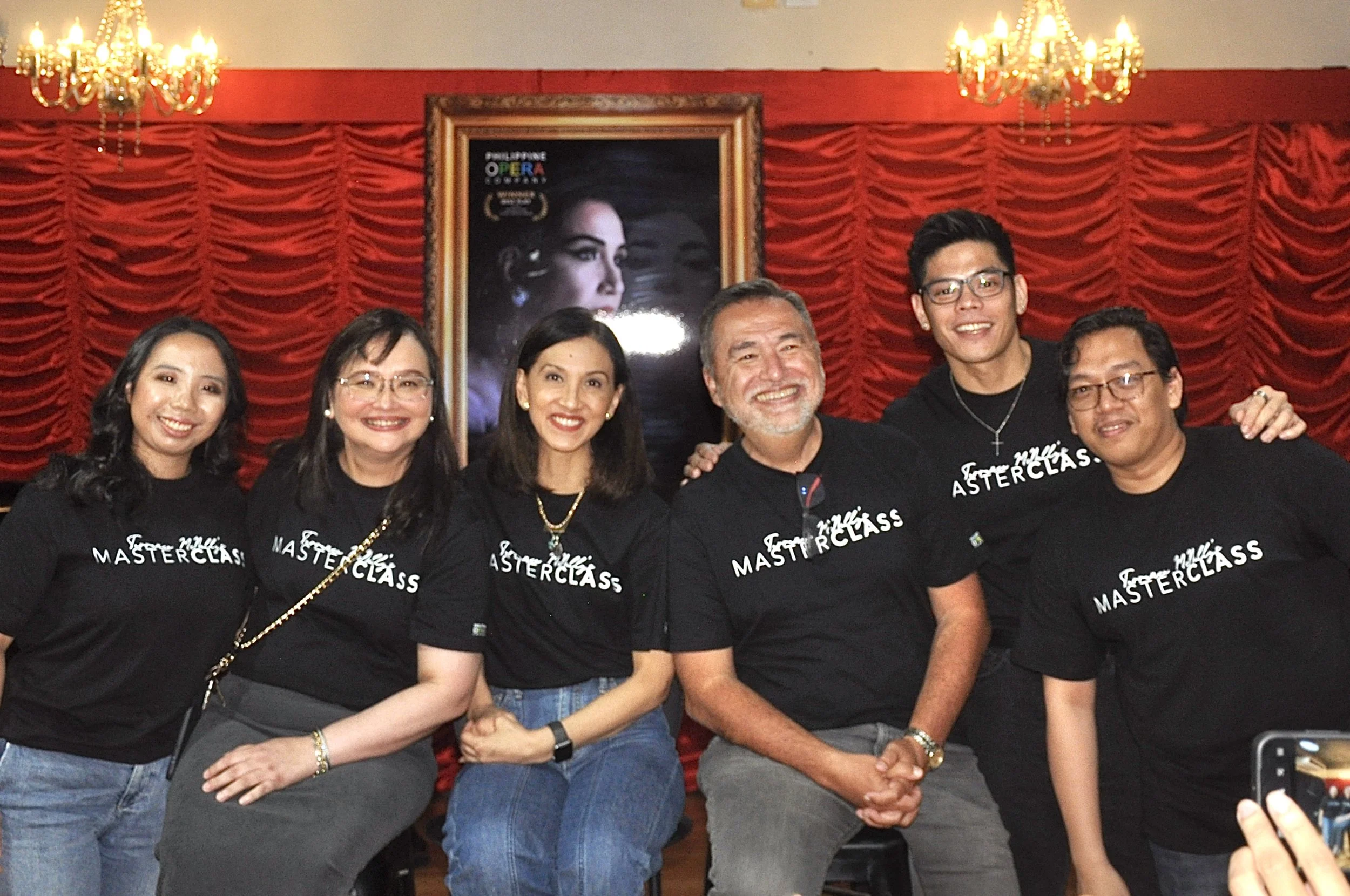
Photo by Jose Tolentino
This commitment to access sits alongside artistic rigor. Productions such as Passion, a Gawad Buhay Awards winner, reflect this balance of discipline and audience engagement. Original works like HARANA: A Cultural Journey extend the company’s reach further, presenting Filipino musical heritage in an operatic form that has toured internationally and earned recognition from different groups such as the Federation of Filipino American Associations.
In tandem with performance, the company continues to invest in education and outreach programs, nurturing young singers while broadening the base of audiences for opera across the country.
Don’t miss Master Class as it premieres from May 15 to May 30 at the CPR Auditorium, RCBC Plaza. Get your tickets now through Philippine Opera Company’s official channels.