
The Goth Duet: Gaga X Burton
In “The Dead Dance” music video, Lady Gaga and Tim Burton proved that macabre goth and pop are not opposites–they sing hand in hand.
Words Randolf Maala-Resueño
Photos courtesy from Lady Gaga’s Youtube Channel
September 18, 2025
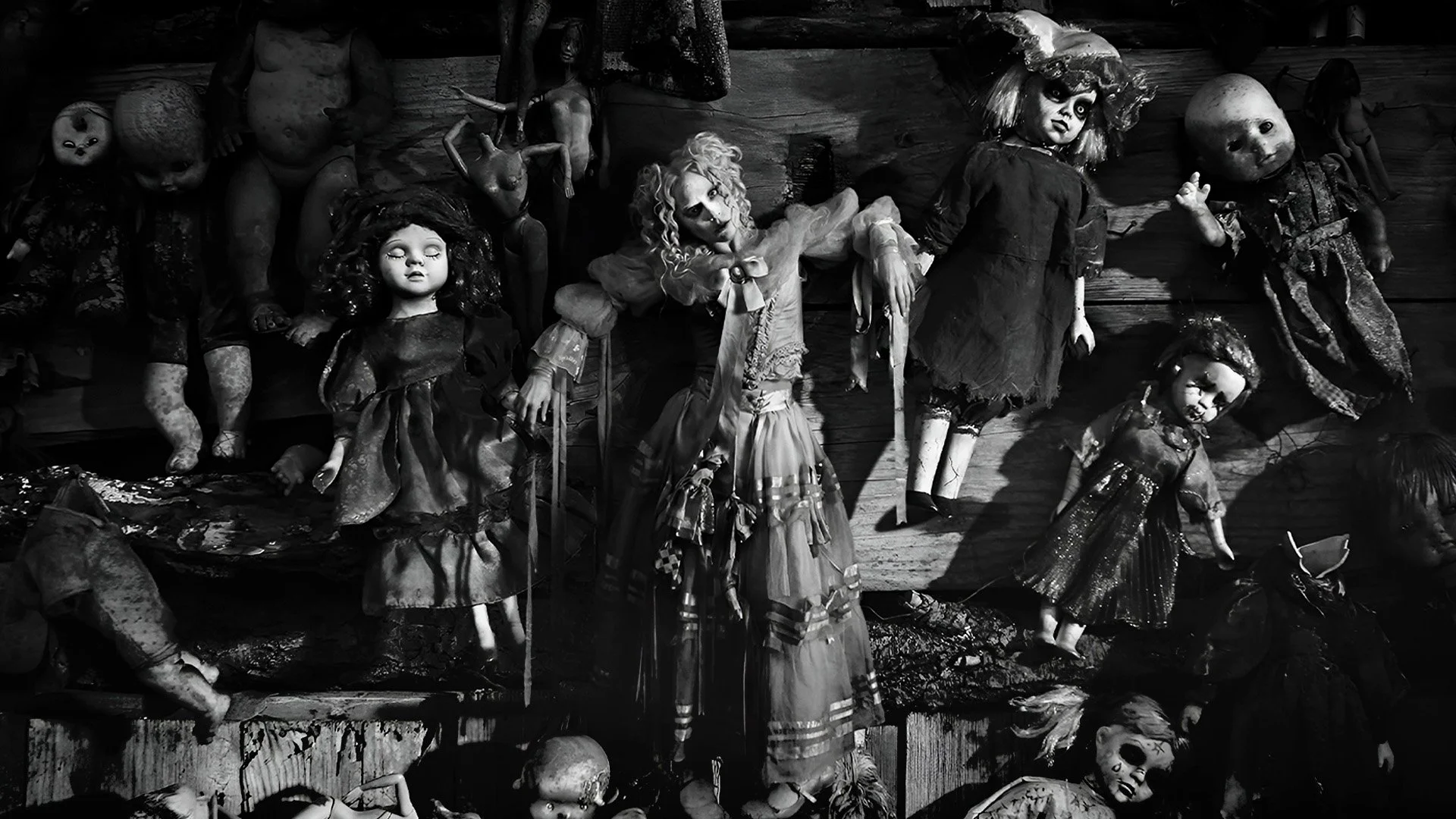
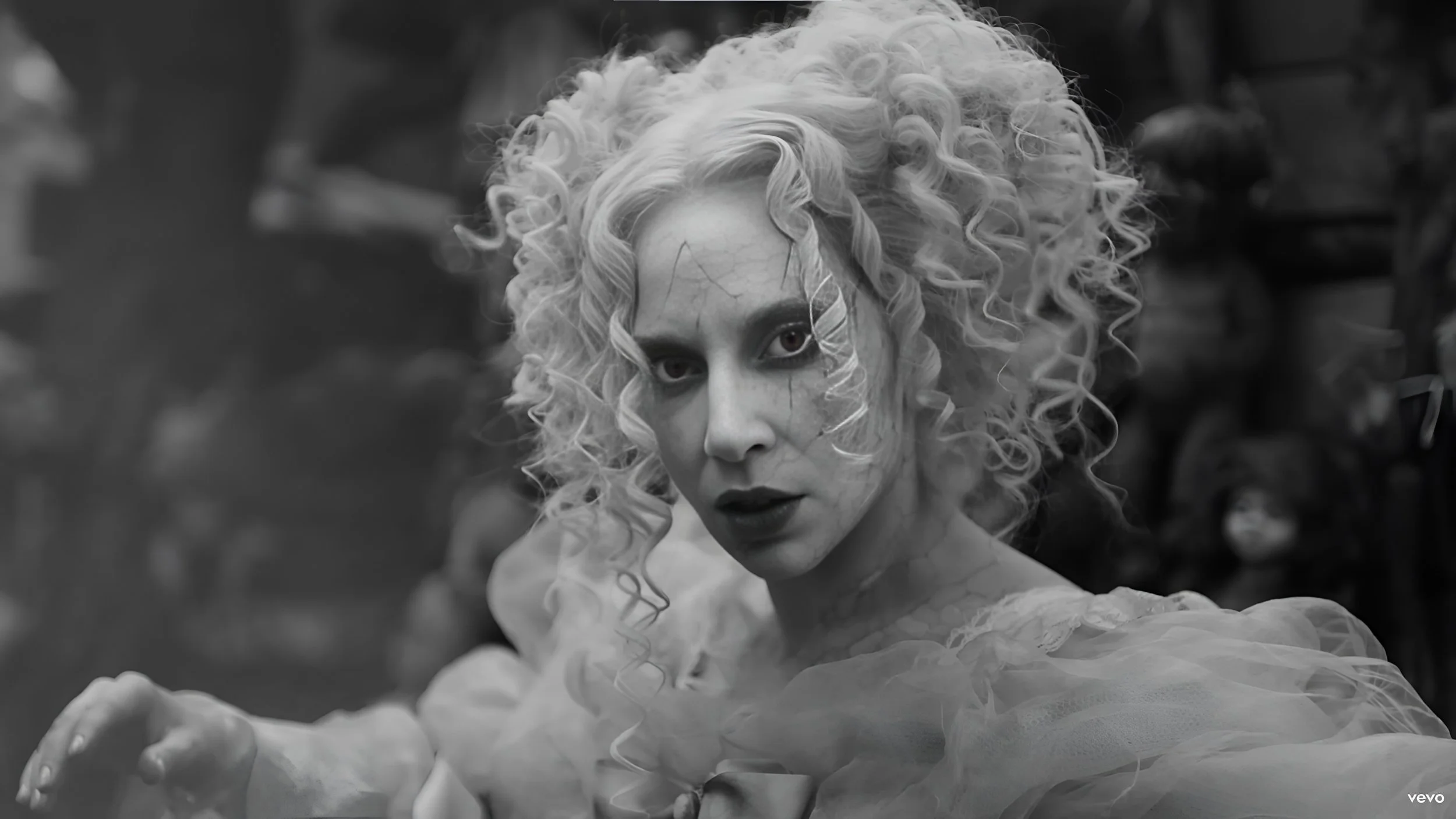
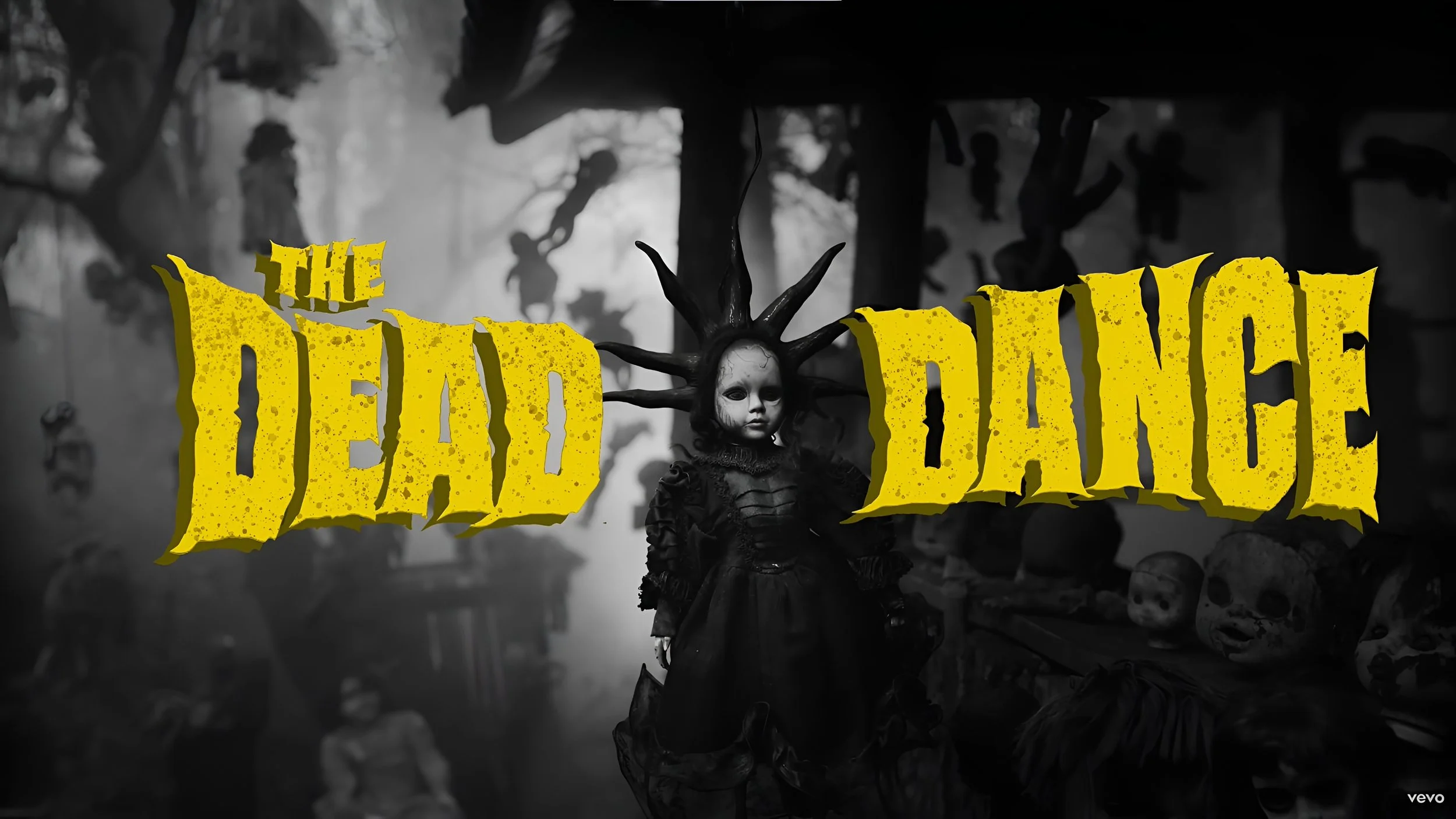
Dolls hanged in a mystified forest. Fogged, the stark black-and-white screen pans to a dancing porcelain doll–face cracked, dressed in Victorian-period style, and an undeniable voice of pop iconography.
In this early Halloween treat, pop royalty Lady Gaga reels in the talent of goth auteur Tim Burton in her latest music video for “The Dead Dance.” A gobsmack for macabre dwellers, Gaga veers into collaboration with the goth filmmaker who directed and produced the Netflix series Wednesday himself, one in which Gaga had a much-anticipated cameo in its second season.
Needless to say, the music video was a masterclass duet of two juggernauts in theatricality, redefining the frames of visual pop spectacle one dance step after the other.
A marrying of aesthetics
Gaga–an artist with a career-long appreciation for theatricality–takes center stage in the music video. Her roster of well-produced, story-driven MVs, including G.U.Y. and 911, lends its success to Gaga’s cinematic performances–vocally and on screen, right front and center.
It also helps that the track–one of three bonus records for Mayhem’s special release–lyrically reflects Tim Burton’s gothic worldbuilding trademarks: the macabre whimsy, eerie playfulness, and surreal visuals.
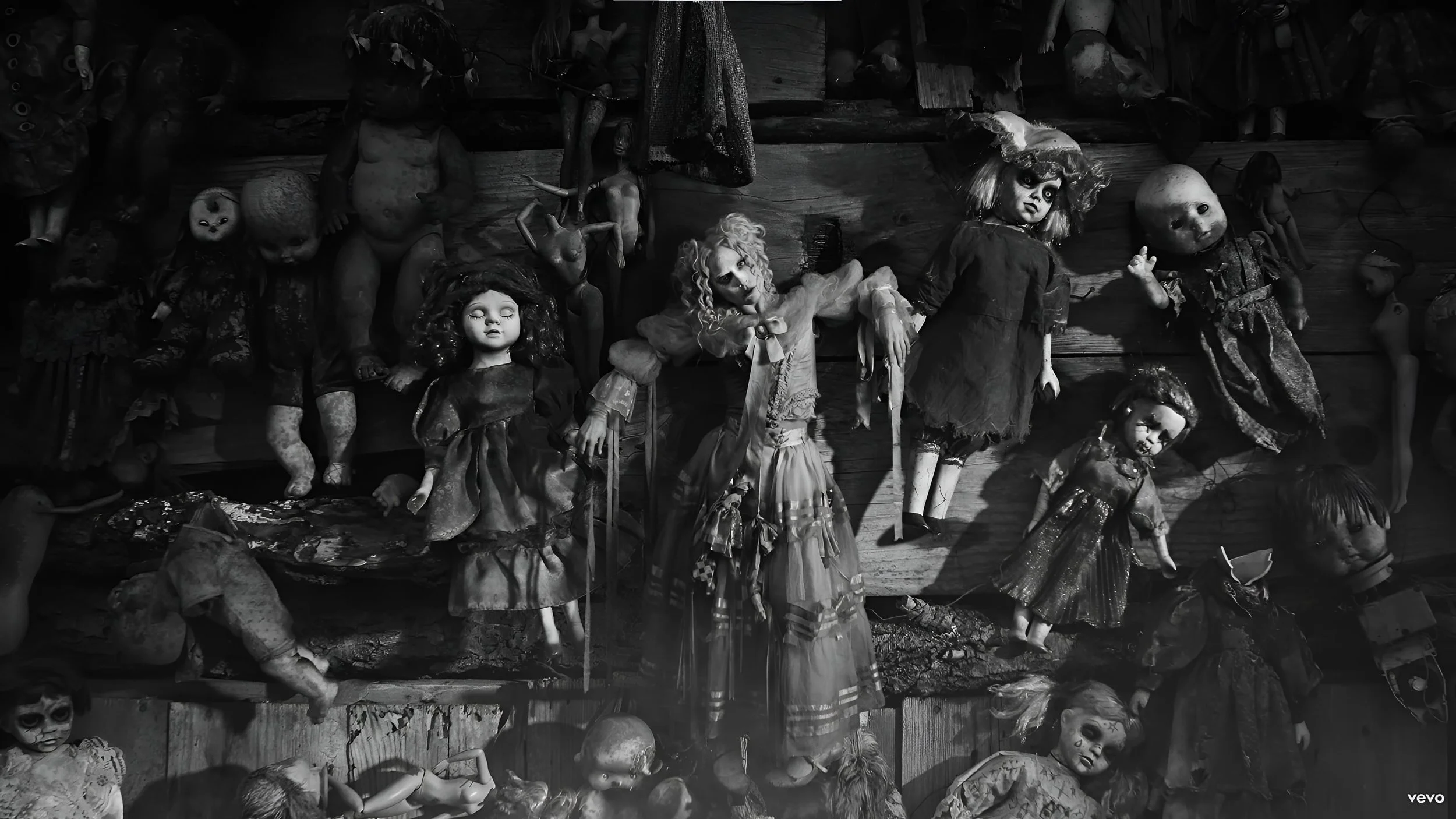
The moving dolls scattered throughout the video were reminiscent of Burton’s stop-motion animated dark fantasy films Corpse Bride and The Nightmare Before Christmas, while the track harkens back to Gaga’s electro-pop staple “Bloody Mary,” the 2011 Born This Way song that regained worldwide streaming popularity during the first season of Burton-directed Wednesday in 2022.
In a way, this surprising collaboration was inevitable. With Gaga’s renowned experimental musicality and Burton’s striking signature as a goth cineaste, ‘The Dead Dance’ became an undeniable, exploratory fusion of gothic pop.
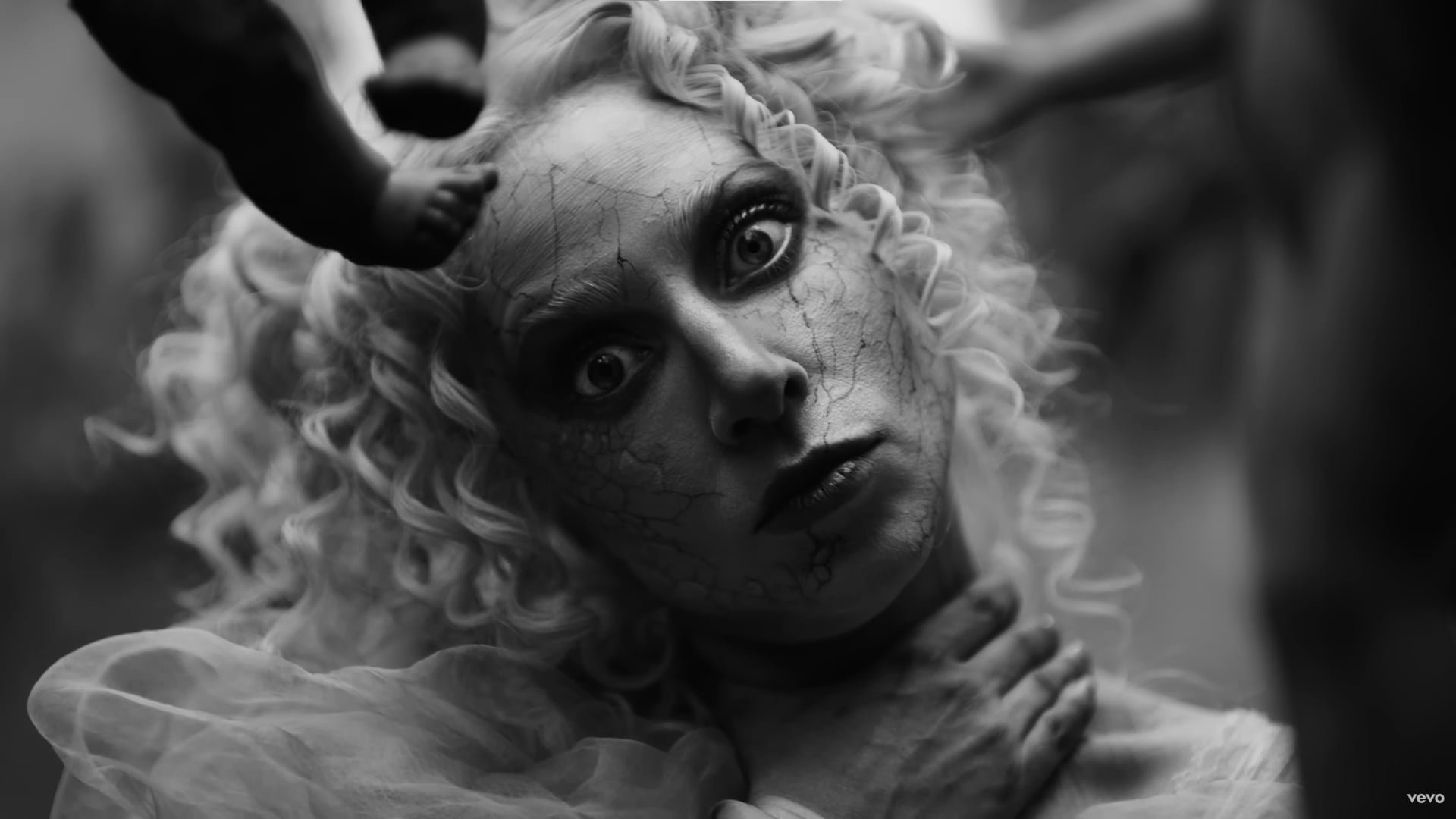
Visualizing the macabre
The music video also called for other equally talented figures in the industry.
Spearheading the choreography was world-class dancer and choreographer Parris Goebel, known for directing Rihanna’s Super Bowl halftime show performance in 2023 and notably for Gaga’s “Abracadabra” music video.
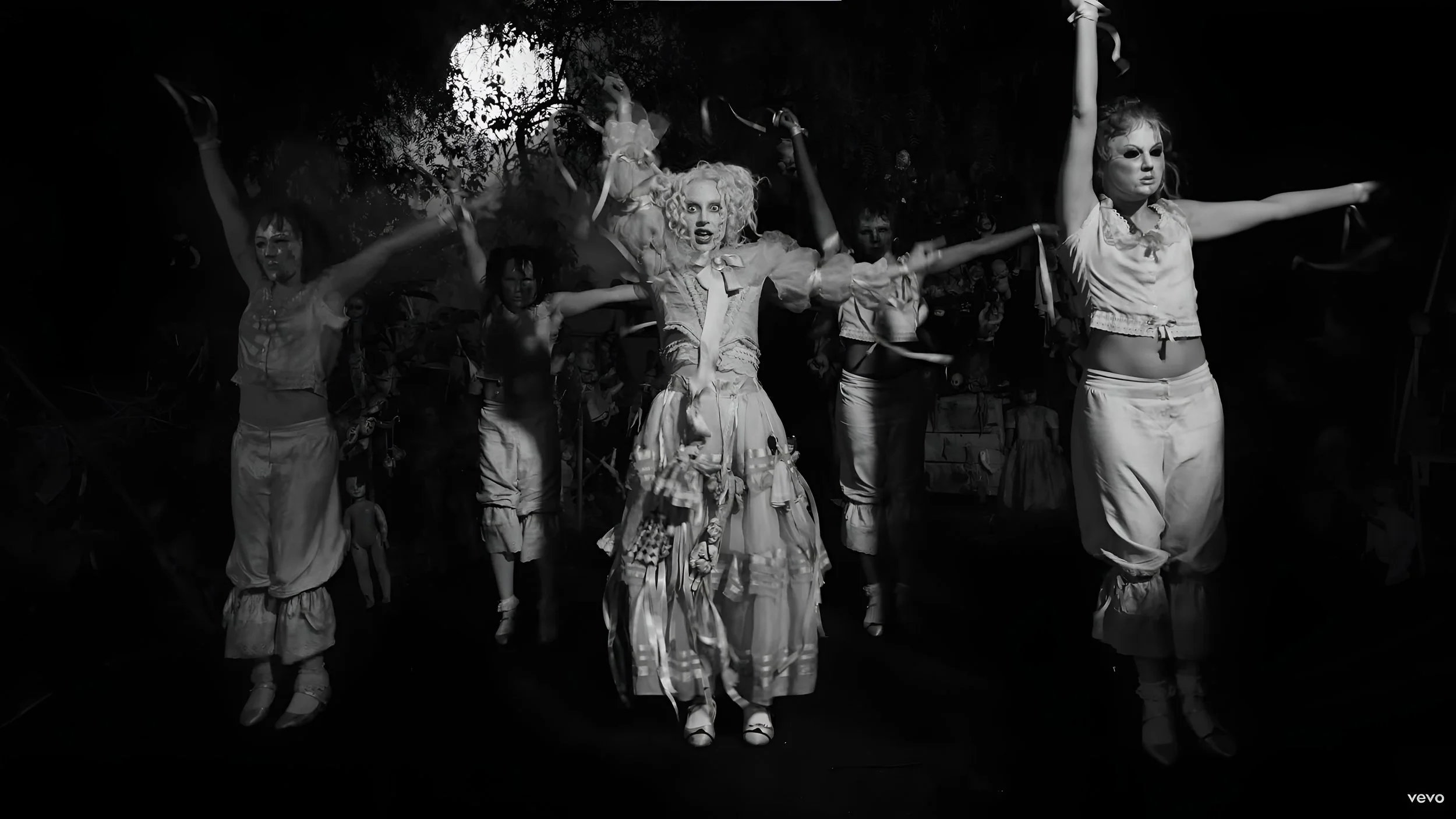
Tasked with a daunting challenge, Goebel drew inspiration from Michael Jackson’s “Thriller,” evident in the angular, sharp, horror-like movements. Midway through the video, the dolls “come to life,” synchronizing with Gaga and her backup dancers in uncanny, jerky, rhythmic moves—later adopted through the haywires of TikTok dance crazes.
Academy Award-winning costume designer Colleen Atwood also joins the goth rave, lending her couture prowess in transforming Gaga into a porcelain doll. Long celebrated for her works with Burton, layers of tattered fabric, Victorian lace, and textures of broken porcelain all evoke a sense of fragility and eerie glamor in each of Atwood’s garments.
Atwood beautifully balanced Burton’s gothic sensibility with Gaga’s penchant for pop excess, where fashion eerily bridges the living and the dead.
Few locations can rival the natural eeriness of Isla de las Muñecas (Island of the Dolls) in Xochimilco, Mexico. By filming on this eldritch island, Burton and Gaga anchored The Dead Dance, a fantastical video, in a living mythology of fear and remembrance.
Some regard the island as a character itself, a silent witness to the transformation of the dolls from sinister relics into macabre party guests, their lifeless stares reframed as participants in Gaga’s lament-filled dance.
A new goth pop sensation
“The Dead Dance” music video proves to be a culturally striking ritual, where this gothic duet echoes in both pop and film history. Gaga, with her pop maximalism, and Burton, with his goth canon, reveal how horror and pop are not opposites, but complementary amplifiers of the other’s emotional extremes.
This communion of tradition was a testament to Gaga’s dedication to the single, an ode to a previous breakup, and a sense of loss and unhopefulness in love. In a sense, the video’s narrative arc, from monochrome despair to color-soaked resurrection, encapsulates Gaga’s own philosophy of art as survival. Burton, in turn, gives that philosophy form: dolls and the mist that first terrify become part of the spectacle itself.
Ultimately, Gaga and Burton affirmed that even in the darkest corners of the human experience lies the rhythm and spectacle that might as well bring the dead to life, or even dance.