The First Dot of Linya-Linya
This explores the history of the well-known brand Linya-Linya and dives into the creative processes that keep the brand consistently relevant to Filipino consumers.
Words Gerie Marie Consolacion
Photos courtesy of Linya-Linya
January 23, 2026
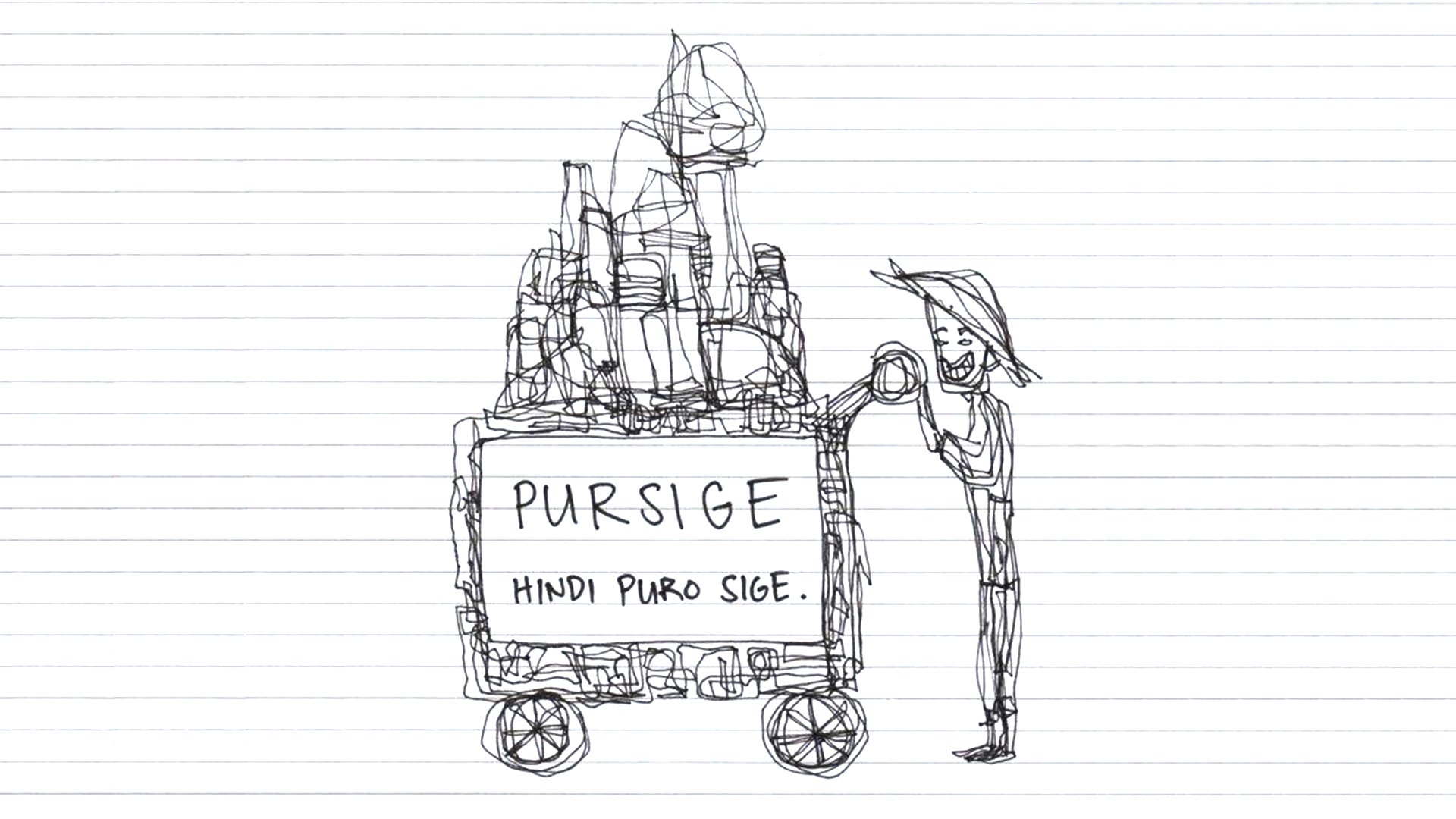
My art teacher in high school said, “Every great art starts with a dot. You cannot create a line without a dot, without a line, you cannot create shapes. Everything starts with a dot.”
And just like great artworks and brands these days, a certain Filipino brand gained traction because they softly, subtly proved that every great thing starts with a dot, and maybe a humor too.
Before Linya-Linya became a familiar name in Filipino pop culture, it was simply an idea living on scratch paper. It was unfinished, uncertain, and deeply personal.
During the exclusive interview with Art+ Magazine, Ali Sangalang shared how the first dot brought them to where they are now. “I was a young writer then,” shared Sangalang, co-founder, co-owner, and creative director of Linya-Linya. “Parang gusto mong maka-create ng something. Pero yung peers ko noon, part na sila ng writers’ circle, mga award-winning poets, short story writers. Ako, parang hinahanap ko pa yung linya ko.”
That search for voice, relevance, and expression eventually became Linya-Linya.
Finding humor in poetry, poetry in humor
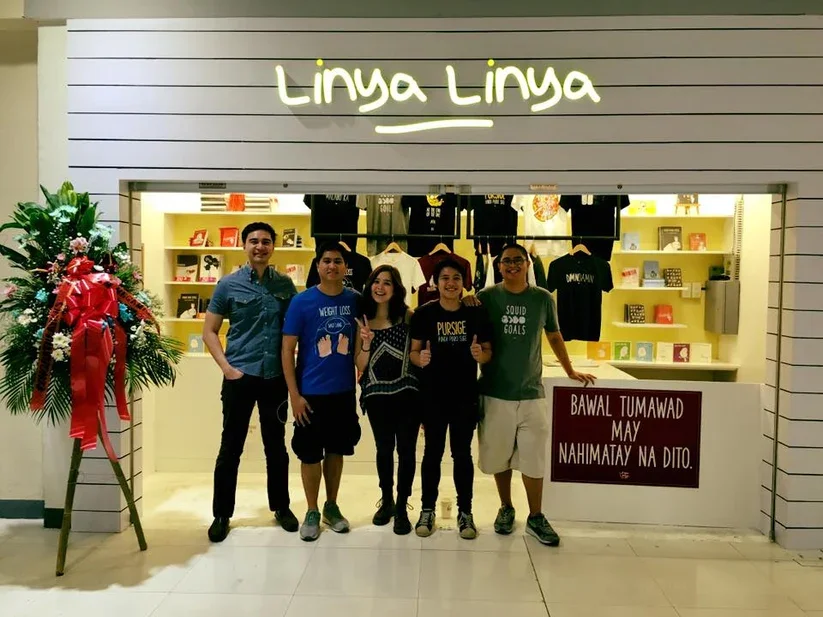
Photo from Linya-Linya
Sangalang’s background was a mix of literature and comedy. While college exposed him to deeper poetry and idiomatic expressions, he was also known as the class clown.
“Growing up, ako talaga yung class clown sa klase. Mahilig akong humirit during class,” he said. “So parang napag-mix ko yung longing ko to make people laugh at yung pagiging relevant ng poetry.”
Poetry, for Sangalang, always carried meaning, often things that were hard to say directly. Humor became his way of delivering those thoughts in a more relatable form. With the rise of social media, he realized he finally had a platform.
“In the age of social media, parang meron ka nang free publishing,” he explained. “Pwede kang mag-post ng kahit anong naisip mo.”
He began collecting short punchlines, wordplay, and lines inspired by everyday Filipino experiences. “Mahilig talaga ako sa puns,” he added. “I-pair mo yun with Filipino experience and a little bit of humor about everyday Filipino life.”
How Linya-Linya started
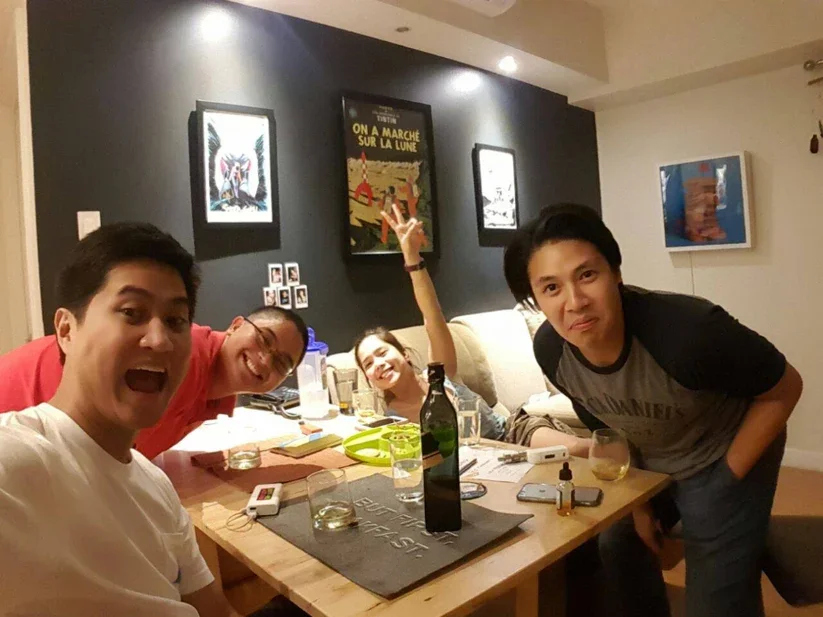
Photo from Linya-Linya. Featuring the people who believed in Linya-Linya
The idea stayed with him for years. “2009 ko pa siya naisip after graduation,” Sangalang said. “Pero until 2012, naging officemate ko si Panch Alvarez.”
Together with Alvarez, a visual artist and fellow creative, Linya-Linya finally took form. Both were working in government at the time and unsure about their future.
“Ginagawa namin siya during our free time sa office,” Sangalang recalled. “Parang scratch paper kasi ini-scratch din namin yung ulo namin kasi hindi namin alam ang gagawin namin sa buhay namin.”
Sangalang wrote around ten lines in a notebook. Alvarez interpreted them visually. They uploaded the work on Tumblr.
“Sinulat ko sa notebook yung mga linya, dinrawing niya, in-upload namin sa Tumblr,” he said. “Unti-unti, nagkakaroon na ng following.”
Originally, the project was simply called Linya. But the audience changed that.
“Naririnig namin yung mga kaibigan namin sinasabi, ‘linya-linya ba ’yan?’” Sangalang shared. “Eh di ba ang mga Pinoy mahilig ulitin yung words, tara kape-kape muna tayo.”
The name stuck and gained meaning. “Dalawa kaming magkaiba yung linya ng trabaho, linya ng pagsusulat at linya ng pagdo-drawing. Pag pinagsama mo, magiging linya-linya siya.”
Art that does not intimidate
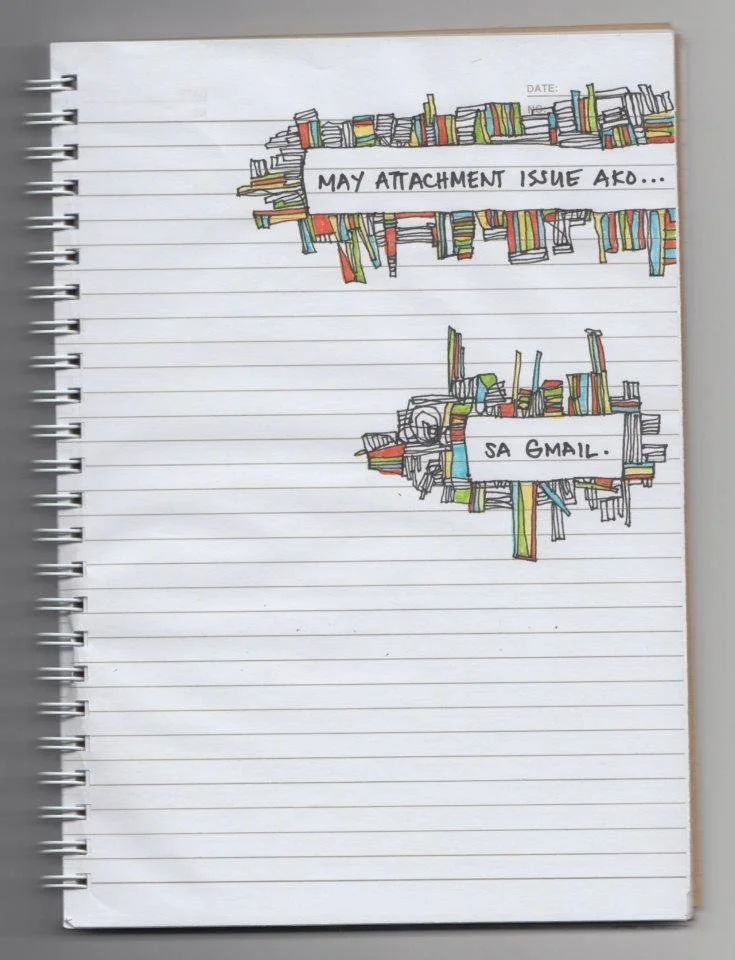
Photo from Linya-Linya
One of Linya-Linya’s most recognizable traits is its simple, doodle-like aesthetic. This, Sangalang emphasized, was intentional.
“Parehas kaming frustrated na artists,” he admitted. “Parang ang hirap pumasok sa circle ng mga magagaling na artists. Nakaka-pressure.”
Instead of competing, they chose simplicity. “Sabi namin, bakit hindi kami mag-go back to basics? Doing what we love and doing it for fun.”
Sangalang wrote without overthinking. Alvarez drew freely. “Very doodly siya,” he said. “Parang ginawa mo lang habang nagle-lecture ang teacher mo.”
Their goal was to remove fear from art and poetry. “Kapag poetry, parang iniisip ng tao, ‘Ano kayang gustong sabihin nito?’ Kapag art naman, masyadong abstract,” Sangalang explained. “Ayaw naming ma-intimidate ang mga tao. Gusto namin reachable.”
Building a cast of characters
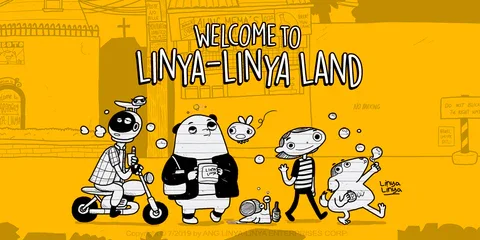
As Linya-Linya grew, the visuals evolved. In 2019, the company’s illustrator helped develop distinct characters for the brand.
“Gusto namin hindi na generic illustrations,” Sangalang said. “Yung makikilala talaga ang Linya-Linya.”
The main character, Len-Len, became the face of the brand. She was joined by a quirky cast that includes Shirley the panda, Malu the dog, and even a snail named Alcohol.
“Para siyang Mickey Mouse,” Sangalang said. “Nagkaroon na kami ng sariling mundo.”
From creative outlet to cultural vision
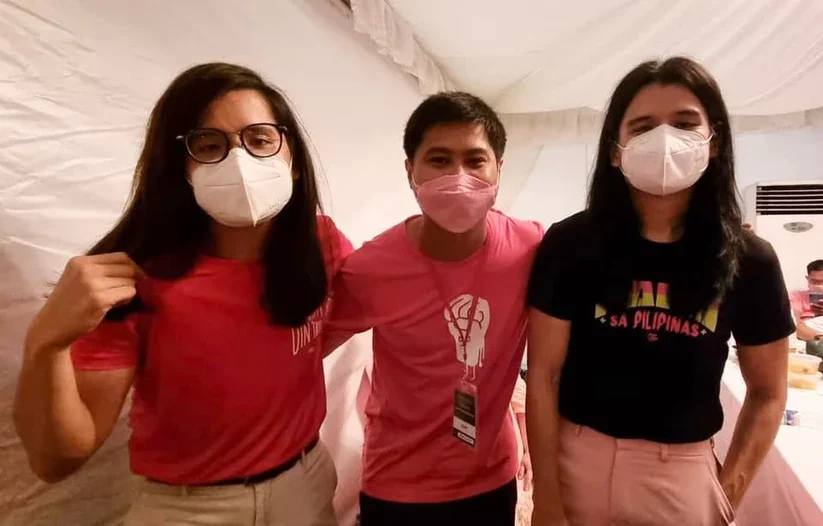
Photo from Linya-Linya
At first, Linya-Linya was simply an outlet. “Very stressful yung work namin,” Sangalang shared. “Nagsusulat ako for another person, so gusto ko magkaroon ng sarili kong ginagawa.”
The turning point came in 2015, when Jim Bacarro joined and pushed the group to think long-term.
“Tinanong niya kami, ano ba talaga yung vision namin?” Sangalang recalled. The answer came from Filipino language itself. “Marami tayong linya growing up, ‘kung may tiyaga, may nilaga,’” he said. “Pero habang tumatagal, nag-e-evolve ang wika.”
“Buhay ang wika,” Sangalang emphasized. “Hindi siya dapat stuck sa isang generation.”
Linya-Linya aimed to create new lines that were modern, relatable, and usable in everyday life. “Makagawa ng sariling linya na pwedeng gamitin ng mga tao eventually.”
Over time, the vision became clearer. “Magmarka ang Linya-Linya sa Filipino arts and culture, makakonekta at magbigay ng impact sa Filipino community, at maging isang successful local business and iconic Filipino brand.”
The reality of selling shirts
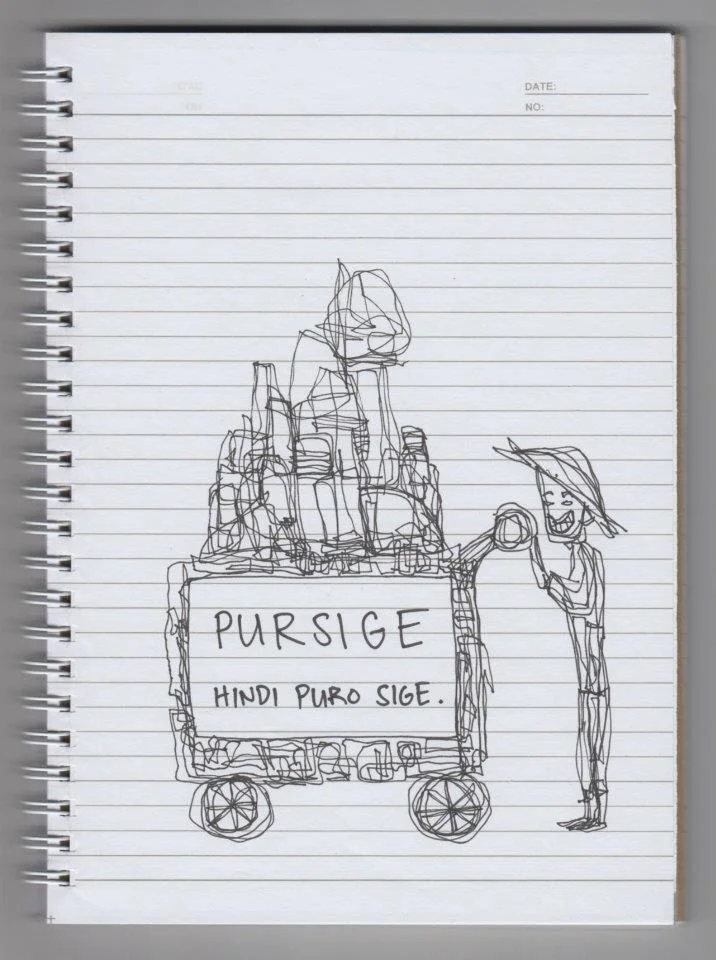
Photo from Linya-Linya
Despite its popularity, building Linya-Linya was far from easy.
“Mahirap talaga magnegosyo sa Pilipinas,” Sangalang admitted. “Lalo na kung galing ka sa arts background.”
There were no manuals and no formal training. “Wala naman course na nagtuturo kung paano magbenta ng t-shirt,” he said. “Hindi namin alam ang composition ng isang shirt.” There were also challenges in working with friends. “Pressure-packed ang business,” Sangalang shared. “Importante kung paano kayo magre-reconcile.”
Another hurdle was convincing customers to keep buying. “Hindi naman araw-araw bumibili ng t-shirt ang mga tao,” he explained. “Yung una mong binili, hindi pa sira.”
The solution was constant evolution. “Kasabay ng pagbabago ng generation, nagbabago rin yung language,” he said. “Kailangan sumabay sa pop culture at sa social media.”
More than just a shirt

Photo from Linya-Linya
In the end, Linya-Linya was never just about apparel.
“Hindi lang shirt ang binebenta namin,” Sangalang said. “Yung creative process, yung linya mismo.”
More than ten years later, Linya-Linya continues to thrive. It does so not by chasing trends, but by staying honest to its roots, which are notebook lines, doodles, Filipino highschool humor, and the ever-evolving Filipino voice.
“Laging may dahilan para ngumiti, tumawa, umindak, lumaban,” Sangalang reflected. For Linya-Linya, that reason has always been creativity.