The Coolest Thing About Culture? It Never Goes Out of Style
A decade after first challenging the hierarchy between imported luxury and Filipino craft, ArteFino returns with its most ambitious edition yet, making the case that heritage, far from standing still, gathers strength each time it is lived anew.
Words Bernadette Soriano
Photos Courtesy of ArteFino
July 26, 2026
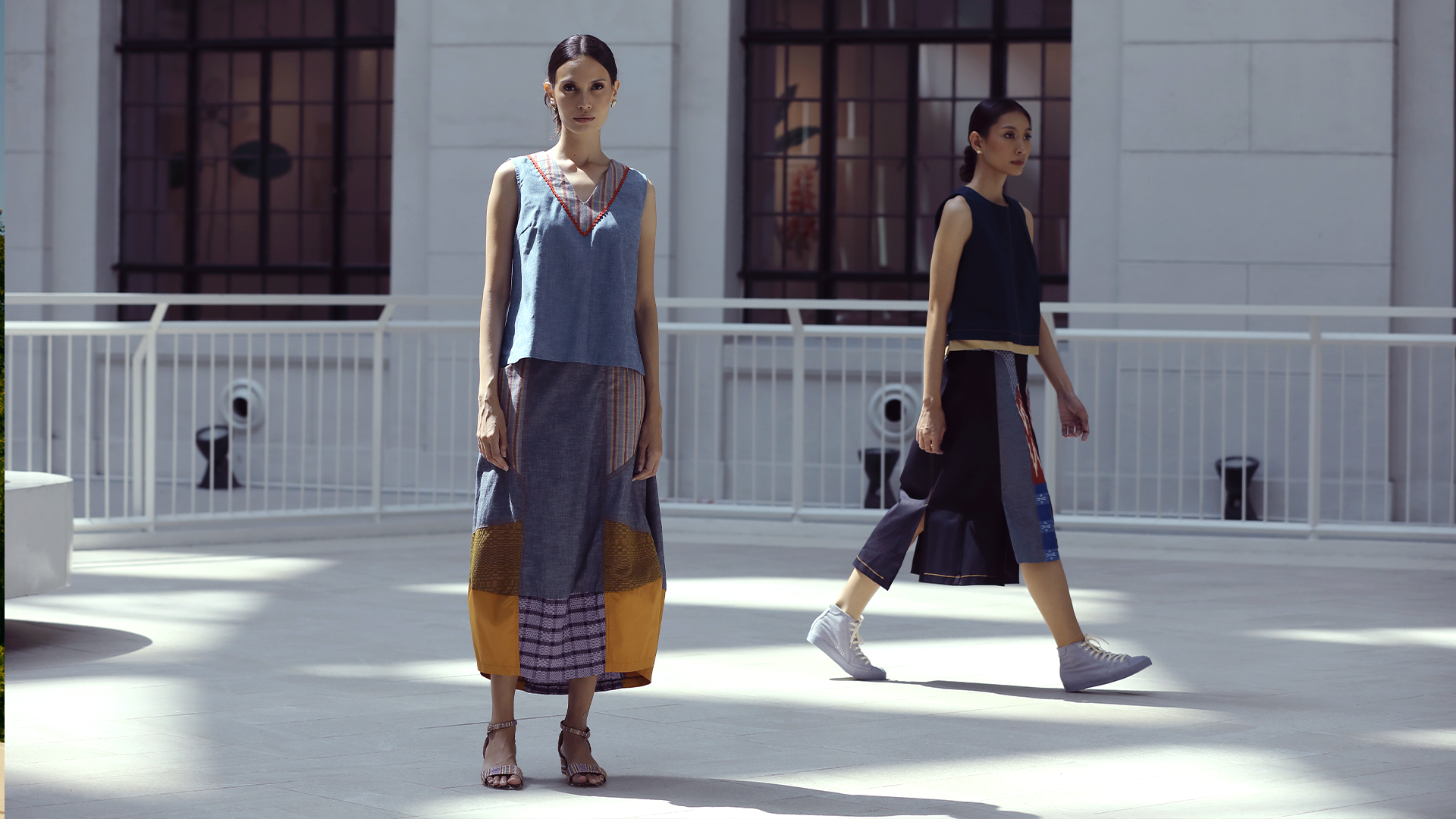
Ten years ago, faith in Filipino craftsmanship still carried the faint burden of explanation. Local textiles surfaced largely for Linggo ng Wika or the occasional Filipiniana affair.
Handwoven objects, meanwhile, too often found themselves relegated to souvenir shelves or the quieter corners of department stores, as though craftsmanship were something to admire from a distance rather than fold into everyday life.
Elsewhere the gaze remained steadfastly outward by long-held assumptions that excellence came dressed in Western aesthetics and that luxury, almost by default, spoke another language.
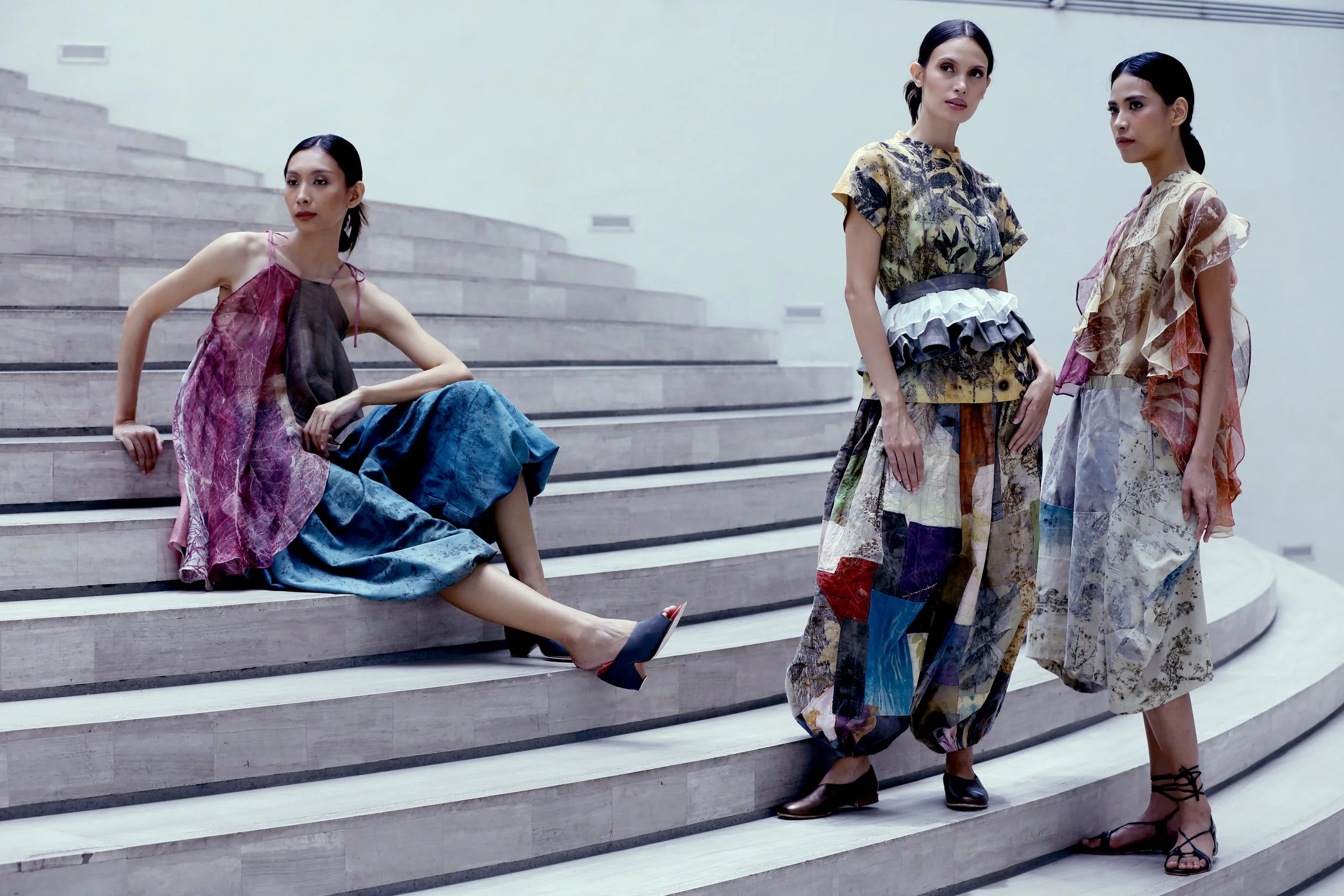
Into that conversation stepped ArteFino as this year's fair gathers more than a hundred Filipino brands in a celebration that feels at once marketplace, exhibition, and manifesto, each lending weight to the proposition that heritage is at its strongest when it continues to move.
Isang Dekada, after all, marks far more than the passage of ten years. Encapsulated within those two words is an idea that has gradually matured alongside the movement itself: heritage acquires meaning not by remaining untouched, but by passing from one pair of hands to the next, each generation leaving behind its own inflection without ever dropping the thread.
Such, from the very beginning, was the wager.
Never Just a Marketplace
When founders Maritess Pineda, Armita Rufino, Susie Quiros, Cedie Lopez-Vargas, and Marimel Francisco mounted the inaugural ArteFino fair, the objective extended far beyond creating another marketplace for local products.

(L-R) Cedie Vargas, Maritess Pineda, Susan Quiros, Marimel Francisco, Armita Rufino
“We envisioned more than a fair. We wanted to build a movement that celebrates the finest of Filipino craftsmanship while creating meaningful opportunities for the people behind it.”
Commercial success mattered, certainly, though only insofar as it could sustain the communities from which these crafts emerged. The larger task lay beyond them, in shifting perception itself.
“When we realized that we had a following, we knew that we couldn't just keep selling. Rather, we needed to convey a message that would create impact.”
That message eventually hardened into a proposition as succinct as it was expansive: “Every handcrafted piece represents a livelihood; every tradition deserves a future; and every artisan deserves the opportunity to thrive.”
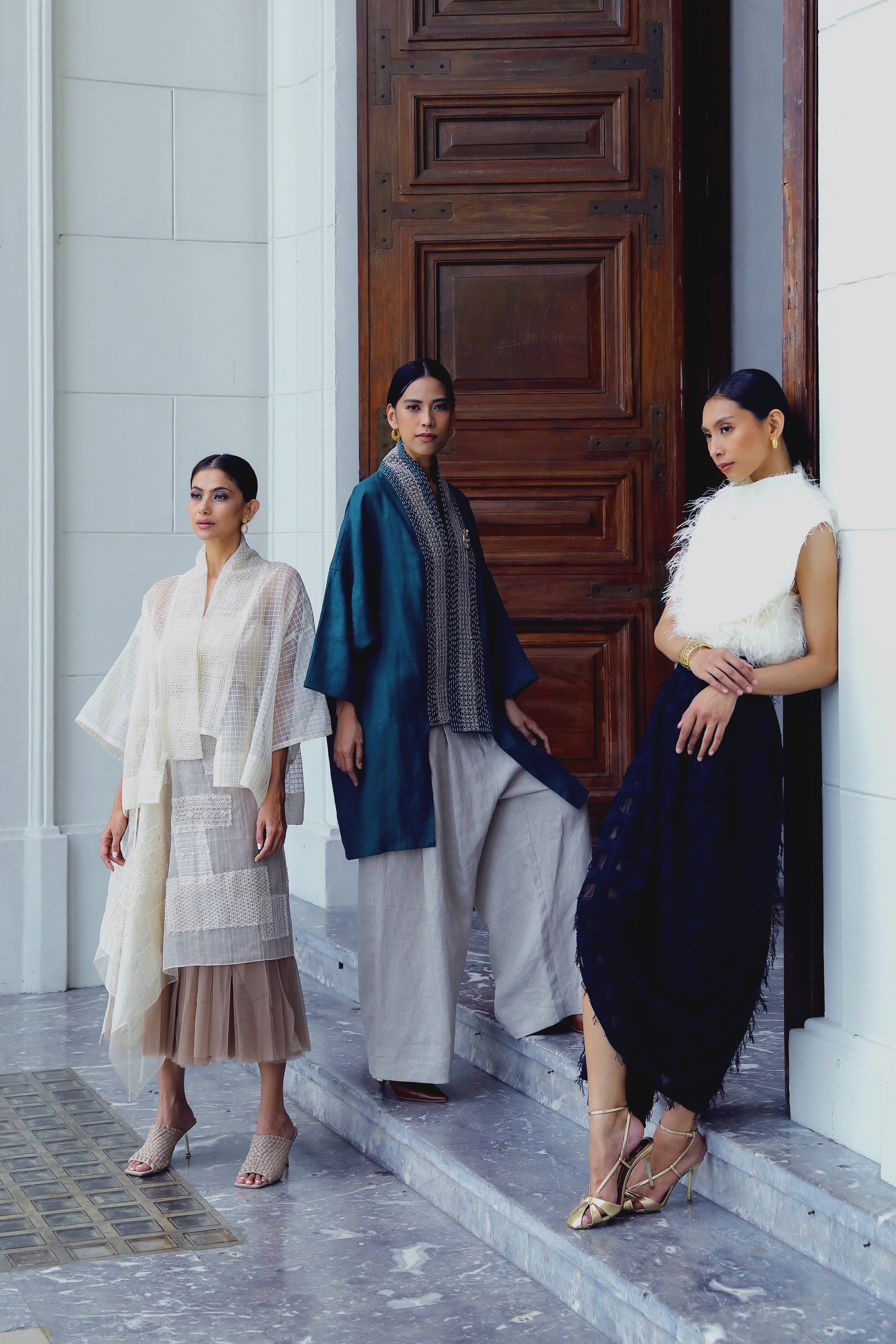
Within that deceptively simple refrain resides the philosophy ArteFino has spent the last decade patiently fleshing out.
A conviction that ultimately took institutional shape through the HeArteFino Development Program Grant, extending the movement beyond the four-day fair and into the communities whose knowledge sustains it.
As the founders put it, “When communities thrive, our culture lives on. And when heritage continues to evolve, we inspire future generations to become responsible stewards of our craft and nation.”
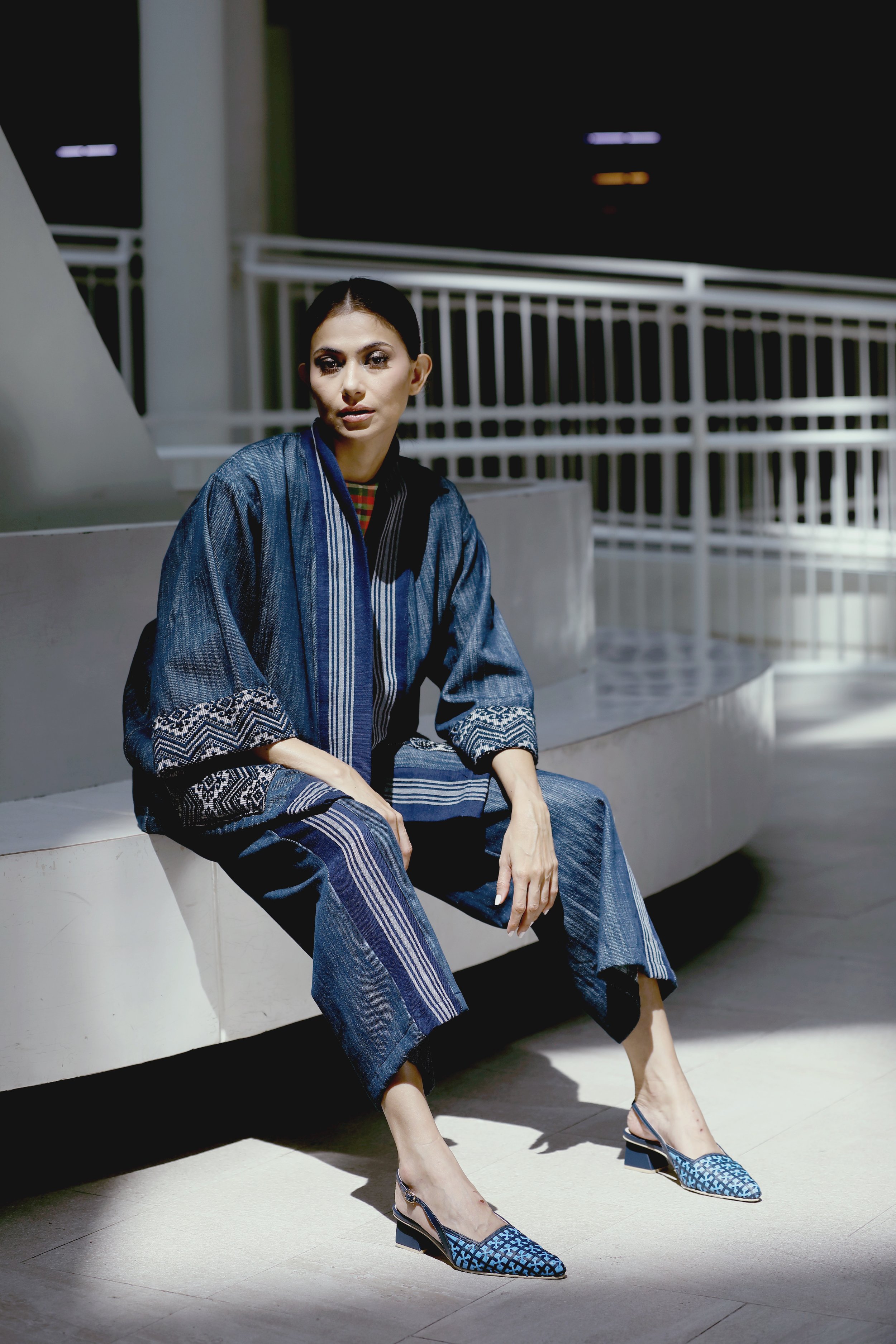
Preservation, in other words, proves inseparable from opportunity. A decade on, the shift is difficult to miss.
The Future is Handmade
Supporting Filipino-made work no longer feels like a patriotic act of obligation. It has become, instead, an expression of confidence.
Designers, artisans, and independent makers increasingly occupy prime retail spaces, while Filipiniana has slipped comfortably beyond state occasions into the mundane—wardrobes, homes, dining tables, and beauty rituals alike.
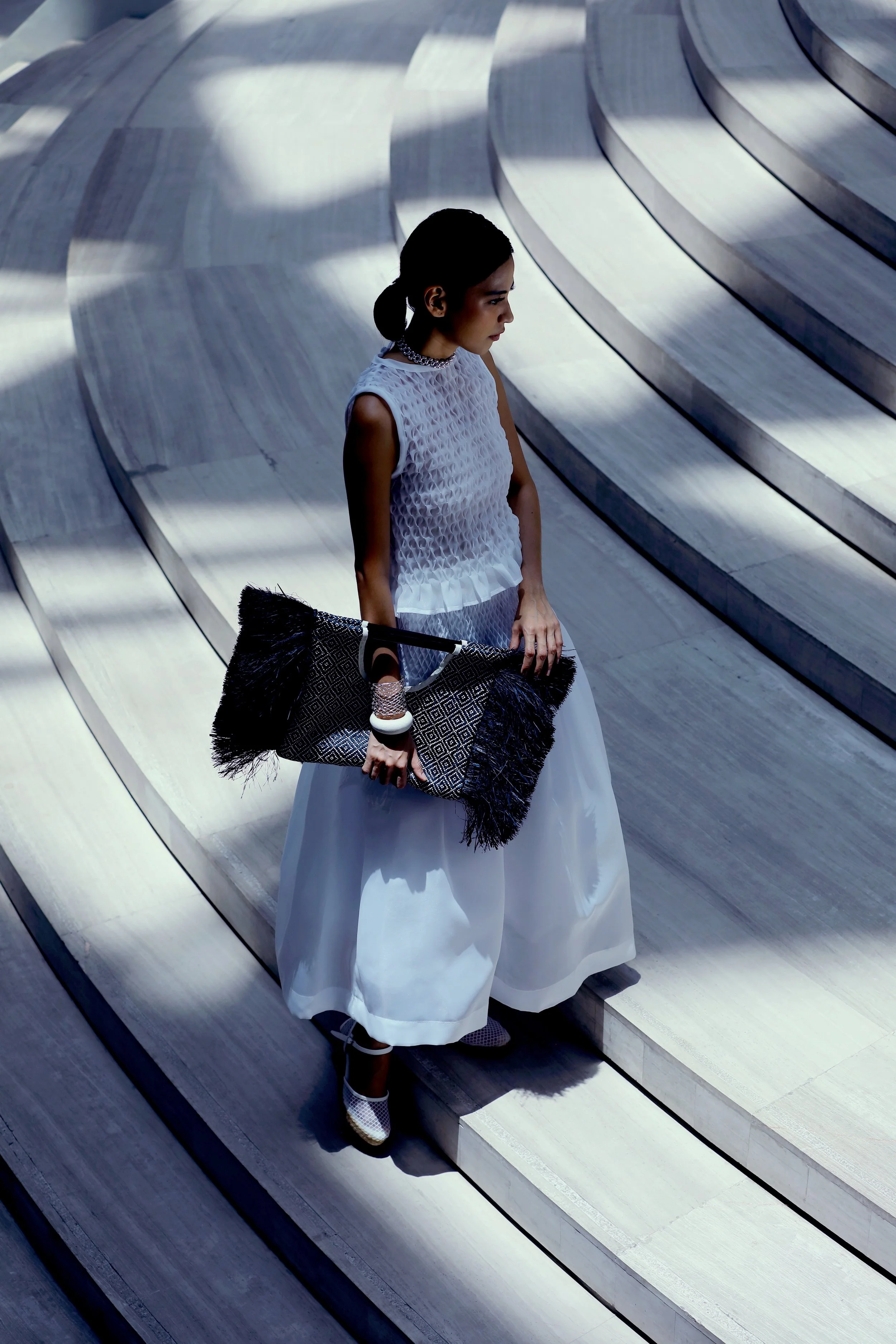
If the movement has learned anything over the last decade, it is that heritage is no place to rest on one's laurels.
This anniversary, accordingly, looks forward as much as it looks back. Sustainability, responsible retailing, and material transparency rise to the fore, conversations ArteFino had begun nurturing well before they concreted into industry watchwords.
“No one was listening back then,” the founders admit with characteristic candor. “But soon enough, it began to resonate with consumers who sought meaning. These are the buyers who wanted to know where products come from, how they are made, and the artisans who made them.”
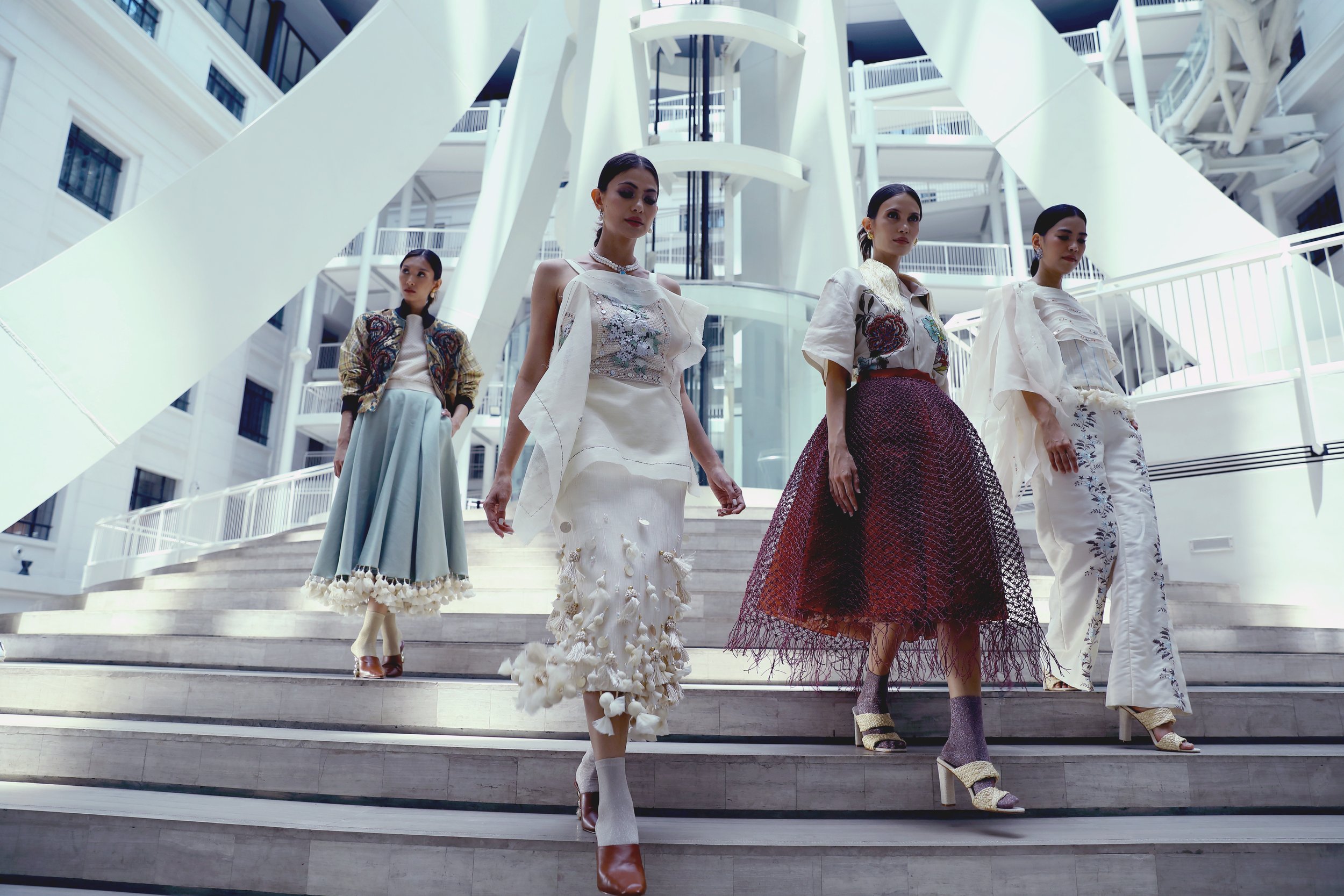
What once occupied the margins has since migrated to the center of contemporary consumer values.
The shift is perhaps most legible in this year's curation. Having spent years, as the founders themselves couched it, “going down the value chain in reverse”—first the products, then “the makers, the community,” and now “the materials or the fibers”—ArteFino turns its attention upstream.
Alongside brands experimenting with regenerative fibers, natural materials, and upcycling techniques, HeArteFino grantees such as Project Nova, Zarah Juan, and ANTHILL Fabric Gallery.
They continue demonstrating how sustainability and community empowerment move in lockstep, while the collaboration with Isla Tek spotlights specialized pineapple, banana, and abaca yarns, returning the dialogue to the very indigenous knowledge from which heritage is first woven.
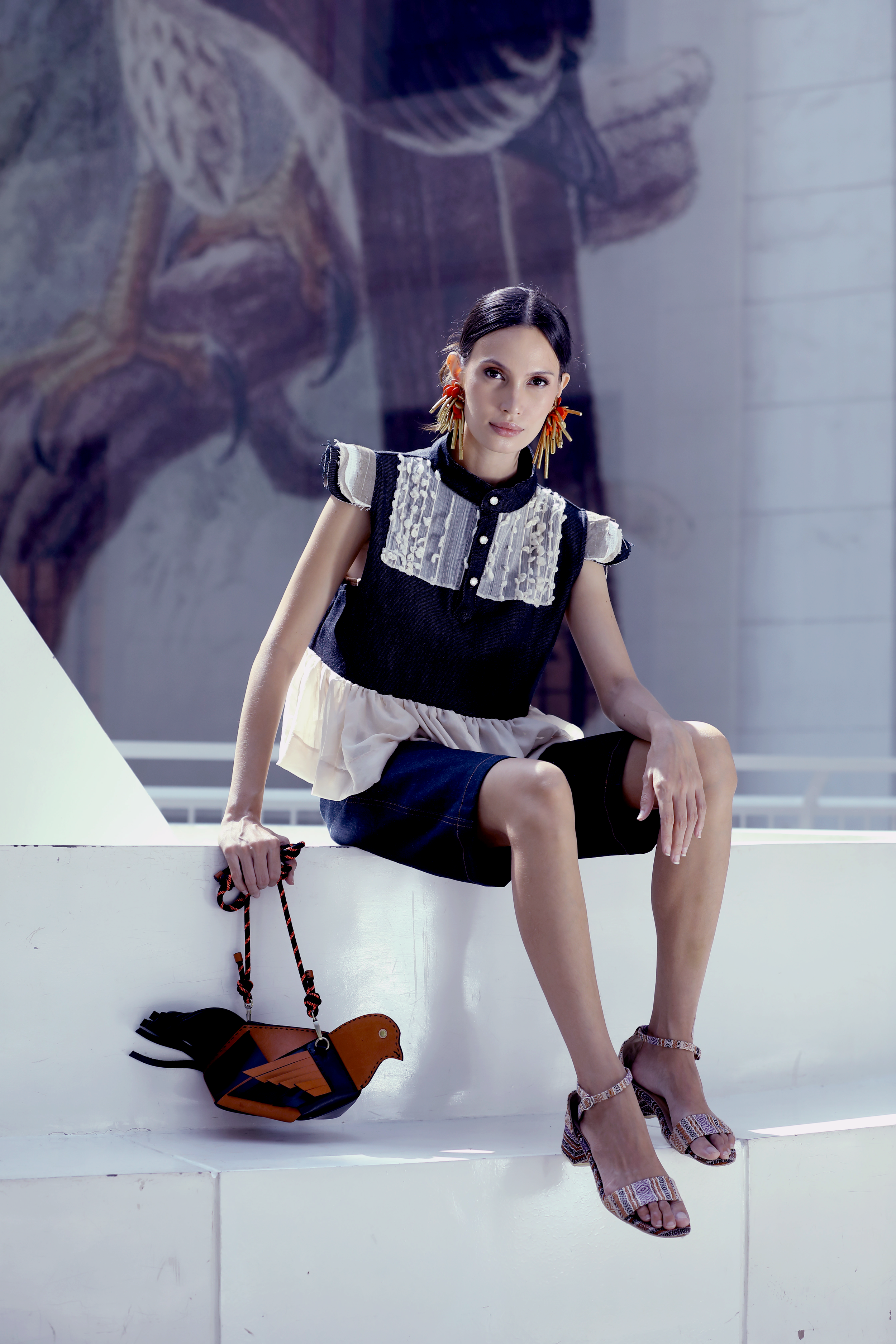
Even the anniversary collections resist nostalgia. Commissioned exclusively for Dekada Collections, the participating brands were invited not simply to commemorate ten years gone by, but to reflect on how their own practices have evolved—and where Filipino design might yet venture.
The storytelling extends, naturally enough, beyond the products themselves.
Not Your Average Trade Fair
Under the direction of Philippine Institute of Interior Designers (PIID) President Cecil Ravelas, the North and South Courts unfold as immersive landscapes tracing the journeys of brands and artisan communities, conceived, as she calls ‘the event's showcase’—’an invitation, drawing visitors into the ArteFino story.’
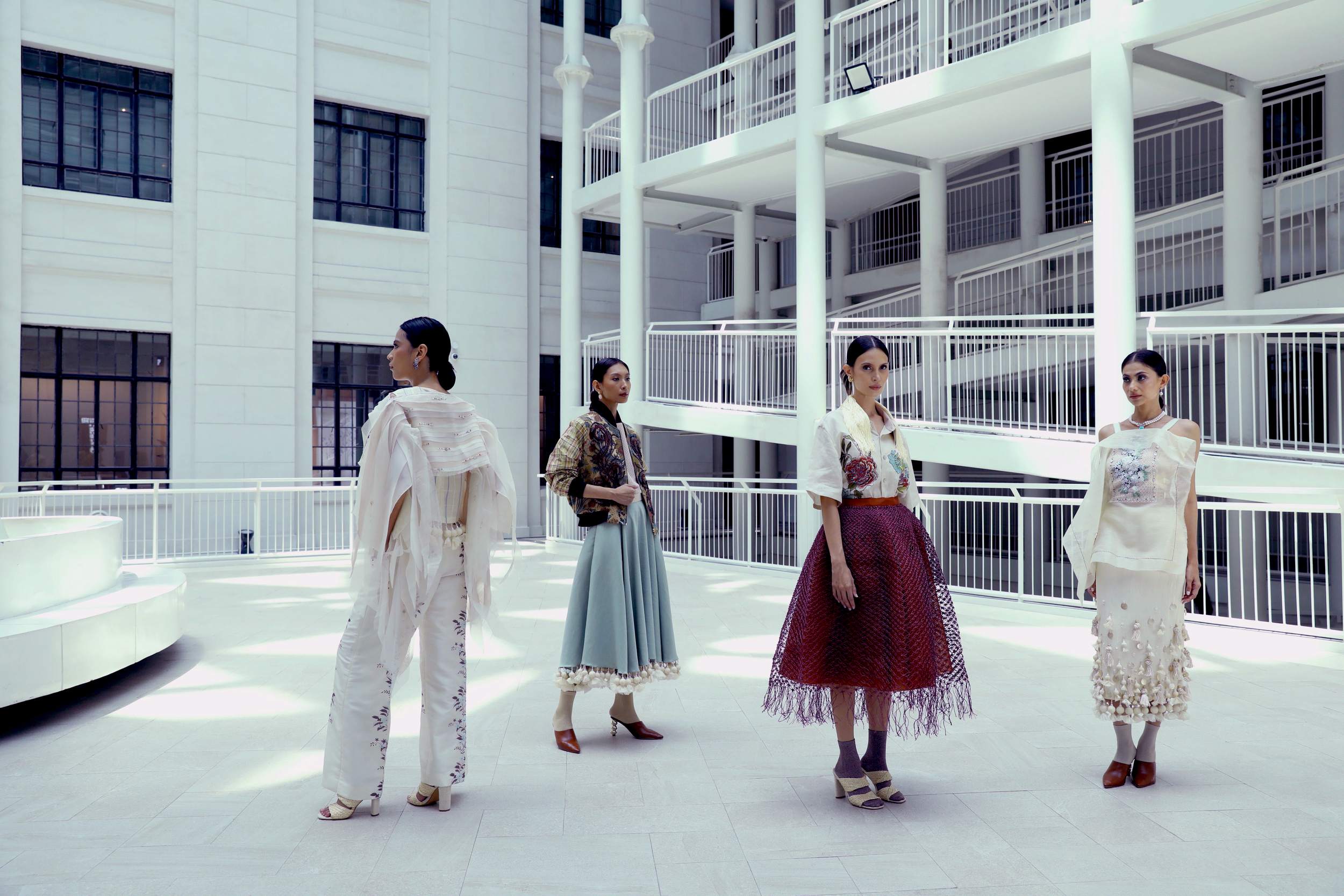
At The Fifth, Gino Gonzales returns to shape the Central Display, continuing ArteFino's long-standing tradition of treating visual merchandising as an art form in its own right.
The movement, meanwhile, keeps finding new expressions. Studio ArteFino signals a permanent retail home for products developed and championed by the organization itself, while Eats by ArteFino, created with The Seven Pantry, widens the conversation to include food, hospitality, and the rituals that gather people around a table.
Ideated, in the founders' words, as ‘more than a food hall,’ it becomes ‘a thoughtfully curated destination where food takes center stage, while home, pantry, and entertaining come together to enrich the experience of gathering around the table,’ gently reinforcing the idea that culture is carried as readily in shared meals as in the objects we wear.
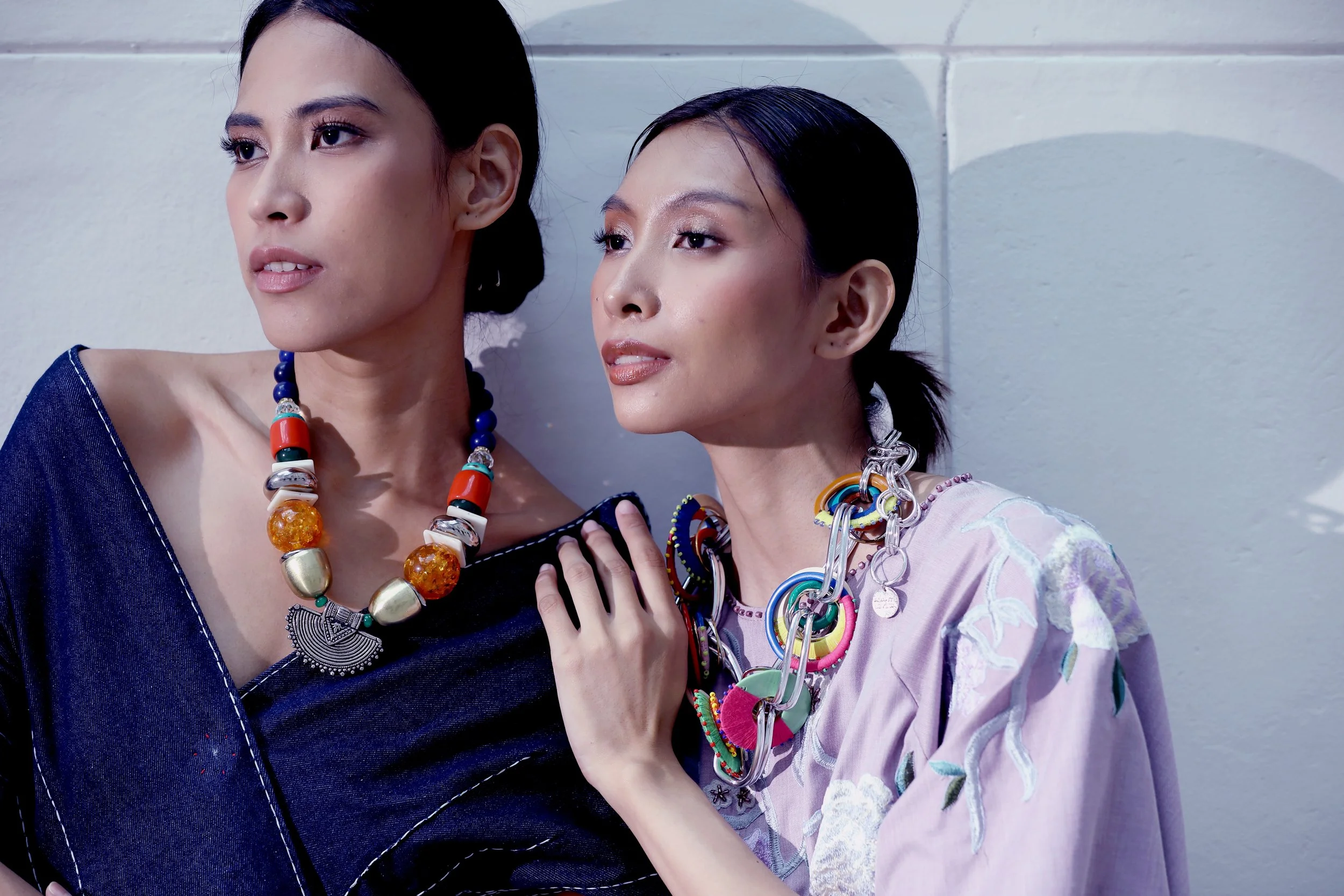
Perhaps that has always been ArteFino's quiet argument.
Heritage remains a living inheritance only so long as artisans push its boundaries without losing the thread that binds them to its beginnings, for communities pass knowledge from one generation to the next, and for every thoughtful purchase, however small, keeps another story in motion.
It is, after all, the future the founders have long imagined: “We honor the artisans, traditions, and communities that laid our foundation. Today, we celebrate the movement we have built together. Looking ahead, we set our gaze on creating opportunities, driving innovation, and ensuring that our heritage continues to flourish for generations to come.”
Presented by Rockwell and Security Bank, ArteFino: Isang Dekada runs from July 30 to August 2 across The Fifth, North Court, South Court, and the R1 Lifestyle Hallway of Power Plant Mall.