
The Aesthetics of ‘Eat the Rich’
From ‘The Penthouse’ to the Philippines, eat the rich is more than a slogan—it’s a reminder. Floods show us where corruption leads, while nepo babies and dynasties flaunt their wealth.
Words Gerie Marie Consolacion
Art by Martina Reyes
October 03, 2025

The hit Korean drama The Penthouse: War in Life took viewers on a roller coaster of emotions across multiple seasons, and even five years after its release, it remains relevant. Why? Because it left behind a lesson summed up in three words: eat the rich.
In Penthouse, the wealthy manipulate systems to protect their power, their greed swallowing whatever humanity they had left. And here in the Philippines, the story doesn’t feel like fiction at all.
Every flood exposes the same truth: billions are poured into flood control projects, yet the streets still go submerged in water. Dynasties and contractors profit, projects are announced with fanfare, and still, commuters wade through waist-deep water.
When corruption rules, it’s always the people who drown while those in their “penthouses” stay safe, dry, and untouched.
Flood is never democratic
When monsoon season arrives, when just an hour of rain can submerge an entire city, the line becomes painfully clear: those who can float above the crisis, and those who are left to drown in it.
From recent issues, a few phrases every taxpayer will recognize: Rolls-Royce, luxury cars, designer handbags, head-to-toe designer outfits, a dinner worth ₱759,000, and weekly out-of-town trips.
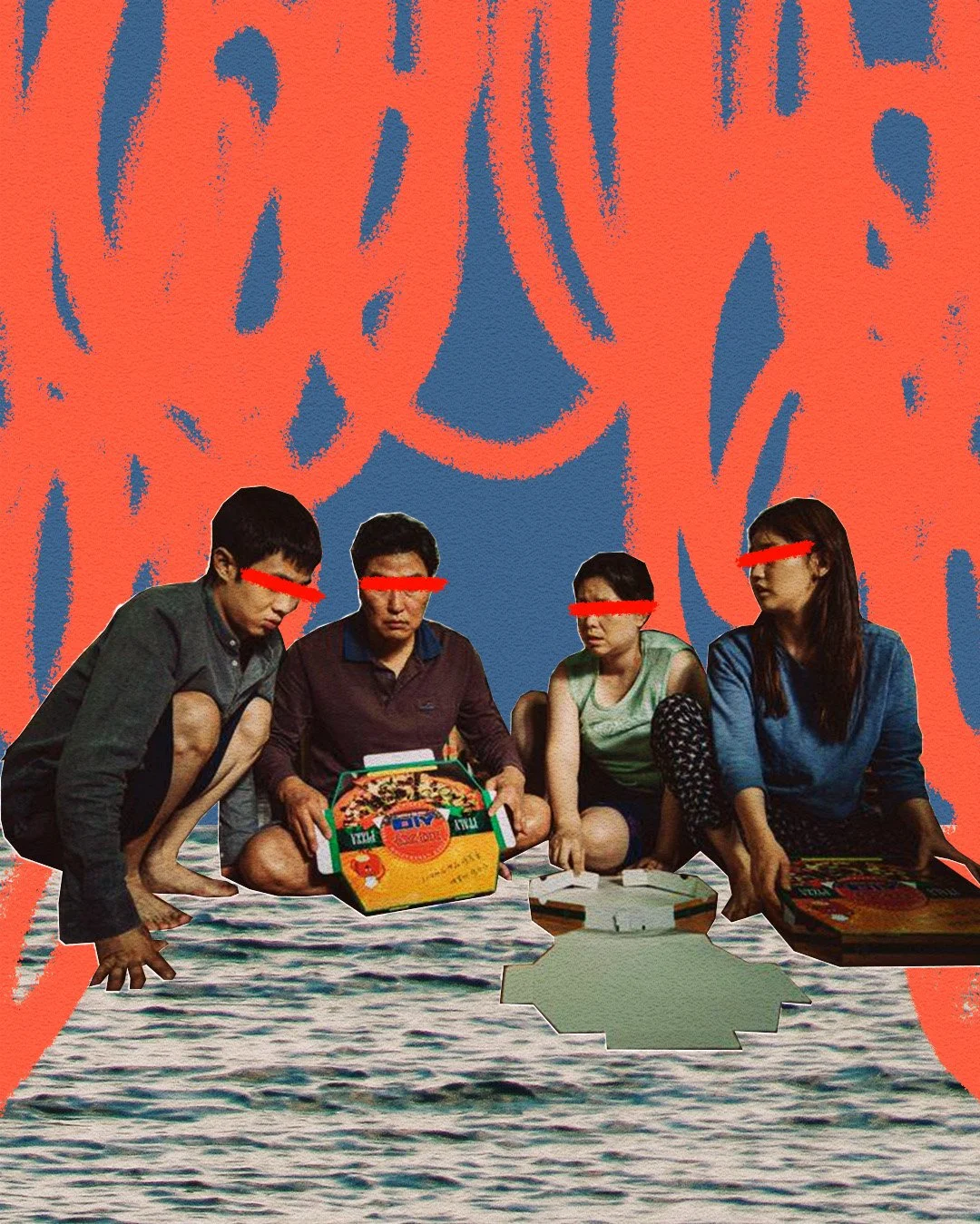
These words reflect where our taxes truly go—to fuel the lavish lifestyles of political dynasties, favored contractors, and, of course, the rising obsession with “nepo babies.” While thousands of Filipino families lose their homes, their loved ones, and everything they have, these families flaunt the luxuries funded by the very people struggling in the floods.
The rise of “nepo baby” discourse in Philippine politics is not just celebrity talk—it is the face of a modern-day aristocracy. And when governance becomes inheritance, accountability doesn’t just disappear; it drowns, right alongside the rest of us.
Broken dikes, broken characters
Families who feast while the city drowns are not nameless—they are dynasties, heirs, and political clans who for decades have treated flood control as a bottomless piggy bank.
Billions poured into drainage systems and dikes, yet every storm delivers the same outcome: submerged homes, stranded commuters, washed-away livelihoods. The wealth of some is literally built on the flooding of many.
A question has been circling on social media: is it right to bully a nepo baby? In my opinion, if they flaunt their lifestyle online, proudly saying their things were “given” by their “dads,” then calling them out is more than fair.
Because after all, it wasn’t just their dad’s money. It was my dad’s overtime. It was my mom’s sleepless nights. It was my three hours stuck in traffic. The money that was supposed to go to projects to ease the struggles of ordinary people has instead found its way into the pockets of a few—and into the luxury goods of their heirs.
Nepo babies, whether in politics or entertainment, become the human faces of this imbalance: untouchable, dry, and elevated, even as the city their parents promised to lead sinks.
So tell me, when the people are drowning, who deserves the shame—the nepo baby, or the nation that keeps feeding them?
The Poetry of Accountability
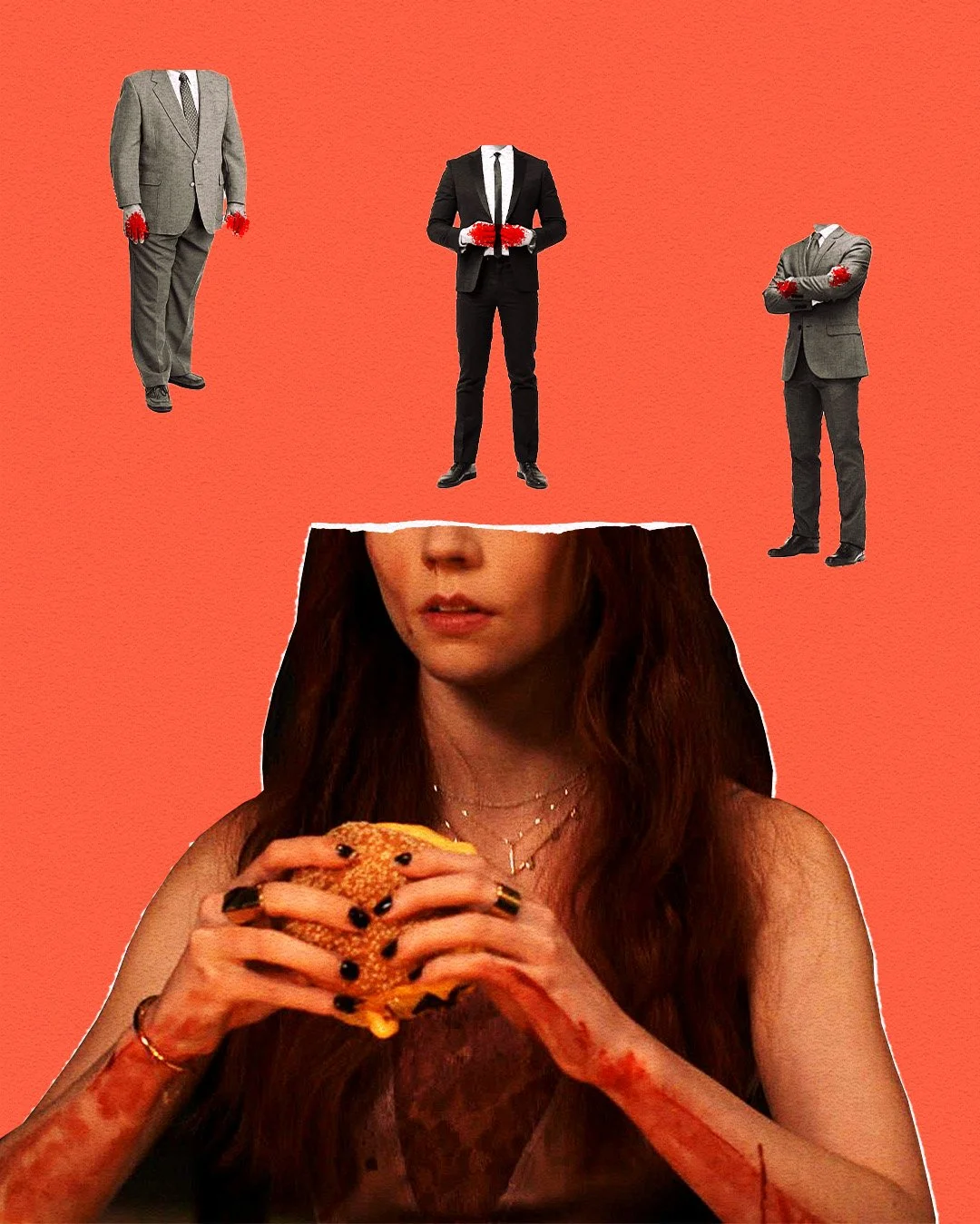
To eat the rich here is not about guillotines or riots, but about turning justice into something clear and satisfying. Think of Penthouse, the K-drama where the rich lived in tall towers, lying and stepping on others just to stay on top. In the end, their greed and secrets caught up with them—and their downfall was just as dramatic as their rise.
It is about savoring the idea that accountability can be as indulgent as dessert, that exposing corruption can be as stylish as a campaign, that holding dynasties responsible can be not only necessary but irresistibly poetic. Because just like in Penthouse, no banquet lasts forever—eventually, the flood rises high enough to reach the top floor.
Is there beauty in ‘eat the rich?’
Yes, but it’s not the beauty of violence or chaos. It’s the beauty of finally seeing truth rise to the surface, like floodwater marking who is really safe and who is not.
It’s the beauty of accountability, when those who built their wealth on the people’s suffering are forced to face the consequences. And it’s the beauty of justice, the kind that feels as dramatic as a K-drama twist and as satisfying as the last bite of our favorite cake.
So when the next flood comes, and it will—we might see not only tragedy, but also a theater act: an unintentional art installation where privilege and poverty collide.
In that moment, we are reminded of why the Eat the Rich aesthetic endures. Because there is, after all, something beautiful about finally making the banquet pay its bill.