
Students Building for Communities
At Estudio Damgo, architecture education extends beyond the classroom into the communities that need it most.
Words Jewel Chuaunsu
Photos courtesy of Estudio Damgo
May 26, 2026
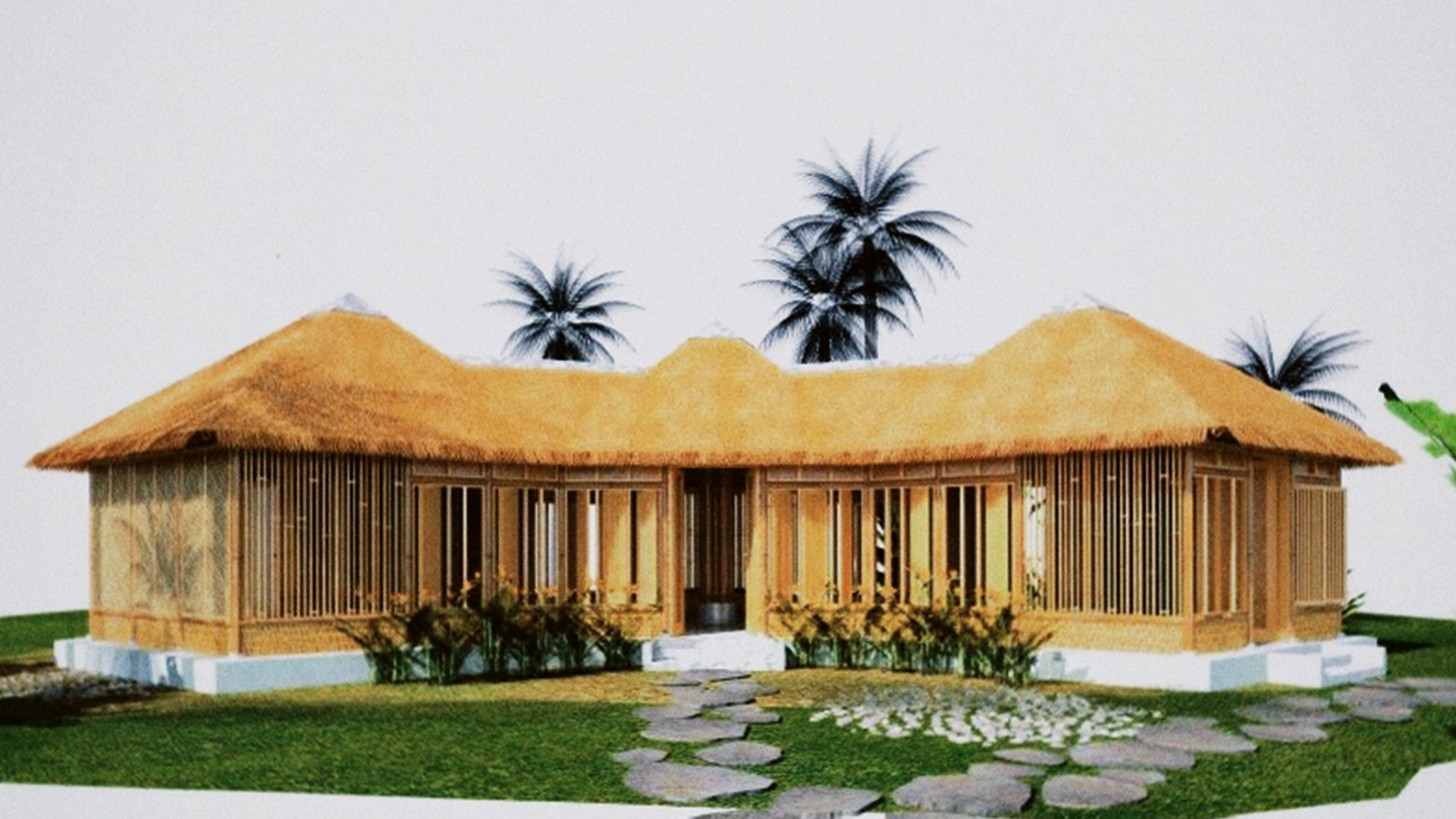
Organic Wellness Center Rendered Exterior Perspective
Estudio Damgo is the first student-led design-build architecture studio in the country. Under the Architecture program of Foundation University in Dumaguete City, the studio designs, funds, and develops community projects for underserved groups in the region. Estudio Damgo partners with local government units, non-profits, donors, and community organizers to build infrastructure that directly serves communities.
Dr. Vicente G. Sinco, founder of Foundation University, established Estudio Damgo in 2012, modeling it after Auburn University’s Rural Studio. Architect Vanessa Gaston oversees Estudio Damgo and heads the Architecture program under Foundation University’s Department of Architecture and Fine Arts.
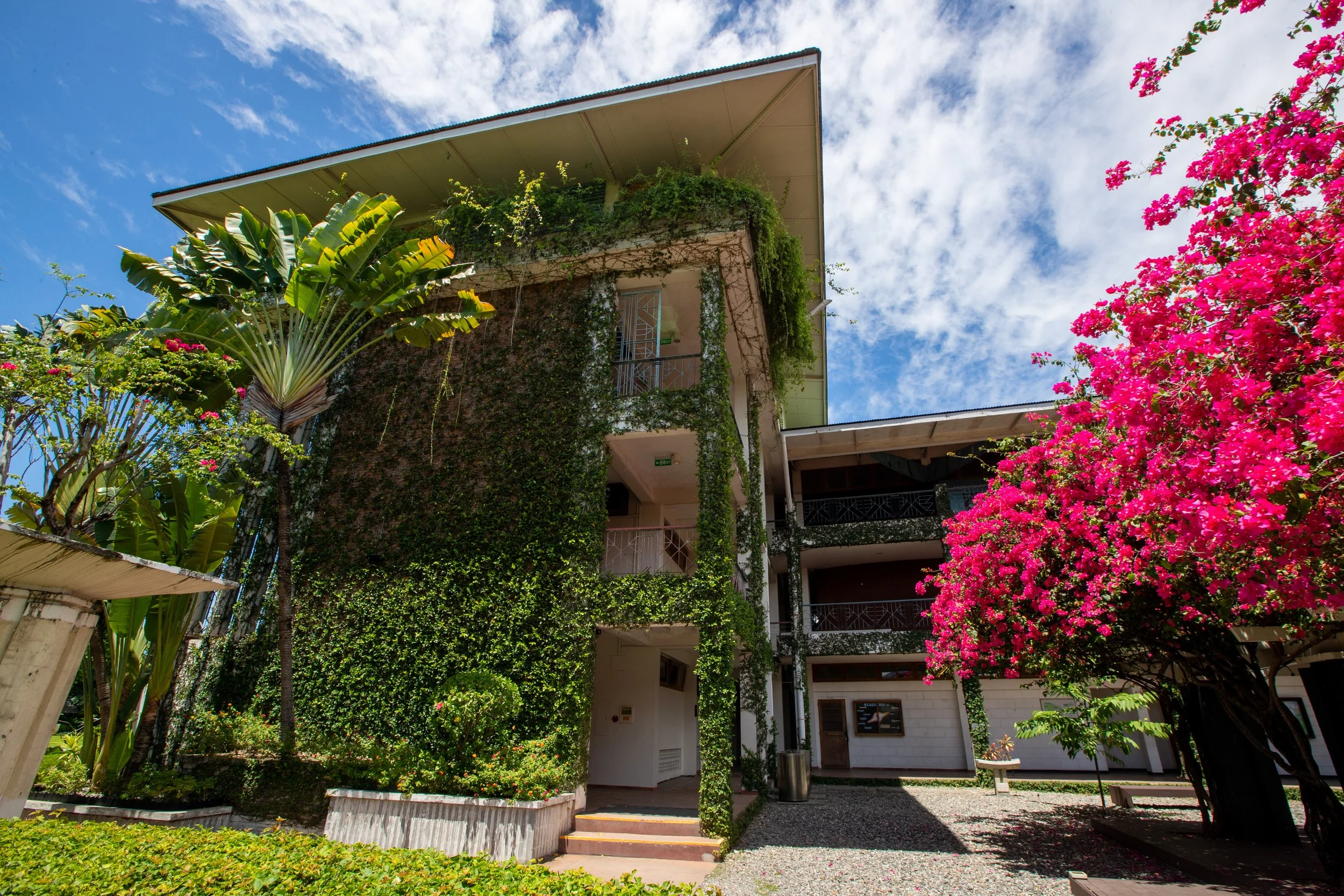
Foundation University
An architect-designer based on Negros Island, Gaston’s community-centered practice engages local artisans and utilizes native materials. Her work has received local and international recognition through Manila FAME, the Philippine International Furniture Show, and Salone Satellite.
According to Gaston, Estudio Damgo addresses a gap in architecture education, which can often be overly theoretical and disconnected from people’s actual needs. Designing in a vacuum can become “quite a self-centered or egotistical process where you just want to express yourself.” What grounds creative expression, she says, are practical considerations such as time constraints, feasibility, fundraising, and the realities of construction.
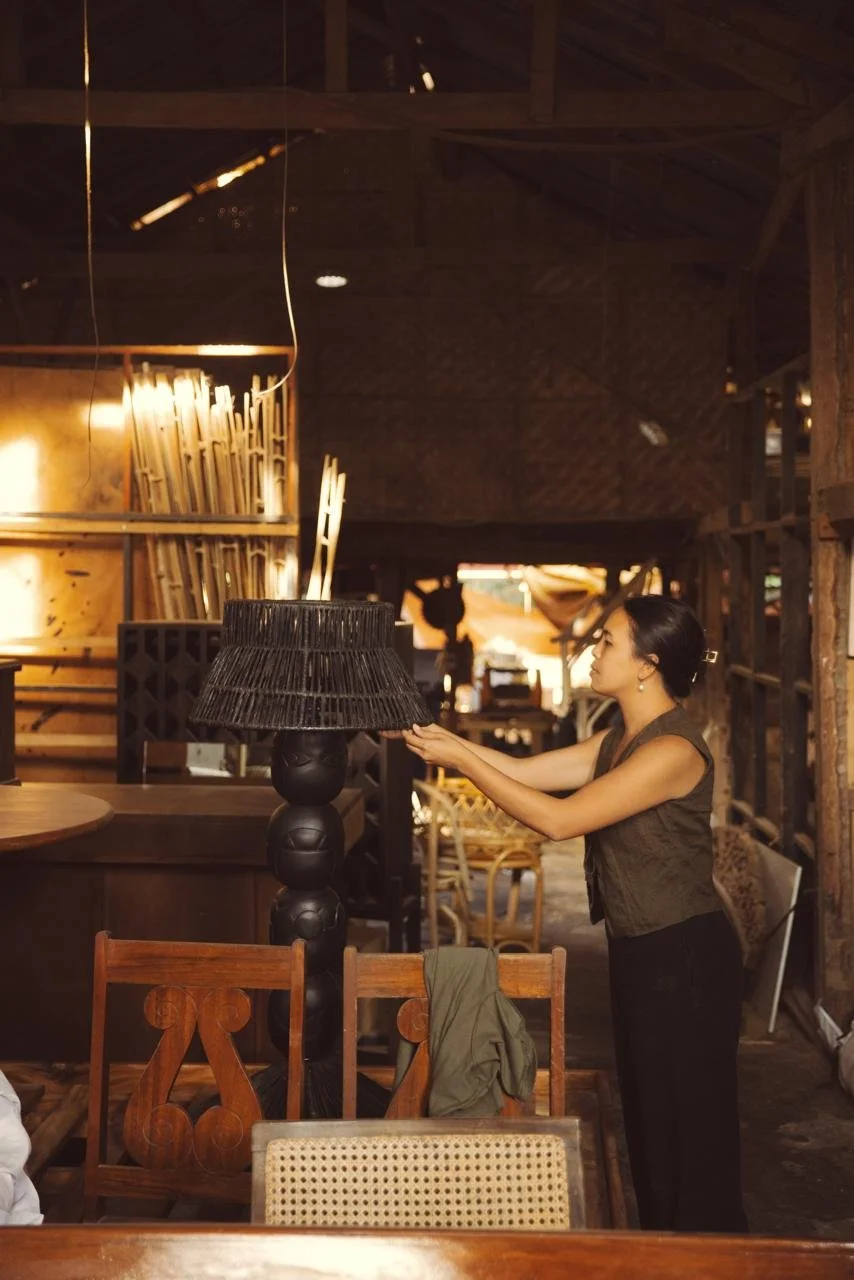
Architect Vanessa Gaston
Estudio Damgo provides architecture students with a more hands-on educational experience while supporting rural communities in need. “When they go out into the real world, they’re a different breed of architects because they’ve done the work themselves,” she adds.
Their first project was a daycare center in Brgy. Malaunay, Valencia. Since then, the studio has continued identifying and developing community projects where they can make meaningful contributions.
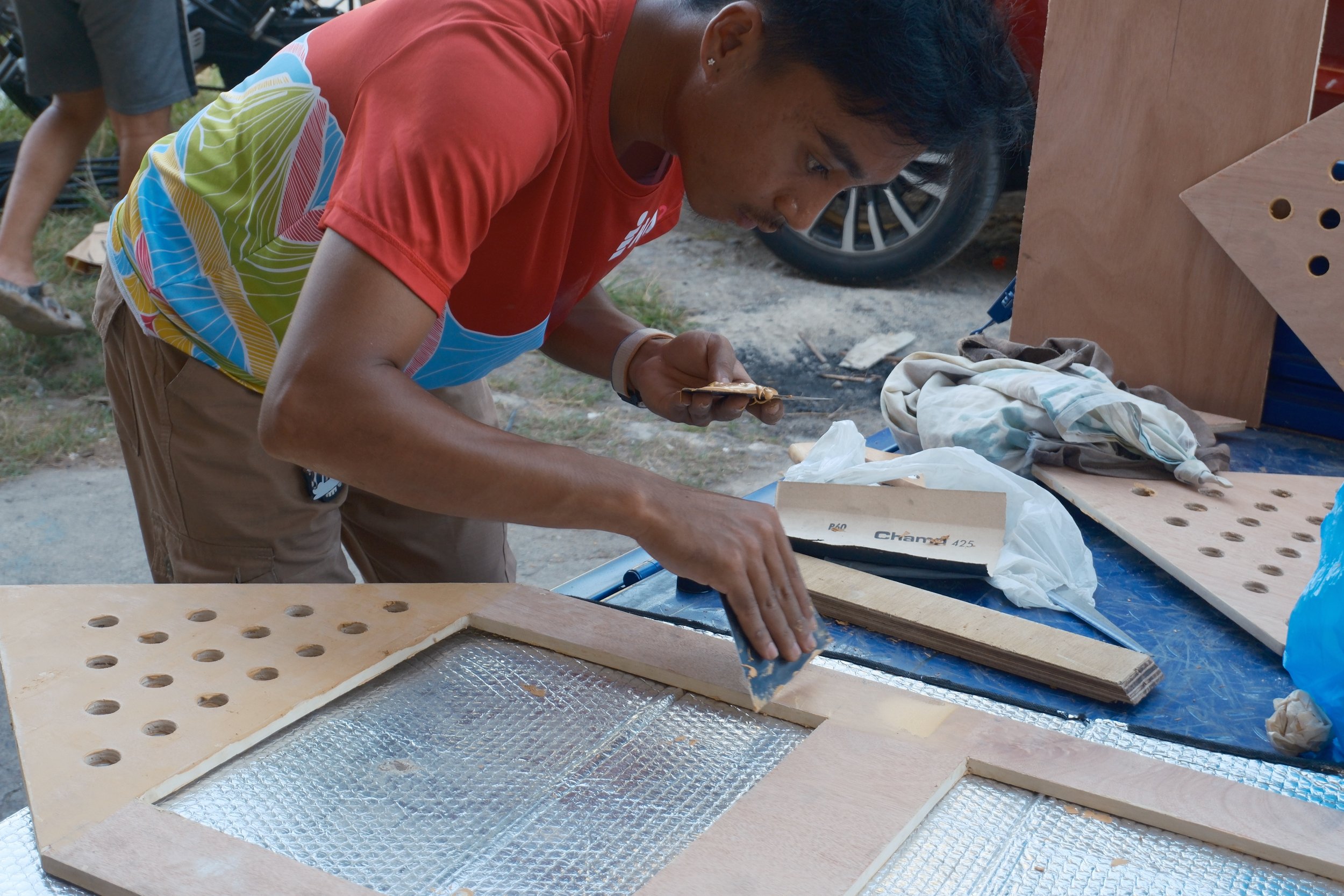
A student from Estudio Damgo sanding a furniture piece
“We start the process with the basics of community organizing. We make sure that we give our students a one-on-one encounter and properly immerse them in the community. We set aside our preconceptions and expectations to ensure genuine conversations happen and that we identify needs based on those interactions,” Gaston explains.
Approaching communities with humility and an open mind is an important aspect of higher education. Immersive, experience-based research allows students to engage with environments more deeply and broaden their perspectives.
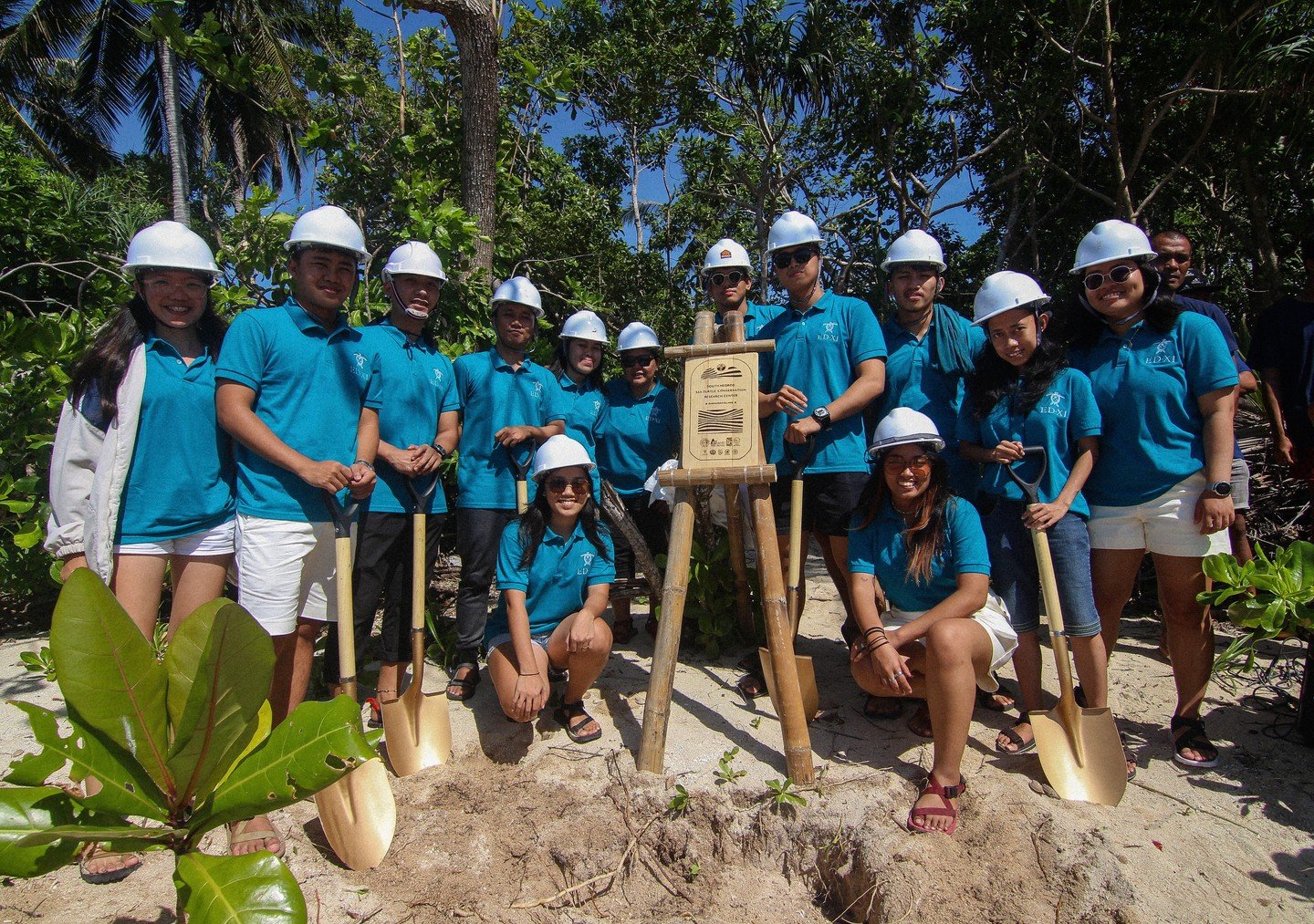
Students from The South Negros Sea Turtle Conservation Research Center Construction
“We want to teach our students to design with empathy, and we want them to be champions of people and the planet,” says Gaston.
Rather than prescribing what they think communities need, Estudio Damgo advocates for a bottom-up approach in which grassroots ideas come first. “You consult with the end users, with the community, about their experiences and what they want to see in the future. Then the architect becomes a vessel for sifting through that information and finding the best solution,” says Gaston.
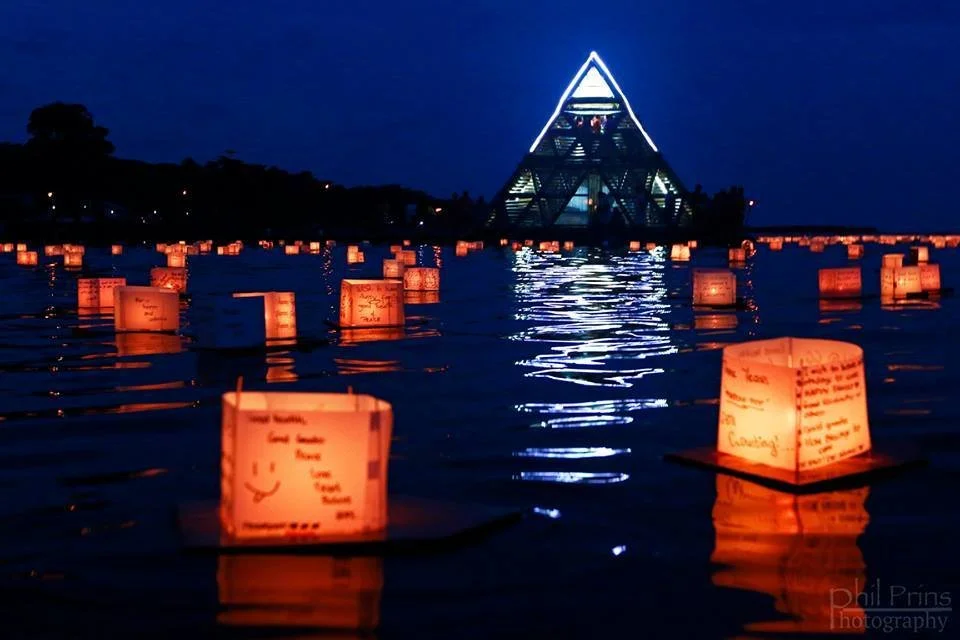
Floating Marine Sanctuary Guard Post
Estudio Damgo emphasizes the use of local materials and traditional building knowledge. Gaston describes their approach as “low-tech,” reconnecting with “indigenous and vernacular culture” to ensure sustainability. At the same time, the studio remains playful and experimental with building technologies, whether through mushroom bricks or earth-building techniques.
Among their most memorable projects is the South Negros Sea Turtle Conservation Research Center. The center was designed and built to support conservationists and NGOs in monitoring and protecting the breeding and nesting grounds of sea turtles around Danjugan Island, Negros Occidental. The two-story structure includes an educational exhibit hall for training and workshops, as well as quarters for visiting scientists and turtle watchers.
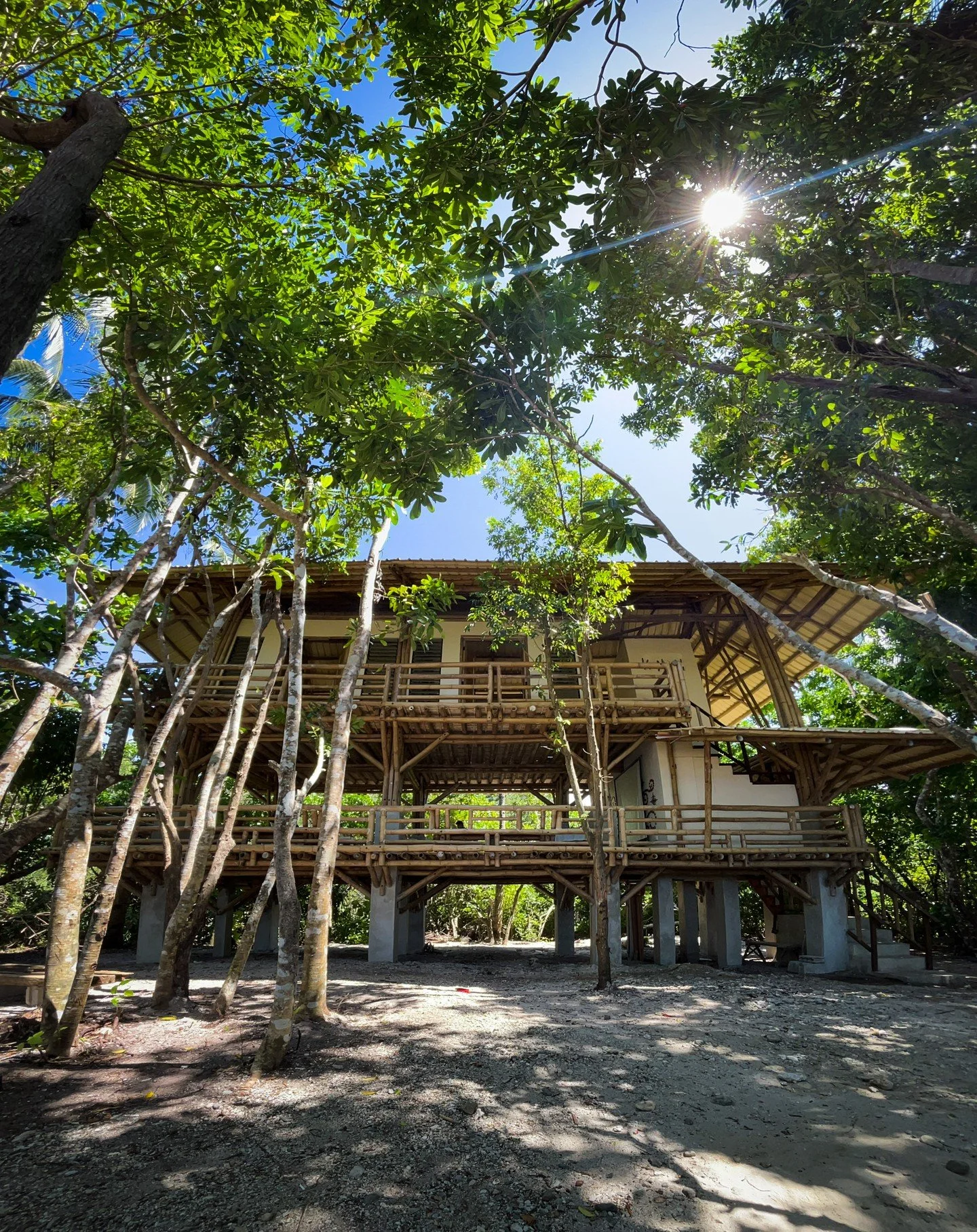
South Negros Sea Turtle Conservation Research Center
As part of their research, students swam and observed the surrounding wildlife and habitats firsthand. “We had to understand how the whole living ecosystem interacted so we could understand the impact of building something so close to the water. By working with stakeholders, scientists, fisherfolk, and coastal guards, we were able to come up with a good solution,” Gaston shares.
Another project was a three-story viewing tower at the Baslay Highland Brew Coffee farm in Baslay, Dauin. The bamboo tower enhances the coffee farm as a potential ecotourism destination. Baslay Highland Brew Coffee is a community-based forest management program focused on conservation and agroforestry, managed by the Baslay Farmers Association.
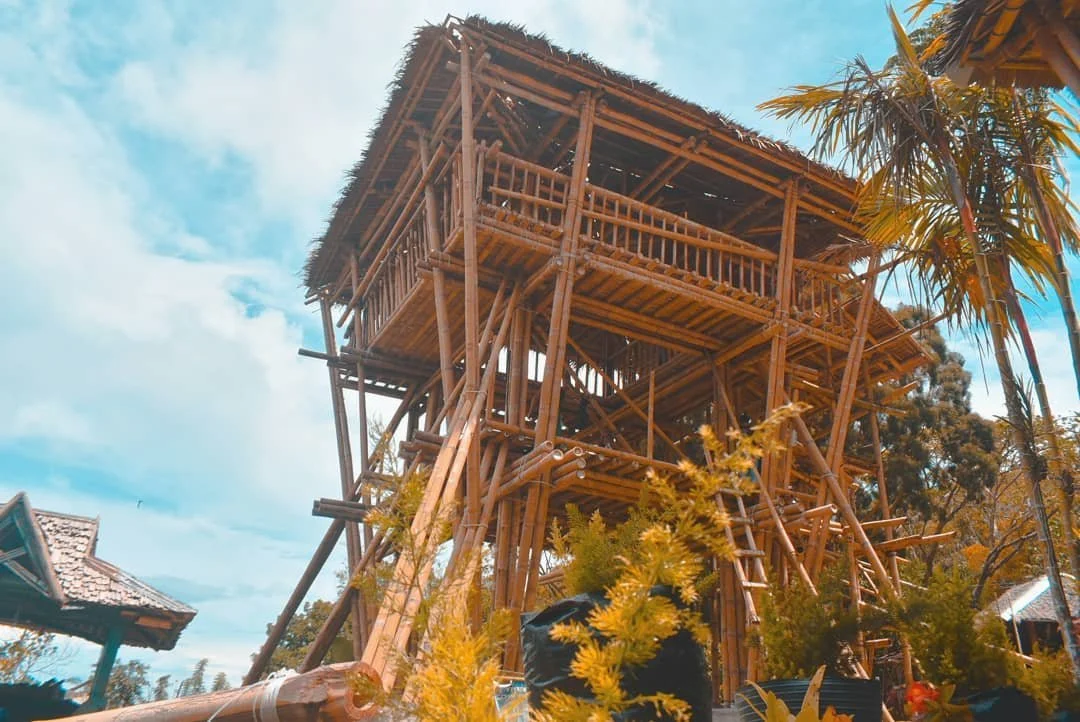
Baslay Highland Brew Coffee
Estudio Damgo’s previous projects also include a multi-purpose hall, floating marine sanctuary guard post, Dumaguete Tourist Information & Assistance Center, school playground, veterinary quarters, organic wellness center, cemetery chapel, and a community space for youth theater.
Their latest project, Books on Wheels, supports a community-driven mobile library program that brings books, learning materials, and educational activities to underserved communities, expanding access to knowledge and promoting literacy.
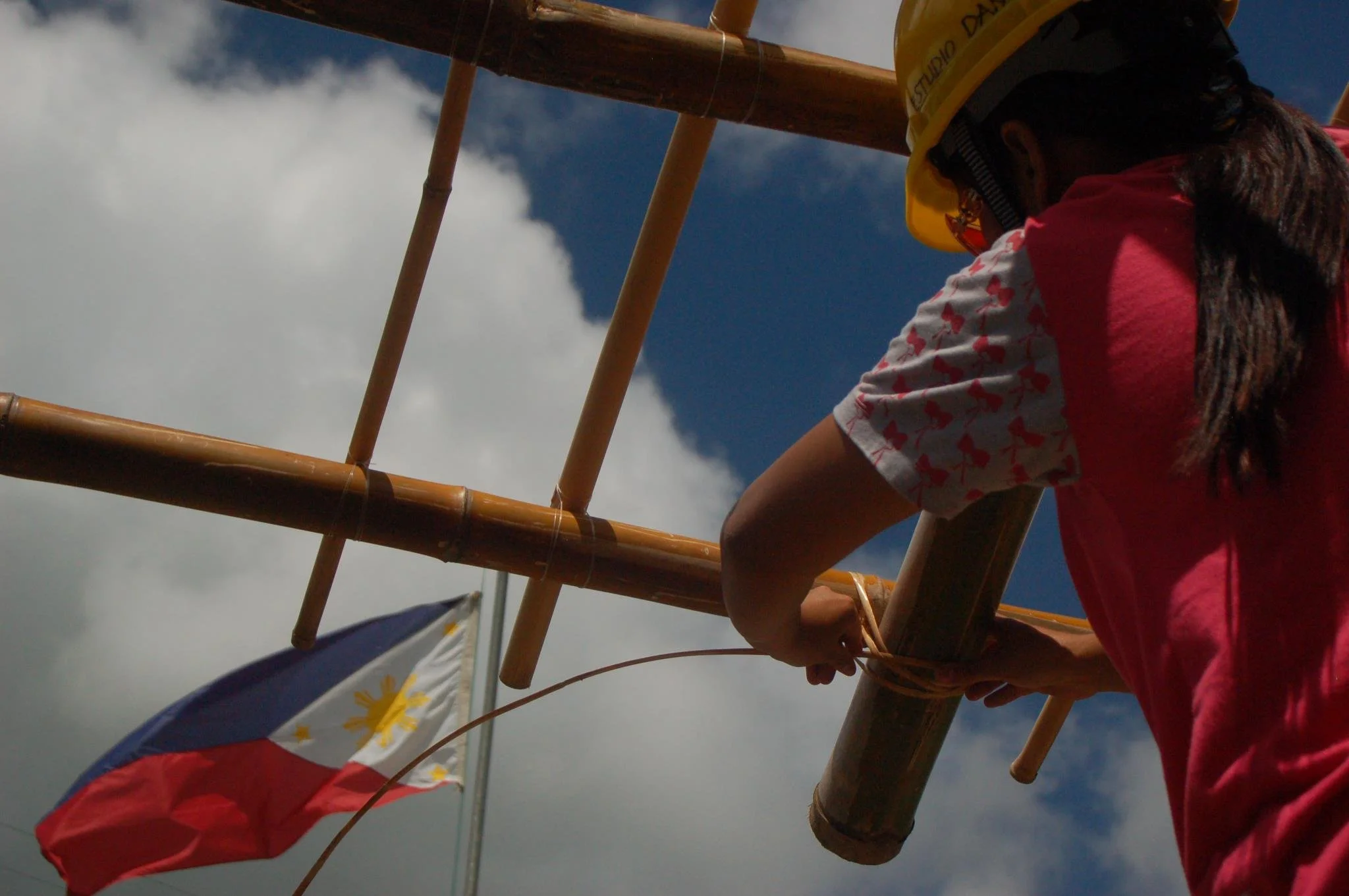
Gaston believes the Estudio Damgo model can be replicated in other schools and regions across the Philippines, potentially reshaping architecture education in the country and beyond.
“I think architecture is one of the core things that shapes behavior and values. Architecture can help shape microcultures and encourage better behaviors toward people and the planet through small gestures. It’s not about saving the world, but about doing these small gestures over and over, as we have done at Estudio Damgo.”