
OMOCHA and the Art of Play
From Edo-era talismans to Wi-Fi Tamagotchis, OMOCHA: Japanese Toys Today traces how Japanese toys evolved into cultural artifacts shaped by memory, technology, and collective imagination.
Words Randolf Maala-Resueño
Photos courtesy of the Metropolitan Museum of Manila
May 28, 2026
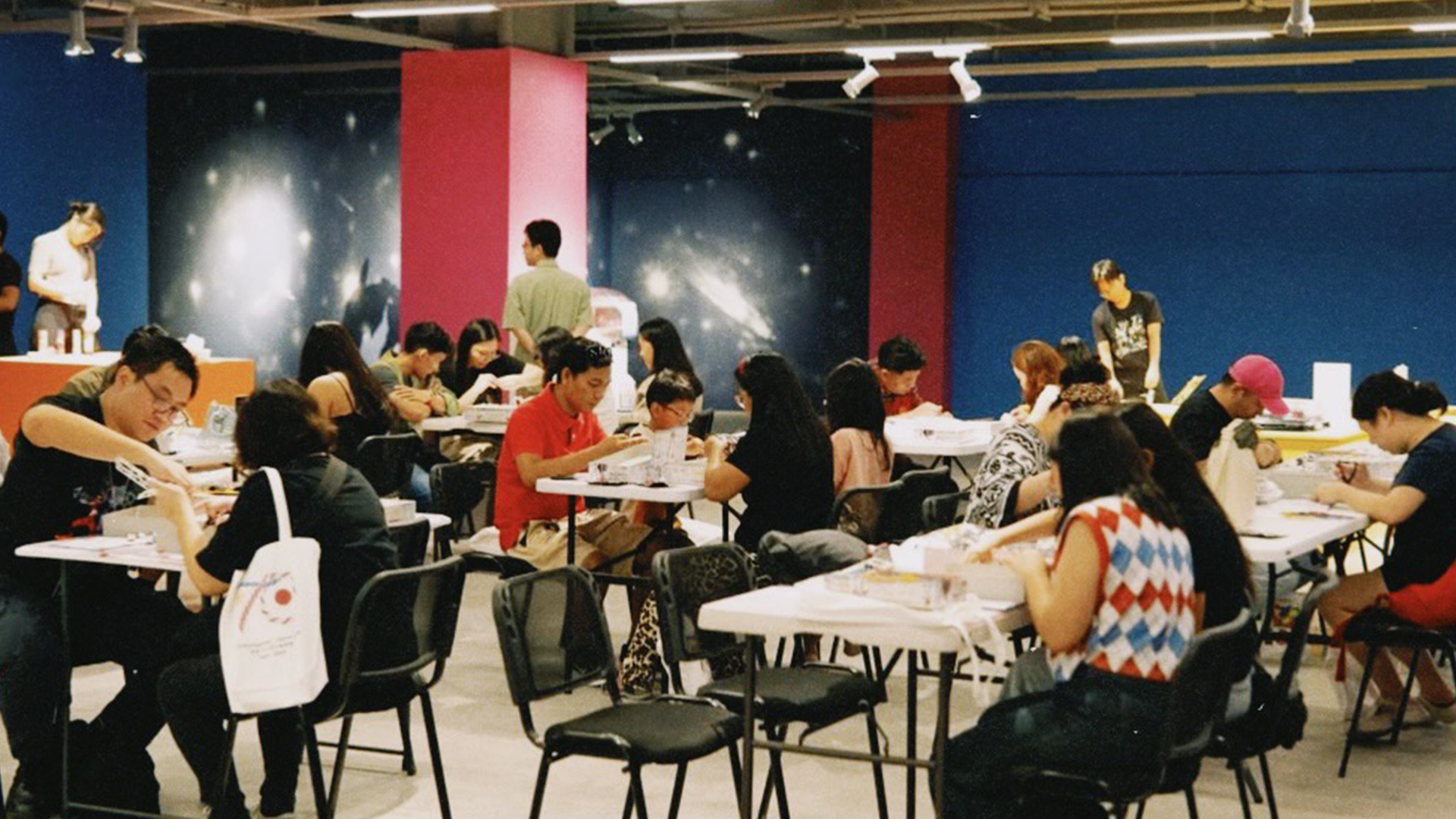
Inside the Metropolitan Museum of Manila, the atmosphere surrounding OMOCHA: Japanese Toys Today pulses of nostalgic air, like entering a collective memory bank. Somewhere between the polished gleam of a TOMICA miniature car and the familiar roundness of Hello Kitty’s face lies an entire cultural philosophy about play, sentimentality, and design.
Presented by the Japan Foundation Manila as part of the 70th anniversary of Philippines-Japan Friendship, the exhibition understands toys as living cultural artifacts, along with its childhood physicality. Here, play becomes anthropology.
The word omocha is the Japanese word for toys which immediately softens the room. It carries warmth. Affection. Intimacy. Across the exhibition’s glasswares, that softness unfolds through generations of Japanese toys that have shaped not only childhoods, but entire visual cultures.
The exhibition stretches from Edo-period traditions to hyper-technological contemporary playthings, tracing how Japan transformed toys into vessels of storytelling and emotional continuity.
What becomes striking is how Japanese toys rarely remain static. They evolve with society while retaining their emotional core.
A Licca-chan doll now video-calls from her miniature living room. Tamagotchi devices connect through Wi-Fi. Gundam model kits become intergenerational rituals shared between parents and children. Even the lunar exploration robot SORA-Q carries the DNA of toy engineering within its foldable mechanics.
There is something distinctly Japanese in this balance between precision and tenderness. The exhibition repeatedly returns to “kawaii,” not merely as aesthetic cuteness, but as emotional architecture. Characters like Hello Kitty, Doraemon, and Anpanman embody comfort as much as commercial appeal. They soothe as much as they entertain.
Yet OMOCHA is careful not to flatten Japanese toy culture into nostalgia alone. The exhibition’s deeper achievement lies in contextualizing toys within broader historical and spiritual frameworks.
Edo-period toys once functioned as protective talismans, ceremonial gifts, and symbols of healthy growth. Decorative hagoita paddles warded off evil spirits. Temari balls symbolized harmony and familial connection. Koinobori streamers carried prayers for children’s futures into the wind.
Seen together, these objects reveal that Japanese toy culture has always carried emotional labor. Toys preserve rituals. They encode values. They absorb societal anxieties and aspirations.
The exhibition’s interactive spaces further dissolve the boundary between observer and participant. Visitors are encouraged not only to look, but to play. That invitation feels crucial.
In an age of increasingly virtual interaction, OMOCHA insists on tactility: the click of plastic parts, the rhythm of spinning tops, the careful assembly of a Gundam limb.
And perhaps that is the exhibition’s quiet revelation. Toys endure because they offer miniature worlds we can still touch.
For adults wandering the galleries, the experience becomes unexpectedly reflective. The toys may be Japanese, but the feelings they evoke are universal—wonder, curiosity, attachment, and comfort.
The exhibition understands that adulthood never truly erases play; it simply disguises it beneath productivity and routine.
By the time one exits the gallery, OMOCHA no longer feels like an exhibition about toys alone. It becomes a haven about the human need to imagine, collect, cherish, and remember.
Release the child within and explore OMOCHA: Japanese Toys Today on view at The M in BGC, free of admission from May 6 to 31, 2026. For their free events, register here.