Stripping Down the Stage: Why VLF Still Matters at 21
Virgin Labfest XXI embraces vulnerability through 12 new one-act plays, stripping Filipino storytelling down to its most intimate, urgent, and unfiltered truths.
Words Randolf Maala-Resueño
Photos courtesy of CCP and Virgin Labfest
May 12, 2026
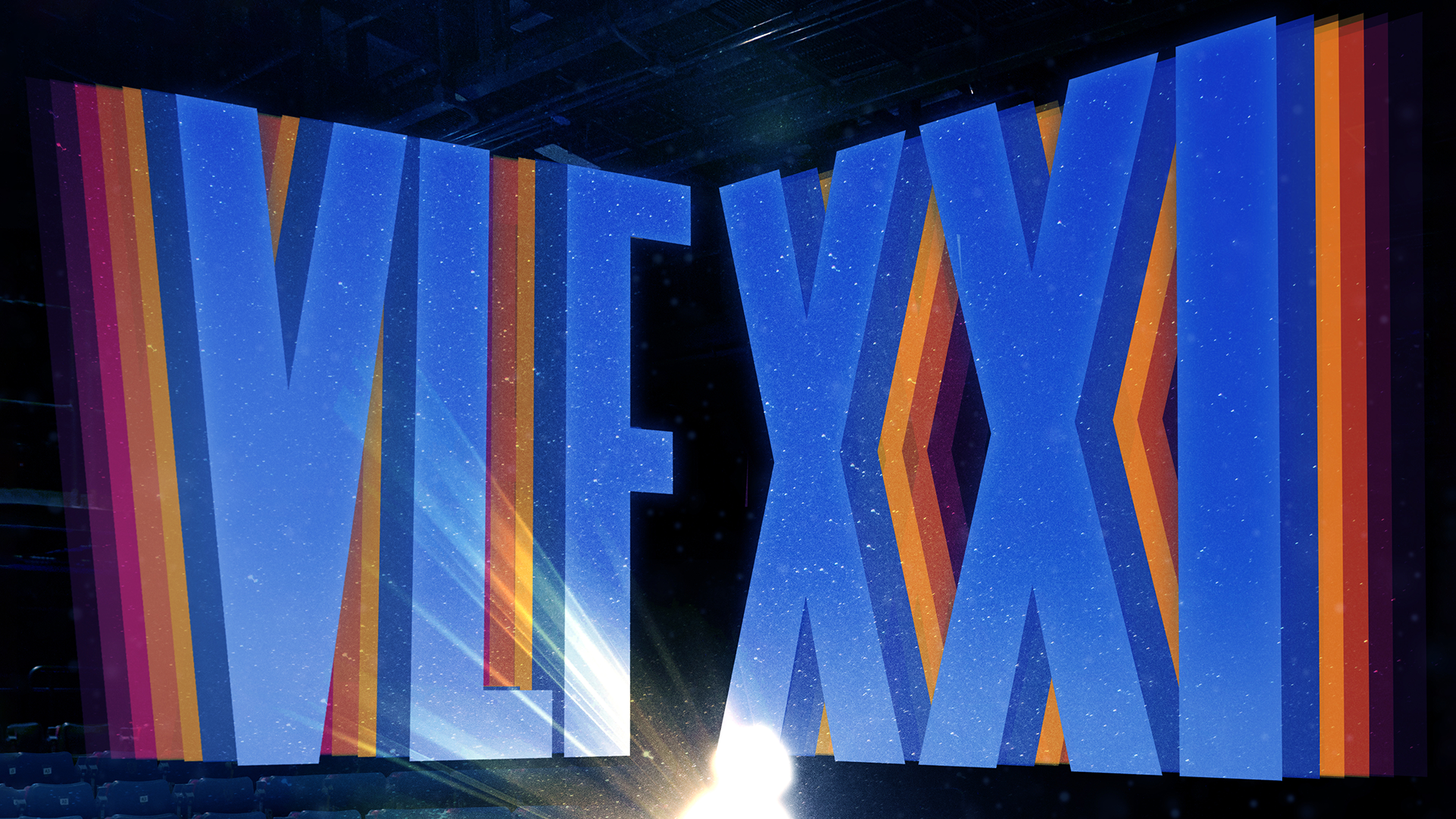
Now in its 21st year, the Virgin Labfest returns with a fulfilled revelation.
Staged at the Tanghalang Ignacio Gimenez, this year’s edition—Hubo’t Hubad—leans fully into its premise: that to come of age is to shed illusion.
For over two decades, the festival has built its identity around the “virgin” script—untried, untested, unstaged. But here, the idea of “virginity” feels the novelty of the exposure. What does it mean to present something for the first time, in a culture that often demands polish before honesty?
VLFXXI suggests that rawness itself is the point.
Unmasking the Filipino condition
Across its 12 featured one-act plays, the festival offers no singular narrative, only fragments of a shared condition.
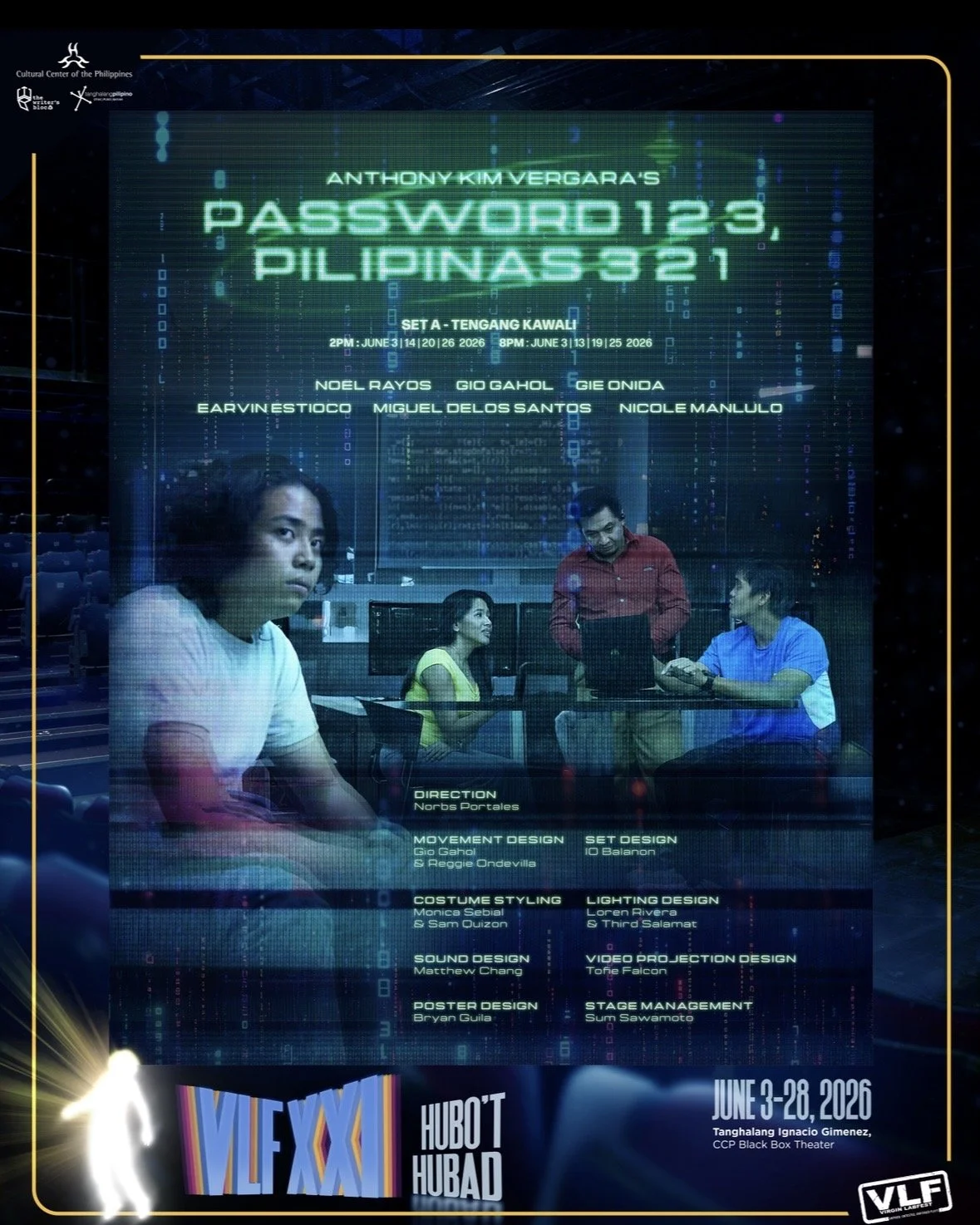
A cybersecurity worker questions ethics in “PASSWORD123, PILIPINAS321”. A journalist’s credibility unravels in “HUMAN RIGHTS STORY OF THE YEAR”. A ‘tokhang’ operation collides with domestic unease in “PATAYIN ANG MGA SUROT”.


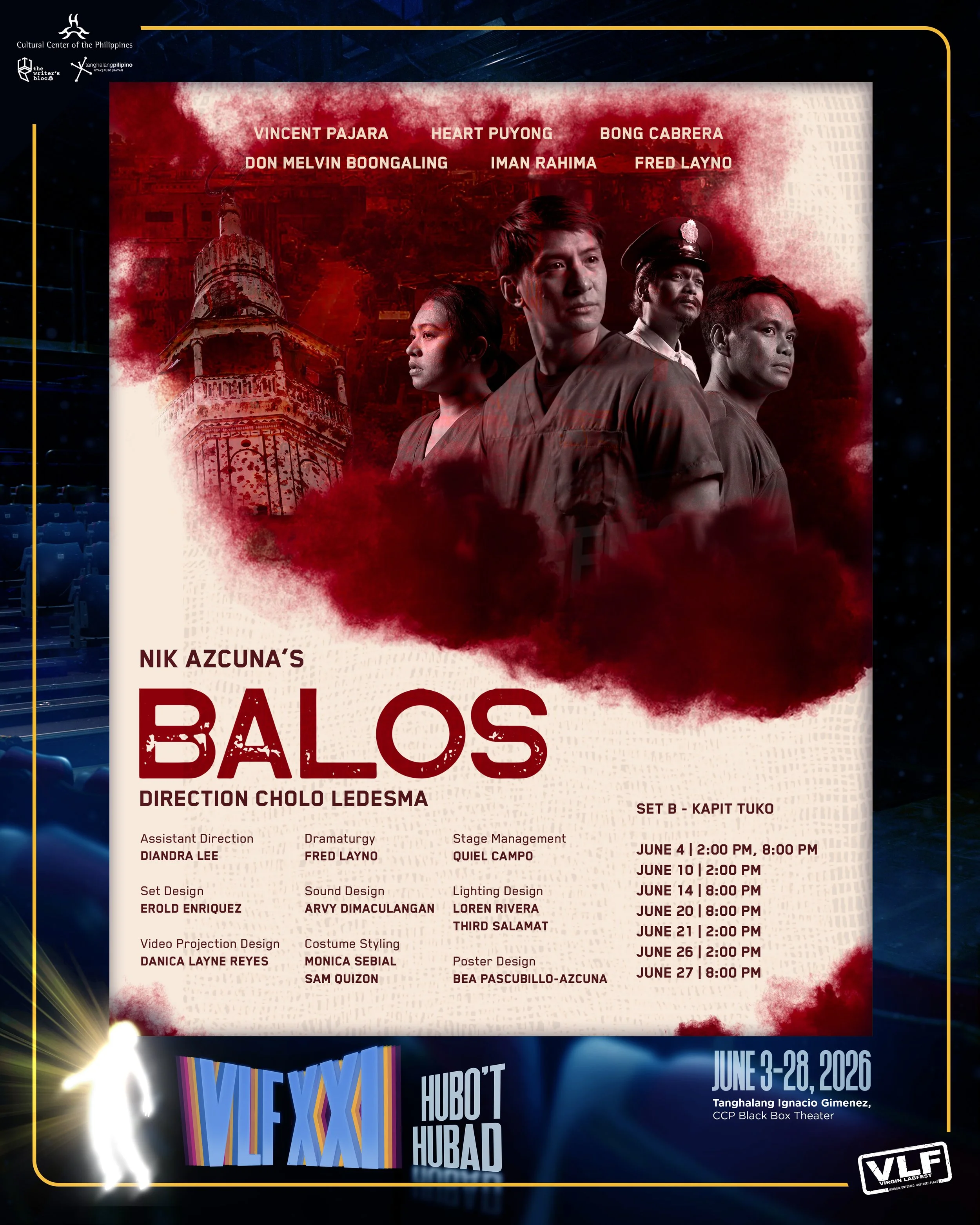
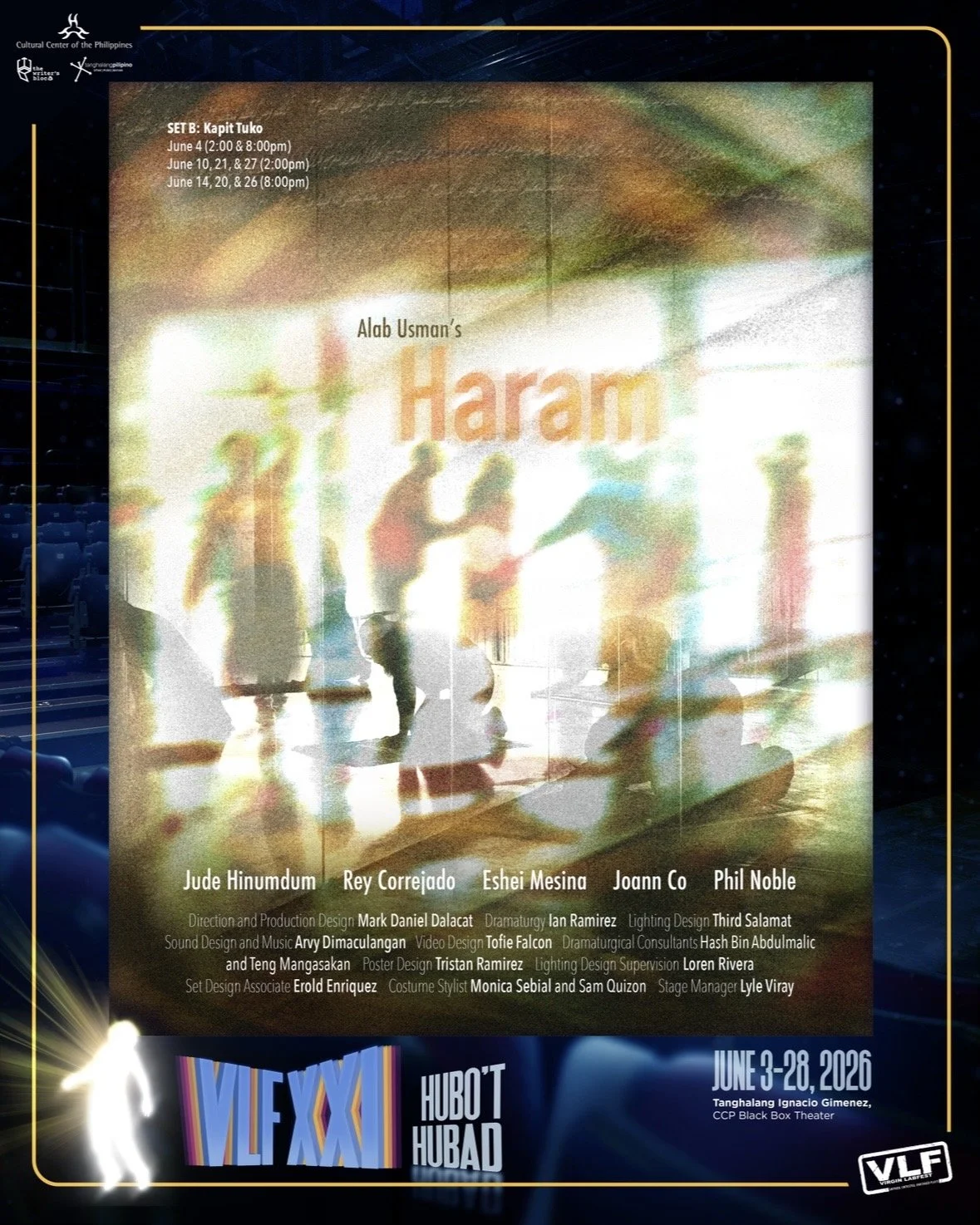
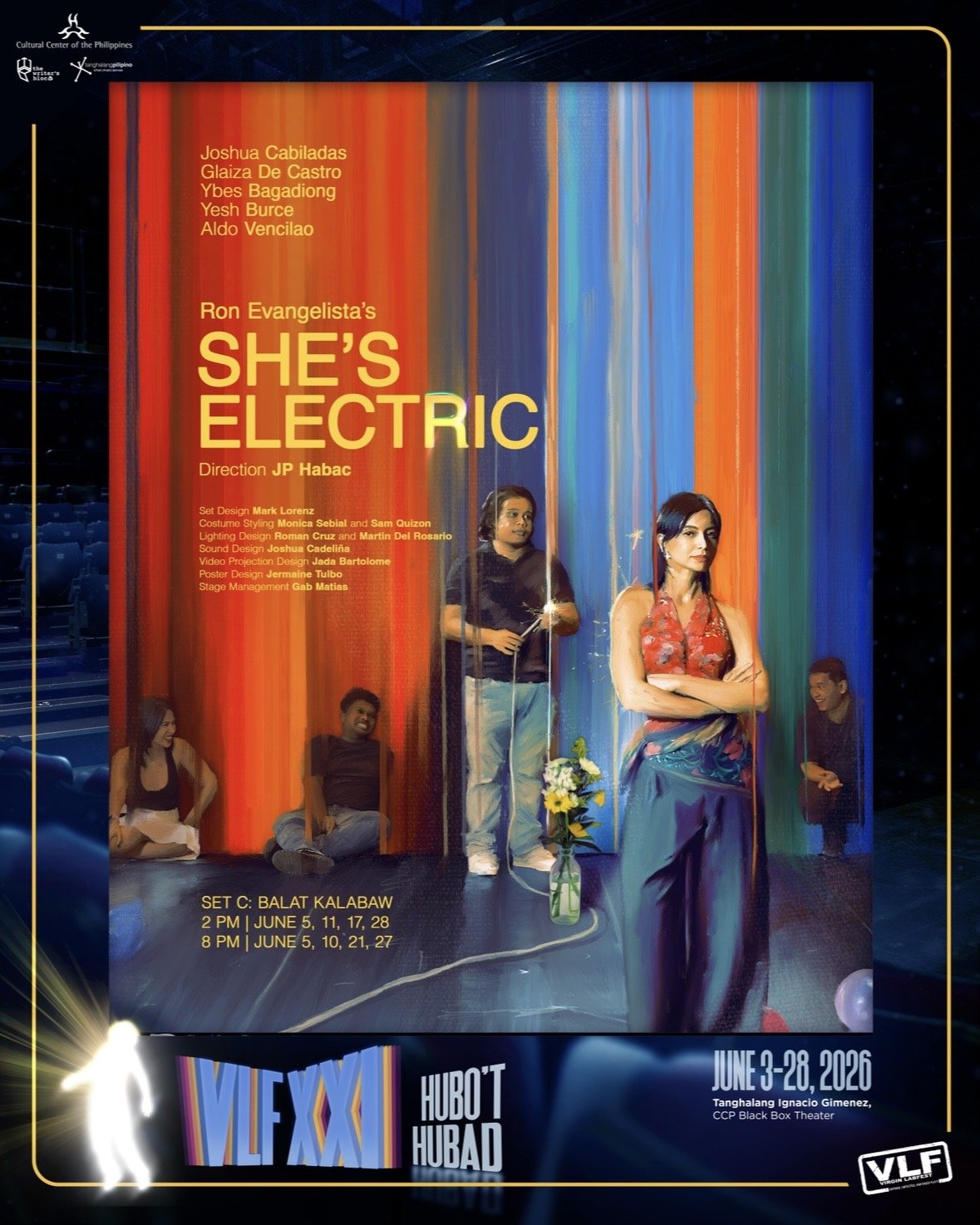
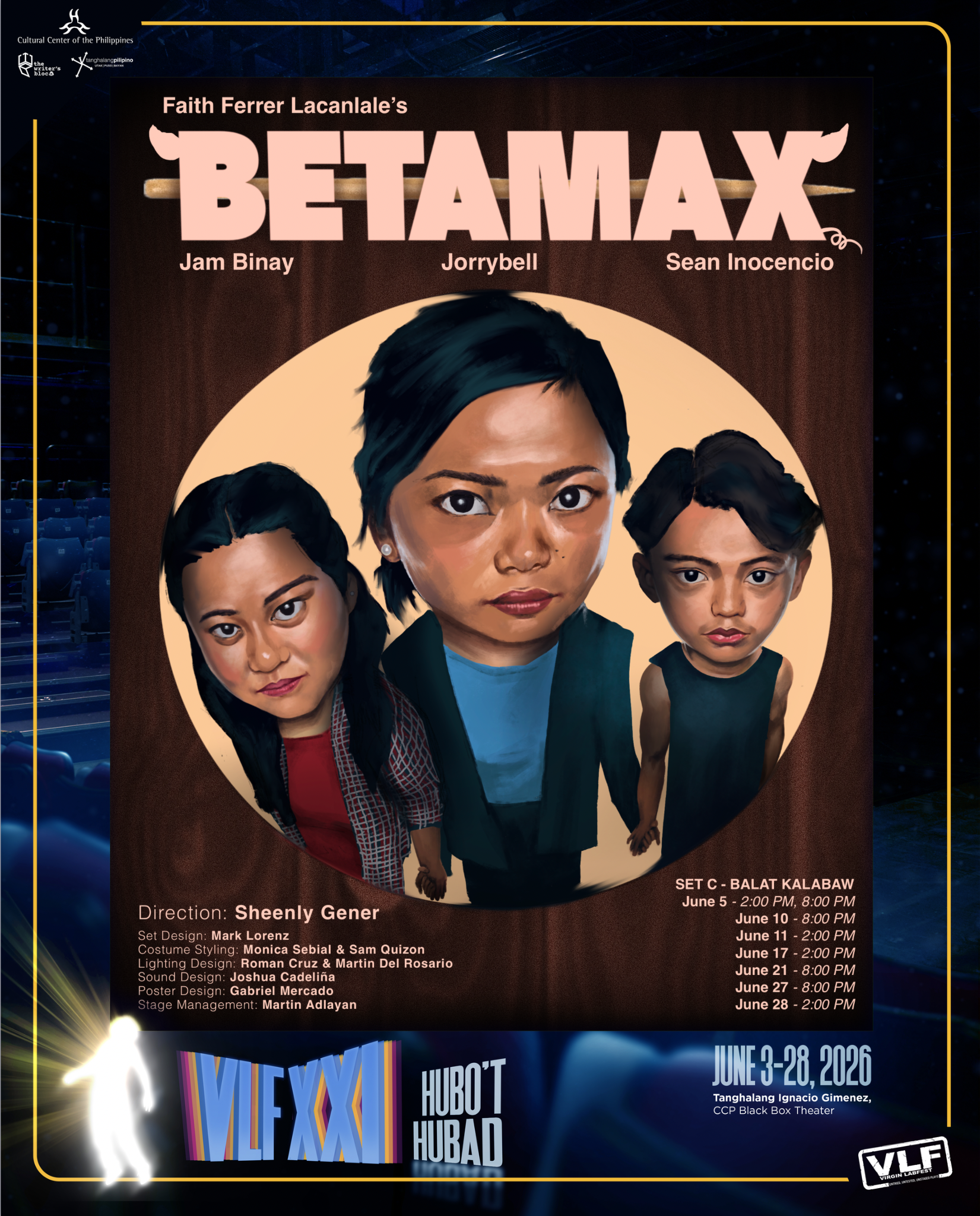
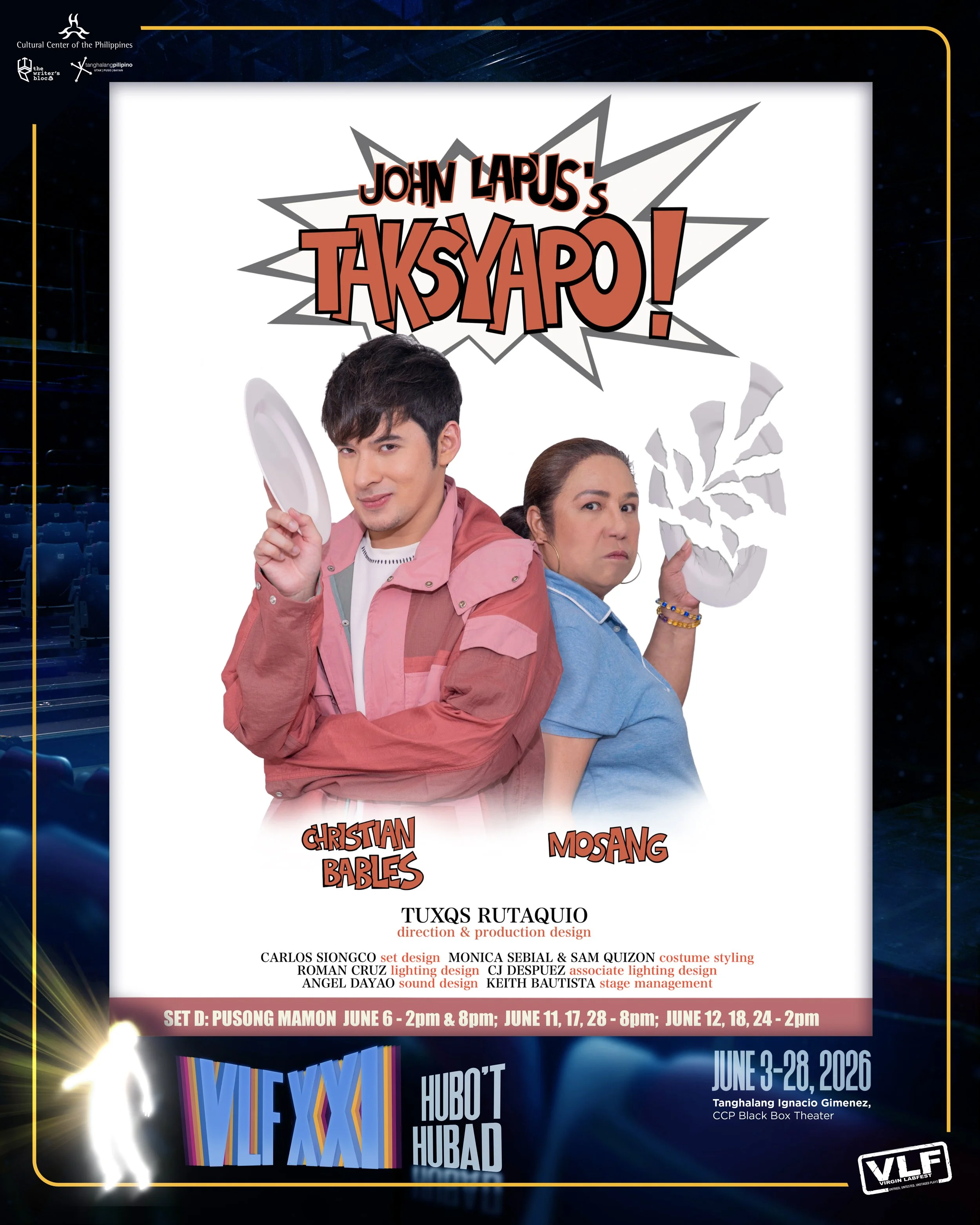
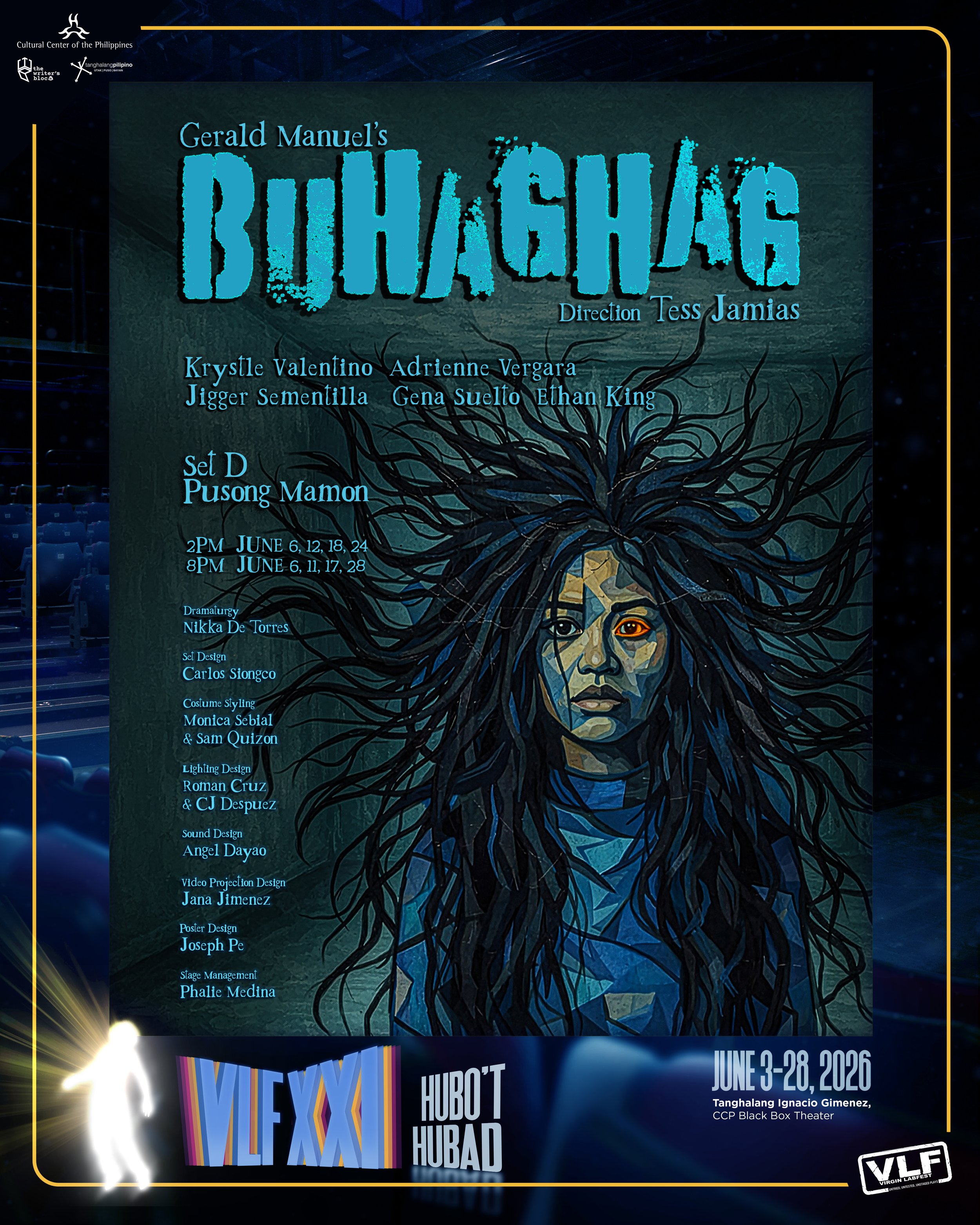


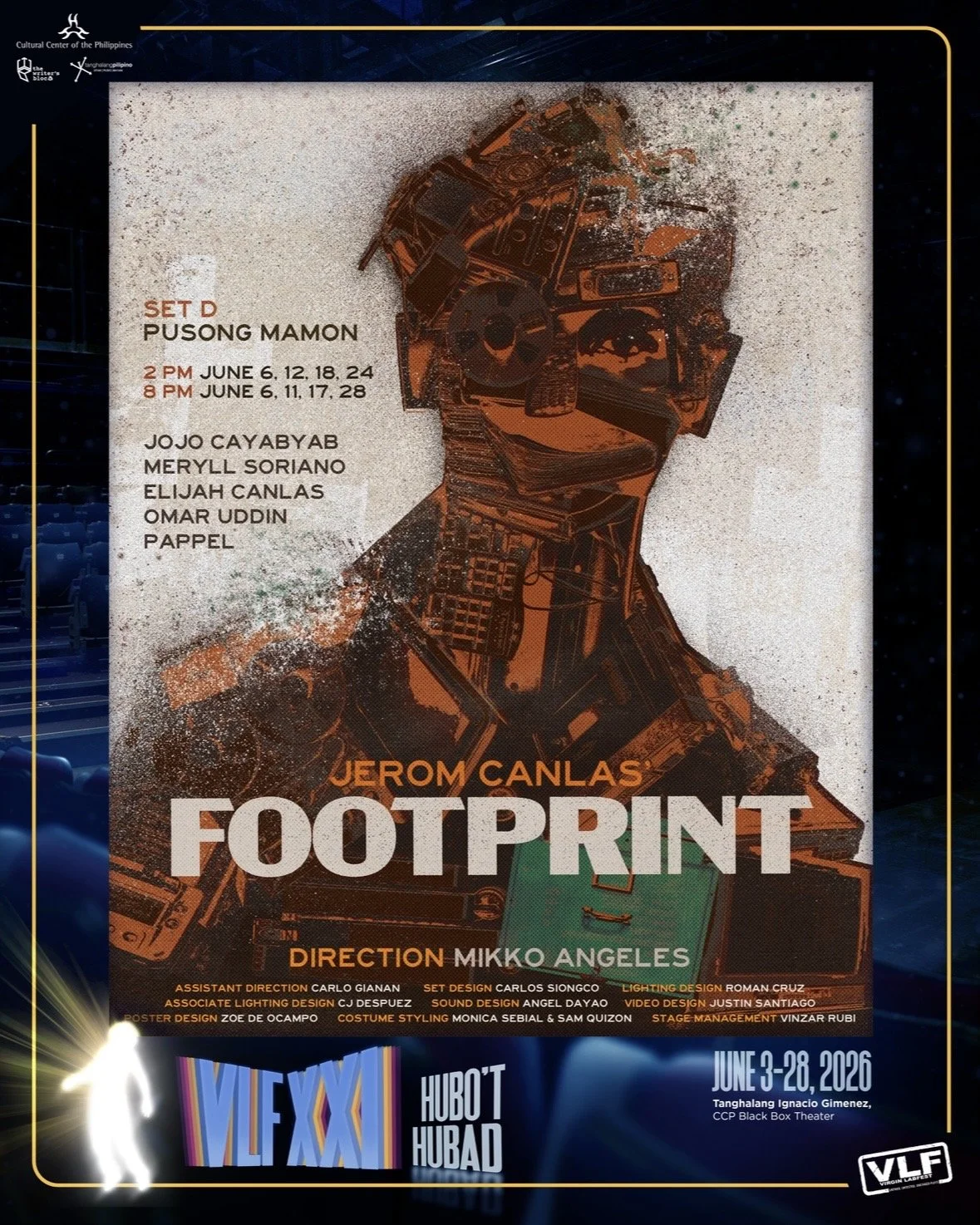
The range is striking, but what binds these works is their insistence on confrontation. These are stories that refuse distance. Whether set in Marawi (BALOS), within queer Muslim identities (HARAM), or inside fractured family memory (FOOTPRINT), each piece gestures toward something unresolved.
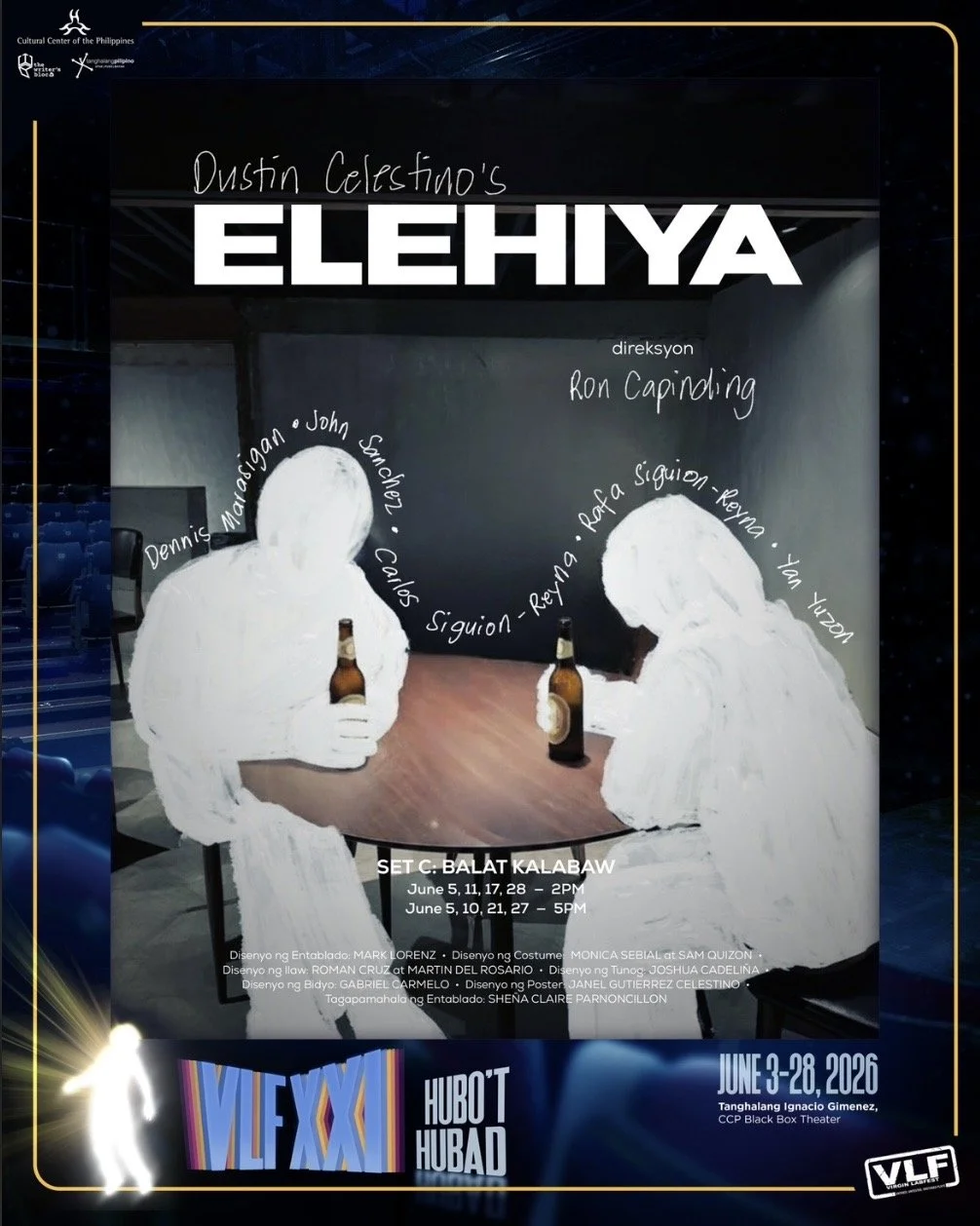
Even the more impressionistic works—like “ELEHIYA” or “BUHAGHAG”—lean into absence and fragmentation, suggesting that what is unsaid can be just as revealing as what is spoken. The result is a mosaic of contemporary Filipino anxieties: political, personal, spiritual.
Memory, exposure, and the in-between
The festival’s subtitle—Hubo’t Hubad—cracks against mere aesthetics.
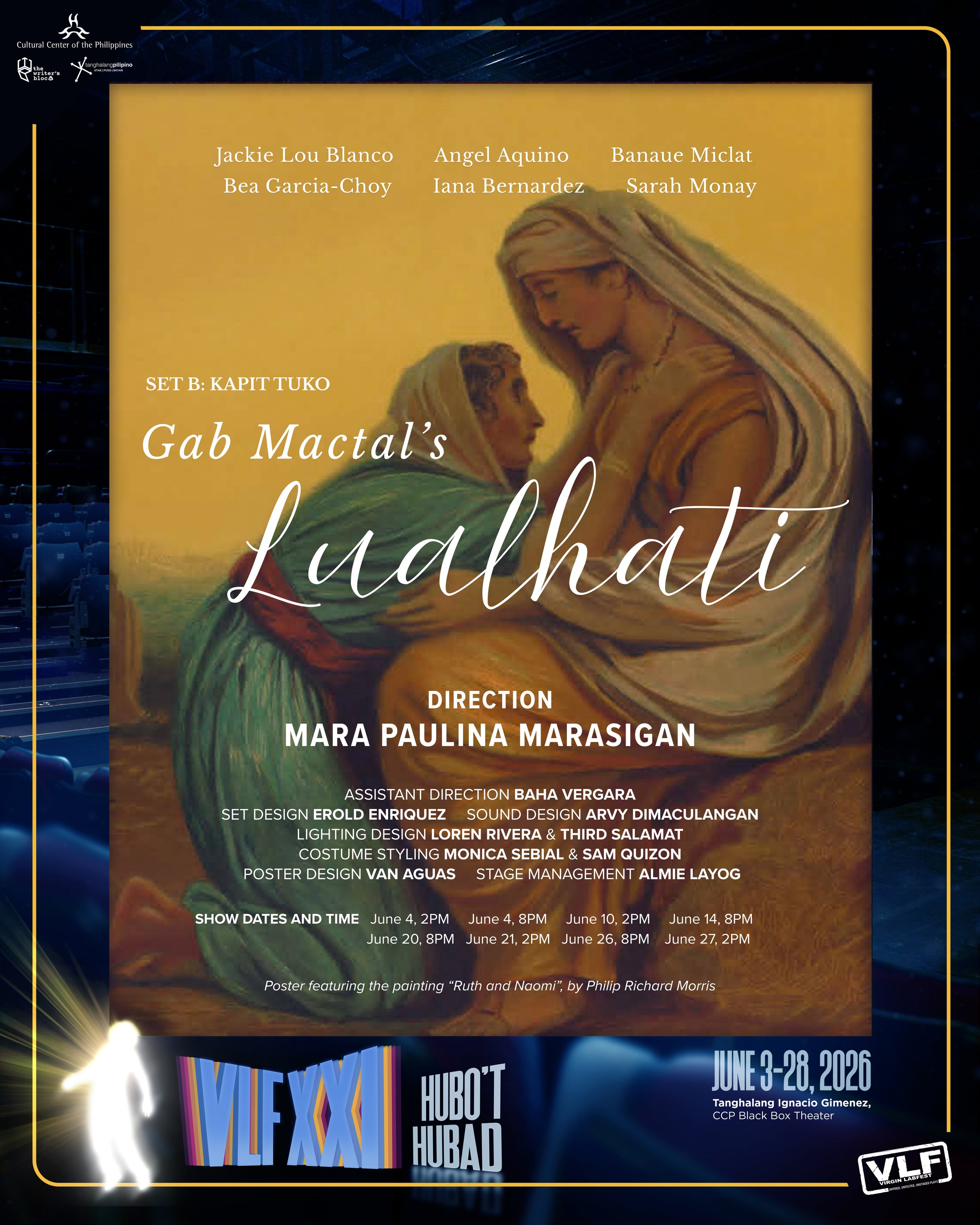
It is structural, where many of the works operate through memory: revisiting, reconstructing, and sometimes distorting it. In “LUALHATI”, faith and romance resurface in a wake; in “TAKSYAPO!”, strangers exchange stories that echo past disappointments.

This fixation on memory underscores a larger impulse: to make sense of what lingers. But now, VLFXXI offers contradiction—where clarity is not promised, grief coexists with humor, intimacy with distance, and revelation with ambiguity.
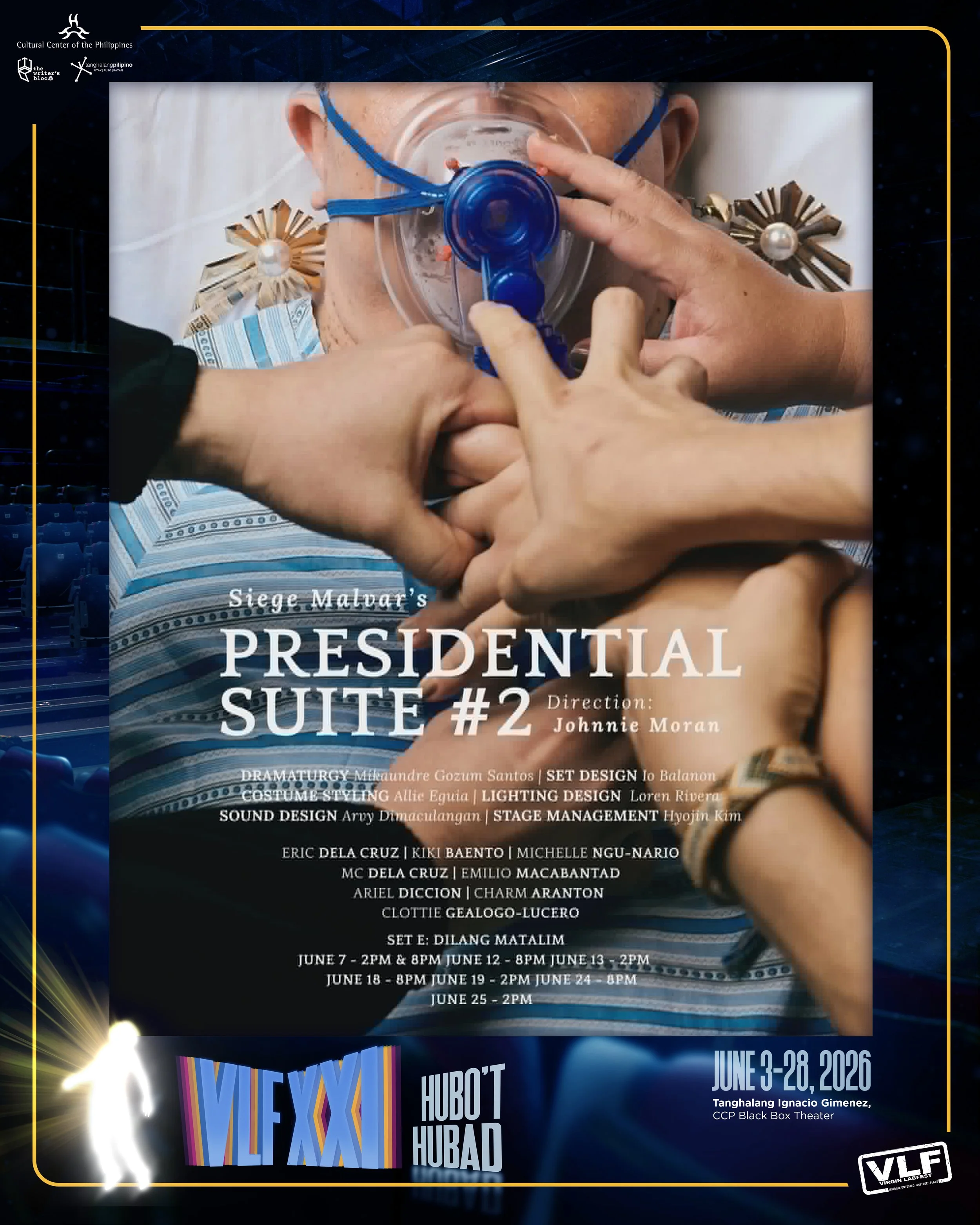
The inclusion of returning works from last year—”POLAR COORDINATES”, “THE LATE MR. REAL”, and “PRESIDENTIAL SUITE #2”—further complicates this idea. No longer “virgin,” yet they are revisited, reframed, re-exposed. In doing so, the festival acknowledges that stories, just like identities, are never fully finished.
What it means to be bare
As VLFXXI unfolds this June 2026, it posits as a platform for new writing alongside a space for risk. The absence of elaborate staging in some components, the emphasis on process through staged readings and talks, suggests a festival more interested in inquiry than perfection.


For audiences, this means entering a space where certainty is rare. Some works may resonate deeply; others may feel deliberately unresolved. But that unevenness is part of the experience.
To be “hubo’t hubad” is not to arrive fully formed—it is to be in the act of becoming.
In a cultural moment that often rewards spectacle and immediacy, Virgin Labfest XXI offers something quieter, but no less urgent: the chance to witness stories in their most vulnerable state. Not yet refined, not yet complete, but unmistakably alive.
To see the full schedule, follow the CCP Instagram page.