
Small Town Boy to the World’s Skyline
Filipino architect Anthony Tario Austria transforms his life story into soulful, nature-inspired designs that honor his roots and resonate with the world.
Words Gerie Marie Consolacion
Photo courtesy of Ar. Anthony Tario Austria
October 07, 2025
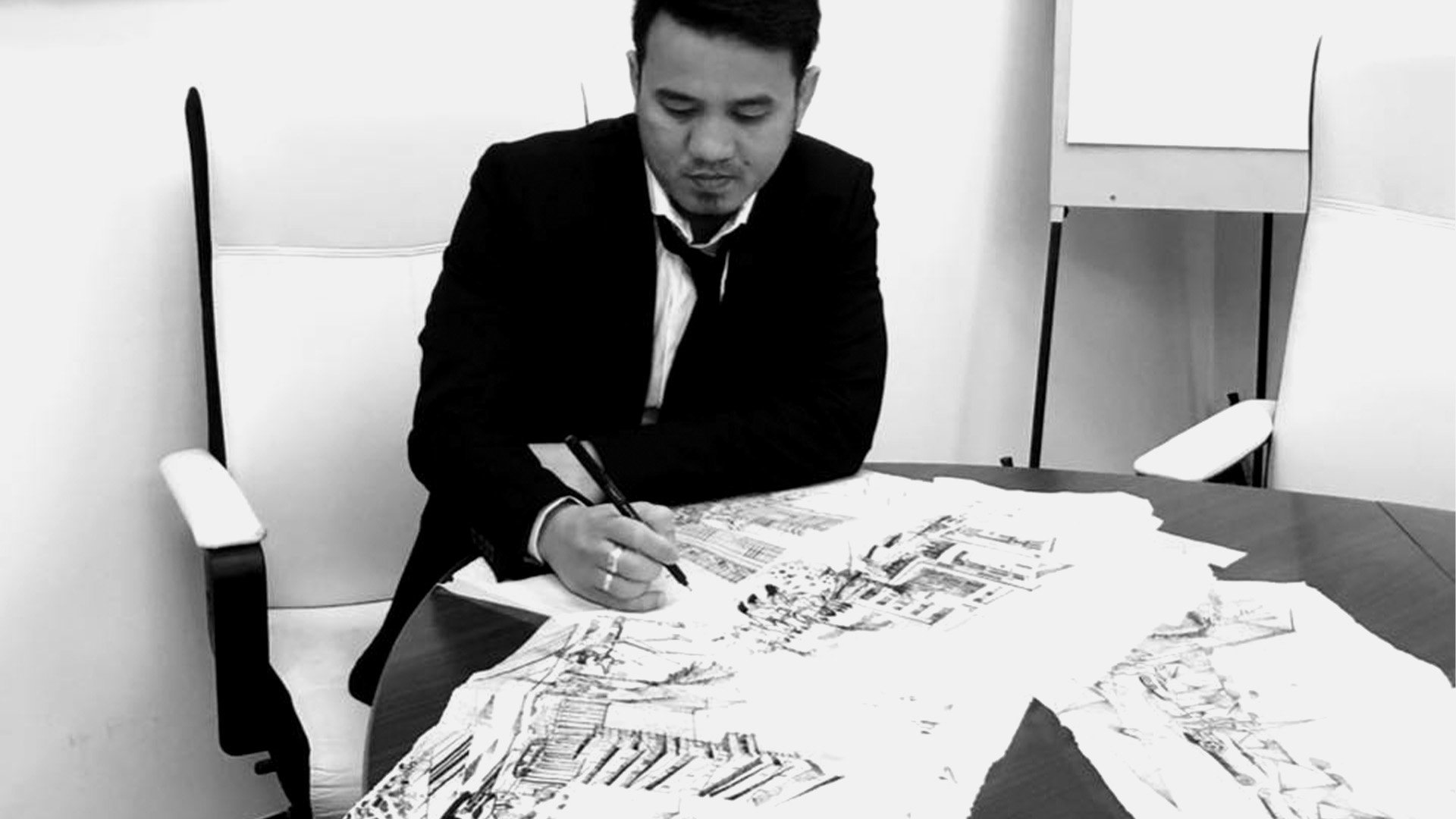
In the world of architecture, buildings can be mere structures, or they can be conversations. For Abu Dhabi-based Filipino architect Anthony Tario Austria, they are nothing less than living poems—imbued with soul, speaking a language of memory, and forever in dialogue with nature.
His work, now shaping international skylines, is born not from theory learned in a sterile classroom, but from the raw, unfiltered emotions of a life lived at the extremes.
Ar. Austria’s childhood was far from easy. Growing up in a broken family and facing extreme poverty, his early life was marked by uncertainty. In his own words, life was “mahirap at masakit. Salat sa kahirapan sa buhay na hindi alam kung may uulamin kami bukas or wala.”
Despite these challenges, he found his calling at a very young age. His talent was in drawing, and he knew it was his path forward.

Photo of young Anthony Austria, Photo credits to Anthony Tario Austria
He recalls during the exclusive interview with Art+, “I remember noong bata pa ako gusto ko paglaki ko yung kurso na may drawing kasi dun ako magaling eh.”
This skill became more than just a passion; it was a means of survival. He actively participated in poster-making contests in school to earn money for his daily allowance, turning his art into a livelihood from the very beginning.
The ‘Raw’ Aesthetic
Long before he dreamt of glass facades and modern forms, a young Anthony was simply a boy who was good at drawing. Growing up in a small town in the Philippines, his early life was a canvas of hardship, marked by a broken family and profound poverty. Art was not a hobby; it was a lifeline.
“Natatandaan ko rin na sumasali ako ng poster making sa school para manalo ng pera pang baon sa school,” he recalls. This early fusion of creativity and necessity forged a unique artistic sensibility—one that sees art as fundamental, not decorative.
His innate love for art made his transition to architecture feel completely natural. “I immediately felt that this was for me,” he says, recalling how he dove into studying the lives of famous Filipino architects like Leandro Locsin, the visionary behind the Cultural Center of the Philippines (CCP). His passion was so evident that his college classmates would jokingly announce his arrival by saying, “Uy! Nandito na si Austria ang patay na patay sa Architectural Design.”
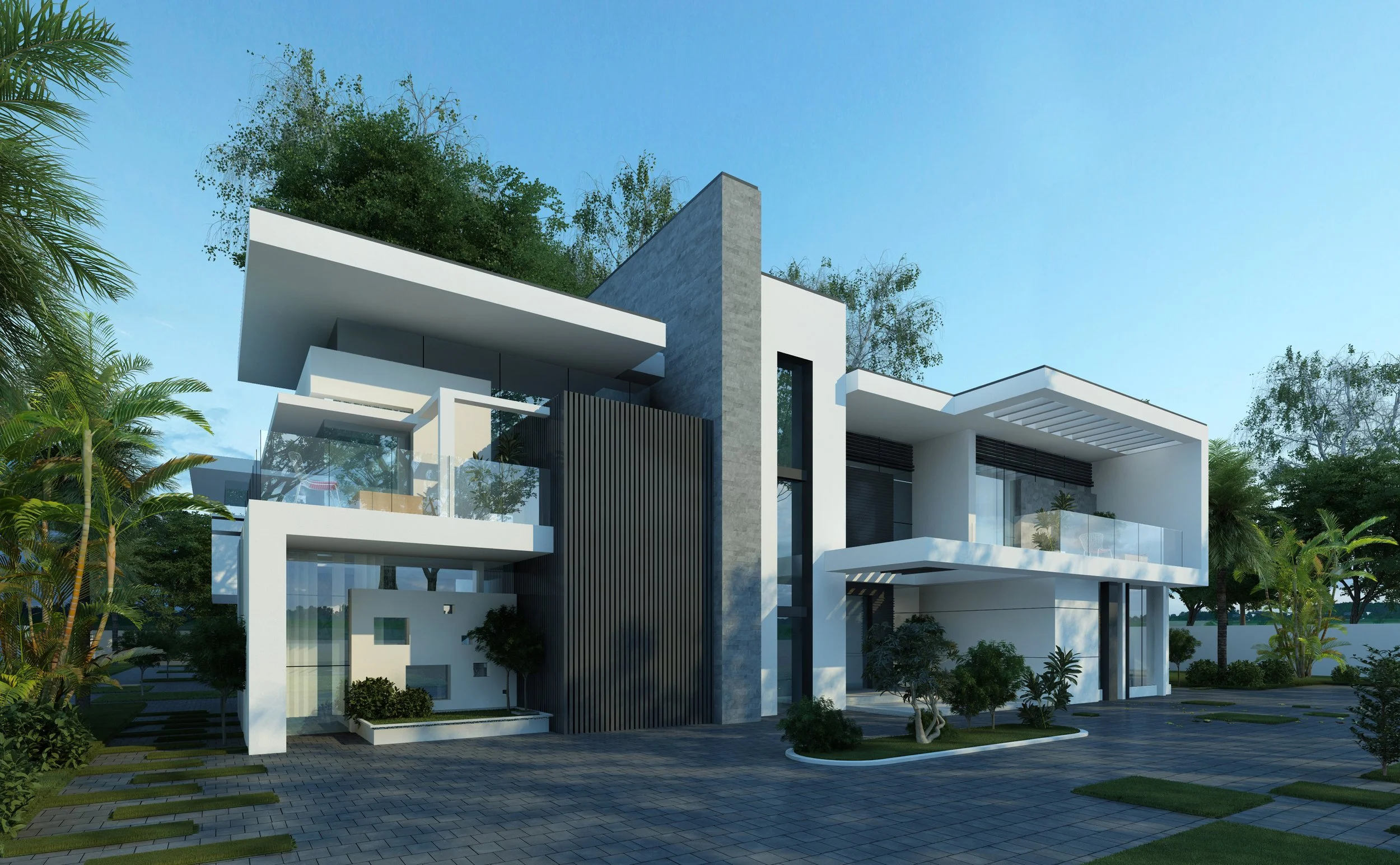
Al Jafri at United Arab Emirates Abu Dhabi
Coming from a small town with limited resources could have been a hindrance, but Ar. Austria believes it was his greatest advantage.
This upbringing, which could have been a limitation, became the very bedrock of his creative philosophy. Ar. Austria believes that adversity is a powerful crucible for artistic creation.
He explains, “Sa tingin ko mas creative ang mga galing sa hirap kasi natural yung pagiging dramatic or emotional sa lahat ng bagay. Mas raw ang mga idea namin kasi nagmumula mismo sa totoong pangyayari or hugot sa buhay namin mismo.”
For him, the most profound art comes from a place of authenticity, where lived experience, not abstract theory, is the primary inspiration.
The Spirit of the Bahay Kubo, Reimagined
This commitment to authenticity finds its purest expression in his deep reverence for Filipino architectural heritage. His first professional project, Casa de Aria, was a direct manifestation of a collegiate dream: to interpret the iconic Bahay Kubo (nipa hut) for the modern world.
His exploration went beyond aesthetics; he sought to capture its spirit. “Naniniwala ako sa modernong panahon ngayon pwede pa rin gamitin ang konsepto ng bahay kubo hindi man ito gawa sa kawayan pero spirit kung paano ito ginawa,” he notes.
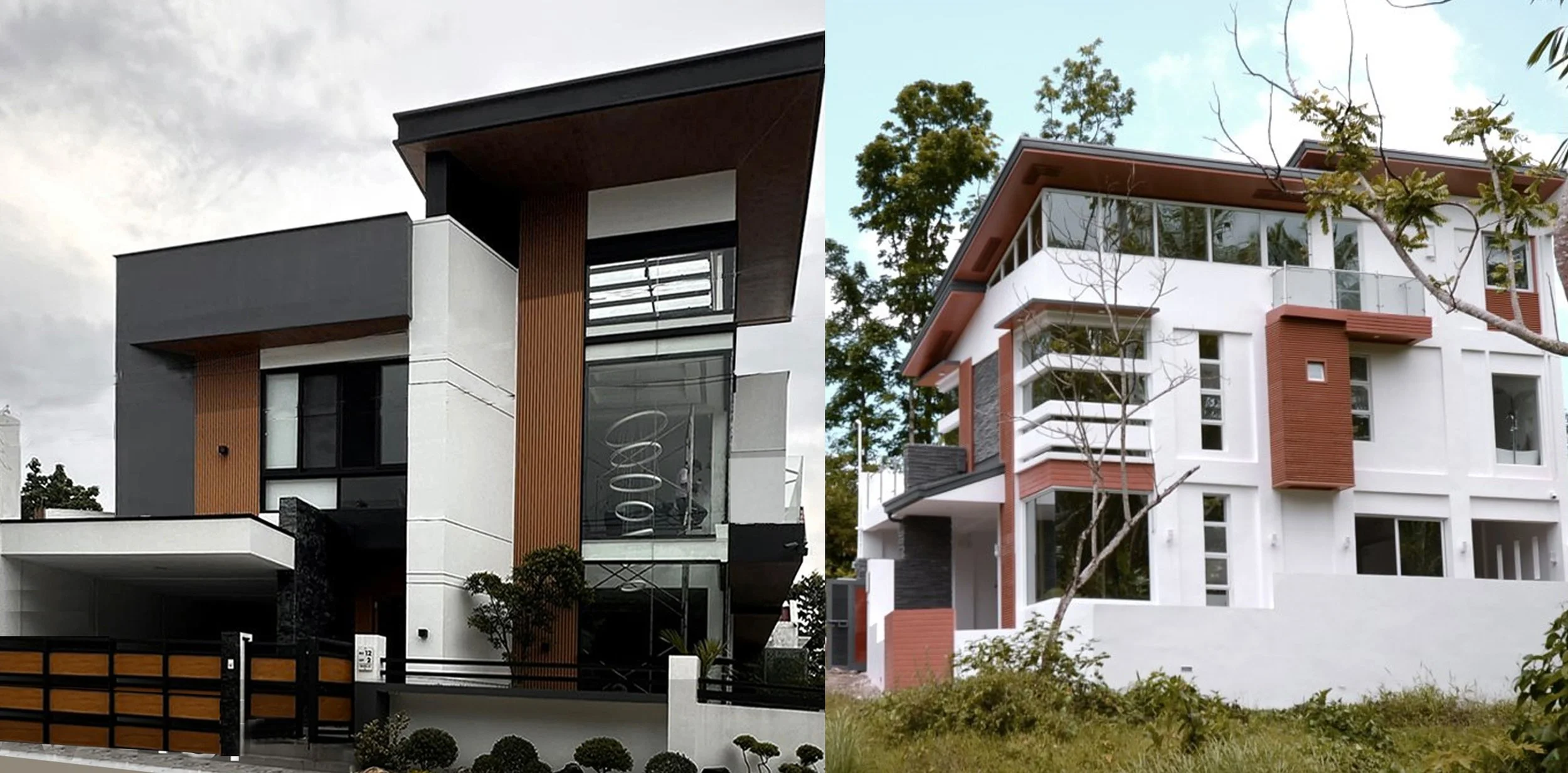
Image of Casa de Aria designed by Ar. Anthony Tario Austria
For Ar. Austria, this “spirit” is the feeling of living in harmony with the environment. His design philosophy is a quiet manifesto against architecture that shouts for attention. Instead, he strives to “make it simple and hard to forget.”
His goal is to create structures that possess a soul, that carry a message, and that resonate deeply with those who inhabit them. He envisions designs that whisper, ‘Hello Nature,’ creating spaces that are sustainable, contemporary, and environmentally friendly, no matter where they are in the world. The result is an architecture that not only inhabits the landscape but engages in dialogue with it.
A Dialogue in Wood, White, and Glass
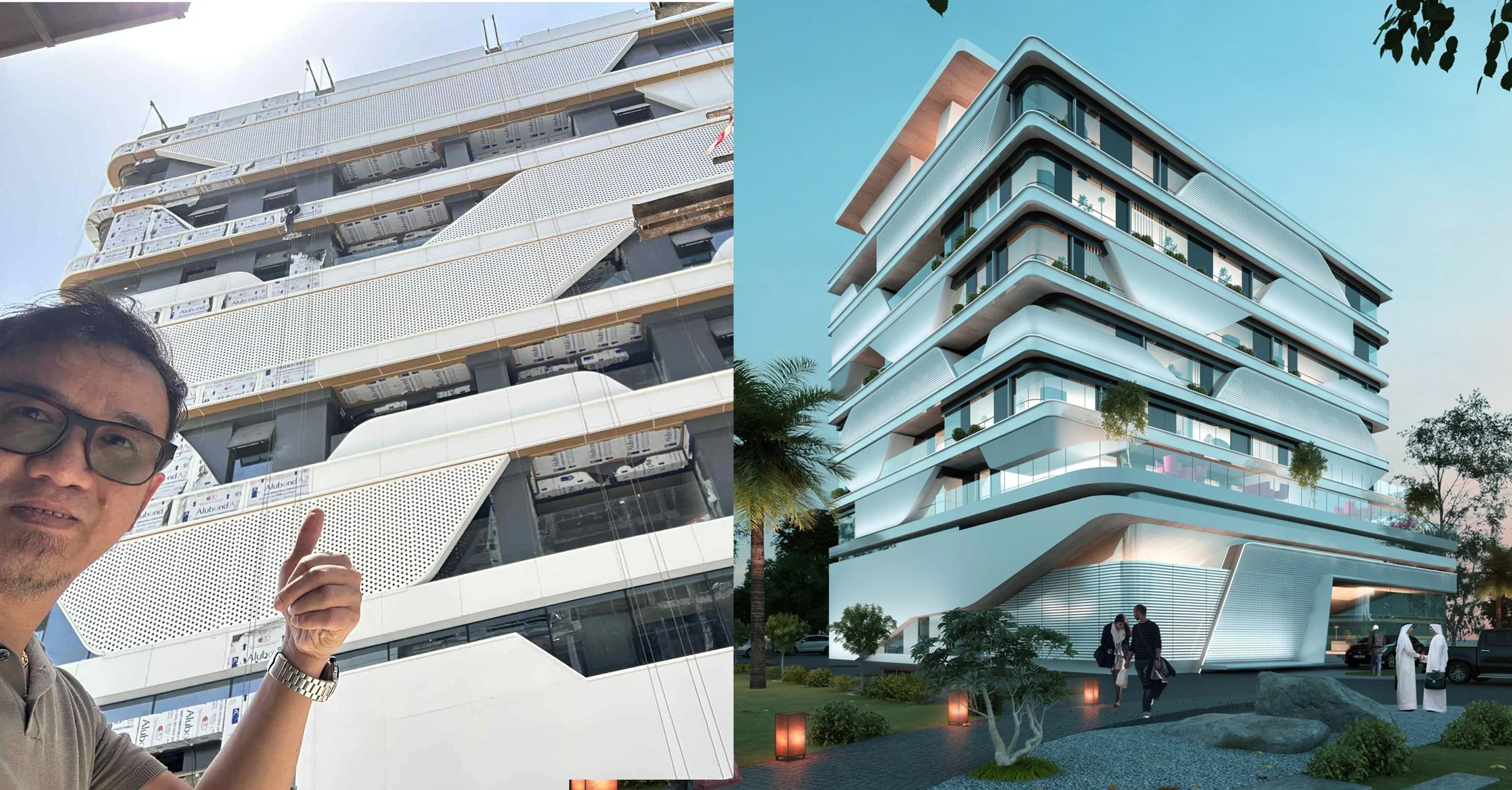
Al Kindy in the United Arab Emirates by Ar. Antony Tario Austria
This dialogue with nature is articulated through a distinct visual language. Having grown up in a house of bamboo and nipa palm as part of a farming family, these organic textures are embedded in his creative DNA.
This history is reflected in his signature palette: a masterful blend of warm wood tones, pristine whites, and expansive glass. More than just a stylistic choice, it’s a deliberate approach to evoke openness and tranquility, crafting what he calls “relaxing ambiance” that carries the essence of his Filipino roots, even in his projects abroad.
The intention is clear in his work: to design buildings that feel as though you are living within nature itself. He seeks to craft what he calls “gawang arkitektura na may kaluluwa at may kahulugan.” This soulful quality, he believes, is what makes a design truly unforgettable.
From Personal Canvas to Global Skyline
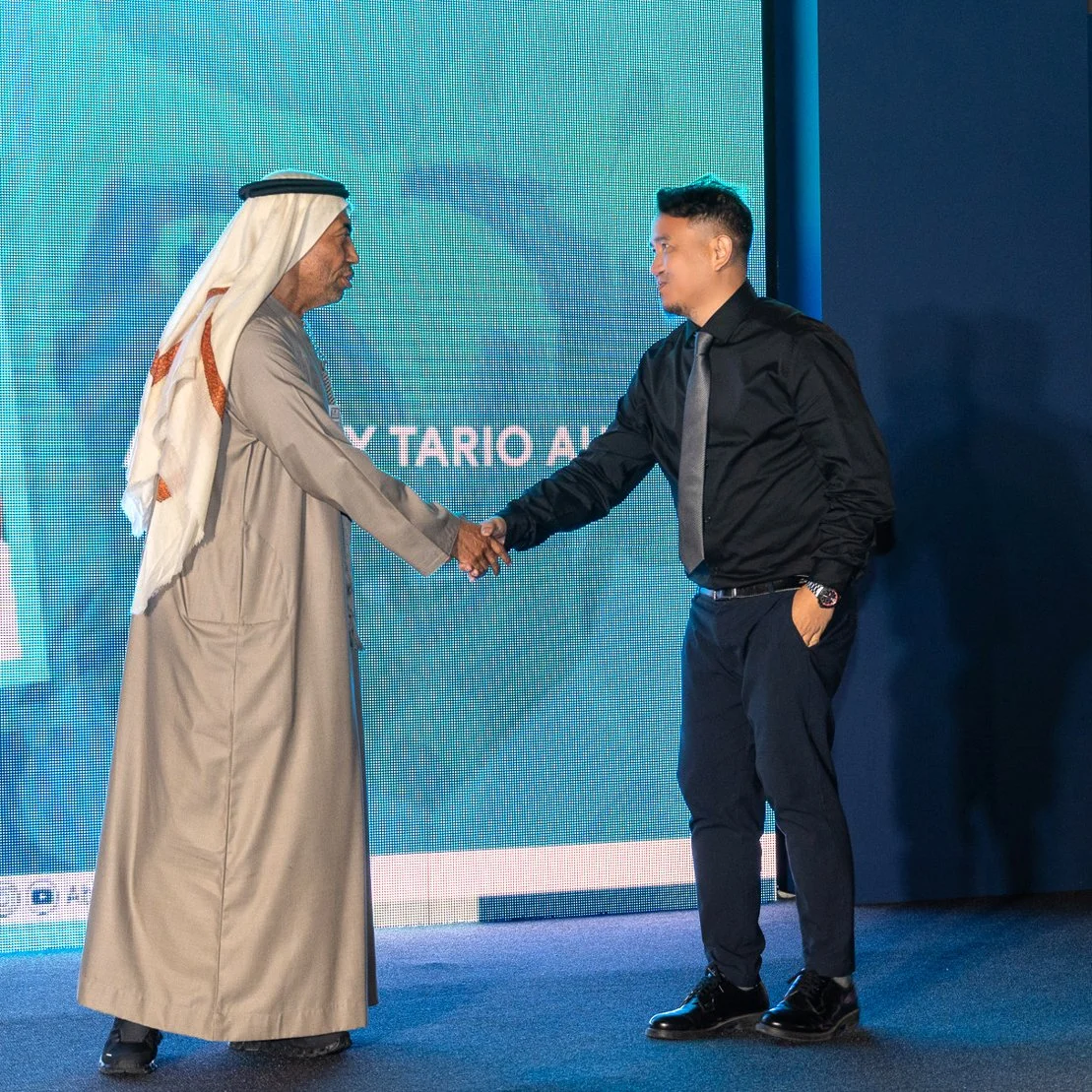
Ar. Austria’s journey from a solo passion project on Facebook to a globally recognized firm was organic, fueled by this unwavering artistic vision. His firm, ATA Architects, which has since merged into AMIRAL in Abu Dhabi, grew not from a business plan, but from a love for the art itself.
He reflects, “feeling ko naglalaro lang ako.” This playful, passion-driven approach resonated, and a client once told him, “kaya ikaw ang gusto kong architect kasi lahat ng ginagawa mo may puso.”
A breakthrough win in an international design competition for a government project solidified his team's place on the world stage. Yet, even with global success, his artistic compass remains pointed toward home.

Jeddah Hospital by Ar. Anthony Tario Austria
His guiding principle is “Nationalism through Architecture.” He sees his work as a vehicle for sharing the beauty and depth of Filipino design with the world, believing that one need not be famous only to be purposeful in contributing to the nation through design.
Ultimately, Anthony Austria’s story is a powerful testament to the idea that true art is born from truth. His structures are more than buildings; they are memoirs of his past, conversations with nature, and love letters to his homeland—all rendered in wood, white, and glass. They are, in his own words, simple, yet incredibly hard to forget.