
Portraits of Kidlat Tahimik
MET gallery recognizes the influence of National Artist Kidlat Tahimik as a Kultur Warrior in the first installment of their National Artists Exhibit Series.
Words by Marc Nathaniel Servo
Photo Courtesy of National Commission for Culture and the Arts
March 11, 2026
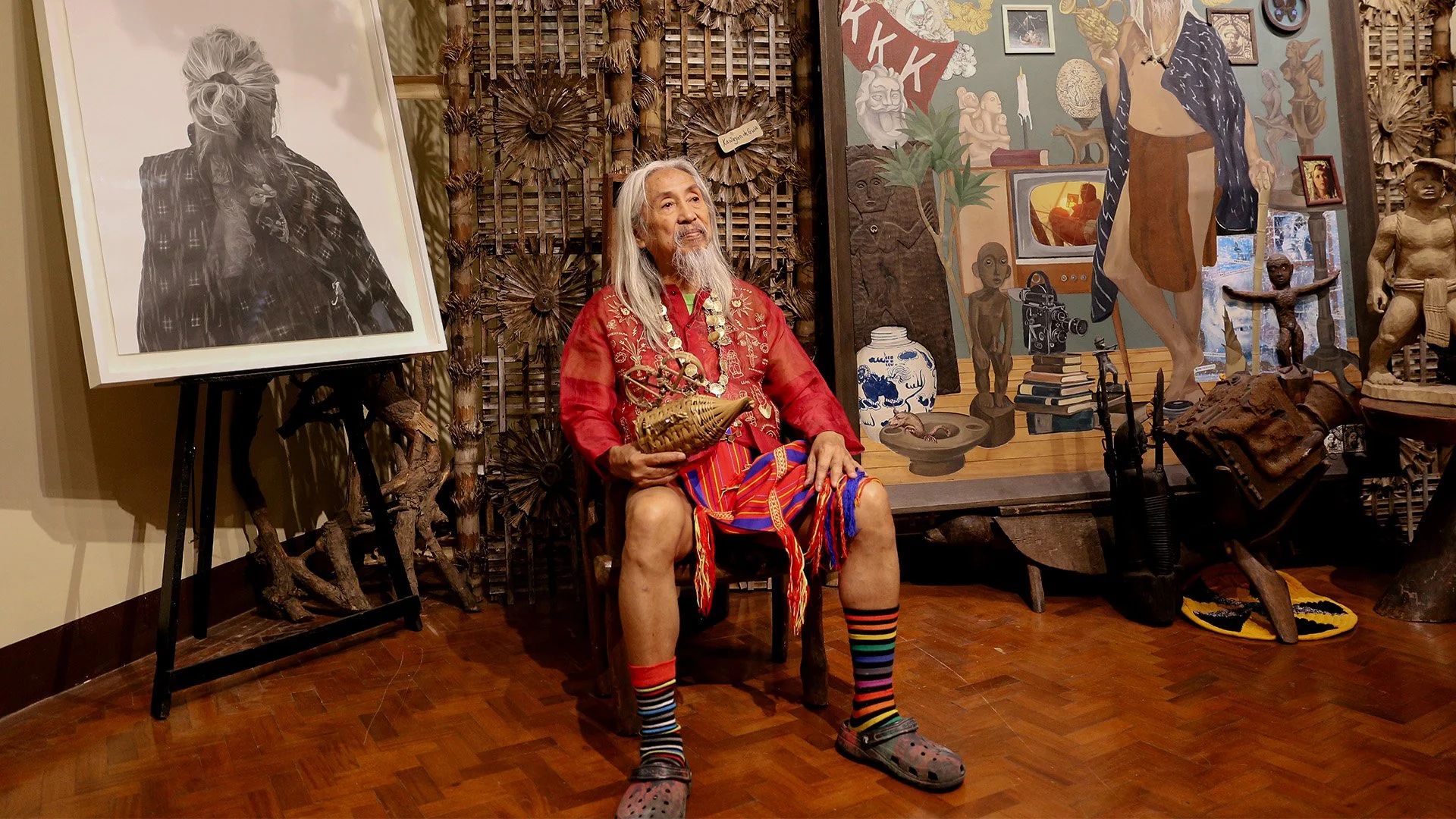
A filmmaker, storyteller, and a passionate champion of indigenous identity and decolonization.
Fondly called ‘Tatay’ by his portraitists over the years, National Artist Kidlat Tahimik is once again recognized for his enduring cultural influence in Philippine artistry in the first installment of the Metropolitan Theater’s (MET) National Artists Exhibit Series.
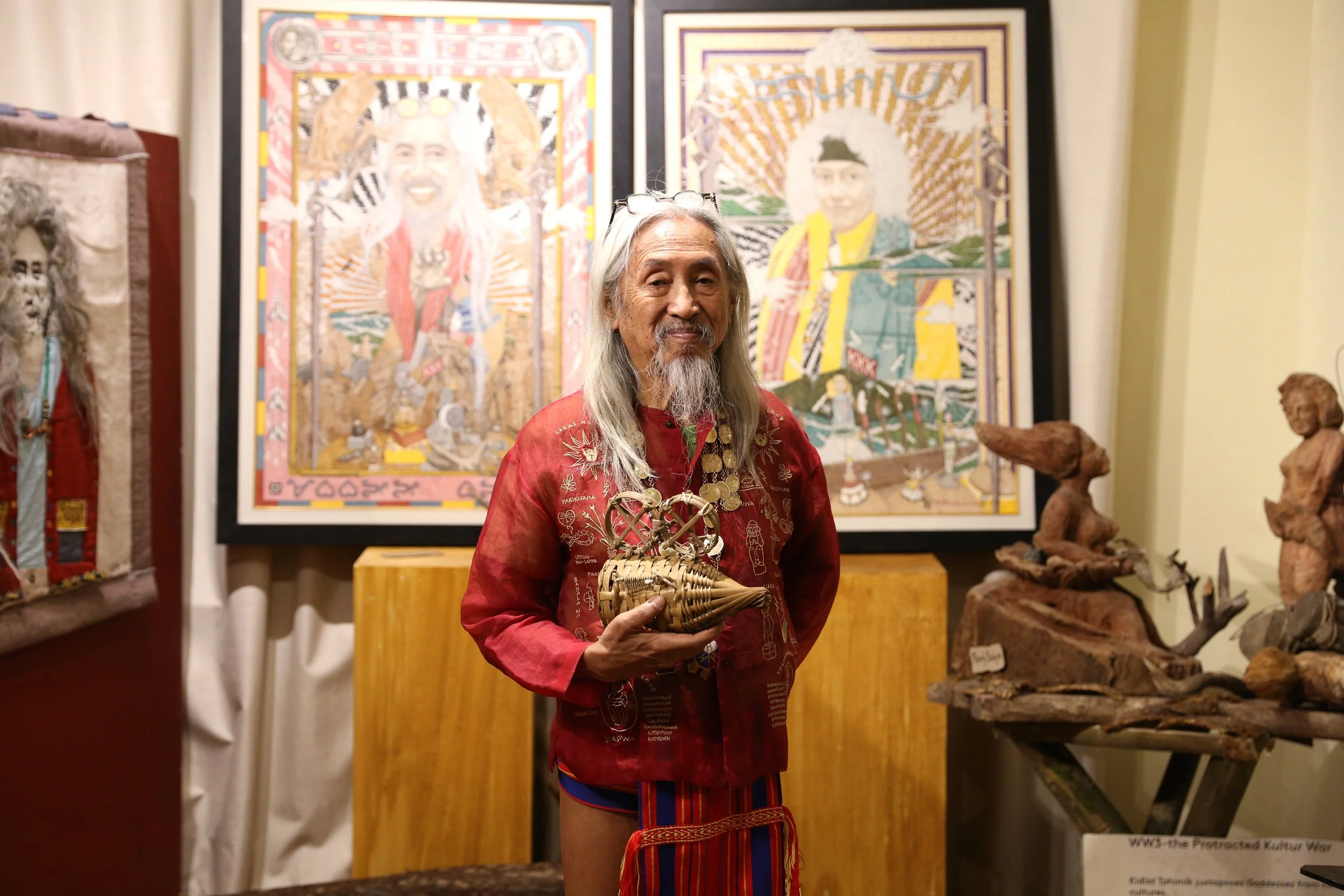
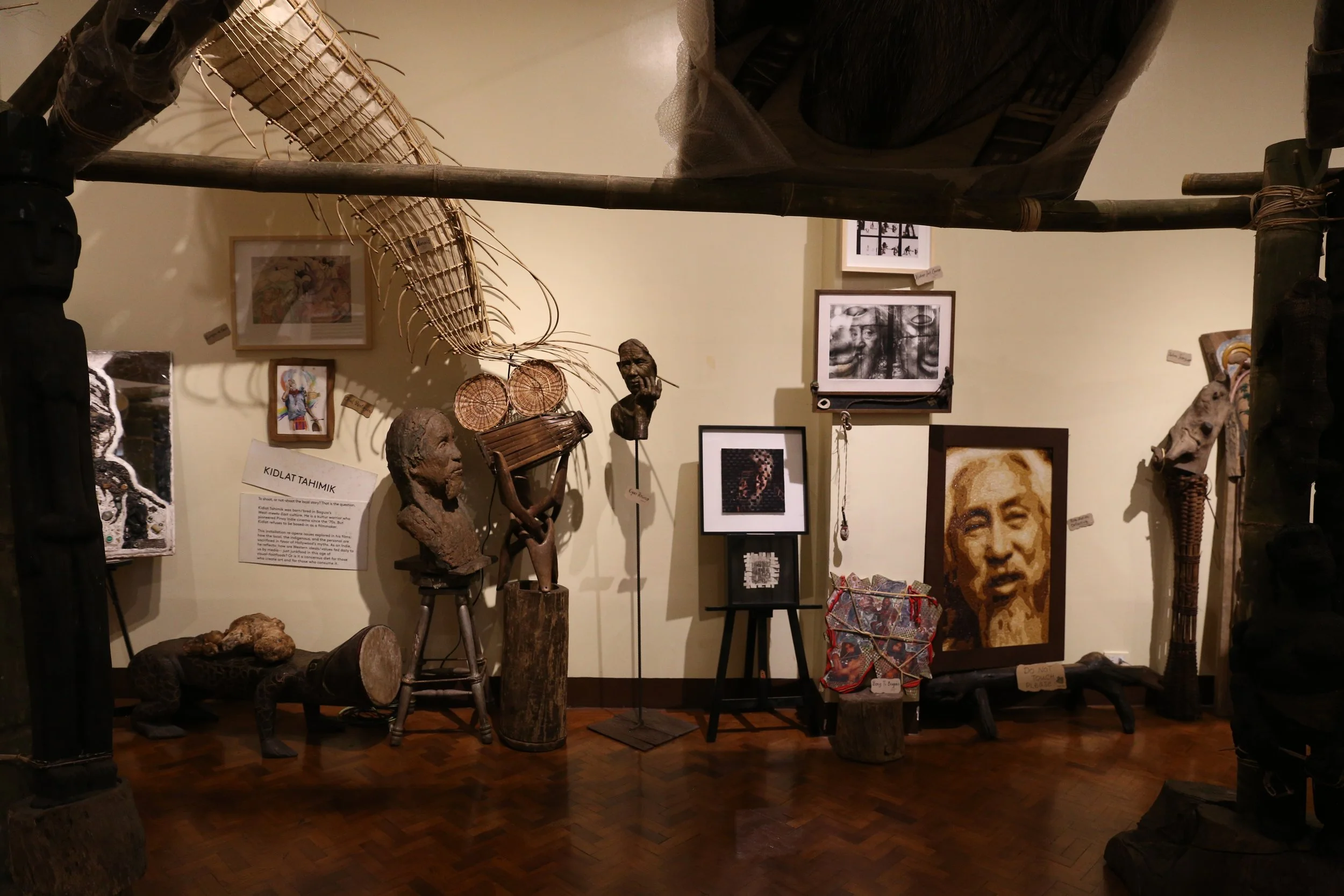
Aptly titled “Portraits of a National Artist as Kultur Warrior,” the exhibit, in collaboration with the Order of National Artists (ONA), featured various works inspired by and dedicated to Kidlat Tahimik, and was open from February 11 to 28, 2026.
The exhibit was done in celebration of the National Arts Month 2026, paying tribute to his life, advocacy, and role to inspiring emerging artists in the country—particularly in the aspect of indigenous identity—Kidlat’s very own ‘indo-genius’ school.
Kidlat Tahimik graced its opening on February 11, sharing the summary of a film he’s been working on for 40 years, depicting the journey of a Filipino slave accompanying the Portuguese explorer Ferdinand Magellan.
National Commission for Culture and the Arts (NCCA) Deputy Executive Director for Operations Bernan Joseph Corpuz highlighted the spirit of the event, “Nawa’y magsilbing paanyaya ang eksibit na ito na patuloy nating ipaglaban at ipagdiwang ang ating kultura—nang may tapang, pagkamalikhain, at pagmamalaki.”

Known for his distinct “crazy-artist” persona marked by his wispy goatee, dreadlocks, and impish smile held behind his iconic Kapwa-Kamera na Kawayan ni Kidlat (K.K.K.K), the National Artist has been a compelling muse for so many portrait artists, caricaturists, photographers, and fellow cultural workers.
Within the exhibit are 50 years of remarkable visual narrative captured through the portraits of these various artists, underlining Kidlat’s significance as a Kultur Warrior.
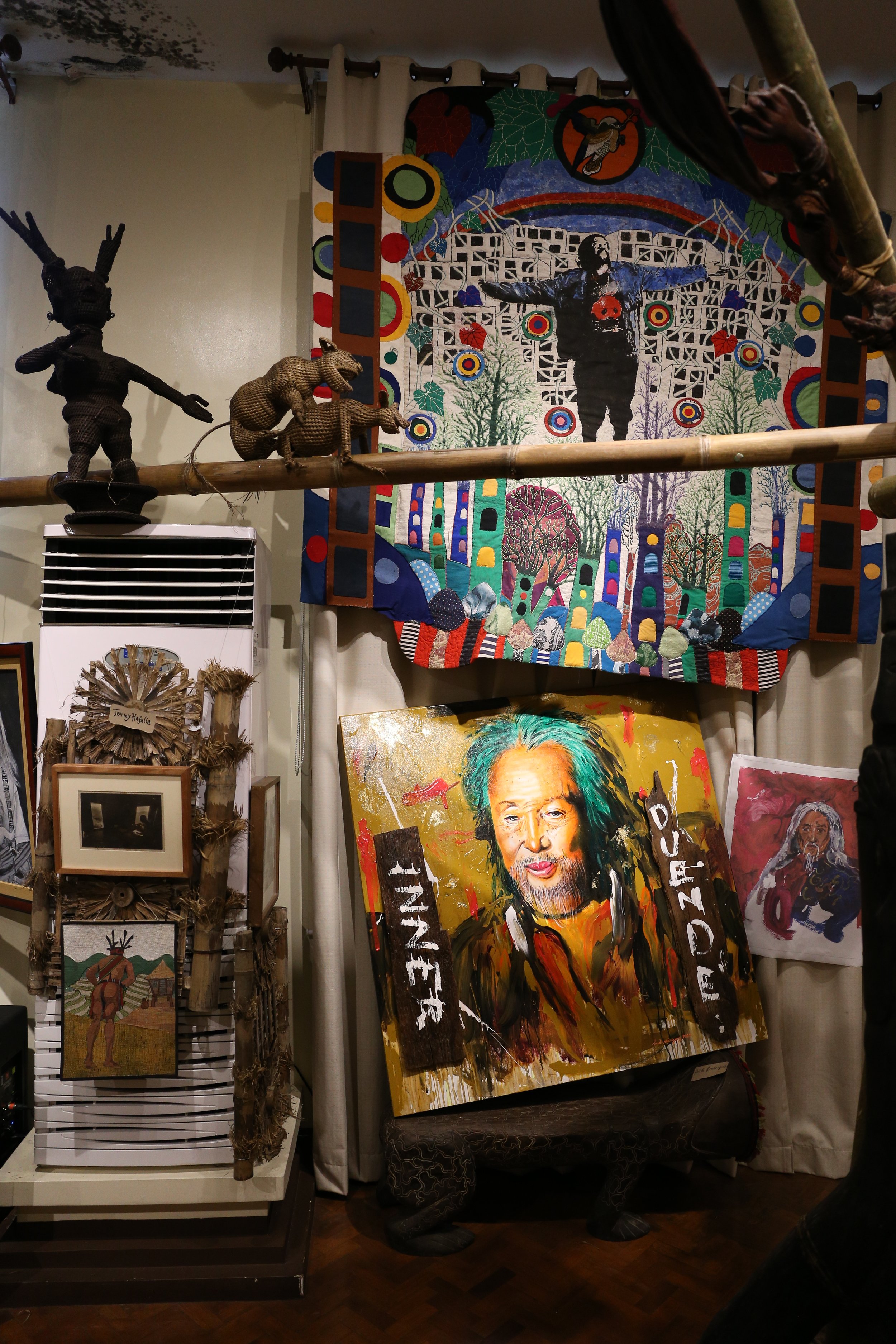
Among featured works are a 1973 art-school painting by his wife, Katrin de Guia; a 1983 editorial cartoon by Nonoy Marcelo; 1990s photographs by cinematographer Boy Yñiguez; woodworks by Ifugao carver Chris Atiwon; documentary shots by Tommy Hafalla; and even the playful sketches by Kidlat’s grandkids in 2025.
More than artistic interpretations, these portraits reflect artists’ deep reverence for a mentor whose works continue to challenge culture colonialism and celebrate indigenous identity. This collection depicts the evolving image of Kidlat Tahimik—an octogenarian culture-warrior whose advocacy stands tall against time.