
Shakira and Beéle Turn Home Into Sound on ‘ALGO TÚ’
With Afro-Caribbean rhythms and echoes of the Colombian gaita, Shakira and rising star Beéle reunite for “ALGO TÚ”
Words Randolf Maala-Resueño
Photos courtesy of SONY Music
March 12, 2026

Pop spectacle and cultural memory collide in “ALGO TÚ,” the new single from global icon Shakira and Colombian breakout Beéle. Released via Sony Music Latin and 5020 Records, the track blends Latin pop with Afro-Caribbean textures, grounding its glossy production in sounds that trace back to the artists’ shared hometown of Barranquilla.
Produced by A.C., Flambo, Shakira, and Beéle, the song threads contemporary rhythms with the airy resonance of the Colombian gaita, a traditional wind instrument whose earthy timbre adds an ancestral pulse beneath the track’s modern beat. The result is a song that feels both radio-ready and rooted in place.
The pair unveiled “ALGO TÚ” in cinematic fashion, performing it live before more than 400,000 fans at Zócalo in Mexico City, widely reported as the largest event ever held in the historic plaza. Against the massive crowd and cathedral skyline, the debut turned the song into an instant communal anthem.
For Shakira, the release continues a remarkable career surge. Her recent Las Mujeres Ya No Lloran World Tour was crowned the highest-grossing tour by a Hispanic artist, grossing over 421 million USD across stadiums in the United States and Latin America. Meanwhile, her twelfth studio album, ‘Las Mujeres Ya No Lloran,’ reaffirmed her ability to translate personal reinvention into global pop language.
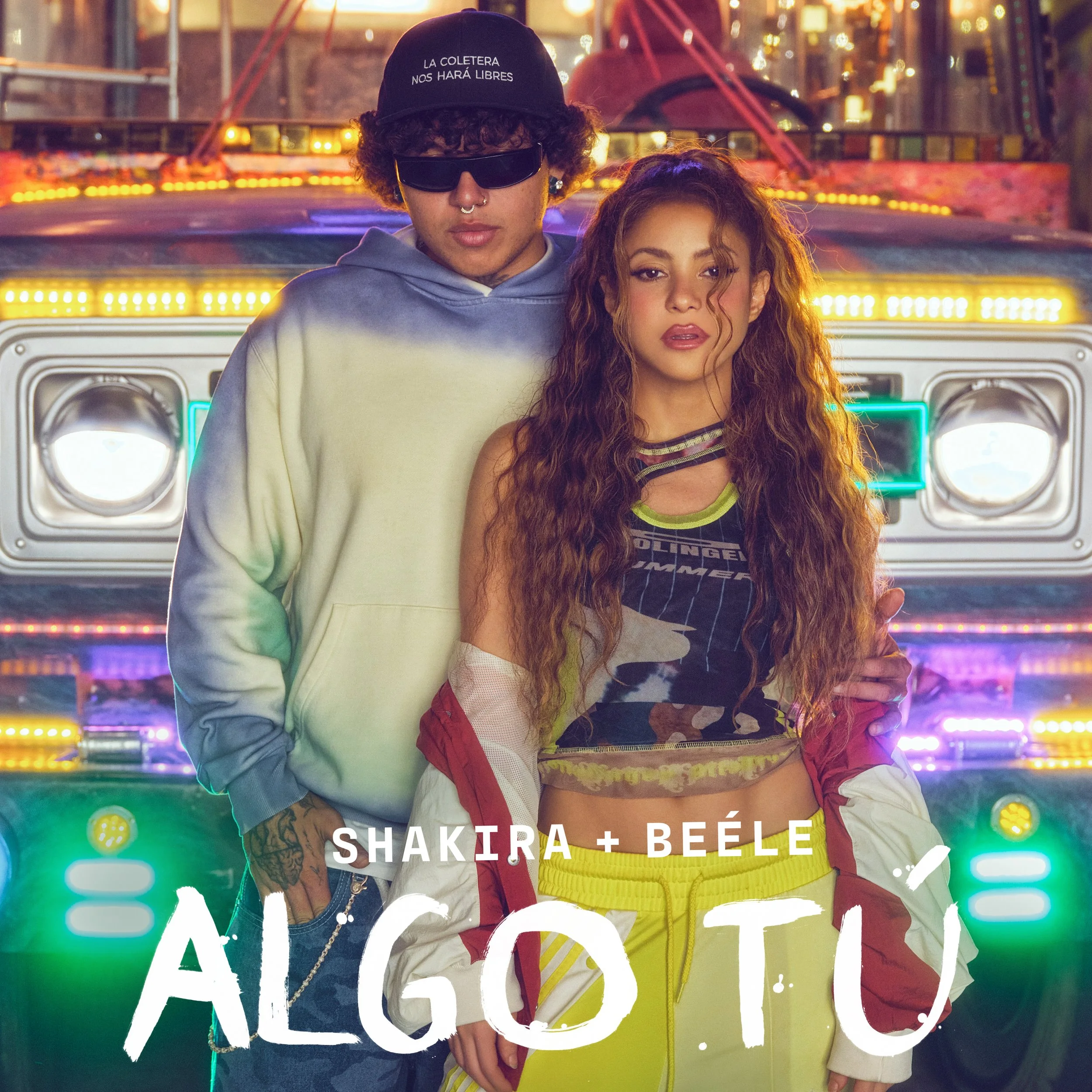
For Beéle, whose melodic Afro-Caribbean sensibilities have made him one of Colombia’s most exciting new voices, the collaboration further expands his reach, bridging generations of Latin music listeners.
Next on Shakira’s horizon: a massive free concert at Copacabana Beach this May as part of the Todo Mundo No Rio series.
If “ALGO TÚ” proves anything, it’s that the most powerful pop songs often begin with a simple return home.