
PIID Ushers in a New Era of Conscious Leadership
At the historic Goldenberg Mansion, the newly elected Board of Trustees of the Philippine Institute of Interior Designers (PIID) is embarking on a mission to redefine the profession
Words Gerie Marie Consolacion
Photos courtesy of Philippine Institute of Interior Designers
February 27, 2026
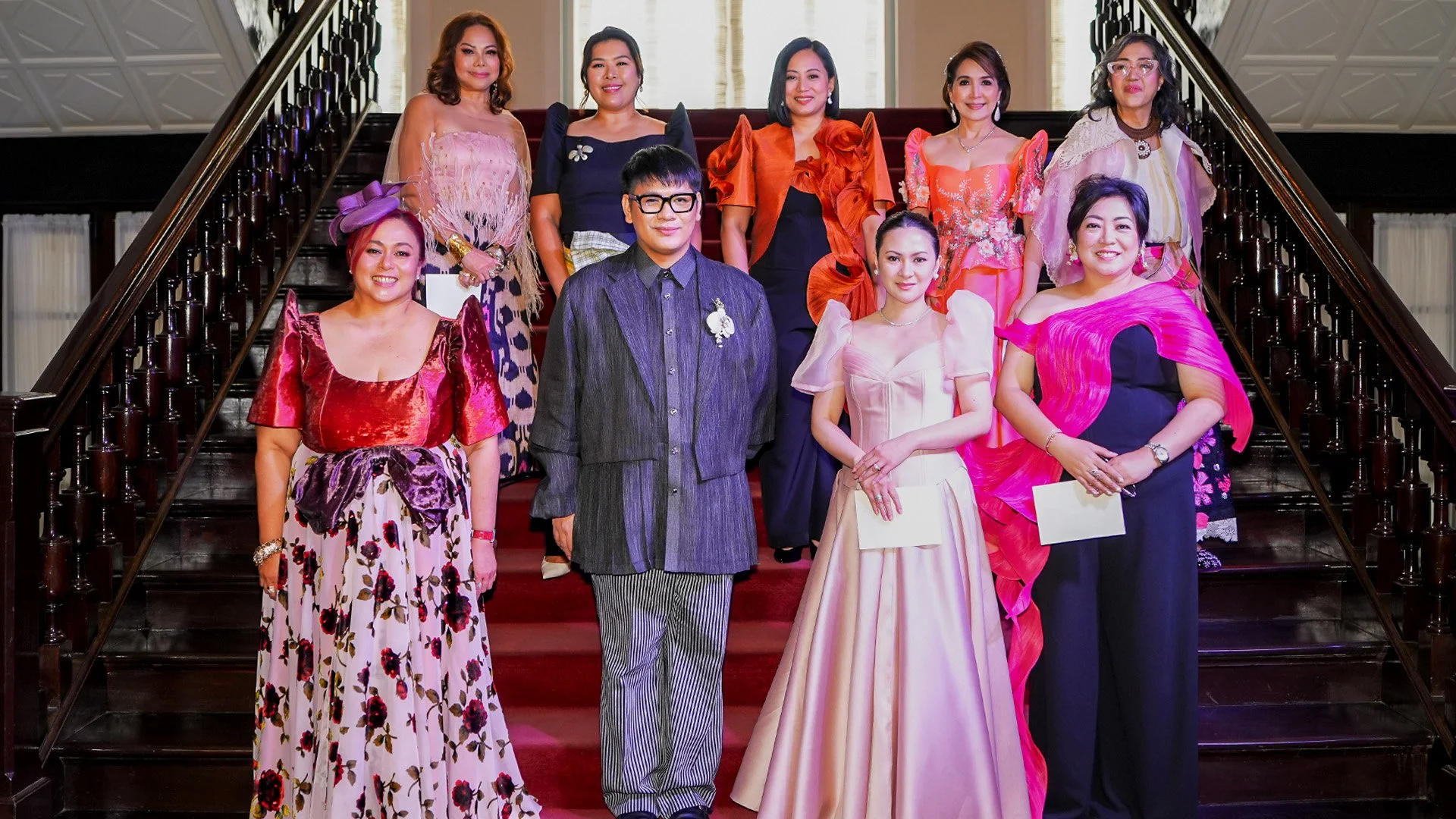
At the historic halls of Goldenberg Mansion set the stage for a defining moment in Philippine design as the Philippine Institute of Interior Designers (PIID) formally introduced its new Board of Trustees.
More than a ceremonial transition, the event marked a renewed commitment to shaping a profession where Filipino interior designers are recognized not only as creatives, but as cultural innovators, environmental stewards, and true “healers of space.”
As a service-driven organization, PIID remains steadfast in its mission: to empower its members, elevate professional standards, and cultivate a thriving design ecosystem.
The incoming board embraces this responsibility with a shared resolve to lead with intention, integrity, and impact—anchored in what they call leadership with “soul.”
A Vision Rooted in Innerwork and Conscious Leadership
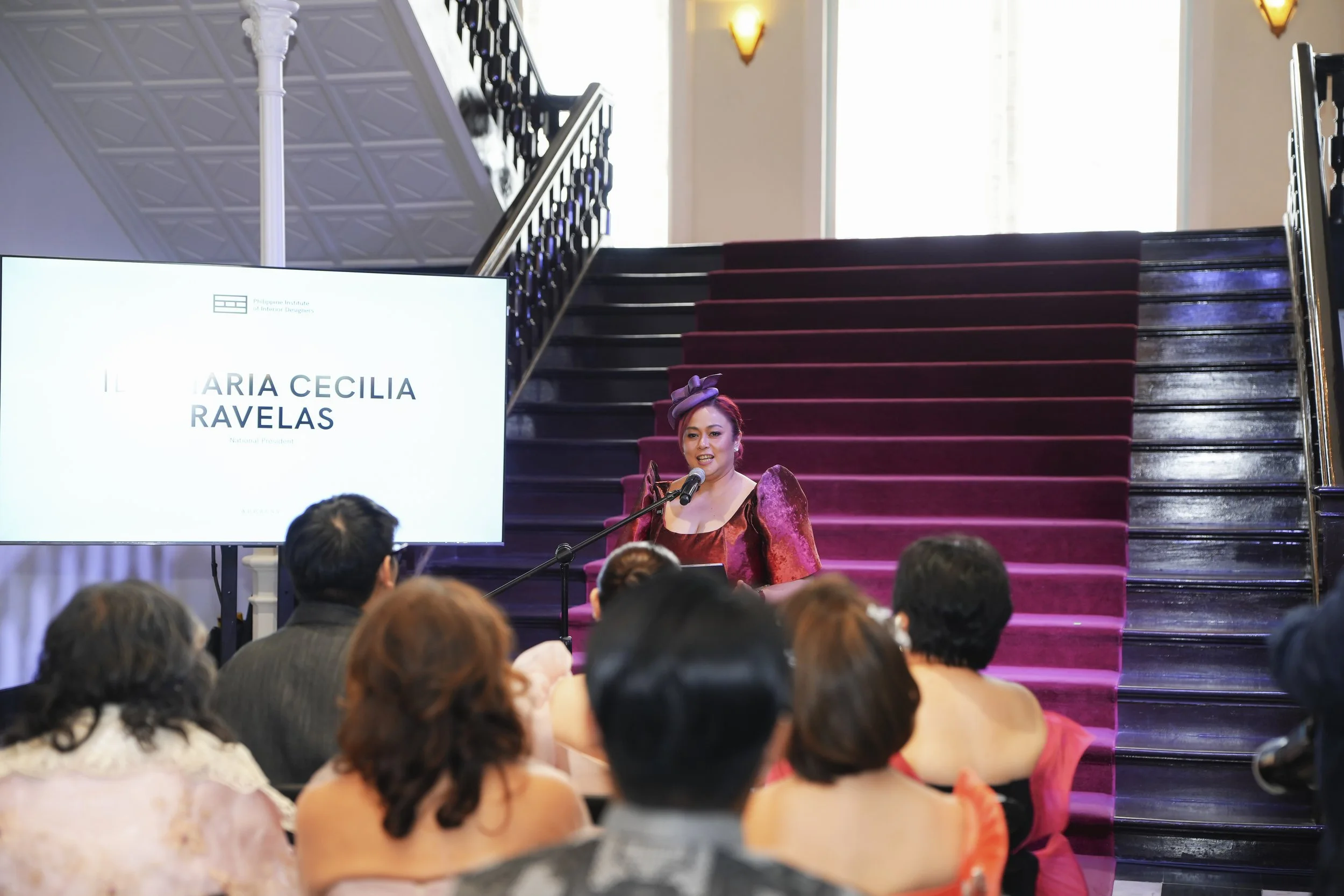
At the forefront of this new chapter is National President IDr. Cecil Ravelas, who champions the principles of innerwork and conscious leadership. Her vision calls for designers to integrate mind and heart, aligning creative practice with purpose and service.
For Ravelas, interior design is more than aesthetic problem-solving—it is a transformative process. Every space co-created with a client holds the potential to heal, restore, and inspire.
Yet she also acknowledges the realities of the profession: demanding timelines, complex clients, and creative pressure. “Innerwork,” she asserts, equips designers with the clarity and resilience needed to navigate these challenges mindfully and sustainably.
Elevating the Professional Journey through Education
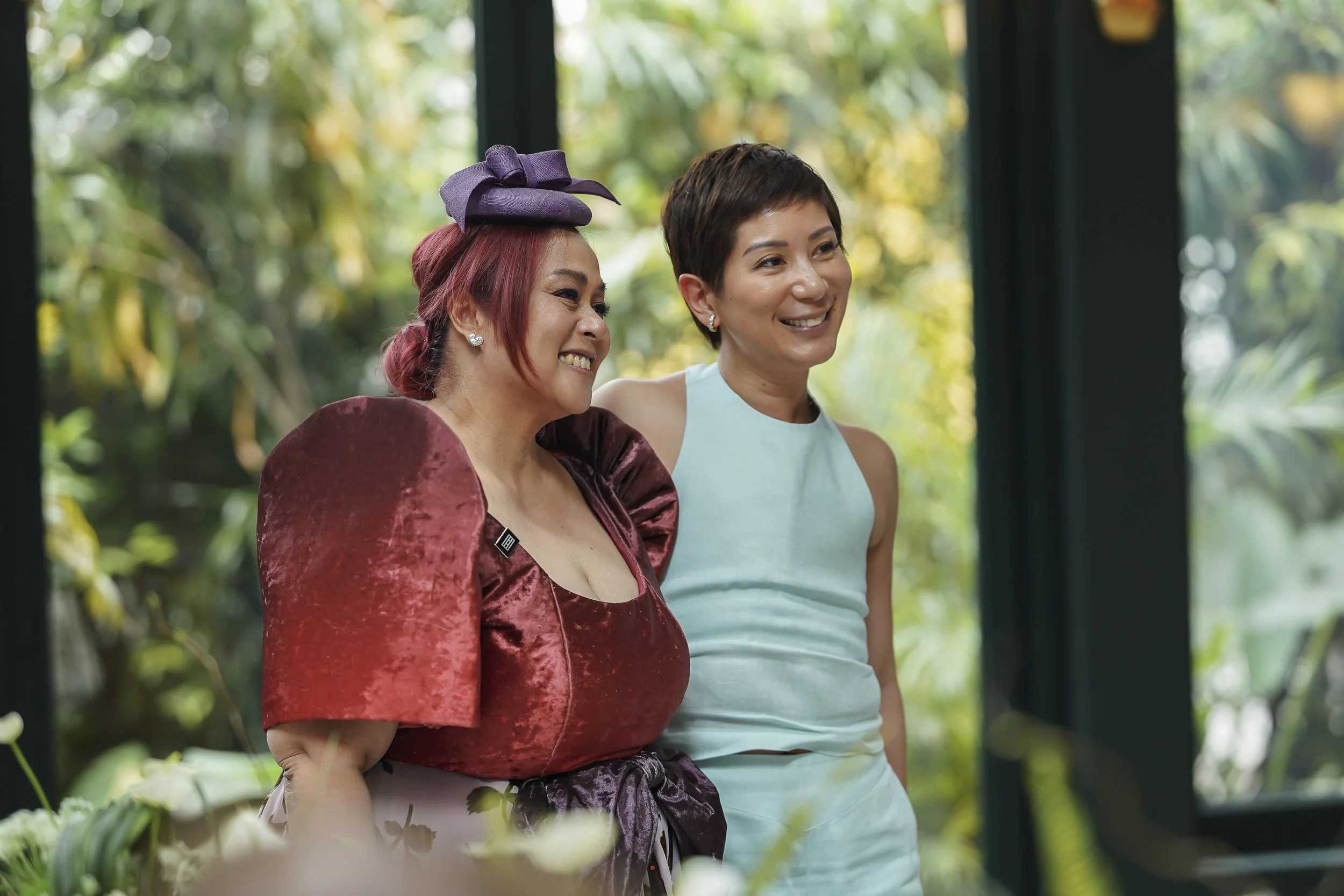
Central to the board’s agenda is an ambitious 2026 roadmap focused on continuing education. The institute will roll out tiered training modules designed to support designers at every stage—from emerging practitioners to senior professionals and masterclass-level experts.
This initiative is strengthened by a transition to hybrid learning formats, enabling members across regions to access workshops through online and mobile platforms.
Expanding its knowledge-sharing ecosystem, PIID will also spotlight the Design Stories podcast, a platform for meaningful dialogue between on-site and virtual participants. By exploring the ideas, values, and lived experiences behind contemporary design, the podcast aims to foster deeper professional reflection and exchange.
Bridging the Gap for the Next Generation
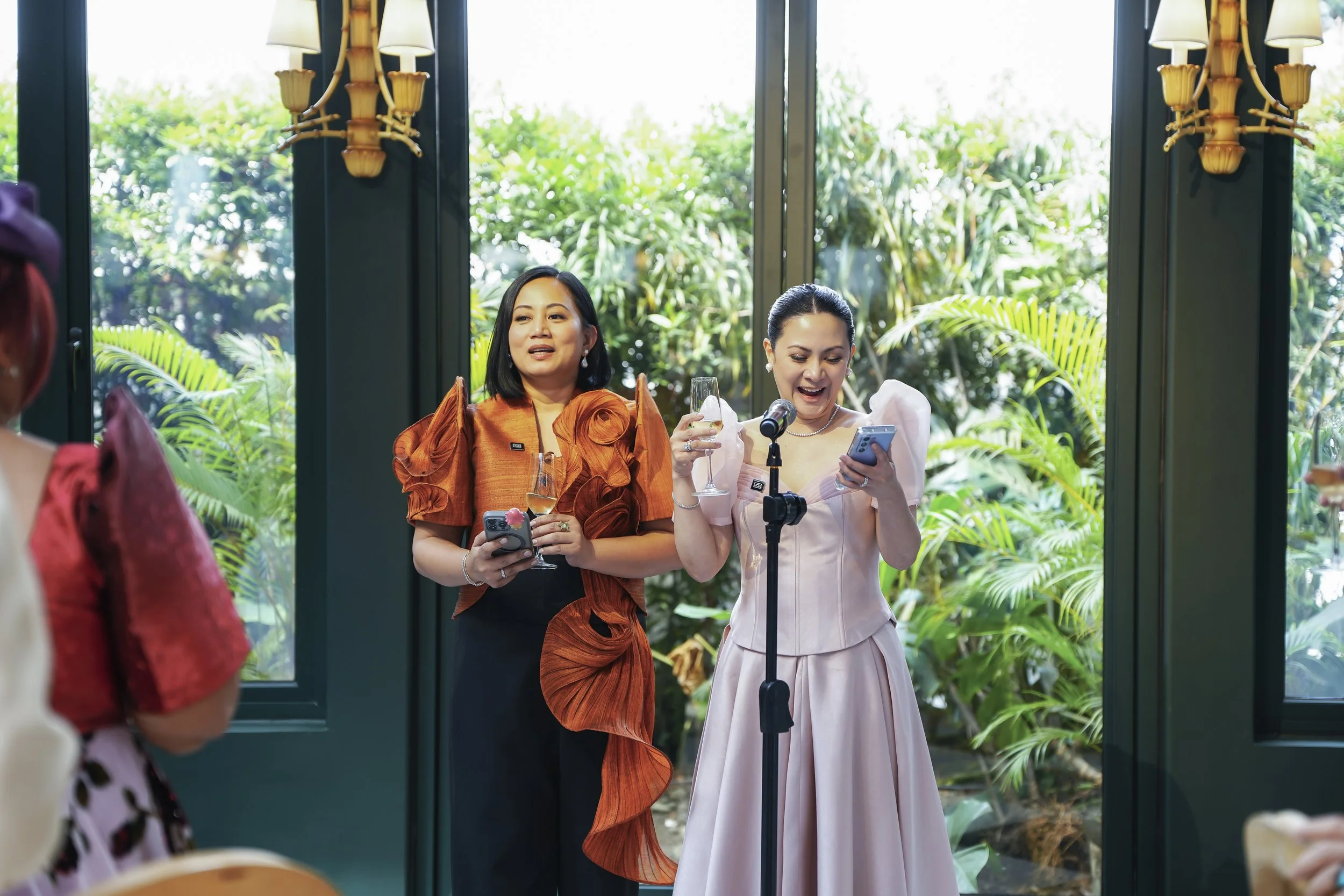
Recognizing that the future of the profession depends on its emerging talent, PIID is intensifying collaboration with academic institutions.
Through professional reviews, mentorship programs, and apprenticeship pathways, the organization seeks to ensure that graduating students transition into the industry with confidence and competence.
Director for Professional Development IDr. Nina Santamaria underscores the importance of equipping young designers not only with creative mastery but also with essential knowledge in business models, contracts, and legal safeguards.
Director for Finance IDr. Joy Ejercito echoes this sentiment, emphasizing that mentorship builds both technical proficiency and a grounded sense of professional purpose.
Prioritizing Wellbeing and Celebrating Local Heritage
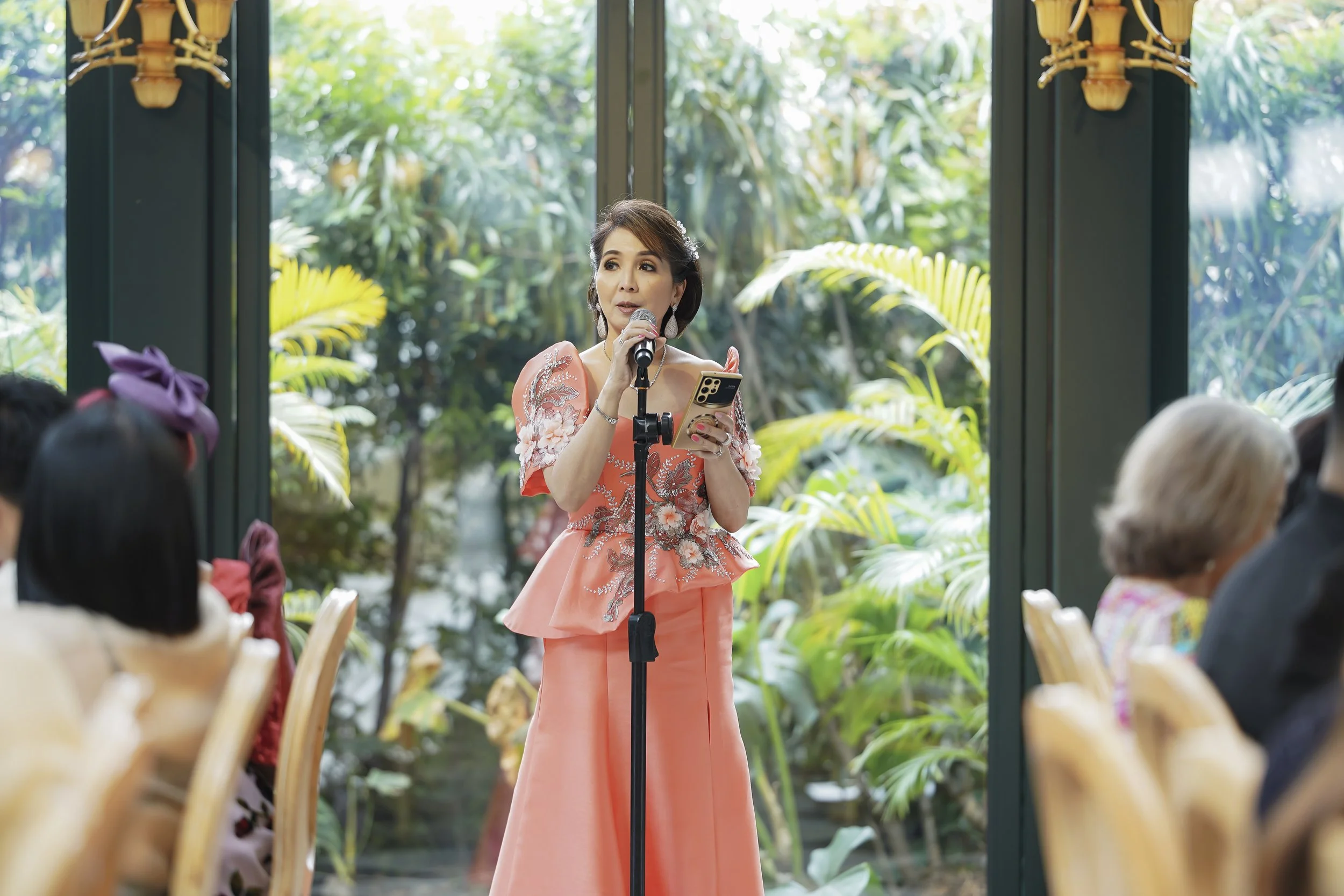
Reinforcing the role of designers as healers, PIID is launching Wellness By Design—an initiative dedicated to mental health, resilience, and holistic wellbeing within the profession. By supporting the personal growth of its members, the institute affirms that healthy designers create healthier spaces.
Beyond internal wellness, the board is strengthening engagement with provincial chapters in Cebu, Iloilo, and Mindanao.
These collaborations aim to reconnect Manila-based practitioners with regional heritage and artisan industries across the archipelago. In rediscovering local materials, narratives, and craftsmanship, PIID seeks to reaffirm a distinctly Filipino design identity.
Director for Professional Practice and Ethics IDr. Maryann Venturina-Bulanadi emphasizes that ethical standards must reflect this identity—upholding global benchmarks while remaining culturally rooted and relevant.
Building a Stronger Framework for the Profession
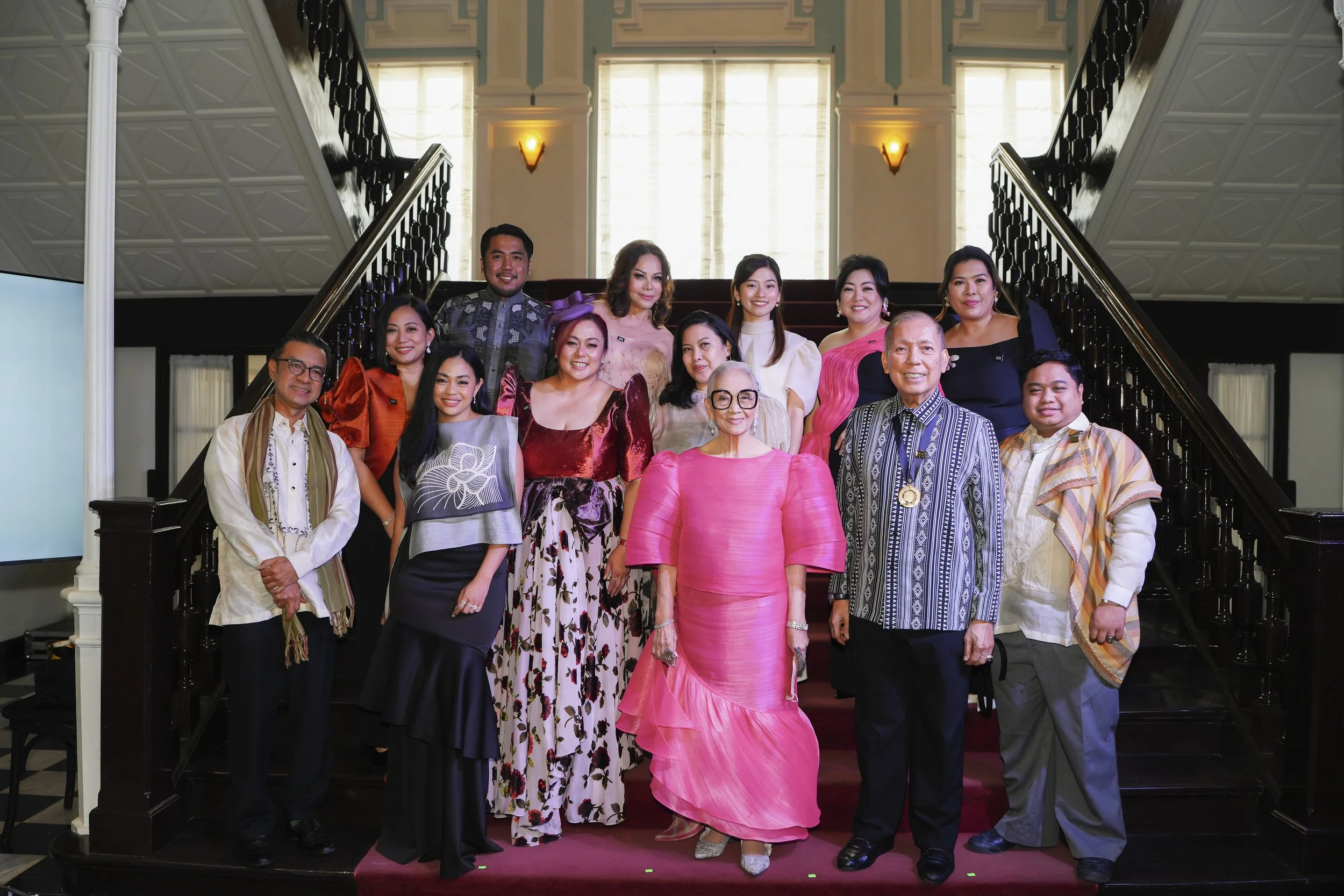
Alongside its visionary initiatives, the new board is equally focused on structure and governance. National Vice President IDr. Lorenzo Valencia III advocates for stronger internal organization, clearer communication among chapters, and deeper member engagement under the banner of “Community in Action.” His platform highlights the importance of legal recognition and public visibility in advancing the profession.
Treasurer IDr. Honey Mutia-Cervantes brings a value-driven approach to financial stewardship, ensuring that resources are aligned with the institute’s strategic priorities. Complementing this systems-oriented outlook, IDr. Joy Ejercito reinforces the principle that strong ideas require strong frameworks—policy, governance, and accountability must evolve alongside creativity.
Continuity, Momentum, and Global Ambition

Ensuring continuity while elevating standards is a central priority for Director for Public Relations IDr. Ivy Almario. An industry veteran, Almario emphasizes that the board’s mandate is to “level up”—enhancing professional skills, strengthening mentorship, and guiding designers in managing client relationships with clarity and healthy boundaries.
Looking outward, PIID is also expanding its global footprint. By engaging Global Filipino Interior Designers practicing abroad, the organization aims to foster collaboration, knowledge exchange, and a unified international community.
Plans are underway to expand the Manila Interior Design Summit (MIDS) into a multidisciplinary platform—bringing together voices from design, architecture, technology, and the broader built environment.
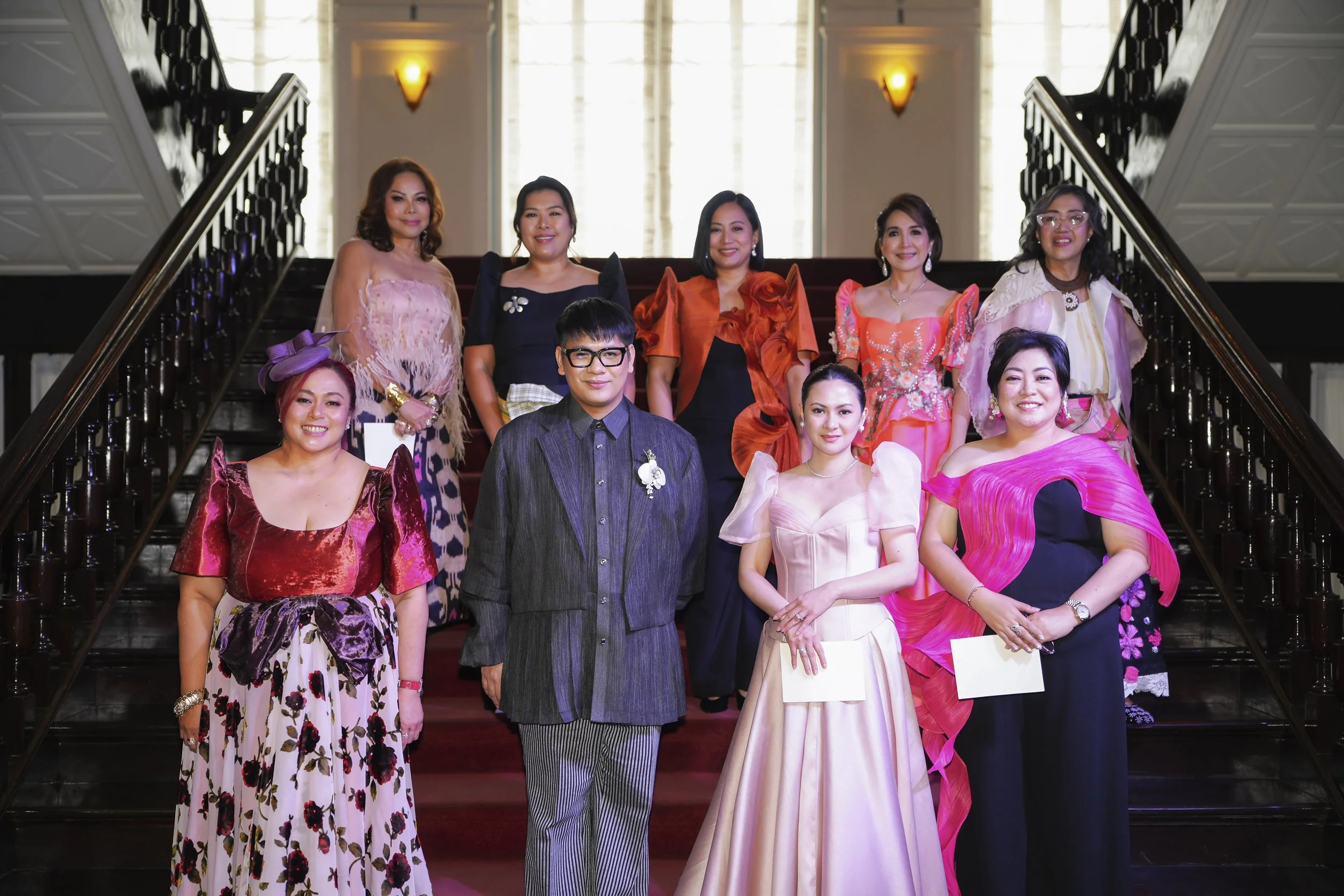
Through this dialogue, PIID envisions a future where Filipino design not only participates in global conversations but helps shape them.
With a leadership team grounded in conscious practice and forward-thinking strategy, PIID’s new era is defined not simply by new officers, but by a collective reimagining of what it means to lead.
In doing so, the institute positions Filipino interior designers at the intersection of creativity, community, and cultural stewardship—ready to design not just spaces, but a more intentional future.