The New Generation of Art Collectors
In a culture that long equated art patronage with age and affluence, this new wave of collectors is proving that passion, curiosity, and community matter more than pedigree.
Words Gerie Marie Consolacion
Photos courtesy of Dane Sy, Wax Martinez, Erwin Lim, John Loo, and Aika Matsumaru
February 27, 2026
The traditional image of an art collector has long been one of exclusivity: an older, immensely wealthy individual navigating hushed, intimidating gallery halls. But a vibrant shift is occurring in the Philippine art scene.
A new generation of collectors is emerging—young, passionate, and eager to prove that the love of art is not a luxury reserved for the few, but a community open to anyone with a story to tell.
These four collectors are dismantling long-standing stereotypes, showing that building a collection is about human connection, personal identity, and finding beauty in the everyday.
Finding Community Before Capital
Fresh out of university and planning to pursue further studies abroad, Dane Sy did not grow up surrounded by art. In fact, he admits he once believed the stereotype.
“I used to think art collecting was for older and wealthy people. I used to think that it was quite boring,” he says candidly.
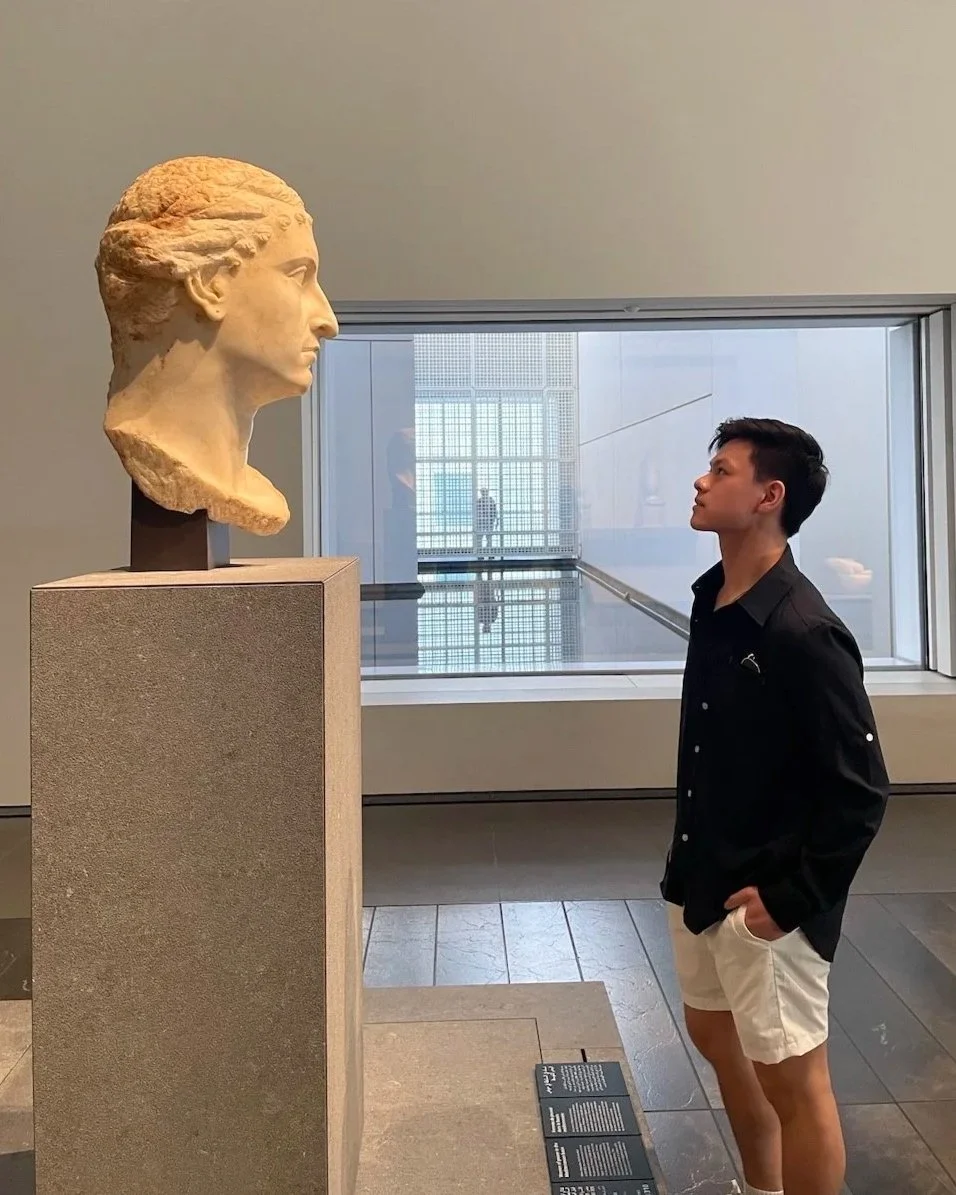
That changed when he began attending art events. What he found wasn’t exclusivity—it was community.
“The best part about collecting is the people you meet along the way. I truly enjoy connecting with others and exchanging ideas.”
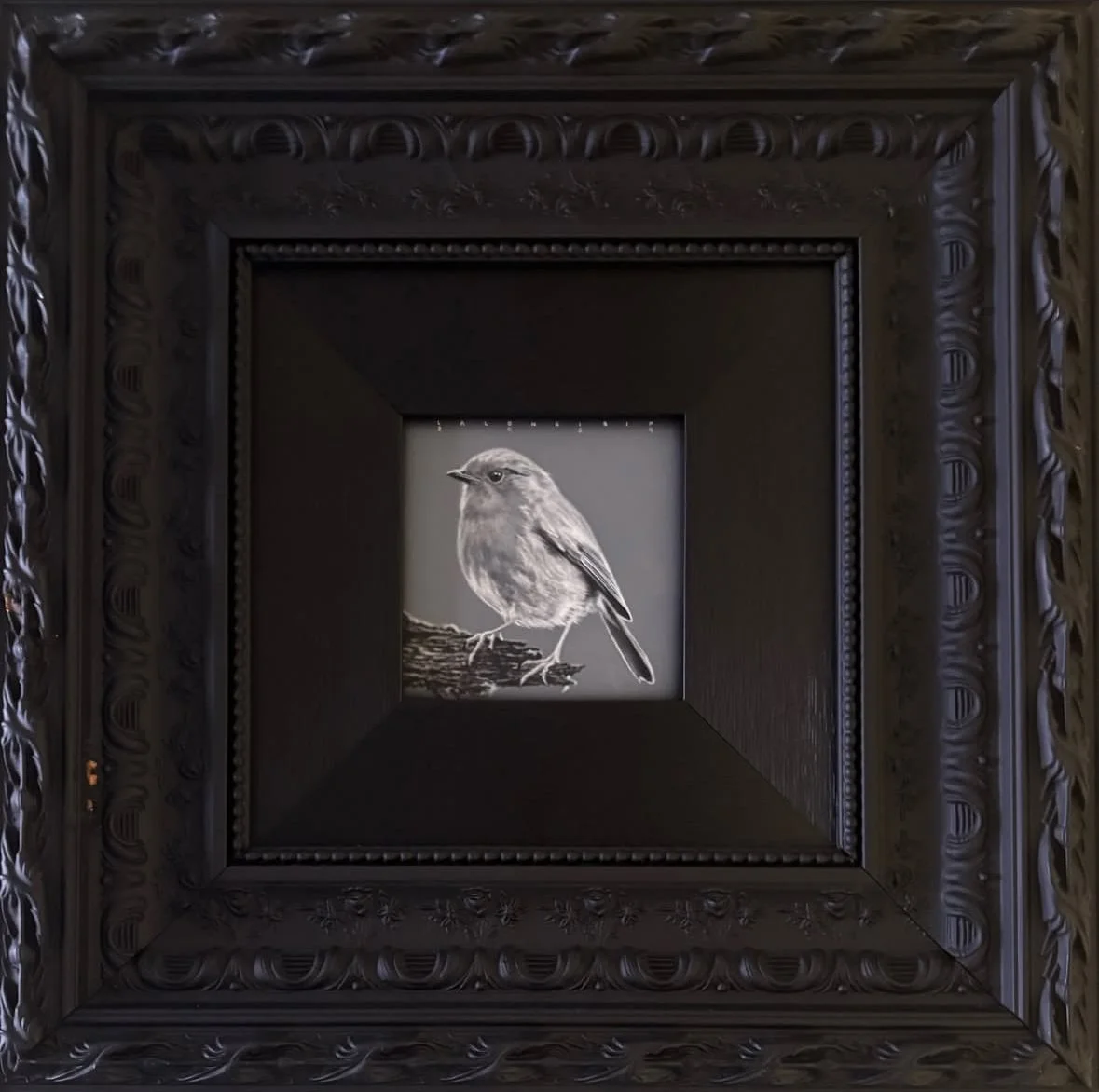
His first purchase—a piece by Arnold Lalongisip at Art in the Park—remains his most memorable. “I remember waking up early in the morning just to wait in line and get that piece. It is the smallest but most memorable artwork I have.”
For Dane, collecting is both emotional and practical. “Art is comparable to jewelry, where our primary goal is to purchase the item because we like it, but at the same time, its value can increase.”
He is also refreshingly honest about how his generation operates. “The main difference of my generation's approach to collecting is FOMO, whereas the older generation just buys whatever they want.”
Social media plays a role, too. “Seeing certain works more often makes me want to have one for myself as well.” But beyond trends, it has become a bridge. “I’ve been able to speak to artists directly and ask questions about their work.”
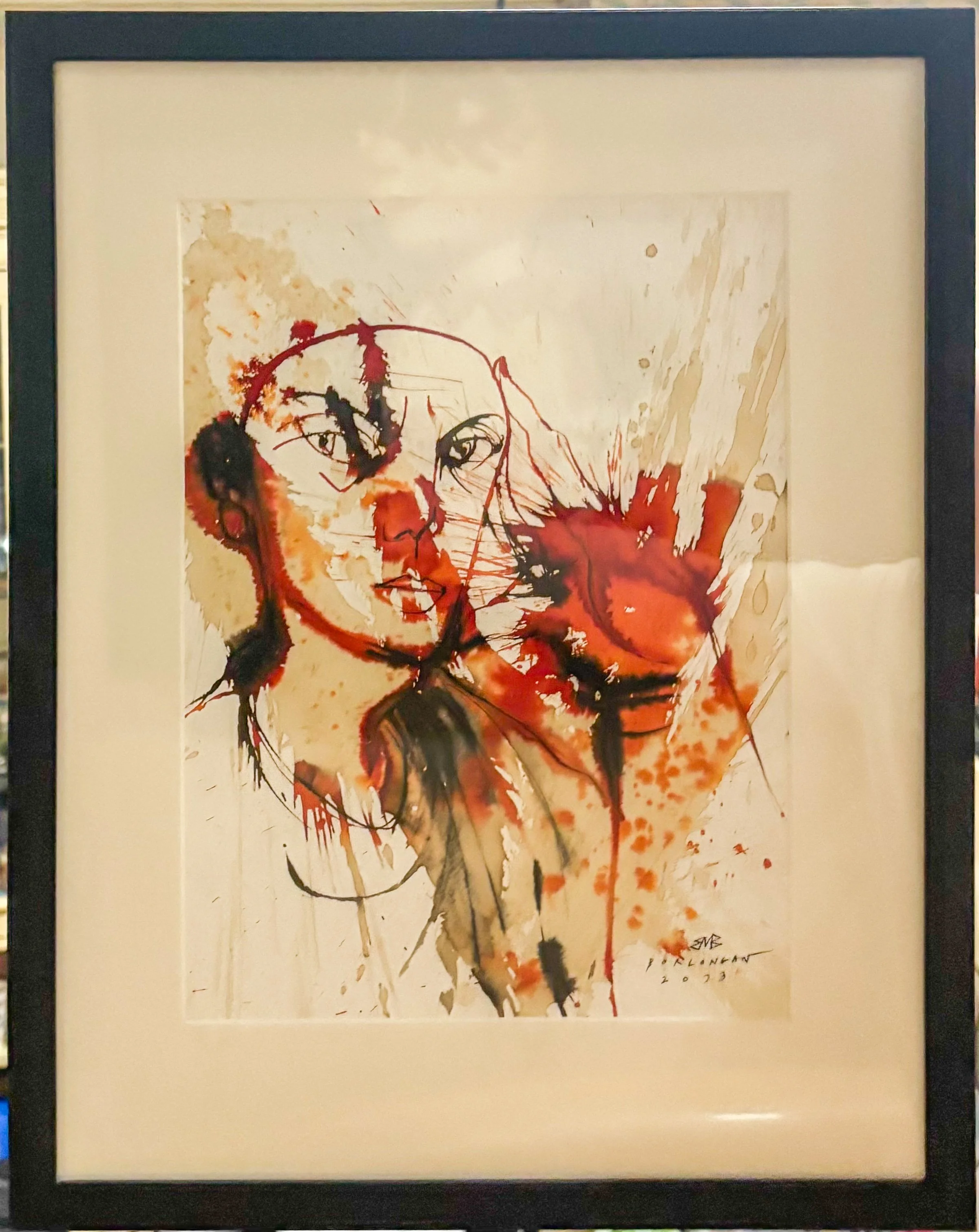
What people misunderstand most? “Most people assume that young art collectors only collect pieces that are more ‘Gen Z.’” He quickly counters that assumption by pointing to young collectors who admire established figures like Elmer Borlongan.
His advice to aspiring collectors under 30 is simple and disarming: “Explore, attend events, and not be embarrassed to ask anyone about a certain piece.”
Collecting With Intention
By day, Wax Martinez is a lawyer. By night—and in between court deadlines—he is a deeply intentional art collector.
He discovered early on that youth was not a barrier, but sometimes a curiosity.
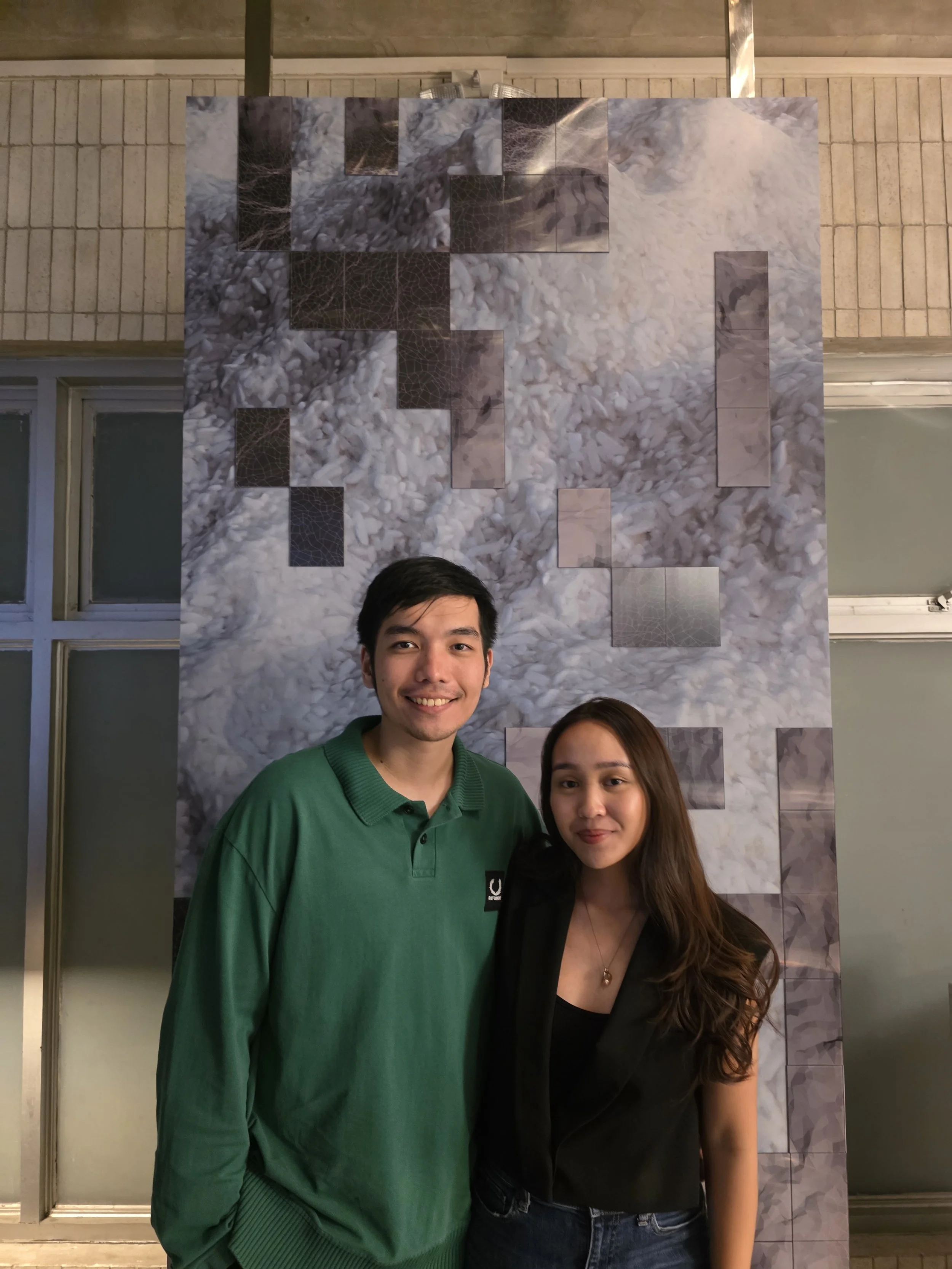
“When I started going to exhibit openings, shows, and art fairs, people were always amused by how young I was,” he shares. Yet rather than exclusion, he found encouragement. One gallerist proudly introduces him as her youngest collector—proof that passion outweighs pedigree.
His first serious acquisition was “Mother and Child” by Marcel Antonio, son of renowned artists Angelito Antonio and Norma Belleza. The purchase was deeply personal.
“His journey resonated with me. I hope to achieve my personal goals as a lawyer, despite the success of my parents and other family members in the practice of law.”
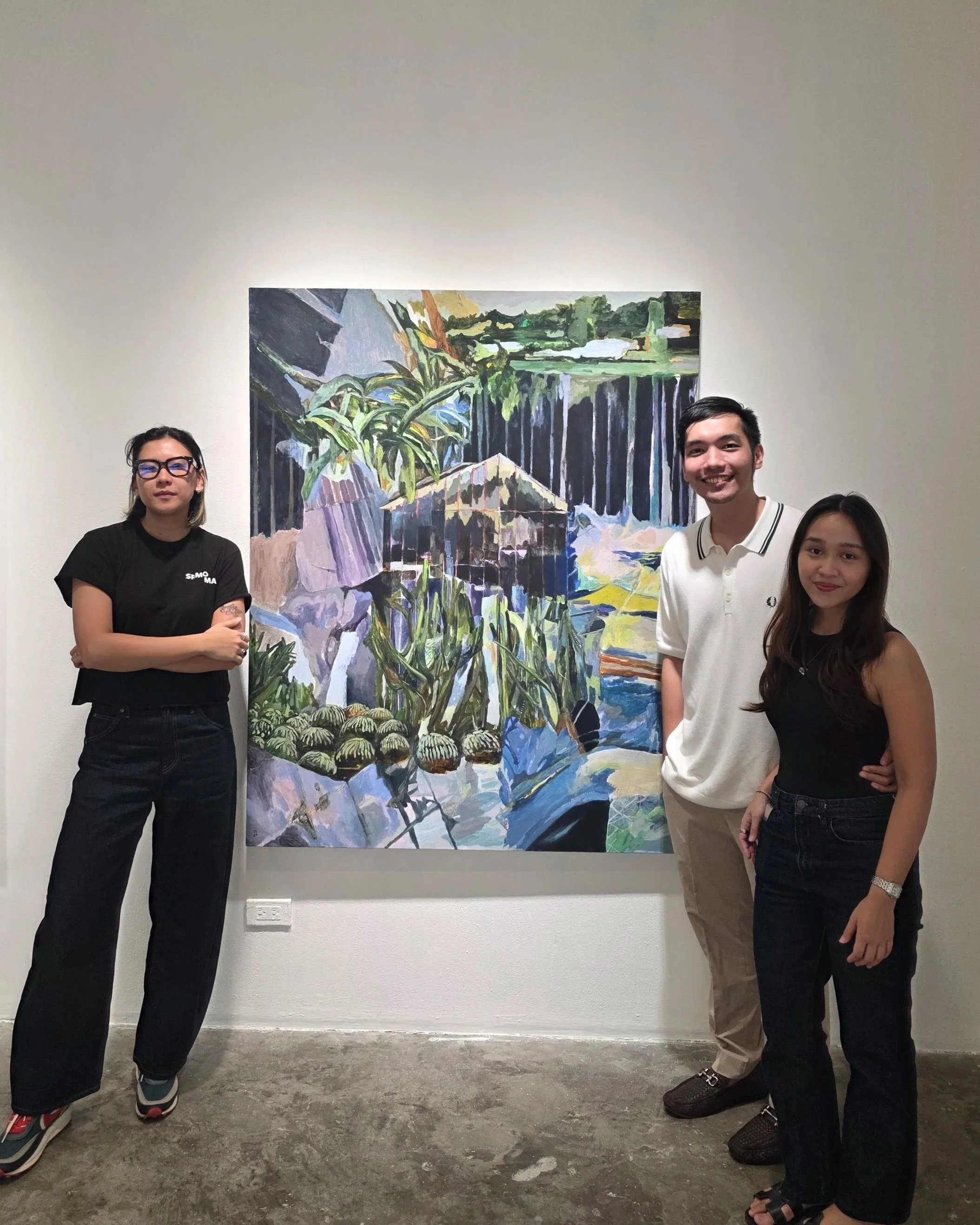
Wax admits his earliest hesitation was financial. As a law student, letting go of savings was daunting. But over time, his mindset shifted.
“The financial aspect of art as an investment can be seen as a necessary consequence of collecting. However, it was liberating when I shifted my priorities. Collecting is more of an emotional decision now.”
He believes younger collectors face a unique challenge: abundance. “Compared to previous generations, there are more artists and galleries nowadays. The challenge for this generation is to determine and commit to artists and galleries that are in line with one’s values and vision.”
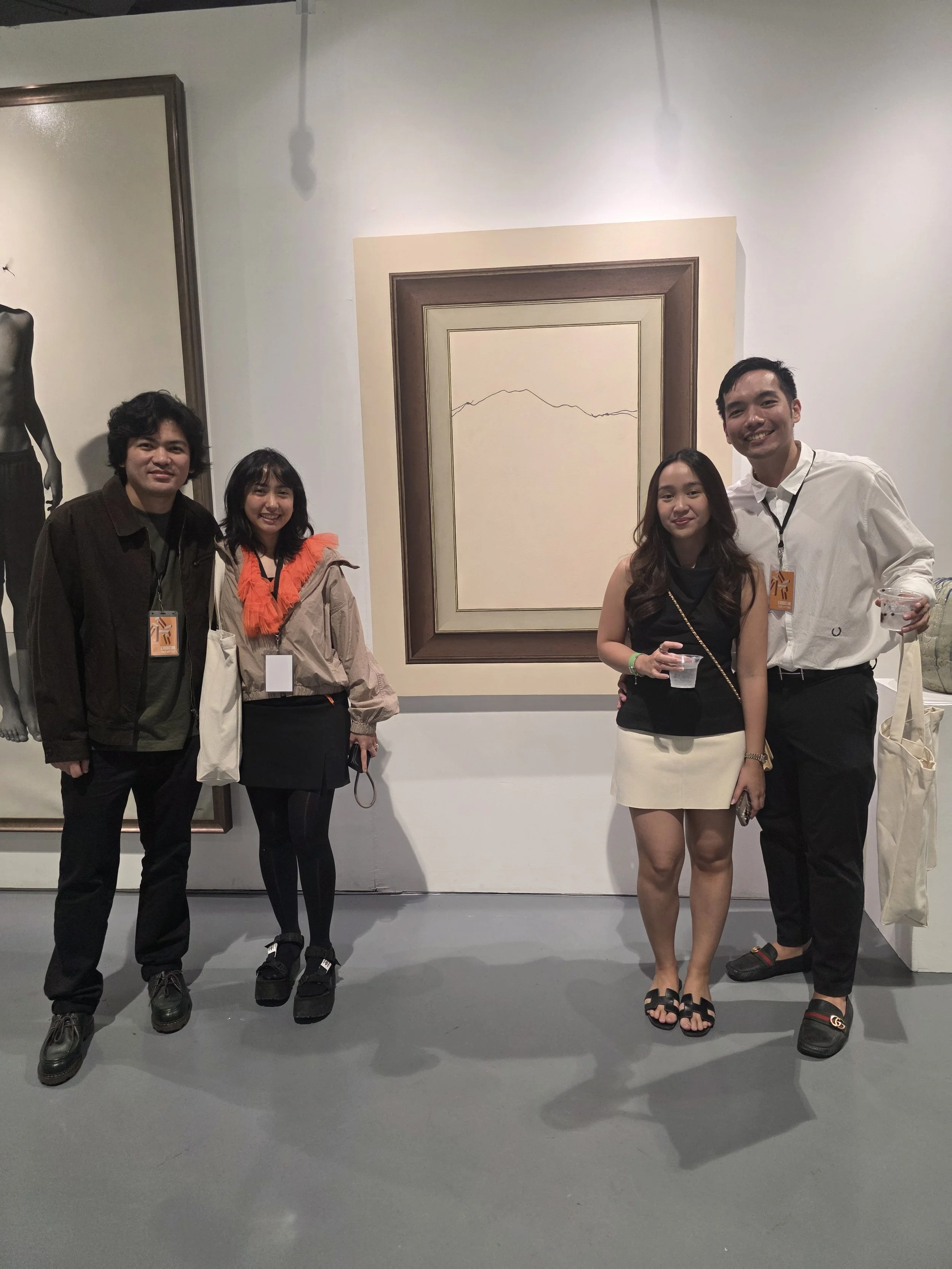
For Wax, collecting is not measured by quantity. “The art of collecting is in the relationships you make throughout your journey, and not in the number of artworks you collect.”
When he passed the bar, artists he admired gifted him pieces in celebration—tangible reminders that collecting is as much about community as acquisition.
Collecting Within Your Means
Entrepreneur Erwin Lim began collecting at 23. Unlike some peers, he grew up around visual art, learning early to see “its value beyond just numbers.”
But even with that background, his first purchase required courage.
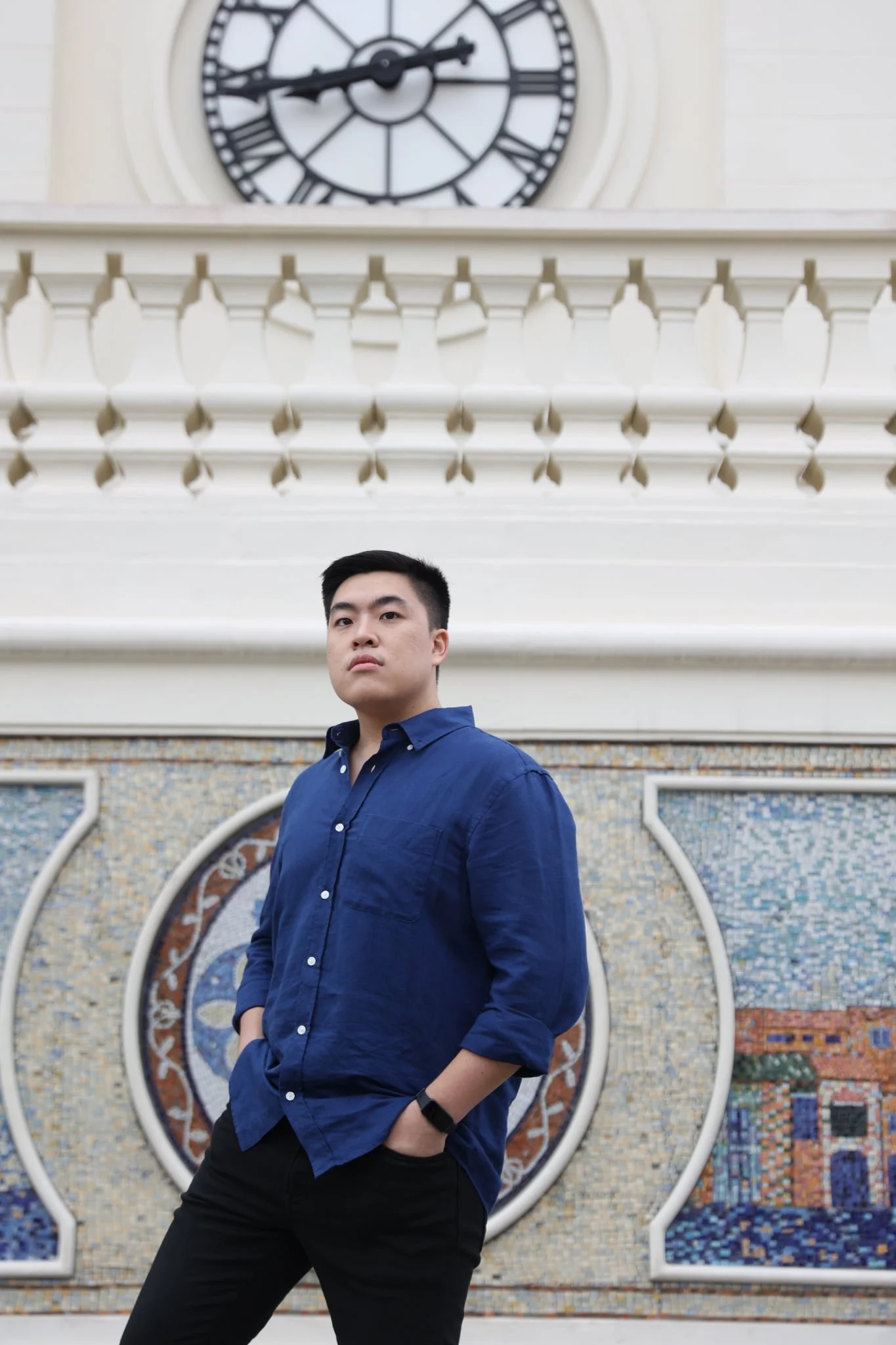
“It was the first time I trusted my own eye,” he says. “I wasn’t buying it as an investment, I bought it because it moved me.”
His biggest fear? “Making the wrong choice. Buying something that I might not love later.” Over time, he reframed that anxiety. “Collecting is about connection, not certainty.”
Erwin emphasizes accessibility—a crucial point in dismantling the myth that art is unattainable for young people.
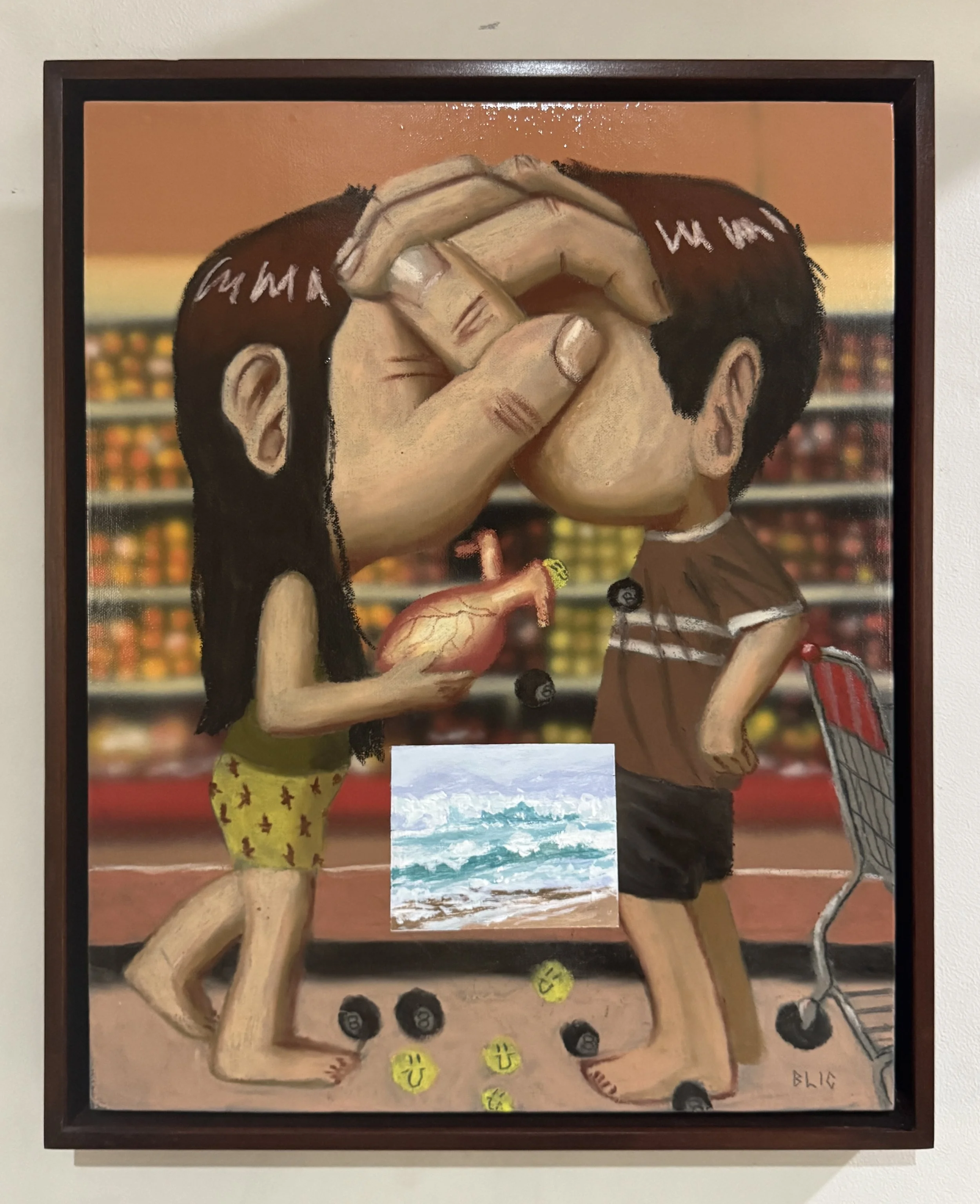
“Not all art is priced out of reach. Many young artists offer works at accessible prices… appreciation and genuine support often matter more than monetary value.”
He regularly attends fairs such as Art in the Park and MoCAF, seeing them not as luxury arenas but as spaces of learning and discovery.
Financially, he sets boundaries. “Collecting within your means makes the experience enjoyable and sustainable because art collecting is a long-term journey.”
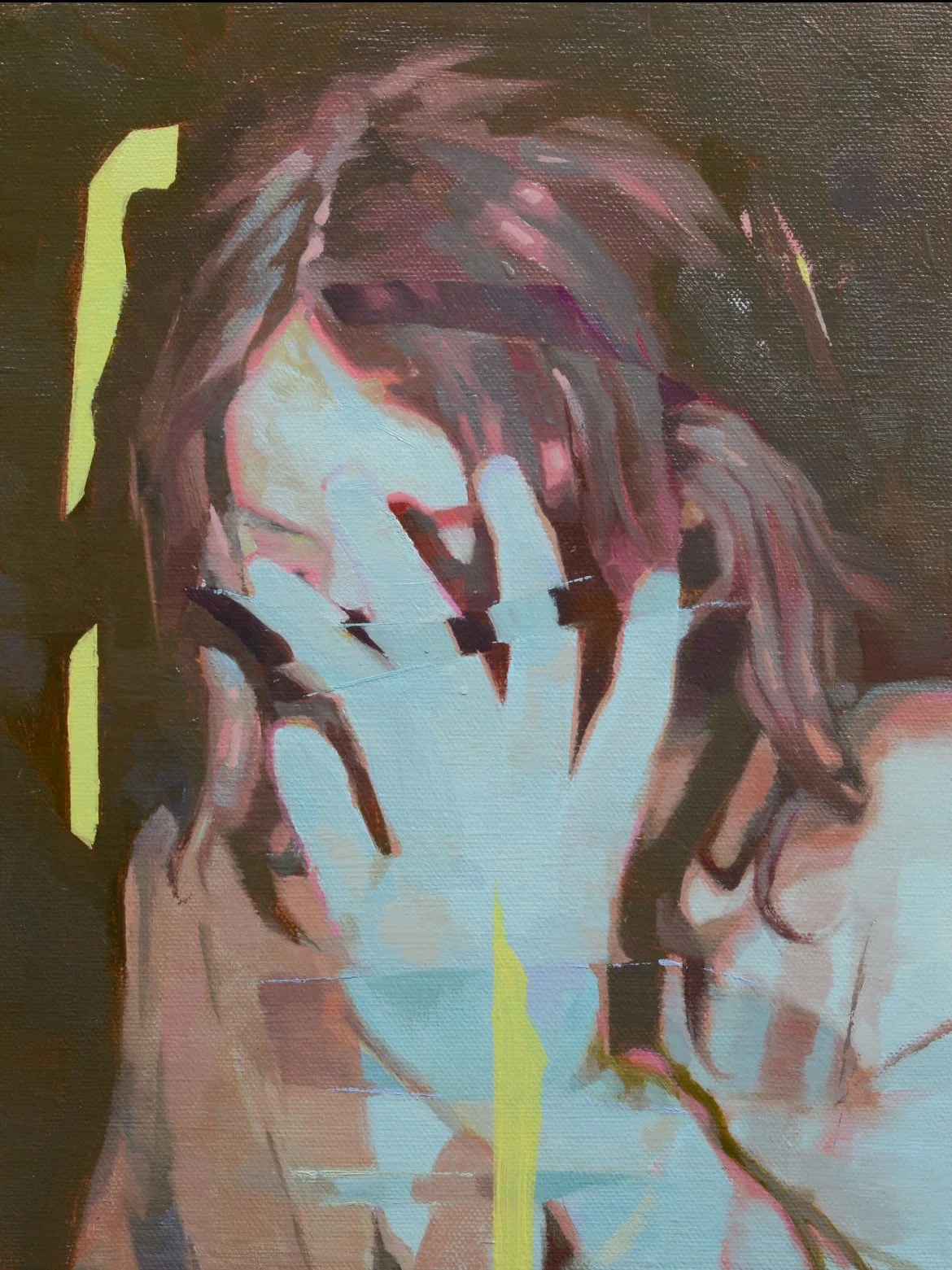
And contrary to popular belief? “People often assume that we young collectors buy art purely as an investment. But in reality, we’re also just enthusiasts who appreciate the work and want to support artists.”
Staying Playful at Any Age
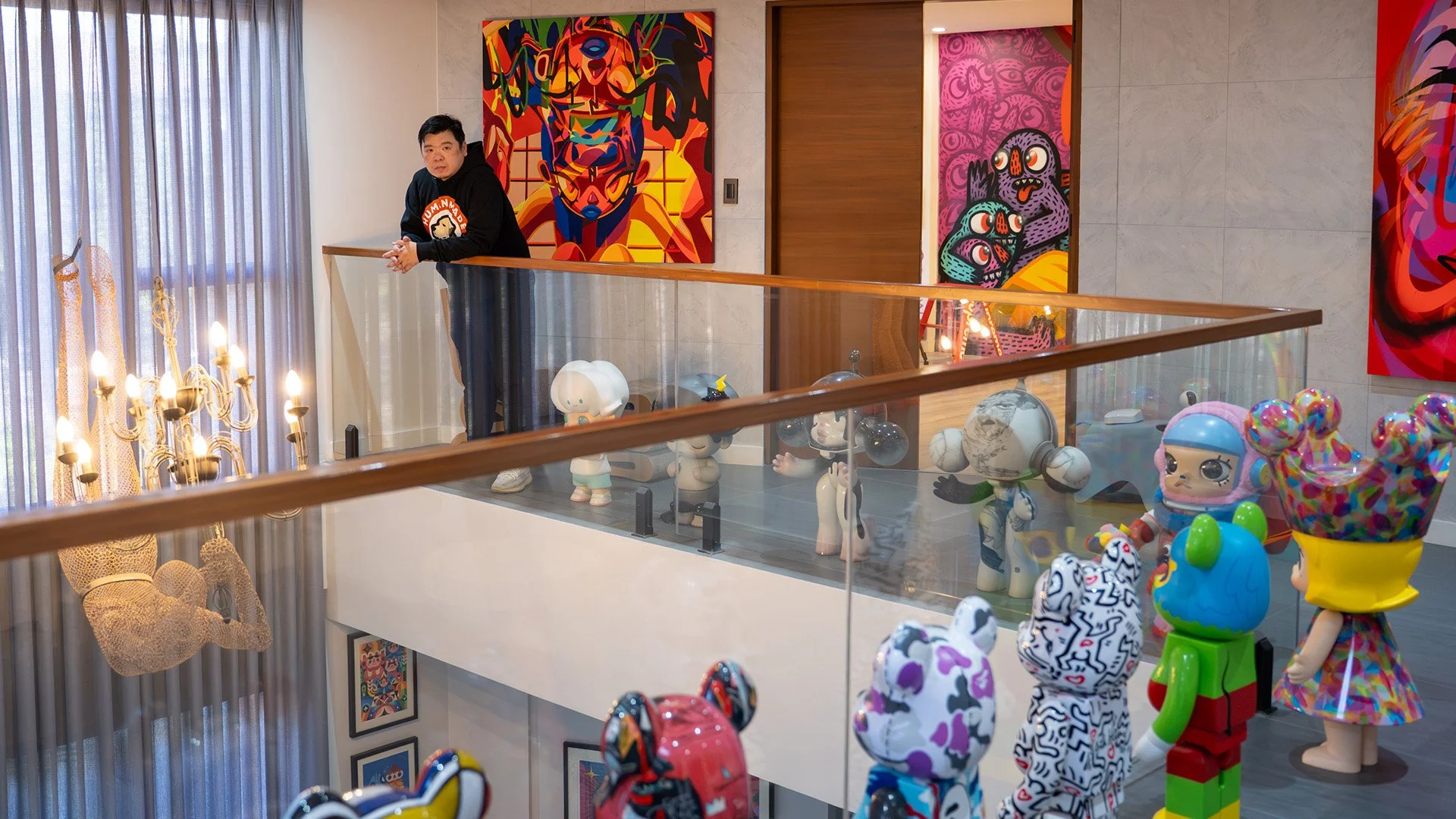
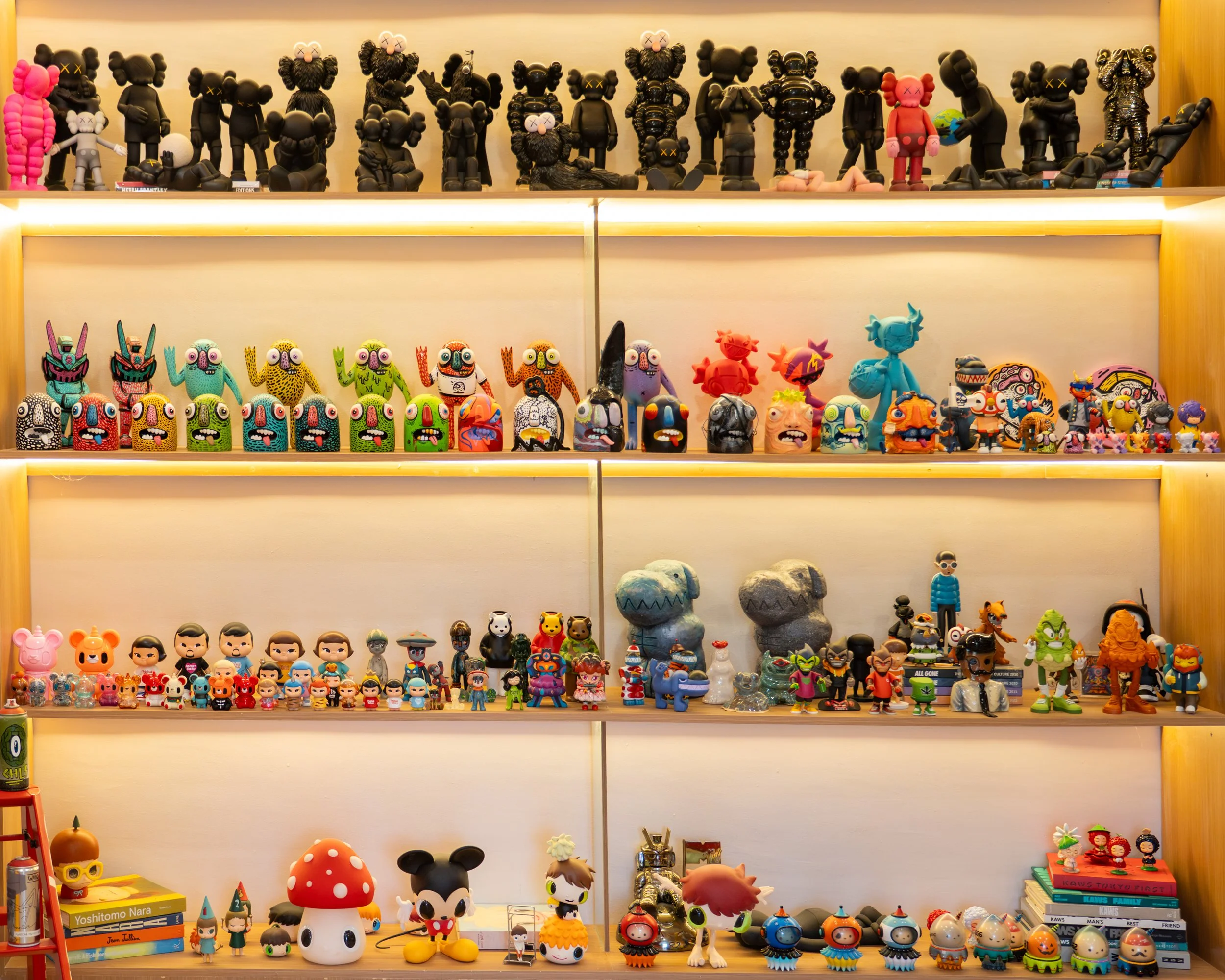
At 29, John Loo started collecting artworks that bridges generations. A family man who prioritizes home life, he began not with paintings, but designer art toys—including Bearbricks and works by KAWS.
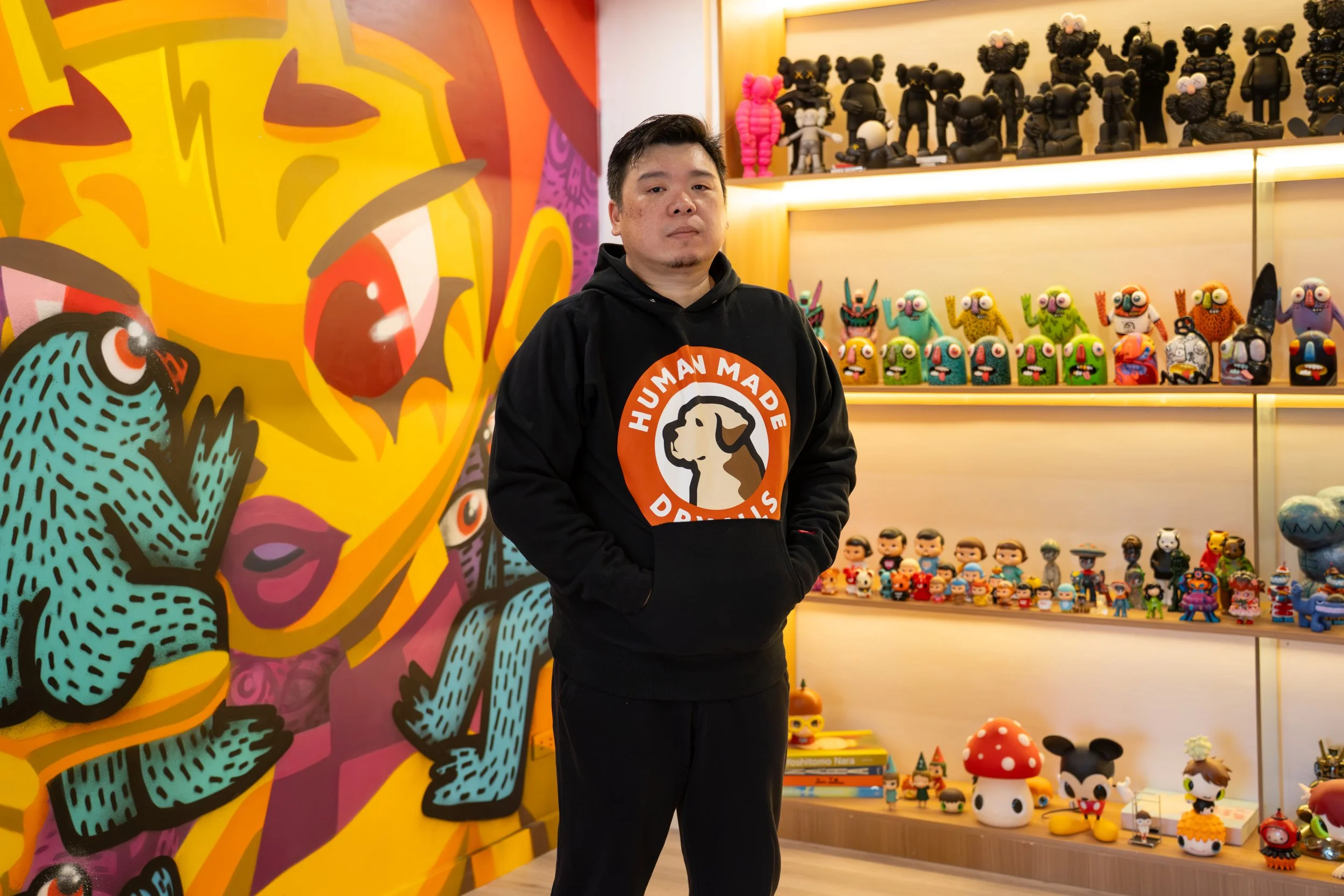
Photo by Aika Matsumaru
“When I started collecting designer art toys, I realized that collecting is about passion, not age or money. It’s about what you connect with and what your inner child enjoys.”
His first commissioned painting by Distort Monsters—themed around family and coffee—marked a turning point. “It was the first time I bought an actual art piece. It felt personal and meaningful.”
John does not chase résumés. “If I connect with it, that is enough. It doesn’t matter to me whether the artist is just starting out or already established.”
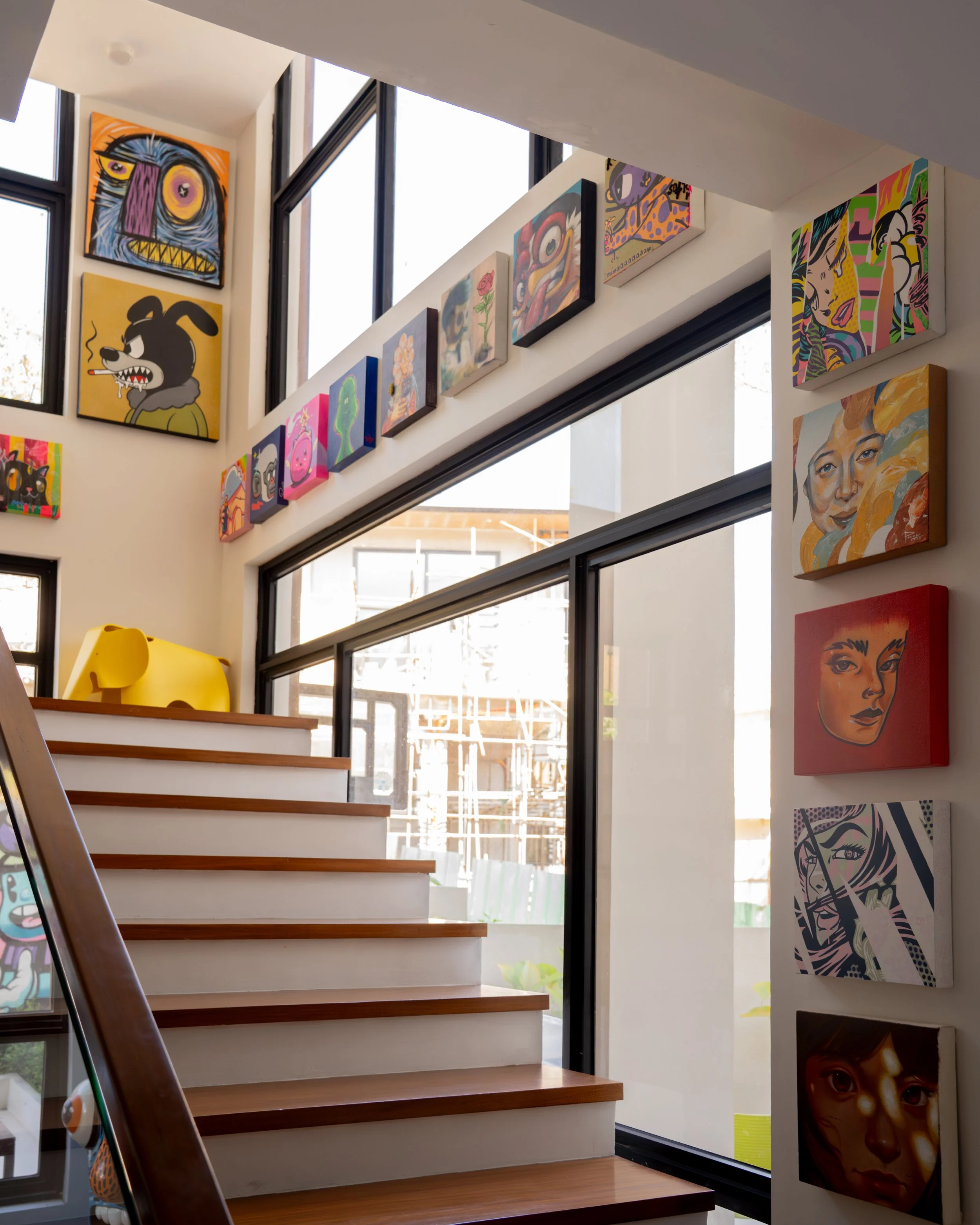
His generation, he notes, integrates art differently. “We mix art with everyday life more. We do not keep art only for display. We live with it.”
Collecting has shaped him in subtle but lasting ways. “It taught me to appreciate creativity and detail. It also reminds me to stay playful, even at 47.”
Redefining the Collector
The new generation of art collectors is dismantling a stereotype that once felt immovable. They are 23-year-olds waking up before dawn to stand in line for a piece they love.
They are young lawyers redirecting hard-earned savings toward something that feeds the soul. They are entrepreneurs buying within their means. They are collectors who grew up around art and those who discovered it on Instagram at midnight.
They research, they hesitate, they take risks, and most of all, they care. In their hands, art is no longer a distant luxury guarded by gatekeepers—it is something lived with, learned from, and deeply felt.
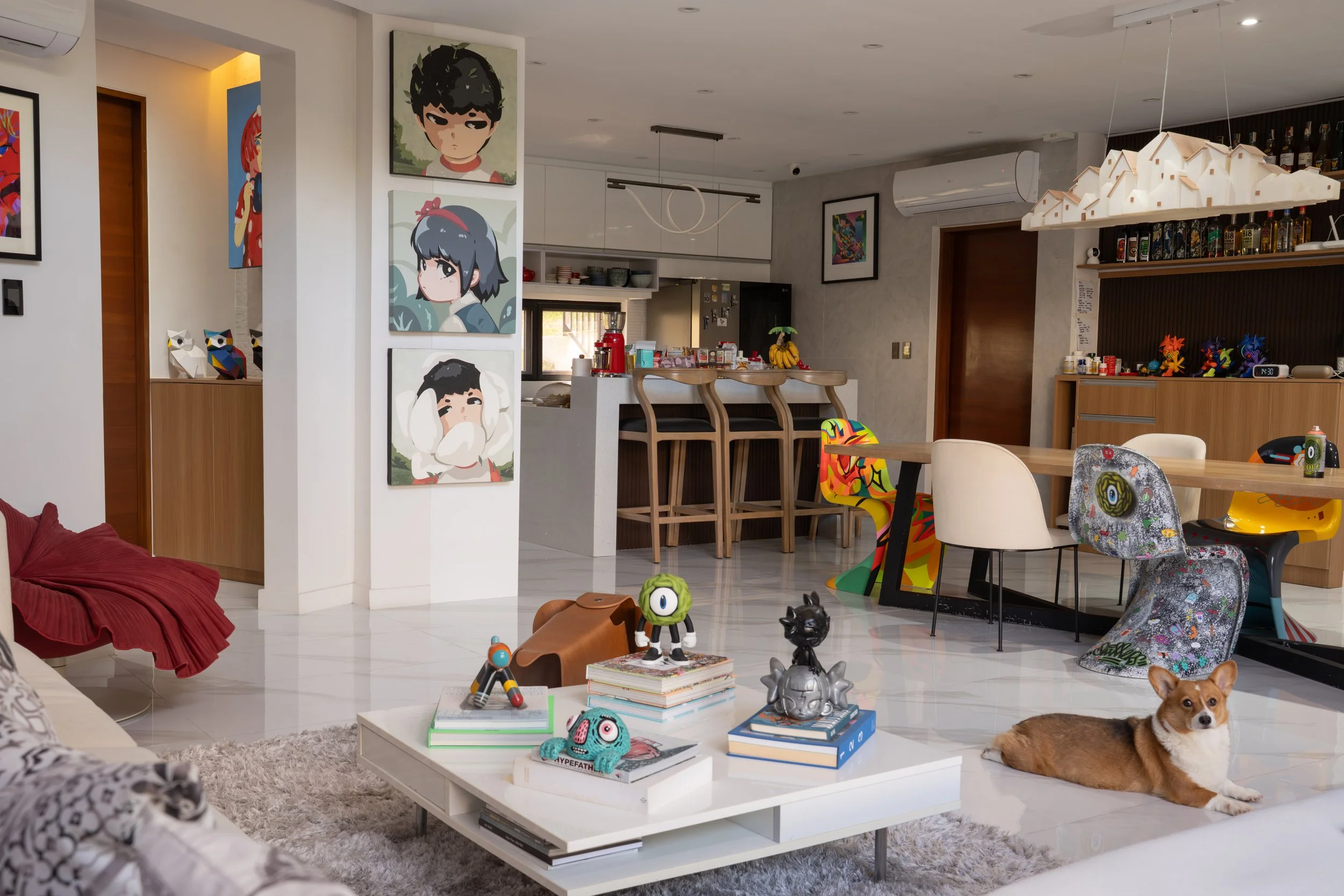
What binds them together is not wealth, nor age, nor influence, but conviction. They collect not to impress rooms, but to build worlds within their own walls. They prove that art collecting is not an exclusive club for the privileged few, but an open invitation to anyone willing to look closely, ask questions, and trust their instincts.
The myth is fading, replaced by something far more powerful: a generation showing that you don’t need to be rich or old to collect art—you only need the courage to begin.