Paint, Plant, Play, Draw: MoCAF 2026 Invites Everyone Into the Creative Process
Through workshops, games, conversations, and hands-on experiences, MoCAF 2026 transformed visitors from passive spectators into active participants, proving that contemporary art flourishes not only on gallery walls but also in shared acts of making, learning, and play.
Words & Photos courtesy of Randolf Maala-Resueño
July 05, 2026
For many visitors, an art festival begins with looking.
Paintings are admired from a distance, sculptures are studied, and conversations move from one booth to another. But at MoCAF 2026, contemporary art stretched beyond display walls.
Across its second and third days, the fair became a working studio where visitors painted ceramics, built miniature landscapes, arranged flowers, joined board games, and listened to conversations about how art can live in new forms.
The message was clear: contemporary art is not only something to be seen. It is something to be made, shared, and played.
Painting potteries with RADA COLLAB
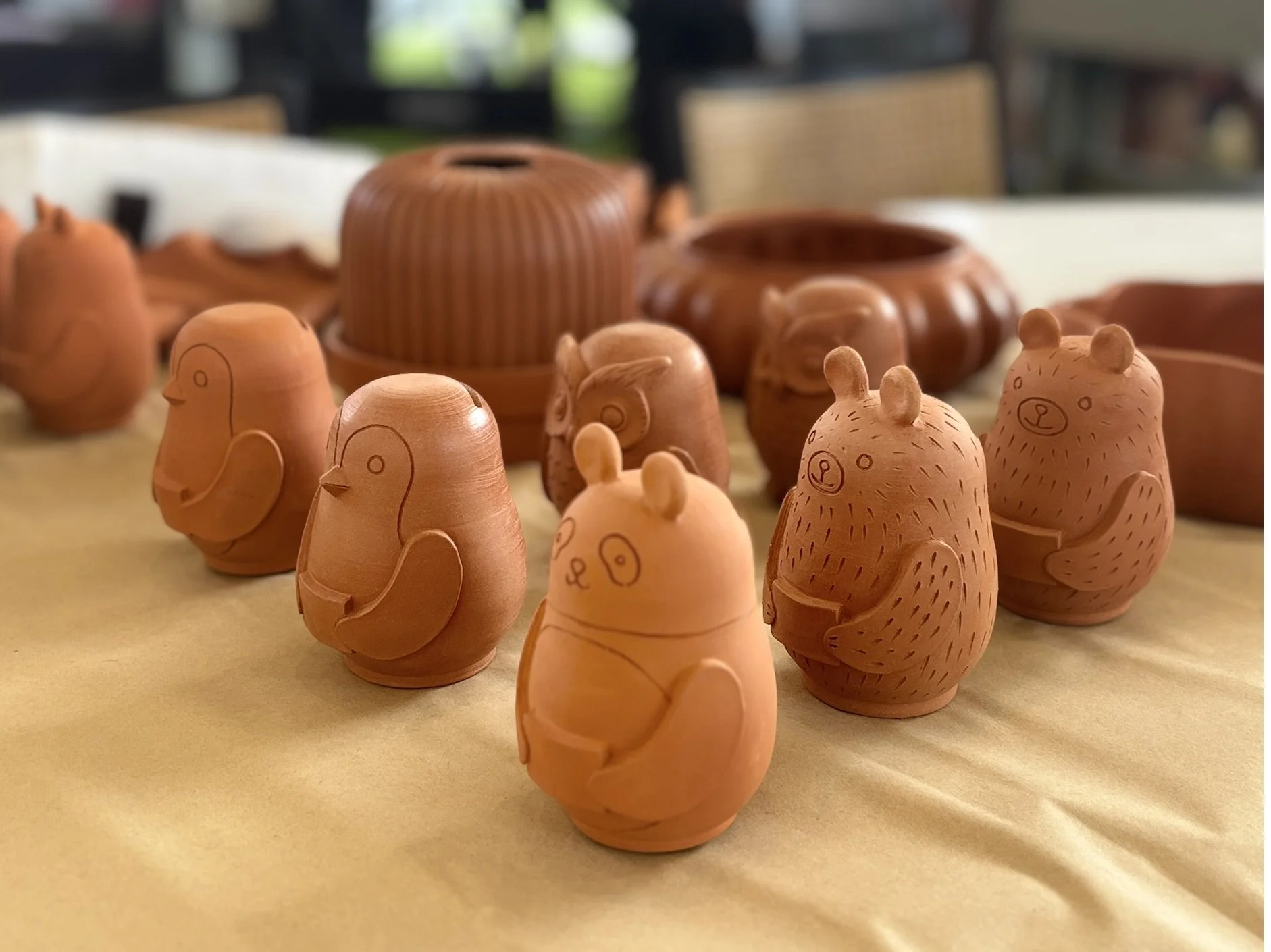
One of the busiest corners of the festival belonged to RADA COLLAB, whose pottery painting workshop invited guests to decorate handcrafted ceramic pieces made through collaborations with artisan communities in Albay.
Facilitators Mary Lei, Charisse Aganinta, and industrial designer Rachelle Dagñalan encouraged participants to treat each piece as a personal canvas rather than a precious object.
For Dagñalan, the workshop reflected RADA COLLAB’s larger mission of linking artists, designers, makers, and regional communities through contemporary Filipino design.
“RADA COLLAB is a group of artists, designers, and makers,” she said. “We develop products with different MSMEs around the Philippines, and these collaborations allow handcrafted works to reach Metro Manila and online audiences.”
The ceramics shown at MoCAF were among the newest products developed with pottery communities in Albay, making the fair their public debut.
Transforming mini ecosystems with MOSS ESCAPE
Nearby, Moss Escape invited visitors to slow down through miniature terrarium-making. Layer by layer, participants arranged preserved moss, stones, and natural elements into small glass ecosystems, learning the basics of balance, composition, and botanical design.
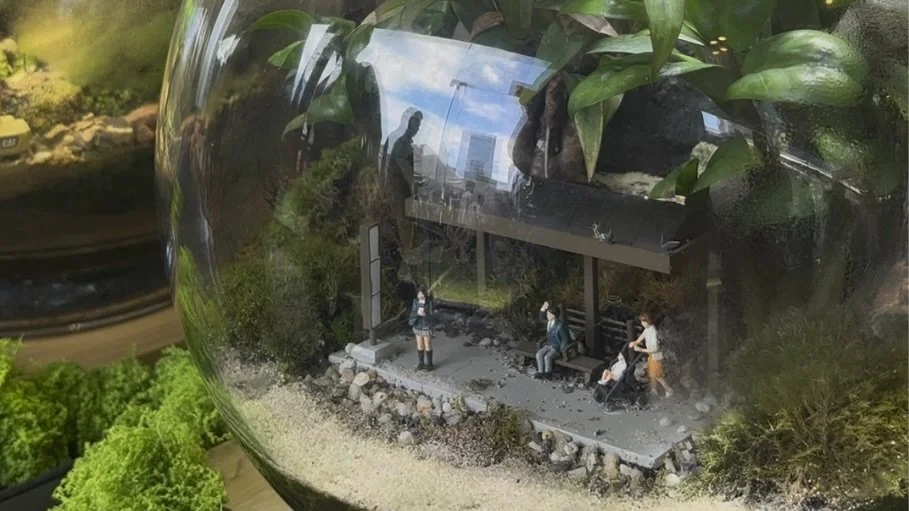
The workshop showed how artistic practice can begin with observation. By turning simple natural materials into tiny landscapes, Moss Escape offered a quiet but immersive form of creativity.
Flower arrangement made easier with Ginger Design & Styling
That same spirit of accessible creativity continued in The Language of Form, a floral workshop led by Ginger Gaddi of Ginger Design & Styling.
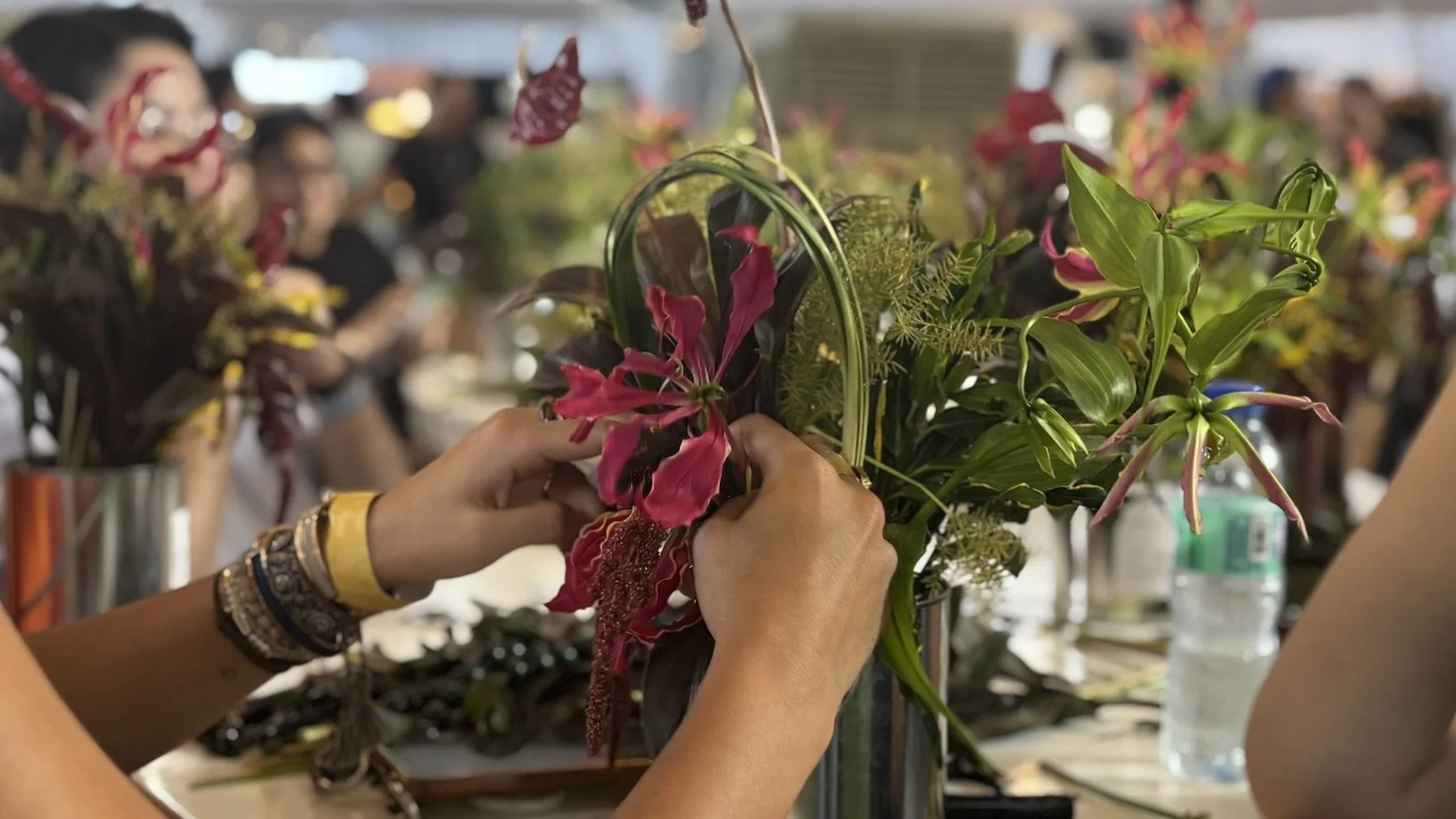
Using locally sourced blooms and sustainable arranging techniques, participants discovered that floral design follows many of the same principles found in painting and sculpture: rhythm, texture, proportion, and movement.
The workshop framed flower arrangement not just as decoration, but as another artistic language—one that anyone could learn to speak.
Bored? Board!
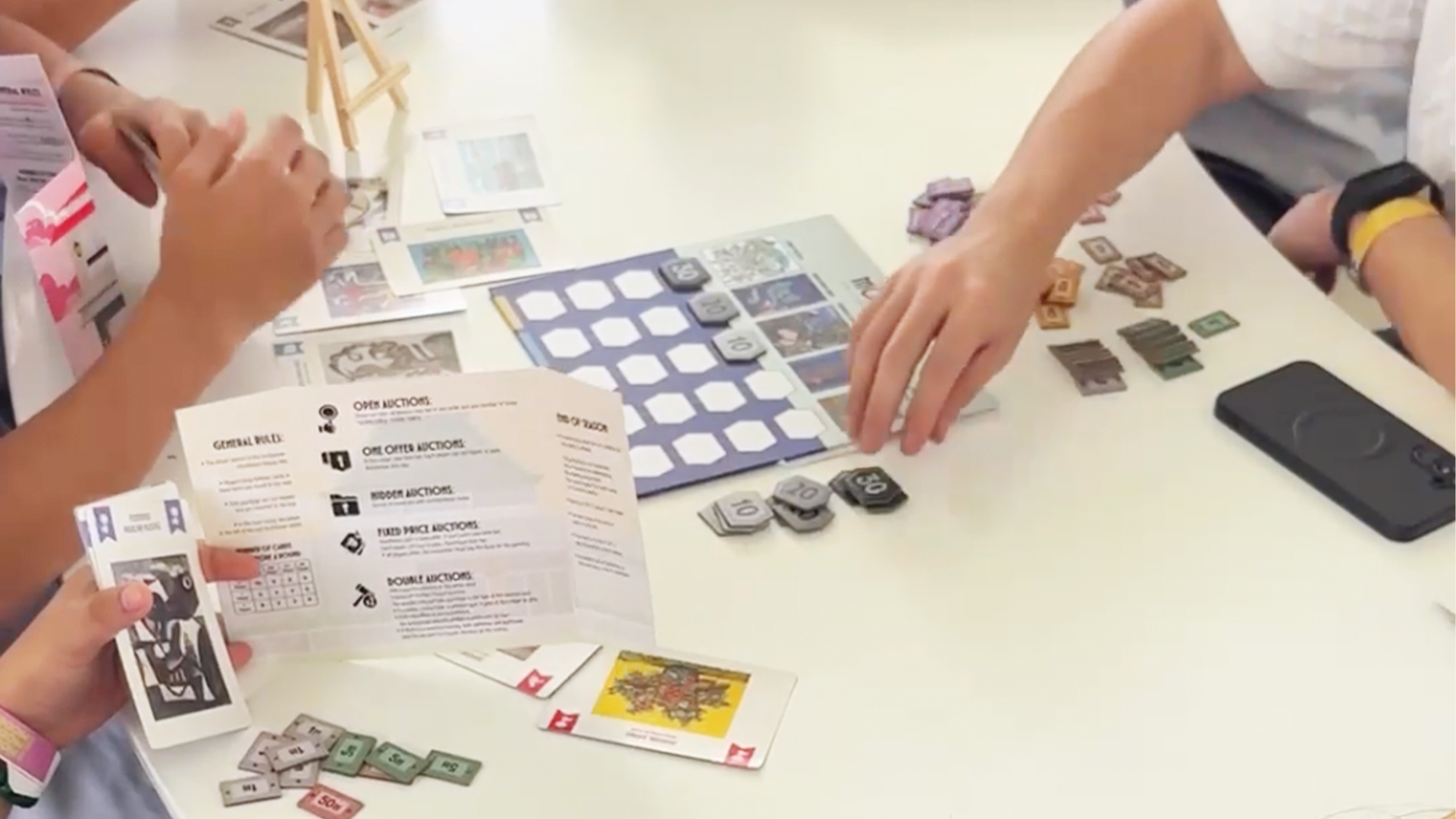
If the workshops invited visitors to make art, the festival’s third day asked whether games could also become a way of experiencing it.
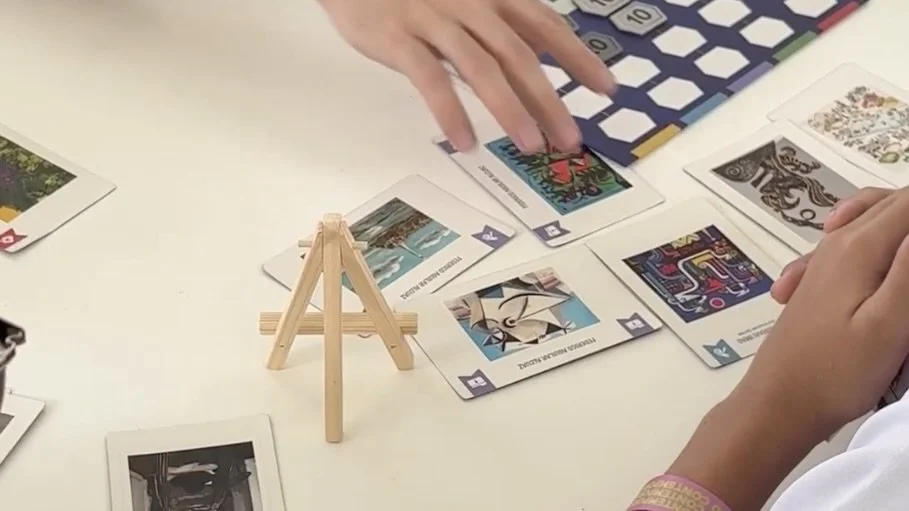
That question came alive in Modern Art: Philippine Edition – Connecting Gaming and Fine Art, a dialogue presented by Gaming Library and Fundacion Sansó. More than a launch for a tabletop game, the session explored how play can open a new path into Philippine art history.
The ‘art’ of gaming
Developed by Gaming Library under founder Hans Kenner Fernandez and project lead Duane Galang, Modern Art: Philippine Edition adapts the internationally known board game into a Filipino context.
Players take on the role of gallery owners navigating an art market shaped by five modern masters: Federico Aguilar Alcuaz, Larry Alcala, Abdulmari Asia Imao, Romulo Olazo, and Juvenal Sansó.
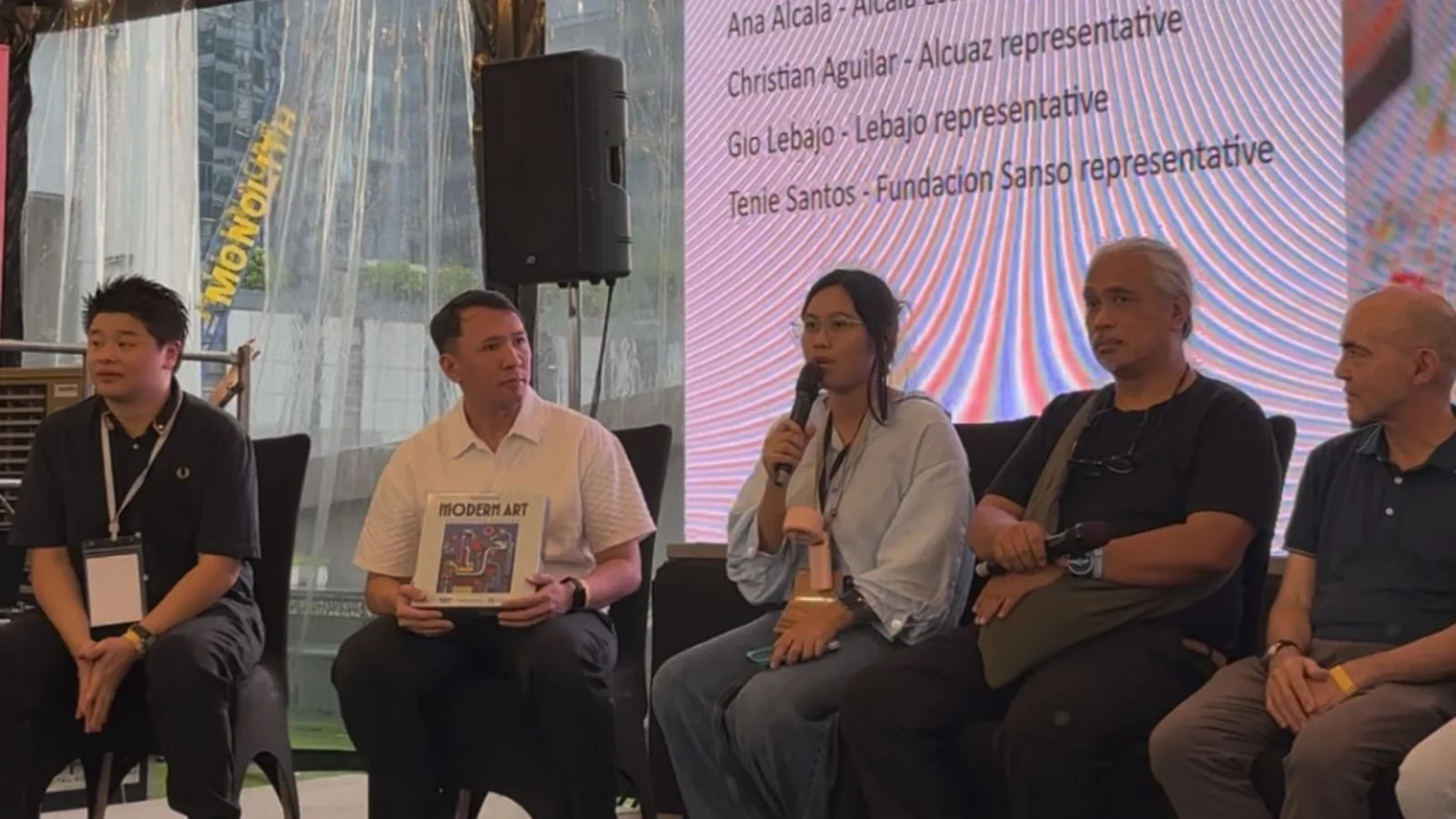
Each game box includes an exhibition catalogue introducing the artists, allowing players to learn while they bid, collect, and curate. The discussion that followed brought together representatives of the artists’ estates, including Toym Imao, Ana Alcala, Christian Aguilar, Gio Lebajo, and Tenie Santos.
For Imao, accessibility should not be mistaken for simplification. Games, he noted, can offer an entry point for audiences who may feel intimidated by galleries. Santos added that institutions must evolve with younger audiences, while others emphasized the value of tactile, community-centered engagement.
“Our projects are not only for collectors,” Santos said in essence. “They’re for the Filipino people.”
Kartooning by the people, for the people
The festival’s participatory spirit continued with Board Game Day, where visitors joined tabletop sessions throughout the exhibition, and ended with the Basic Kartooning Workshop organized by the Samahang Kartunista ng Pilipinas.
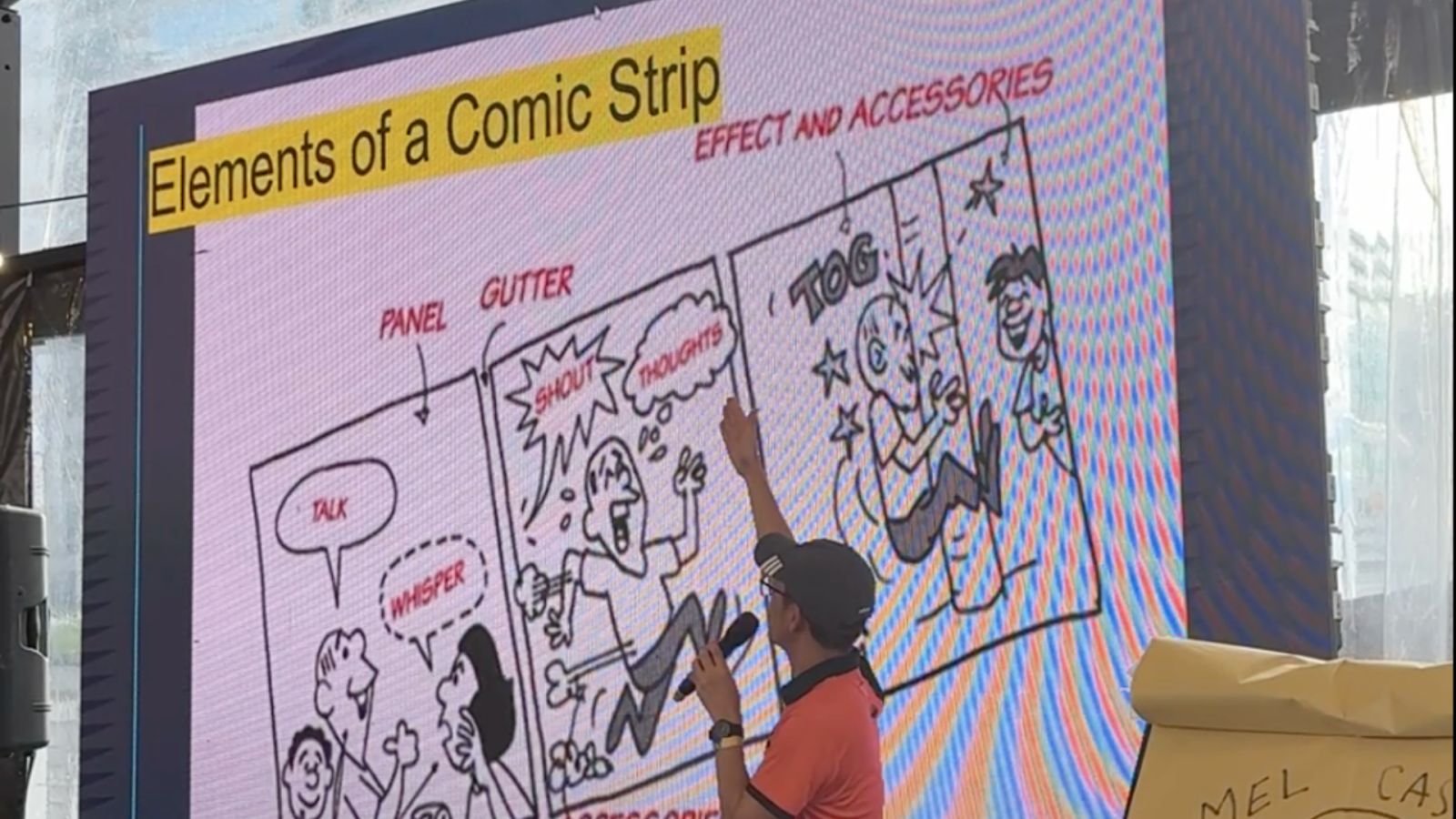
Cartoonists Giodesk Guiao, Ardie Aquino, and Mel Casipit introduced aspiring artists to character design and comic storytelling.
Together, these programs showed another side of MoCAF 2026.
Collectors still found remarkable works. Galleries still presented strong exhibitions. But between the booths, visitors found something equally valuable: the chance to create, converse, collaborate, and play.
Contemporary art, now more than ever, was in people’s hands.