
On-Screen Care: How a Filipino Nurse Relates to the Quiet Realism of ‘'The Pitt'’
A Filipino nurse reads the Emmy award-winning medical series as a dramatic mirror of labor, resilience, and the fragile systems that hold care together.
Words Randolf Maala-Resueño
Photos courtesy of HBO Max
April 17, 2026
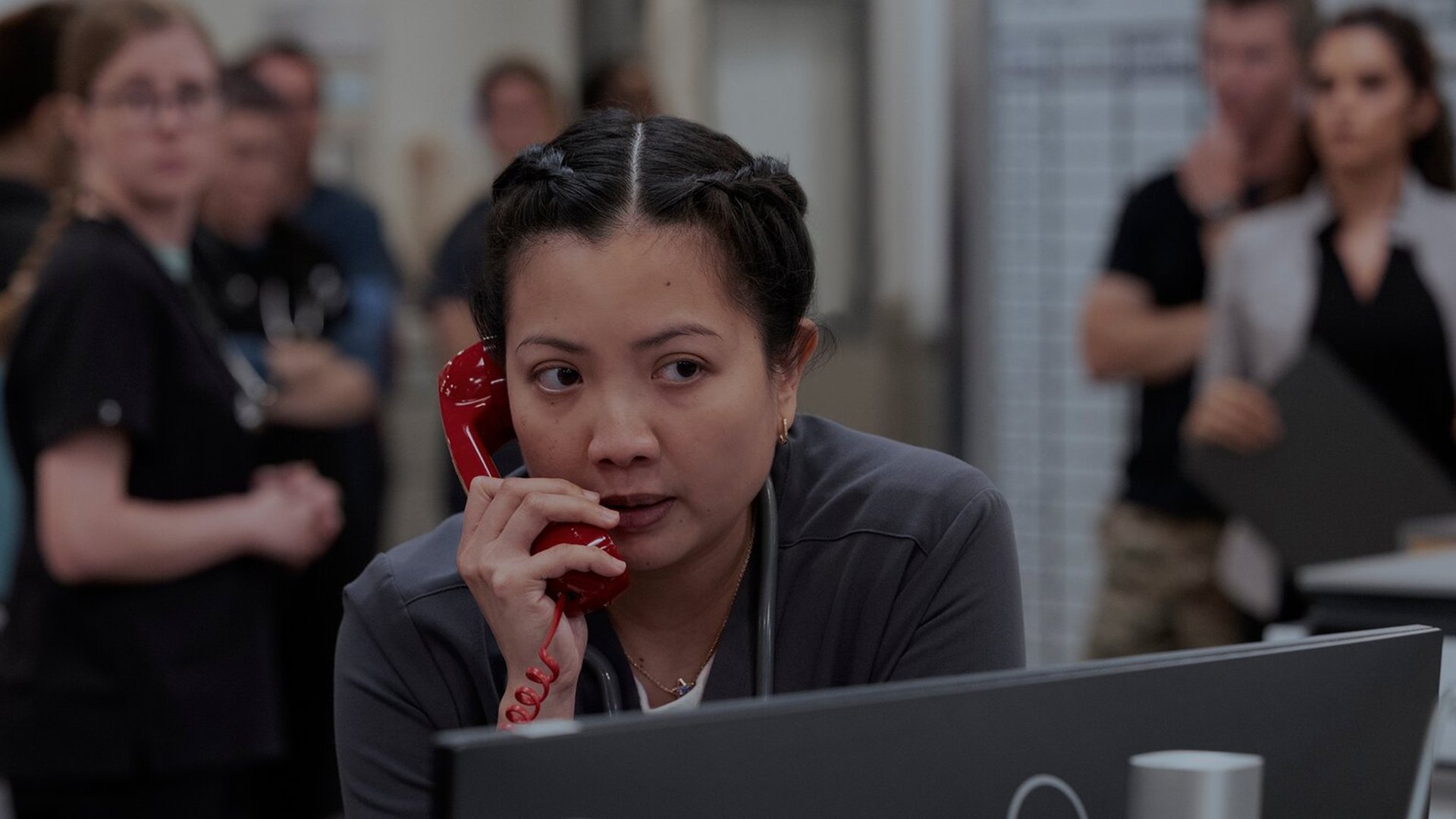
By the time 'The Pitt' arrives at its Season 2 finale this April 16, it has already distinguished itself from the spectacle-heavy lineage of medical television. Where older series thrived on romance and crisis peaks, ‘The Pitt’ leans into accumulation: fatigue, routine, and the quiet rhetoric of care.
Its accolades—bolstered by Emmy recognition and steady critical praise—mirror audience reactions that often describe the show less as “thrilling” and more as “unsettlingly familiar.”
For Jerald Sayat, a registered nurse and research specialist working across healthcare technology and emergency care in Metro Manila, that familiarity is precisely the point.
“I’m looking for two things in a medical drama,” he says. “First is the medical perspective—how real their work is. Second is the drama itself. 'The Pitt' delivers both.”
Sayat’s relationship with the genre is personal. “I used to think I’d go into journalism or filmmaking. But during the pandemic, I watched medical dramas, and it shaped my perspective on healthcare. It led me to nursing.”
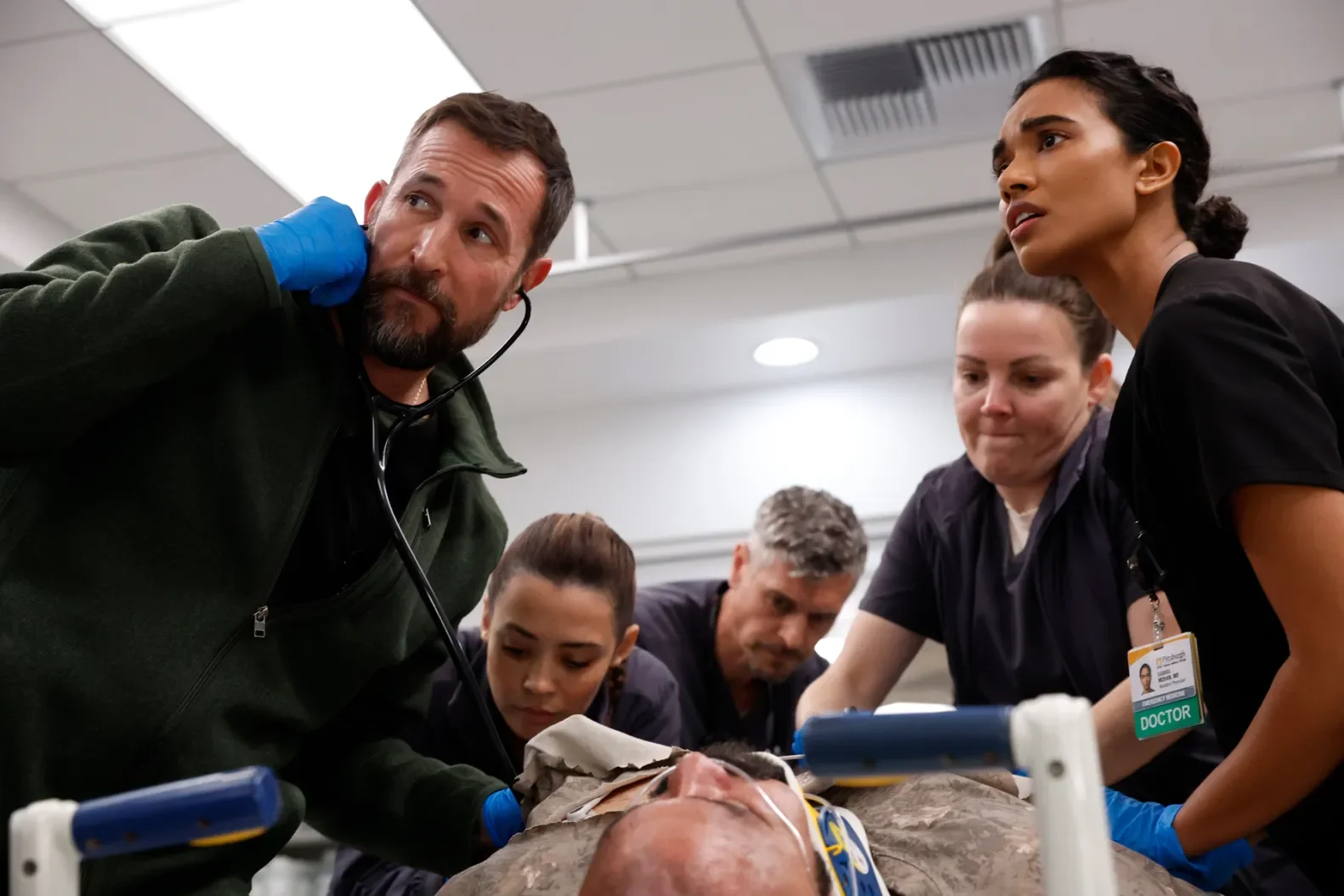
Yet unlike the glossy narratives that came before, 'The Pitt' resists centering only doctors. “What’s special about it is that it shows different perspectives—not just doctors, but nurses especially.”
Invisible backbone, visible truths
Season 2 sharpens this perspective. Across its episodes, nurses are not framed as assistants but as the operational and emotional backbone of the hospital. Filipino nurses, in particular, emerge as part of a broader network of transnational healthcare providers—skilled, adaptable, and often quietly indispensable.
“Most of the nurses you see are Filipino, especially since the setting is in the US,” Sayat notes. “It’s a good representation because it highlights how in demand Filipino nurses are—not just locally, but abroad.”
Part of The Pitt’s quiet impact lies in its Filipino cast, both visible and embedded in the hospital’s rhythm. Isa Briones plays Dr. Trinity Santos, a sharp, often polarizing resident whose Season 2 arc reveals vulnerability beneath ambition.
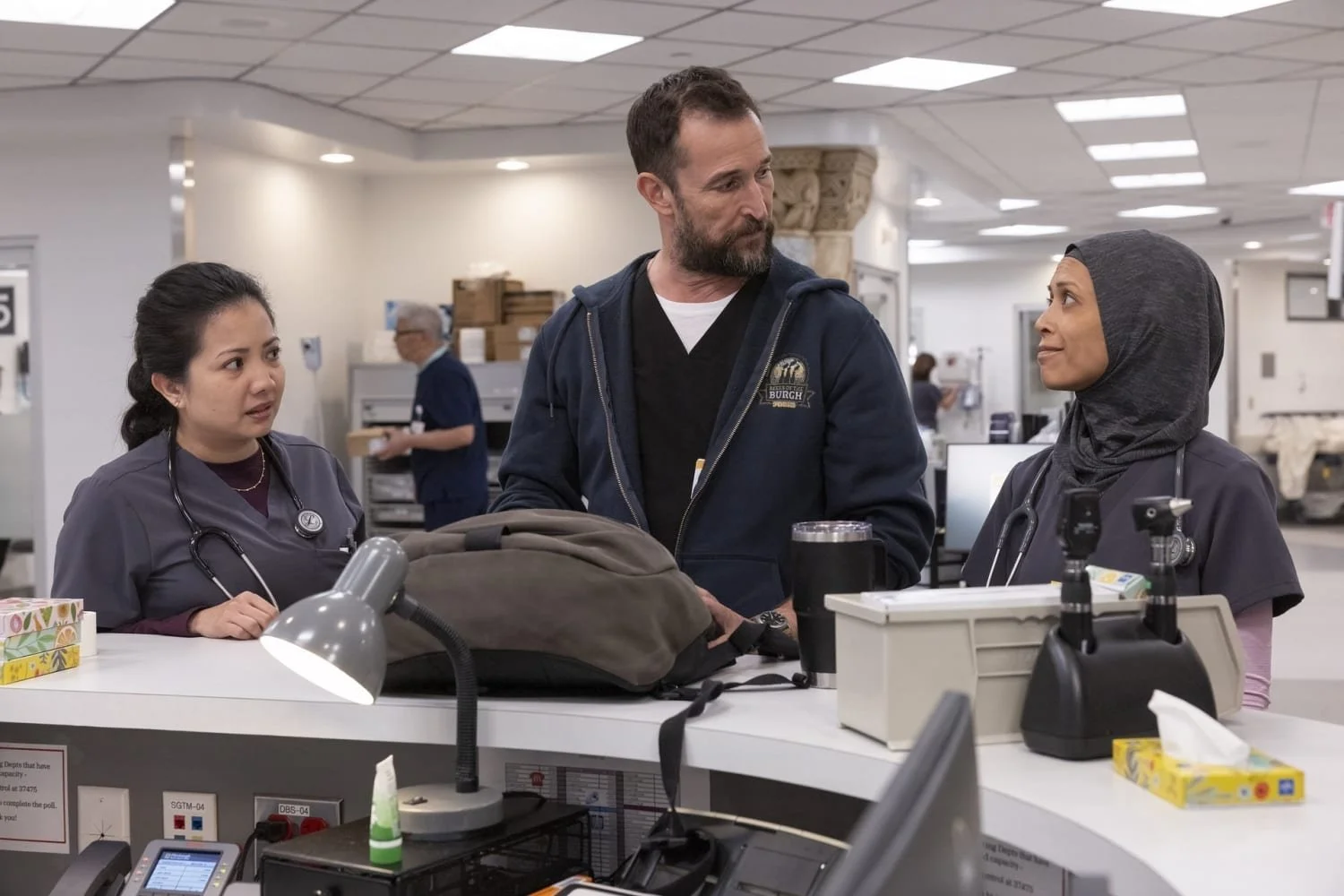
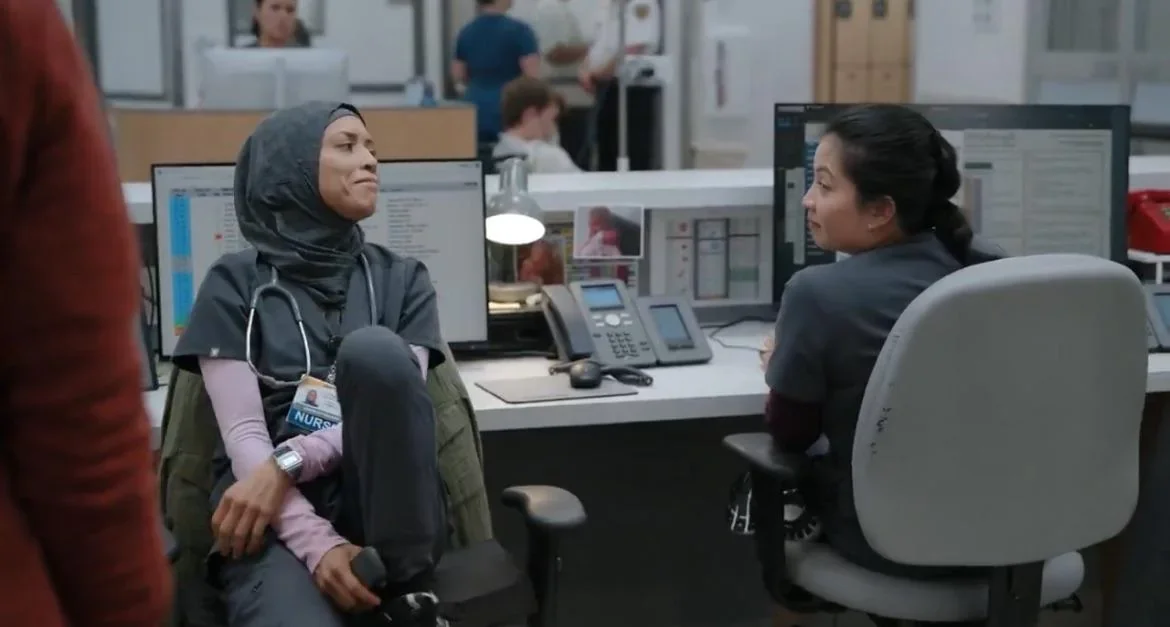
Alongside her are two Filipino nurses who ground the ER’s everyday realism: Kristin Villanueva as Princess Dela Cruz and Amielynn Abellera as Perlah Alawi.
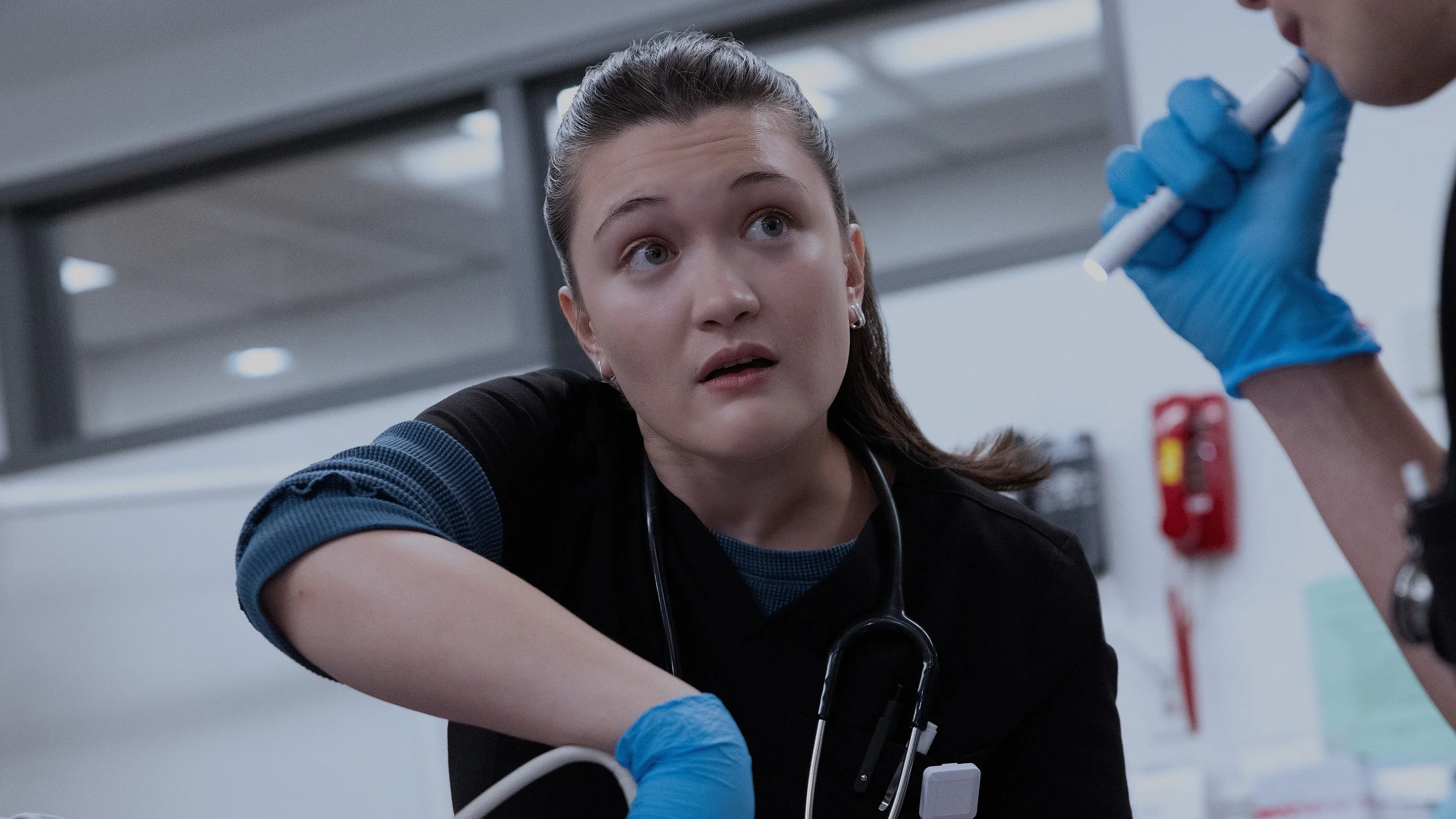
Their presence is subtle but constant—speaking in Tagalog, moving through the chaos, holding the system together. For Sayat, that familiarity lands. “There are moments where I recognize someone I’ve worked with. That compassion—it’s very Filipino.”
Still, the representation is not without its gaps. “There’s a slight detachment. I didn’t feel that they were overseas workers. It felt more like they were raised in the U.S. We don’t see that migrant experience.”
That absence matters. Filipino nurses have long been shaped by a care economy rooted in colonial history and labor export policies. Their presence abroad is not incidental; it is systemic. Without that context, visibility risks flattening into familiarity.
Systems under strain
If 'The Pitt' succeeds anywhere, it is in exposing the fragility of the healthcare ecosystem. Season 2’s most striking moments are both those dramatic outbursts and inevitable systemic failures.
Sayat points to the season’s major story arc where a technical malfunction forces the hospital to abandon digital records. “For them, it’s a system error. In the Philippines, that’s our daily reality. We still rely on paper charting.”
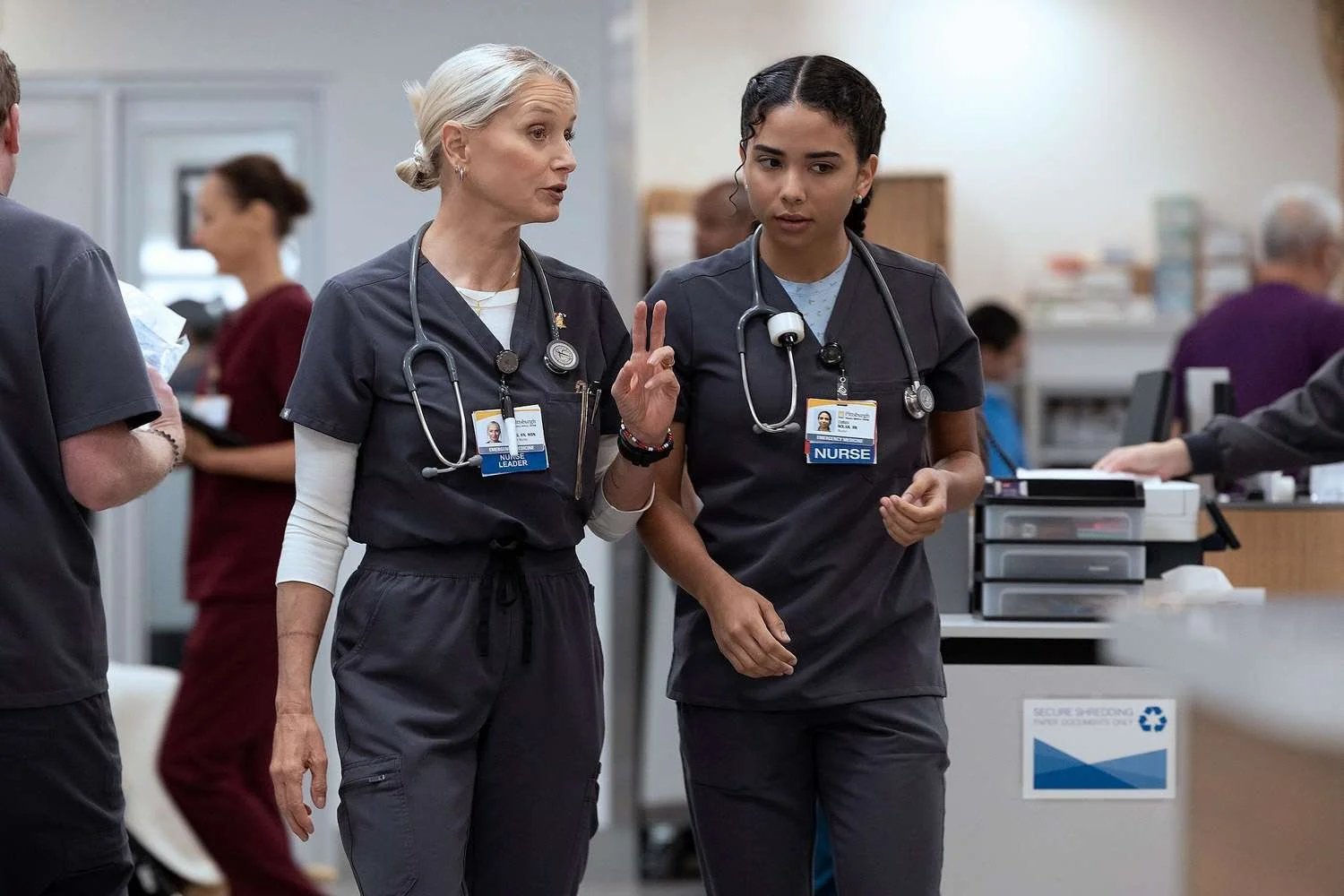
Another scene—where hospital management offers superficial perks instead of structural improvements—hits just as close. “There’s a moment where they give out free donuts, but there’s no investment in security or long-term systems. That happens in real life. Administration focuses on short-term relief rather than meaningful change.”
The show’s portrayal of burnout also resonates, though with nuance. “The ER is chaotic. Patient queues, triaging, staffing issues—it’s overwhelming. Most days are hard days,” he says. “In that sense, it’s very similar.”
But emotional breakdowns, as dramatized on screen, are less common in practice. “We don’t express it like that. We stay professional. But it’s good that the show reveals those emotions. It shows what we sometimes feel but cannot act on.”
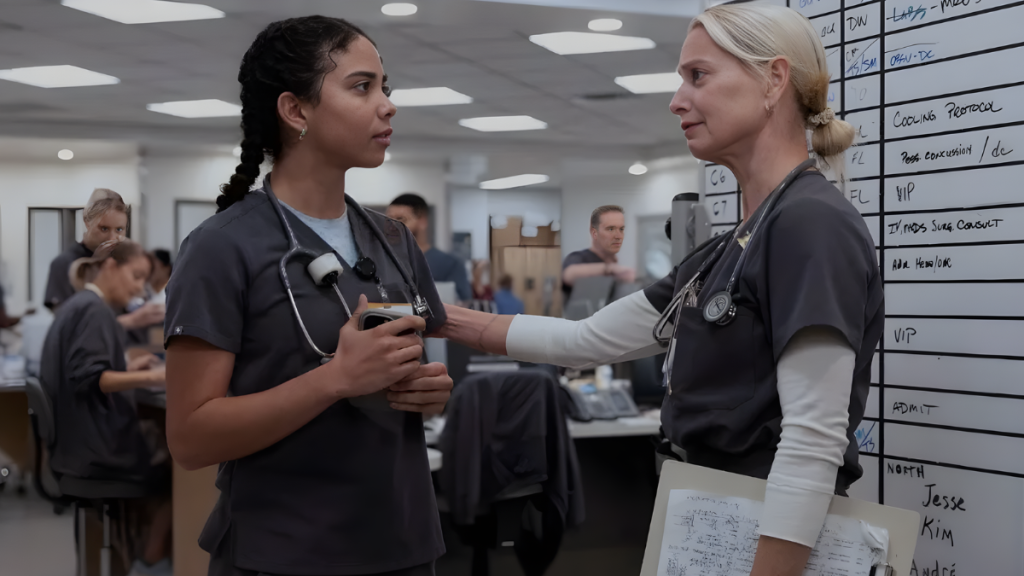
This tension—between feeling and behavior—is central to the ethics of care. “Your feelings are valid, but your behavior is not always justified. Even under stress, we adhere to ethics.”
What the show leaves unsaid
For all its realism, 'The Pitt' still operates within narrative constraints. Its focus remains largely within hospital walls, leaving the fuller lives of its characters unexplored.
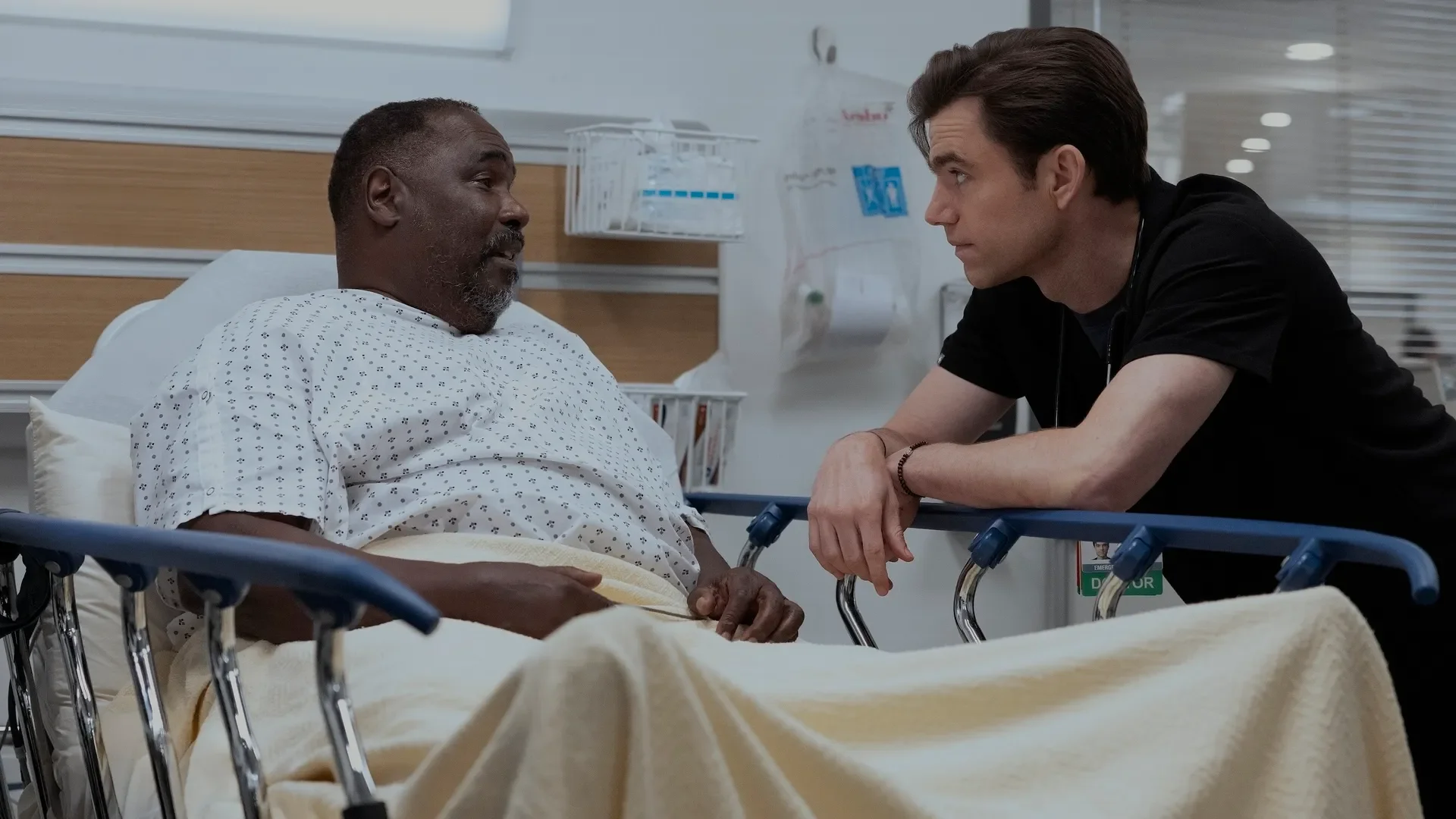
“I want to see more of their backgrounds,” Sayat says. “If they are Filipino nurses abroad, show their families. Show the process of becoming a nurse and transitioning overseas.”
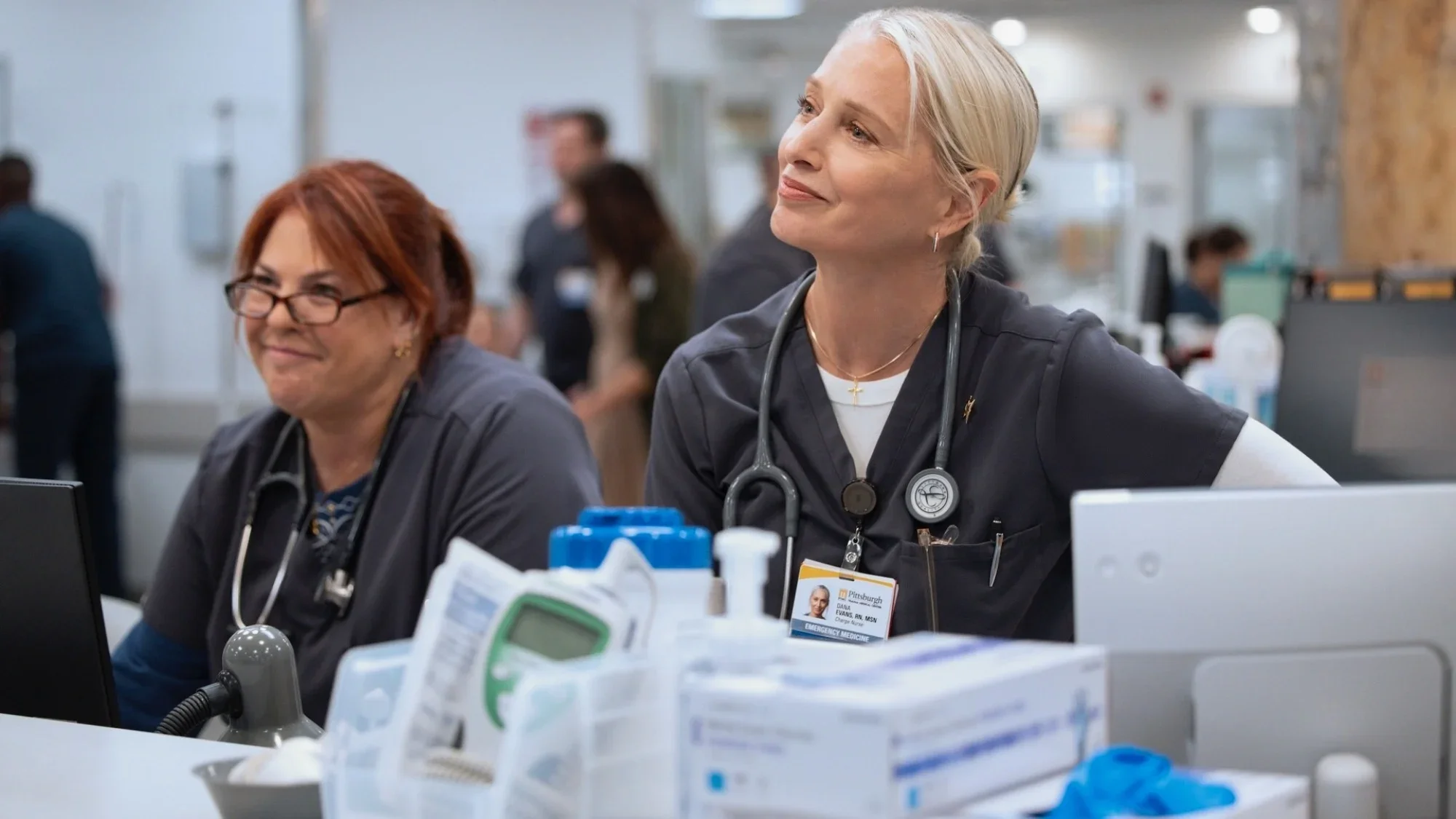
This absence becomes more pronounced in ethically charged moments. He recalls a controversial scene involving Nurse Dana. “There was no clear ethical consequence. In real life, that would be a serious issue. Even if we feel anger, we cannot act on it.”
Still, the show’s willingness to depict those impulses is, in itself, revealing. “It shows what we want to do sometimes, but cannot. That’s also a form of representation.”
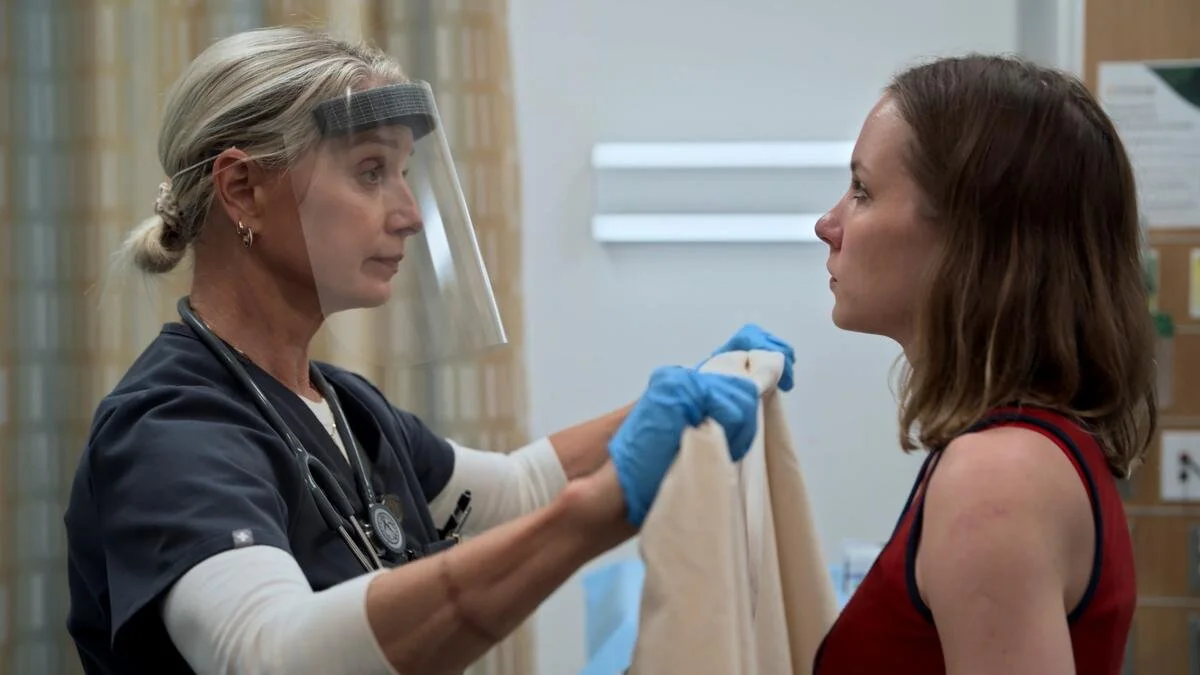
One of Season 2’s most affecting arcs involves a sexual assault case handled with procedural care but systemic delay. “That stood out to me,” he says. “Cases like that require trained nurses. In the Philippines, we need more systems in place to support victims.”
Here, the series brushes against a larger truth: healthcare is not just clinical, but deeply social and political.
Toward Season 3: Care beyond the frame
As 'The Pitt' moves toward Season 3, its challenge is clear: to expand from presence to perspective.
“I want the show to explore how political decisions affect healthcare,” Sayat says. “The problems in healthcare are not just at the level of nurses. They are macro problems that need macro solutions.”
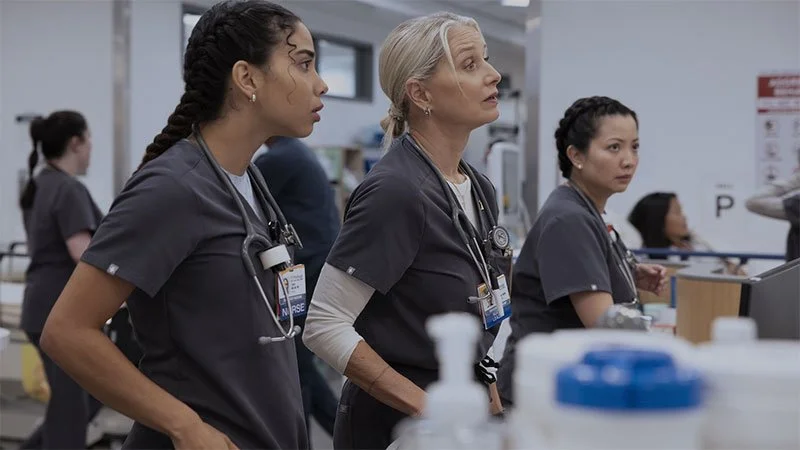
He also hopes for a deeper look at migrant realities: “Filipino nurses overseas are immigrants too. I want to see how policies impact them.”
At its best, 'The Pitt' gestures toward a more magnanimous understanding of care—one that sees nurses as central actors in a complex, interdependent system, not merely secondary figures.
For Sayat, that recognition is personal. “Before, I thought doctors were more important [or more dominant. But after watching ‘The Pitt,’ it made me realize that nurses were equally as significant.] We are there from birth to death–from womb to tomb.”

His reflection cuts through both fiction and reality. “Nurses are not just there to assist. We are trained to think critically. We understand medications, systems, [and] patient needs. We are part of the entire healthcare ecosystem.”
What remains, then, is not just representation, but valuation. “We don’t ask for too much. We just want to feel valued—through fair compensation, protection, and respect.”
And beyond the system, beyond the screen, a quieter truth persists. “Before a nurse becomes a nurse, they are also a son or daughter. They have families. We work not just for ourselves, but for them.”
In this, 'The Pitt' finds its deepest resonance—in that ‘spectacle’ endurance, and in the steady, unglamorous labor of care.