
All the Light We Cannot See
Sound designer Corinne De San Jose dialogues with fellow artists at test-residency as Calle Wright prepares to officially launch its residency program.
Words Pao F. Vergara
Photos courtesy of Maja Sollegue and Calle Wright
April 17, 2026
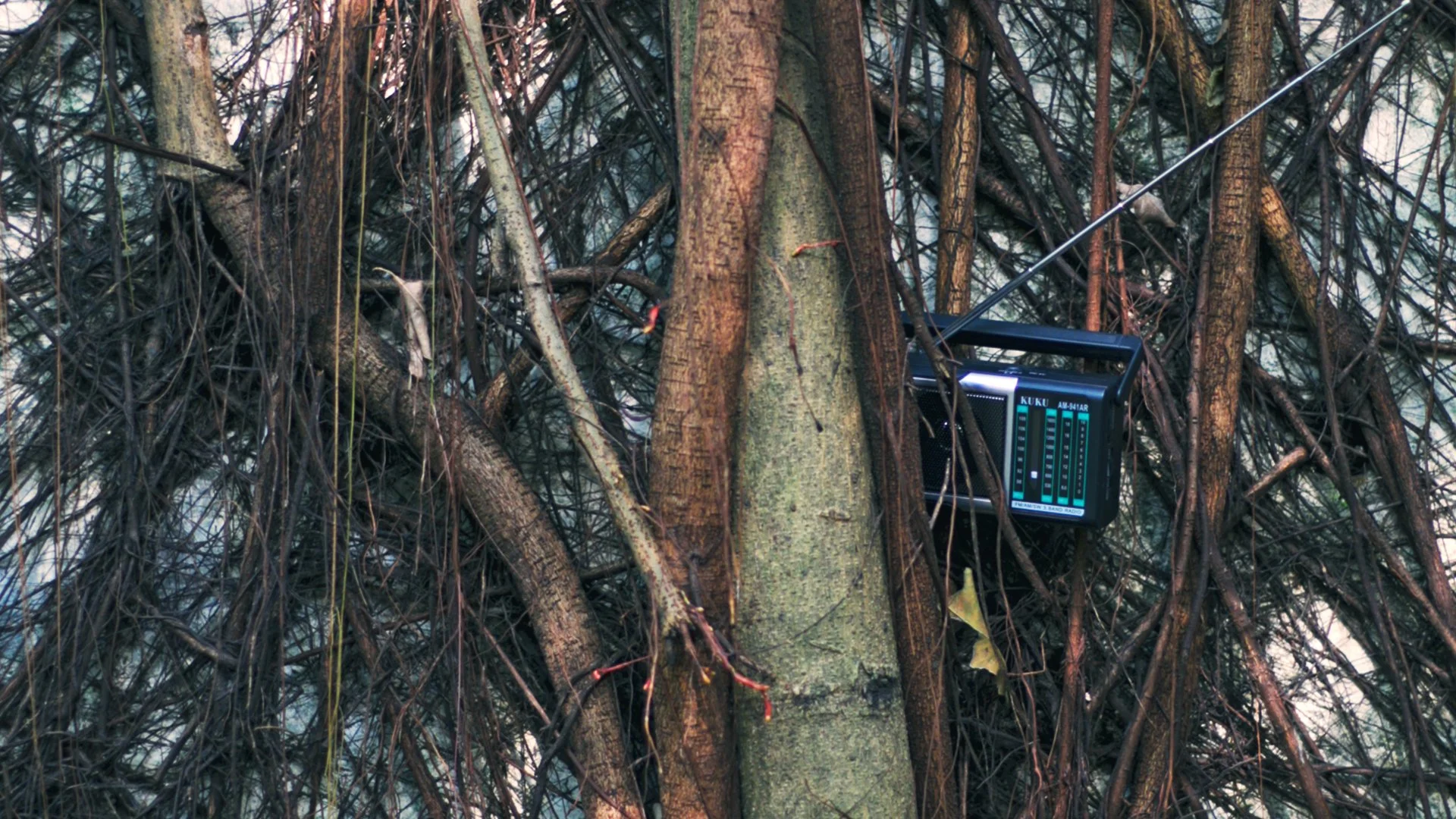
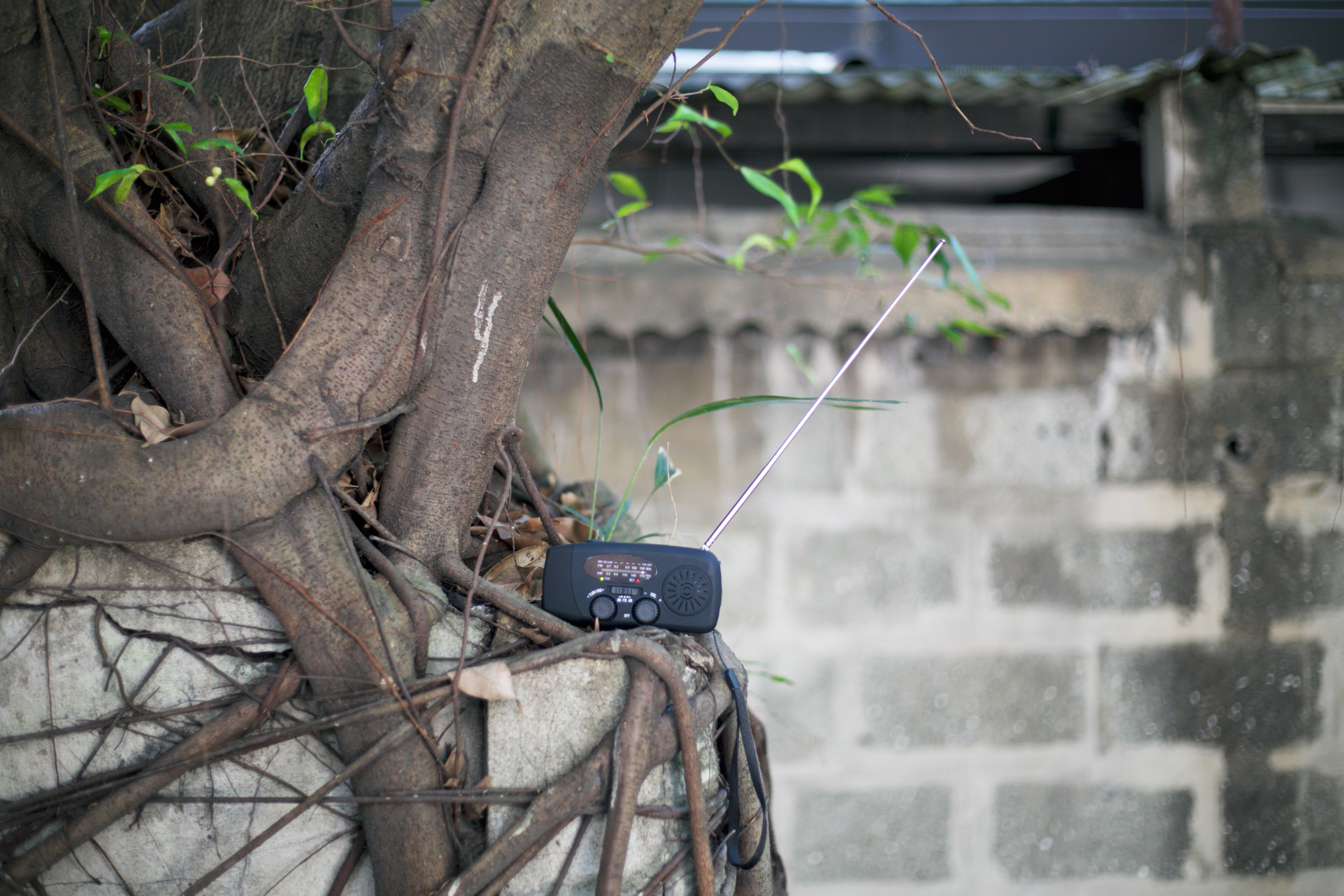
Detail of Corinne de San Jose’s Hypothetical Insect Assembly Broadcast, 2025
Even for people who lived in times when society was closer to nature, banyan trees spurred imaginations with their otherworldly shapes. The subject of both folklore and religious tradition, especially in South Asia, the sprawling trees have branches that morph into roots, like stalagmites hanging from a cave ceiling, connecting sky and earth, expanding outwards indefinitely.
India, for one, is known for its “Banyan cities,” acres of land shaded by a single banyan tree that’s been growing for years, decades, and even centuries. In the Philippines, where banyan trees are called balete trees, similar associations of mysticism and the Sentient Eternal sprout forth.
Many of us grew up conditioned to associate the unknown with fear. Some assert such a fear instinctual even, rather than learned: We fear the unknown. But what if curiosity, openness, wonder, and mystery are the default settings of human beings?
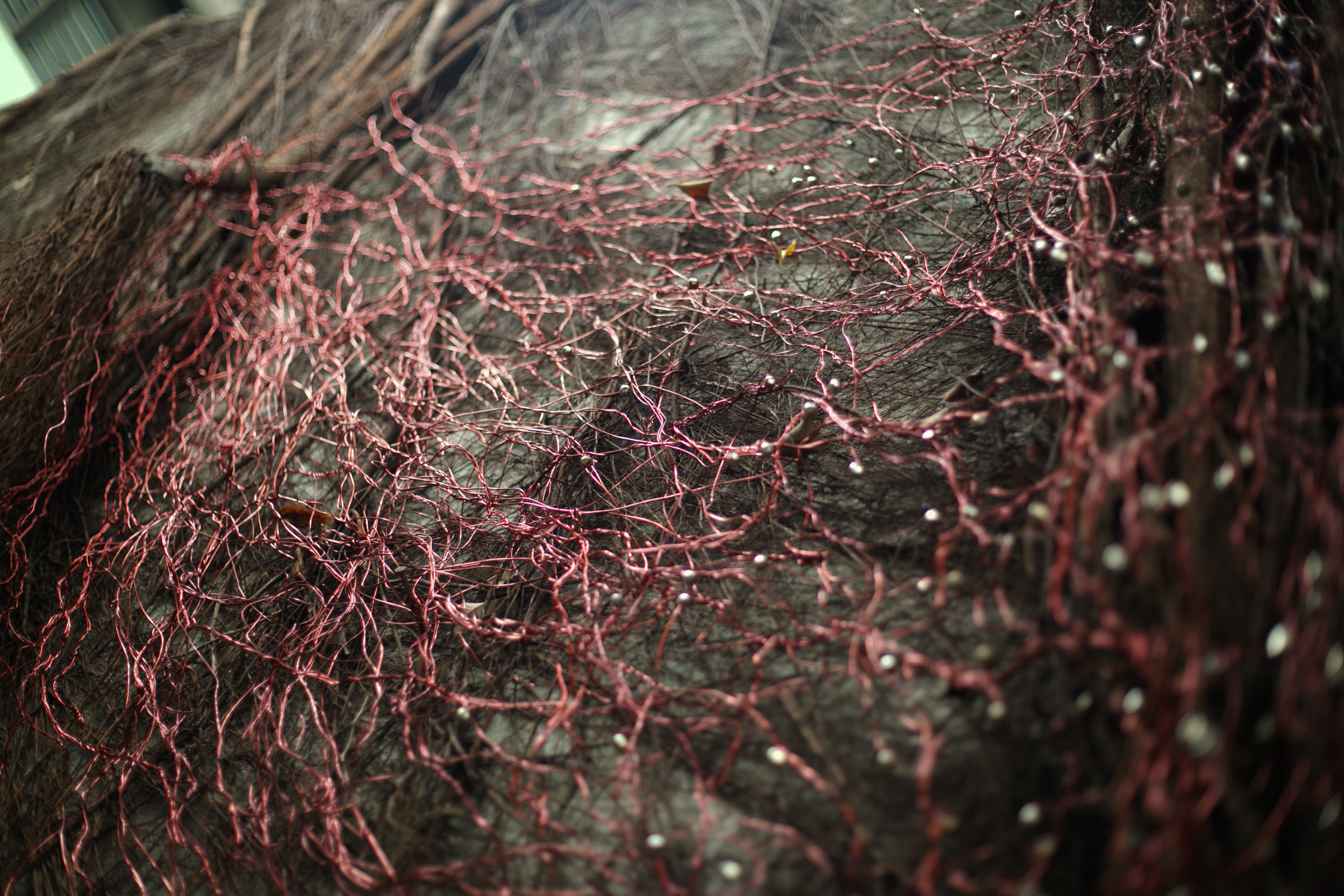
Corinne de San Jose’s Multi-Way Tripwire System, 2025
Last November 22, 2025, Calle Wright launched Open House: counteracts, a sound art and installation art exhibit with works by Corinne de San Jose dialoguing with works by visiting Singaporean artist Daniel Chong, with a single piece by Lesley-Anne Cao and Gary-Ross Pastrana placed at the center of Calle Wright and essentially at the halfway point of the walk-through show.
Calle Wright, a house built in the post-war era, is actually part of a larger compound of multiple houses, which bore witness to three families. The house, now designated for art, is a two-storey twin-house where the floor plan of one segment mirrors the other.
Open House: counteracts directs visitors across Calle Wright’s two segments, room-to-room, passing through the courtyard behind Calle Wright’s, connecting the house to the other houses in the compound.
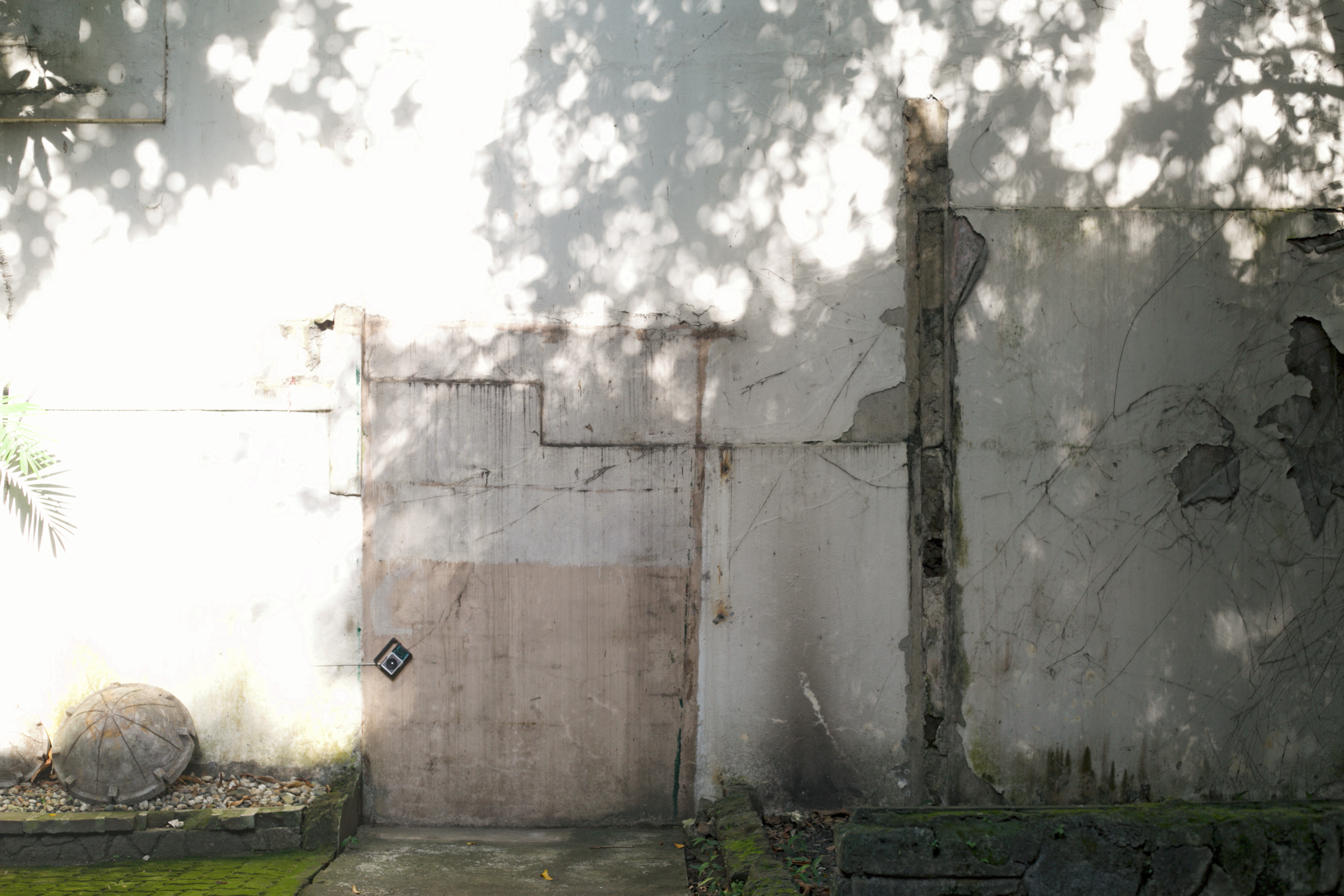
Detail of Corinne de San Jose’s Hypothetical Insect Assembly Broadcast, 2025
Said courtyard contains the foundations of an old, now-demolished patio upon which two balete trees grow, each sprouting across each other on the ruins. From start to end, visitors are seemingly accompanied by FM radios positioned by Corinne de San Jose, receiving and broadcasting a four-channel recording of ambient sounds taken during her residency at Calle Wright. The recordings are relayed by four transmitters placed at key points in the two segments, as well as in the courtyard. Each day, the gallery manager, or whoever is walking guests through the show, will have to tune each radio to properly receive the audio.
Corinne De San Jose is a sound designer with many works in the independent film circuit, who also practices sound art with a focus on mystic rituals involving sound and healing. It seems the act of daily tuning the radios, utilizing analog technology in an era where convenient digital options abound, is a ritual onto itself.
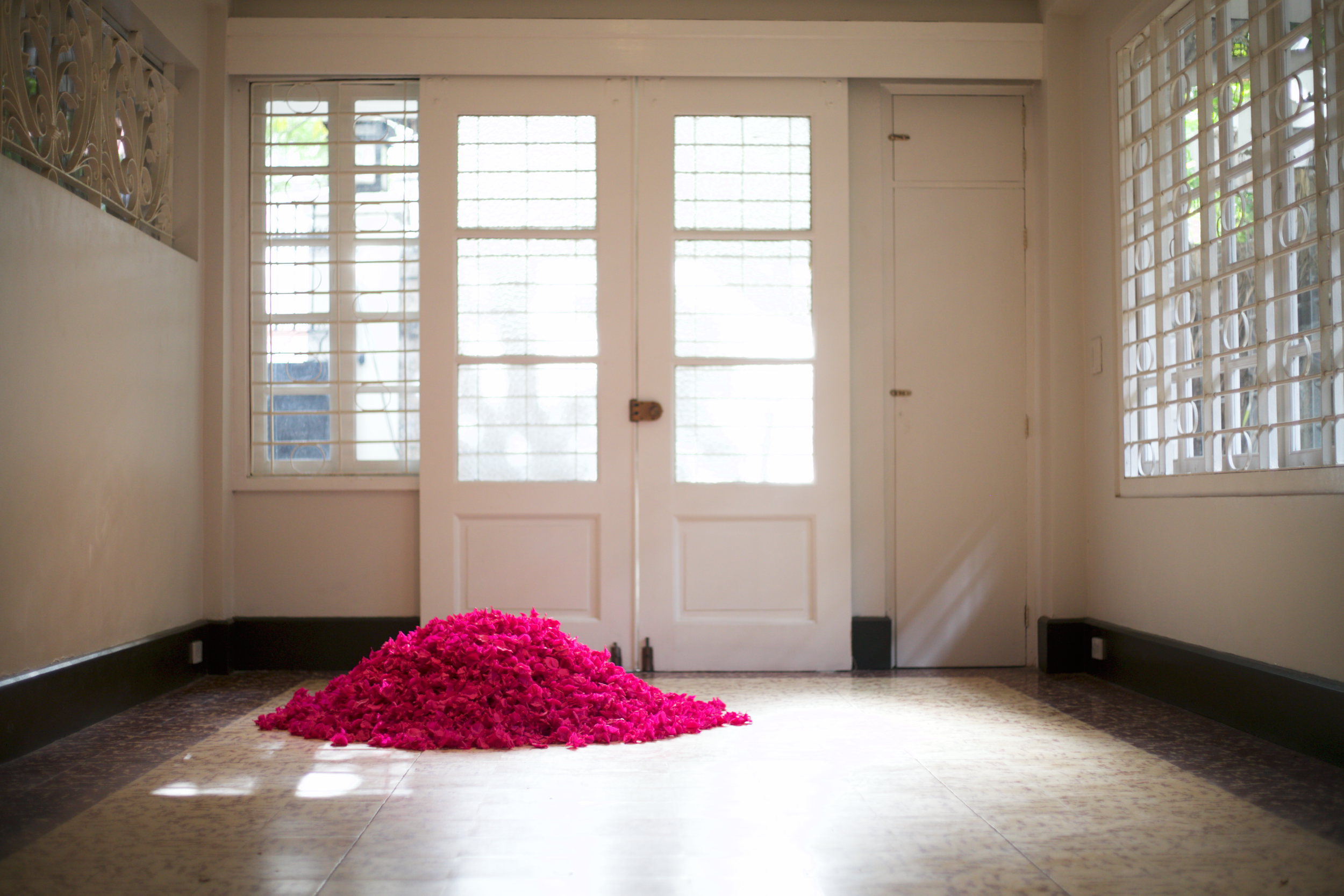
Daniel Chong’s Bougainville forms #0, 2025
The show is so named because of the many anecdotes surrounding Calle Wright’s otherworldly presences and palpable presence as a place-unto-itself. But is it ghosts being counteracted upon in Open House? Or could it be the fear we often fall back into when confronting the numinous? Did the spells of shamans of yore target ghosts or the living or both?
Walking away from the balete tree growing out of the patio ruins and back into the house, moving from one transistor radio to another, the ambient sounds seem doubled, amplified by the recordings. When humanity is gone, what remains was always there.
Connected to the question of re-evaluating our relationship with the unknown, with the supernatural, and all fear-based associations, is the question posed by Open House: What is our relationship to sound? When do “sounds” become “noise”? Is a given sound something to exclude, to write over? But aside from the slow-down cricketsong in one channel of De San Jose’s recordings, there are also the everyday sounds of Malate, an engine rev here, boisterous laughter and hawking there.
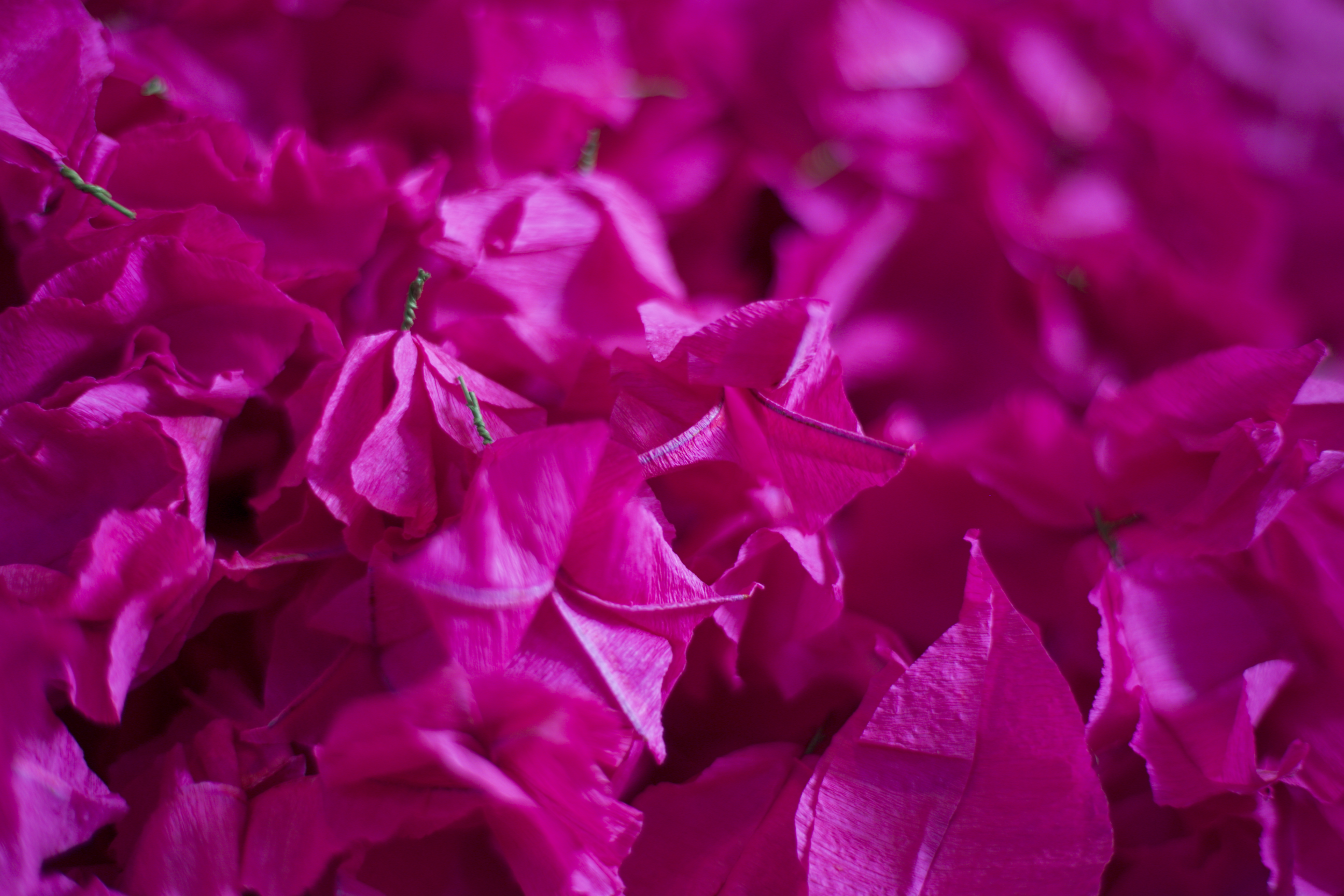
Daniel Chong’s Bougainville forms #0, 2025
Meanwhile, Chong’s works deftly, playfully accompany De San Jose’s, weaving notions of presence and absence, the intimacy that lingers after love is gone, as Chong reshapes unraveled underwear from ex-lovers as cobwebs clouding the house’s CCTV cameras, all culminating in a bed of bougainvillea blooms made from crepe paper at the last room—parallel to the first room.
Growing up, I personally learned to fear balete trees. There was a large one towering over the library and work shed in our campus. If we were conditioned to make the sign of the cross when passing the school chapel, and eventually any church or chapel, it seems we were also conditioned to walk with bated breath when passing by such a tree.
While India shares with the Philippines a folklore rooted in flora, their relationship with a banyan is slightly more positive, where banyans are not so much haunted as enchanted. There’s also the fact that Buddhism, which originated in India, situates one of its most sacred moments—Buddha’s enlightenment, coincidentally celebrated on the same date as the Catholic Feast of the Immaculate Concepcion—under a banyan tree. Here, the would-be Buddha battled supernatural horrors and demons, meditating relentlessly until dawn broke, a narrative which many believe is also psychological, that is, purging one’s inner demons by facing them without entertaining them too long.
After walking through the main exhibit area of Open House: counteracts, Calle Wright’s gallery manager was kind enough to allow me a glimpse into the studios of their resident artists. Corinne De San Jose’s space had a gong-like contraption, hearkening to an art practice marked by a reverence for rituals, both the traditional and mystical, as well as the act of ritualizing the seemingly pedestrian and mundane.
The spools of copper wire which were applied to the balete tree at Calle Wright’s old patio sat on her desk. An image came into mind, Corinne de San Jose, pausing from the physical labor of producing her work for Open House, eyes closed but ears attuned to the bustle of the Malate neighborhood, the clinking and clanking of Calle Wright’s caretakers tending to the day-to-day, and then, perhaps, an echo of something felt but unseen. A smile creeps across the sound designer’s face, the house, she muses to herself, it’s open. It’s a home, too.