How To Stay Constant in All This Change?
The real measure of artistic identity is not just how consistent you are, but how you honestly evolve.
Words Piolo Cudal
Art by Martina Reyes
December 01, 2025
Apart from the tension at hand, every artist faces yet another tension: the dilemma between consistency and exploration. Every artist knows this tug-of-war, and it never really goes away in their practice.
One side forces you to create a recognizable image to make it distinct in a crowded creative world. The other side gives you the freedom to experiment and reinvent.
But in fact, these are both essential. Consistency builds identity, while exploration makes you grow. The only challenge lies in learning how to let them coexist.
Power of consistency
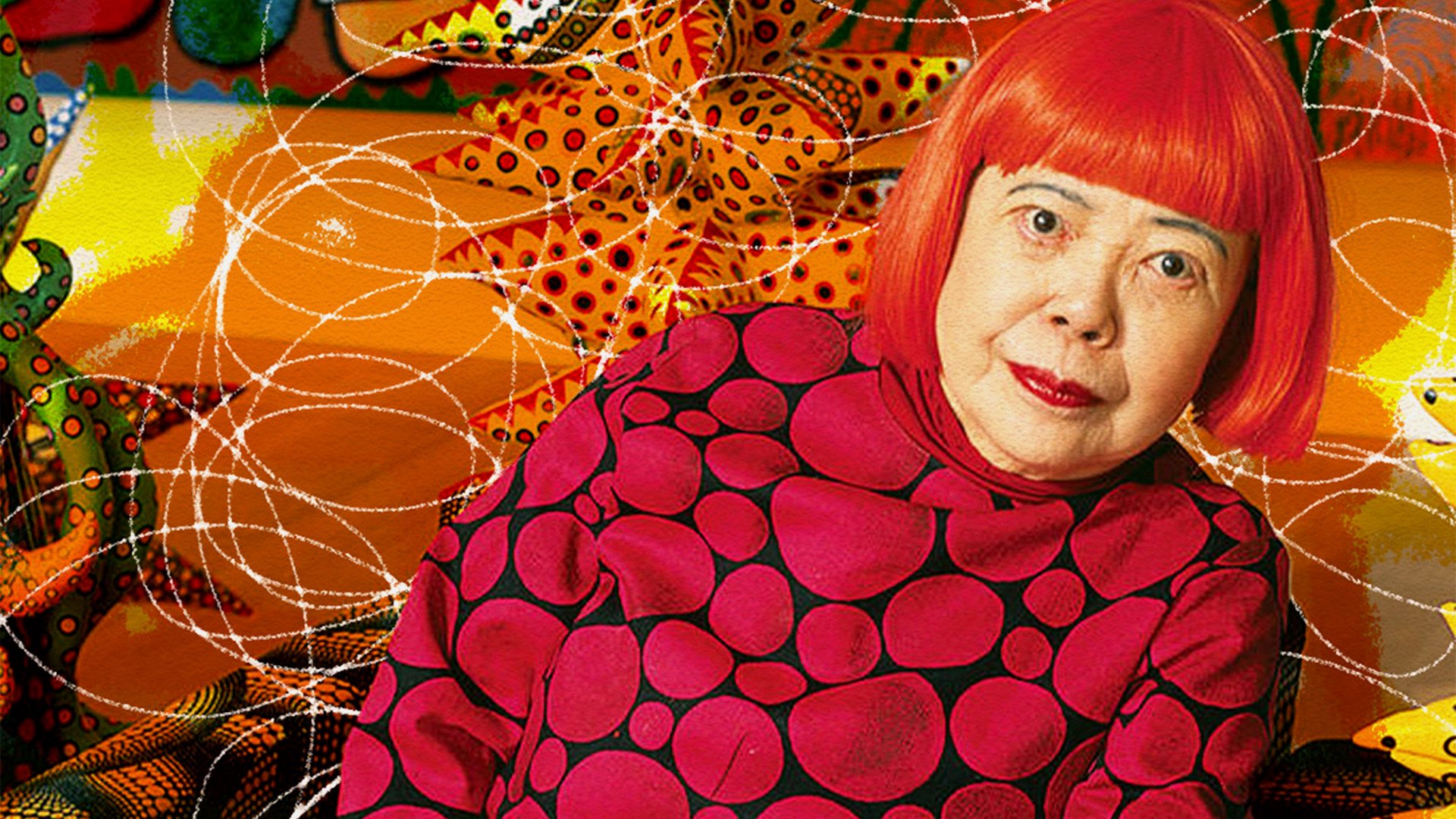
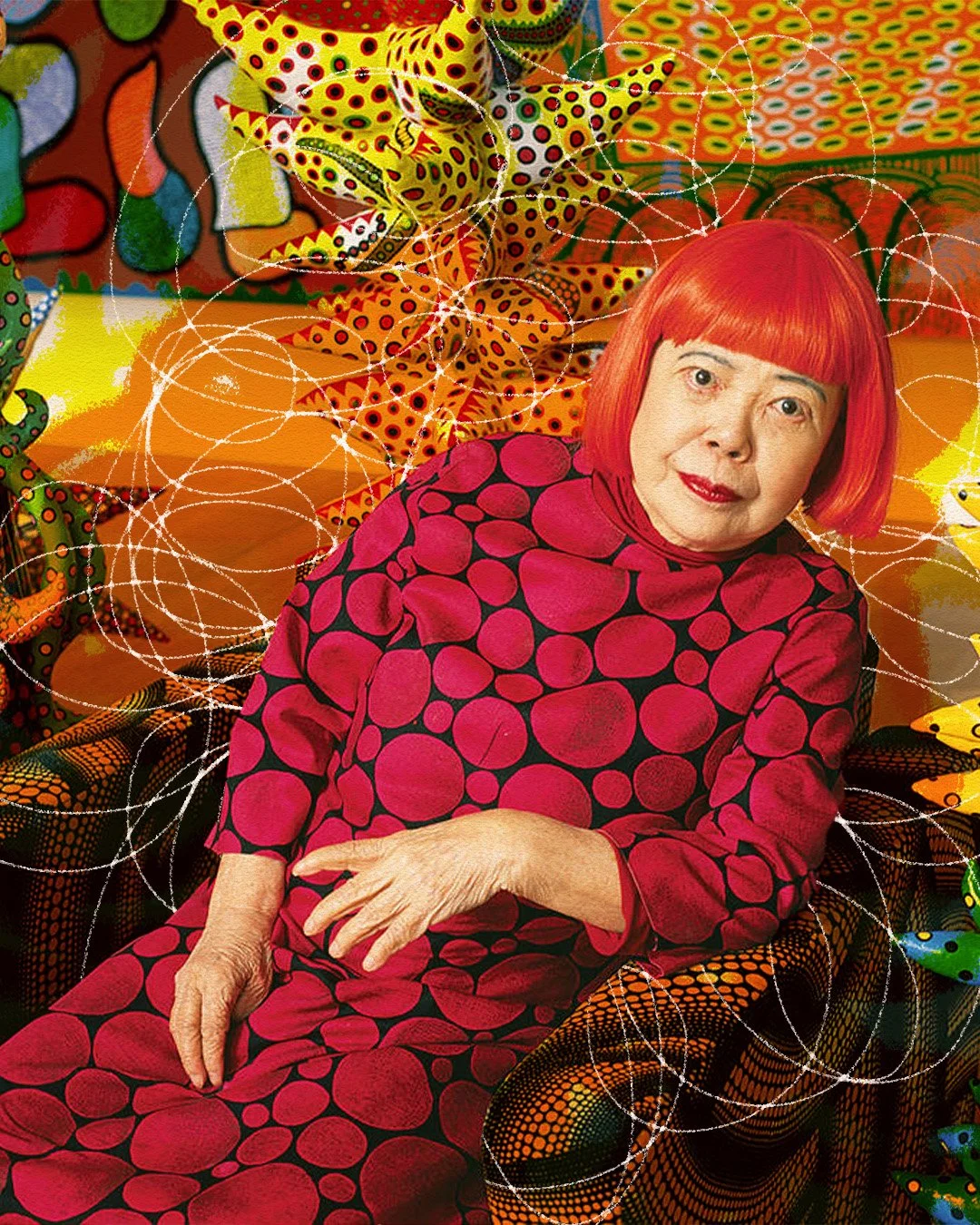
Consistency creates a signature voice. When an artwork speaks before you do, you have already built an identity. Think of Yayoi Kusama’s polka dots. Her consistency defies limitations, reinforcing her sense of clarity.
Beyond recognition, consistency also builds connection. When people engage with your work, they begin to expect a certain experience. In the digital world, this is amplified by algorithms that favor interests. Cohesive portfolios tend to reach a wider audience because consistency signals professionalism.
And from a career standpoint, consistency is powerful. Galleries and brands often look for authenticity and coherence in an artist’s body of work. It helps them understand what you stand for and where your work fits in their world.
Exploration still counts
But without exploration, that focus can harden into rigidity. When every brushstroke feels predictable, art risks losing the spark that made it meaningful in the first place. Creative growth depends on curiosity, and experimenting with new mediums keeps the work alive.
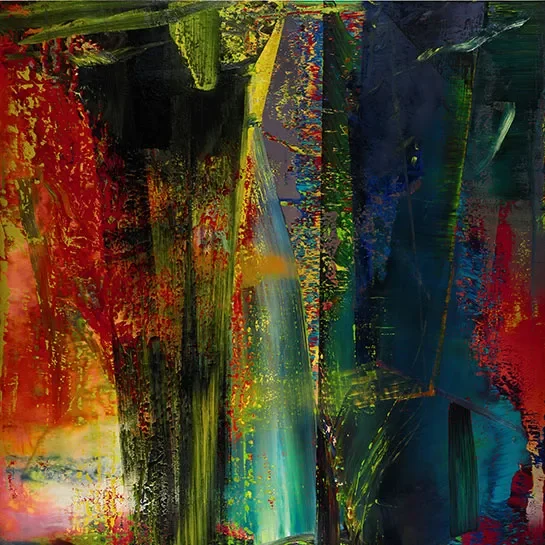
Abstraktes - Gerhard Richter, 1986 | Photo courtesy of Singulart
Let’s face it: artists did not build themselves overnight. They evolved through trial and error, through the uncertain process of finding what feels authentic. For emerging artists, this stage of exploration is vital because the pressure to find your style can be stifling.
The truth is, one’s style often emerges through experimentation. It comes from trying and discarding, not from forcing yourself into a single aesthetic. Patterns will eventually reveal themselves.
Even established artists evolve. Consider how Picasso moved from realism to Cubism, or Richter, who shifted between photorealism and abstraction.
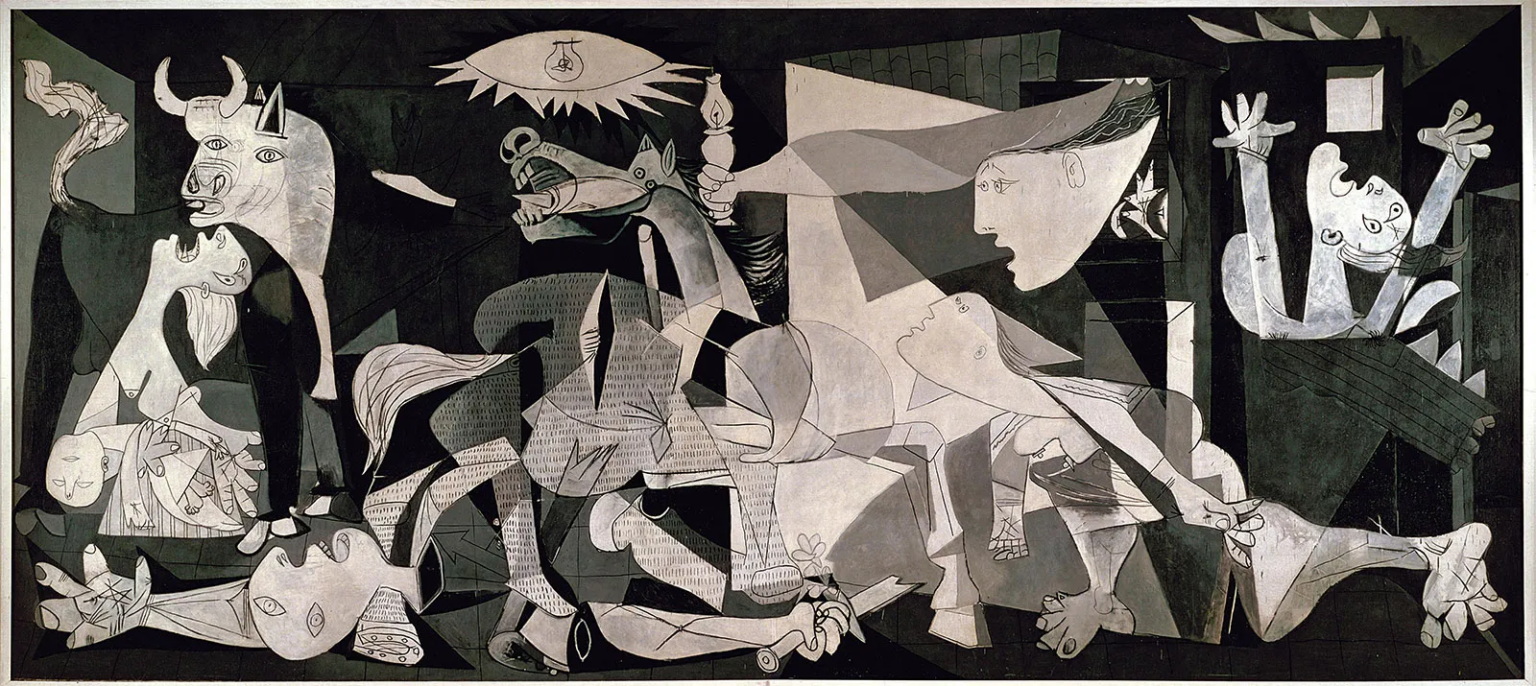
Guernica - Pablo Picasso, 1937 | Photo courtesy of Singulart
These shifts were not betrayals of their identities, but extensions of them. An artist’s growth is not linear; it is cyclical. Sometimes, you return to familiar themes with new perspectives because you have been informed by the exploration you undertook.
How to balance them?
The goal is not to choose, but to integrate both consistency and exploration. How? It begins with understanding your core, regardless of medium or style. It might be the tone, a recurring theme, or a certain approach to color.
To help maintain the balance, strategic exploration can also play a role. For instance, you might divide your creative practice into two spaces: one that is shared with the public, and another for private projects that allow risks and discoveries. After all, consistency lies in intent, not in formulas.
However, today’s digital landscape complicates this balance. The repetition of what works, instead of discovering what comes next, can lead to creative burnout for artists.
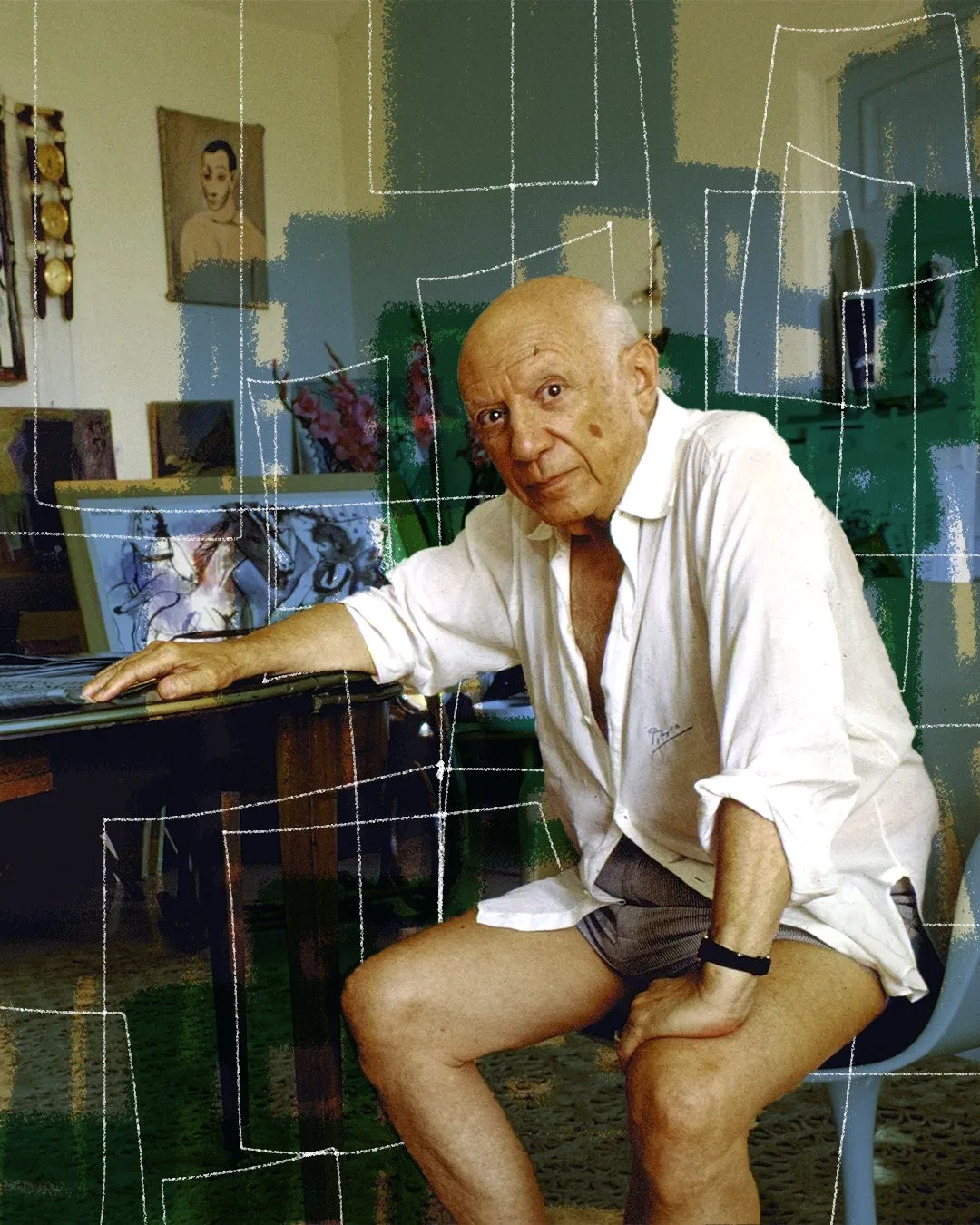
This reinforces why it is important to allow yourself time offline to explore and grow privately. Remember that what you share online is only part of the creative process, not the whole of it.
If done right, you can thrive by alternating between these modes, where you can play with stability while still maintaining focus despite freedom. After all, modern audiences value authenticity as much as consistency. They want to see growth, not just repetition.
In the end, the most compelling artists manage to do both. They are consistent in their intent, even when their form shifts.
Because, believe it or not, one’s artistic journey will always move between these two forces. Consistency helps your audience recognize you, while exploration helps you recognize yourself. Together, they form the rhythm of creative growth, making every piece of art worth creating.
And maybe the real measure of artistic identity is not just how consistent you are, but how honestly you evolve.