How the ‘Nonsense’ Crafts Meaning
When Macoy and Baus talk about you during a Dogshow Divas episode, be proud. Because you’ve made it.
Words Randolf Maala-Resueño
Photos courtesy of Dogshow Divas
November 30, 2025
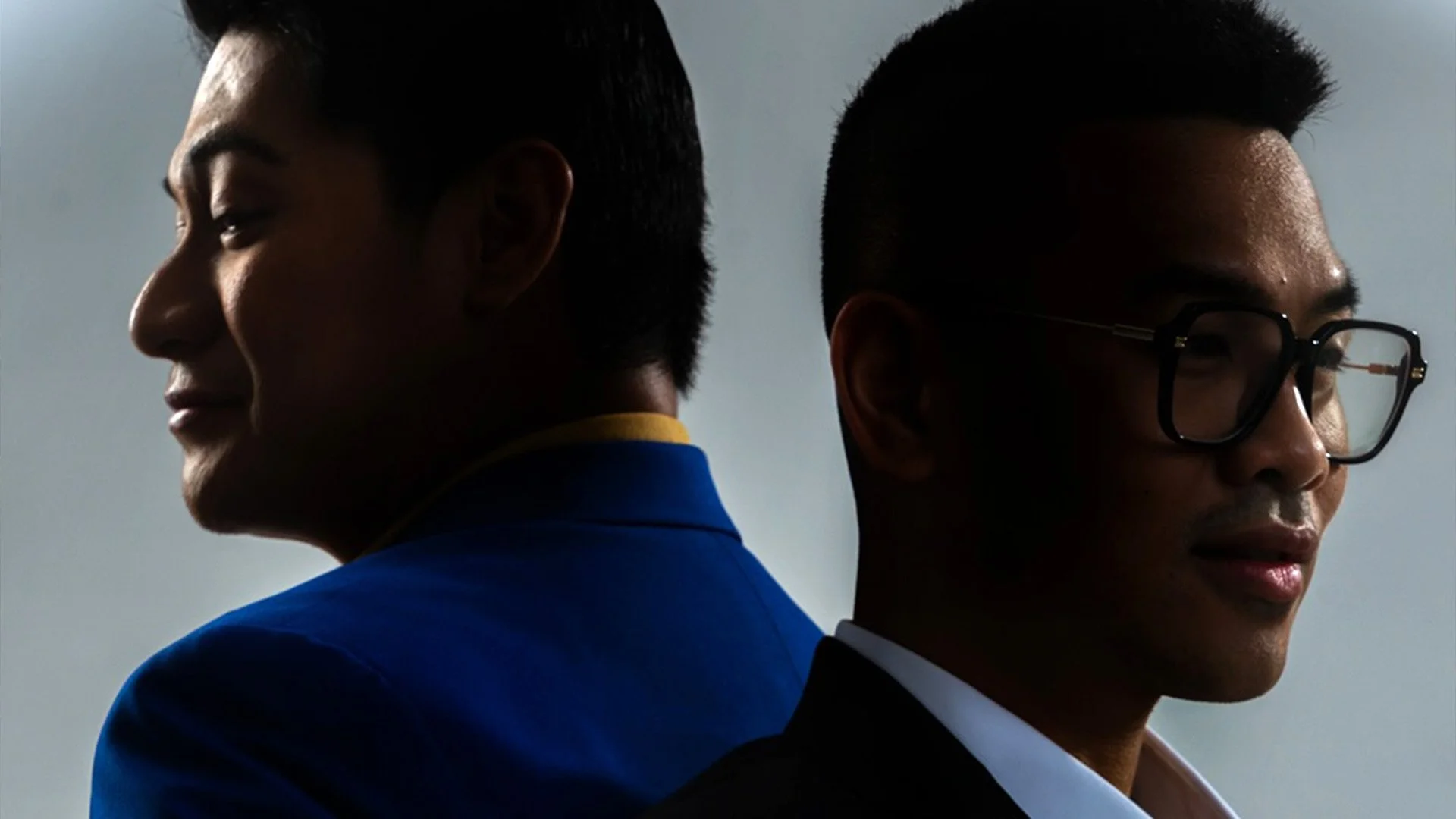
Two microphones. Two improv l’acteurs. And an irony within.
This dynamic may seem chaotic, but one thing that the Dogshow Divas podcast remains steadfast with is their irreverence, establishing what seems to be “nonsense” as something meaningfully aesthetic.
And why does this chaos feel so comforting? And so real? Let’s understand how the ramblings, digressions, and detours ground the listener's experience.
The art of unruly talk
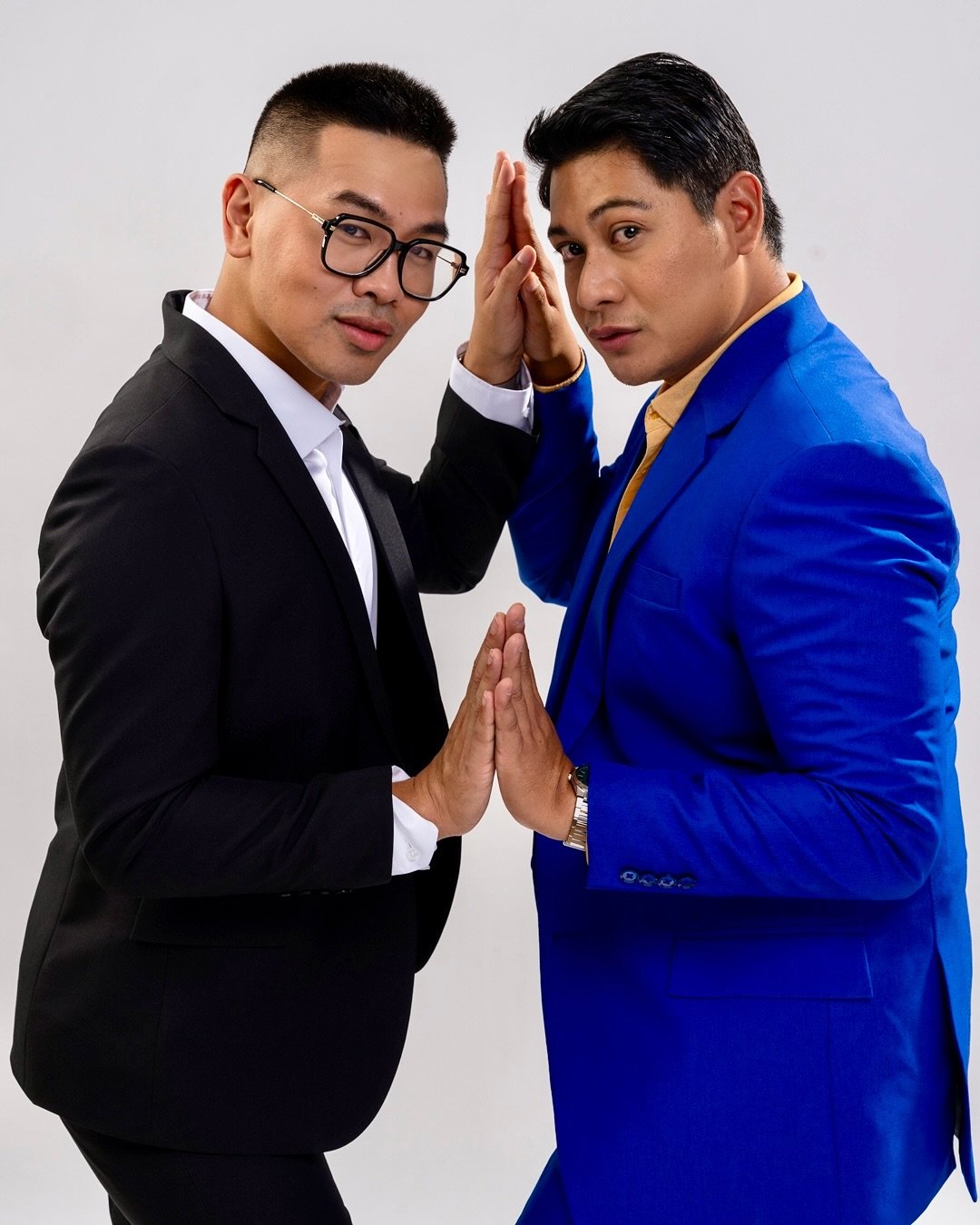
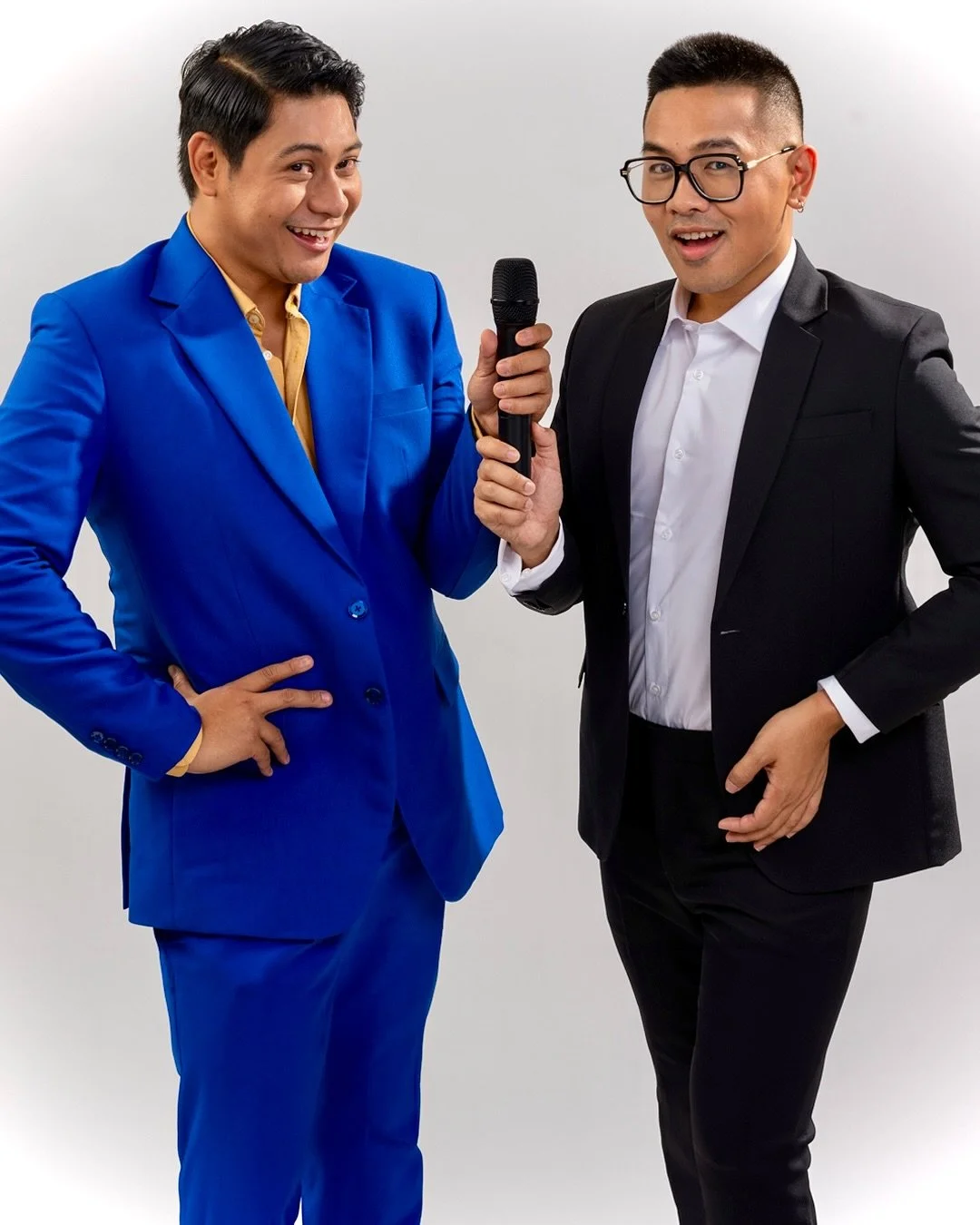
Unlike any of their contents, hosts Macoy Averilla, popularly known as Macoy Dubs, and comedian slash host Baus Rufo are undeniable key players in maintaining the pod’s unruly talk. With episodes titled just “Si Direk Louie” or “Sa Ulo Ng Mga Nagbabagang Baklita,” derailing is a non sequitur and an outline is second to none when it comes to priority.
This is the beauty of their anti-structure–it mimics the flow of everyday conversations: fluid, associative, and non-linear. Professional improv artists utilize this in their practice, bouncing back ideas in witty, visceral, yet raw reactions that steer comedic rounds.
A key element of meandering also introduces the idea of “talk as texture,” where abandoning topics mid-thought emerges from rhythm, and tone rather than just content.
Cathartic relatability
The pod’s success also lends itself to their relatability, tackling pop culture touchstones in music, media, and cast-wishlist banter, as well as more pressing issues in transportation, queer rights, and the mere threat of being an unstructured, ironic podcast.
Jumping from Baus’ other podcast show, “Kaya Pa Ba?”, and then launching their own with J+ Productions, they managed to squeeze in MRT station etymologies, utmost adulation for fashion mogul Genevieve Gozum, and the queer fascination with female superheroes—all within a matter of minutes.
While this resonates with their psychographics, it is evident that pop culture through their lens can be an acquired taste. But truly, it all boils down to the fundamental human condition that mirrors Filipino speech culture—fast, witty, and humorously layered.
The democratization of humor
The Dogshow Divas podcast gained traction for many, as it provides listeners a last bastion of escape. While humorous on the surface, this same comical aspect becomes a soft critique of a microcosm of issues, using queer humor and improvisation as both shield and sword.
It also navigates the language of belonging. Audience participation is a core response to their social media presence, amassing a fanbase across the many platforms where they upload clips of themselves watching, listening, and voicing their reactions.
This highlights the democratization of talk and humor—how podcast spaces like Dogshow Divas reimagine what community feels like in the age of parasocial intimacy.
Meaning in the ‘mess’
A tantalizing cultural exchange, the Dogshow Divas’ rise to podcast stardom feels inevitable. Their chaotic humor, turning the mundane into something worthy of oxygen, and the sheer tenacity of the human spirit are all packaged within a chariot driven by two improv luminaries.
They permit us to be unfinished, contradictory, distracted, or unsure. Because, in the end, the Dogshow Divas show that the most honest conversations are rarely neat. They are porous and alive.
And that’s what makes them feel human.