
How ‘The Loved One’ Shows That Devotion Can Kill A Relationship
This is not a story about who loved more or who betrayed more. It is about the quiet ways two people can destroy each other while believing they are building something lasting.
Words Gerie Marie Consolacion
Photos courtesy of Cornerstone Entertainment, Inc. and Viva Films
March 06, 2026

Trigger Warning: This article contains spoilers.
“Hello, you.”
Why do we keep choosing stories that leave us wrecked?
From international hits like Past Lives and In the Mood for Love to local films such as I’m Drunk, I Love You, Sid & Aya, and The Hows of Us, audiences repeatedly gravitate toward narratives where love does not win in the conventional sense. These are not comfort films. They are confrontational. They reflect the uncomfortable truth that sometimes love is not enough.

Screengrab from the official trailer of The Loved One.
That same emotional terrain is explored in The Loved One (2026), directed by Irene Villamor. The film does not merely portray a breakup. It dissects a long-term relationship and asks a question that feels almost accusatory: in love, are you the lover or the loved one? And what happens when those roles stop feeling equal?
Rather than presenting a grand tragedy, the film focuses on something more unsettling. It shows how two decent people can slowly dismantle each other without intending to.
Defining Love
The relationship between Eric and Ellie begins in a way that feels grounded and familiar. They are not teenagers stumbling into romance. They are adults navigating careers, finances, and family obligations. Their connection grows alongside professional ambitions and personal responsibilities. The early phase of their love feels stable, almost promising.
Eric understands love through provision. He is the breadwinner in his family and carries the pressure of financial responsibility long before he commits to Ellie. For him, security is affection translated into action. Stability is proof of seriousness. When he plans, saves, and pushes himself to earn more, he believes he is loving correctly.
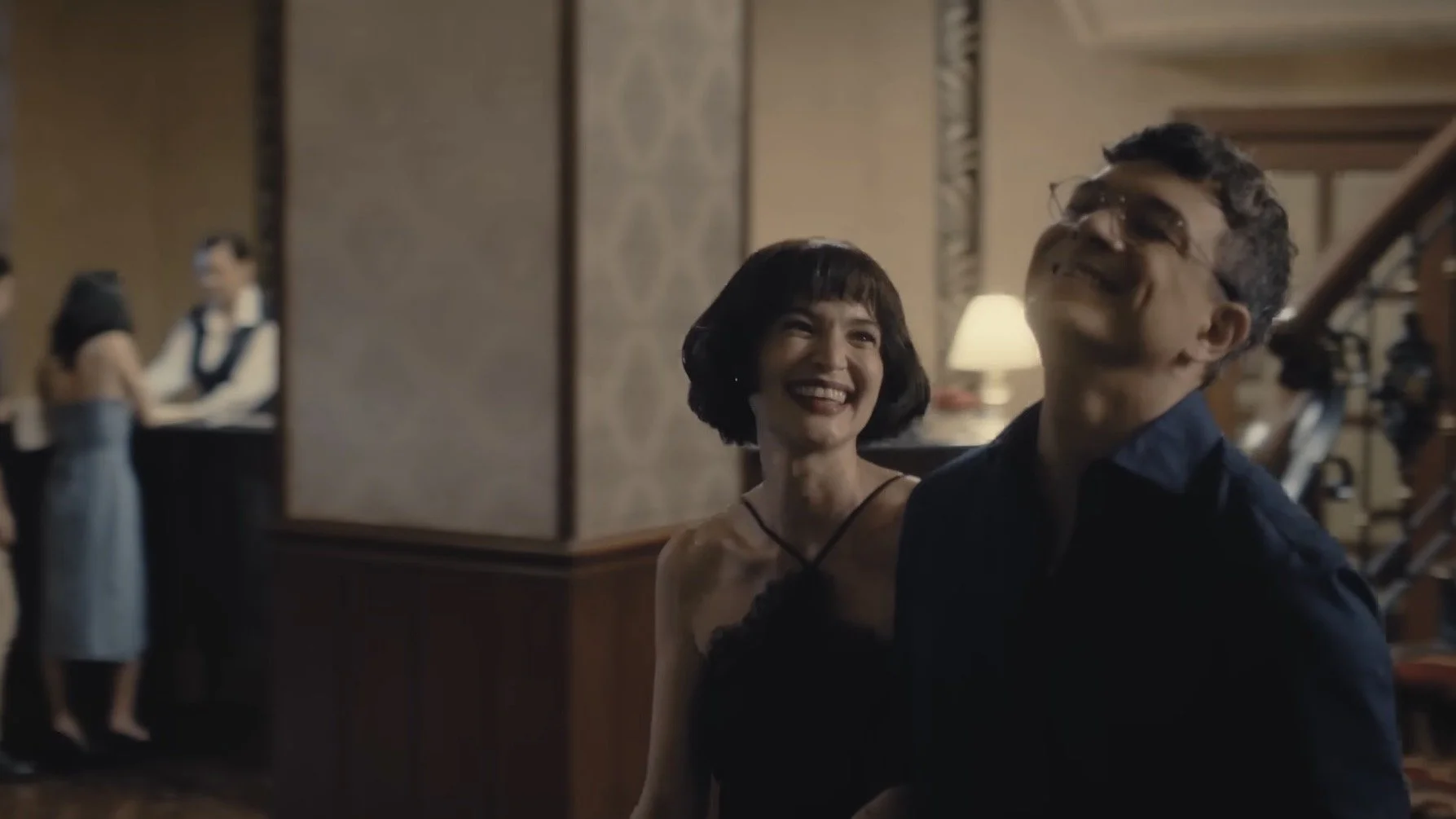
Screengrab from the official trailer of The Loved One.
Ellie defines love differently. She values purpose and impact. She leaves a secure corporate job to pursue work aligned with her advocacy and passion. Her decisions are not impulsive but conviction-driven. She wants a life that feels meaningful beyond income and status. To her, fulfillment is just as important as security.
At first, these differences seem complementary. One plans for stability, the other dreams of transformation. But over time, the gap between their definitions of love widens. Eric prioritizes long-term structure. Ellie prioritizes present authenticity. Neither is inherently wrong, yet neither fully understands the other’s framework.
The film suggests that love is not only about effort or sacrifice. It is also about shared direction. When two people are building futures based on different blueprints, even devotion can feel like friction.
Justifying Eric
Eric becomes the easier target for criticism, especially when his infidelity is revealed. Cheating is indefensible, and the film does not excuse it. However, it carefully builds the emotional and psychological context around his choices.
He is a man who measures his worth through productivity and provision. His modest background shapes how he approaches adulthood. He upgrades their lifestyle not out of vanity but out of fear of inadequacy. He takes loans, pursues higher financial goals, and envisions marriage as a sign of progress. To him, love must move forward in visible, structured ways.

Screengrab from the official trailer of The Loved One.
When Ellie resigns from her corporate job to pursue advocacy work, his reaction is restrained but telling. For someone who equates work with survival, leaving stability feels reckless. He struggles to reconcile her idealism with his pragmatism. His frustration manifests as dismissal. He questions her plans. He minimizes her aspirations. He frames her as unrealistic.
These behaviors are not harmless. They reveal how his anxiety transforms into control. He begins prioritizing what he believes is best for both of them, sometimes without fully listening. The pressure he carries becomes pressure he imposes.
In trying to secure their future, Eric gradually neglects the emotional present. His love becomes heavy. Structured. Demanding. It is not devoid of care, but it lacks flexibility. By the time he betrays Ellie, the relationship has already been weakened by years of unresolved tension.
Understanding Ellie
Ellie is often read as the freer, more self-aware partner. Yet the film also exposes her blind spots.
She is driven, compassionate, and unwilling to suppress her ambitions. Her decision to pursue advocacy work reflects courage. She refuses to measure success solely through financial growth. In a society that often rewards stability over purpose, her choice is radical.
However, Ellie’s strength coexists with silence. Instead of directly confronting Eric when she feels dismissed, she frequently yields. She avoids escalating conflict. She internalizes disappointment. Over time, this pattern erodes her sense of individuality within the relationship.

Screengrab from the official trailer of The Loved One.
The film highlights how easily identity can become absorbed into partnership. Ellie is often introduced in relation to something else: her work, her organization, her partner. Rarely is she simply Ellie, independent of those roles.
Her growing closeness with Dennis further complicates the dynamic. While not initially framed as betrayal, it exposes emotional gaps in her relationship with Eric. She gravitates toward spaces where she feels heard and validated. The shift is subtle but significant.
By the time the relationship collapses, Ellie’s exhaustion is palpable. The breakup does not read as impulsive. It reads as overdue. Her eventual sense of peace underscores the film’s central argument: love that compromises your identity eventually becomes unsustainable.
Can we save a sinking ship?
One of the film’s most striking insights is that the relationship did not end because of a single act. The cheating was a rupture, but the cracks had formed long before.
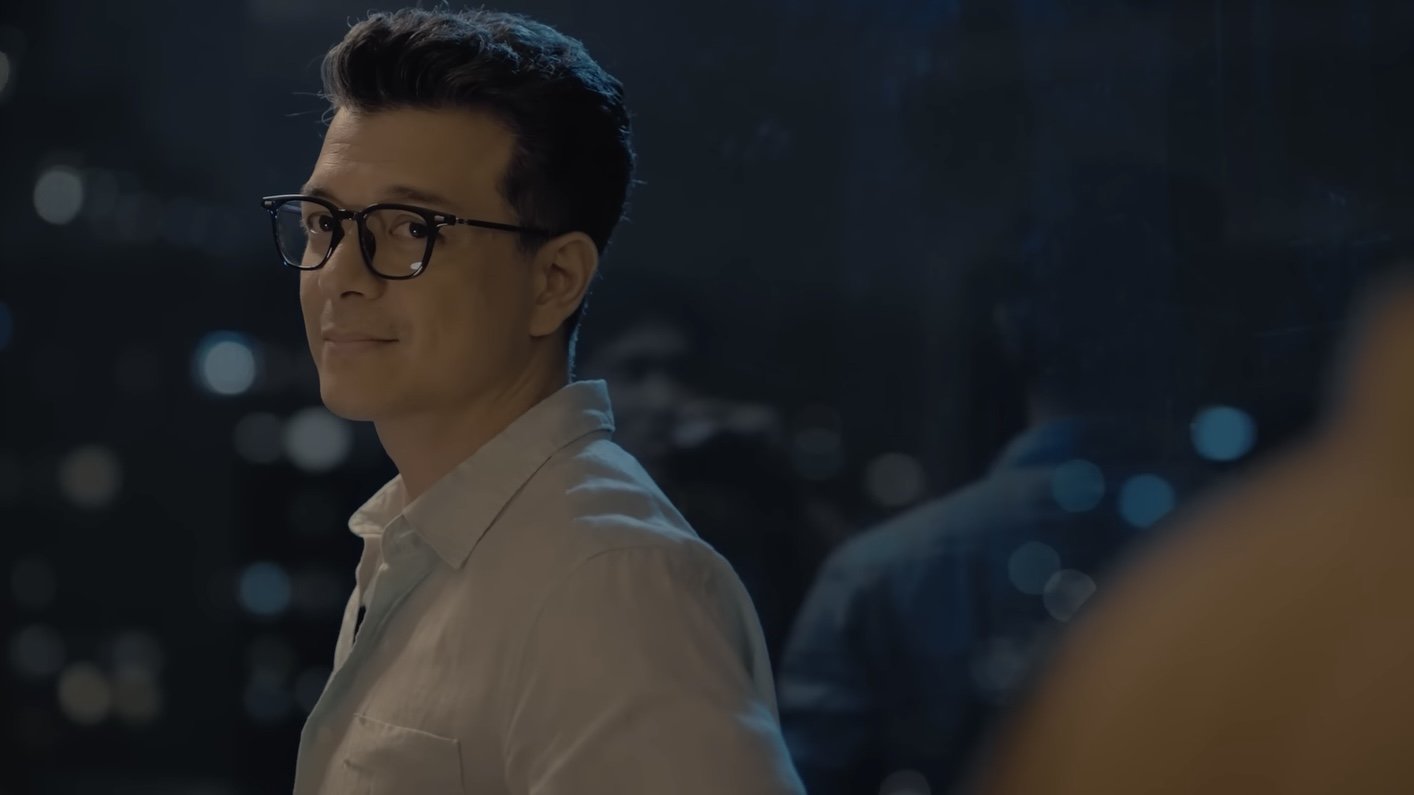
Screengrab from the official trailer of The Loved One.
Eric sees marriage as confirmation of direction. Ellie fears it might solidify a life she is not entirely certain about. These are not trivial disagreements. They reflect fundamentally different timelines and priorities.
Throughout their ten years together, they normalize discomfort. Small arguments are postponed. Misalignments are reframed as minor. Each unresolved issue adds another layer of distance.
The film refuses to declare a winner. It does not suggest that one loved more than the other. Instead, it emphasizes alignment. Love thrives when both individuals move at a compatible pace toward a shared vision. When that alignment is forced or assumed, resentment replaces intimacy.

Screengrab from the official trailer of The Loved One.
By the end, their separation feels less like failure and more like recognition. They are not enemies. They are incompatible in ways that became clearer only with time.
The Manipulation
Structurally, the film initially centers Eric’s perspective. The audience witnesses his sacrifices, anxieties, and justifications. This framing invites empathy. Viewers are encouraged to see him as overworked and misunderstood.
When the narrative gradually reveals Ellie’s suppressed frustrations, the shift is unsettling. It becomes evident how perspective shapes sympathy. What appeared to be devotion can also be interpreted as dominance. What looked like understanding can be reframed as endurance.
The audience, much like Ellie, absorbs Eric’s narrative before fully seeing her own. This storytelling choice mirrors real relationships, where one partner’s struggles can overshadow the other’s quieter suffering.
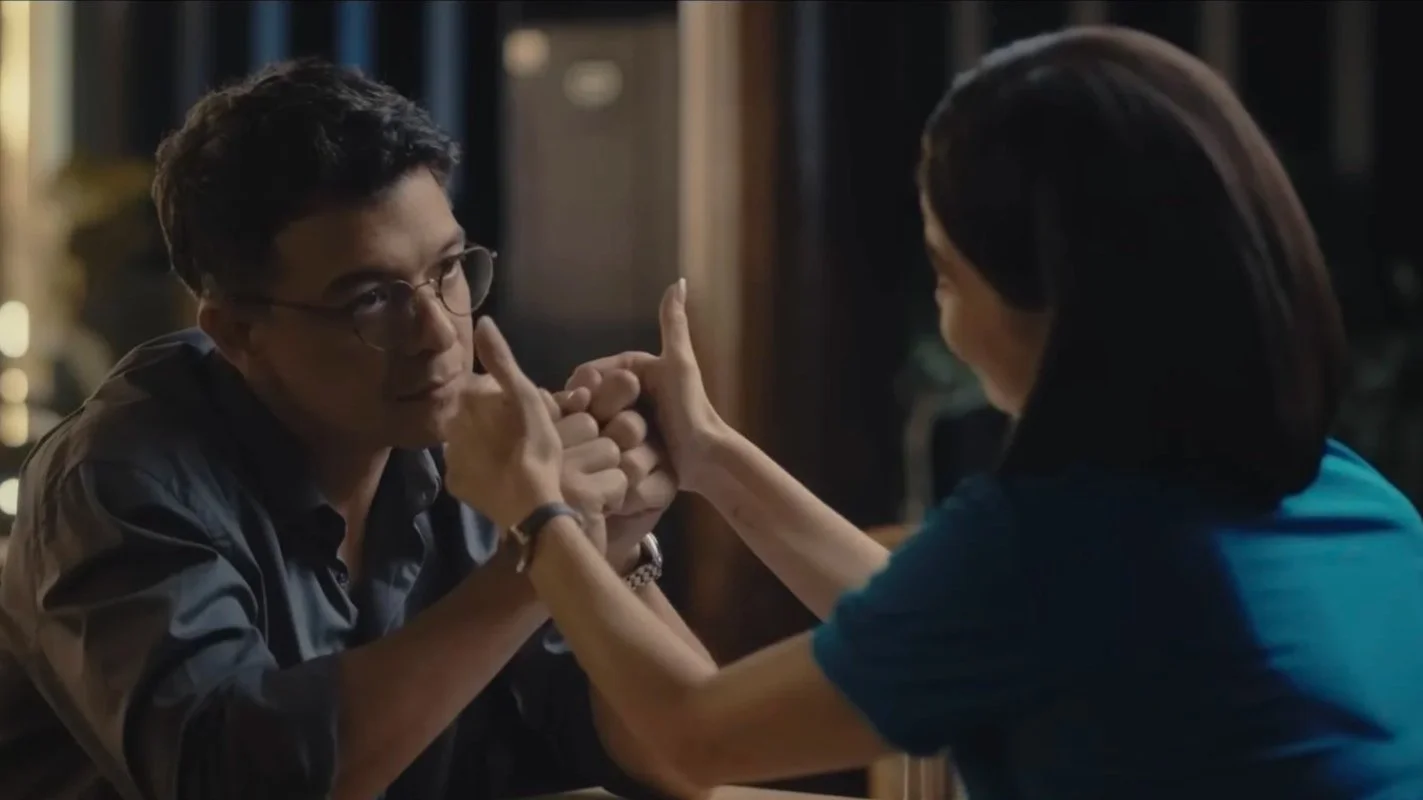
Screengrab from the official trailer of The Loved One.
The film’s most painful realization is not that one person was entirely wrong. It is that both were incomplete in their understanding of each other. They loved sincerely, but not always wisely.
In the end, The Loved One offers no grand reconciliation. It offers clarity. It suggests that being the lover and the loved one should not be opposing roles. A healthy relationship allows both partners to give and receive without diminishing themselves.
The pain lingers because the story feels plausible. The satisfaction comes from its honesty. It does not promise that love conquers all. It reminds us that love, without alignment and self-awareness, can slowly undo even the strongest beginnings.
So, are we the lover, or the loved one?
The question sounds simple until it begins to feel personal. Maybe there were days when you loved harder, when you adjusted more, when you stayed up fixing what the other person broke. Maybe there were seasons when you were the one being held, forgiven, reassured. The roles shift quietly. Sometimes you give more. Sometimes you receive more. Sometimes you do not even realize the imbalance until you are already exhausted.
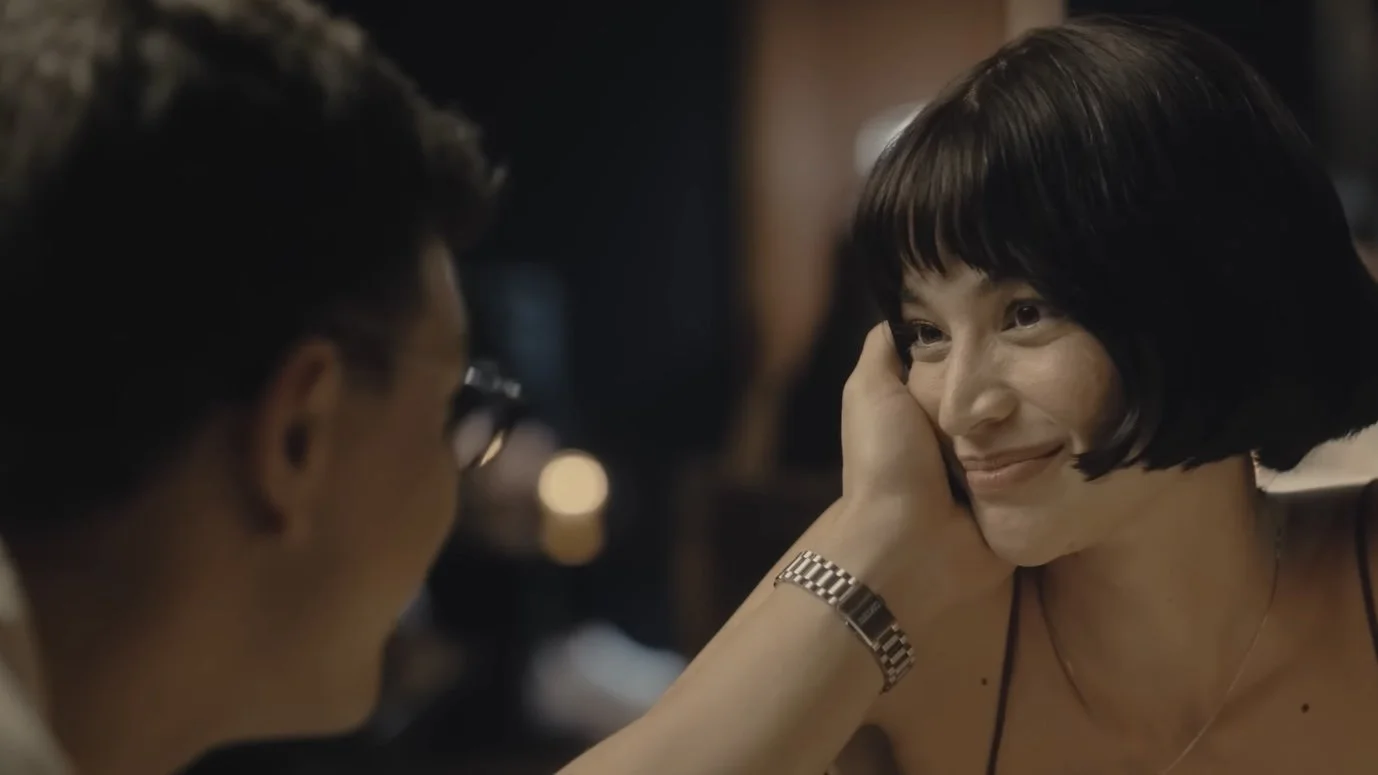
Screengrab from the official trailer of The Loved One.
But why do we keep framing love as a tally?
Why do we measure who sacrificed more, who cared more, who endured more, as if the relationship were a contest with invisible points being counted in the dark?
Love was never meant to be arithmetic.
The tragedy begins when we start keeping score. When affection becomes proof. When sacrifice becomes leverage. When silence becomes a strategy to win peace instead of understanding. Maybe we were never meant to choose between being the lover and the loved one. Maybe the real loss happens the moment we believe we have to.
A relationship should not demand that one person constantly pours while the other constantly receives. It should not require someone to shrink so the other can expand. It should not glorify exhaustion as devotion.

Screengrab from the official trailer of The Loved One.
We are allowed to be both.
We are allowed to love loudly, without embarrassment. To say what we feel without filtering it into something socially acceptable. To admit that we miss someone. That we are jealous. That we are scared. That we need reassurance.
Yes, it may sound needy. Yes, it may look cringe to people who treat vulnerability like weakness.
But silence has destroyed more relationships than honesty ever could.
If this film leaves us with anything, it is the uncomfortable realization that pride often disguises itself as strength. We pretend we are fine. We pretend we are unbothered. We pretend we do not need more than what we are given. And slowly, we detach in self-defense. Then one day, we wake up beside someone we love and realize we no longer feel chosen.
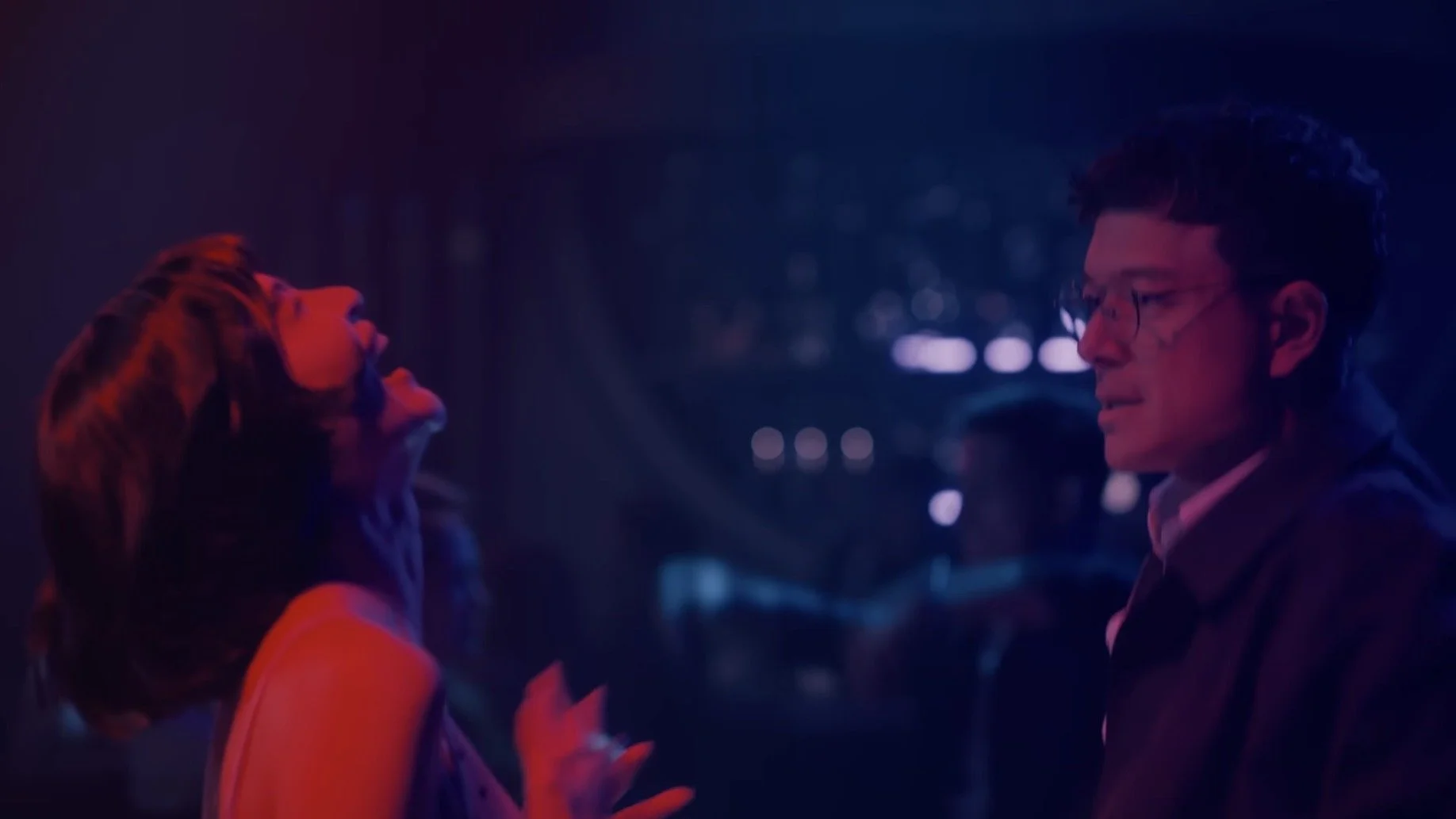
Screengrab from the official trailer of The Loved One.
And perhaps the most painful truth of all is this is that it is not always about how long you stayed. Ten years can still end. A decade can still dissolve. Time does not guarantee permanence. Duration does not equal destiny.
Sometimes a person enters your life not to remain forever, but to transform you permanently. They teach you how deeply you can love. They show you the parts of yourself that are capable of tenderness, of sacrifice, of forgiveness. They also expose your limits. Your wounds. Your patterns.
And when their role is complete, no amount of repetition will recreate what once was. You can try again. You can circle back. You can reopen doors that were once closed. But the version of you who loved them the first time no longer exists in the same way. Neither does theirs.
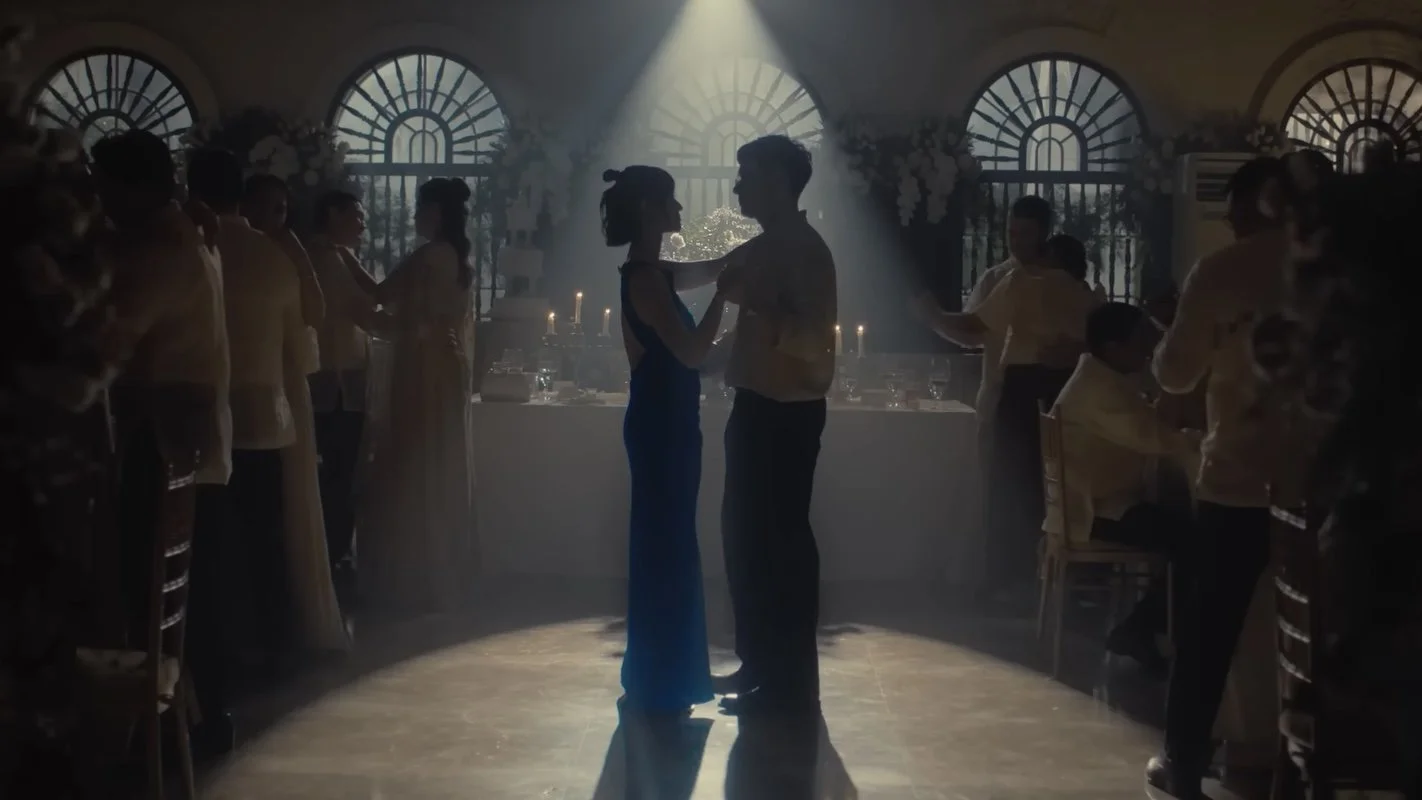
Screengrab from the official trailer of The Loved One.
Some loves are not meant to last. They are meant to mark you.
And maybe that is what leaves us in awe.
Not the heartbreak. Not the betrayal. Not even the ending. But the terrifying, beautiful realization that love, even when it fails, can still change the entire direction of your life.
So maybe we are the lover.Maybe we are the loved one.
Or maybe, in our most honest moments, we are simply two people trying not to lose ourselves while holding on to someone else.