
Horrors in Distortion
These YouTube channels showcase local history and culture with a modern horror twist. So, what makes these Filipino analog horrors effective scares?
Words Marc Nathaniel Servo
Photo courtesy of Channel 10 - Manila, Pinoy Cryptids, & I.Republic
October 31, 2025

Have you ever watched an analog film?
Often partially corrupted, analog films are marked by glitching displays and grainy audio, as if weathered by age. These features evoke a sense of reminiscence, a memory in a capsule—until it turns into a nightmare.
This is where analog horror comes in: a modern genre of scares that relies heavily on distortions of reality, imagery, and imagination, a tripartite of storytelling that subverts the expected comfort into a gripping fear of something familiar, yet unknown.
Set in an alternate world where everything is almost the same, plus otherworldly elements, analog horror, by its name, is often contained in old recordings recovered from eerie spaces thus could only be played via analog devices.
If you’re a fan of analog horrors, you might have already heard of popular flicks like The Mandela Catalogue, The Backrooms, The Walten Files, or Viva Carnis—but it is easy to ignore that we actually have our own local horrors set in the same dimensions, like the Pinoy Cryptids, Channel 10 - Manila, and I.Republic.
Together, these stories represent modern iterations of our local horrors, and we analyzed each of their works to understand what makes them truly scary and worth watching.
Distorted reality
Usually, horror stories are born out of the fear of the unknown. But how about in reverse?
This is what analog horrors invest in: familiarity. So, if there is something uniquely scary about Channel 10 - Manila and I.Republic, it’s on how they utilize fragments of reality to make the horror strike close to home.
Channel 10 - Manila was a real television channel during Martial Law (1983), but it had stopped programming by 1988. This is where its analog horror version comes in: it introduces itself as a channel owned by the KTKT station, supposed to launch by 1983, only to actually start in 1988.


According to its biography, Channel 10 – Manila exists within an alternate version of the Philippines under the Marcos dictatorship—but worse. This channel is alleged to be owned by the Marcoses and used to sustain their power by forcing people to watch through a viewership retention system, or suffer a fate worse than death.


Meanwhile, I.Republic introduces itself as an alternate history of the 90s, which is almost the same as Channel 10 - Manila, except that this feels more like a compilation of cursed broadcasts aired in the past.
Dubbed the “Pinoy Kursed Broadcast series,” the channel utilizes old television shows to create a layer of familiarity with horror. As a base, these video clips were edited to capture the vibe of lost media, before adding horror elements to create a new story that strikes the mandela effect.

When we first came across their works, most comments were ruminating on the factuality of these works, which, of course, are only fictional. This is a major success in capturing the Philippines of the past, and these efforts to attach unexplainable horrors into our tangible reality blur the line between real and mere urban legends.
Distorted depiction
Beyond the sense of reality, these analog horrors stimulate our eyes and ears with vivid sound design and imagery from the deafening silence compounded by a sudden screech, to an image that would keep you on your toes.
In Pinoy Cryptid’s Labo Tapes, this is especially true with its exemplary use of terrifying audio to tell their horror rendition of the Filipino folklore, Maria Labo, who is said to be an Aswang. The silence was utilized to cast paralysis, before catching you by surprise with either creepy images or titillating music.
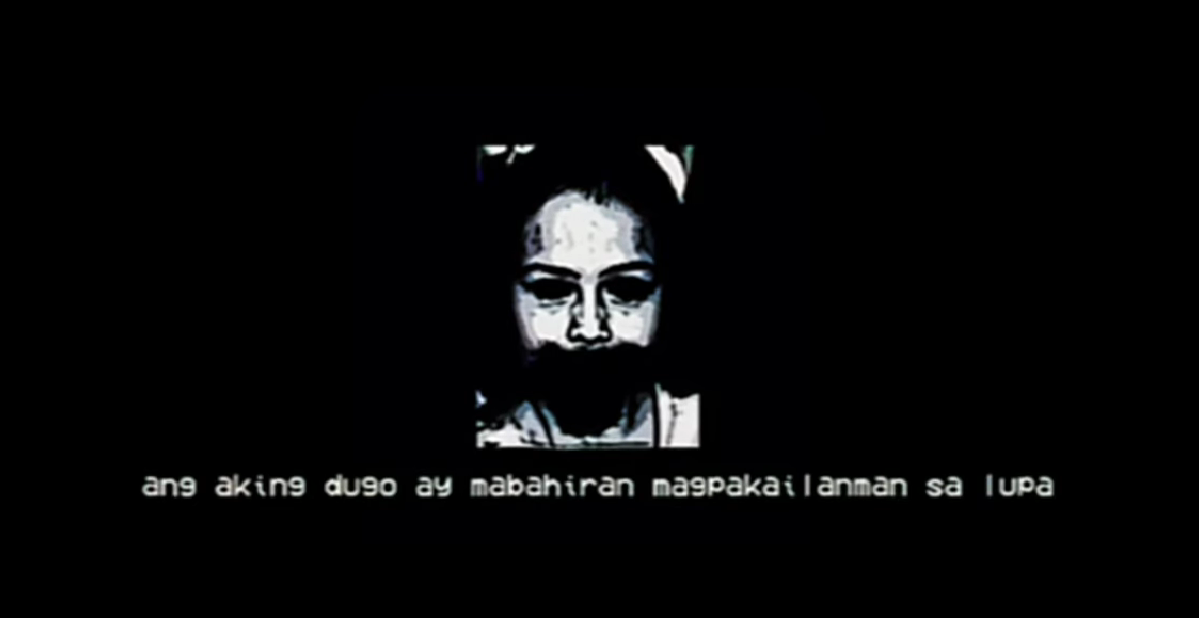
It’s not scary in a way that it is full of jump scares—it is a fleshed-out visual story of Maria Labo, who ate her own children as her sins eventually caught up to her. The series felt more like an exploration of her life and her guilt in a criminal investigative manner. It is disturbingly sad, which makes its story really compelling beyond the visual feast.


Similarly, in Channel 10 - Manila, the use of distorted images is very apparent, most especially in the Possible Broadcast Hijacking episode. In here, malfunctioning advertisements and texts of someone calling for help can be seen, before the KTKT intervened.
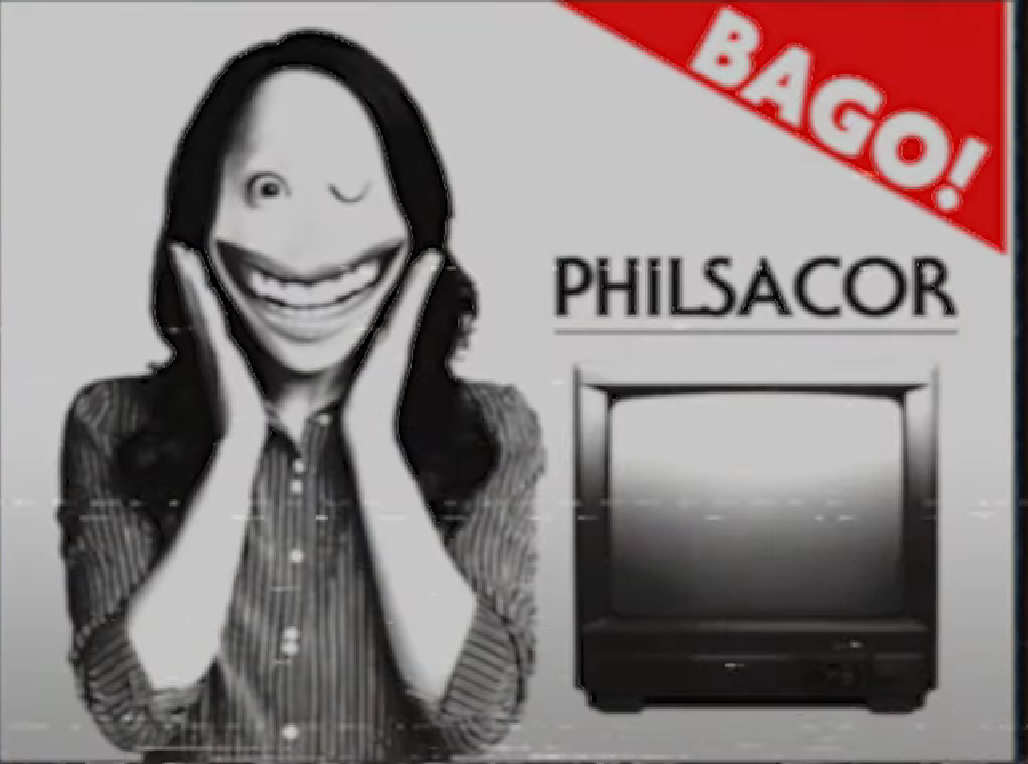
In another episode, titled 1988 Haunted Shampoo Commercial + Station ID, a normal commercial is plagued by an alternate bloodied version, which the station tries to censor but to no avail. Mixed with an equally daunting audio, it creates an air of discomfort that is truly in the alley of analog horror.


Distorted imagination
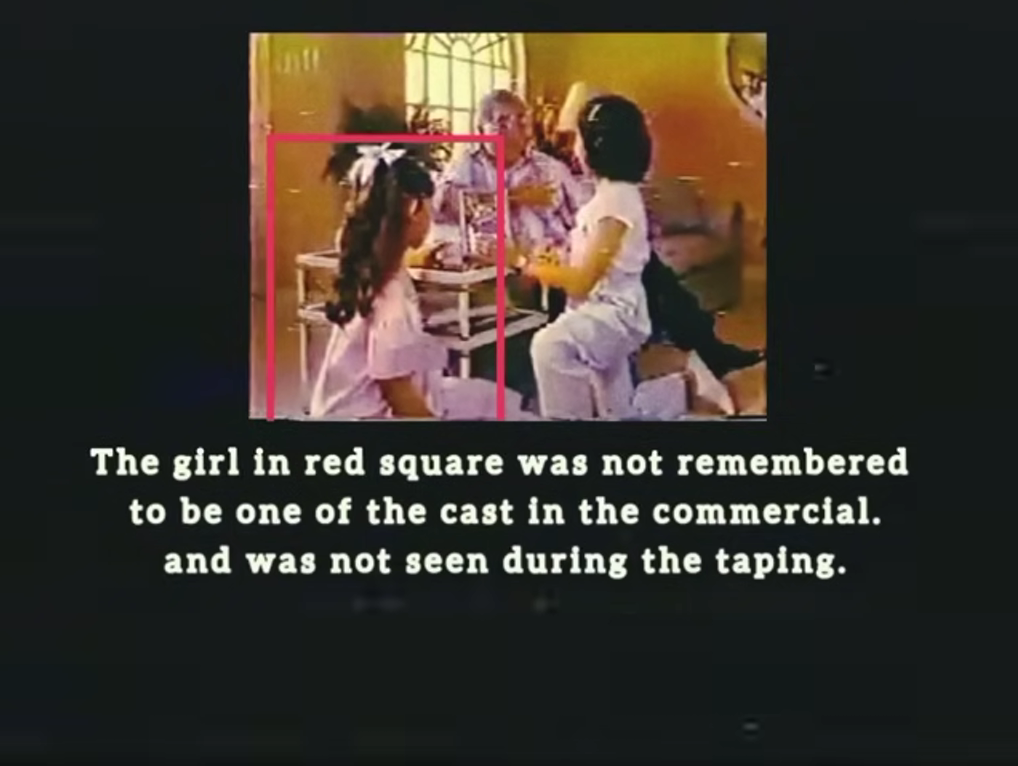
The greatest art of analog horror lies in the imagination of its viewers. After all the distorted images and histories, what’s left is what the mind has to fill. This is where I.Republic’s Milk Ad and 90’s PH Bromate Scare stand out in leading us to wonder about the unknown.
After all, these videos originated from the 1990s, so a lot of people may have been familiar with these clips. With the sudden mandela effect in action, our minds fill the what-could-have-beens, creating a horror that no video could make.
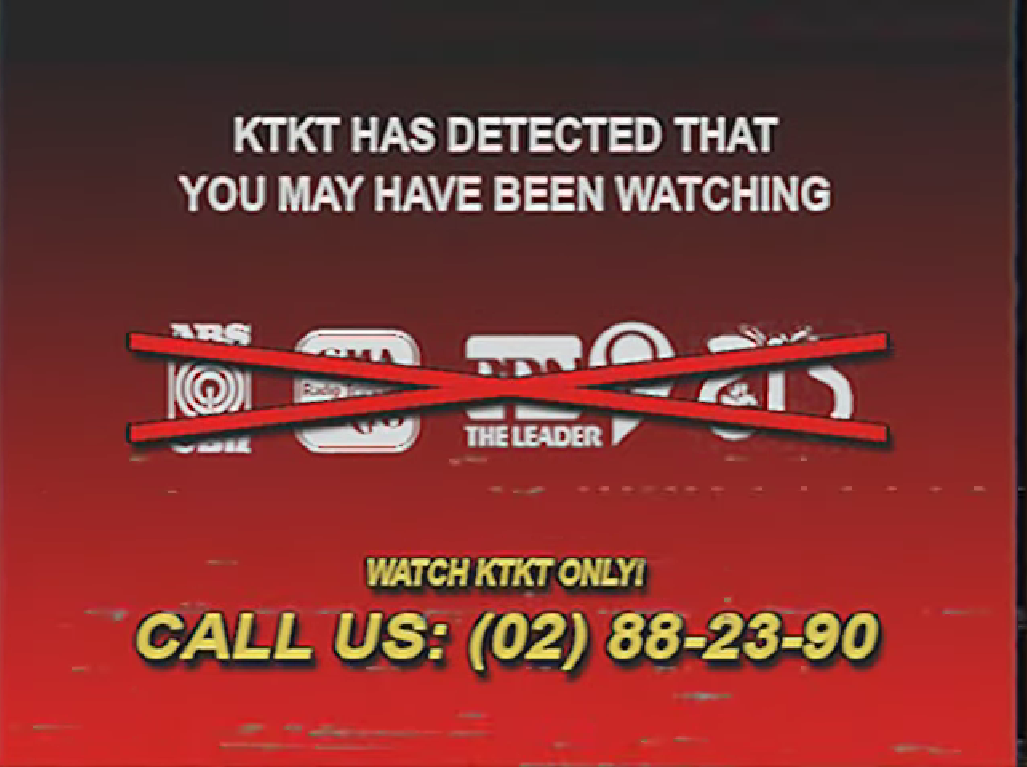
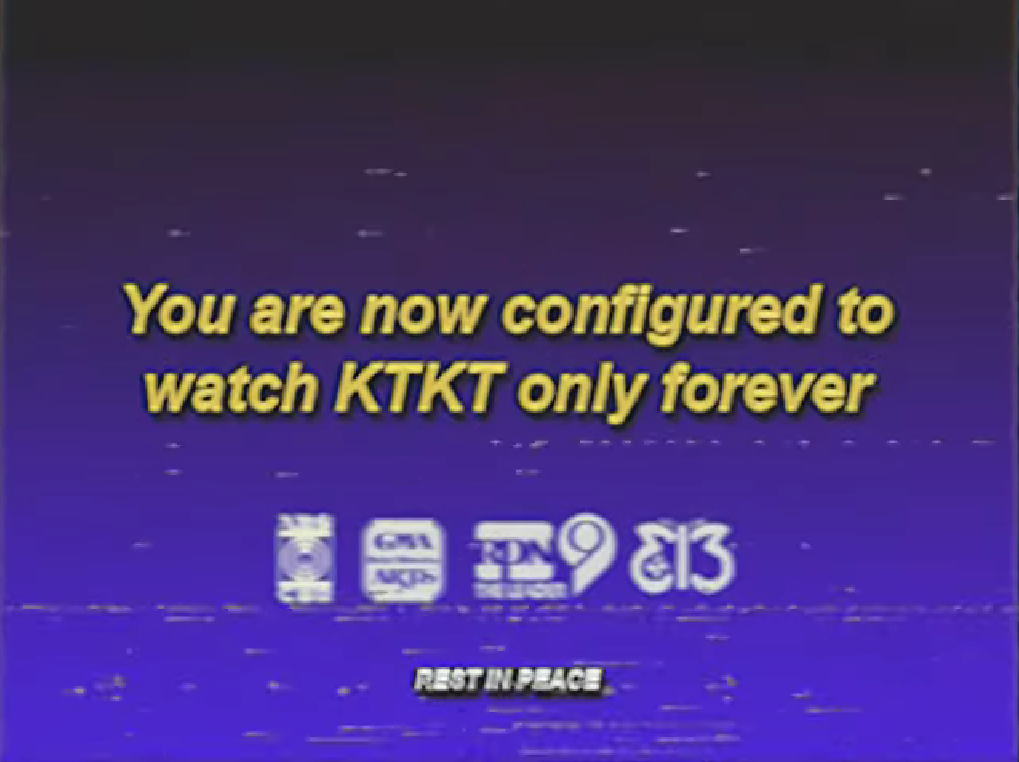
In Channel 10 - Manila, the viewership retention system put audiences in an unknown state, most possibly, death, or worse. The imagination reels in as the text, “You are now configured to watch KTKT only forever,” appears on the screen
In the Labo Tapes, we know what happened to Maria Labo’s children—but the depiction in the videos remains vague—all to guide our imagination to think of the worst we could think of.
Pinoy Cryptids, Channel 10 - Manila, and I.Republic proved that with enough creativity, anything, even the most familiar of things, could become effective weapons of fear.
Worse, these analog horror series are only some of the best flicks Filipinos could offer—and more are rising to the challenge. Reimagining local horrors with well-thought twists, the fear they strike always feels closest to us.