
The Scorned Woman
From facing society’s horrors to being the horror herself, this article takes a look at how women are portrayed in Filipino horror film.
Words Erika Anne Sulat
Photo courtesy of ABS-CBN Sagip Pelikula, Cannes Film Festival official website
October 31, 2025

There’s a certain horror in being a woman.
It’s waking up to ready yourself for the onslaught of comments about your appearance. It’s anxiously walking past a group of men on the way home, not knowing what may come next. It’s hearing derogatory comments from men you know and thought you could trust.
To live as if each step can be a dreadful mistake, like one’s traversing a haunted horror house, waiting for a ghost to scare you.
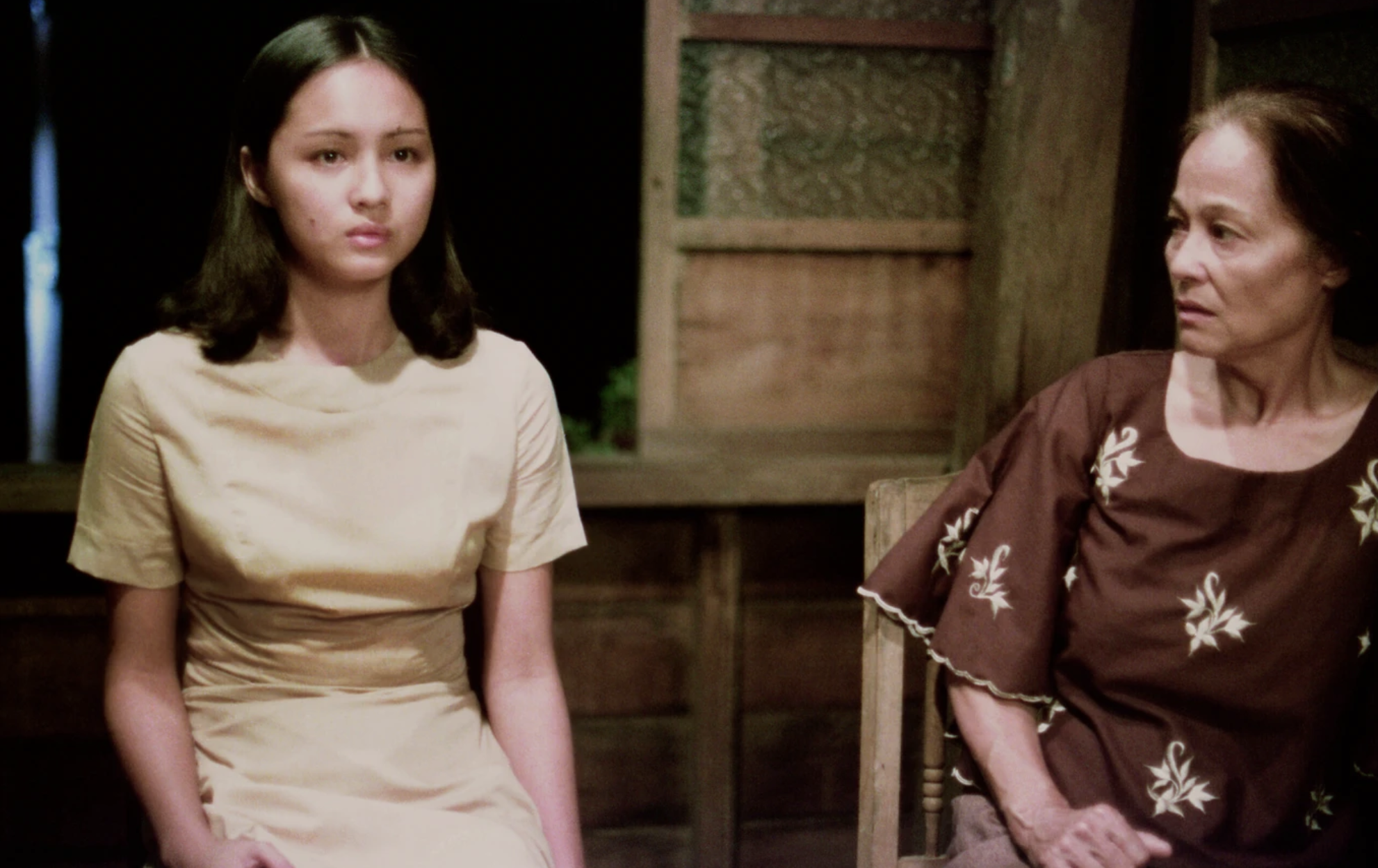
Itim (1970) from Cannes Film Festival Official Website
We see this in the western media’s love for final girls, a cinematic trope that usually depicts the protagonist, a woman, being the sole survivor and de facto warrior who has to face the film’s horrors. She’s there to be a moral representation, that something’s gone completely wrong for a woman to appear in a film full of horror and grotesquery.
In the Filipino counterpart genre of horror films, there is often a layer of social or political crisis festering beneath the layer of gruesome monsters or ghosts.
This is no different when women are depicted in horror on-screen. Often, the woman is mythologized, typically acting as a gruesome creature from Philippine folklore or a ghost. Either way, the monster is a woman scorned, aching to avenge herself.

Itim (1970) from Cannes Film Festival Official Website
In Mike de Leon’s Itim (1970), the plot revolves around a dead nun, Rosa, who continuously possesses her sister, Teresa, wanting to avenge herself after dying from a forced abortion instigated by her married partner, who’s also the father of the protagonist.
Throughout the film, audiences are constantly reminded of the protagonist and his father’s chauvinistic attitude towards women. On the other hand, Teresa is shamed by her mother for constantly tagging along with the male protagonist.
While the protagonists and audiences are faced with the monstrosity of the entities haunting them, the women who are made into these ghostly creatures are forced to haunt people because they seek justice over their predicament, often caused by patriarchal society.
Sometimes, it is also women who solve these predicaments and help save the scorned woman’s soul, and everyone else from their wrath.

Patayin sa Sindak si Barbara (1995) screengrabbed from ABS-CBN Sagip Pelikula
In Chito S. Roño’s Patayin sa Sindak si Barbara (1995), Barbara’s sister, Ruth, indulges in witchcraft and commits suicide to haunt her unfaithful husband. When Barbara comes home from the US for her funeral, the dam breaks, and she starts haunting everyone.
At the end of the film, Barbara tries to sacrifice herself by offering to stay with Ruth in the afterlife, but not before her husband.
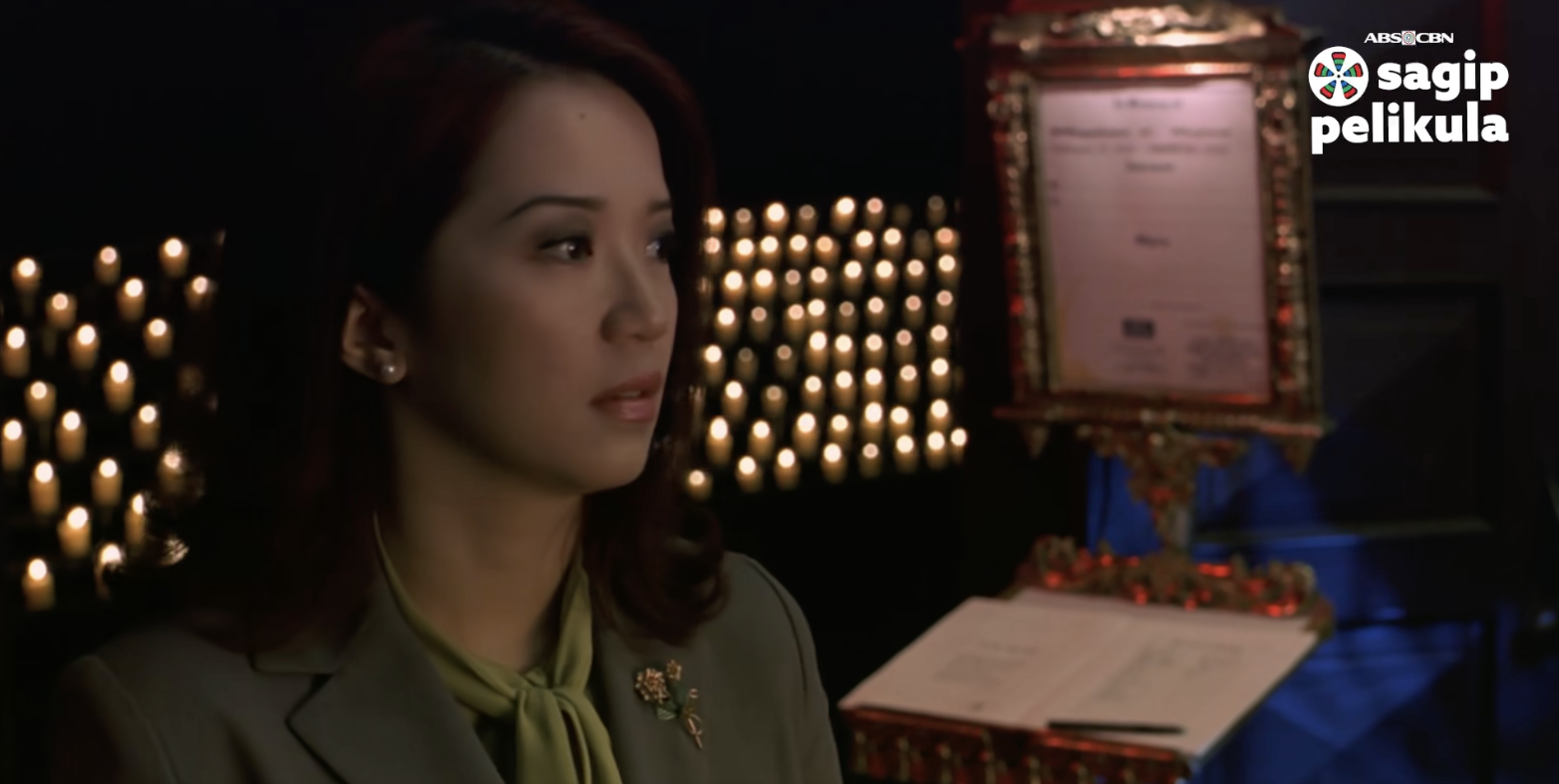
Feng Shui (2004) screengrabbed from ABS-CBN Sagip Pelikula
Another one of Chito S. Roño’s films is Feng Shui (2004), which features a bagua haunted by a woman whose feet were bound and broken, resembling a lotus, as was the trend among affluent young women in China at the time, and abandoned by her family to die.
All these films have layers of horror in them, not just through the ghastly hauntings of the women scorned, but also through the horrors she went through when she was alive.