Here’s Why Every Filipino Needs A Junk Journal
With artists Nico Ng and Kalenna Asis, we ponder over the question, “is junk journaling really worth your while?”
Words Marc Nathaniel Servo
Art by Martina Reyes
December 09, 2025
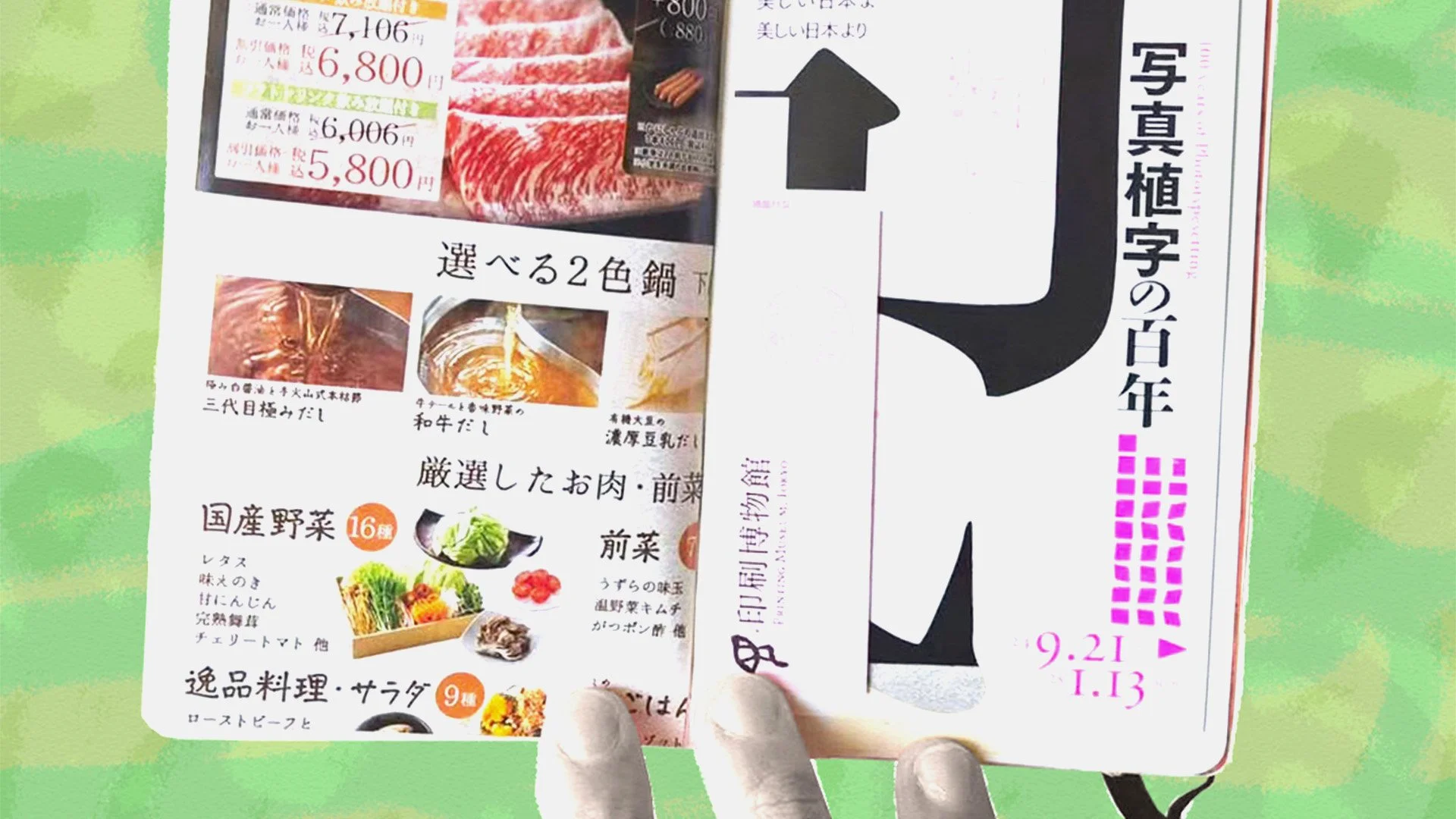
A pocketful of memories.
This is how I often view the Filipino maximalist culture and our tendency to keep small mementos in our pockets. May it be a bus ticket, grocery receipts, or even food labels—our beautiful culture holds its memories close by keeping small trinkets by our side.
Whenever I introduce junk journaling to my friends, the response is always a question: what is junk journaling? Then, comes the funny stare as I stash random things to stick in my journal.
Despite its recent popularity, junk journaling remains to be quite an enigma within the journaling community. Some people like it, most hate it—sadly because for a maximalist society, we’ve been too focused on uniformity when we can embrace the chaos.
Well, one’s trash is somebody else’s treasure. Junk journaling is just one of the myriad ways to make a journal. What makes it special is how it blooms in chaos, imperfection, and the most useless things in life. For me, it is a very humanizing craft, a reflection of our lives through tiny details that represents who we are.
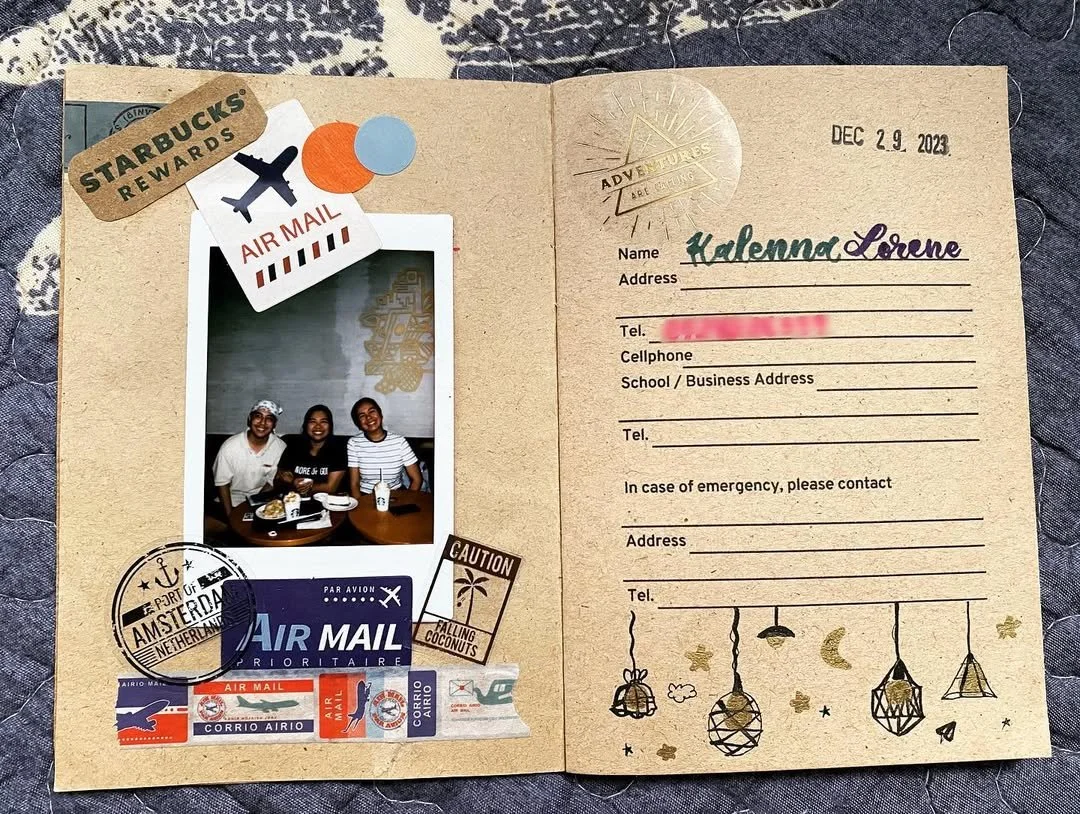
It does not seek perfection, nor extravagance. No formal text nor structure, just pure emotions.
So, I believe that every Filipino deserves a junk journal to preserve their fondest memories—it is nourishing, sustainable, and every bit Filipino in its truest maximalist spirit.
Imperfectly Perfect
One major struggle that comes with journaling is the burden of maintaining a strict set of rules: from a series of texts down to the formal, ruled down design. For artists Nico Ng and Kalenna Asis, junk journaling is a form of freedom as creativity abounds.
“Traditional journaling can feel pressured. You think about what to say, how to write neatly, or if the layout looks right. With junk journaling, I just cut, tear, and collage things I like. It’s more about playing with balance and textures, not perfection,” Nico shared to Art+.
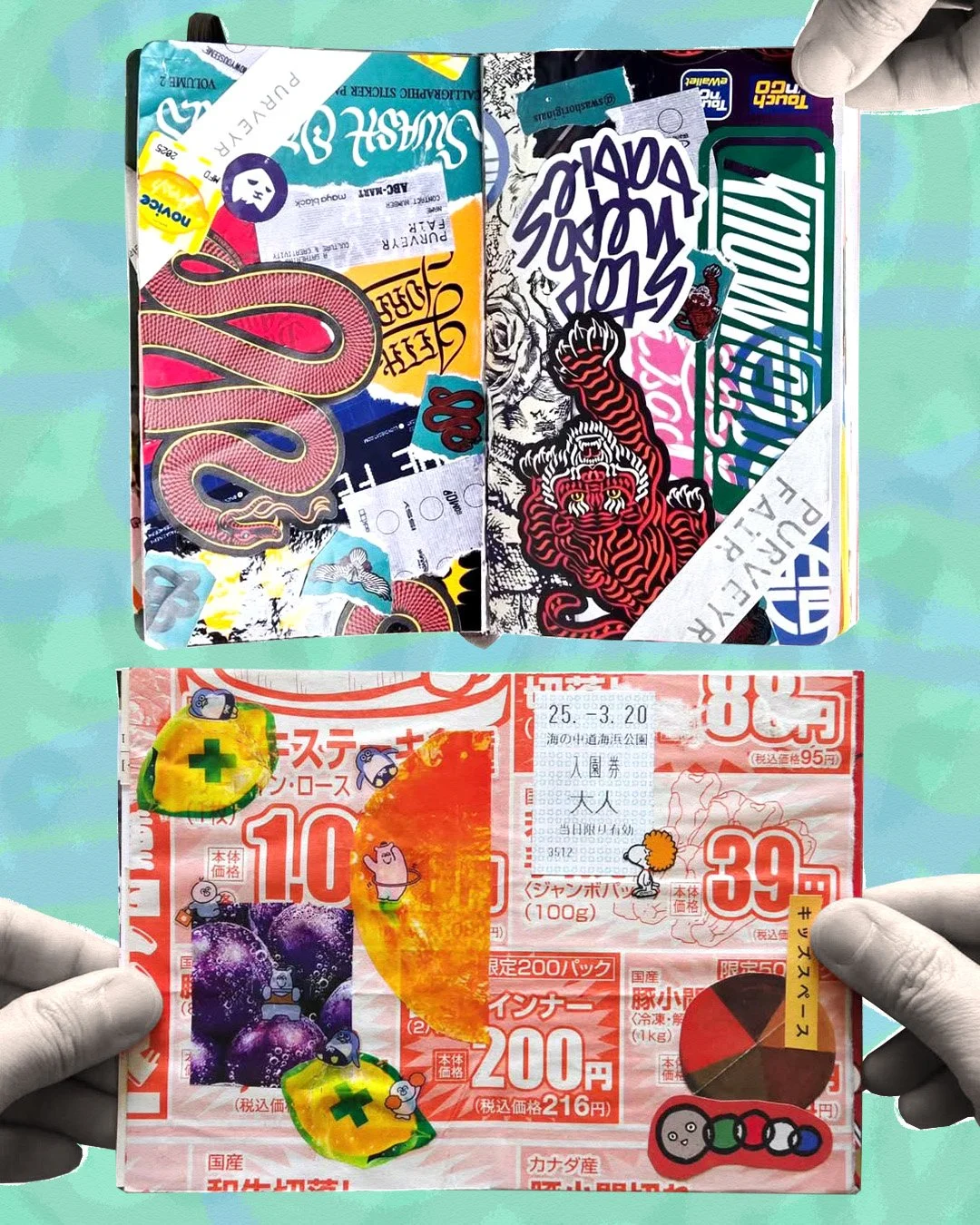
Similarly, for Kalenn, junk journaling is a breakaway from words, and instead, a focus on interwoven textures, layers, and memories to make a unique visual story. “It gives new life to scraps, tickets, and paper pieces that would otherwise be thrown away.”
With each food packaging, brown bags, brand labels, and other trinkets layered in a chaotic mess, your own visual story is a testament of how art does not need to be perfect. With junk journaling, the burden is less on maintaining appearances but on keeping memories. It doesn’t have to be coherent to bring meaning—it just has to be you.
Sustaining heart, mind, and the ecosystem
Letting go of the weight of striving perfection helps a lot in creating a healthy mindset. It’s one of the hardest things to achieve, as the goal of becoming good is ingrained in our environment. Once it’s gone—everything feels like a breeze, and junk journaling helps bring that out of your system.
Kalenn began junk journaling in 2019, and for her, it became a form of healing introduced by her friend, Ben Ramos.
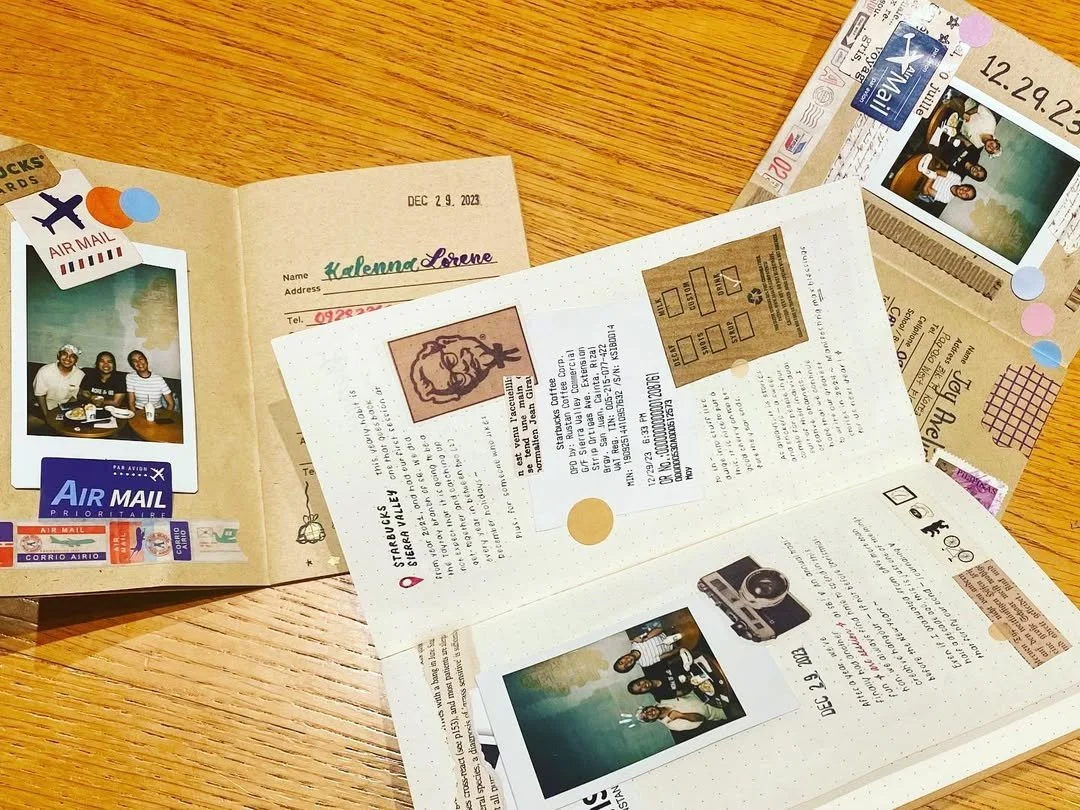
“The year before that, I was going through a low point emotionally, so I wanted to channel my feelings into something creative and meaningful. It began with calligraphy, but when I discovered junk journaling—it opened a whole new world for me. It became both a creative outlet and a form of healing,” she shared.
Then, junk journaling became a creative safe space for Kalenn, a place that brings her joy, calm, and a sense of fulfillment. Among her tapestry of memories like polaroids, train stubs, and random cutouts of memorable pieces. In her space, she can truly be herself.
Whenever Nico feels overwhelmed with life, he finds comfort with junk journaling. He just began junk journaling a few months ago, after meeting another junk journal artist at a gathering in Kuala Lumpur. From there, he fell in love with the art as it is simple and relaxing.
He told how he has always loved collecting little things from his journey, but rarely had the time to complete a full travel journal. Junk journaling then felt like the perfect fit for his needs.
“It’s become my go-to stress reliever. When I feel overwhelmed, I open my journal and start arranging bits and pieces I’ve saved: receipts, tags, packaging, tickets. Each one brings back a memory, and it’s calming to see them come together on a page,” he explained.
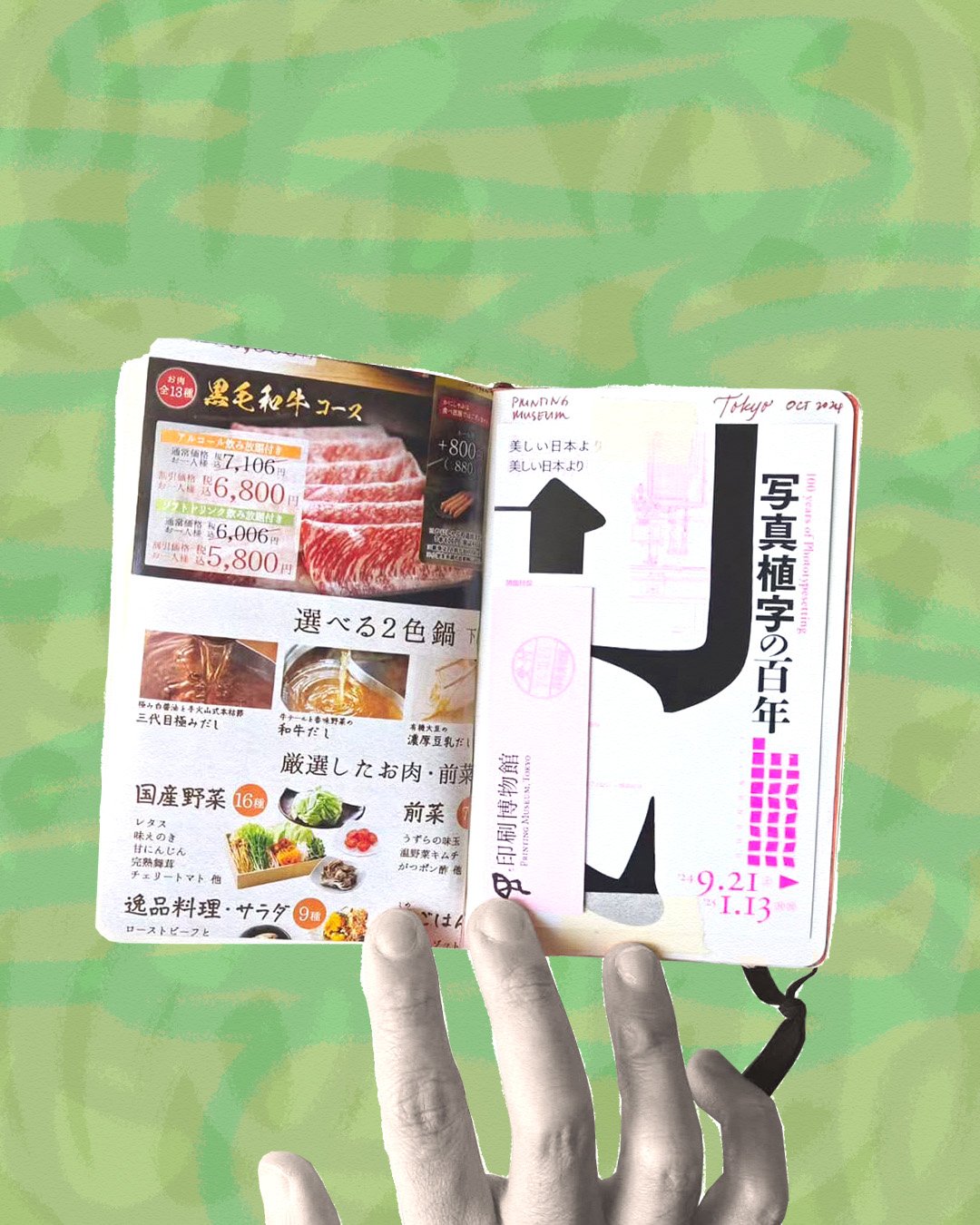
Further, more than its benefit on calming one’s nerves, both artists especially mentioned how junk journaling is a sustainable art by giving new purpose to discarded materials. What others see as trash can, in fact, turn into something beautiful and meaningful—a purpose that could truly resonate to Filipinos who are deeply maximalist in nature.
Anik-anik through the pages
My statement on how every Filipino deserves a junk journal is not unfounded. What’s the best way to preserve small trinkets we kept along the way if not through journaling?
Junk journaling is simply an outlet for us to let loose our creativity without the burden of expectations. It is messy and definitely cluttered, but full of colors and texture that makes every memory feel more cherished.
“Junk journaling perfectly matches the anik-anik maximalist spirit of Filipinos—our love for color, details, and collecting little things that hold memories,” Kalenn added. “It celebrates the beauty of “more”—more layers, more textures, more stories—all coming together in a joyful, organized chaos that feels uniquely Filipino.”
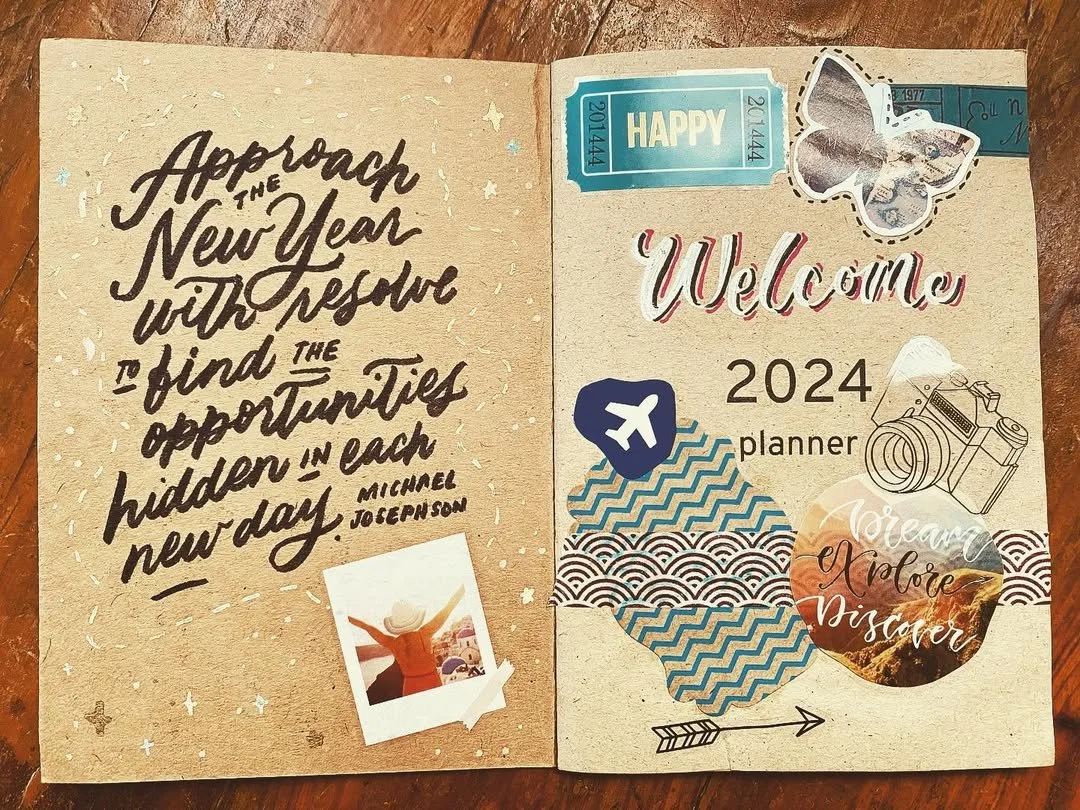
For Nico, the freedom that junk journaling provides is just the perfect outlet for our expressive and creative culture. There’s no right or wrong, just your own playground that embraces all forms of color, texture, and storytelling.
As someone who struggled with perfection in art, I found myself unable to finish works without feeling the urge to tear everything apart. I believe everyone resonates with how art, despite all its freedom, is also burdensome on how it is built on the expectation of beauty.
This is why junk journaling deserves the spotlight: it overturns that very expectation to make pretty things—it just asks you to keep things however you want.
So when people feel confused as to why you keep junk or how it feels inefficient just because it never felt coherent, tell them this: no art should make you feel pressured. You deserve your very own junk journal.