Form and Flavor
The passion for art and gastronomy fueled an unexpected partnership with Katrina Cuenca and Juan Carlo The Caterer.
Words Randolf Maala-Resueño
Photo courtesy of Adrian Ardiente, Culinaire 2025
September 10, 2025

As art expands its realm, it conquers even our dining tables. In honor of this creative fusion, visual artist and sculptor Katrina Cuenca and catering tastemaker Juan Carlo The Caterer put the canvas to the plates.
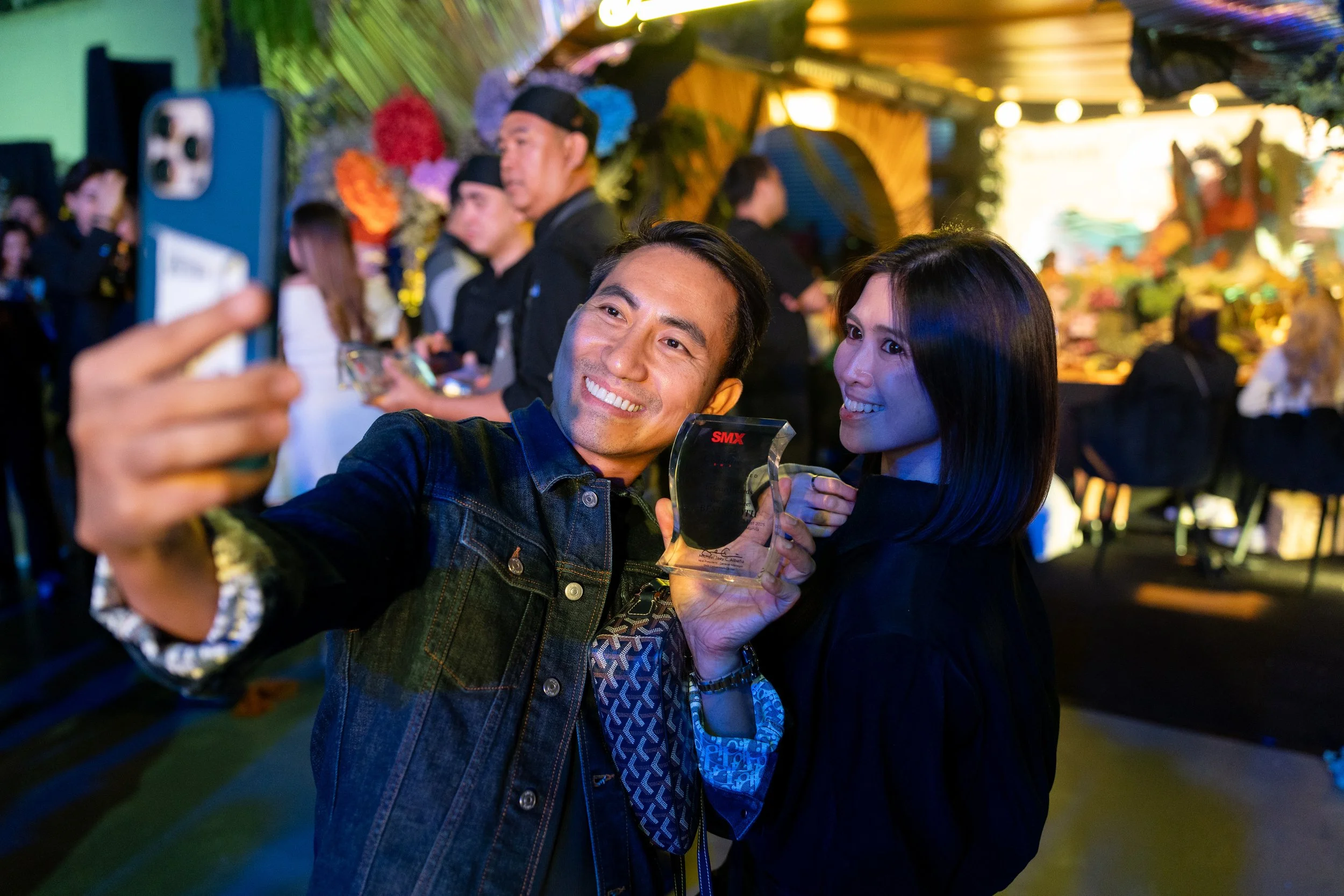
During the Culinaire 2025: Canvas Reimagined, Cuenca and Juan Carlo merged art and gastronomy, sweeping a 7-out-of-8 awards in the immersive dining competition last August 19.
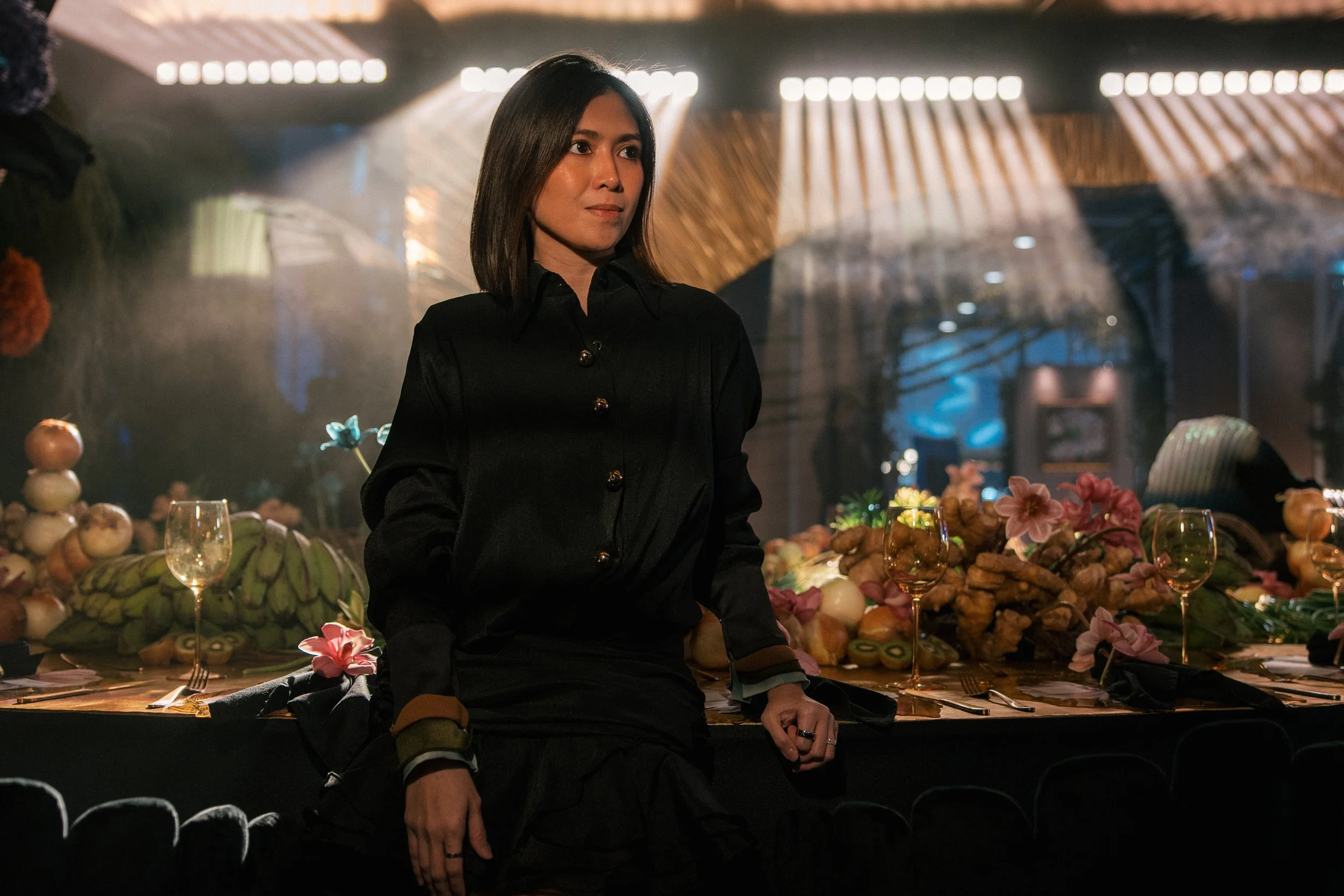
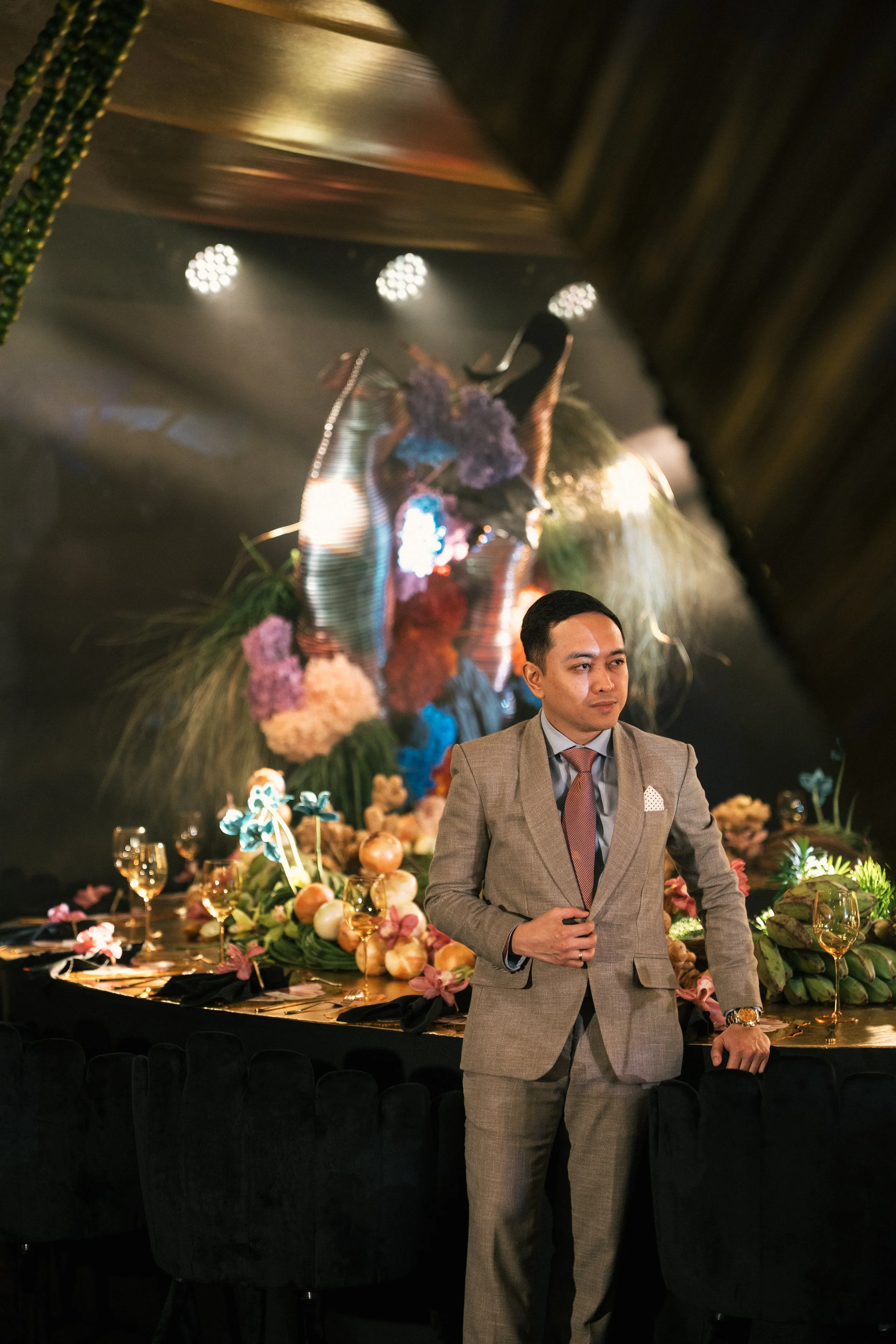
The contest, held at the SMX Convention Center Manila, paired ten partner caterers with visual artists and challenged them to create a three-course experiential dining experience along with a booth that reimagined their collaboration.
This year’s edition also introduced a new format, integrating smart technology for hosting and voting, offering a fresh, interactive way to make food not just consumed, but truly experienced
To learn more about this exceptional collaboration, we talked more with Cuenca on how this partnership came to be and how art translates to the tongue.
From art to the palette
Cuenca, known for her sculptural and painting practice rooted in flowing, ribbon-like forms and shimmering tones, alludes to the collaboration with global event designer Gideon Hermosa.
Juan Carlo and Hermosa, through their earlier collaborations, affiliated with Cuenca in hopes of participating as co-collaborators in Culinaire. Knowing Hermosa herself, Cuenca immediately said yes.
Mirroring art in a culinary form was no easy feat. Cuenca owed the impeccable artistic narration of Juan Carlo and his team in translating the visual language of her work into something edible. Such professionalism and creativity put her in awe.
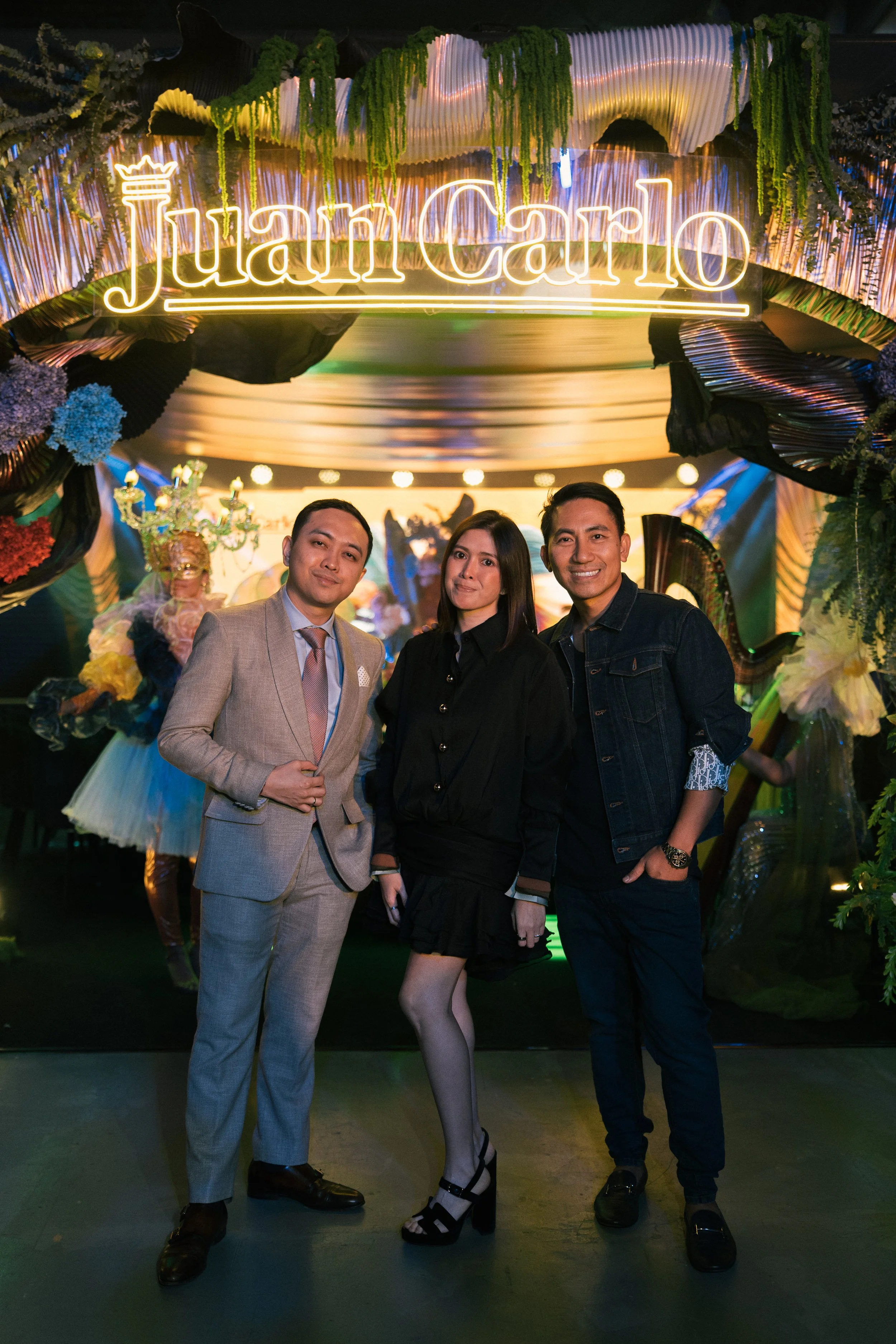
“Collaborating with Chef Jesus “Bong” Bolagao and Chef Reniel de Guzman—both visionaries in their own right—was especially inspiring, as they brought such artistry and heart into every dish. Truly, their team is made up of some of the most creative and passionate people I have ever met, and it was a joy to create alongside them,” Cuenca added.
Art ‘feeds’ the soul: The three-course meal
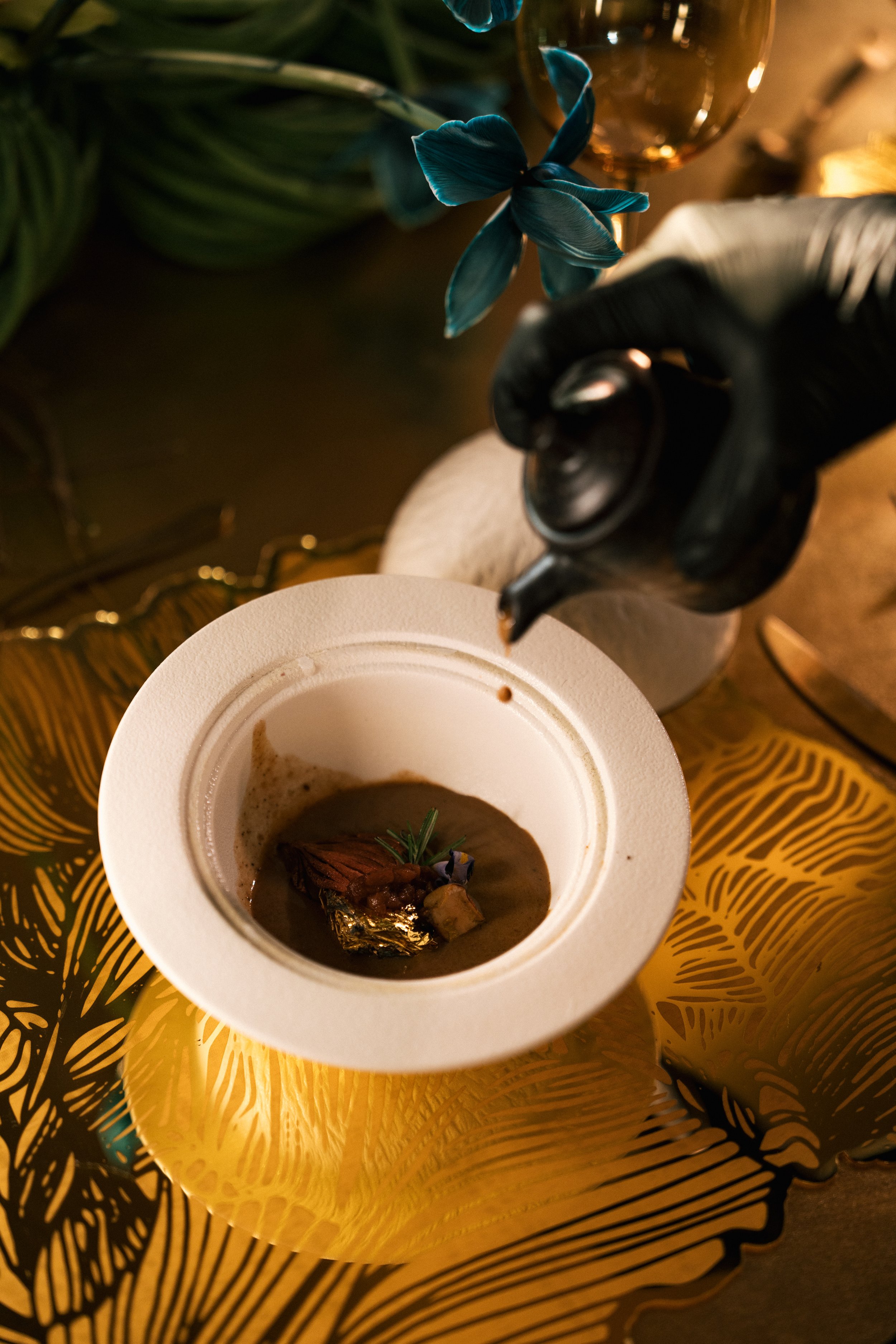
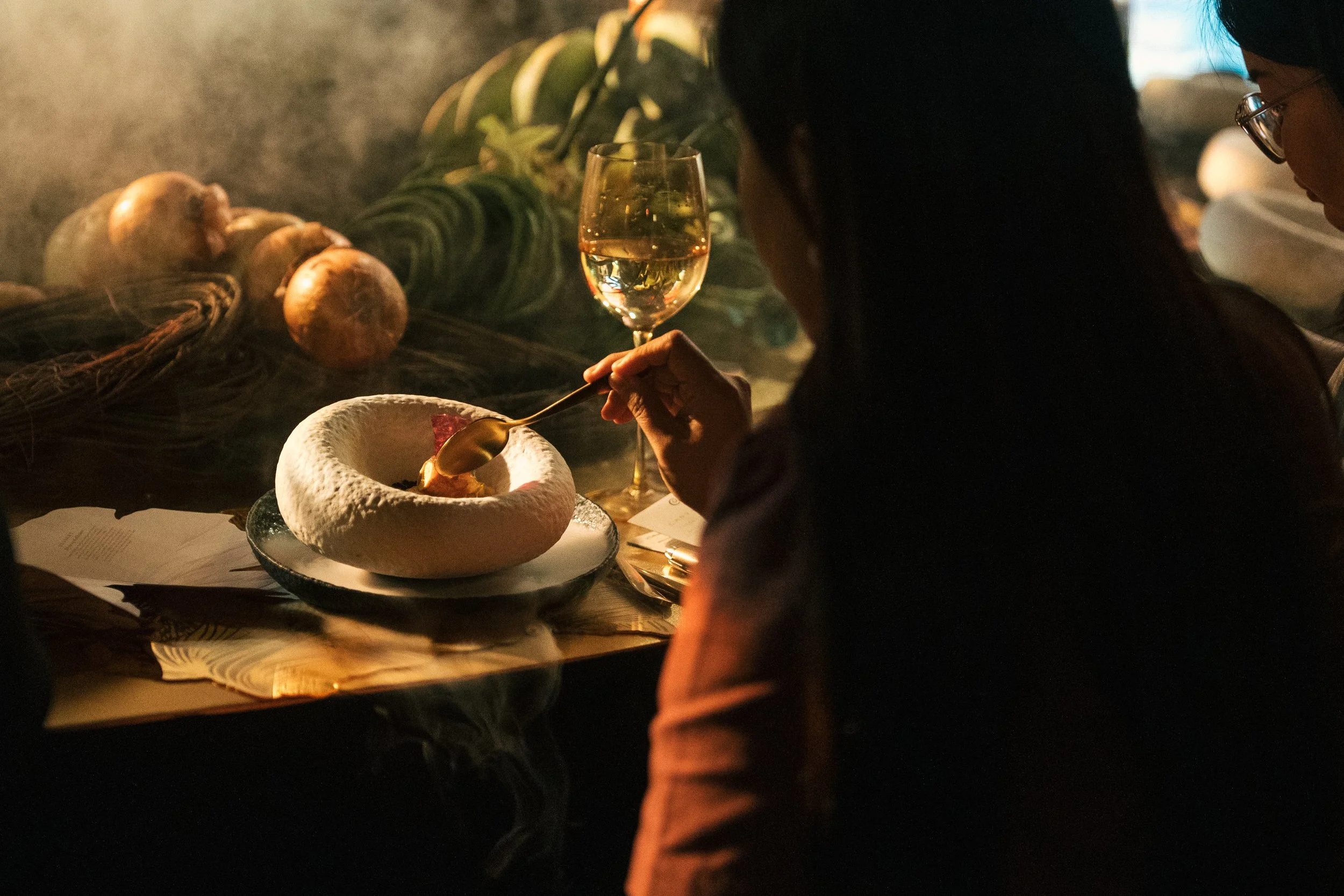
Alab ng Sining. A sumptuous A5 wagyu beef and foie gras dish with Bayambang red onion and Benguet potato, this appetizer is also donned with 24k gold around its plating–an ode to Cuenca’s use of gold leaf on her pieces.
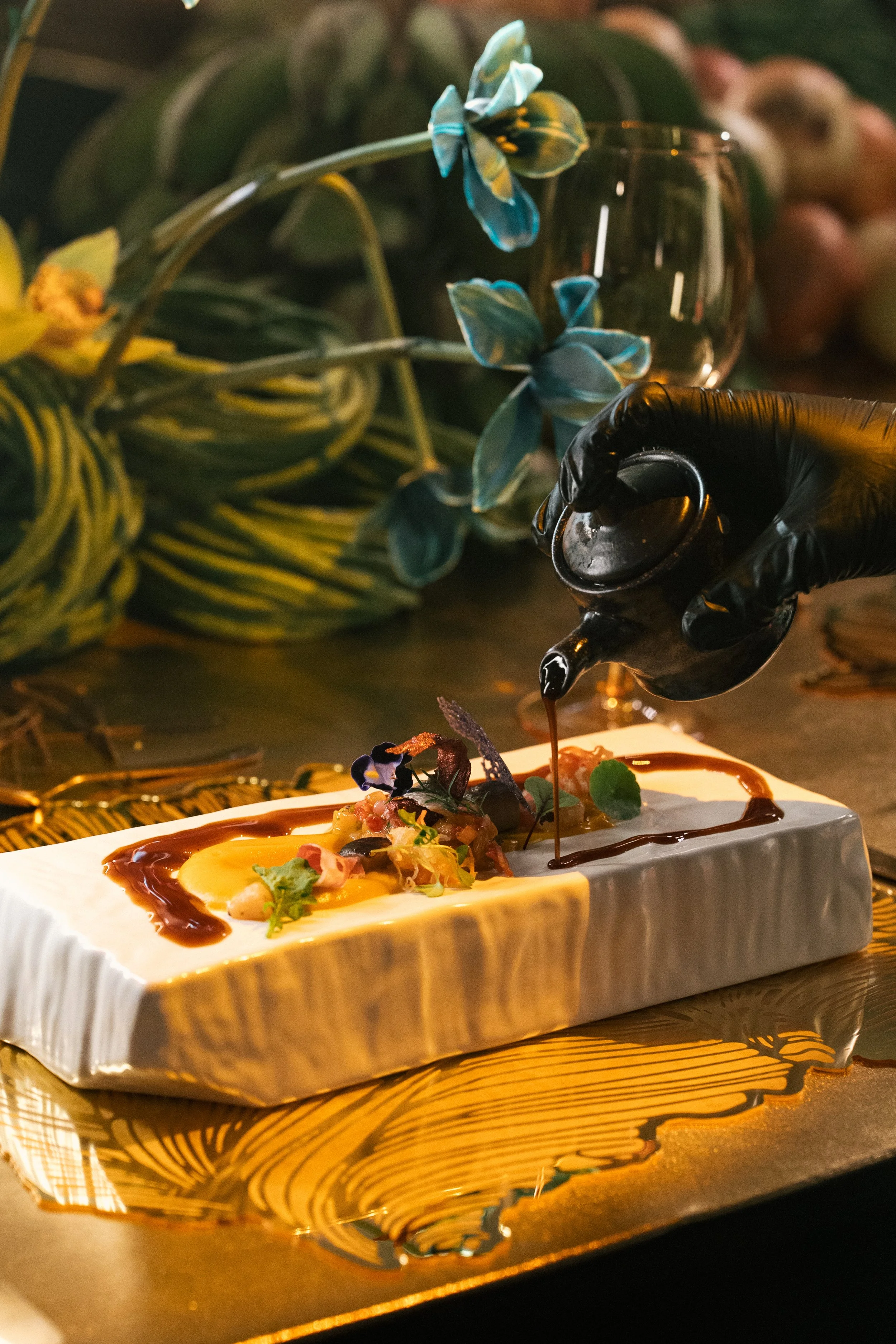
Hugis. In an attempt to capture the movement of betta fish tails, a memory tied with Cuenca’s mother and son bonding over the creature, the main course is a graceful fish dish echoing motion and form–a crispy native Don Pilas–brushed with edible rose copper, attributing to Cuenca’s flowing, copper sculptures.
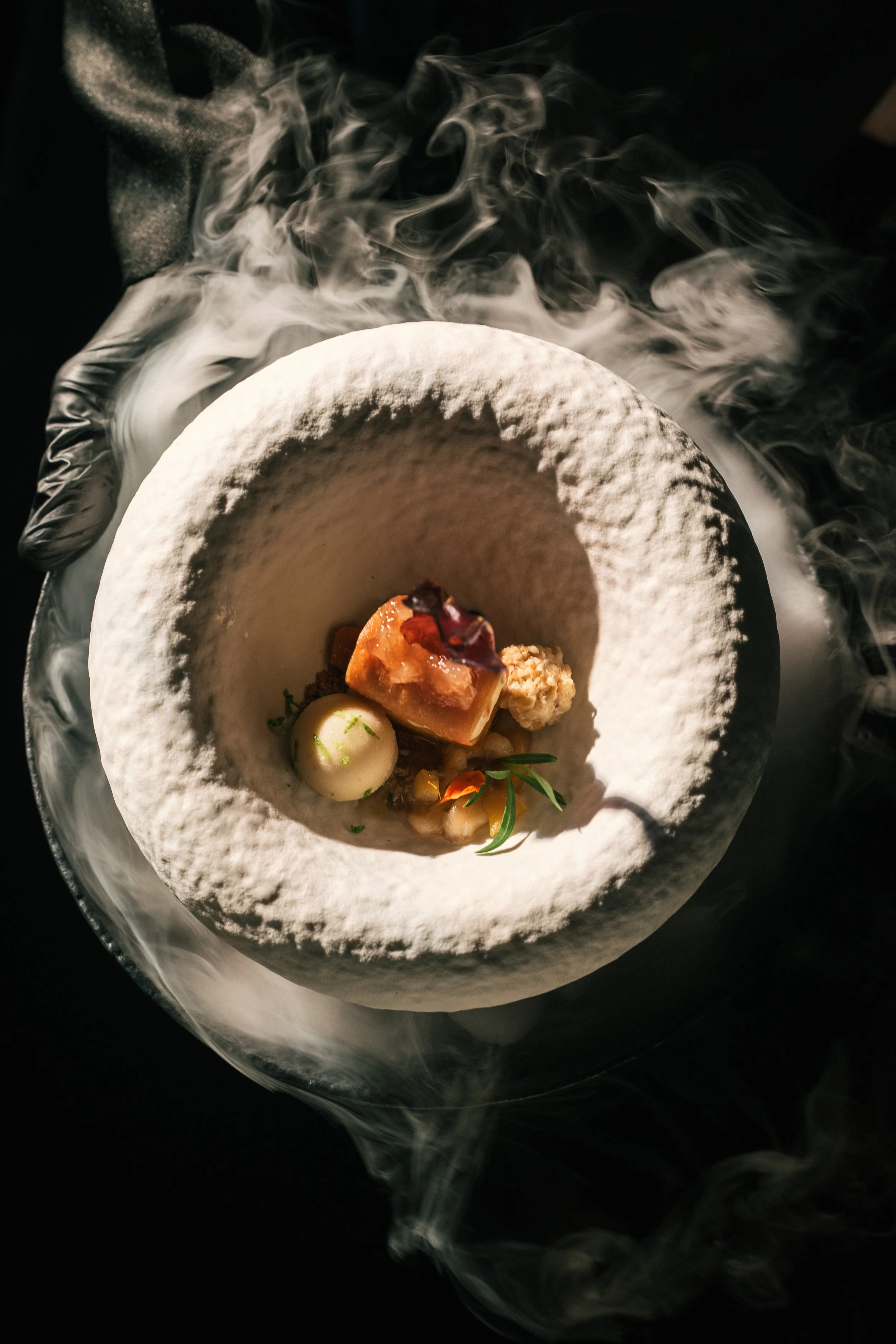
Hiyas ng Kalikasan. A nature-inspired medley of Cebu mango, Pangasinan corn, Quezon coconut, and Silang honeycomb, presented with theatrical flair.
“The dessert, Hiyas ng Kalikasan, drew directly from the colors and fluidity of my work: its shimmering rice paper crisp echoed the translucency of my glass pieces, while the soft pastel tones reflected the palette often found in my paintings,” Cuenca added.
Translating her medium to the culinary team was hardly a challenge, and collaborating with a group equally passionate about creativity and craft was a true delight, Cuenca noted, “Both the execution of the dishes and the design of the booth were realized with remarkable precision and artistry, and the results spoke for themselves: seven out of eight awards won.”

Identity: A driving force
As a prominent leader in event gastronomy, Juan Carlo’s approach to collaboration highlights Filipino identity through heritage ingredients combined with innovative plating and presentation. His efforts, alongside those of many pioneers and industry luminaries, help elevate gastronomy as a creative art form within the Filipino Meetings, Incentives, Conferences, and Exhibitions (MICE) industry.
The booth arrangement was also interwoven with Cuenca’s sculpture, where food and form summoned an engaging dialogue.
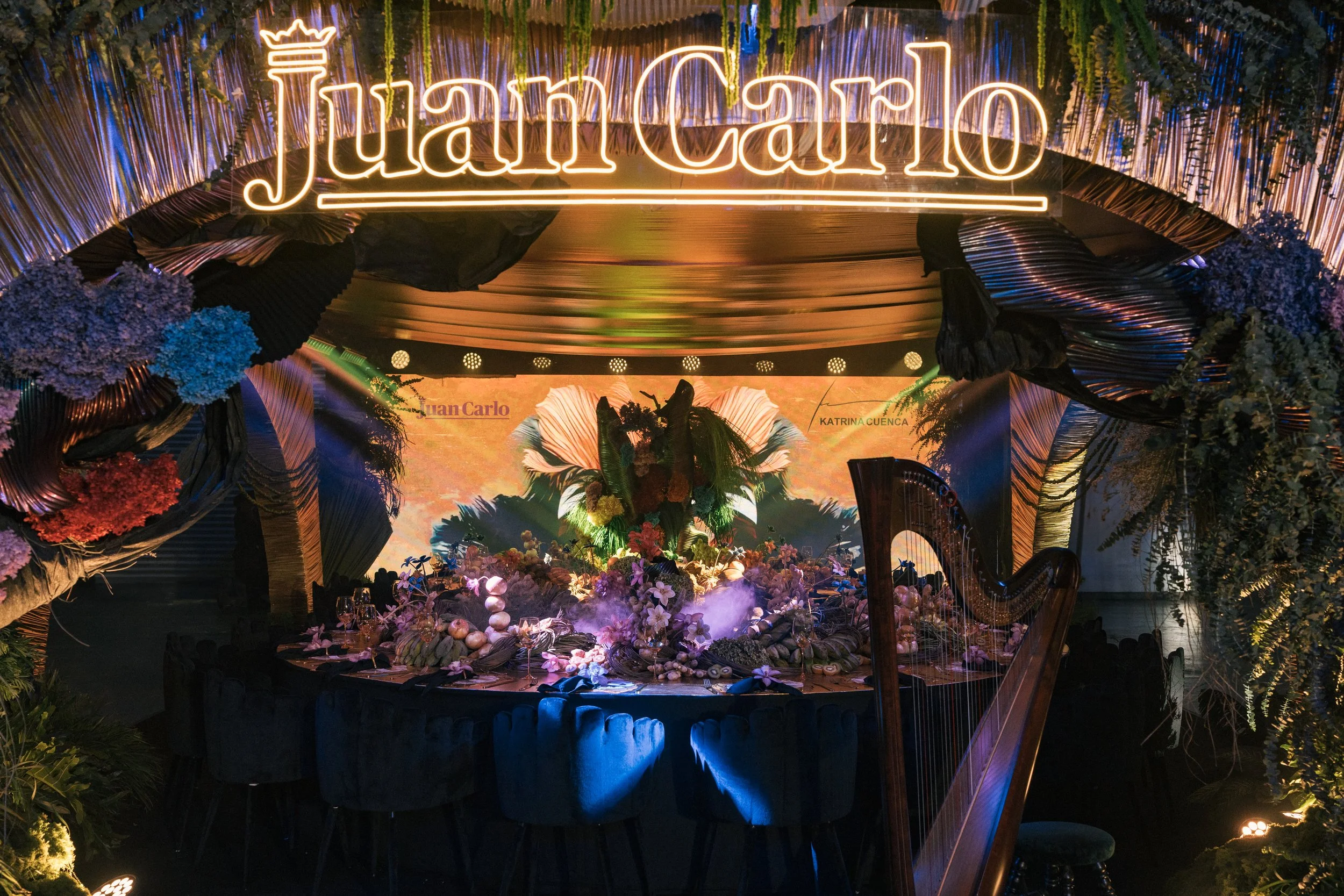
“The composition became both artistic and sculptural, yet firmly grounded in Filipino identity. Through this collaboration, the project as a whole, and most especially the dishes, embodied Juan Carlo’s deeper objective: to advocate for and honor the richness of Filipino creativity,” she mentioned.
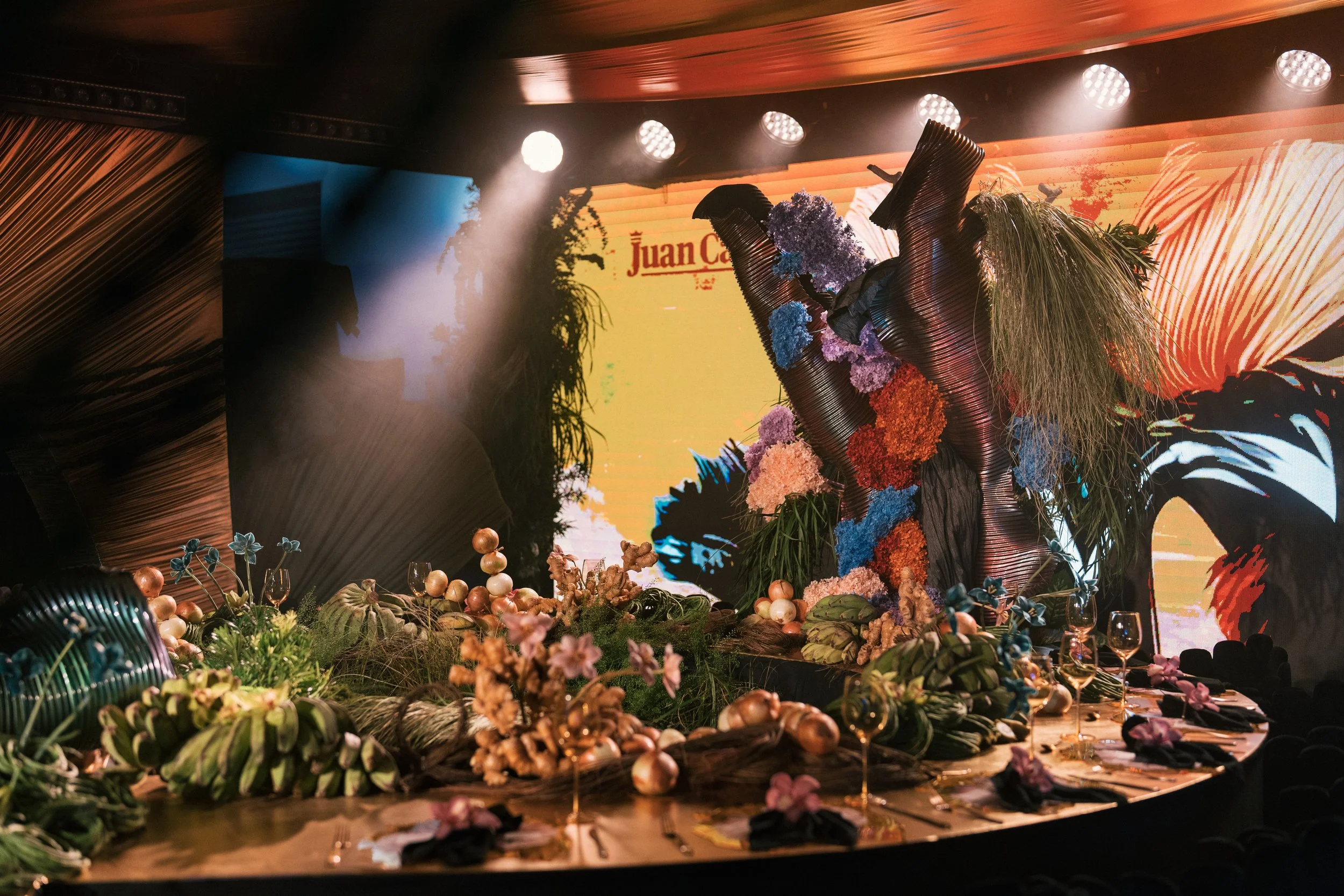
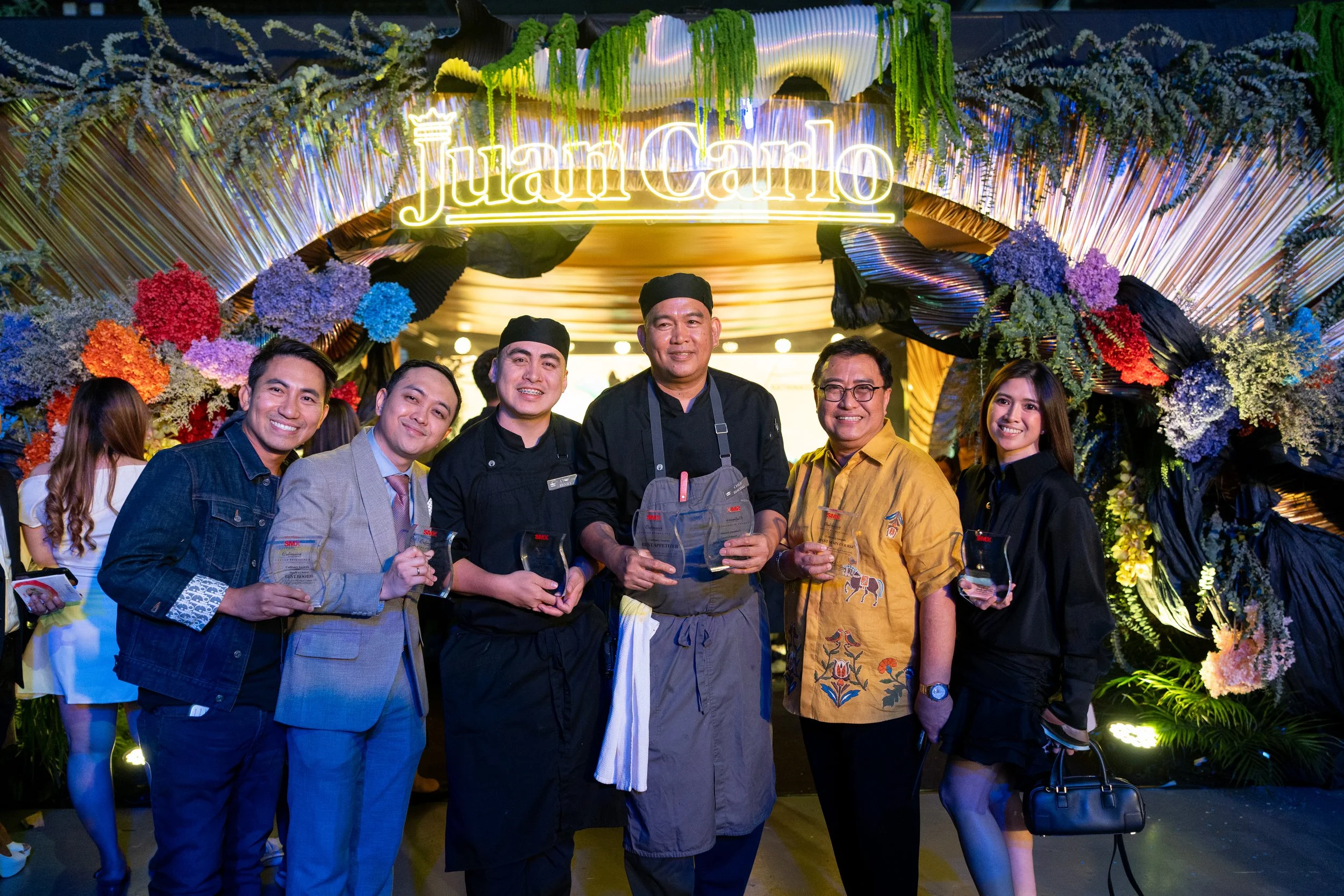
By the end of the contest, Cuenca and Juan Carlo won across major categories, both jury awards (Best Appetizer and Best Main Course) and public-voted awards (Best Appetizer, Best Main Course, Best Dessert, and Best Booth).
Food, form, forward!
Cuenca and Juan Carlo proved that dining goes beyond nourishment. “This collaboration has opened up an exciting space where food can continue to serve as both medium and metaphor within my visual narratives. I am always interested in finding new ways to translate my visual narratives and to deliver new experiences, and collaborating with different disciplines and industries is the perfect way to do so,” Cuenca added.
In many ways, these cross-disciplinary projects invite the art world to embrace intersectionality, with collaborations like this broadening the very scope of creativity—from museums to kitchens, and from art galleries to the dining table.