
Forgotten Island teaches us to find the way forward without forgetting, because every part of who we are is made through the life we lived.
Words Rica Mae Labbao
Photos courtesy of IMDb and DreamWorks
October 27, 2026
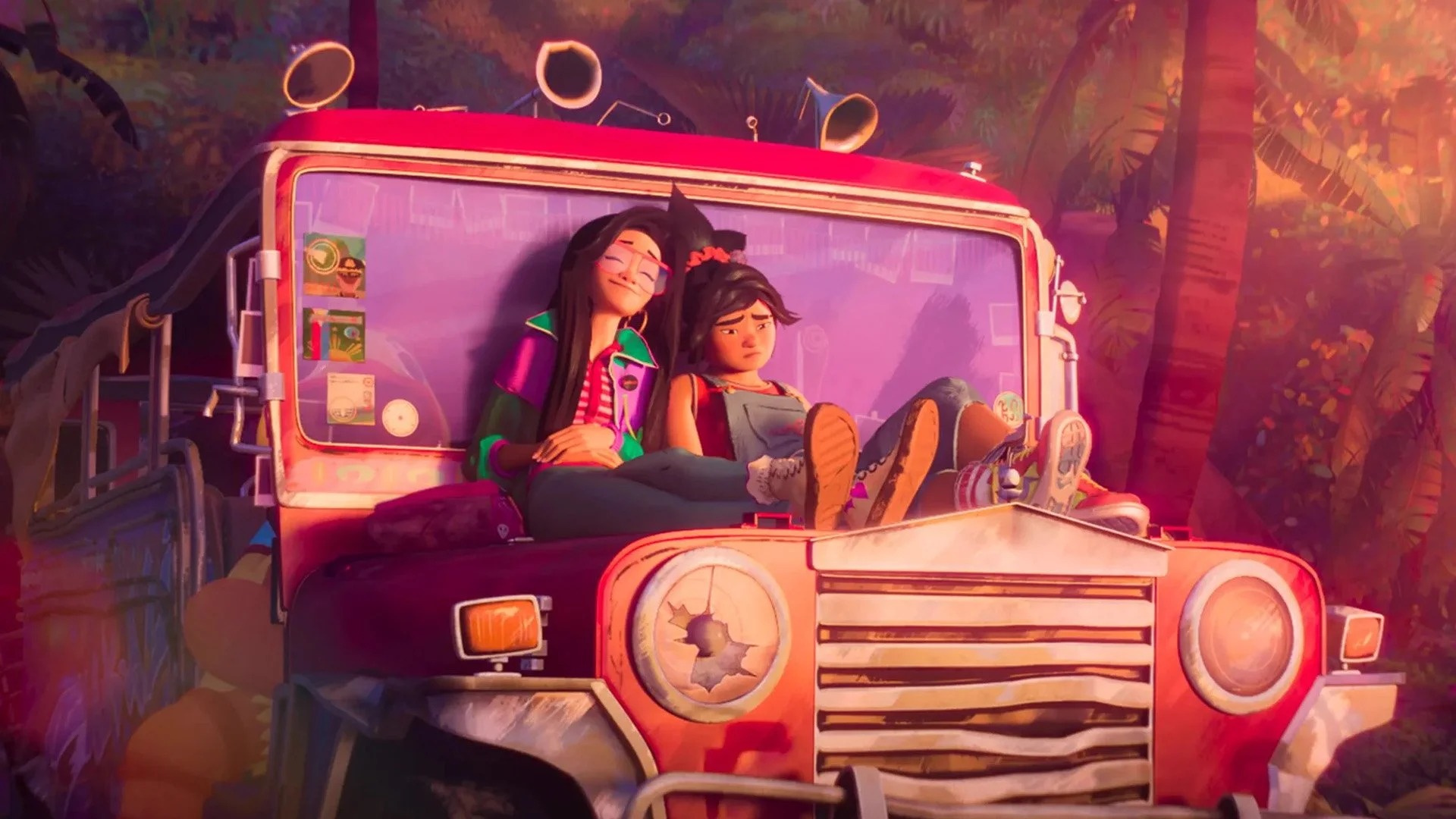
Clinging onto memories will hold you back.
Someone once said that staying stuck with what feels familiar and comfortable is a hindrance to progress. A suffocating rope that keeps you from moving on with your life and the people around you.
Forgotten Island visualized this dilemma in the form of Jo and Raissa, two life-long best friends who are facing a sudden parting situation because Raissa is leaving the Philippines to study abroad.
From then on, a whole new unexpected local Filipino folklore and cultural journey unfolded right in front of them.
The American Dream
In every Filipino household, going to America has always been the dream. Study, work, receive a green card, and finally migrate the whole family to the States.
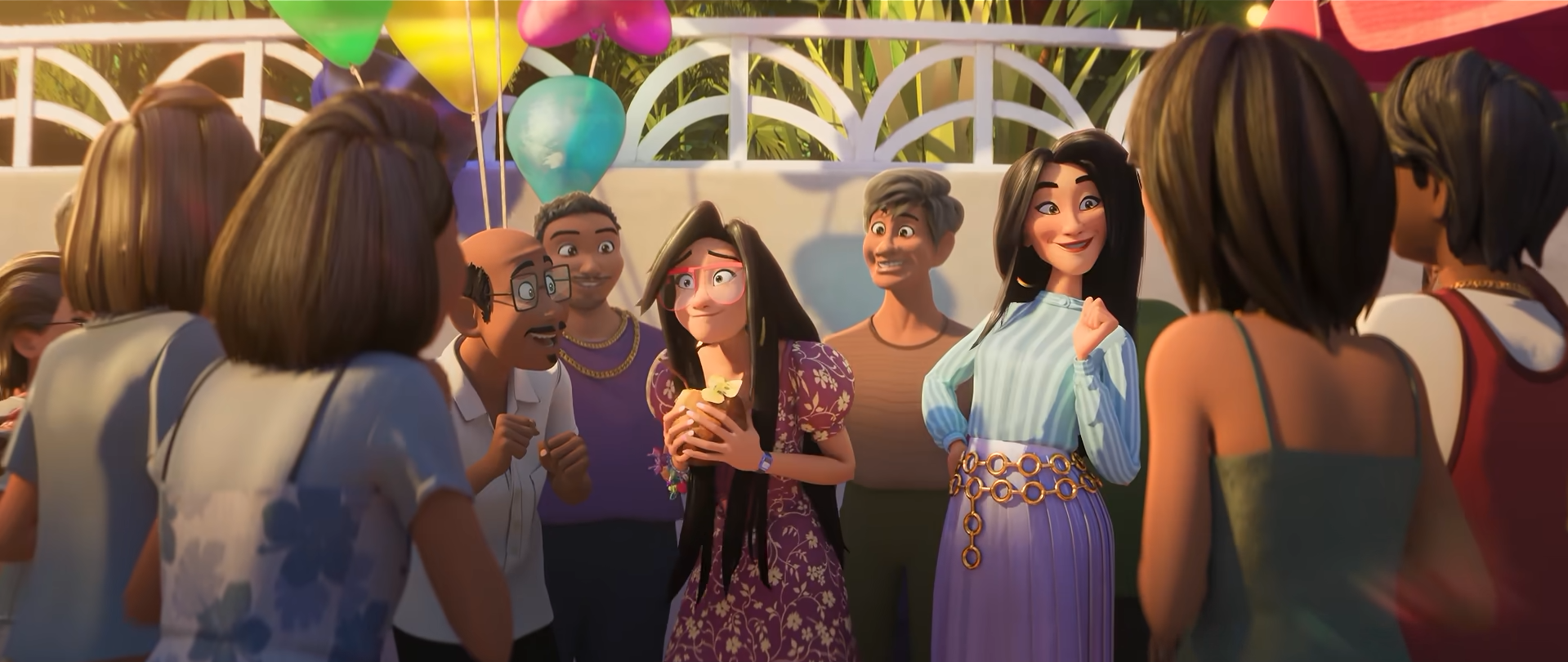
Whatever your situation lands on that foreign soil—good or bad—it will always be an honor for Filipinos to step outside the country and chase success.
It’s the same for Raissa’s family, her moving to America to study at Caltech is like a golden ticket to a brighter future. For them, this is the chance to upgrade their life. Fly to the States, live there, and there’s no turning back.
Everybody celebrated it with a very Filipino-like tradition of despedida with karaoke, lechon, and a huge gathering. After all, it was an exciting opportunity for everyone else except Jo.
An Anxious Attempt
The same idea of going to the States held a deep cut in Jo’s heart because of what happened in the past—her father’s departure and abandonment.
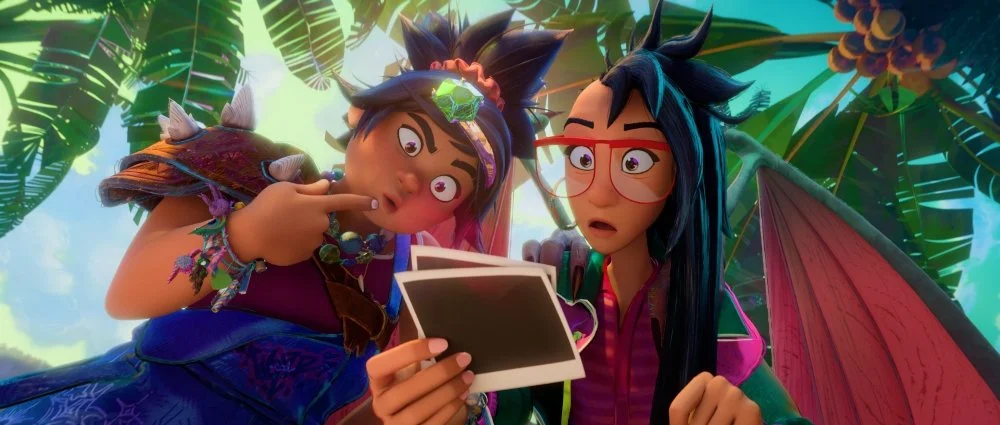
During the night of the party, Jo confronted Raissa about her decision to which Raissa acted upon negatively, later prompting their entry to the Nakali Island.
It was never Jo’s intention to stop Raissa from spreading her wings and flying high, it’s just that she had this anxious thought about her being left behind again by another family member. In this case, Raissa has been part of the chosen family Jo recognizes.
“I don’t know who I am without Raissa.”
Despite that, it was indeed a selfish act of holding onto their memories and keeping the other from moving on. Yet it should never be a decision about choosing a life forward or keeping things the same way it is.
It was always about the trust, friendship, and mutual love bonded by their experiences and memories. That no matter where the future leads them, there will always be a home waiting for them.
The One Who Moves On
In the film, Raissa is the one moving forward. She was the one offered a life beyond what she already knew and I think Raissa really took this decision of going to Caltech in both ways: seriously and lightly.
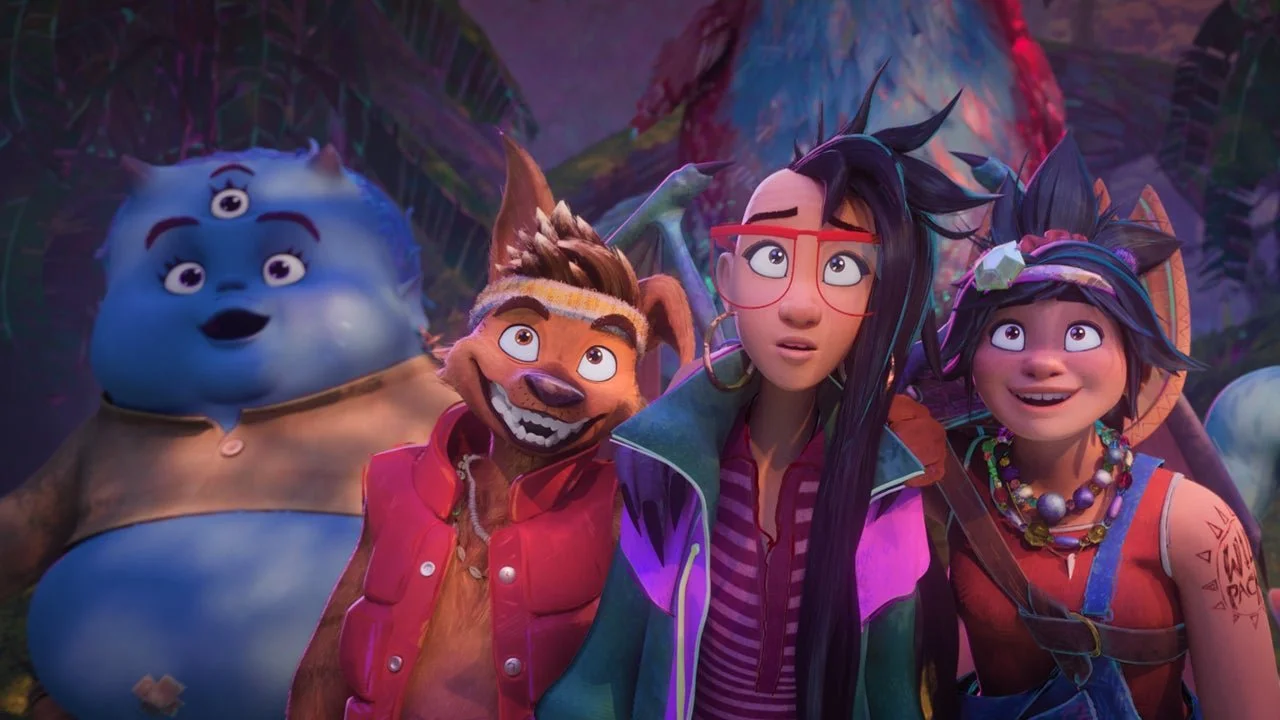
To work for NASA has always been Raissa’s ambition, so going to Caltech means she’s one step closer to her goal. But it was also a little bad move for her to break the news to Jo lightly.
Although she doesn’t know at first why Jo took it to heart, it was also her laser-focused agenda on going to Caltech that caused a rift between them. At one point, she was like that “selfish” friend who always put themselves first without caring for others.
She even forgot the memory attached onto that specific charm of their friendship bracelet, profoundly breaking Jo’s heart. It’s as if Raissa never placed the same amount of fondness on the memories of their friendship.
Yet again, the film’s conflict is not about making her choose whether to take on a new path or continuously walk the same journey with the same people. It is more about reflecting how people can choose to grow individually without abandoning the home that once shaped them.
When Memories Turn Into Curses
At Nakali Island, memories are like treasures. You exchange it for something as important as coming home. But Forgotten Island asks us: don’t we think memories are more important as we deem it so?
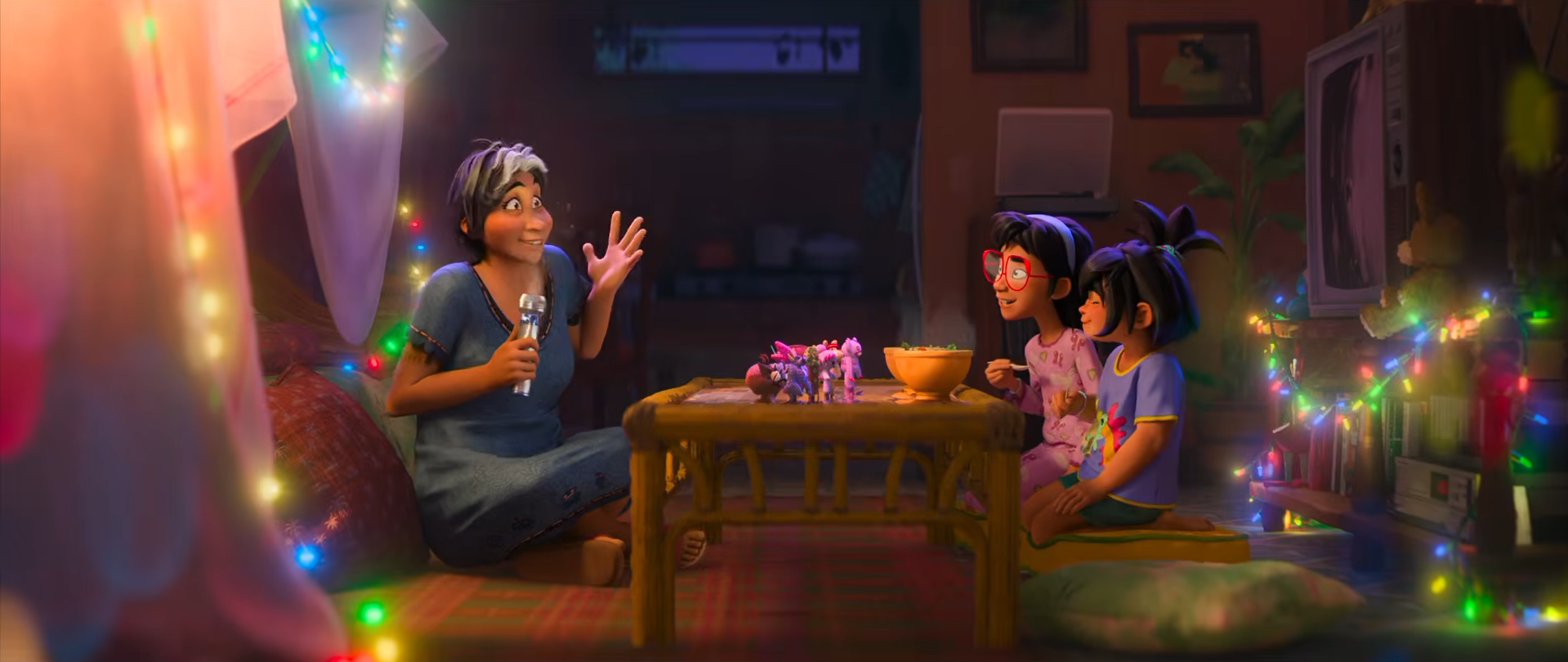
Taking something for granted has been normalized. We will only see the significance once it’s lost. That is the sad reality we all grow up to, because we need to move forward. And pushing through means leaving everything we once cherished.
Batibat’s initial thoughts about memories are somewhat right. Sometimes, the only thing that keeps the memories of such a situation is a tangible reminder of what transpired. Yet, we mindlessly outgrow the need to remember. And staying to remember becomes such a curse. So, we forget.
But “memories are magic.” Just like what Batibat said.
It contains the living reminder of what it’s like to live that life. Exactly why nostalgia is a feeling no one can resist, because we always yearn for the happy memories we once had.
It is the memories that we have that makes us who we are, and forgetting it has a cost.
Where ‘Tayo Na’ Leads To
Throughout the film, the Filipino phrase “tayo na” served as the anchoring encouragement to both Jo and Raissa to take on an adventure, as it also signifies a deep bond within the both of them.
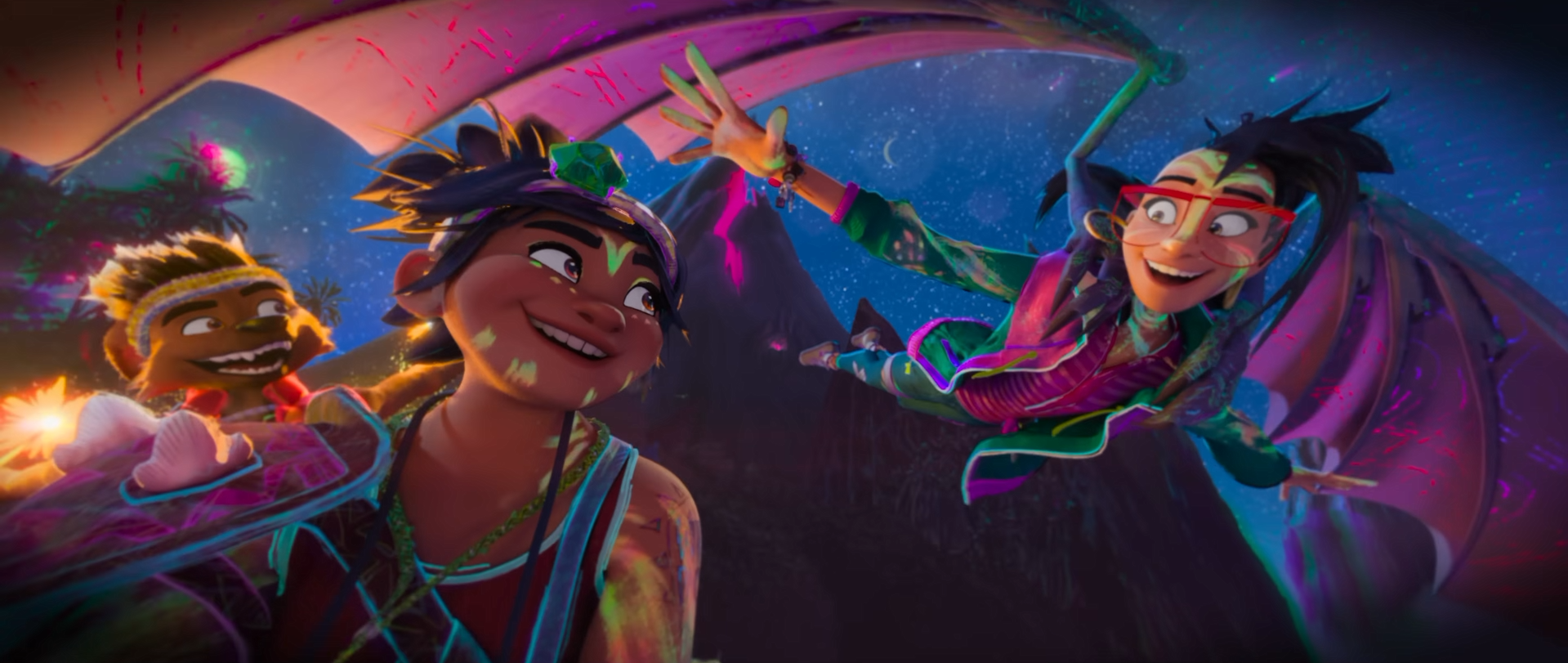
“Tayo na” literally means “let’s go” in the Philippine context so bringing up this phrase continuously at every important sequence of the film is like a promise that you won’t be alone on this journey.
Because at its core, Forgotten Island is a tribute to relationships and meaningful connections that led us to where we are today. No matter where or no matter how, someone will always cheer for you.
In the end, the animated film provides a look back to the importance of cherishing every single thing that we take for granted because of selfishness. Friendships, loved ones, chances, experiences, and memories.
Forgotten Island reminds us that remembering will always be a gift, so we should never forget. From Jo and Raissa’s friendship, Manang’s lost humanity, Batibat’s hunger for memories, the Wild Pack, and the almost forgotten creatures of Nakali Island, let’s continue to hold onto our memories while making new ones.
“No matter how far apart we are, we'll always be together if we remember."