
As cities evolve, Andy Locsin and Ole Scheeren explore how architecture preserves cultural identity while making room for new possibilities.
Words Niña Olaso
Photos courtesy of Carlo Loyola
November 4, 2026
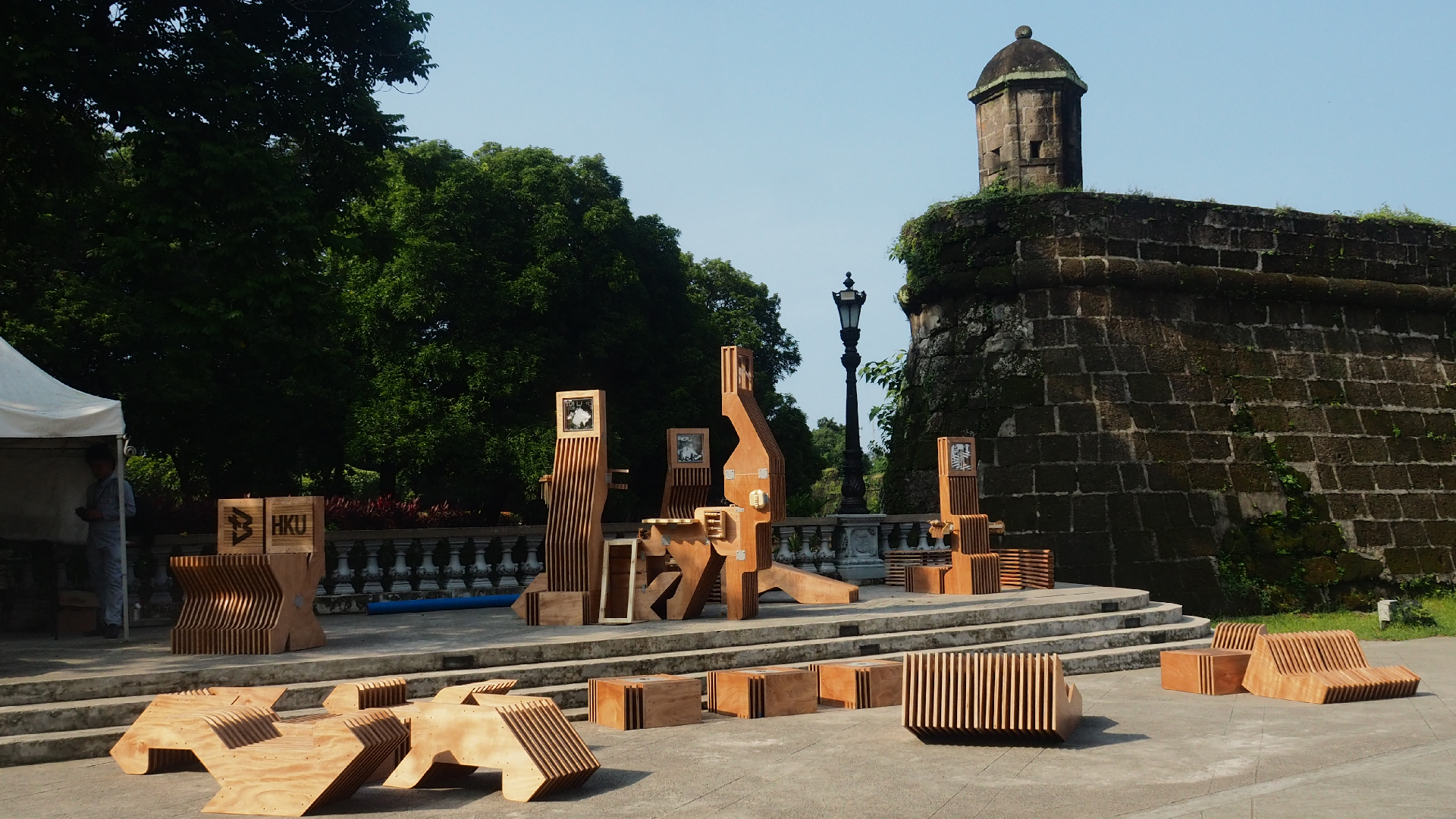
Replicable Systems
The Anthology ASEAN Architectural Festival is an annual three-day event that features architecture and architects from all over the Philippines and Southeast Asia. This year’s theme is ‘Shared Ground: Architecture of Care, Culture, and Collective Futures’.
The event was held at Intramuros, Manila, from October 2 to 4. The festival featured a diverse program of talks, lectures, panel discussions, open forums, exhibitions, and interactive installations.
Among these conversations is the question of how cities can embrace modernization without losing the cultural identities that shape them.
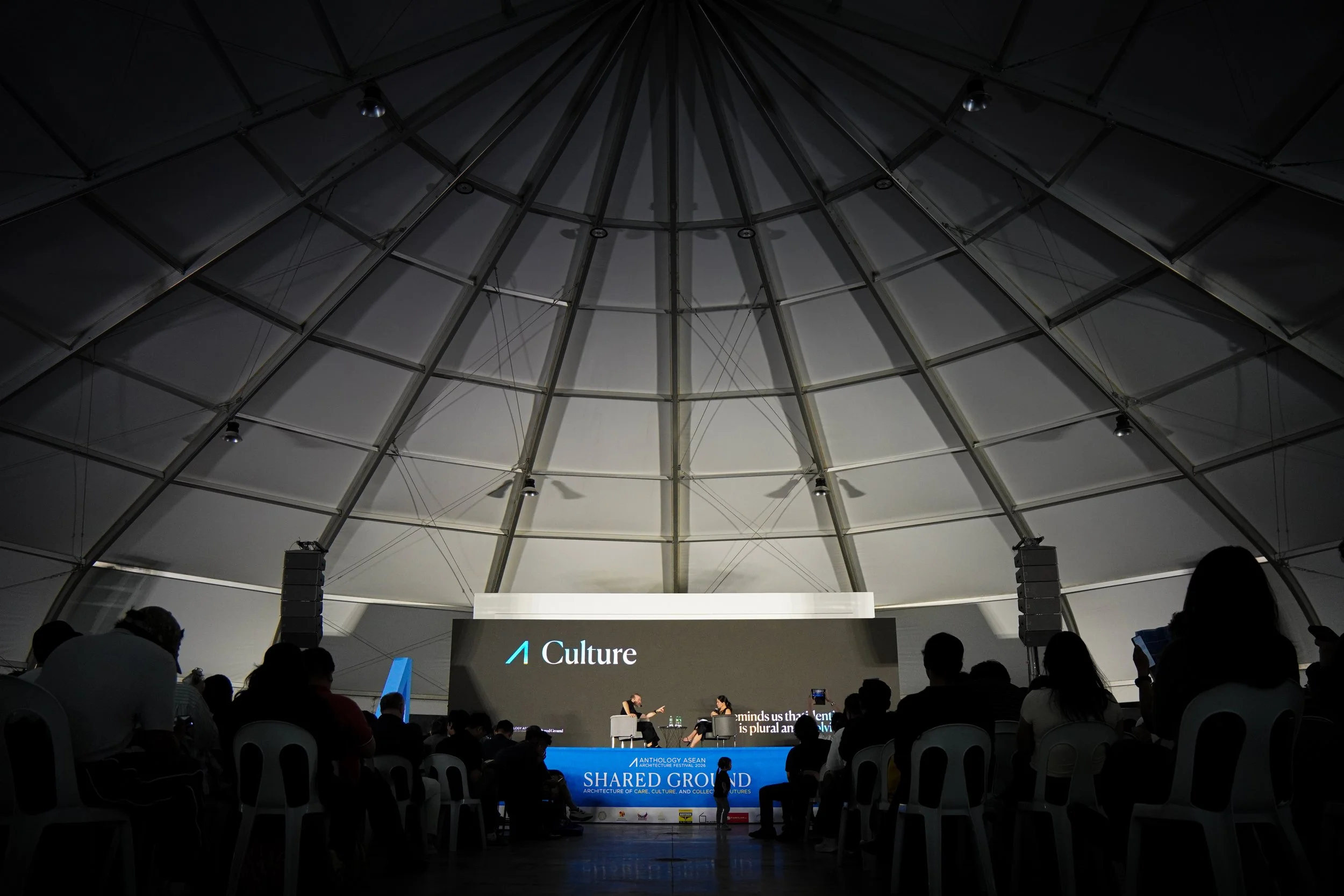
The Anthology ASEAN Architectural Festival
For design consultant Leandro V. Locsin Partners (LVLP), Andy Locsin, and internationally acclaimed German architect Ole Scheeren of Büro Ole Scheeren, this means looking beyond the physical structures that define a place and understanding how architecture can reflect its people while still being open to possibilities in the future.
For Locsin, the balance between preserving cultural identity and modernization begins with understanding what makes a place distinct.
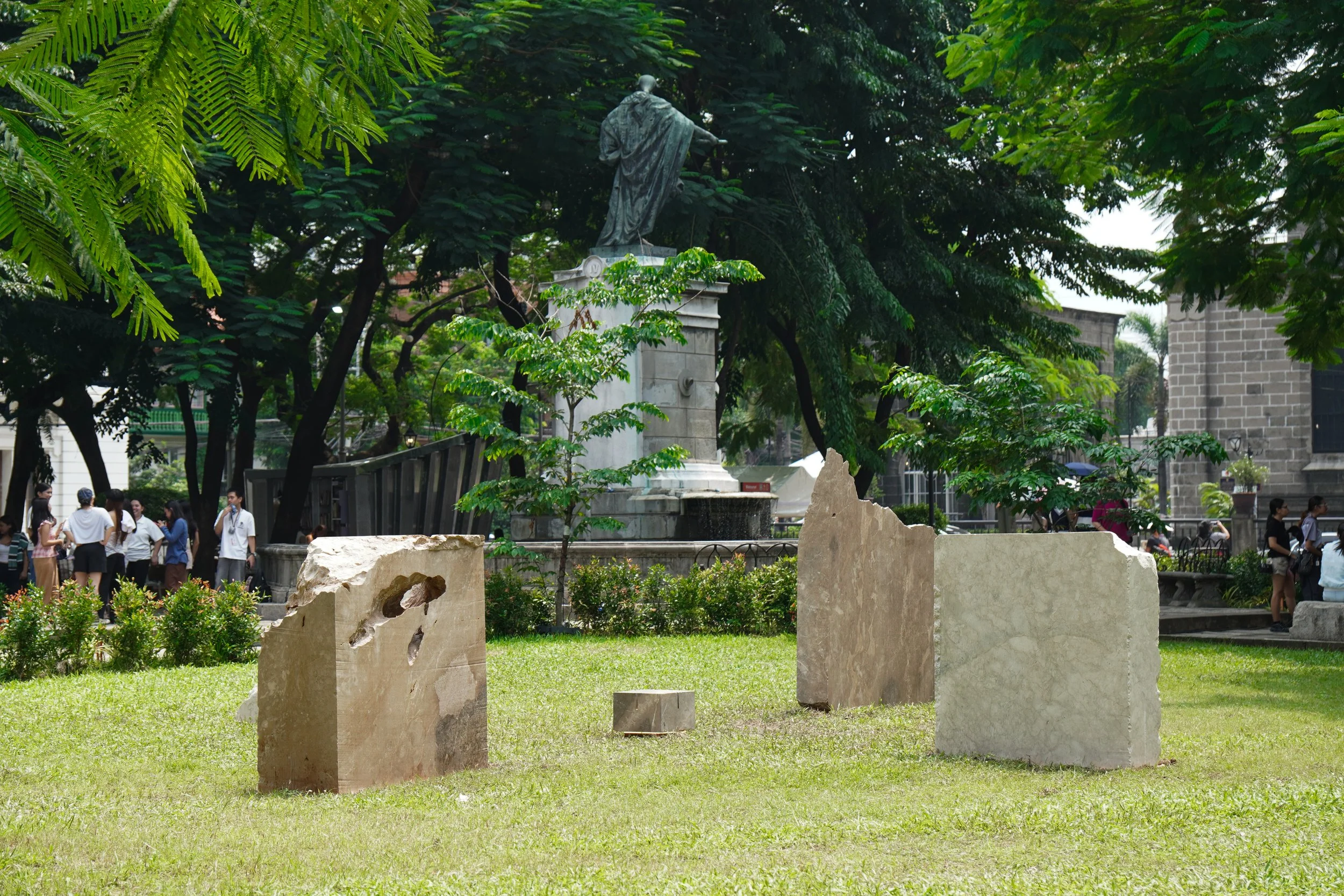
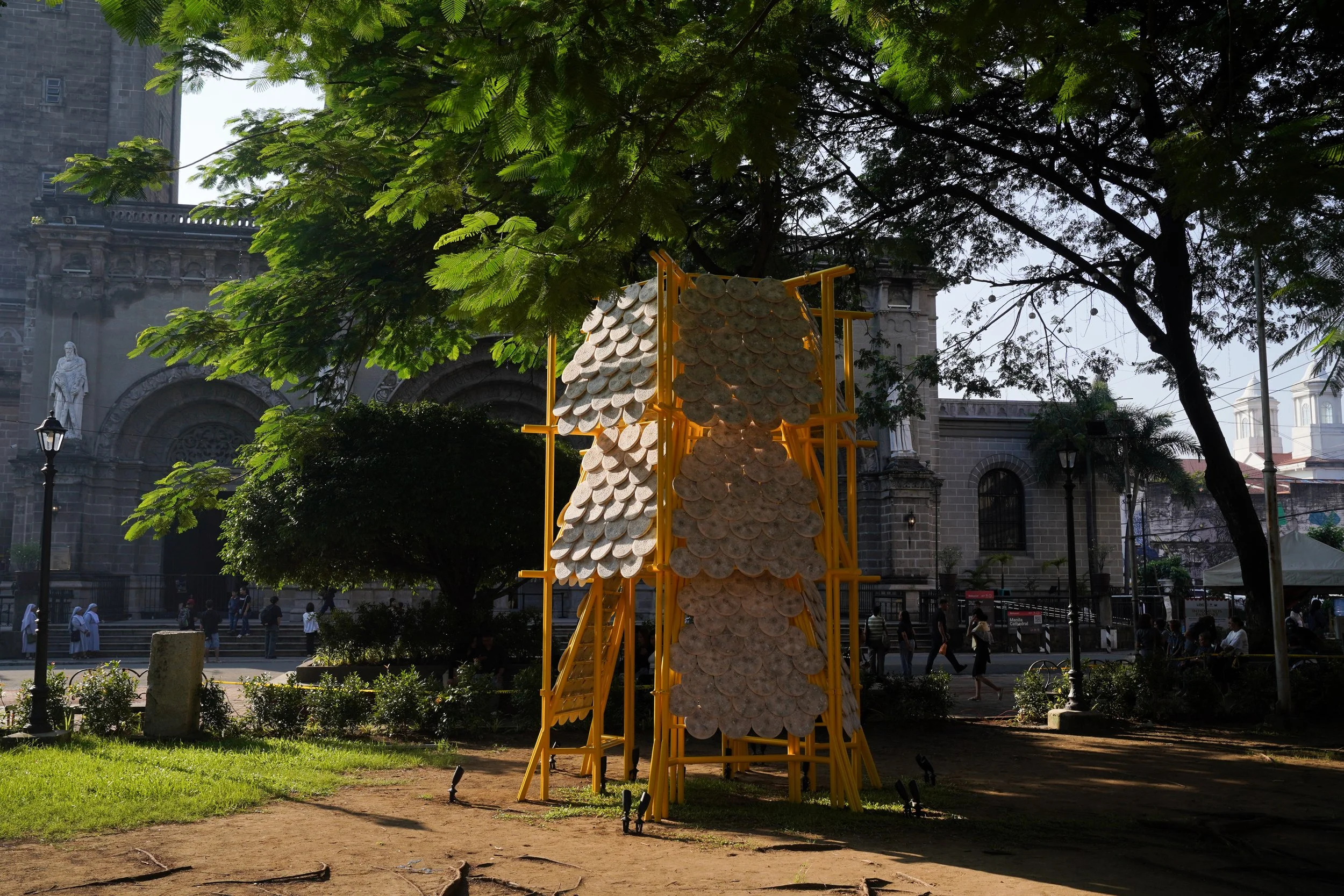
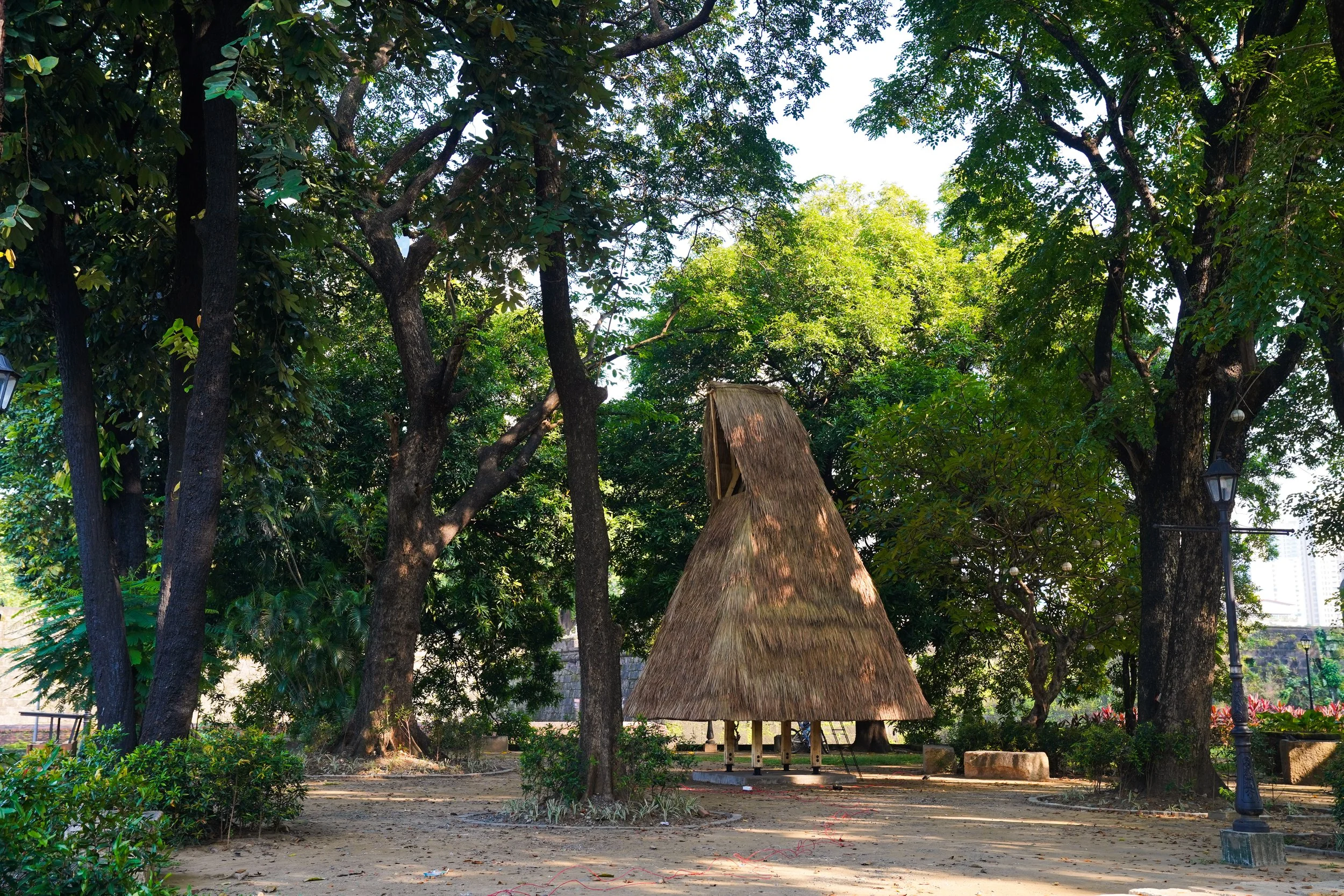
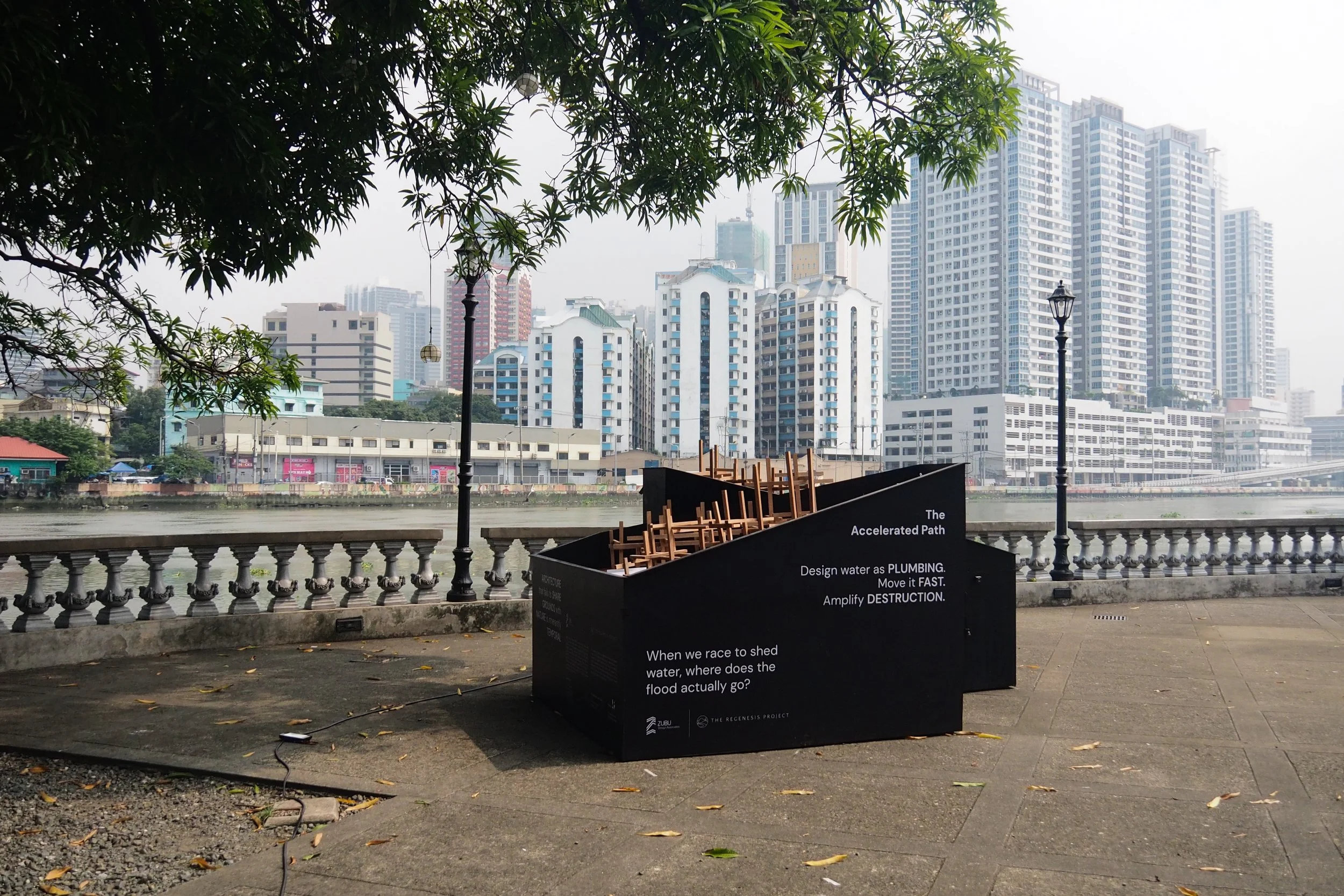
He believes that architects must discern which cultural aspects can be carried into contemporary architecture.
“If you can reduce what makes us Pinoy into the essence, rather than just the trappings of something, just the simple images on the face, sort of the commercial face or the familiar face,” he said, “... then actually our culture has some depth.”
As Locsin emphasizes distilling cultural identity into design, internationally acclaimed Scheeren challenges the idea that cultural preservation is not confined to historical structures or traditions.
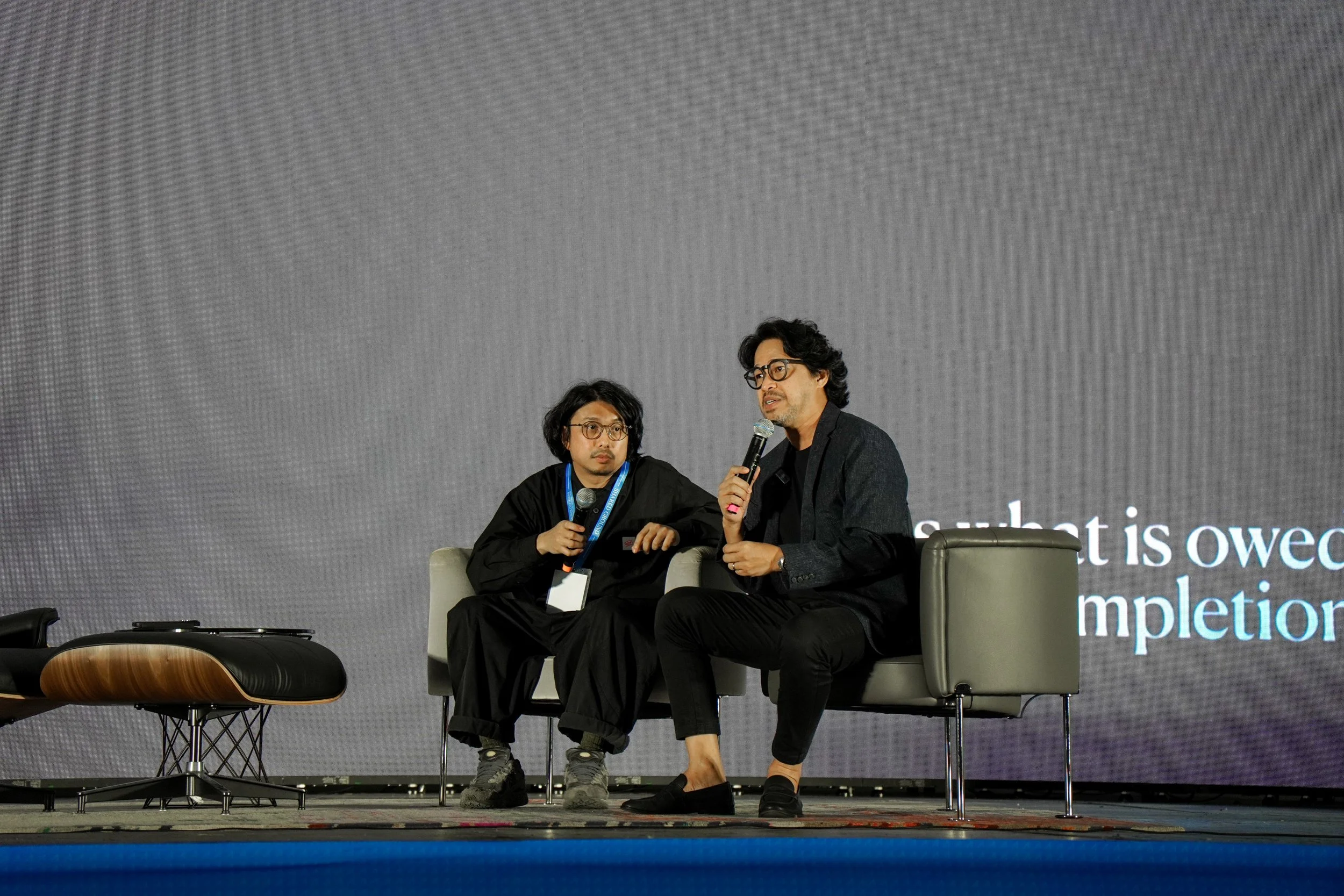
Keynote speakers Shin Chang of MentahMatter Design-Malaysia and Royal Pineda of Royal Pineda +
“Because I think the idea of preservation is often a very passive idea. But culture is not passive, and culture doesn't live in the past. Culture lives in the now, with a past and into the future,” he said.
For both Locsin and Scheeren, preservation while adapting to modernity is not simply what’s in the past, but bringing its meaning to the possibility of what it can still be.
As cities continue to transform, the challenge does not lie between culture and progress, but in finding a shared ground where architecture is not just confined to the community’s past, but also a space for endless possibilities.