
Behind Our Undying Fixation with True Horror Stories
From the haunting of Junjun in BPOs, to rumors of a headless priest roaming sites where churches are built, the Filipino’s fascination with horror truly goes beyond one, frightening night of supernatural tales.
Words Donavil Angeles
Art by Martina Reyes
November 03, 2025
Halloween season is finally here!
This November, it’s no surprise that Filipinos are starting to prepare for our annual tradition of honoring the dead, as we celebrate our long-practiced religious ritual during Undas. This solemn celebration greatly differs from the fun and chilling festivities of Halloween in the West.
Still, although Filipinos do not participate in the usual trick-or-treating activity, it seems we have established our own customs of celebrating the scariest month of the year: with equally terrifying, real-life encounters of the supernatural from different corners of the Philippines, flashed on our screens in fun reenactments until midnight.
Yet our one-night ‘horror stories’ marathon, like the crowned Halloween staple, KMJS’s Gabi Ng Lagim, isn’t just seasonal: Filipinos are just deathly obsessed with supernatural stories.
Spawning in the digital world for our consumption are podcasts like Kwentong Takipsilim and pages like Spookify, bringing us fresh stories of encounters with the unknown. Pair that with the other PH internet forums, which sprouted from different social media platforms, where people chime in with their own confrontation with the paranormal, Filipinos begin to treat the unexplainable light flickerings and corner-of-the-eye encounters as merely a part of our daily lives, and the important elements for an entertaining, macabre read.
Psychological allure
Let’s face it: the Philippines is one scary place.
Surrounded by multiple urban legends and a collection of rural mythology and folklore, our country does not fall short when it comes to making the lore of these stories feel authentic enough.
Most of the horror films in our mainstream draw heavily from real-life superstitions and folk beliefs, rooting the horrors of the fictional world in the terrors hidden in plain sight in our reality, especially with the incorporation of spine-chilling stories passed down for multiple generations. In short, they are not at all far-fetched from the reality we live in.
Enter our ghost stories: tales we gain from our real-life brush with the paranormal. We love to hear anything that someone recounted firsthand, especially if the lore is further expanded by the experiences of another person, and then another, prompting us to imagine the strange forces that lurk in the dark.
Rather than fear, these ghost stories elicit from us a sort of morbid curiosity as well as the feeling of a ‘safety frame,’ as explained by a behavioral scientist, Associate Professor Haiyang Yang.
Knowing that the horror isn’t right in front of us paves the way for our enjoyment of others’ frightening encounters, without the need to go all out in proving the existence of the supernatural.
After all, reading or watching someone else’s brush with the paranormal from the comfort of our own homes offers a certain safety, shielding us from the chilling thought that coming face-to-face with a real ghost would be, well… beyond creepy.
In short, it’s the thrill of danger in the palm of our hands.
But our obsession with these real tales extends past simple interest and our fascination with prodding at our sense of novelty: it actually stems from our contradictory attitude of both believing and also refusing to just believe that the afterlife involves ghosts.
The Ghosts That Linger
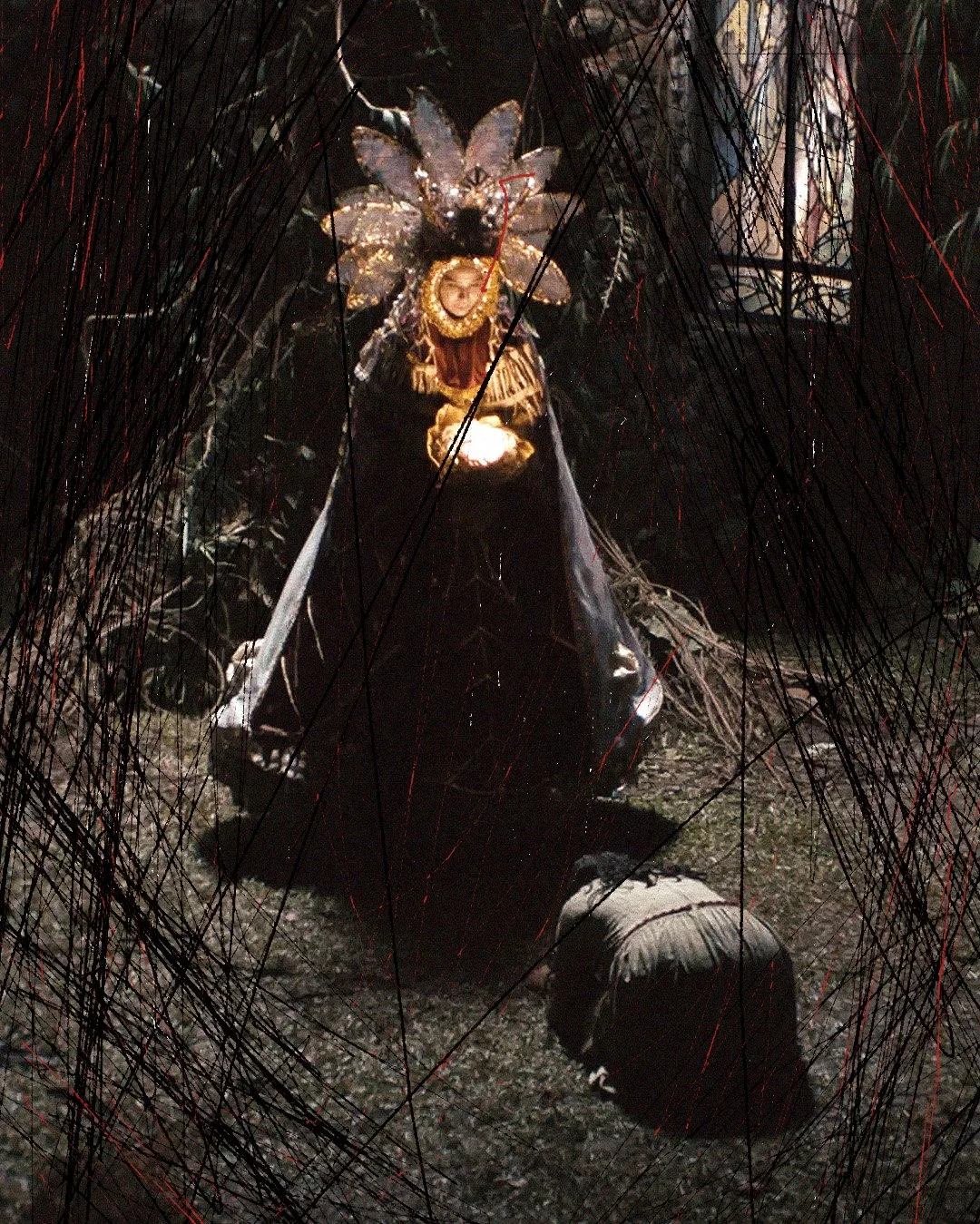
Before Christianity was introduced in the Philippines, our belief was rooted in animism and the surviving folklore of deities, spirits, and beasts, believing that there are living forces in our midst. This evolved into a concoction of our local beliefs with Christian elements and Western tropes, birthing our version of scary ghosts–souls of those that have passed on but still linger in the mortal world, bearing the weight of an unfinished business.
Given the fact that our country is wholly permeated with the horrors of the past, from the countless invasions of foreign countries that led to the unlawful deaths of many, the Philippine culture and its people have long accepted that the supernatural is part of our natural world.
In short, modern ‘true horror stories’ are delectable to our palate because they sit right on the border of convincing us that our deeply ingrained beliefs are real, while serving as an explanation for things we do not understand, and equally feeding our skepticism.
Therefore, the ‘true’ label in most supernatural stories gets our blood pumping. What makes these ‘real, horror story experience’ addictive is that if you don’t believe in the supernatural at all, the tales cater to that nagging, prying thing inside you that wonders… ‘what if?’
And since these horror experiences are grounded in a real-life place, amidst a real-life event, it is easy enough to find the supernatural intriguing if you are told where to find them and how they interact with people. We are always in search of something we have yet to see.
After all, if someone happens to encounter a headless nun kneeling at the pew of a certain church at a certain place one day… who knows who else may share the same experience?