
After Uwan and Tino: The Limits of Resiliency
How many times must we rise from the same flood, rebuild the same house, and mourn the same loss?
Words Piolo Cudal
Photo courtesy of Civil Defense PH
November 11, 2025
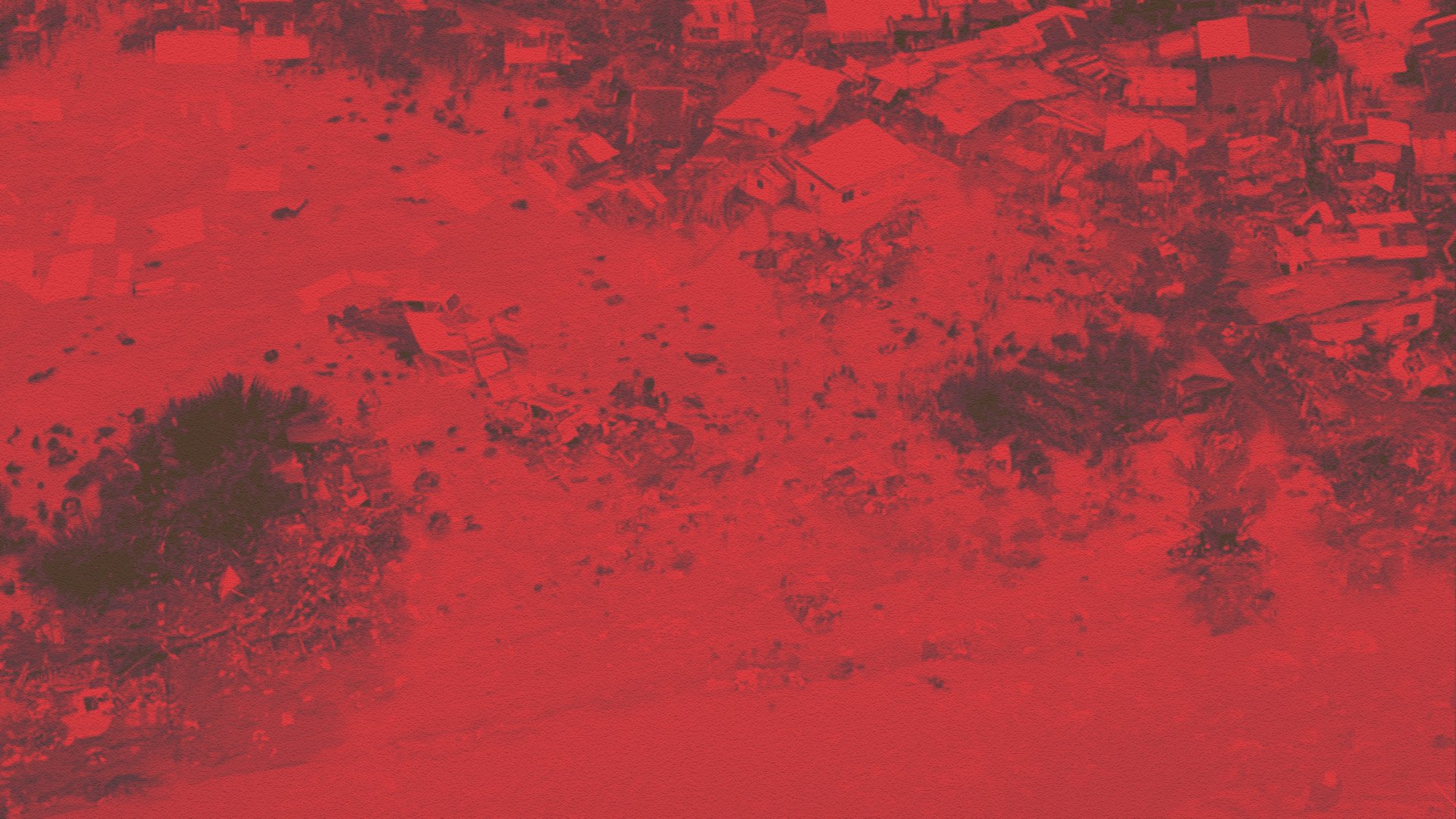
Calls for accountability and justice flooded our social media feeds after the onslaught of Typhoon Tino and Super Typhoon Uwan, two consecutive weather disturbances that submerged thousands of areas across the Philippines, leaving thousands of Filipinos displaced. In its wake, streets turned into rivers, homes were washed away, and lives were lost.
For Filipinos, these devastations felt hauntingly familiar. More than a decade, since Super Typhoon Yolanda struck the Visayas, the same heartbreak is felt. Damaged infrastructures, disrupted livelihoods, and yet another cycle of reactive governance.
According to the National Disaster Risk Reduction and Management Council (NDRRMC), Typhoon Tino has claimed 188 lives, with 135 still missing, as of November 7. Thousands more sought refuge in evacuation centers. Damage assessments continue, but early estimates already suggest losses amounting to 10.6 million in agriculture and 6.3 million in infrastructure.
Meanwhile, Super Typhoon Uwan left 6 people dead as of November 11 based on the data provided by the NDRRMC. Over 1.4 million people were preemptively evacuated and a total of 2.3 million people were affected by the typhoon.
Despite billions of pesos poured into flood control projects and disaster preparedness initiatives, large parts of the country remained vulnerable. Filipinos are once again asking: where did all the funds go?
Environmental experts point to long-standing issues such as poor urban planning, illegal quarrying, deforestation, and corruption as key drivers behind these worsening vulnerabilities. Between 2023 and 2024, Visayas received P9.20 billion for flood-control projects, with Cebu alone accounted for 102 projects, underscoring contradiction to what was felt on the ground.
Civic groups and youth organizations have renewed their calls for transparency and climate accountability: “The very disasters that corrupt politicians use as smokescreens for their plunder only sharpen the people’s resolve. As long as no one is held accountable, as long as crises deepen, the people will become more conscious, more organized, and more determined to fight back,” Kalikasan wrote in an official statement.
How to help?
While our kababayans across the Philippines rebuild their homes, solidarity from different parts of the country also grows. Below are relief operations, donation drives, and fundraising events that have been launched online:
Angat Buhay Foundation accepts cash and in-kind donation for relief packs and medical kits.
DSWD Field Office 7 – Central Visayas and Cebu Province offers direct coordination with government-led initiatives.
Kadasig Han Leyte and Concerned Artists of the Philippines mobilizes grassroots organizations, volunteers, and funding.
Kaya Natin Movement opens their relief and donation drives for Super Typhoon Uwan victims.
Bulatlat with their STEM Bayanihan also launch their donation drive to help Super Typhoon Uwan victims in the Bicol and southern Tagalog communities in the Philippines.
Equally vital, you can also help by sharing verified information and donation links, volunteering for relief operations, and supporting livelihood recovery initiatives for displaced individuals. Every effort, no matter how big or small, matters in times of calamities.
Beyond resilience
For years, “resilience” has been the buzzword of every post-disaster narrative, a convenient shorthand for endurance that often excuses systemic neglect. But here’s the truth: charity alone won’t save us. We can keep giving reliefs, but if we do not demand reform, we are just treating the wound while the system keeps bleeding.
Resilience without reform merely romanticizes survival. It places the burden of adaptation on citizens while allowing institutions to remain stagnant. As the Philippines remain vulnerable, preparedness and calls for accountability remains crucial.
And it should mean more than stocking go-bags and charging flashlights. Yes, keep essentials ready, but real preparedness also means demanding transparent use of disaster funds, strict land-use enforcement, and climate justice that prioritizes people over profit. Otherwise, resilience just becomes another buzzword politicians use while communities drown in floodwaters.
Through all, Typhoon Tino and Super Typhoon Uwan are not just natural disasters. They are actual mirrors held up to governance failures. The repeated cycle of loss and rebuilding has made one thing clear: resilience without justice is unsustainable.
Justice for the Philippines means holding every official, every contractor, and every policymaker accountable for every peso lost and every life washed away. Until then, we will keep surviving what they refuse to fix.