A Common Inheritance
Harvesting its diverse artistic seeds, the NCCA journeys the archipelago to reap and showcase the country’s collective memory.
Words Randolf Maala-Resueño
Photos courtesy of NCCA
January 30, 2026
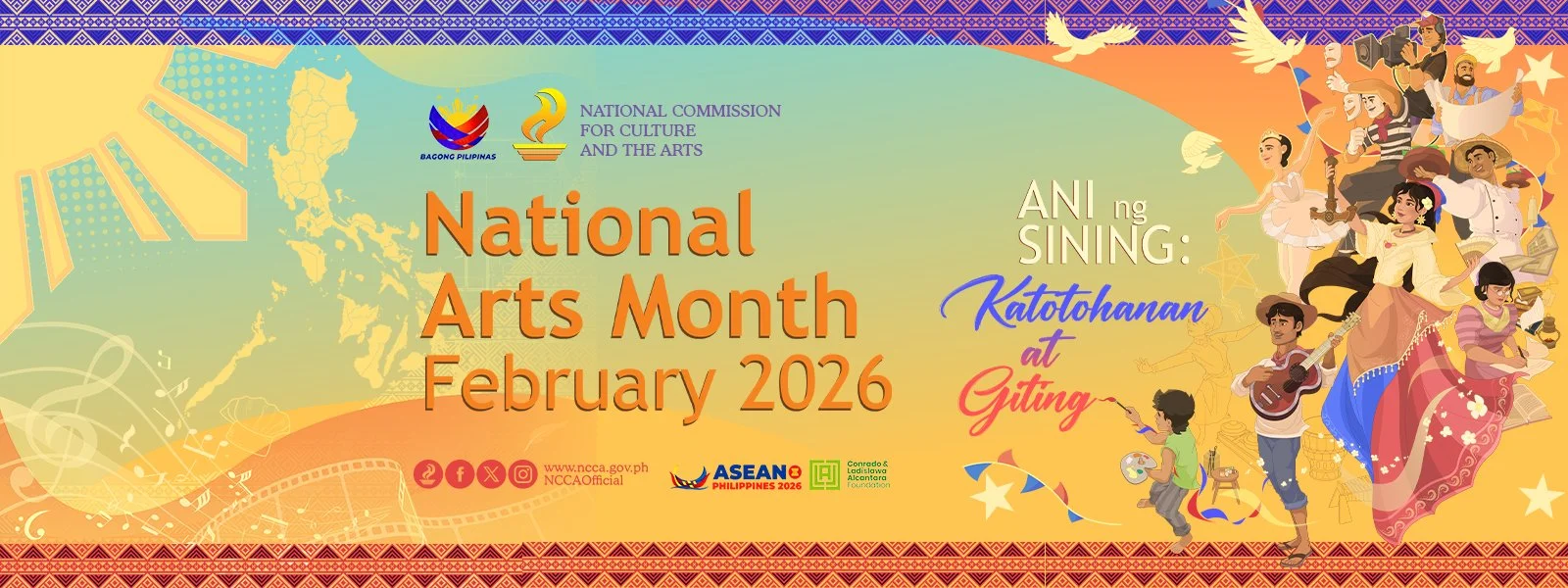
As February approaches, the National Commission for Culture and the Arts (NCCA) prepares the canvas for National Arts Month 2026.
Under the theme “Ani ng Sining: Katotohanan at Giting,” the celebration unfolds through layers of truth and courage expressed across the seven arts. Architecture, cinema, dance, dramatic arts, literary arts, music, and visual arts draw from lived experience and collective memory, and are shared with the public as a common inheritance.
Aligned with the Philippine Development Plan for Culture and the Arts and the Sustainable Development Goals, this year’s festivities place art beyond ornament. Each form becomes a vessel for reflection, development, and peace, tracing Filipino identity across regions and generations.
Art, light, and community
The official opening on February 1 at Luneta Park sets the tone through symbol and movement. At the center of the launch is the lampara, a repeated image of light, truth, and resolve. Passed from one group to another, it traces the journey of Philippine art from its ancestral roots, through institutions, and into the hands of future creators.
Ritual meets contemporary performance in a program that brings together regional traditions, music, dance, fashion, and spoken word. Groups such as the UST Salinggawi, UST Singers, Guiguiteno Dance Troupe, Echague tribal performers, and the Philippine Ballet Theater bring the space to life, along with contributions from LGBTQ+ artists such as Monica Amanda Gana.
A Parada ng mga Sining weaves the seven art forms into a living procession, blurring the line between audience and artwork.
Regional palettes: Luzon, Visayas, Mindanao
Across the country, NAM 2026 takes on regional inflections.
In Los Baños, Laguna, the Luzon leg highlights dramatic arts, architecture, and allied arts through workshops, discussions, and a collaborative theater production at the University of the Philippines Los Baños. A weaving performance shows how built spaces and performance come together to shape community life.
In the Visayas, Palo, Leyte centers its celebration on climate justice under the sub-theme “Pag-uswag han Tawo ngan Kalibungan.” A symposium opens dialogue on the relationship between art, the environment, and responsibility, laying the groundwork for activities in February.
In Mindanao, programs take place in Butuan City and Davao City, with a focus on peace and access. Theater, dance, music, film, and exhibitions explore themes of belonging and dialogue, from “Bagani Hong Lawod” to “Sine Balangay,” and conclude with multimedia performances that reflect the layered stories of Mindanao.
Continuity in motion
Extending the month’s rhythm is ART FriDates, a weekly platform where artists from all seven art forms gather every Friday at the Blackbox Theater in Pasay. With free admission and rotating participation from local governments, the celebration keeps going through regular encounters.
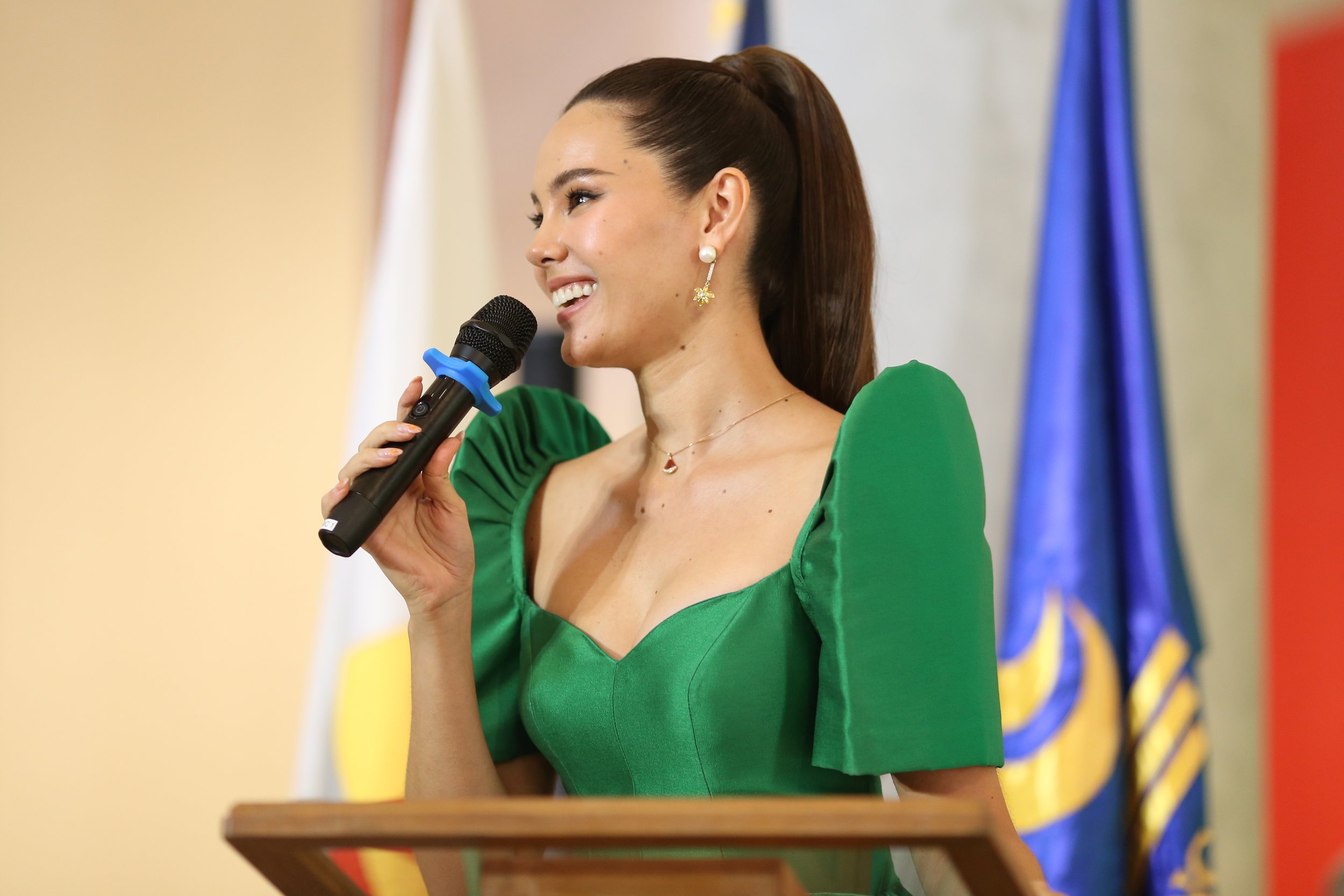
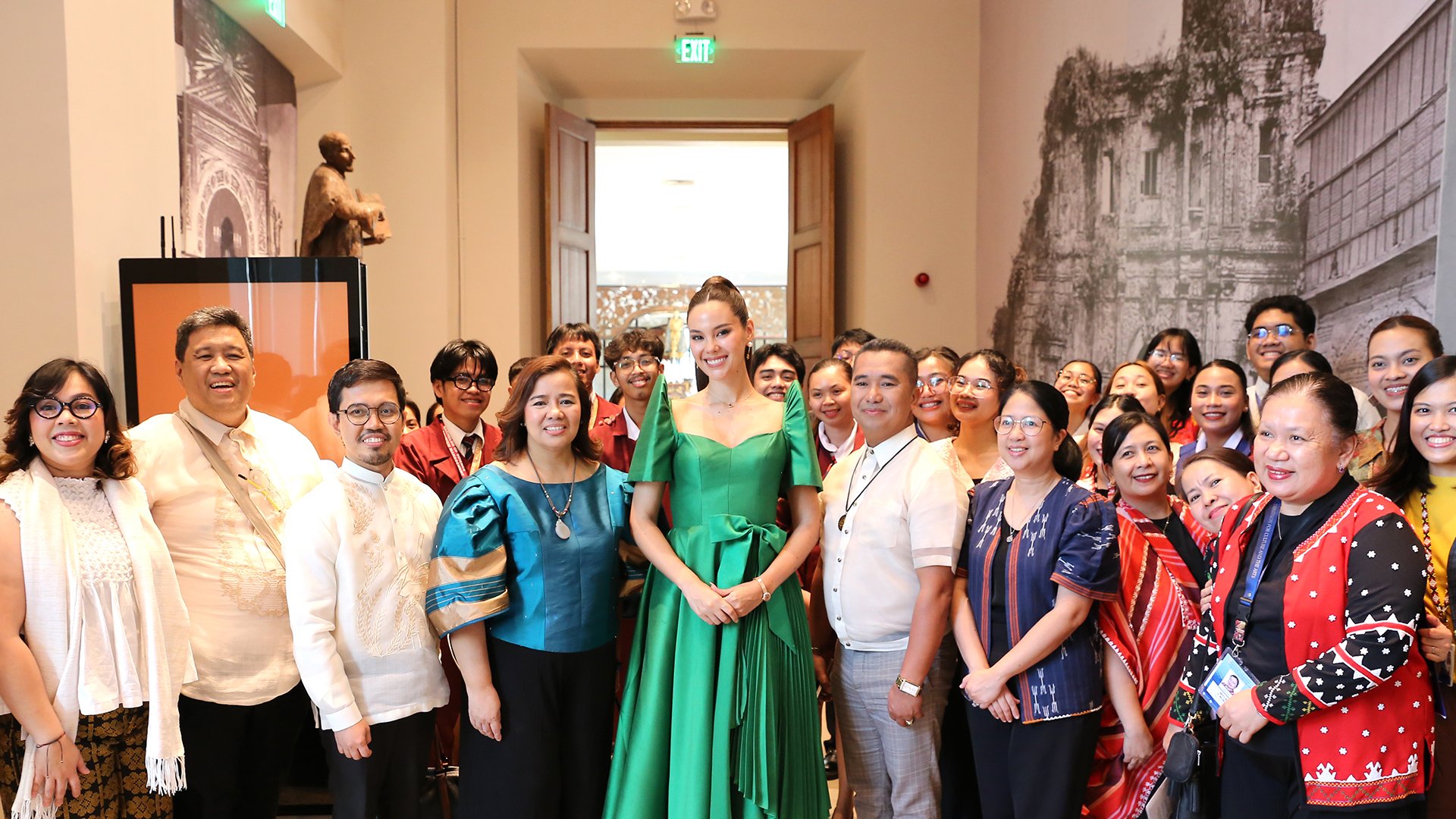
Alongside this national movement is Catriona Gray, who continues her seventh year as NCCA Ambassador for the Arts. Her involvement since 2020 reflects the spirit of NAM itself, which values continuity over spectacle and advocacy over moment. “Art inspires, art uplifts,” she has said, a sentiment that echoes throughout Ani ng Sining.
“When you create something deeply personal—something you’ve brought into the world—and it doesn’t get that response, you start to wonder: What am I making this for? I want to encourage you: one day, through your continued pursuit of art, even if it reaches just one person, it may change their life.”
As the month unfolds, National Arts Month 2026 reveals itself to be a layered composition of the human experience. A harvest of gestures. A nation, briefly pausing, to see itself rendered in art.