From The Archipelago to Europe
DESIGNPhilippines returns to Europe for a visit—a presence measured, tactile, and deliberate.
Words Randolf Maala-Resueño
Photos courtesy of CITEM and DTI
January 30, 2026
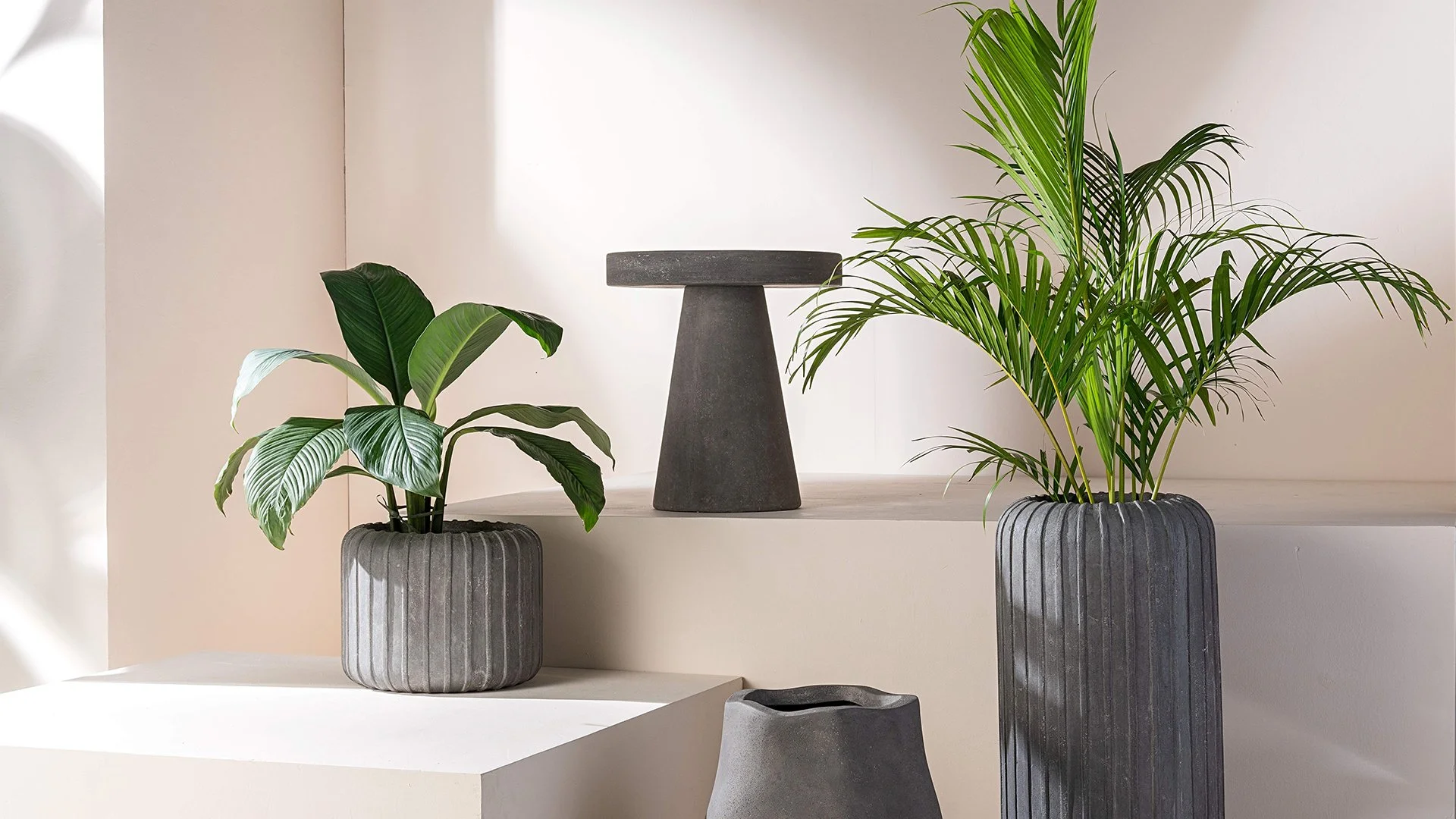
In early 2026, DesignPhilippines, the DTI’s banner program under the Center for International Trade Expositions and Missions (CITEM), returns to Europe through two major events: Maison&Objet in Paris from January 15 to 19, and Ambiente in Frankfurt from February 6 to 10.
These fairs are less marketplaces than mirrors, reflecting how cultures choose to translate themselves for the world.
Artipelago III for Maison&Objet
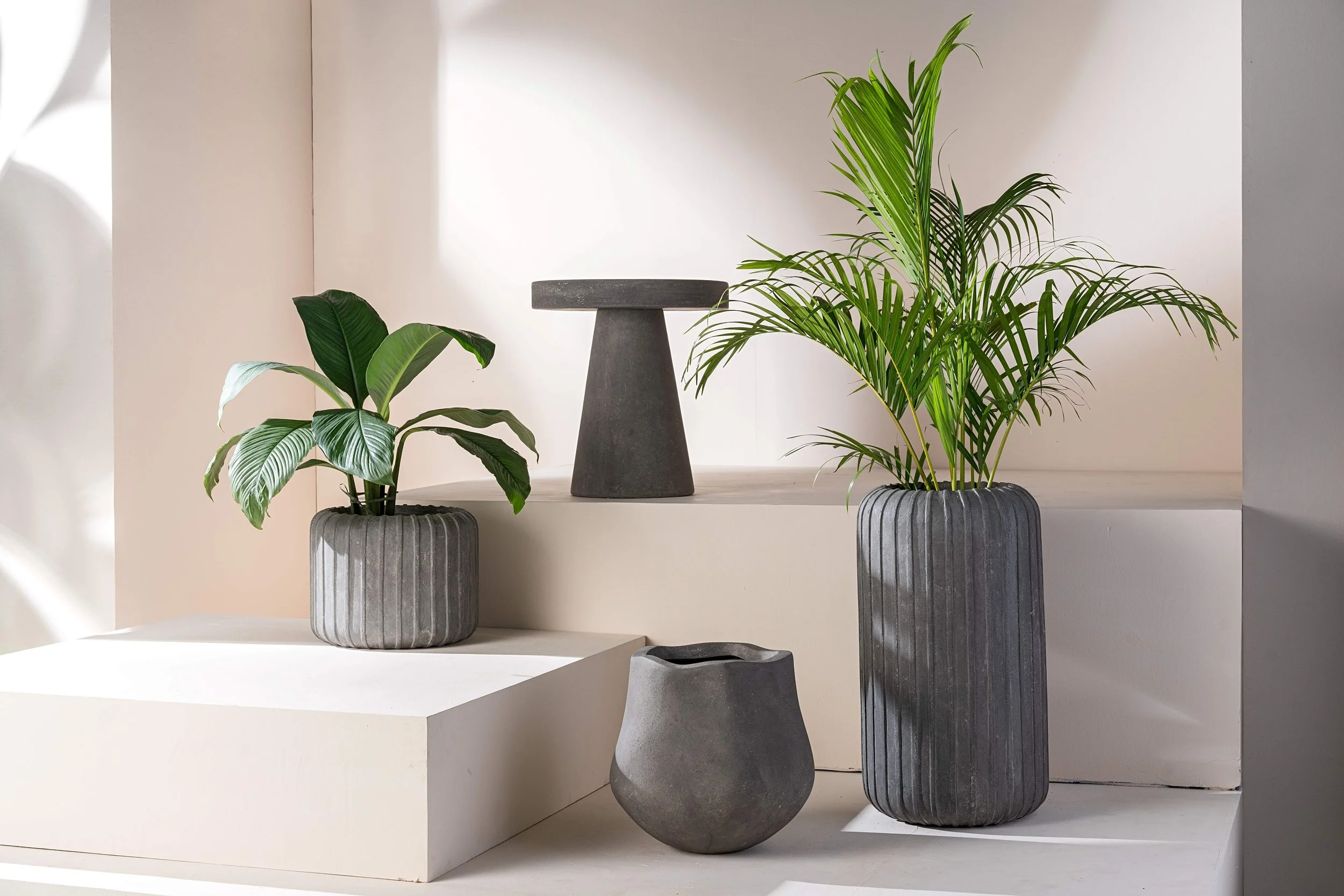
At Maison&Objet, the theme “Past Reveals Future” reflects the Filipino instinct to look to the past to move forward and to see heritage not as an artifact, but as material. DESIGNPhilippines responds with Artipelago III, a curated collection of objects shaped with care, revised through process, and made with clear intention.
Artipelago III brings together 14 local brands working with rattan, bamboo, stone, abaca, bone china, and indigenous weaves. These materials are chosen for both current trends and cultural memory.
Each piece, whether furniture, lighting, or home décor, is created through close collaboration between designers and artisan communities, where authorship is shared, and the process is visible.
What surfaces is a rhythm particular to Filipino design: silhouettes that breathe, textures that resist uniformity, and forms that allow imperfection to speak. The collection reads as a visual cartography of the archipelago—fragmented yet coherent, diverse yet bound by care. It is here that craft becomes a method of listening, and design—a form of translation.
Filipino Flair to Ambiente
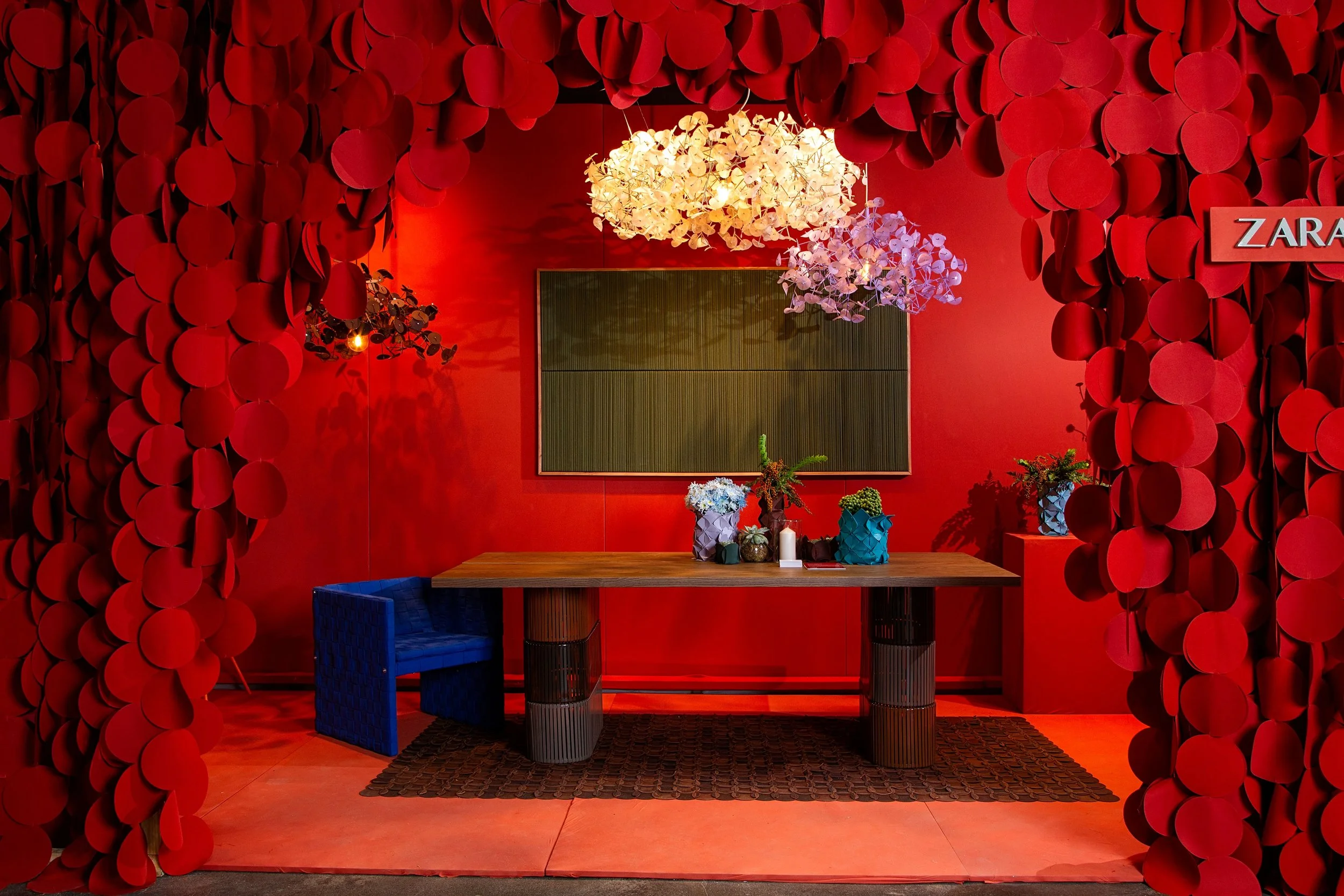
In Frankfurt, Ambiente broadens the conversation. Guided by Ambiente Trends 26+—brave, light, and solid—the fair highlights emotion as a function and adaptability as a guiding value. DESIGNPhilippines responds with a wide range of presentations, as individual exhibitors, regional groups, and partner provinces come together to show the depth of Philippine craftsmanship across dining, living, and gifting.
From forged metal and woven rugs to piña textiles and contemporary home accents, the Philippine presence resists singularity. Instead, it proposes plurality as a strength—a design language capable of shifting scale without losing its accent.
The inclusion of regional participants, from Mindanao to Bicol, further situates craft as a living system rather than a centralized output.
Beyond export

For CITEM, these fairs are not simply routes to market, but spaces of articulation. They allow Filipino makers to assert sustainability not as compliance, but as inherited knowledge, embedded in material choice, labor relations, and longevity of use.
“With the great reception from 2025’s European trade shows, the coming year is promising for Filipino products to shine once again in Maison et Objet and Ambiente,” shared CITEM Executive Director Leah Pulido Ocampo.
“These efforts cultivate our banner program DESIGNPhilippines to become a leading source of contemporary home and lifestyle products rooted in material innovation and cultural craft.”
As DESIGNPhilippines steps once more onto the European stage, it does so with objects that carry their origins. Not loud, not ornamental, but assured. In a global design landscape hungry for meaning, these works explain themselves, enduringly.