
Yayoi Kusama Made Art Out of the Unbearable
Yayoi Kusama spent a lifetime turning the things that frightened and overwhelmed her into a visual language the world could not ignore
Words Coleen Wong
Art by Tristan Talon
August 28, 2026
Art by Tristan Talon
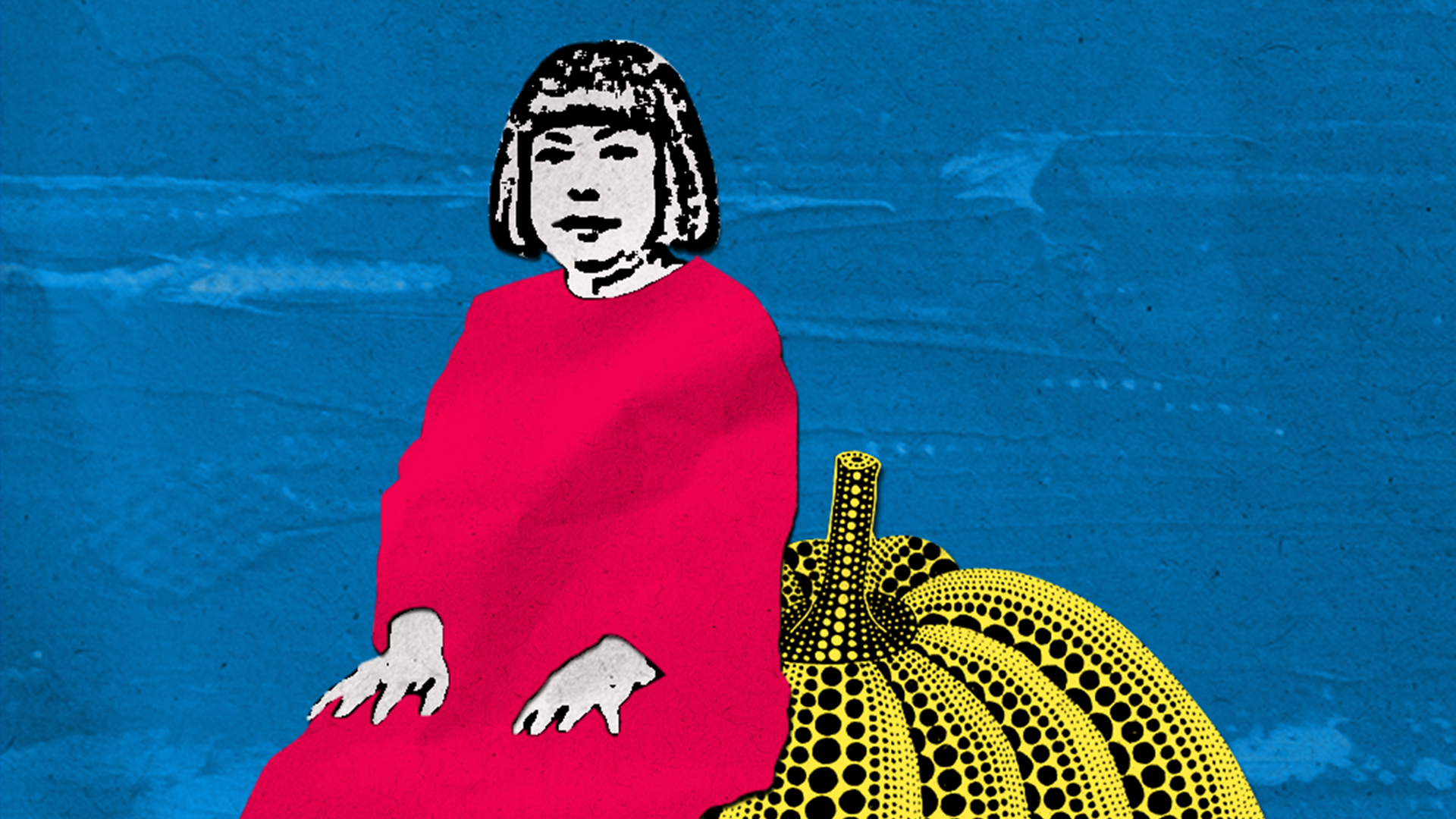
Polka dots. Pumpkins. Infinity rooms. Yayoi Kusama built one of the most instantly recognizable worlds in contemporary art.
Kusama might be gone, but the world she created in her art had been taking shape since childhood.
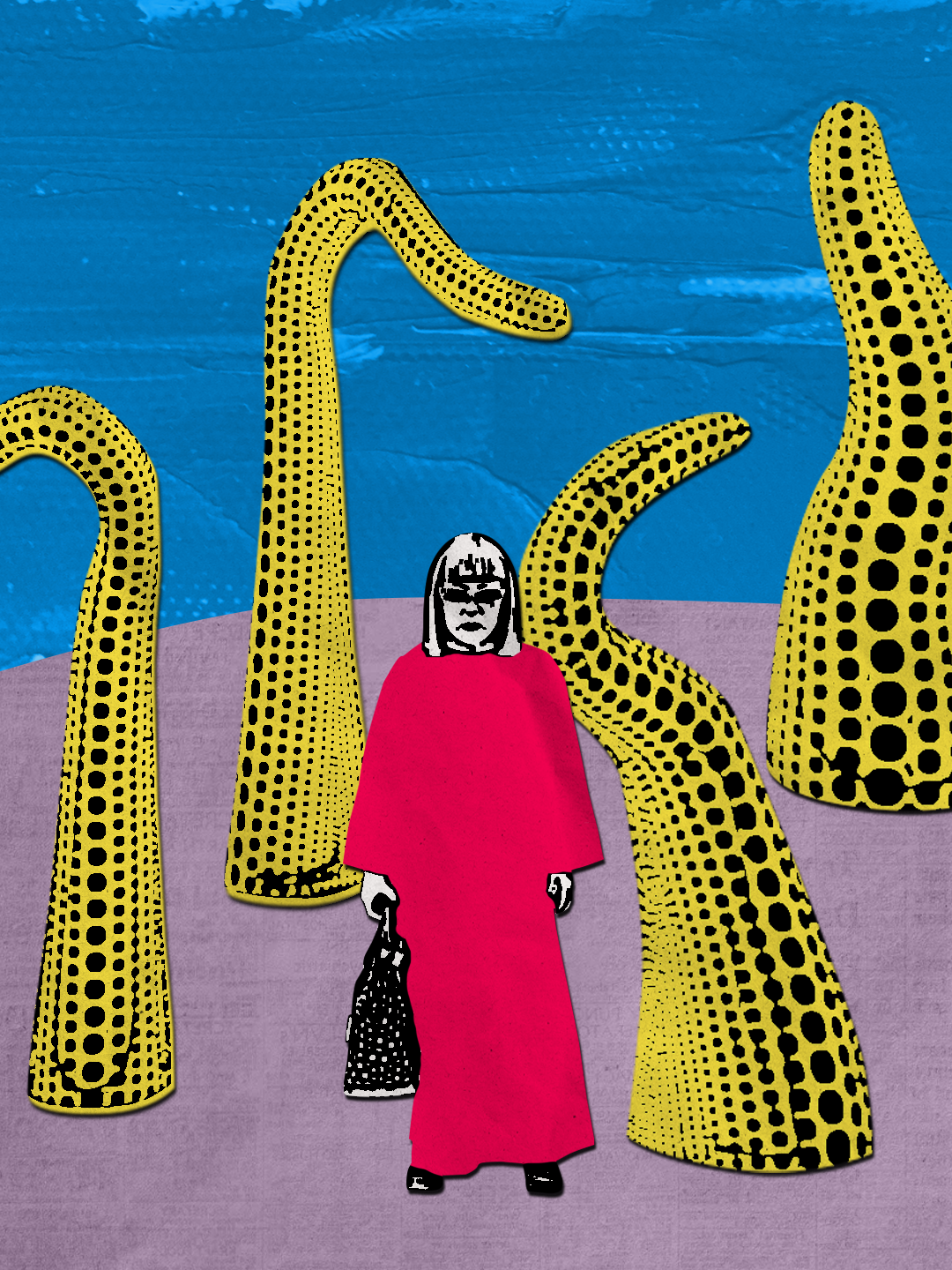
Born in Matsumoto, Japan, in 1929, she experienced hallucinations of flashing lights, dots, flowers, and patterns that seemed to multiply around her. She first studied nihonga, the traditional Japanese style of painting, before moving toward oil painting and the experimental forms that would define her career.
In a 1975 autobiographical essay, Kusama said, “I don’t consider myself an artist,” explaining that she pursued art to address a disability that had begun in childhood. For her, making art was closely tied to the experiences she had lived with for years.
Art by Tristan Talon
By the time she arrived in New York, turning those experiences into art had become central to her practice.
She became part of the city’s avant-garde art scene, developing her Infinity Nets, paintings made up of thousands of repeated loops, and experimenting with sewn soft sculptures.
But establishing herself in a largely male-dominated art world came with its own challenges, as Kusama fought to make a name for herself in an increasingly competitive scene.
The pressure eventually followed Kusama back into her studio. After seeing Claes Oldenburg’s sewn sculptures at the Green Gallery, she became increasingly worried that her work and ideas were being appropriated.
Art by Tristan Talon
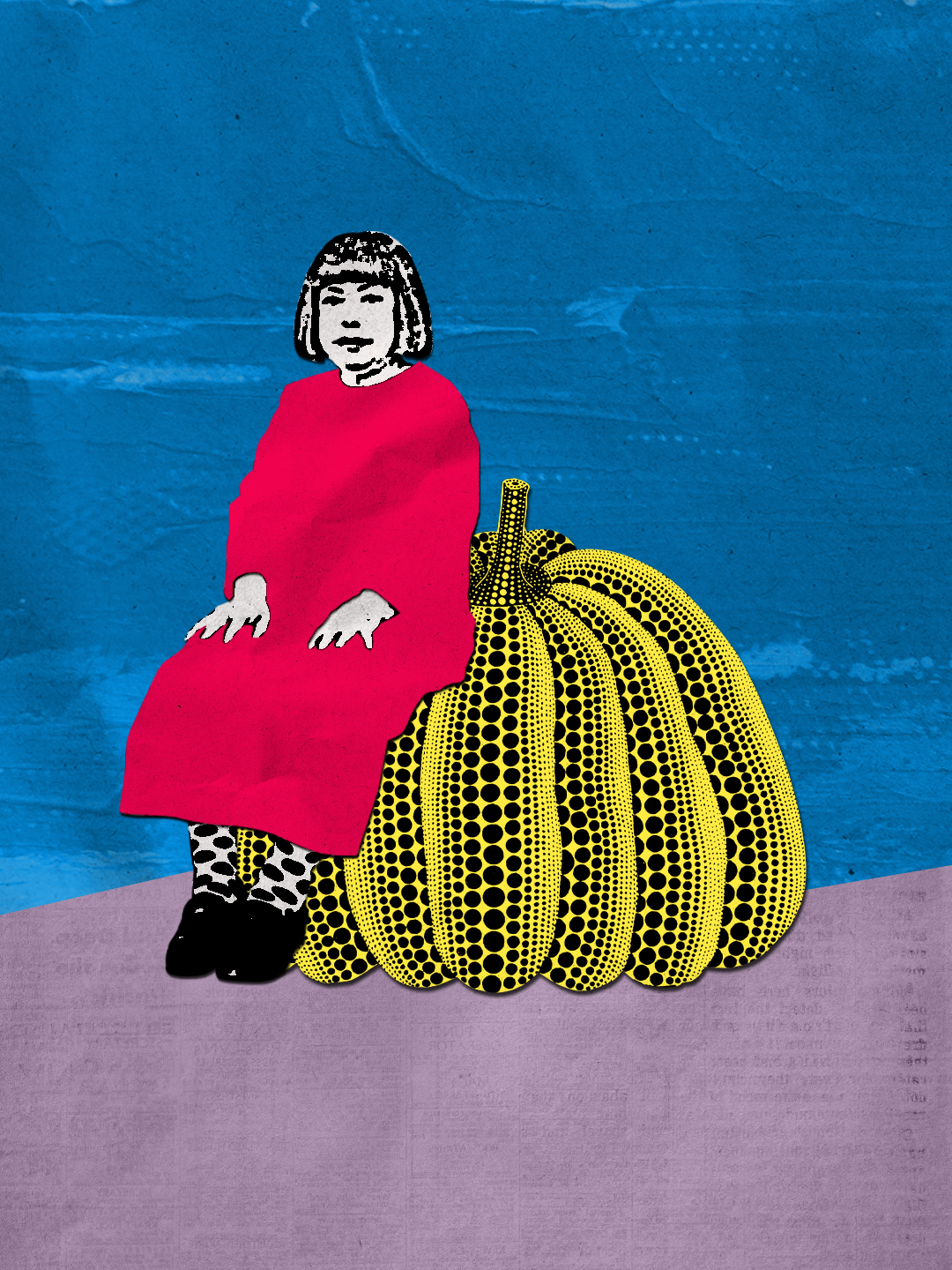
Yayoi Kusama: Mirrored Years recounts how she closed the curtains facing her studio and became unable to leave. The growing rivalry and the pressure to produce a large number of sculptures in a short period contributed to a second nervous breakdown in 1962, followed by hospitalization.
Even during these difficult periods, what she experienced continued to find its way into her work. Kusama once recalled, “While [I was] sleeping, tulips would multiply and cover the ceiling.” Her visions of things multiplying around her would become closely connected to the way she approached her art.
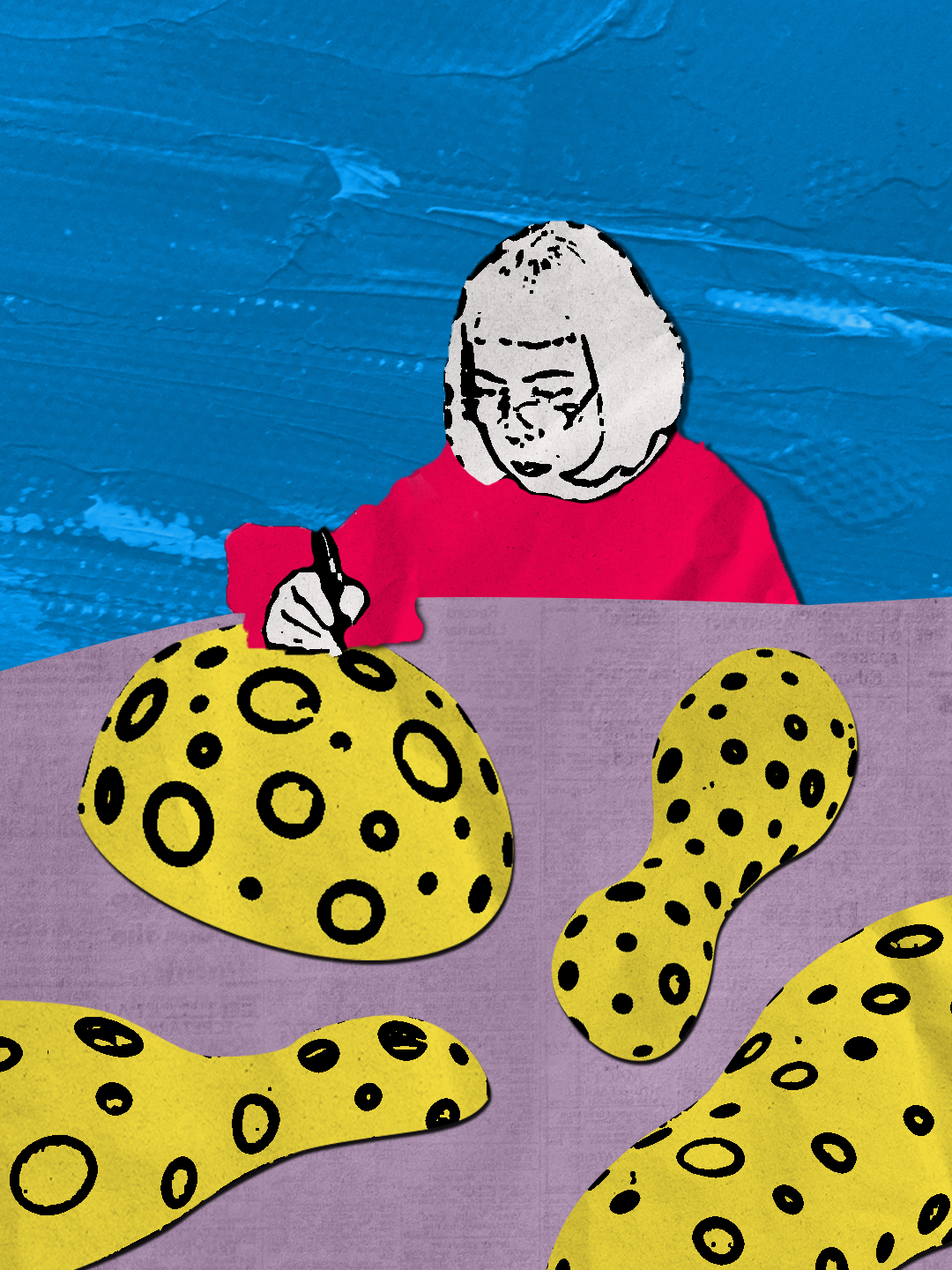
The repetition that became so characteristic of Kusama’s work had a personal starting point. She returned again and again to dots, nets, forms, and patterns, building them up until a single image could fill an entire space.
This became the Kusama the world knows today: the polka dots, pumpkins, soft sculptures, accumulations, and Infinity Mirror Rooms. Her work has since moved far beyond the gallery, making its way into fashion, public installations, pop culture, and the feeds of millions around the world.
Art by Tristan Talon
For years, Kusama’s work existed on the edges of the art world. That began to change in the 1990s. After returning to Japan, she continued to work from a studio near the psychiatric hospital where she lived.
Her international profile grew, culminating in her representing Japan at the Venice Biennale in 1993. The recognition continued in the years that followed, including the Asahi Prize, the Praemium Imperiale for Painting, and Japan’s Order of Culture.
What makes her legacy remarkable is not simply the reach of her work, but where it came from.
Kusama took the visions and experiences from things that once frightened and overwhelmed her, and kept returning to them until they became something she could make, see, and share.
The dots multiplied. The nets expanded. The mirrors opened into infinity.
And Kusama made a world the rest of us can still step into.