
XLOV: K-Pop’s Androgynous Vanguards
Neither masculine nor feminine, XLOV performs ambiguity itself, using fashion and choreography to loosen K-pop’s rigid ideas of male power.
Words Randolf Maala-Resueño
Photos courtesy of XLOV and 257 Entertainment
January 05, 2026
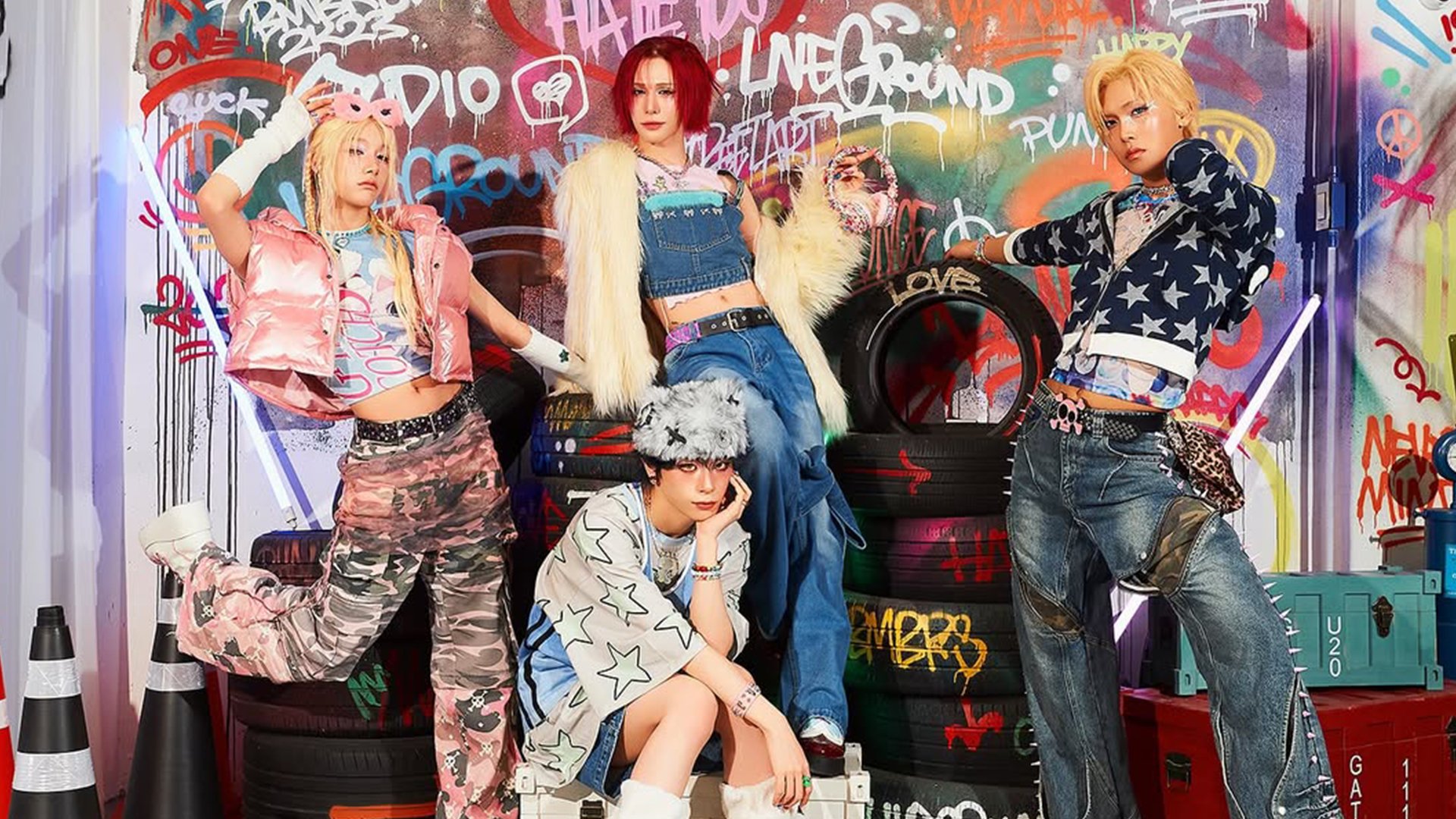
K-pop has always understood gender as something to be styled. But rarely has it allowed masculinity to be unsettled.
When XLOV debuted under 257 Entertainment in early 2025, the label described the group as “genderless,” quickly clarifying that this was not a claim about identity, but a conceptual framework—an aesthetic position. That distinction matters. It shifts the conversation away from confession and toward performance, away from biography and toward design.
In an industry that still equates male idol value with hardness, dominance, and physical authority, XLOV arrives as a refusal.
Not loud. Not confrontational. But deliberate.
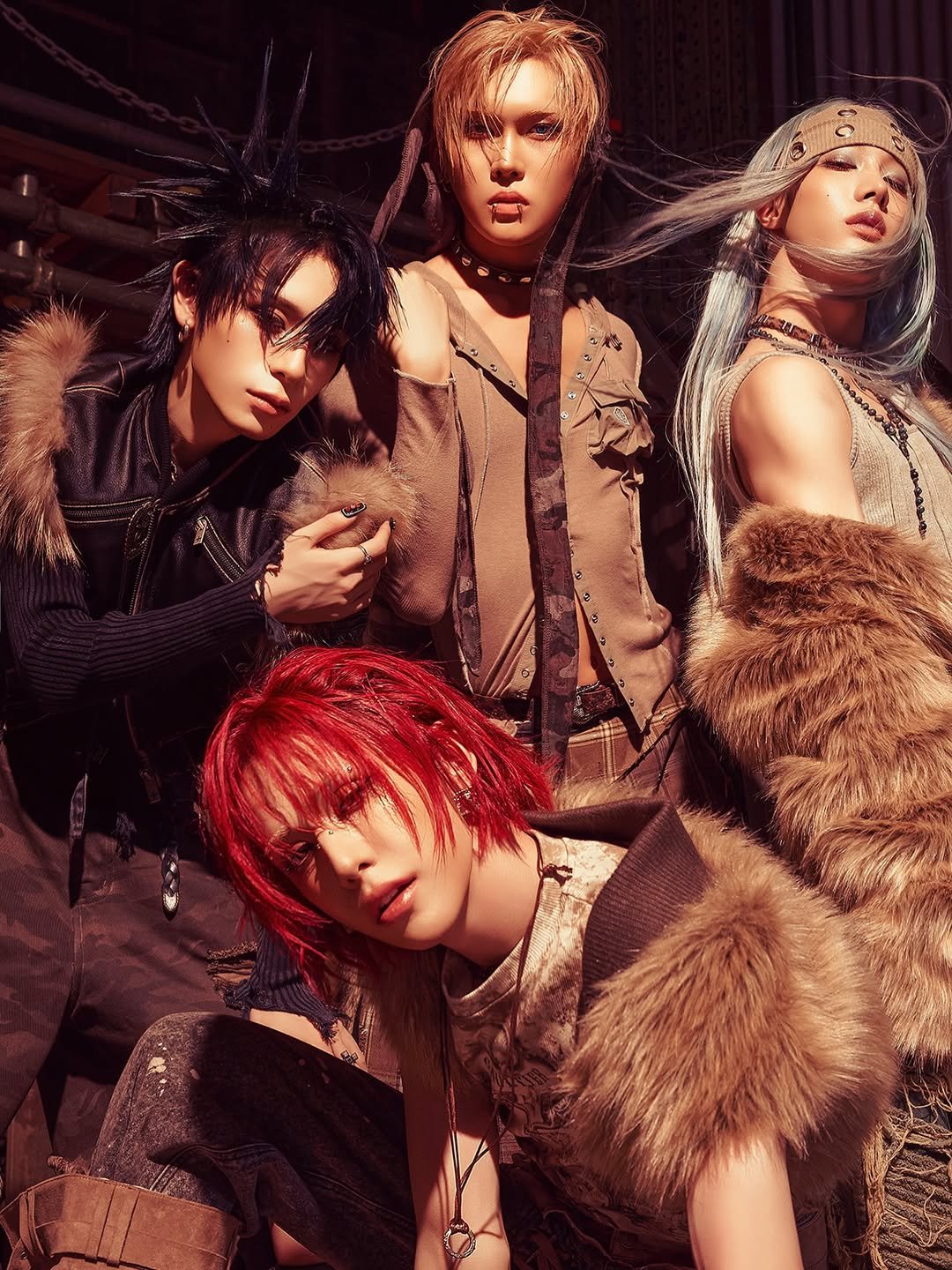
Androgyny as visual language—not shock tactic
XLOV’s androgyny is not reactive. It is systematic.
Their styling rejects the usual shorthand of boy-group masculinity—combat silhouettes, exaggerated muscle lines, hyper-aggressive tailoring. Instead, we see softened structures, skirts layered over trousers, jewelry that interrupts the chest line, makeup that refuses to signal either “pretty boy” innocence or hypermasculine severity.
This bends gender blur for novelty—it is gender neutrality as composition.
The agency has framed this as an attempt to “express beauty without gender boundaries,” a phrase that reads less like activism and more like art direction. XLOV’s bodies are treated as surfaces for meaning, not proof of virility. In this sense, their visuals behave more like contemporary fashion editorials than idol branding.
And akin to battle such machismo branding, the result is a body that occupies the stage.
Movement against machismo
Masculinity in K-pop is enforced as much through choreography as through clothing.
Power stances. Wide frames. Aggressive hits.
XLOV disrupts this grammar. Their choreography favors fluid transitions over explosive punctuation. Hands lead before shoulders. Contact is measured, not territorial. Even when movements are sharp, they avoid the visual language of domination that defines many boy-group performances.
This is where XLOV’s androgyny becomes most radical—rather than replacing masculinity with femininity, they remove certainty altogether. The body becomes ambiguous, open to interpretation.
Concept vs Identity: A productive tension
257 Entertainment has been careful—perhaps overly so—to insist that “genderless” refers only to concept, not to the members’ personal identities. Critics have read this as caution. Others as commodification.
But within an art-critical frame, this separation is precisely what makes XLOV interesting.
They are asking to be read, not be just complicitly, and often shallowly so, believed upon.
Gender, here, functions as costume, choreography, lighting. A constructed surface. This aligns XLOV less with pop confessional culture and more with performance art traditions where identity is staged, suspended, or fragmented.
The discomfort some audiences feel stems from this refusal to clarify. Ambiguity is rarely comfortable, especially in pop.
Fandom, access, and the question of approachability
XLOV’s international fanbase responded quickly. The group’s genderless framing proved legible across cultures, particularly among audiences already fluent in fashion, queer aesthetics, and visual experimentation. Fan art, styling recreations, and discourse frame XLOV as a space of recognition rather than representation.
Yet tension persists. Some fans celebrate the openness. Others ask how far the openness goes.
Agency decisions—especially moments perceived as pulling back from overt inclusivity—have complicated the narrative. This has turned XLOV into a site of debate: can an aesthetic of gender freedom remain radical if it is carefully managed for market safety?
The question remains unresolved. Which may be the point.
Breaking the glass ceiling… quietly
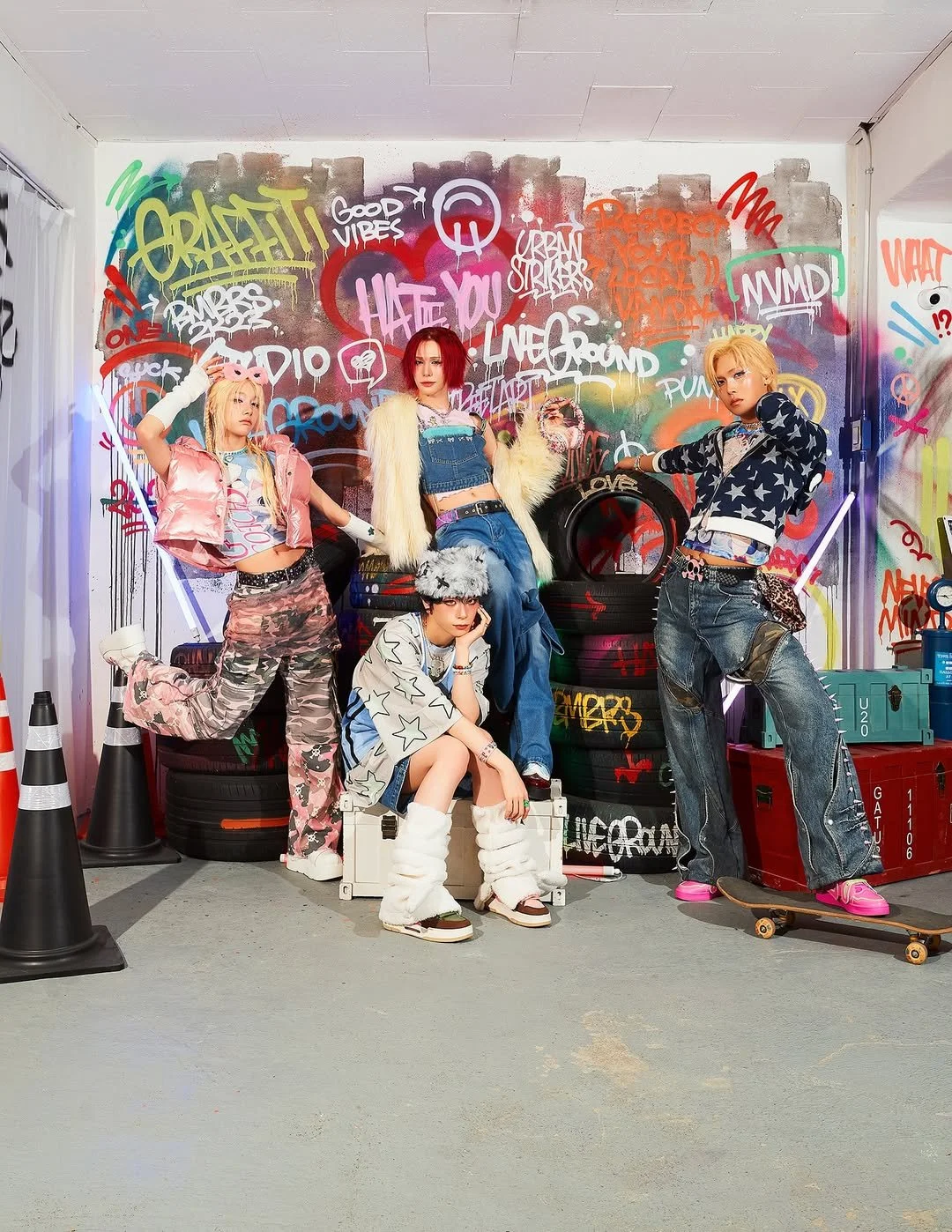
XLOV has become an unbranded revolutionary icon within the K-POP zeitgeist. Nonetheless, they simply ‘exist.’
And that existence—soft, controlled, non-macho—creates friction in an industry still structured around male dominance as spectacle. Their impact may not be immediate or explosive, but it is cumulative. Each performance normalizes an alternative body. Each image expands what a boy group can look like.
XLOV loosens up—sometimes tearing down—K-pop masculinity. And maybe, that is more dangerous.