
Why Reply 1988 Still Matters
A decade later, the stories of Ssangmun-dong continue to shape how we love, live, and grow.
Words Gerie Marie Consolacion
Photos courtesy of Reply 1988 PH, Viu PH, and The New Yorker
December 19, 2025
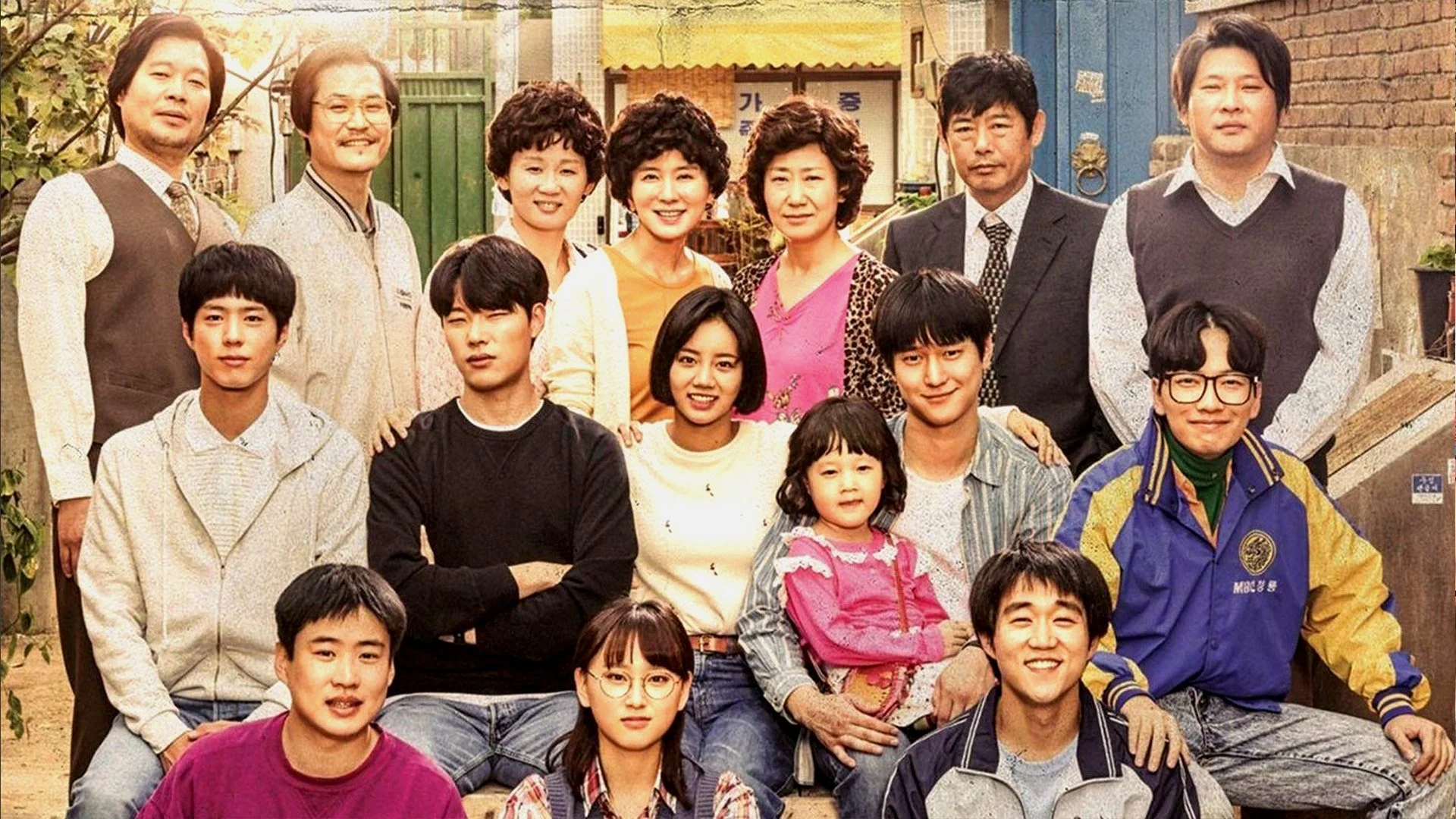
Ten years have passed, yet Reply 1988 still feels like a memory we carry close to our hearts. We return to Ssangmun-dong not just as viewers, but as children again—listening to the echoes of laughter, the clatter of dinner tables, and the warmth of neighbors who once felt like family.
In that small, familiar alley, we learned what it meant to belong, even as time quietly slipped away and innocence faded without us ever noticing.
Slow-burning beginning
At first glance, Reply 1988 might feel tedious. Each episode runs close to an hour—and sometimes feels even longer testing the patience of viewers used to fast-paced storytelling. It asks you to slow down, to sit with ordinary moments, to pay attention.
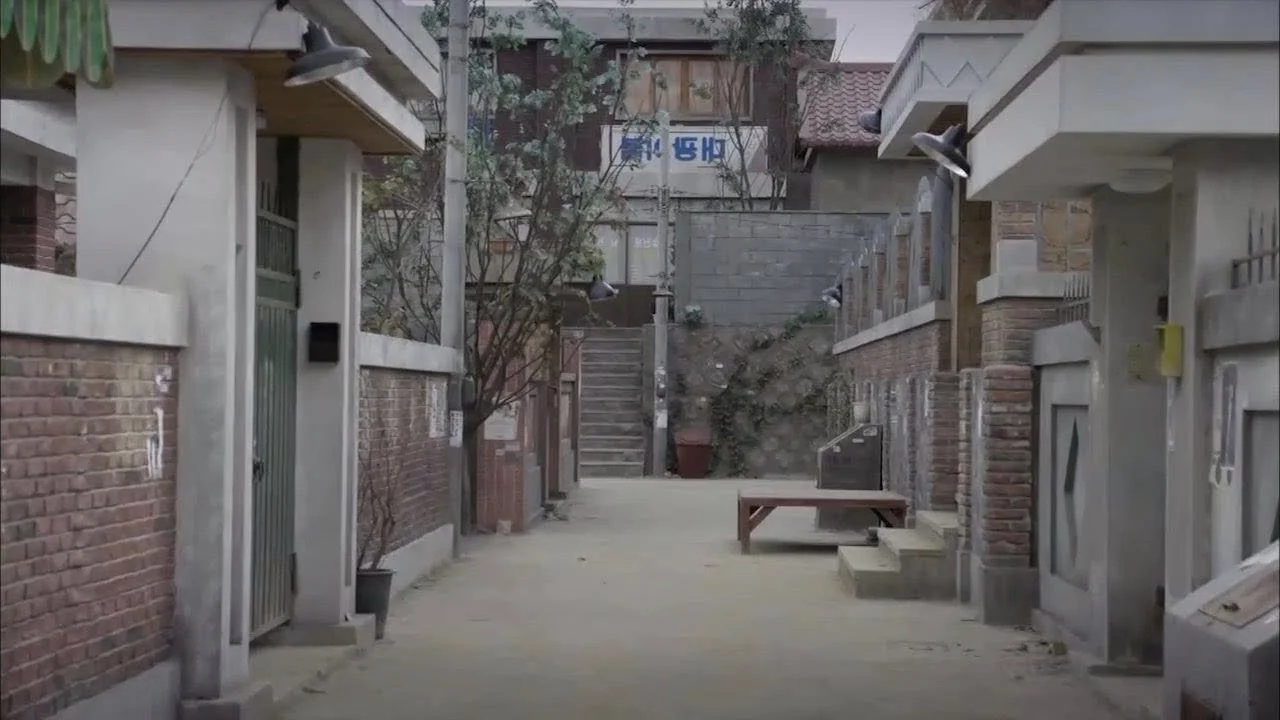
Photo courtesy to Reply 1988 PH official Facebook page
But somewhere along the way, the length no longer feels heavy. You begin to crave it. You start looking forward to the next episode, not for grand twists, but for the comfort of returning to a familiar place.
Welcome to Ssangmun-dong.
The Ssangmun-dong
This small alley becomes the quiet witness to the lives of five very different families, each reflecting realities we recognize all too well.
Jung-hwan's family, financially stable, warm, and complete. Food is always on the table, coal briquettes keep the house warm in winter, and the household runs smoothly. It is the kind of home that feels safe—functional, reliable, and full.
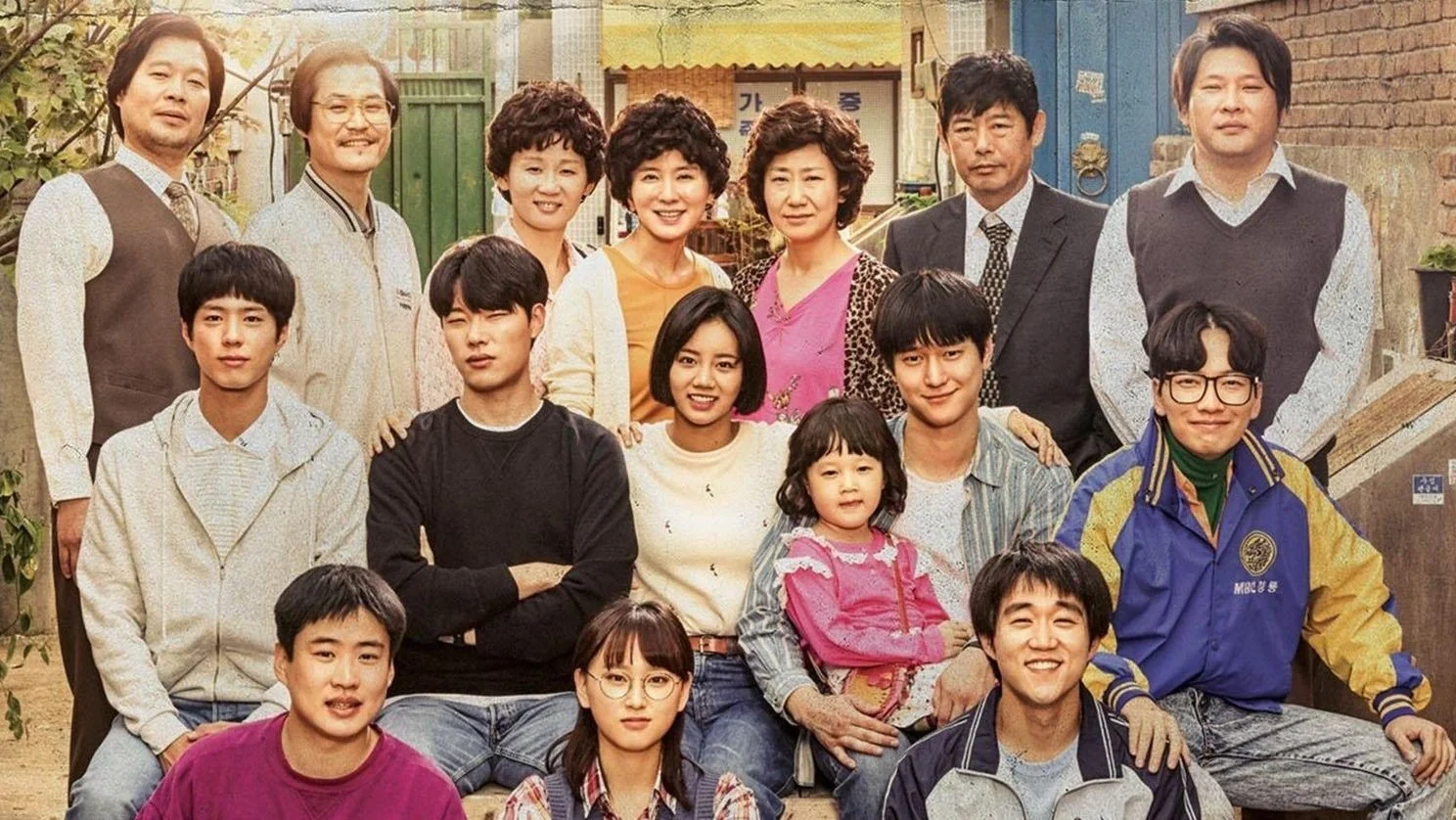
Photo courtesy to Viu PH
Beneath their home lives Deok-sun’s family, struggling but enduring. They represent families trying to make ends meet. Food is shared carefully, portions silently negotiated. The best parts go to the eldest, the most nutritious to the youngest, and whatever looks decent is left for Deok-sun—the middle child. It is here that the drama gently exposes how love exists even in imbalance, and how quiet sacrifices are made without acknowledgment.
Across them is Sun-woo’s household, led by a single mother. Sun-woo, the eldest and only man in the family, wears too many hats for his age. Yet his love for his mother and younger sister is steady and uncomplaining. Their life is simple, and in its simplicity, full.
Then there is Choi Taek and his father—a home defined by silence and tenderness. Taek may seem distant or odd at first, but his quiet presence speaks louder than words. His eyes carry emotions his mouth cannot. Through him, we learn that love does not need noise to be real.
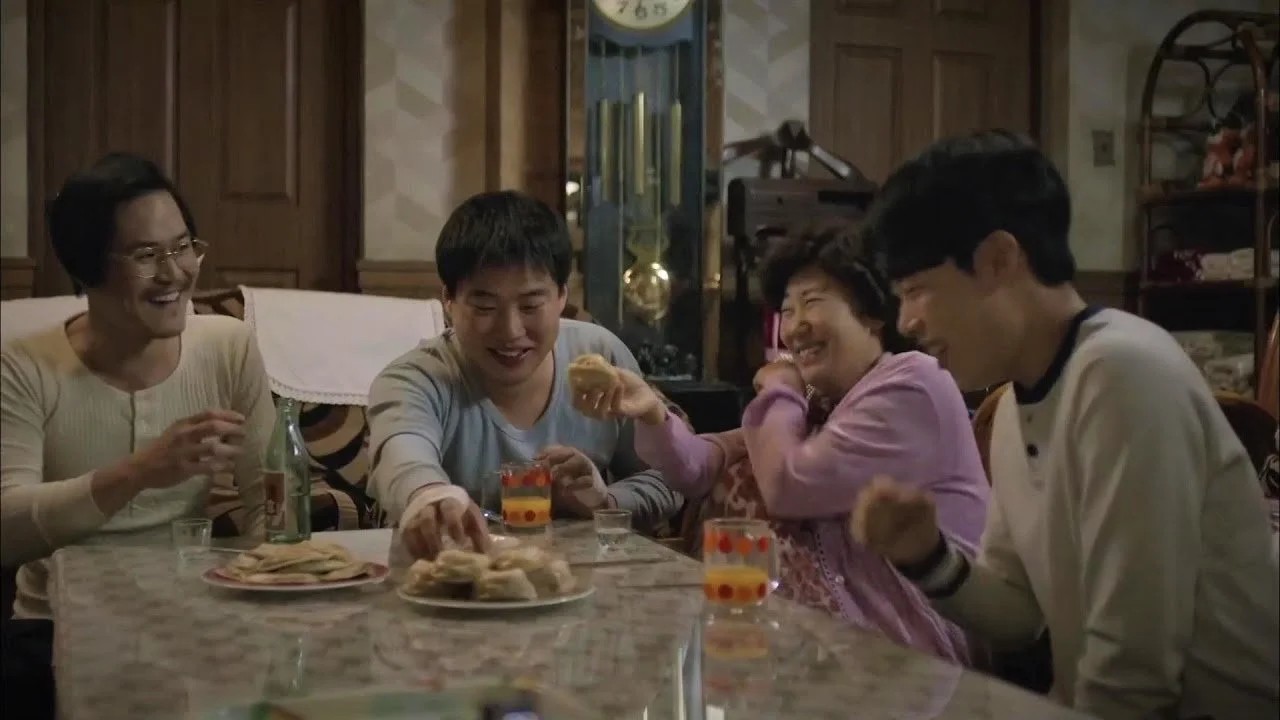
Finally, there is Dong-ryong’s family—wealthy, spacious, and emotionally distant. Despite having everything, Dong-ryong often eats at other homes, seeking warmth where his own house feels empty. The drama reminds us that loneliness does not discriminate by class.
Growing up in Ssangmun-dong
Reply 1988 teaches us that family is never perfect, never fair, and never simple—but always trying.
In Jung-hwan’s home, we see a mother who gives endlessly: cooking, cleaning, caring. The drama quietly teaches us that when we ignore the food our mothers prepare, when we dismiss their efforts, it leaves a weight on their hearts heavier than we realize.
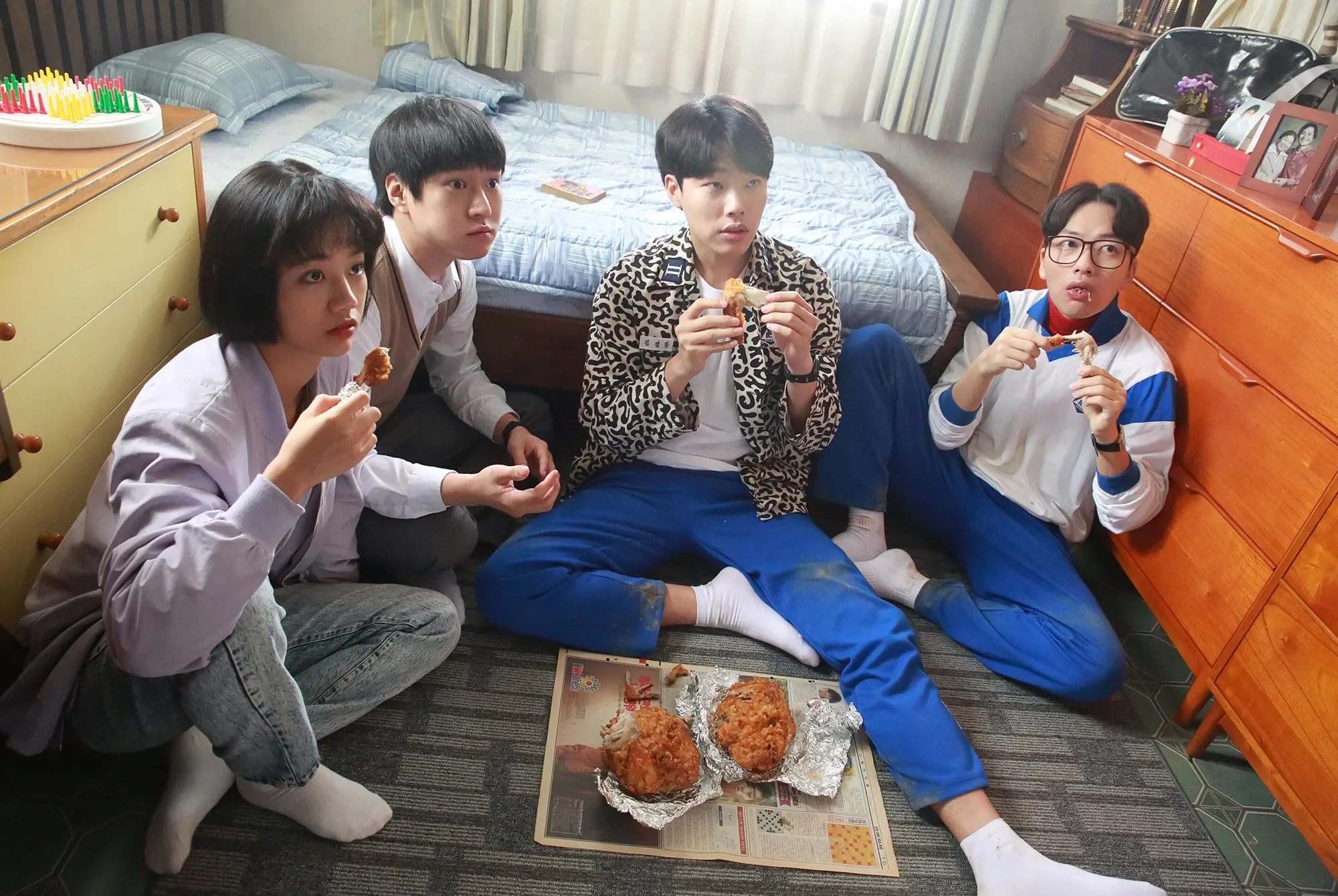
Photo courtesy The New Yorker
We see a father who jokes, opens his home to everyone, and turns their house into a refuge. And we see Jung-hwan himself cold on the surface, deeply caring underneath, loving his family in ways he struggles to express.
In Deok-sun’s home, the eldest child, Bo-ra, is often misunderstood. She appears strict, distant, even unkind. But the drama allows us to see her truth: she is the third parent, carrying the weight of ambition not for herself alone, but for her family. Her strength is not cruelty, it is survival.
And Deok-sun, the middle child—the overlooked one—teaches us about invisible wounds. Every unfair comparison scars her quietly. Yet in small moments, like her father stealing time and a popsicle just for her, we learn that love sometimes hides in the smallest gestures.
One of the most heartbreaking moments comes when Bo-ra leaves home to study. She eats instant noodles alone while her family shares warm meals. Her father, usually composed, breaks down. He stops the car, hands her money and medicine—because fathers love in actions more than words.
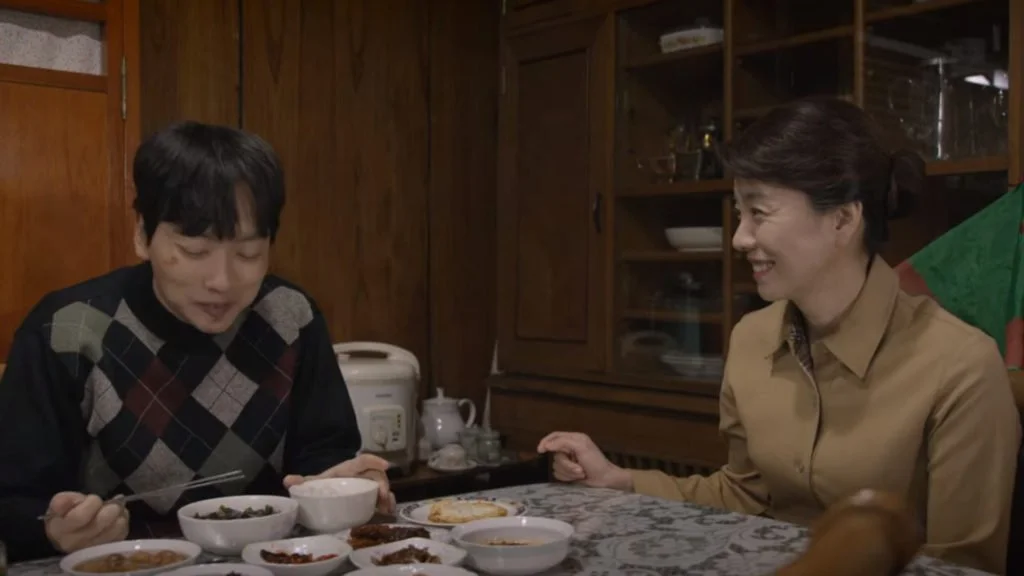
And when Bo-ra gets married, her father walks her down the aisle wearing shoes too big for him—shoes she bought. He walks uncomfortably, painfully, but proudly. Because love has always lived in the little things.
Love lessons from the alley
Love in Reply 1988 is not glamorous—it is patient, painful, and honest.
Sun-woo and Bo-ra’s love is built on persistence and respect. Despite rejection, despite an age gap, Sun-woo’s sincerity never wavers. When Bo-ra chooses her career, he lets her go. And when they meet again as equals, they find their way back—showing us that real love requires sacrifice and timing.
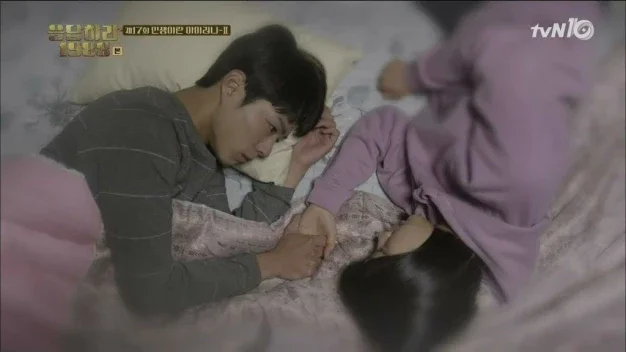
Then there is the love triangle that divided viewers.
As we grow older, our perspective changes. We move from rooting for Jung-hwan to understanding why Deok-sun chose Taek.
Jung-hwan loved deeply—but hesitated constantly. He arrived too late, paused too often, and hid his feelings until they became regrets. We ask ourselves: If he hadn’t stopped by the red light, would things have been different?
Probably not.
Because it was never the traffic light. It was his hesitation.
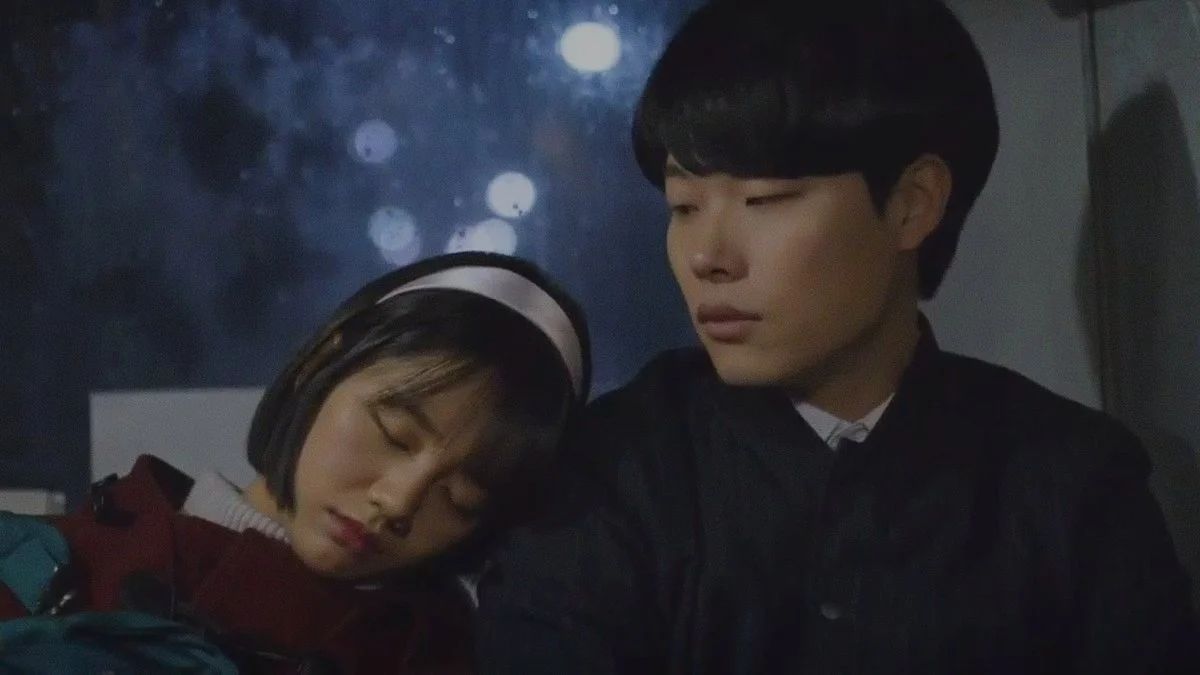
Taek, on the other hand, chose Deok-sun clearly. Quietly. Consistently. He made her feel seen, secure, and prioritized. He accepted her flaws, cherished her joy, and confessed without fear. Love, the drama tells us, is not about grand gestures—it is about certainty.
And maybe that is the hardest lesson: sometimes the hero does not get the girl. Sometimes, the one who stays, who chooses clearly, who loves gently, does.
So no, it was never the traffic light’s fault.
Adults feel pain too
The parents in Reply 1988 are not side characters. They are human—vulnerable, exhausted, and quietly hurting.
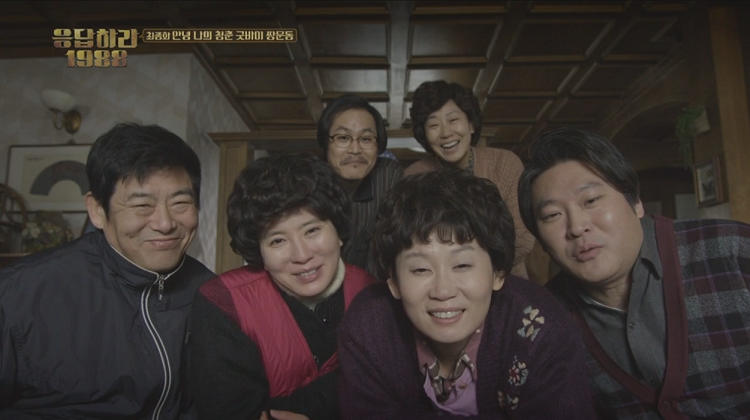
When Jung-hwan’s mother struggles with depression, she does not face it alone. She is held by her family, her husband, her children, her neighbors. The alley becomes a reminder that healing happens in the community.
The drama teaches us to look back—to check on our parents. To remember that they gave up dreams so we could live ours. That every careless word, every tantrum, every moment of neglect can wound them too.
They were once children. They were once someone’s everything. They are human.
Why is Ssangmun-dong our safe space?
In the end, Reply 1988 was never just about who ended up with whom or which family struggled more. It was about time—how quietly it passes, how deeply it changes us, and how we rarely realize we are living our best moments until they become memories.
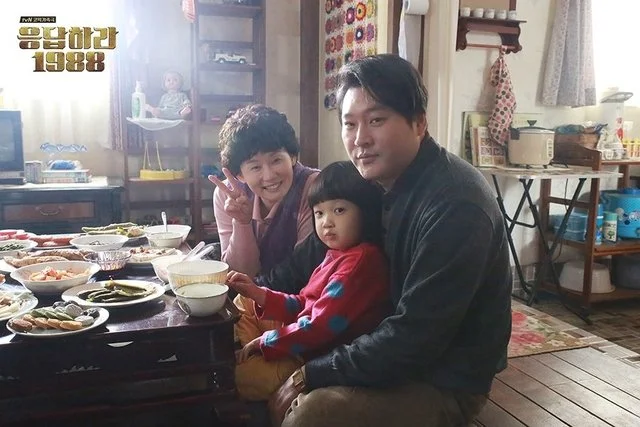
Ssangmun-dong was not just an alley; it was a season of life where doors were always open, meals were shared, and love existed in its most ordinary and honest form.
As viewers, we did not simply watch the characters grow up. We grew up with them. We learned to speak our feelings before it is too late, to show up while we still can, and to love our families even when love is messy and imperfect. Reply 1988 reminds us that growing older does not mean losing warmth. It means learning how to carry it forward.
Perhaps that is why, even after all these years, we still find ourselves going back to 1988. Not to relive the past, but to remember how to live, how to love, and how to hold on to what truly matters.