Who Meets Whom in the Mirror?
In 1:1, André Chan maps eleven years of evolution, questioning, and seeing.
Words Jaymar Aquino
Photo courtesy of André Chan, Wilmark Jolindon, and Belg Belgica
September 29, 2025
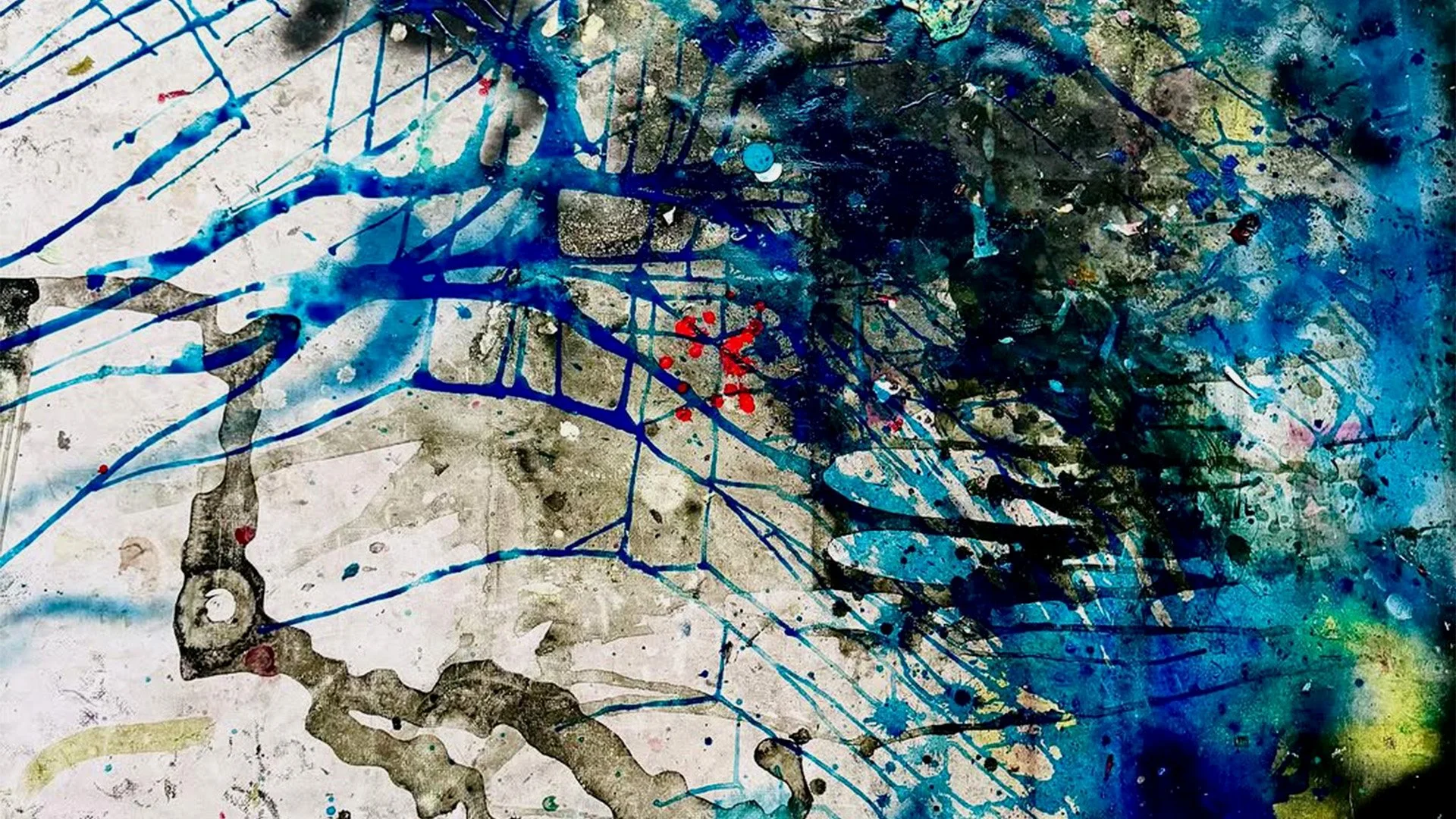
What does it mean to truly face oneself—not just the familiar silhouette in glass, but the unknowable figure staring back? For multidisciplinary artist André Chan, the question finds its answer in numbers, in symmetry, and in the haunting geometry of reflection.
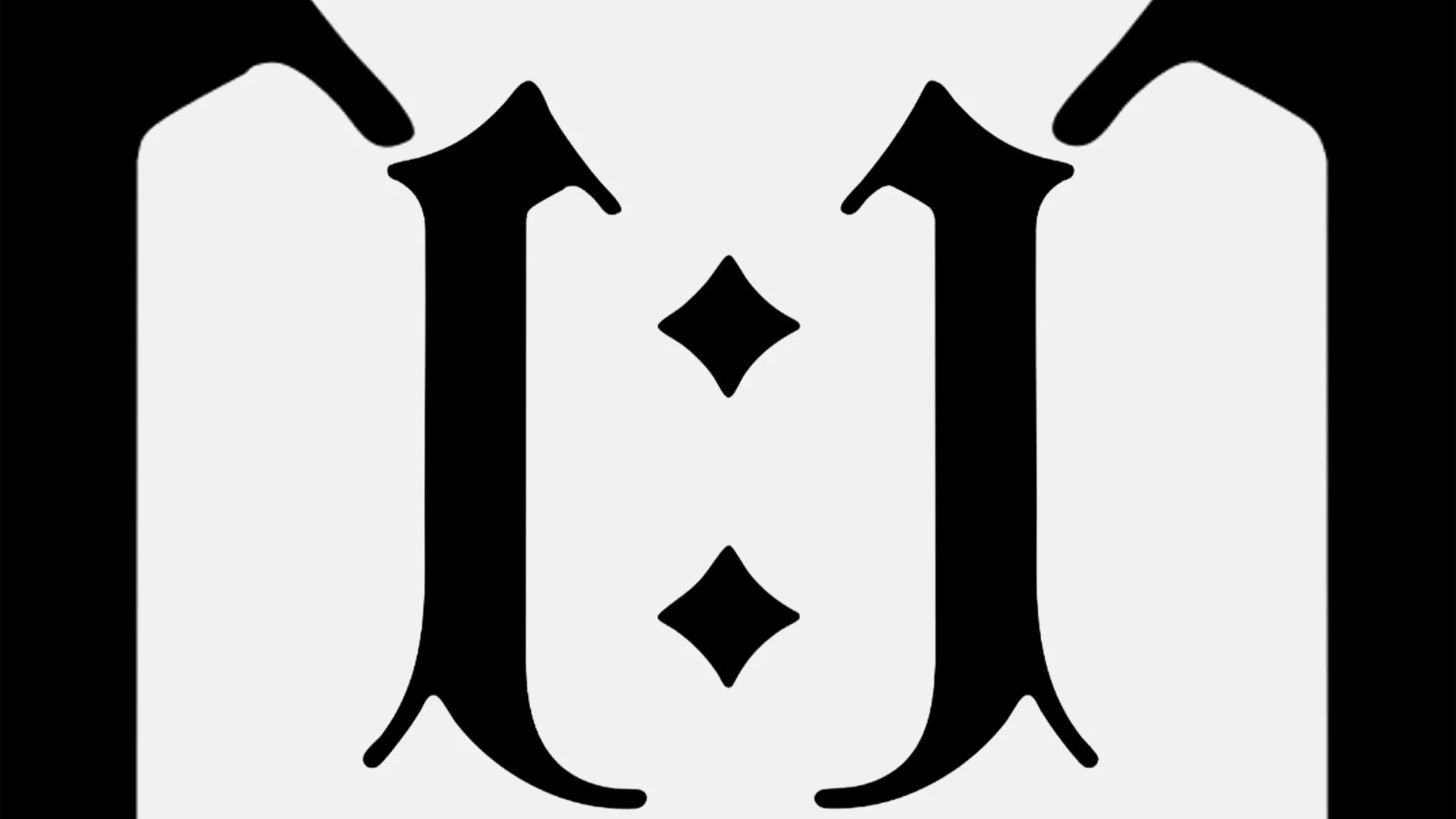
Photo courtesy of Andre Chan’s Instagram (@andrechance)
His 11th anniversary exhibition, 1:1, opening at the First United Building, unfolds as a month-long ritual of mirroring—from October 11 to November 11, between the hours of 11 a.m. and 11 p.m. It is not coincidence, but insistence. Doubling. Returning. The “I” that meets the “I.”
“You are your own mirror. 1:1 is also self-awareness and how you operate your self-awareness with others as well,” Chan explains. Here, individuality is not a static state but a shifting mirror, inviting visitors to navigate the tension between observing and being observed.
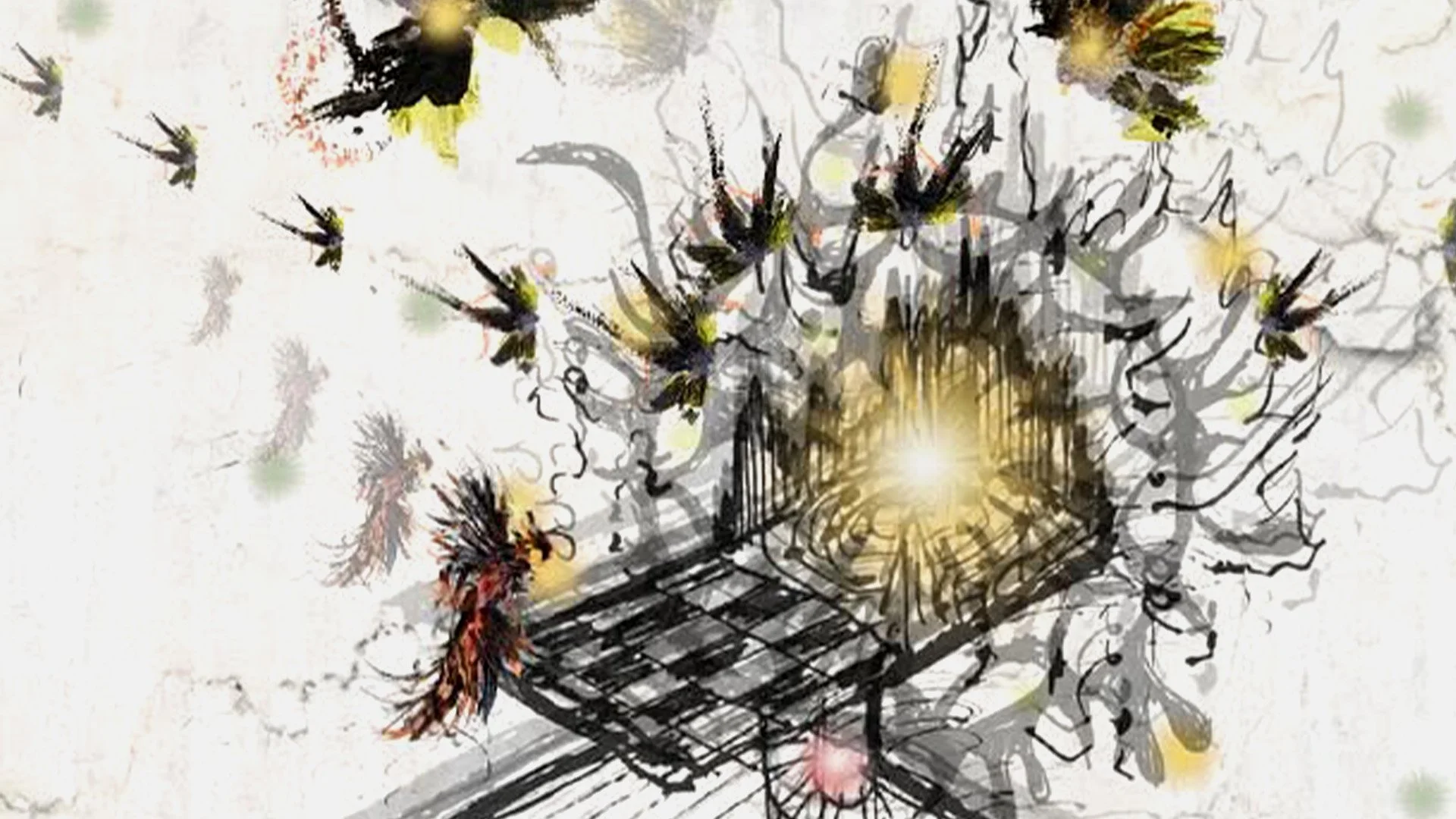
To walk its corridors is to enter a hall of reflections, where every wall and every shadow asks, "What of yourself will you meet here?"
The language of symbols
The now Manila-based Cebuano creative moves through a world that is never silent. Each mark, each motif, carries its own voice, a language that demands to be heard.
Nowhere was this more evident than when the teaser for his anniversary show appeared, a work that called not just to be seen but to be contemplated.
The crow rises repeatedly in this visual chorus, dark, watchful, and almost sentient in its presence. "They’re very intelligent creatures, and I want to be like that also. They are very misunderstood,” he shares.
The crow, in his gaze, transcends its form. It becomes a metaphor—intelligence cloaked in suspicion, a presence both clear and misread, echoing the contradictions of the artist himself.
Then there are the lilies—fragile, floating, deceptively serene. “Sometimes I put things because I know that I have to question myself further—the why of the lilies. There’s more to what you’re doing right now. It’s always evolution," the contemporary artist shares.
These elements offer a taste of the universe Chan has crafted for his fifth solo exhibition, a space where meanings matter, symbols speak, and the eye is invited to wander deeper than what appears at first glance.
Collaborations as conversations
Then our conversation drifted to the people who have inspired his journey. In eleven years, Chan has come to understand that collaboration is never compromise—it is a beat that echoes his own creative pulse.
"It was like playing basketball. We just had to pass the ball back and forth. We didn’t create expectation but inspiration and mystery,” he recalls of his recent work with photographer Belg Belgica, where together they transformed the First United Building into a living gallery that nudges the visitor to stop, observe, and see deeper.
To map his path is also to map the traces of other creatives—Wilmark Jolindon, Kyle Lim (KADILIMAN), Toha, and RM, among many others. Their influence, he says, is etched into his growth. “I also learn a lot. It’s always an exchange. Collaboration is really a profound experience.”
In the rhythm of these connections, he finds mirrors rather than alliances. Each artist he credits becomes another surface in which he finds a truer image of himself—an imagination widened, a future charged with possibility.
The present as past and future
Chan's body of work has already stretched across spaces and disciplines, touching galleries, fashion, and beyond. Still, when asked to choose his most memorable project, the silence that followed said everything: he does not linger on what has been. Instead, he grounds himself in the moment.
"This project is going to be the most memorable, because it’s always the now in the present practice that I celebrate. The present is a compound of both past and future," he reflects.
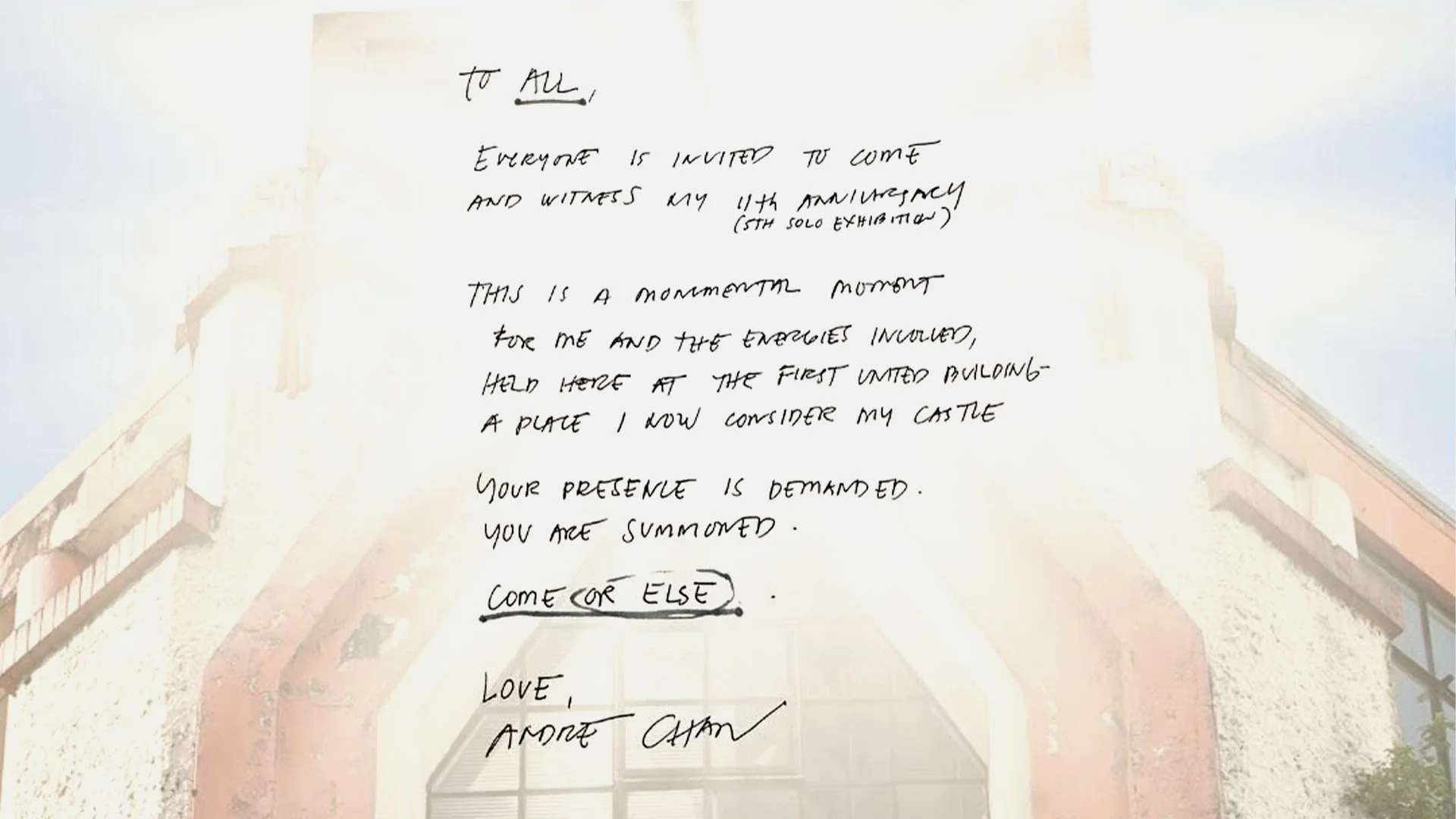
His upcoming show promises to mirror these sentiments. Yesterday refracts into today; tomorrow shimmers faintly at the edges. To experience the exhibition is to witness this continuum collapse—to feel both memory and possibility pressing against the surface of the now.
The other side of art
Even in a career defined by vision, the mirror shows cracks. “I always follow and honor agreements, but when you consign your works, [sometimes] you don’t get paid at the right time. Sometimes it goes three months, sometimes more. It’s very prevalent. A lot of artists are also facing that,” he shares, the admission grounding his artistry in the real and often unseen challenges of creative life.
“These are the concepts that exist in this field that I have to let go of, but at the same time I’m conflicted with them. It takes up so much headspace.” Chan’s reflection cuts through the romanticism of creation—the quiet compromises, the unseen negotiations, and the tension between vision and limitation.
Layers of becoming
When asked whether his identity as an artist has evolved over time, his answer is fast and firm: “It never changed, because an artist is just human. Human. That’s it. Artists also inspire freedom. The role of an artist is to question, to create universality, to connect in a form that is transcendental.”
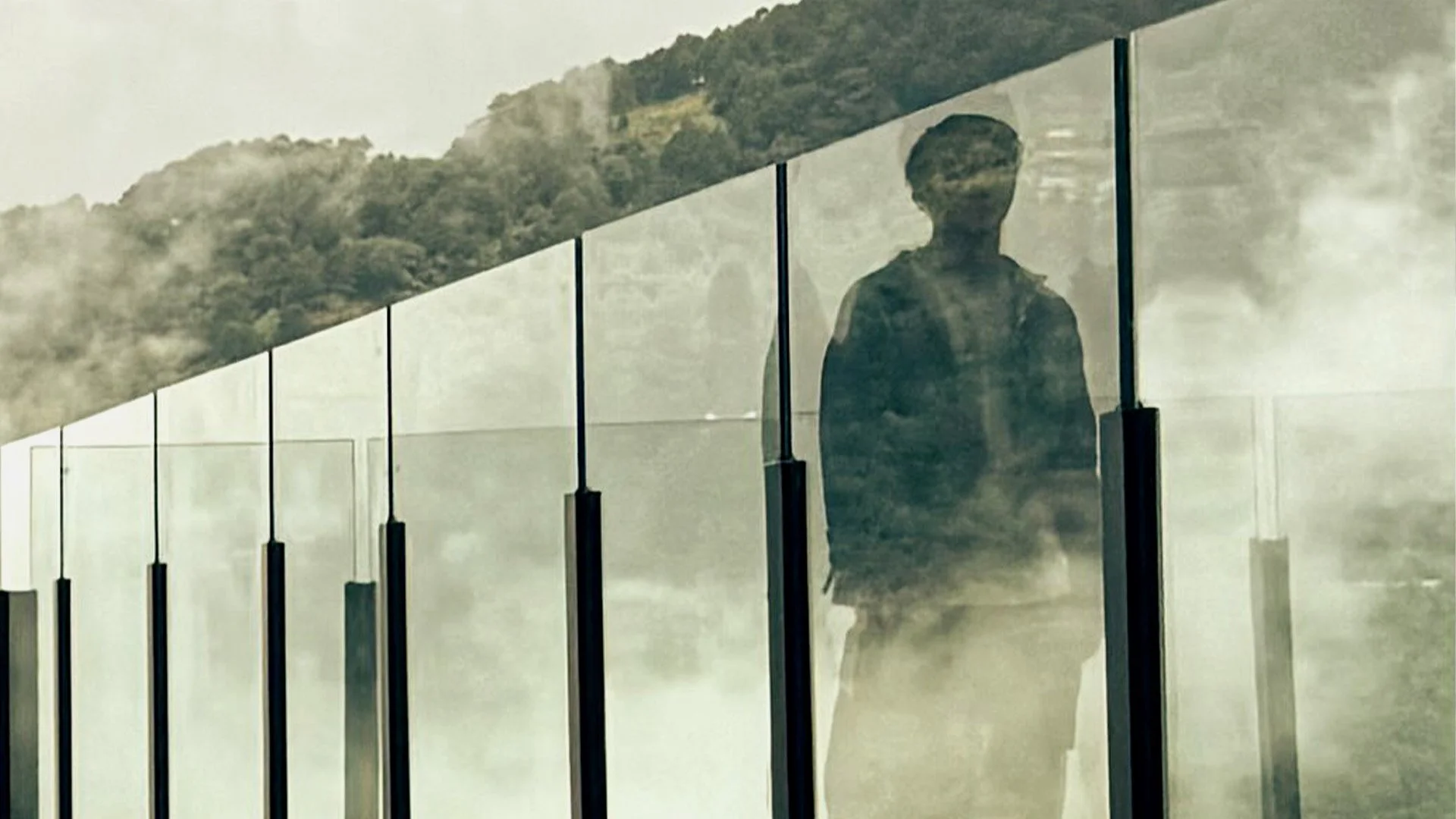
He likens his creative growth to the slow patience of a mountain shaped by rain—its cycles crystallizing, layering, and calcifying until a peak emerges. “It’s still the same mountain, but it got bigger and brighter, more elegant and sharper,” he explains.
Mirror and mystery
So what word could possibly define eleven years of creation? Chan responds with something that feels almost preordained, yet still carries a weight of discovery. "Mirror," he states. “Because you see yourself, you see others. You see yourself from others. You see yourself in beauty. You also see yourself in ugliness." In that single word, the essence of 1:1 is reflected.
Even amidst the clarity of mirrors and symbols, the artist admits it is the unknowable that sparks his curiosity. “The mystery. It’s always a mystery. I do not know. But that I do not know is the most exciting thing.” In embracing what cannot be predicted, he finds creation’s heartbeat, and we are left anticipating the next chapter of his work.
Ending on a note that is anything but ordinary, the young artist shares gratitude and vulnerability in the same breath. “I was in a very deep, dark tunnel, endless in that state. But you always have to say, I am. Even if you are not, I am. Always say, I am. I am already.”
With 1:1, Chan invites us not merely to view but to confront, reflect, and affirm, and perhaps to whisper the words with him: I am.