
When Warning Signs are Flashing, Will You Stop the Wedding?
When warning signs are flashing right into your face, you don’t have to waste a night getting ready for something that you would resent in the future.
Words Rolan Muyot
Art by Tristan Talon
September 23, 2026
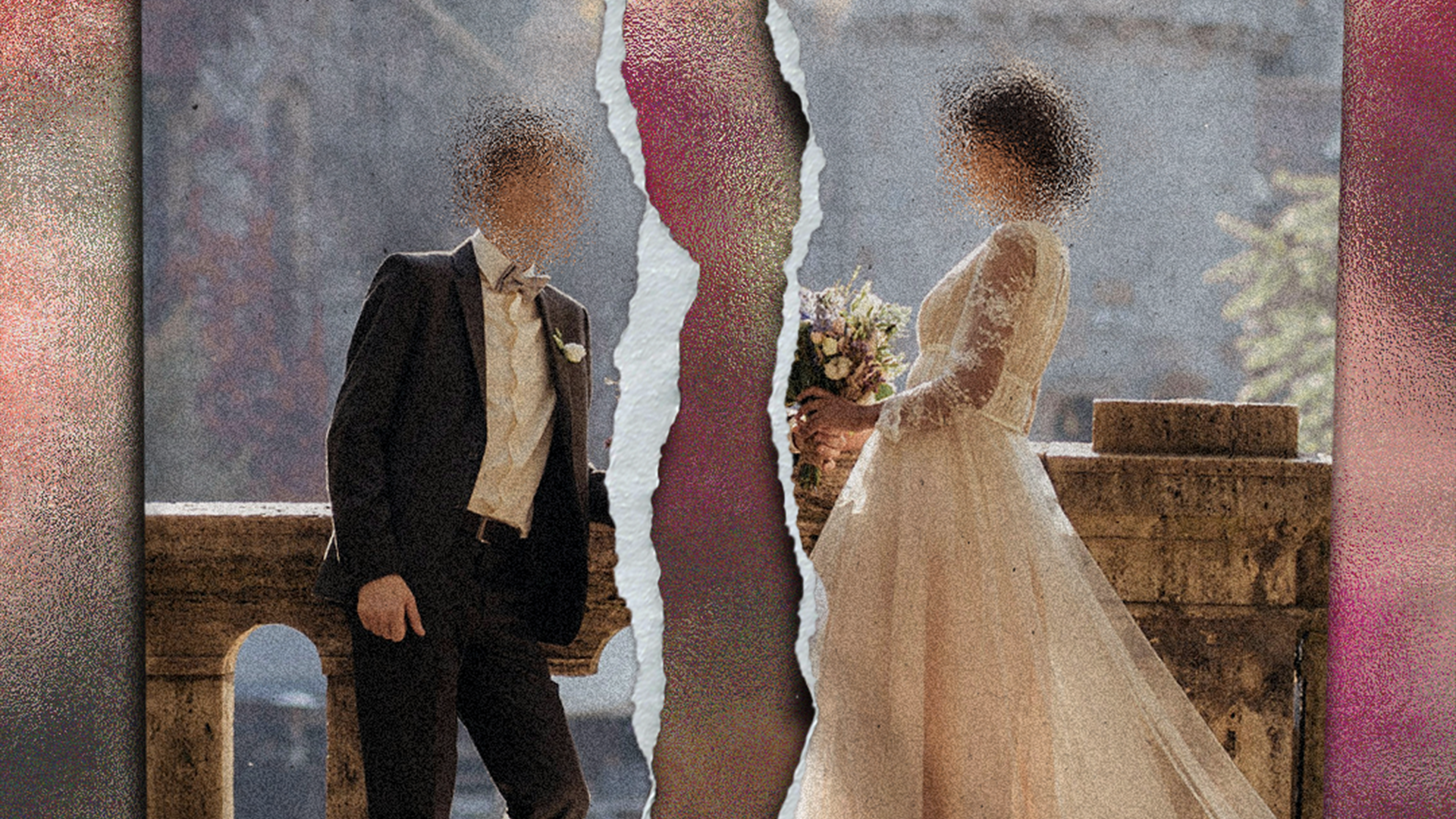
Art by Tristan Talon
In wedding ceremonies, we often hear the phrase “for better or for worse” as one of the foundational parts of the marriage vows that couples promise with each other.
And maybe because they expect each other to have their back in facing every challenge that life may throw at them.
When their relationship is being tested, they are bound to act like a team, supporting each other because they promise to love their partners despite every circumstance.
And when one is at their worst, the other should understand, as to what people expect it to be.
The “for worse” part of marriage is the act of sticking together through hardships such as financial problems, illnesses, job losses, and failures. It does not include illicit affairs, abuse, and chronic disrespect.
Because if it does, they are not at their “worst”, they are flashing warning signs into your face.
But how would one know if their partners are just at their lowest, and when they are being treated badly already?
How would one know when to stop the wedding?
A Trend of Not Settling for Less
Art by Tristan Talon
American singer-songwriter Ashe’s newest single ‘Stop The Wedding!’ blows the internet as it trended with quotes starting with “If your partner…” followed by acts considered “red flags” in a relationship.
According to a report by BroadwayWorld, the song was inspired by the singer’s personal experience during her wedding day in 2025 when she felt so right, and found herself thinking about the difference of her second wedding compared to her first.
The singer even found herself posting multiple entries on TikTok. Some of her video captions read:
“If he says you’re doing too much, absolutely stop the wedding.”
“If he says ‘you’re being dramatic’ stop the wedding.”
“If he tries to tell you what you can’t wear, stop the wedding.”
Another user also posted her take on the trend saying “If he slowly pulls you away from your friends, hobbies, or other things that makes you YOU, stop the wedding!!!”
A medical practitioner also hopped on the trend with an entry saying “If he can’t answer a form that asks for your middle name, birthday, LMP (Last Menstrual Period), EDD (Estimated Date of Delivery), medications or pregnancy complications while you’re in labor, PLEASE!!! STOP THE WEDDING!!!”
The video simply tells us that if your partner doesn’t know the most basic details about you, yet they are trying to build a family with you already, there is no reason for you to stay in that situation.
The bottomline of these entries is about not losing our autonomy and control over ourselves even when we’re in a committed romantic relationship. The concept of the song is being free and enjoying our individuality regardless of being with someone we love, and leaving a situation that doesn’t make us feel loved and seen
And when they do not understand that, the song tells us to Stop The Wedding!
As many people found the song empowering to leave a situation where they don’t feel loved and respected, some perceived it as another point of argument in the existing debate on the internet about what they call the “social media standards” when it comes to relationships. a
But should people have the power to tell us that when we label something as “bare minimum”, we are just following the “social media standards”?
Don’t Live By It, But Leave
Art by Tristan Talon
According to an article from For Better or For Worse entitled “How Social Media is Shaping Our Expectations of Love”, social media transformed the way people think love should look.
It highlighted concepts of performance based love and unrealistic standards, which pointed out the fact that people just see the good and happy side of other couples relationships and not the disagreements and the mundanity of their daily routines.
People in a relationship should not live by the standards constructed by social media. But no one should also undermine one another’s built-up-strength of sharing online how they felt disrespected and undervalued by their partners.
We don’t have to copy everything we see on the internet and live by it. But we have all the rights to say that we don’t deserve a treatment that doesn’t make us feel loved and seen, get out from a situation that doesn’t serve its right purpose, and to not settle for less and just leave.
When warning signs are flashing right into our face, we don’t have to waste a night getting ready for something that we would just resent ourselves for in the future. And even though the tables are beautifully set with flowers around it, the guests are waiting with the proudest smiles on their faces, we can still run away.
When our partners don’t respect and honor our autonomy over ourselves, and don’t love and value us the best way they can and we deserve, we can always stop the wedding.